







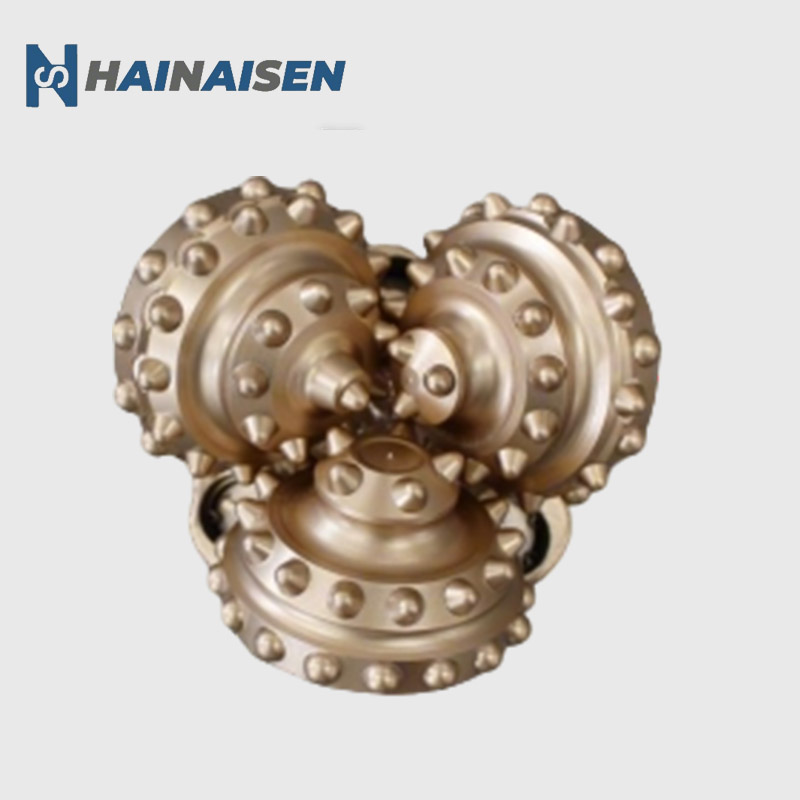
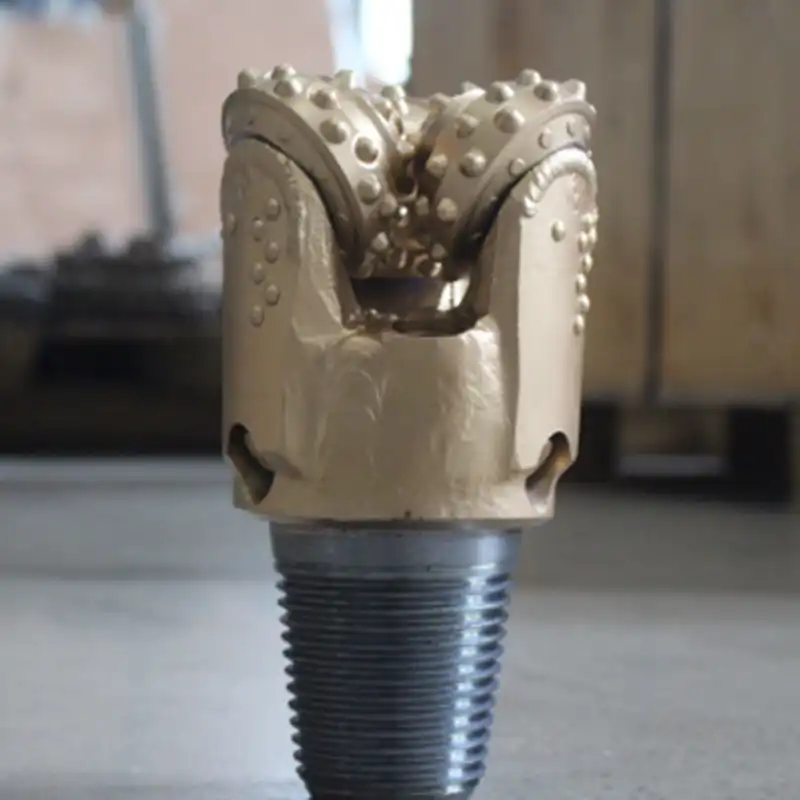
4 1/2" IADC 637 TCI Tricone Bit
- Product Description
4 1/2" IADC 637 TCI Tricone Bit – Premium Tungsten Carbide Insert Solution for Hard Formation Drilling
Shaanxi Hainaisen Petroleum Technology Co., Ltd presents the 4 1/2" IADC 637 TCI Tricone Bit, engineered specifically for challenging drilling operations in medium-hard to high-compressive-strength formations. This professional-grade tricone bit offers exceptional performance in limestone, dolomite, and hard sandstone formations by combining premium tungsten carbide inserts with rubber-sealed bearing technology. With a 6,000-square-meter state-of-the-art manufacturing plant in Xi'an and more than ten years of experience with drilling technology, Hainaisen blends precision engineering and sophisticated metallurgy. Our more than twenty senior technicians make sure every bit satisfies strict quality standards, supporting anything from oil and gas exploration projects to water well drilling across the globe.

Core Technical Specifications
| Parameter Category | Specification | Parameter Category | Specification |
|---|---|---|---|
| Model | 4 1/2" IADC 637 | Cutter Type | High-Strength Tungsten Carbide Insert (TCI) |
| Connection Thread | 4 1/2" API Reg Pin | Bearing Type | HNBR Rubber-Sealed Bearing |
| Bit Diameter | 4 1/2" (nominal) | Circulation Method | Mud Circulation |
| Recommended WOB Range | 13,482 - 32,357 lbf (60-144 kN) | Recommended RPM Range | 40 - 180 r/min |
| Gauge Protection | Tungsten Carbide Insert Gauge | Nozzle Configuration | 3-Jet Nozzle Design |
| Additional Protection | Hardfaced Backream & Shirttail Guard | Suitable Formations | Limestone, Dolomite, Hard Sandstone, Anhydrite, Marble, etc. |
Advanced TCI Design Features
Modern insert geometry maximizes rock penetration while reducing wear with the 4 1/2" IADC 637 TCI Tricone Bit.Each tungsten carbide tooth is meticulously positioned across three rotating cones to generate an aggressive cutting structure that successfully breaks formation.
The rubber-sealed bearing system protects internal components from polluted drilling fluid and abrasive particles. This sealed construction significantly extends operating life and reduces your cost per foot drilled as compared to open-bearing alternatives.
The ideal location of the nozzle ensures effective bottom-hole cleaning. The hydraulic design quickly removes cuttings, preventing bit balling and maintaining steady penetration rates even in sticky formations. Your drilling crew will appreciate fewer trips and more productive shifts.
Formation Performance Analysis
This bit performs consistently when drilling thru limestone sequences with sporadic hard stringers. Your dependable option for changeable geology is the carbide insert arrangement, which efficiently manages compressive stresses up to 25,000 PSI.
Because of their abrasive properties, dolomite deposits frequently provide a challenge to conventional bits. This 4 1/2" IADC 637 TCI Tricone Bit is high carbide grades and heat-treated steel body prevent wear patterns that would displace inferior tools.
Drilling hard sandstone requires both durability and efficient cutting. By distributing weight evenly among inserts, the balanced cone design delivers penetration rates that keep your project on time while averting premature breakage.
Production Process
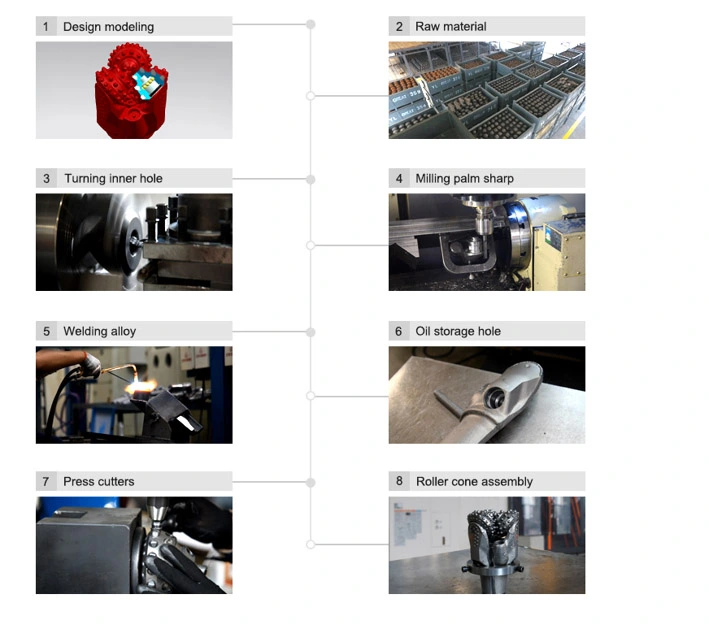
Selection & Comparison Guide
| Feature | Hainaisen Bit | Conventional Tricone Bits |
|---|---|---|
| Insert Quality | Premium tungsten carbide, high impact resistance | Standard grade, prone to wear |
| Bearing Seal | Advanced metal-to-metal seal, long service life | Basic rubber seal, short lifespan |
| ROP Performance | 15-20% higher ROP in medium-hard rock | Slow, high bit bounce |
| Maintenance | Low, long service interval | Frequent replacement, high downtime |

Bearing System Advantages
Rubber-sealed bearings represent a significant technological advancement in tricone bit design. The elastomeric seal blocks mud and cuttings from entering bearing surfaces, dramatically extending service intervals.
Internal lubrication reservoirs maintain optimal bearing temperatures during extended runs. This thermal management prevents the metal fatigue that causes unexpected failures in demanding applications.
You'll notice improved gauge retention with this sealed system. The protected bearings maintain rotational integrity longer, keeping your borehole dimensions accurate from spud to total depth.
Project Case Studies
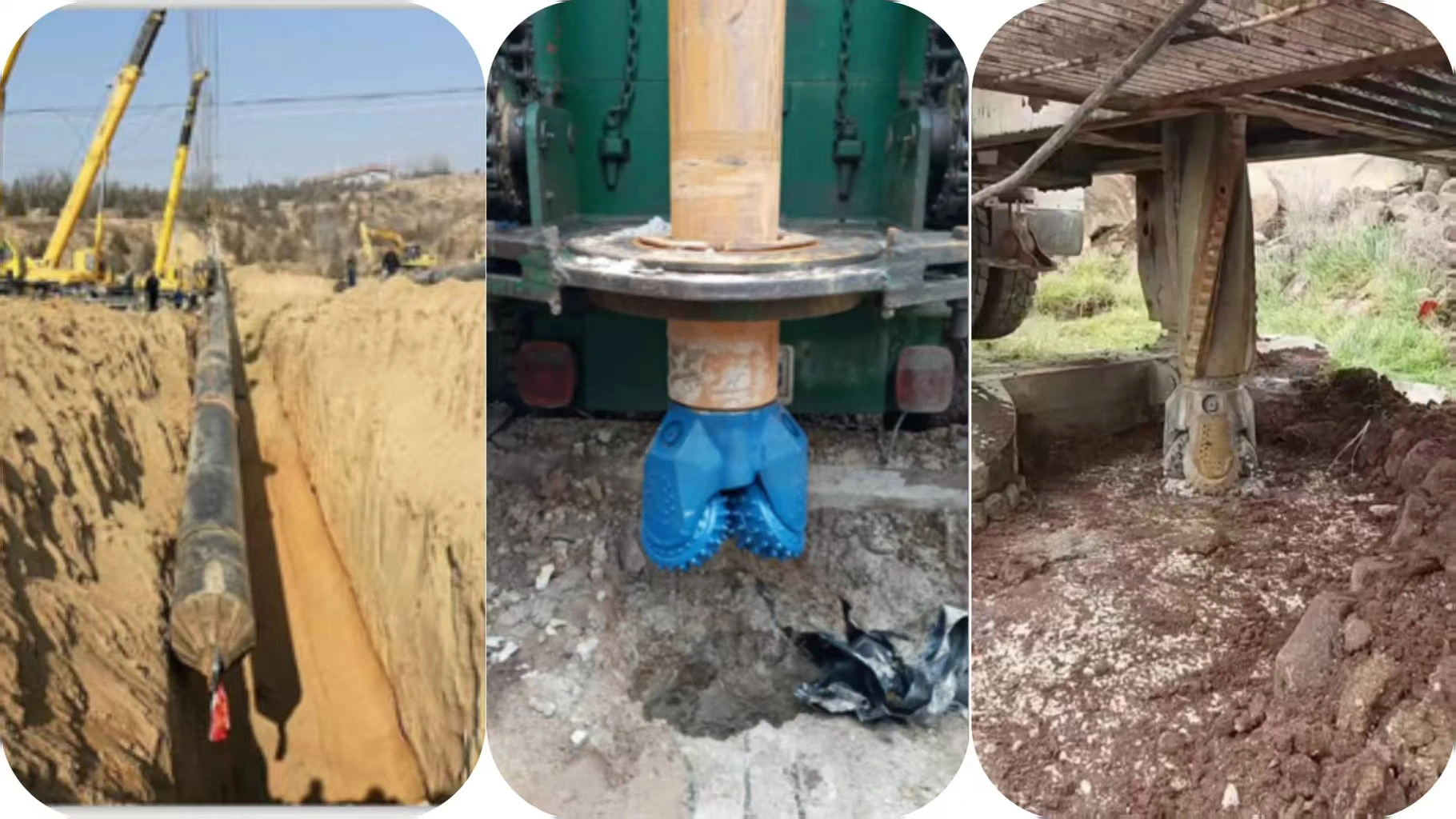
A water well contractor in the southwestern United States faced challenging drilling conditions through alternating layers of limestone and caliche. Using the 4 1/2" IADC 637 TCI Tricone Bit, the crew completed a 350-foot well in 18 hours of rotating time—a 30% improvement over their previous bit selection. The sealed bearing system eliminated premature failures that had plagued earlier attempts.
During a geothermal exploration project in northern China, drilling engineers required consistent performance through hard metamorphic rock sequences. They selected this tricone bit for its proven carbide insert technology. The bit drilled 280 feet before requiring replacement, with penetration rates averaging 12 feet per hour in formations exceeding 20,000 PSI compressive strength.
An HDD contractor working on a utility installation project encountered unexpected sandstone beds during pilot hole drilling. The operator switched to this bit mid-project and completed the remaining 450 feet without additional bit changes, saving two days of downtime and maintaining the critical project timeline.
Maintenance and Operational Guidelines
Before running your bit, inspect all carbide inserts for shipping damage. Check bearing seal integrity and verify proper thread engagement with your drill string connection.
Maintain appropriate weight on bit based on formation characteristics. Excessive weight accelerates insert wear, while insufficient weight reduces penetration efficiency. Your optimal range typically falls between 1,500 and 3,000 pounds per inch of bit diameter.
Rotary speed selection impacts both rate of penetration and bit longevity. For hard formations, operate between 60-100 RPM. Monitor torque readings—sudden increases indicate bit balling or bearing issues requiring immediate attention.
Hydraulic horsepower directly affects cleaning efficiency. Calculate nozzle sizing to deliver at least 2.5 hydraulic horsepower per square inch of bit diameter. This ensures adequate cuttings removal and temperature control.

Why Choose HAINAISEN
We’re not a trading company — we’re a 16-year dedicated drill bit Manufacturer based in China, focused only on tricone bits and PDC Bits. Here’s why customers keep coming back:
- Raw material control we can proveWe use only high-density tungsten carbide inserts and imported HNBR rubber seals. Every batch of teeth and bearings is tested for hardness and fatigue. No cheap substitute materials — that’s why our 637 bits run consistently in hard rock.
- Genuine API 7‑1 productionOur workshop follows API 7‑1 strictly for machining, heat treatment, assembly and testing. Threads, bearing clearance, seal compression are all controlled to tolerance, not just “approximate”.
- Stock for fast delivery4 1/2" IADC 637 is our fast-moving model. We keep regular stock for quick shipment (7–15 days) even for small orders. No long waiting for common sizes.
- Flexible MOQ & customizationWe accept trial orders (MOQ = 1 piece) for testing. We can also adjust nozzle size, gauge length, hardfacing thickness or thread type based on your formation and rig.
- After-sales you can reachWe respond within 24 hours on working days. If you have seal failure, broken teeth or gauge wear issues, we analyze photos/usage data and offer real solutions — not just excuses.

Packing & Shipping
- Inner: Plastic thread protector + plastic cap on cones + dust-proof bag
- Outer: Plywood box (non-fumigation, export standard) with foam cushioning to avoid collision during transit
- Marking: Clear label with model, size, quantity, batch number for easy identification

Exhibition
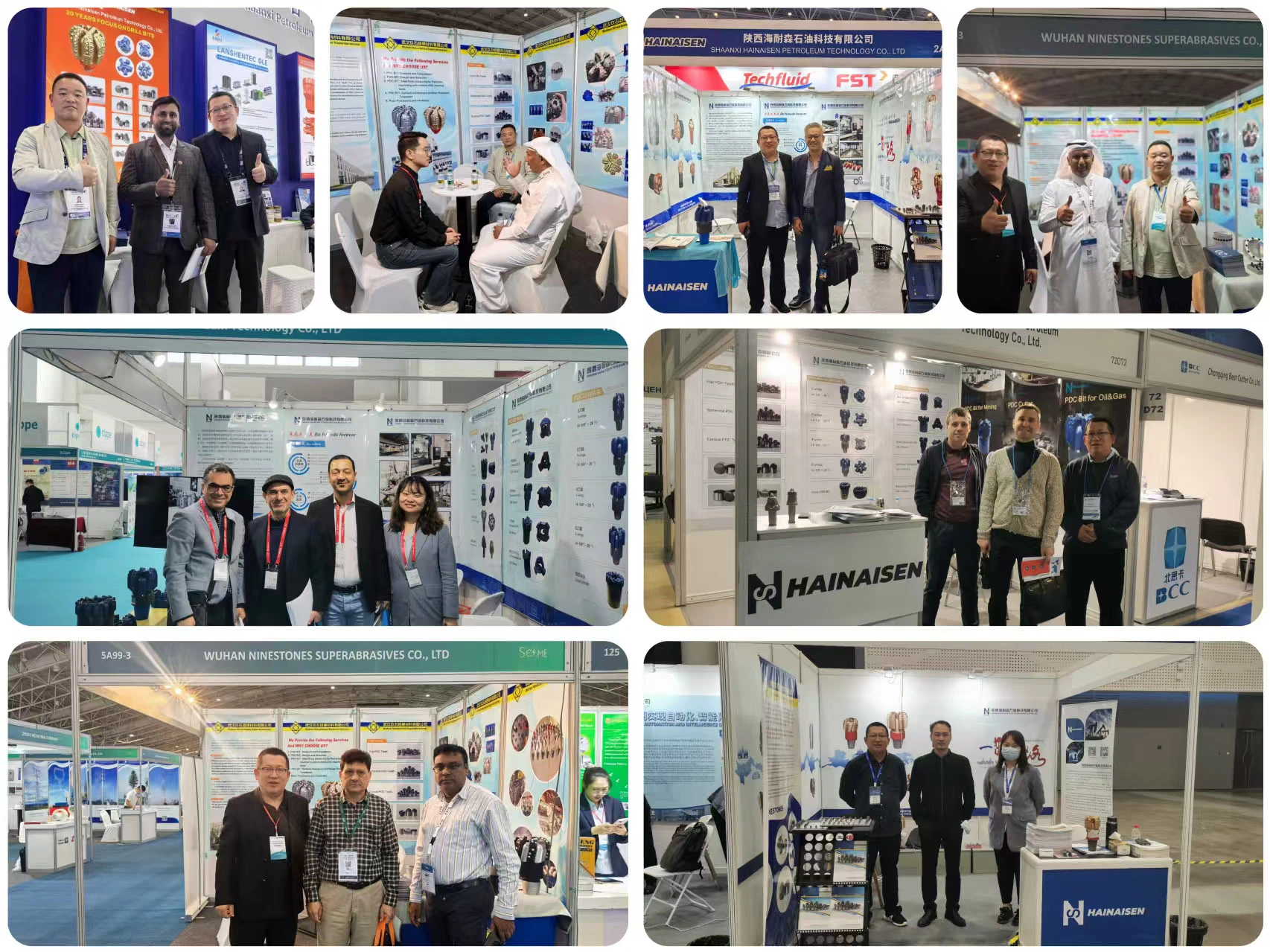
HAINAISEN attends top global oil & drilling exhibitions every year to meet clients face-to-face and showcase our products:
- OTC (Offshore Technology Conference) – Houston, USA
- ADIPEC – Abu Dhabi, UAE
- MEE (Middle East Energy) – Dubai, UAE
- CIPPE – Beijing, China
- Indonesia Mining Expo – Jakarta, Indonesia
We display full-size bits, share field data, and discuss formation-specific solutions directly with drilling teams. Many long-term partners started from a booth conversation.
Qualification Certification
- API 7‑1 Certificate
- ISO 9001:2015 Quality Management System
- CE Certificate
- Raw material test reports (WC, steel, seal)
- Factory inspection & performance test records

FAQ
Q1: What formations work best with IADC code 637 bits?
A: The 637 classification targets medium-hard to hard formations with high compressive strength. You'll achieve optimal results in limestone, dolomite, hard sandstone, and similar consolidated formations. Avoid using this bit in soft, unconsolidated materials where IADC codes in the 500 range perform better.
Q2: How does the sealed bearing compare to open bearing designs?
A: Sealed bearings dramatically extend operational life by preventing contamination from drilling fluids and formation cuttings. You can expect 40-60% longer runs compared to open bearings in similar conditions. The sealed design requires less frequent maintenance and reduces total cost of ownership.
Q3: Can this bit handle directional drilling applications?
A: While primarily designed for vertical applications, this tricone bit can accommodate gentle directional work with build rates under 2 degrees per 100 feet. For aggressive directional drilling, consider specialized motor bits designed for higher side loads.
Q4: What rotary speed produces the best performance?
A: Optimal RPM varies with formation hardness and rig capabilities. Start at 70 RPM in hard formations and adjust based on penetration response. Higher speeds increase cutting action but generate more heat—monitor bearing temperatures during operation.
Q5: How do I know when to pull the bit?
A: Monitor penetration rate closely. A 40% reduction from initial performance typically indicates significant wear. Also watch for increased torque, erratic drilling action, or vibration—these signal bearing degradation or insert damage requiring bit replacement.
Q6: What thread connections are available?
A: Standard API Reg pin connections fit most drilling applications. We offer customization for specialized equipment requirements. Contact our technical team to specify connection types matching your drill string configuration.
Contact Us for Expert Drilling Solutions
Ready to enhance your drilling performance with proven tricone technology? Our technical specialists help you select the optimal bit configuration for your specific formation challenges, including the 4 1/2" IADC 637 TCI Tricone Bit. Reach out to our team at hainaisen@hnsdrillbit.com for detailed specifications, pricing, and delivery information that keeps your project moving forward.
