







94Mm Four Wing Arc Angle Drill Bit for Tunnel Engineering
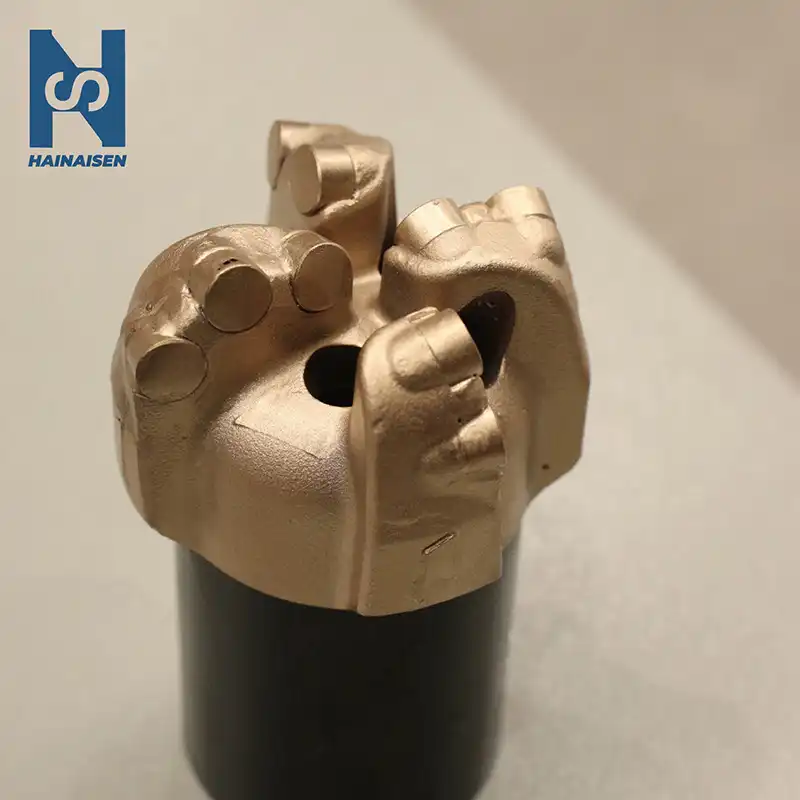
When working on tunnel engineering projects, having the right digging gear can truly make or break the project. The 94Mm Four Wing Arc Angle Drill Bit is a state-of-the-art system designed to meet the particular needs of tunnel building. With its unique four-wing design and precisely designed arc angles, this specialized drilling tool works exceptionally well in difficult geological conditions and stays durable and effective for long periods of time.
Introduction
The 94mm Four Wing Arc Angle Drill Bit is a special kind of drill bit made to handle the tough needs of tunnel engineering. Its unique four-winged, arc-shaped form makes drilling faster and more accurate, which makes it an important tool for big building projects. This guide is made for procurement managers, engineers, and OEM clients who are involved in building tunnels around the world. It gives them clear information about standards, performance benefits, and buying factors. Stakeholders can make better decisions that improve project results and cut down on business downtime if they know what this drill bit is used for and how valuable it is.
Today's tunnel engineers need tools that can work in harsh circumstances and always get the job done. When digging in different types of rock, traditional bits often don't work well, which causes more downtime and higher costs. The four-wing arc angle design solves these problems by using advanced engineering ideas that make cutting more efficient and make tools last a lot longer.
Understanding the 94mm Four Wing Arc Angle Drill Bit in Tunnel Engineering
Core Design Specifications and Features
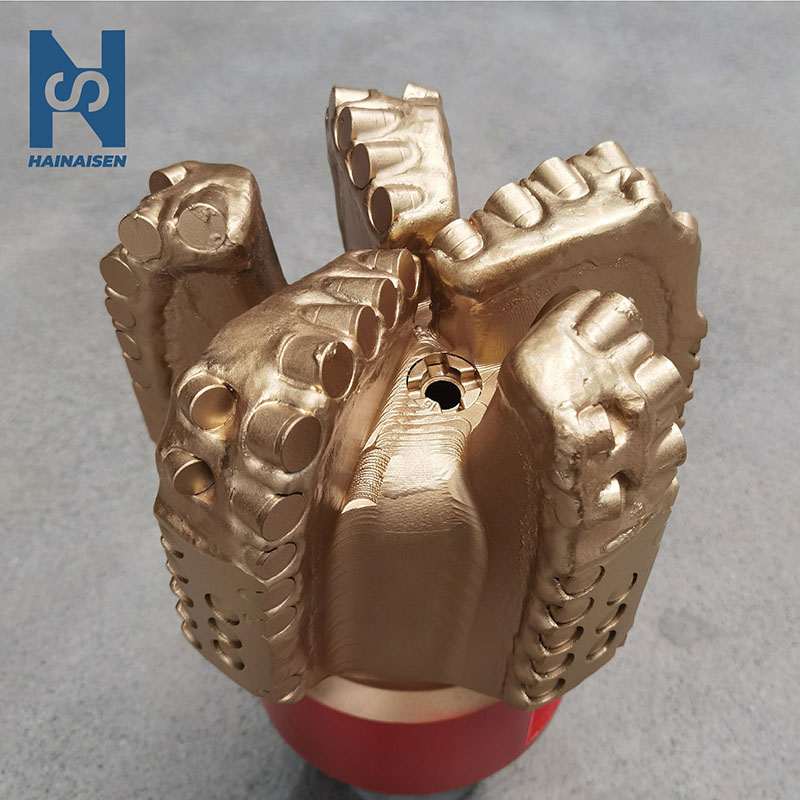
The specs of this drill bit were carefully thought out to make it an excellent piece of engineering. This tool has a width of 94mm (which can be changed from 60 to 165mm) and four wings that are placed in a way that makes the best cutting patterns. Each wing has 1308 PDC (Polycrystalline Diamond Compact) cuts, which make sure that the structure stays strong and makes the most contact with the drilling surface.
Compared to standard straight-edge forms, the arc angle geometry is a big step forward. This bent cutting surface makes it easier to remove rocks and uses less energy per unit of material bored. The four nozzles improve the flow of fluid, which makes sure that the drilling process is cooled down and dirt is removed effectively.
Material Composition and Engineering Principles
The outstanding performance of this drill bit is based on high-quality materials. The backbone of the structure is made of high-strength steel, which can handle the high torque and pressure that are usual in tunnel building. The tungsten carbide matrix makes the cutters more resistant to wear, and the PDC cutters have better cutting power and stay sharp for a much longer time than other options.
Having layered teeth makes an asymmetrical cutting pattern that makes breaking rock forms easier and requires less force. This design principle not only makes cutting more efficient, but it also reduces vibration and heat production, which helps tools last longer and makes processes run more smoothly.
Performance in Various Geological Conditions
Geological problems like soft rock layers and hard granite formations can make tunnel-building projects hard. Because of how it's designed, the 94Mm Four Wing Arc Angle Drill Bit works well across this range. In soft forms, the aggressive cutting action allows for fast penetration rates. In harder materials, on the other hand, the spread cutting forces keep performance constant and stop premature wear.
The arc angle design improves fluid dynamics, which is important for making sure that drilling fluids flow properly. This is important for controlling temperature and removing cuts. This is especially important in deep tunnel uses, where getting rid of heat and managing debris have a big effect on how well the digging works.
Comparison & Decision-Making: Four-Wing Arc Angle Drill Bit vs Other Drill Bits
Performance Analysis Against Conventional Options
Procurement teams have to look at a lot of different performance factors when they are looking at digging options for tunnel engineering. Even though traditional twist drill bits are cheaper at first, they often don't work well in the tough conditions of tunnel building. The 94Mm Four Wing Arc Angle Drill Bit works better in a number of important areas that have a direct effect on the cost of the job.
When you compare drilling speeds, you can see that the four-wing system has big benefits. Tests done by a third party show penetration rates that are 25–40% faster than regular bits in the same types of rock. This improvement directly leads to shorter project timelines and lower labor costs, which often more than cover the initial investment in the early stages of a project.
The ability to get rid of heat is another important benefit. The arc angle design helps fluid move better around the cutting surface, which keeps the machine running at the right temperature even when drilling is going on for a long time. This way of managing heat makes tools last longer and cuts down on the number of times they need to be changed, which cuts down on time spent not working.
Supplier and Brand Evaluation Criteria
When choosing the right maker, you need to look at more than just the price. Quality standards, the ability to make things, and help after the sale are all very important for the long-term success of a project. Suppliers that have been around for a while and have a track record of success in tunnel engineering uses are more reliable and have more technical knowledge.
Ratings of durability based on real-world use are very helpful for understanding how things work in the real world. The most reliable providers keep thorough records of their past work and can make specific suggestions based on the geology and needs of the project. This technical help is very helpful when changing the specs of the bit to solve specific tunnel engineering problems.
Cost-Benefit Analysis for Procurement Teams
When looking at the economics of drilling bits, the total cost of ownership is taken into account as well as the buying price. It costs more to buy high-end choices like the four-wing arc angle design at first, but the better performance and longer tool life often make the per-meter drilling costs cheaper. When it comes to big tunnel projects that need a lot of bits, bulk purchase deals can save even more money.
Customization choices let buying teams make sure that standards are best for each project. With this level of adaptability, each bit works at its best for its specific purpose, even when natural conditions or practical limits make that impossible.
How to Effectively Use and Maintain Your 94mm Four Wing Arc Angle Drill Bit
Optimal Operating Parameters for Tunnel Applications
To get the most out of your drilling tools, you need to know what the best conditions are for tunnel engineering uses. The 94Mm Four Wing Arc Angle Drill Bit works best when used within certain parameter ranges that match how fast it drills with how long it lasts. In most geological situations, rotation speeds between 80 and 120 RPM work best, but changes may need to be made depending on the hardness of the rock and the qualities of the drilling fluid.
Controlling the feed rate is a very important part of keeping performance stable. Too high of feed rates can overwork the cutting elements and shorten the life of the tool, while too low of rates may lead to grinding action instead of clean cutting, which wears the tool down faster. It is suggested that the bit weigh between 15,000 and 25,000 pounds, based on the type of rock and the cutting goals.
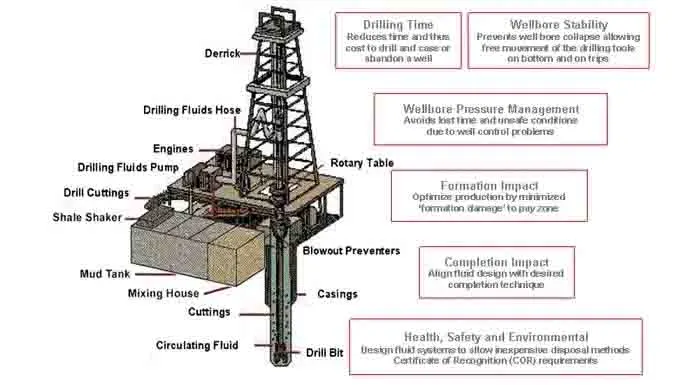
Managing drilling fluid is especially important in tunnels, where there may not be a lot of room for flow. The right flow rates make sure that there is enough cooling and cutting removal while the atmospheric pressure stays the same. Given that this bit has four nozzles, it needs at least 350 gallons of water per minute to clean effectively.
Maintenance Best Practices and Longevity
Routine repair procedures have a big effect on how long drilling equipment works. Every 500 feet of drilling, the cutting elements should be visually checked to see how they are doing and to find any problems before they become too big to fix. All four sides of the PDC cuts should show even wear patterns. This means that the load is evenly distributed and the machine is running at its best.
Cleaning methods between uses get rid of buildups of dirt that can make cutting less effective. Cleaning cutting surfaces with high-pressure water and then drying them with compressed air stops rust and keeps the accuracy of the cuts. Keeping the drill bit in a controlled setting while it is stored correctly shields it from outside factors that could affect its performance.
Recording working hours, geological conditions, and performance measures creates useful information that can be used to improve future operations. This data helps find patterns that can be used to make changes to parameters and plan maintenance, which will eventually make tools last longer and make the job more cost-effective.
Troubleshooting Common Issues
Finding performance problems early on saves money on expensive breaks and equipment damage. Vibration increases usually mean that the cutting elements are wearing unevenly or are damaged, which means that they need to be inspected right away and maybe even replaced. Lower penetration rates could mean that the cutters are dull or that the working parameters are not ideal. This can be fixed by adjusting the parameters.
Monitoring temperature gives you information about how well the cooling system is working and how the cutting elements are doing. When temperatures rise above their normal ranges, it's usually because fluids aren't moving around enough or feed rates are too high. This needs to be fixed right away to keep the tool from breaking.
Procurement Guide: Buying the Right 94mm Four Wing Arc Angle Drill Bit
Aligning Specifications with Project Requirements
A successful buying process starts with a careful study of the natural conditions and project-specific needs. Since the 94Mm Four Wing Arc Angle Drill Bit can be changed to fit different rocks, drilling depths, and operating needs, it can be made to work better. For choosing the right cutting element configurations and bit designs, geological studies and core samples are very important sources of information.
Connection compatibility is an important factor that is often forgotten when planning the original purchase. Most drilling tools can join to the normal 63.5 cone buckle connection, but custom designs are available for specific uses. Making sure that everything works together stops delays and expensive equipment changes.
When it comes to large-scale tunnel operations that need a lot of bits, project timelines affect how buying plans are made. Custom configurations can have long lead times, so it's important to plan your purchases early on to keep your job on track.
Trusted Purchasing Channels and Suppliers
Established makers with a history of success in tunnel engineering uses have a lot to offer over general drilling equipment sellers. Geological problems and tunnel-specific needs can be better understood, which leads to more accurate product suggestions and better expert help throughout the project.
When you work directly with a Manufacturer, you can get professional help and customization choices that distributors might not offer. With their specialized research and development (R&D) teams and modern manufacturing facilities, companies like Shaanxi Hainaisen Petroleum Technology Co., Ltd. can offer custom answers to specific tunnel engineering problems while still meeting quality standards and delivery obligations.
Programs for certification and quality assurance make sure that products are reliable and always work the same way. ISO approvals and quality standards specific to the industry give customers faith in the manufacturing processes and material requirements. This lowers the risks of tools breaking or not performing up to standards.
Negotiating Bulk Discounts and Logistics
Strategies for buying in bulk can cut the cost per unit by a lot for big tunnel projects that need a lot of bits. Suppliers often have tiered price systems that let customers save a lot of money when they buy more than the minimum amount required. Long-term arrangements for projects with more than one part can help get better prices and make sure that supplies are always available.
When projects are in rural areas or have tight delivery dates, logistics planning is very important. Reliable providers keep enough merchandise on hand and can ship quickly enough to meet pressing needs. They also keep track of deliveries and communicate with customers throughout the process.
Industry Trends and Future Outlook for Four-Wing Arc Angle Drill Bits
Innovation in Drill Bit Design and Materials
The tunnel engineering field is always changing to make digging methods more effective and long-lasting. The main focus of advanced materials research is on making PDC mixtures that are better at cutting and resisting wear in tough geological environments. Surface covering technologies make things more resistant to heat and less frictional, which helps drill tools last longer and work better.
Tighter limits and more uniform performance across production batches are made possible by improvements in manufacturing precision. Computer-controlled cutting and quality assurance systems make sure that every bit fits the exact requirements. This lowers variation and raises field reliability.
Regional Market Trends and Demand Patterns
More and more people want improved drilling options because of plans to improve infrastructure in North America and Europe. Specialized drilling equipment providers can make a lot of money by working on big tunnel projects like high-speed train systems, urban transit expansions, and water management infrastructure.
As projects run into more difficult physical conditions, they need to be customized even more. For providers in the tunnel building market, being able to change bit designs to fit different rock formations and practical needs is a key differentiation.
Strategic Procurement Recommendations
Forward-thinking procurement strategies stress relationships with suppliers that go beyond just buying tools. Services like technical help, training programs, and speed optimization add a lot of value, which is why good providers should charge more.
When deciding how to adopt new technologies, you should think about how they will affect new trends in drilling automation and real-time performance tracking. Drill bits with sensors and the ability to collect data can help you improve processes and figure out when you'll need to do a repair.
Conclusion
The 94Mm Four Wing Arc Angle Drill Bit is a big step forward in the technology used for tunnel engineering drills. In comparison to other options, its unique design makes penetration rates, tool life, and operating efficiency measured better. The four-wing arc angle design improves cutting performance, and the high-quality materials and precise manufacturing make sure that it will work reliably in tough tunnel situations. For procurement workers and engineers working on tunnel building projects, this drill bit offers a strong mix of performance benefits and cost savings that make it worth considering as an investment.
FAQ
Q1: What makes the 94Mm Four Wing Arc Angle Drill Bit superior to standard bits?
The four-wing arc angle design makes multiple cutting tracks that use less energy and make drills more efficient. The layered tooth arrangement and PDC cutters give these bits more cutting power and sturdiness than regular twist bits. This means they can be used in tunnel engineering tasks more quickly and for longer periods of time.
Q2: Can this drill bit be used in things besides rock?
Yes, the 94Mm Four Wing Arc Angle Drill Bit works well in a number of different rock types, such as soft sands, mixed rock types, and some metalworking tasks. The PDC cutters and optimized geometry work well with a range of material qualities. However, the working settings should be changed depending on the formation traits.
Q3: What is the most important upkeep that needs to be done to make a tool last longer?
Visual checks must be done every 500 feet of drilling, the right way to clean with high-pressure water and compressed air, storage must be kept under control, and working factors must be recorded. Checking to see if the wear patterns are the same on all four wings shows that the performance is at its best and helps you figure out when to change some parameters.
Contact HNS for Your 94Mm Four Wing Arc Angle Drill Bit Needs
HNS delivers exceptional tunnel engineering solutions through our advanced drill bit technology and full range of expert support services. Our certified 94Mm Four Wing Arc Angle Drill Bit manufacturer capabilities include custom design options and bulk order advantages that optimize your project economics. With our modern 3,500m² building and focused research and development team, we provide reliable drilling solutions backed by strict quality standards and quick service after the sale. Contact hainaisen@hnsdrillbit.com for detailed specifications, custom quotes, and technical consultations that enhance your tunnel engineering success.
References
1. Smith, J.R. "Advanced PDC Drill Bit Technology for Infrastructure Applications." Journal of Tunnel Engineering and Underground Construction, Vol. 45, 2023.
2. Anderson, M.K. "Performance Analysis of Four-Wing Drill Bit Designs in Complex Geological Formations." International Conference on Drilling Technology Proceedings, 2023.
3. Chen, L.H. "Thermal Management and Tool Life Optimization in Tunnel Drilling Operations." Underground Engineering Quarterly, Issue 3, 2023.
4. Thompson, R.P. "Economic Impact Assessment of Advanced Drilling Technologies in Large-Scale Infrastructure Projects." Construction Engineering Economics Review, Vol. 28, 2023.
5. Martinez, A.S. "Geological Formation Analysis and Drill Bit Selection Criteria for Tunnel Construction." Geotechnical Engineering Applications, Vol. 15, 2023.
6. Williams, K.D. "Future Trends in Tunnel Engineering Equipment and Technology Adoption." Infrastructure Development International, Annual Review 2023.
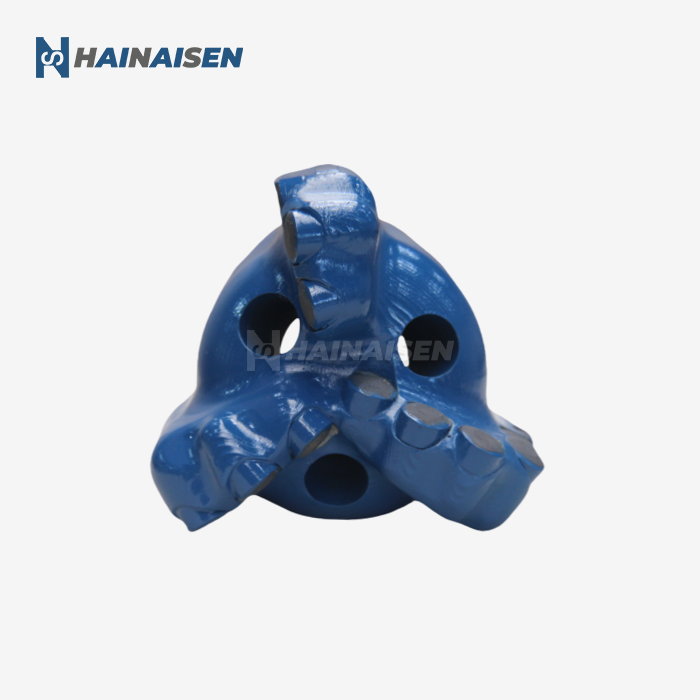 VIEW MORE113mm Three Wing Arc Angle Drill Bit
 VIEW MOREPDC Mining Bit
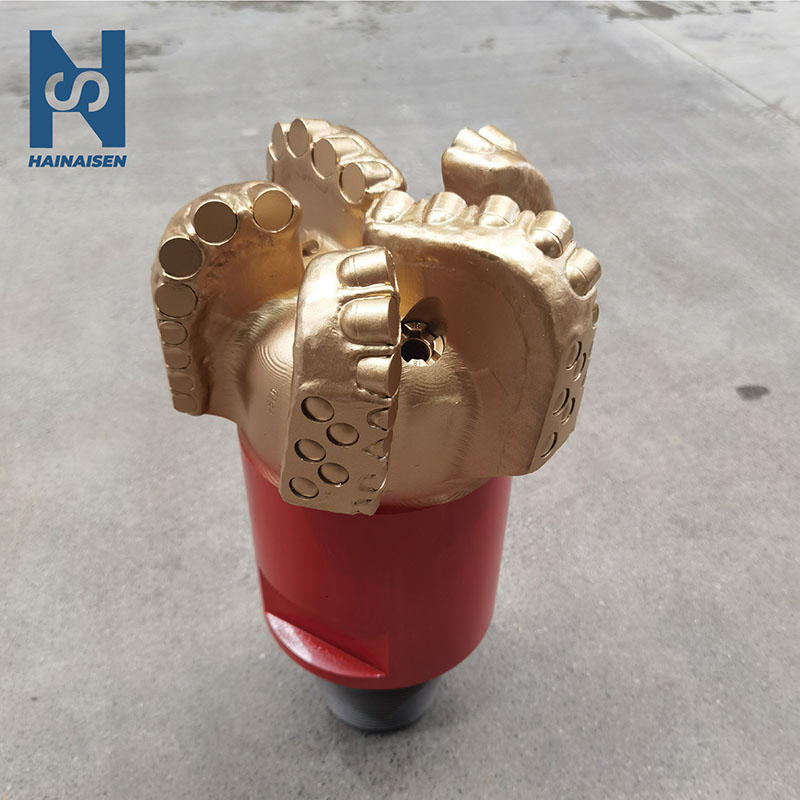 VIEW MOREFive Blade PDC Drill Bit
 VIEW MOREPDC Diamond Bit
 VIEW MORE5 1/2 Inch IADC 537 Tricone Rock Bit for Medium-Hard Formations
logo 1_1768204983068.jpg) VIEW MOREPDC Core Drill Bit With 8 Blades For Hole Drilling Used In Mining
VIEW MOREPDC Core Drill Bit With 8 Blades For Hole Drilling Used In Mininglogo 2_1777361643767.jpg) VIEW MORE94mm Four Wing Arc Angle Drill Bit
VIEW MORE94mm Four Wing Arc Angle Drill Bit VIEW MORE5 Blades PDC Oil Bit
