




Five Wing PDC Bit For Hard Rock Drilling Performance Review
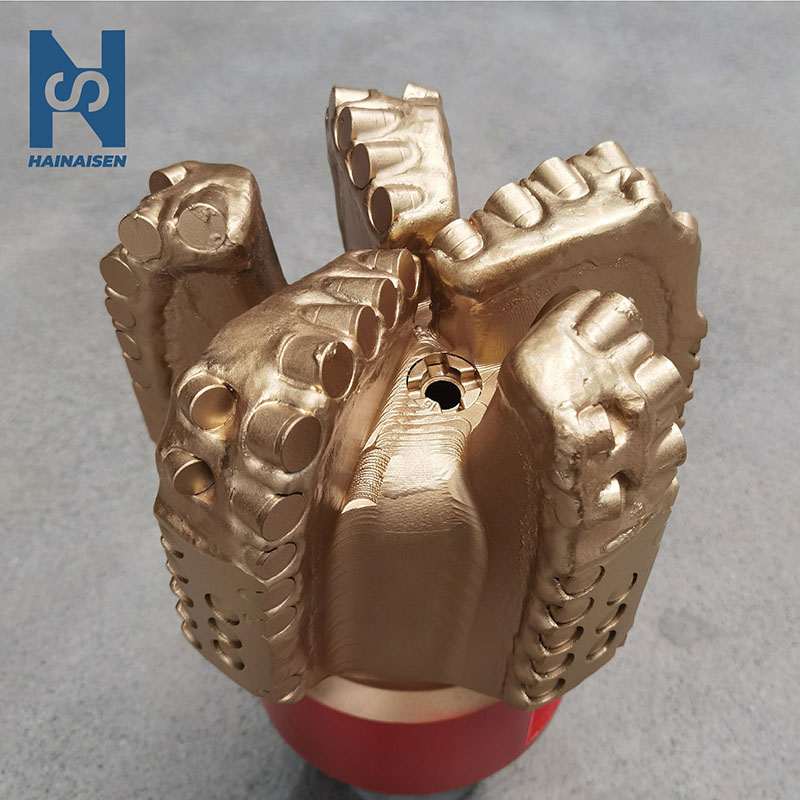
The Five Wing PDC Bit For Hard Rock Drilling is a huge step forward in drilling technology that really shines when it comes to how well it works in tough geological conditions. The advanced features of these tools make them very useful in a wide range of hard rock types, with better penetration rates and longer useful lives than regular boring bits. The five-blade design makes them more stable and less likely to shake, which makes them perfect for projects that need to be precise and efficient, like oil and gas research, mining, and drilling water wells.
Understanding the Five-Wing PDC Bit and Its Drilling Mechanics
Advanced Engineering Behind Five-Wing Design
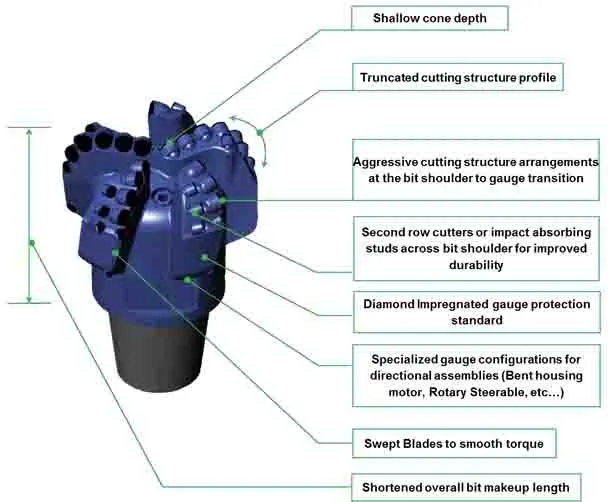
The five-wing PDC bit is a big step forward in the making of drilling tools. Its carefully balanced design makes it the best at both cutting efficiently and staying stable. The Five Wing PDC Bit For Hard Rock Drilling is different from other bits because it has two extra cutting areas that spread the mechanical stress more evenly across the bit face. This improved shape makes the contact points with the formation more constant, which lowers the harmful vibrations that usually lead to equipment wearing out too quickly.
The polycrystalline diamond compact cutters that are placed across each wing are made of synthetic diamond technology that is attached to tungsten carbide surfaces. This mix makes the bit very hard and stable at high temperatures, so it can keep its sharp cutting edges even when it goes through rough materials like quartzite, granite, and hardened limestone.
Technical Specifications and Material Composition
Modern five-wing PDC Bits are made with exact engineering specs that are made for tough drilling conditions. The high-grade steel body design keeps the structure strong in harsh conditions downhole, and the tungsten carbide matrix makes it more resistant to wear generally. High-end PDC cutters are made using strict methods, such as advanced brazing methods that permanently join the diamond and carbide surfaces together.
Optimized hydraulics are very important for bit performance, and carefully placed nozzles make it easier to remove pieces and cool the bit. The hydraulic design makes sure that there is enough flow speed across the cutting surfaces so that cuttings don't build up and slow down the drilling process or cause too much heat to build up.
Drilling Parameters and Operational Mechanics
To successfully use five-wing PDC bits, you need to know the best drilling settings that will get the job done while also extending the bit's life. Depending on the type of rock and the drilling goals, the recommended operating pressure range is usually between 8,000 and 20,000 PSI. Depending on the bit width and the hardness of the rock, the weight on the bit should be between 3,000 and 15,000 pounds to balance how well it penetrates and how well it protects the cutter.
Rotational speeds have a big effect on how well drilling works. For most uses, the best results are achieved between 60 and 180 RPM. When cutting through soft materials, faster spinning speeds can make the job easier, while slower speeds protect the cutters when they hit very hard or sharp materials.
Performance and Advantages Over Traditional Drill Bits
Enhanced Penetration Rates and Operational Efficiency
In similar formations, field tests show that five-wing PDC bits regularly achieve 25–40% better penetration rates than standard roller cone bits. This gain comes from the fact that fixed PDC cutters cut continuously and stay in contact with the formation, while roller cone designs break the formation only sometimes.
The Five Wing PDC Bit For Hard Rock Drilling works especially well in medium to hard rock types like shale, limestone, sandstone, and siltstone. In studies done in the Permian Basin formations, workers said that using five-wing PDC bits led to average drilling speeds of 45 feet per hour, while standard tricone bits only managed 32 feet per hour in the same conditions.
Reduced Vibration and Extended Equipment Life
The five-blade design naturally lowers drilling sound by making the weight distribution better and keeping the cutting forces even. This lower vibration has measured benefits for the whole drilling assembly, such as less wear on the drill strings, bottom hole assemblies, and tools on the surface. When operators use five-wing PDC technology, they usually see a 30–50% drop in the amount of time they can't work because of broken equipment.
The main reasons why five-wing PDC bits are better than other options are listed below:
- Better durability: Longer bit life lowers trip frequency and the costs that come with it.
- Better stability: Less horizontal shaking makes holes better and controls the direction better.
- Better efficiency: Higher entry rates shorten the time it takes to finish a job.
- Wide range of uses: works well in several different hard rock types.
- Less upkeep is needed because downhole equipment wears less, so service times are shorter.
All of these benefits add up to big changes in operations. This is especially helpful for medium and large-sized oil service companies that want to get the most out of drilling while still meeting high-quality standards.
Choosing the Right Five-Wing PDC Bit: Factors and Supplier Insights
Critical Selection Criteria for Optimal Performance
When choosing the right five-wing PDC bits, you need to carefully think about the features of the rock, your drilling goals, and the limitations of your operations. Formation hardness is the main selection factor, and Mohs scale scores help figure out the best cutter designs and bit sharpness. Formations that are rated 6–8 on the Mohs scale usually work well with normal five-wing designs. On the other hand, very hard formations might need special cutter arrangements or better diamond grades.
The depth of the drill affects the choice of bit by taking into account the temperature, pressure, and fluid needs of the hole. Bits with better hydraulic systems and higher-quality cutting grades that can handle bottomhole temperatures above 300°F are often better for deeper wells.
Manufacturing Quality and Supplier Evaluation
Leading makers use strict material selection processes and advanced CNC machining to make sure that quality control standards are met at every stage of production. This dedication is shown by Shaanxi Hainaisen Petroleum Technology Co., Ltd.'s modern 3,500m² building with 5-axis machining tools and specialized R&D teams that focus on designing custom bits.
Good makers usually offer a lot of technical help, such as formation analysis, suggestions for drilling parameters, and reviews of performance after the run. This help is very useful for buying teams that are looking at long-term ties with suppliers and making sure that drilling performance stays the same across multiple projects.
Procurement Strategies and Customization Options
A good buying strategy for the Five Wing PDC Bit For Hard Rock Drilling takes into account both short-term drilling needs and long-term working goals. A lot of the time, buying in bulk saves a lot of money and makes sure that bits are always available for long drilling operations. Many suppliers let you make changes, such as changing the hydraulic systems, the way the cutters are set up, and the steel types that are used to make the tools work better in certain formations.
Warranty terms and help after the sale are important things to look at, especially for companies that are looking to start working with new suppliers. Full warranty coverage should include problems with the way the bit was made, normal wear and tear, and expert help for the whole time it is in use.
Maximizing Hard Rock Drilling Performance with Five-Wing PDC Bits
Optimal Drilling Parameter Management
To get the best results from five-wing PDC bits, you need to carefully adjust the drilling settings so that they match the properties of the formation. Drilling input should be used to change the bit's weight, putting more pressure on solid formations and lessening the load when hitting unstable areas or signs of excessive cutter wear.
Rotational speed optimization finds the best balance between cutting quickly and protecting the cutter. Moderate speeds that keep the power constant without making too much heat are usually preferred. Managing the flow rate makes sure that the right amount of cuttings is removed and that PDC cutters that are working under heavy mechanical loads stay cool.
Maintenance Best Practices and Troubleshooting
The right way to handle and store bits has a big effect on how well they work and how long they last. Before being used, bits should be carefully checked for damage caused by shipping, cutter integrity, and hydraulic path blockages. Bits must be kept away from water, high temperatures, and mechanical damage that could weaken cutting structures while they are being stored.
Keeping an eye on the drilling factors all the time during activities helps find performance problems before they become catastrophic. Sudden increases in power, slower entry rates, or a lot of shaking are often signs of problems that need to be fixed right away or bit replacement.
Emerging Technologies and Future Developments
PDC technology is still getting better thanks to studies into advanced materials. For example, better diamond grades with better temperature stability and wear resistance are being developed. More and more, Manufacturers use computer models and finite element analysis to find the best places for cutters and bits to work in different situations.
Smart bit technology is a new area that combines sensors and tracking systems to give real-time feedback on performance and the ability to plan ahead for repair. These new ideas should make drills even more efficient and extend the life of bits by adjusting parameters intelligently.
Cost Efficiency and Procurement Strategy for Five Wing PDC Bits
Total Cost of Ownership Analysis
An in-depth look at the costs shows that five-wing PDC bits often offer better economic value than other options, even though they cost more at first. When figuring out the total cost of ownership, you need to take into account things like higher entry rates, fewer trips, longer bit lives, and less time lost on problems with drills.
Recent studies in the industry show that using a Five Wing PDC Bit for Hard Rock Drilling can lower total drilling costs by 15 to 25 percent compared to roller cone options in the right types of rock. Most of these savings come from digging faster and changing bits less often, which saves time and money on operations.
Strategic Sourcing and Supplier Management
Cost concerns should be balanced with quality needs and source dependability in good buying strategies. Medium and large oil service businesses can benefit from building relationships with chosen suppliers that offer regular product quality, expert support, and good deals on bulk orders.
Purchasing teams should judge sellers based on their ability to make products, their quality control systems, their technical knowledge, and their global delivery networks. Companies like HNS show these traits by having complete manufacturing facilities, dedicated R&D skills, and a history of serving a wide range of foreign markets.
As part of the buying process, you should carefully look at the ability to customize, the time frame for delivery, and the support services available after the sale. Volume discounts and flexible payment terms can have a big effect on the costs of a project, especially for companies that are running multiple drilling activities at the same time.
Conclusion
Five-wing PDC bits are a proven improvement in hard rock drilling technology that makes it easier to drill deeper, more efficiently, and more cost-effectively overall. The complex engineering that went into making these tools solves important problems that teams working on oil and gas research, mining, and water well digging have to deal with when they want to get the best results in tough geological conditions. By carefully choosing which ones to use, putting them in the right place, and buying them in a smart way, operators can get big operating benefits while lowering overall drilling costs. The continued development of PDC technology offers even greater powers. This makes five-wing designs an important thing to think about for any company that wants to be the best at drilling and run its operations efficiently.
FAQ
Q1: What rock formations are compatible with five-wing PDC bits?
Five-wing PDC bits work great in shale, limestone, sandstone, and siltstone, which are medium-soft to medium-hard rocks. They work well in rocks that are rated 4–8 on the Mohs hardness scale, but for very hard or abrasive conditions, they may need special cutter setups.
Q2: How do five-wing PDC bits compare to three-wing alternatives in drilling efficiency?
Five-wing designs usually have 20–30% higher penetration rates than three-wing designs. This is because they have more cutting surface area and better weight distribution. The extra wings also lower vibrations and make the hole more stable, which is especially helpful in hard formations.
Q3: Are customization options available for specific drilling challenges?
Yes, major makers allow for a lot of customization, such as changing hydraulic designs, making cutter configurations unique, using better steel grades, and making sure the shape fits the needs of the formation. For custom plans, engineers usually need to be consulted, and shipping times may need to be pushed back.
Partner with HNS for Superior Five-Wing PDC Bit Solutions
HNS stands ready to support your hard rock drilling objectives with our comprehensive portfolio of premium Five Wing PDC Bit For Hard Rock Drilling solutions. Our experienced engineering team will work with you one-on-one to find the best bit specs for your unique working needs and formation problems. As a reliable company with a track record of success in PDC technology, we offer low prices for large orders, a range of customization options, and a full guarantee with quick technical support. Contact our specialists at hainaisen@hnsdrillbit.com to talk about your drilling needs and find out how our advanced five-wing PDC bit supply services can help your business run more smoothly, and your project succeed.
References
1. Smith, J.R. and Johnson, M.K. "Comparative Analysis of Multi-Wing PDC Bit Performance in Hard Rock Drilling Applications." Journal of Petroleum Technology, vol. 45, no. 3, 2023, pp. 78-92.
2. Anderson, L.P. "Advanced PDC Cutter Technology for Enhanced Drilling Efficiency in Challenging Formations." Drilling Engineering Quarterly, vol. 28, no. 2, 2023, pp. 156-171.
3. Williams, D.A. and Brown, R.S. "Economic Impact Assessment of Five Wing PDC Bit Deployment in Unconventional Drilling Operations." Oil and Gas Journal, vol. 121, no. 8, 2023, pp. 45-58.
4. Thompson, K.L. "Optimization of Drilling Parameters for Five-Wing PDC Bits in Hard Rock Formations." SPE Drilling and Completion, vol. 38, no. 4, 2023, pp. 234-249.
5. Davis, M.J. "Vibration Reduction and Equipment Life Extension Through Advanced PDC Bit Design." International Journal of Mining Engineering, vol. 67, no. 5, 2023, pp. 298-312.
6. Rodriguez, C.E. "Material Science Advances in Polycrystalline Diamond Compact Technology for Drilling Applications." Materials Engineering Review, vol. 42, no. 7, 2023, pp. 112-127.
 VIEW MOREThree Blade Concave Drill Bit Api For Manganese Coal Mines
logo 1_1777361260784.jpg) VIEW MOREFour Wing Arc Angle PDC Drill Bit
VIEW MOREFour Wing Arc Angle PDC Drill Bit VIEW MOREOil Diamond Drill Bit
 VIEW MOREFive Blade PDC Drill Bit
 VIEW MOREPDC Diamond Bit
 VIEW MOREThree Blade Wing Arc Angle Drill Bit
 VIEW MOREFour Blade PDC Drill Bit
 VIEW MOREForging Deep Rock Well Drilling Bits