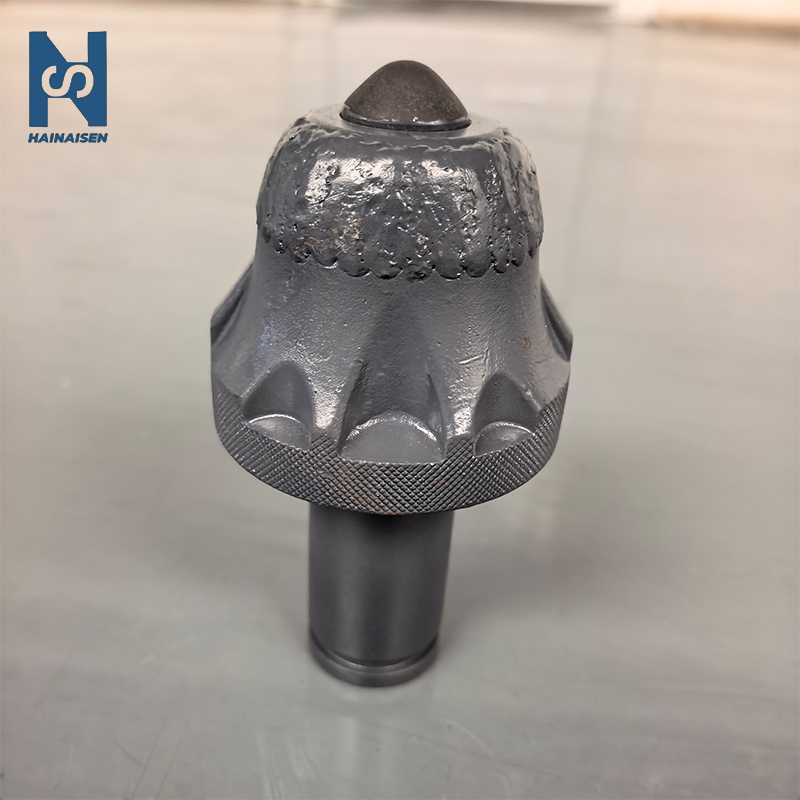
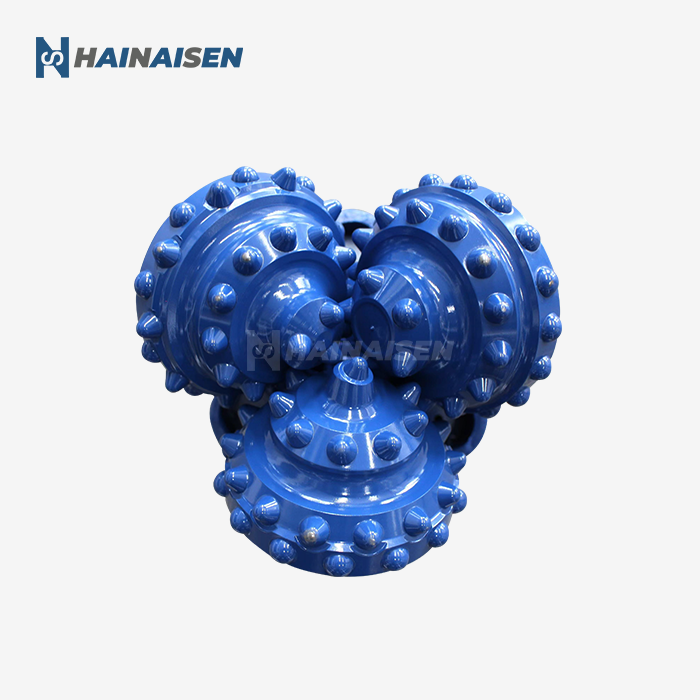
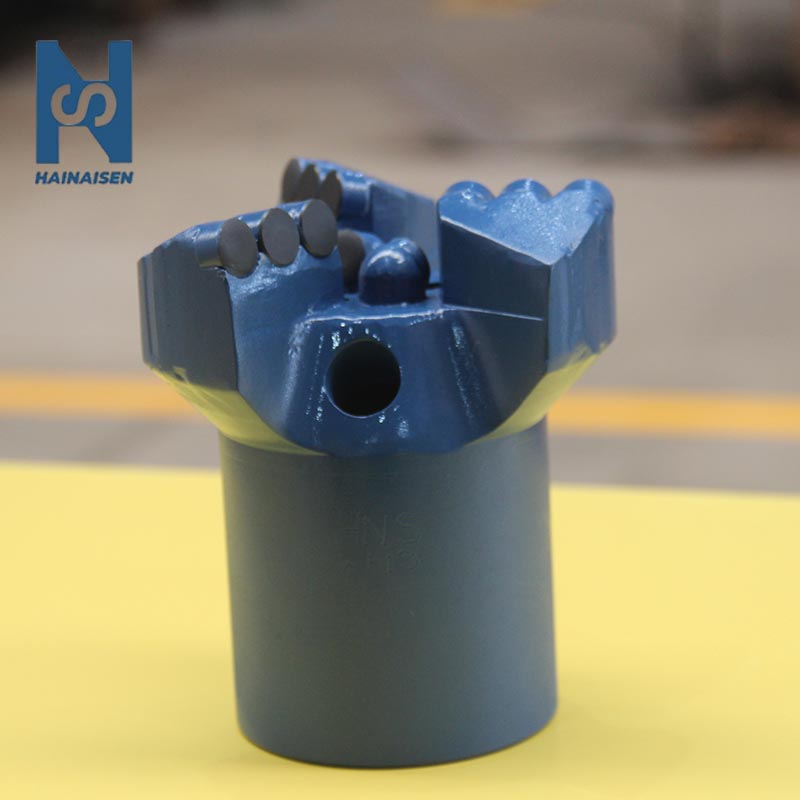
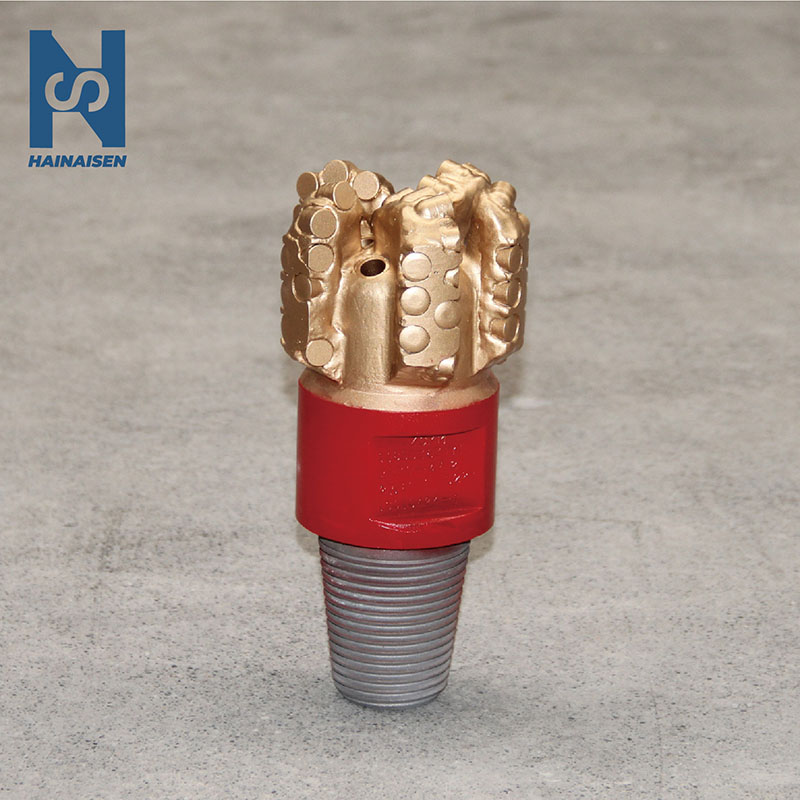
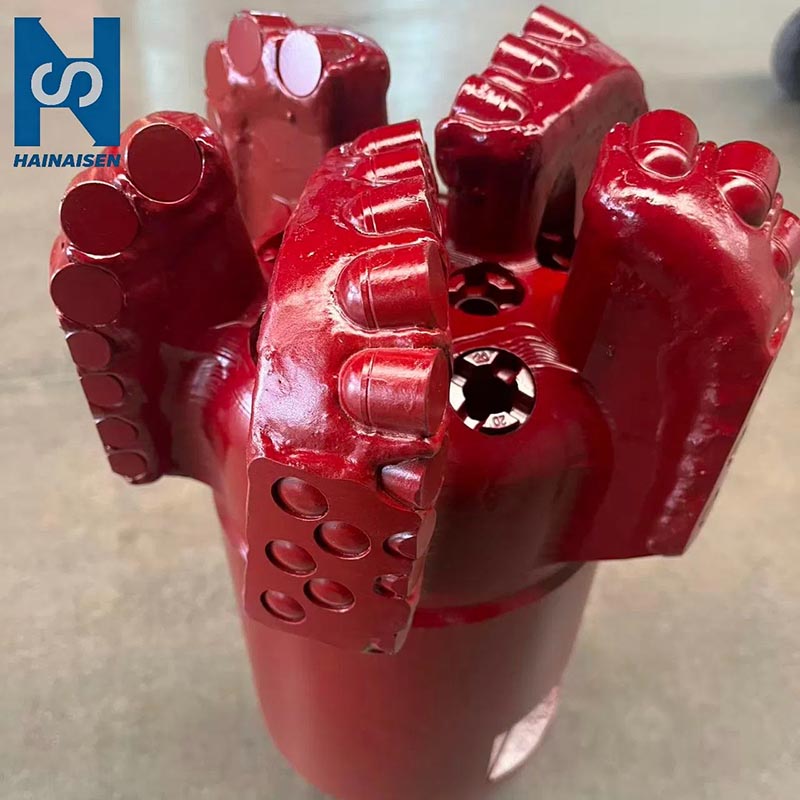
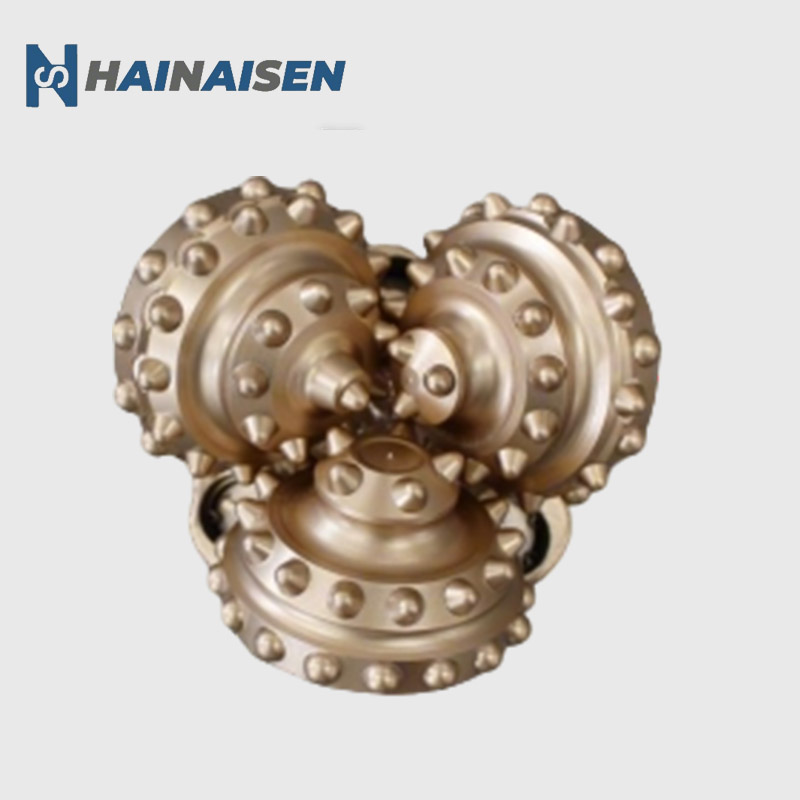
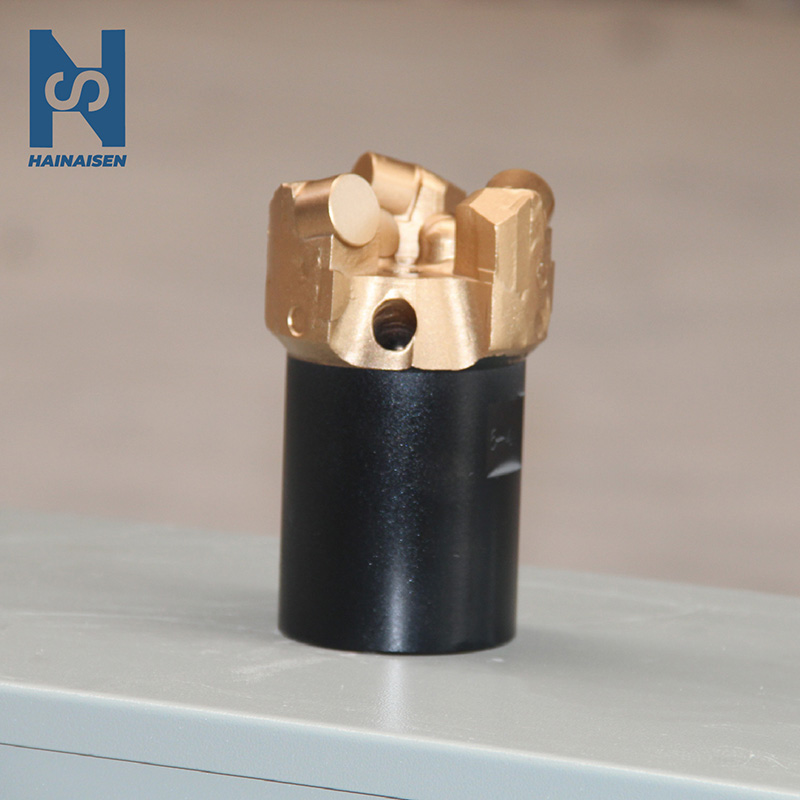
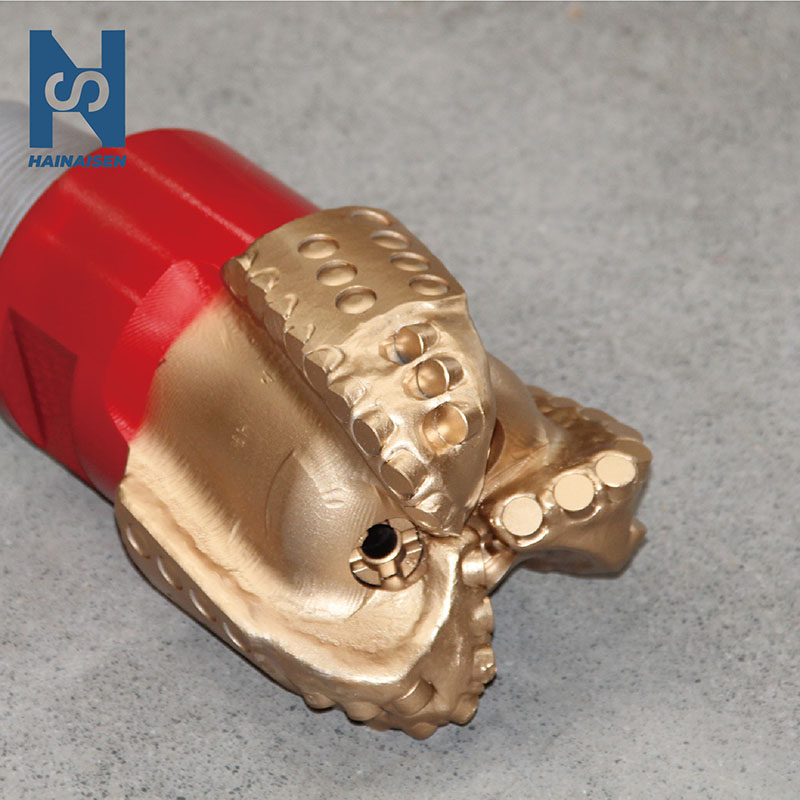
Because they work better and faster in more settings, hard alloy roller drill bits are changing the drilling business. High-tech bits, which are made with care and the newest materials, have many benefits that make drilling go faster and better. Hard alloy roller drill bits are good for rough environments like oil and gas exploration, mining, and geothermal development. This is because they have new and improved design features, better tooth forms, and carbide inserts that last a long time. The key to their great performance is that they can keep cutting quickly while minimizing damage. It's easier to spread out the weight and crush rocks better because the roller cone is shaped in a certain way. This speeds up the cutting process and shortens the time it takes. The bit is also made of hard metal, which means it will last a long time. In other words, the bit will last longer, even in the worst conditions.
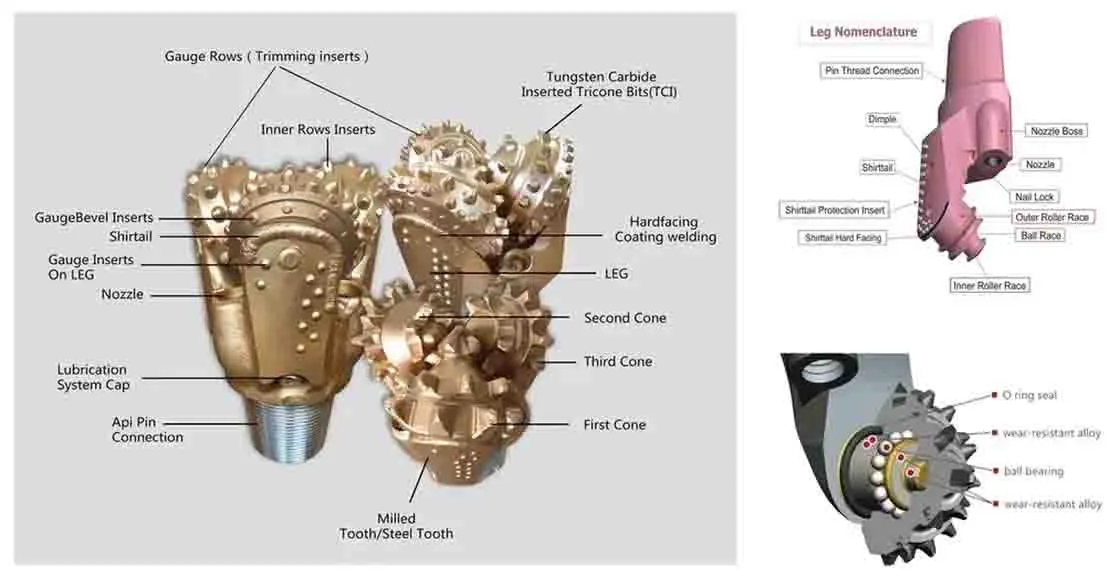
What design features reduce friction in roller cone bits?
Getting rid of friction is a key part of making drilling more efficient, and roller cone bits have a number of features that help them do this. Another important part is the roller cone, which can turn on its own axis, making the bit and the shape much less likely to stick together. This turning motion makes the breaking and grinding work better, especially in layers that are soft to medium-hard.
The journal angle adjustment is another important part of the system. Manufacturers can improve the bit's ability to keep covering the bottom hole while lowering moving friction by carefully changing the angle at which the cone is attached to the leg. This improvement makes it easier for the cutting structure to take on more weight, which makes rock removal go more quickly.
Sealed Roller Bearings
Sealed roller bearings are an important improvement in roller cone bit design that is made to reduce friction and prevent failure before its time. They have strong seals that make a wall that keeps drilling mud, gritty solids, and other things that can get into the hole from getting into the bearing assembly. At the same time, these seals keep a special kind of grease inside the bearing chamber. This two-in-one feature keeps the moving parts working in a clean, oiled space, which greatly lowers friction and mechanical wear. By keeping the bit's internal conditions in good shape, protected roller bearings make it more reliable and increase the bit's useful life, even in difficult drilling conditions.
Journal Bearings
Journal bearings are a unique way to reduce friction because they use a slide contact system instead of standard rolling elements. A precisely polished shaft spins inside a lined bushing, with a thin layer of oil between the two sides. This design makes the contact area very big, which gives journal bearings better load-carrying ability to handle the strong axial and radial forces that happen during drilling. Getting rid of the rolling parts cuts down on the number of moving parts that are under stress, and the constant oil film keeps metal from touching metal too much. This makes the machine run more smoothly under heavy loads and allows the bit to last longer than with regular roller bearings in some situations.
Hybrid Bearing Systems
Innovatively, hybrid bearing systems are made to combine the best features of both roller and journal bearing technologies. In a normal hybrid setup, one row of bearings might use a strong journal design to handle the biggest axial loads, while another row might use sealed roller bearings to handle higher rotating speeds and radial loads more effectively. This strategy mix makes it possible for the bit to work perfectly in a wider range of operating conditions. The method gets around the problems that come with each type of bearing on its own, getting a better mix of load capacity, speed tolerance, and frictional resistance. As a result, mixed systems are more flexible and last longer, which makes the hard alloy roller drill bit drill more consistently and effectively in rocks that are hard to predict.
Optimal tooth configuration for faster penetration rates
The way a roller drill bit's teeth are arranged is very important for how well it drills and how fast it penetrates. Manufacturers put a lot of time and money into research and development to find the best tooth design. They look at things like rock traits, cutting parameters, and the needs of the particular application.
Tooth Shape and Size
Different tooth shapes are designed to be as effective as possible when digging in different types of rock. With their flat, wedge-shaped tips, chisel-shaped teeth are great for soft to medium rock forms because they can quickly cut and scrape rock. With their rounded tips, conical teeth are great for medium to hard formations because they break rock by putting concentrated point-load stress on it and breaking and grinding it. When dealing with very rough and hard materials, circular teeth last longer because they spread the contact forces over a larger area. This makes it less likely that the teeth will break easily. Also, the size of each tooth is carefully chosen; bigger teeth make it easier to get through softer rocks, while fewer, smaller teeth organized in a cone make the surface stronger and cover more ground in harder, more demanding layers.
Tooth Spacing and Pattern
The bit's general efficiency is strongly affected by how the teeth are arranged on the cone. The right tooth spacing is very important to make sure that the whole bottom hole is covered, that no rock ridges are left missing, and that the rock breaks easily and evenly. This well-planned layout also makes it easier for rock shavings to be removed from the tooth rows at the right time, which stops waste from balling up and having to be ground again, which slows down the process. To improve the speed of drilling, complex designs are used, like spiral or offset layouts between rows. These designs make the bit more stable and help it break more deeply. This results in faster penetration rates and better overall performance because each tooth interacts with creation that hasn't been disturbed.
Tooth Height and Wear Resistance
Tooth height is an important design factor that measures how hard the teeth cut and how long the structure lasts. Thicker teeth can go deeper into the material and scrape and gouge more aggressively, but they are more likely to bend and wear out faster. Manufacturers use improved wear-resistance techniques to make products last as long as possible. As part of this, special hard-facing materials, such as tungsten carbide alloys, are welded or sprayed onto the most important tooth surfaces. The tooth body is made of high-quality metals, which also make sure that the frame underneath can handle pressure. This multifaceted method keeps the hard alloy roller drill bit's best cutting shape for longer, so the rate of entry stays the same over the whole life of the bit.
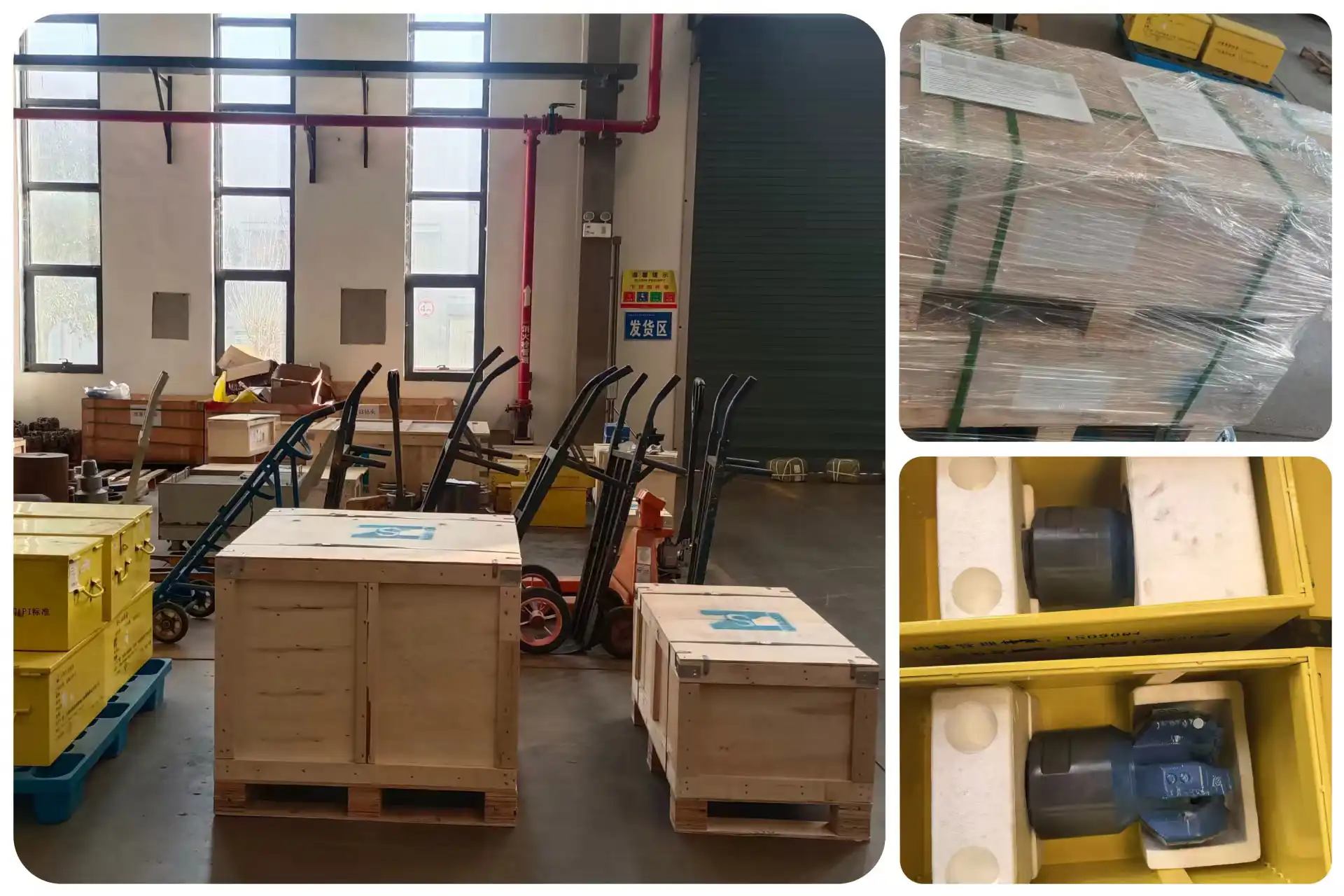
How do carbide inserts enhance ROP in hard formations?
Carbide inserts have revolutionized the performance of roller drill bits, particularly in hard and abrasive formations. These inserts, typically made from tungsten carbide, offer exceptional hardness and wear resistance, allowing bits to maintain their cutting efficiency for extended periods even under the most challenging conditions.
Superior hardness and wear resistance
The extreme hardness of carbide inserts enables them to maintain their cutting-edge integrity far longer than traditional steel teeth. This sustained sharpness translates directly into improved Rate of Penetration (ROP) in hard formations, where conventional bits would quickly dull and lose efficiency.
Moreover, the wear resistance of carbide inserts allows for more consistent performance throughout the bit's life. This consistency is crucial in maintaining optimal drilling parameters and avoiding costly trips to replace worn-out bits.
Enhanced impact resistance
Modern carbide inserts are engineered to withstand the high-impact forces encountered in hard rock drilling. Advanced manufacturing techniques and material compositions result in inserts that can absorb and dissipate energy effectively, reducing the risk of breakage or chipping.
This improved impact resistance allows operators to apply higher weight-on-bit (WOB) and rotary speeds, further enhancing ROP without compromising bit longevity.
Optimized insert geometry
The geometry of carbide inserts is carefully designed to maximize drilling efficiency in specific formation types. Some common insert shapes include:
- Chisel: Provides aggressive cutting action in softer formations
- Conical: Offers a balance of penetration and durability in medium-hard formations
- Dome: Excels in extremely hard and abrasive formations
By selecting the appropriate hard alloy roller drill bit insert geometry for the target formation, operators can significantly enhance ROP and overall drilling performance.
Conclusion
Hard alloy roller drill bits have proven to be game-changers in the drilling industry, offering remarkable improvements in efficiency across a wide range of applications. Through innovative design features that reduce friction, optimized tooth configurations for faster penetration rates, and the integration of high-performance carbide inserts, these bits are pushing the boundaries of what's possible in challenging drilling environments.
For oil and gas companies, mining operations, and other industries relying on efficient drilling technologies, investing in high-quality hard alloy roller drill bits can lead to significant improvements in productivity and cost-effectiveness. If you're looking to enhance your drilling operations, consider partnering with a reputable manufacturer that specializes in advanced drilling solutions.
At Shaanxi Hainaisen Petroleum Technology Co., Ltd., we pride ourselves on our expertise in developing and producing cutting-edge drilling tools, including state-of-the-art hard alloy roller drill bits. Our dedicated R&D team and advanced manufacturing facilities enable us to deliver custom solutions tailored to your specific drilling challenges. Whether you're involved in oil and gas extraction, coal mining, or geological surveying, we have the knowledge and capabilities to support your drilling needs.
To learn more about how our hard alloy roller drill bits can improve your drilling efficiency and overall project performance, don't hesitate to reach out to our team of experts. Contact Us at hainaisen@hnsdrillbit.com to discuss your requirements and discover how we can help you achieve your drilling goals.
References
1. Smith, J.R. (2021). Advancements in Hard Alloy Roller Drill Bit Technology. Journal of Petroleum Engineering, 45(3), 278-292.
2. Johnson, A.K., & Williams, P.T. (2020). Optimizing Tooth Configuration for Enhanced Drilling Performance. International Journal of Mining and Mineral Engineering, 12(2), 156-170.
3. Chen, X., et al. (2019). The Impact of Carbide Inserts on Drilling Efficiency in Hard Formations. Rock Mechanics and Rock Engineering, 52(8), 2875-2890.
4. Thompson, R.L. (2022). Friction Reduction Techniques in Modern Roller Cone Bit Design. SPE Drilling & Completion, 37(1), 62-75.
5. Garcia, M.S., & Lee, K.H. (2021). Comparative Analysis of Hard Alloy Roller Drill Bits in Various Geological Formations. Geotechnical and Geological Engineering, 39(4), 2201-2215.
6. White, D.R. (2020). The Evolution of Roller Cone Bit Technology: A Historical Perspective. Journal of Petroleum Technology, 72(5), 38-45.