



How Petroleum Drilling Equipment PDC Improves ROP锛
Petroleum Drilling Equipment PDC technology represents a transformative advancement in drilling operations, delivering substantial improvements to Rate of Penetration (ROP) across diverse geological formations. These Polycrystalline Diamond Compact drill bits utilize synthetic diamond cutters that continuously shear through rock formations, achieving penetration rates up to 300% higher than conventional roller cone bits. The enhanced cutting efficiency stems from the diamond material's exceptional hardness and wear resistance, enabling sustained performance in challenging downhole environments while significantly reducing drilling time and operational costs.
Understanding Petroleum Drilling Equipment PDC and Its Role in ROP Improvement
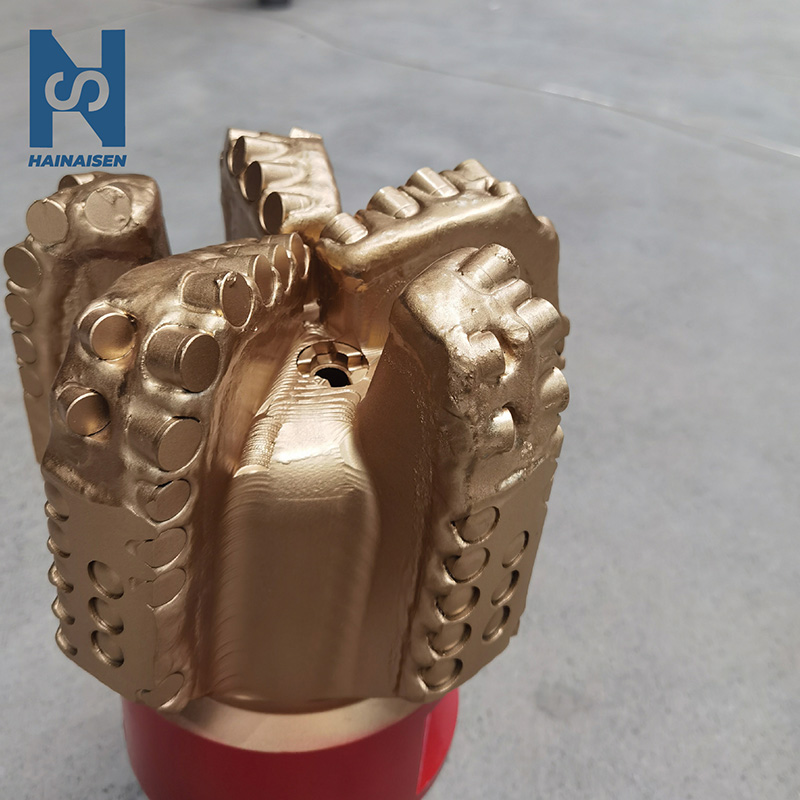
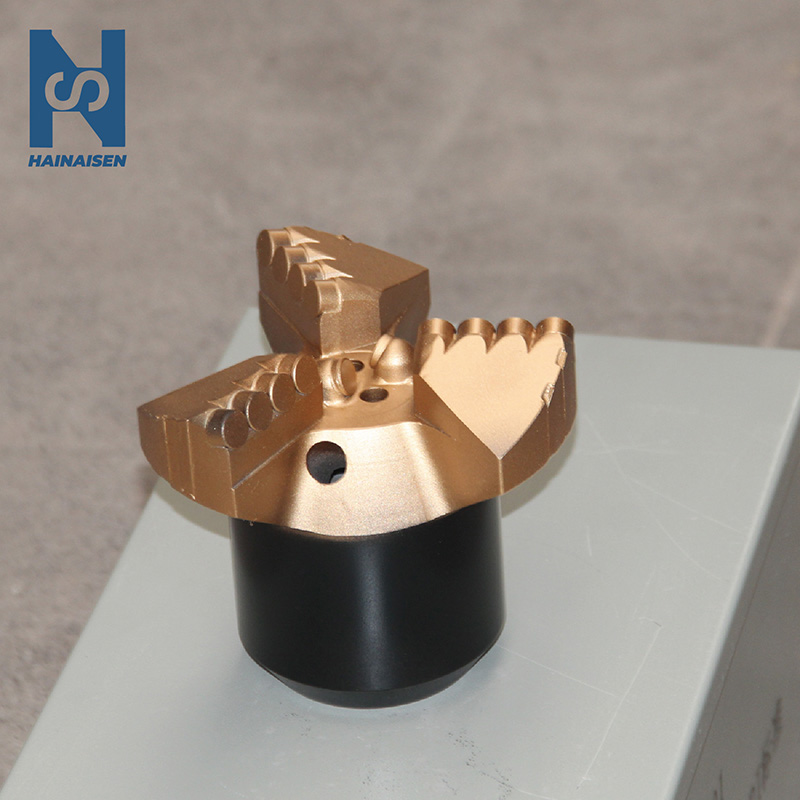
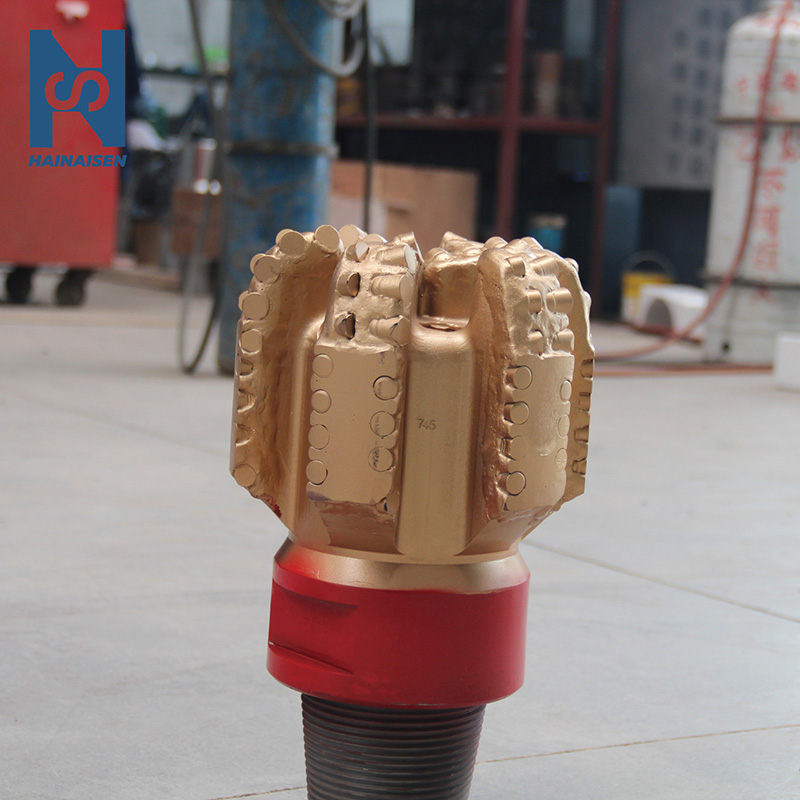
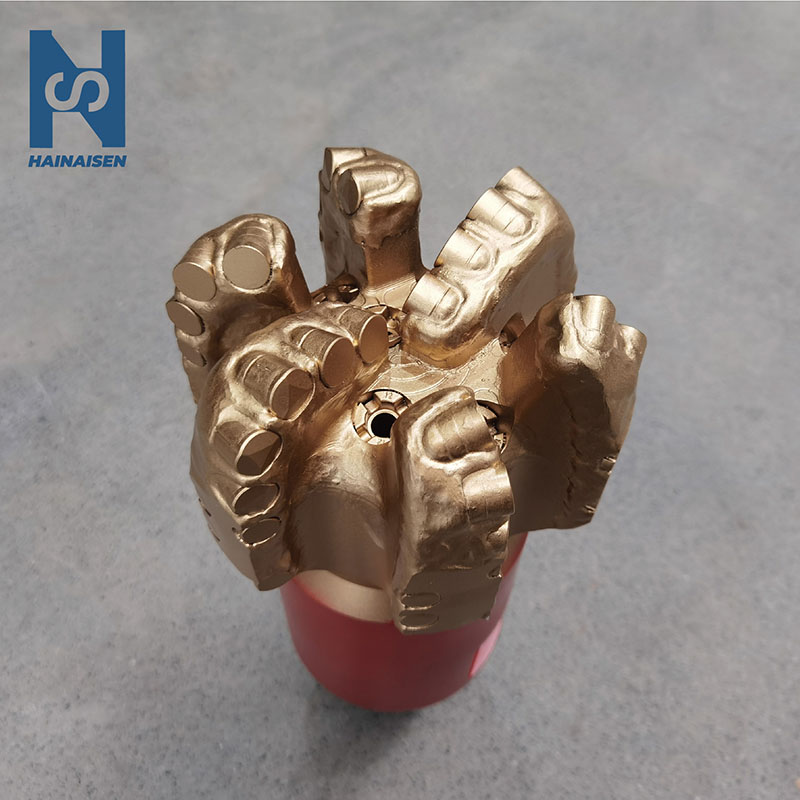
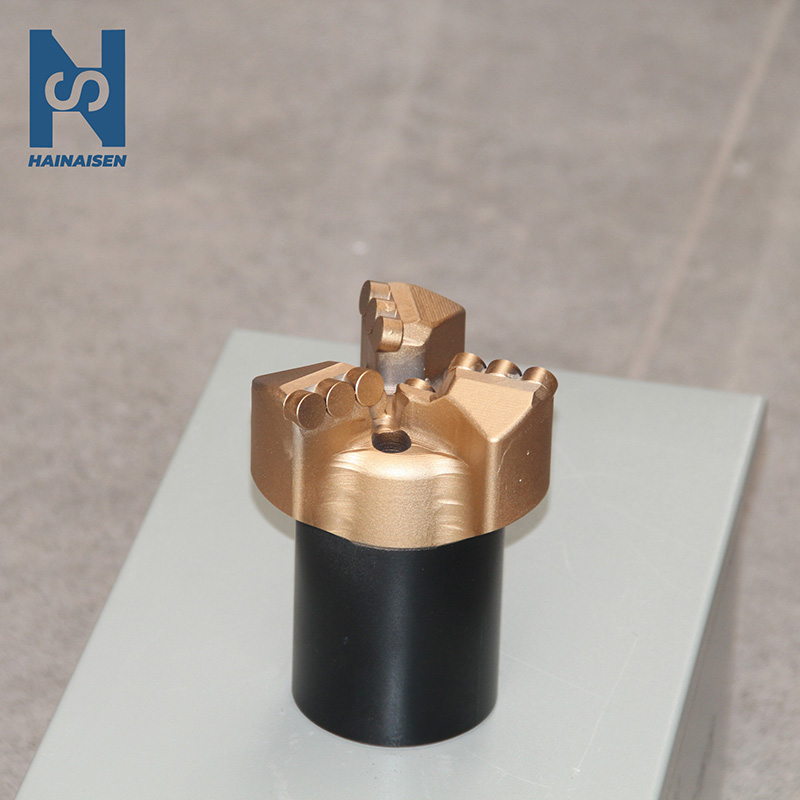
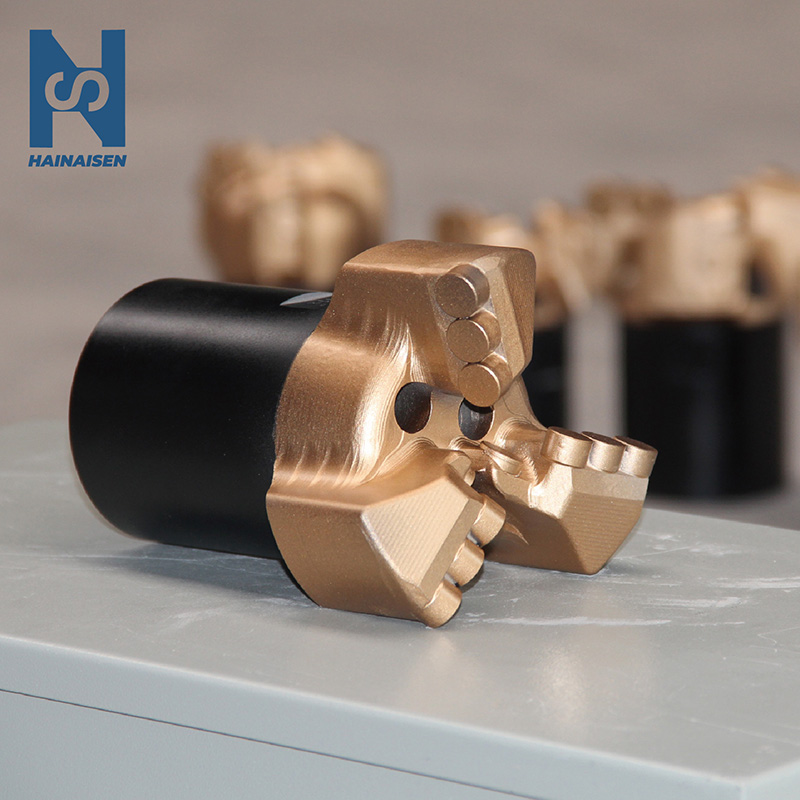
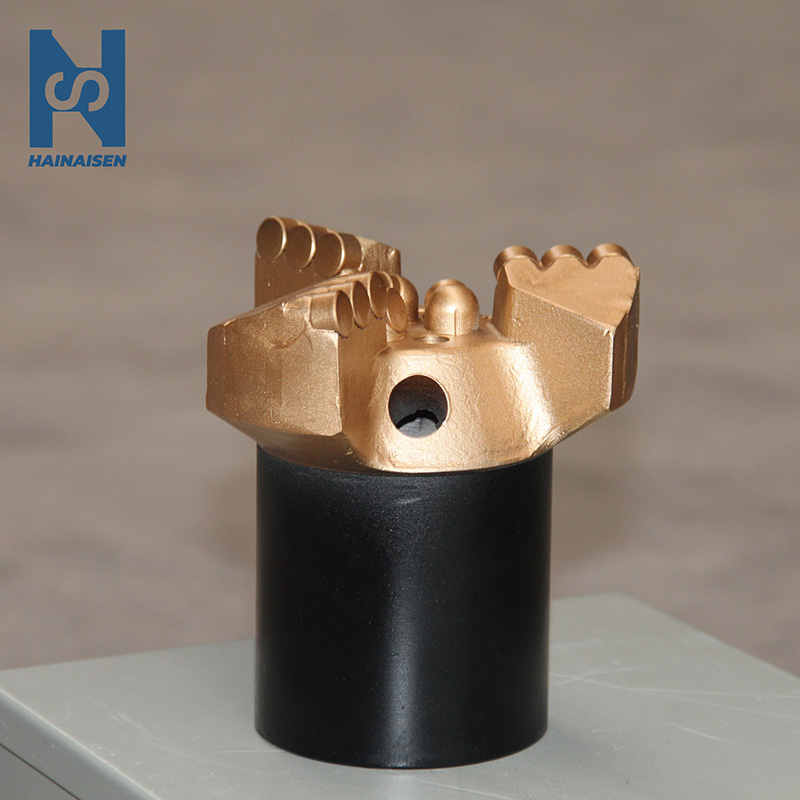
PDC drill bits completely change how drilling works because of their advanced cutting mechanism and strong construction. Instead of using crushing action like traditional roller cone bits do, these new tools use fixed diamond cutters set up in strategic blade shapes to constantly cut through rock formations.
Core Design Principles of PDC Technology
The polycrystalline diamond compact cutters in PDC Bits are the technical masterpieces. These cutters are made up of synthetic diamond layers and tungsten carbide supports. This one-of-a-kind design makes it last longer and cut more efficiently in a wide range of formations. The diamond material keeps its cutting edge even in the harshest situations, like when the temperature drops below 200°C, and the pressure rises to 15,000 PSI.
The multiple blades on each PDC bit are fitted with carefully placed cutters that make the best cutting profile. The shape of the blades and where they are placed are modeled in great detail on a computer to get the best rock removal results with the least amount of power and drag. This scientific way of designing bits makes it possible for ROP changes to be made consistently in all drilling situations.
Formation-Specific Performance Advantages
PDC bits are very useful in a wide range of geological settings, from soft shale rocks to medium-hard limestone and sandstone. When drilling in soft rock, the constant shearing action stops the bit from bouncing around as roller cone bits do. This makes the drilling easier and the quality of the holes better. When digging through layers of rock, PDC bits keep their penetration rates fixed without having to make many changes to the parameters.
When digging in a straight line or horizontally, the better performance is especially clear because the lower power and drag parameters allow for longer reach. Studies done in the field show that PDC bits can achieve 40–60% better ROP than traditional options while also having a much longer bit life.
Common Challenges in Drilling Efficiency and How PDC Equipment Addresses Them
Today's drilling activities face many problems that make them less efficient. These problems have a direct effect on the project's costs and schedule. Knowing about these problems and how to solve them helps procurement workers choose the right tools.
Overcoming Traditional Drilling Limitations
When using traditional drilling methods, bits often wear out too quickly. This is especially true in rough rocks where cutting structures break down quickly. This wear and tear causes ROP to drop, and nonproductive time for bit changes to rise. These problems can be fixed by Petroleum Drilling Equipment PDC, which has better wear protection and a longer operating life.
The following changes in operations show that PDC technology works:
- Better resistance to wear: diamond cutters keep cutting well 5–8 times longer than regular carbide inserts, so you don't have to change the bits as often and save money on tripping costs.
- Better mechanical stability: The fixed cutter design gets rid of parts that can break, which means 90% fewer downhole bit failures compared to roller cone options.
- Lower Vibration Levels: The continuous cutting action reduces stick-slip and bit whirl, which protects downhole tools and makes drilling more accurate.
- Optimized Hydraulics: New nozzle designs and junk slot layouts make sure that cuttings are removed efficiently, stopping bit balling and keeping ROP constant.
These technical advantages lead to measured practical benefits, such as less time spent drilling, lower costs for upkeep, and better quality wellbores. Companies that use PDC technology say that their usual drilling costs go down by 15 to 25 percent because they are more efficient and their operations are simpler.
Advanced Maintenance and Performance Optimization
Following the right upkeep steps will greatly increase the speed of a PDC bit and make sure that it delivers ROP consistently for the entire time it is in use. By finding wear patterns early on through regular inspections, strategic bit management techniques can be used to get the most out of drilling.
Performance Comparison and Decision-Making in Selecting PDC Drill Bits
Choosing the right drilling technology has a big effect on both how well the job works and how much it costs. A full performance study shows that PDC technology has big benefits in a number of different evaluation factors.
Detailed Performance Analysis: PDC vs. Roller Cone Technology
Direct performance studies show that PDC bits work better in a wide range of drilling conditions. In soft to medium shapes, PDC bits always give 2 to 4 times more ROP while still being very good at controlling the direction of the bit. The constant cutting action gets rid of the repetitive loading that comes with roller cone bits. This makes the torque profiles smoother and lowers the stress on the equipment.
A study of durability shows that PDC bits last a very long time, with the average bit life being 3–6 times longer than other options. The diamond blades' resistance to abrasive wear and heat decay makes them last longer. Roller cone bits need to be replaced every 50 to 80 hours of drilling in difficult rocks, but PDC bits can often go 200 to 300 hours without stopping.
Formation-Specific Selection Criteria
To choose the right PDC bit, you need to carefully think about the geology, your drilling goals, and the working factors. For different types of formations, different bit designs work best, so procurement teams need to know about technology specs and application rules.
Steel body PDC bits work best in shale, soft limestone, and layers that haven't been packed down yet. Their sharp cutting structure and improved hydraulics give them the best ROP in these conditions while still letting you control their direction very well. In harder, more abrasive forms where long bit life is the most important thing, matrix body shapes are more durable.
For best results, the technical specs say that the operating settings should be between 80 and 300 RPM, the drilling pressure should be between 10 and 100 KN, and the flow rate should be between 20 and 35 LPS. These factors make sure that the cutting structure stays cool and oiled while the cuttings are removed efficiently.
Procuring High-Quality PDC Drilling Equipment: Best Practices and Supplier Insights
Using good buying strategies makes sure that you can get PDC drilling equipment that is reliable, works well, and meets operating needs at the best price. Knowing what a provider can do, how they measure quality, and what support services they offer helps you make smart buying choices that improve drilling operations.
Supplier Evaluation and Quality Assurance
It takes technical know-how and the ability to make things well for leading makers like Shaanxi Hainaisen Intelligent Equipment Manufacturing to make high-quality Petroleum Drilling Equipment PDC. With more than ten years of experience developing PDC technology, state-of-the-art production sites, and committed research and development teams, they can guarantee consistent product quality and creative design.
Quality assurance methods should include the following API specifications, doing thorough tests, and making sure that performance is confirmed in writing. Reliable providers have strict quality control systems that check the building of the bit, the accuracy of the cutter placement, and the hydraulic performance before sending the bit to the customer.
Customization and Technical Support Advantages
Modern techniques for making PDCs allow for a lot of tailoring to meet unique drilling needs. There are some formation traits, drilling parameters, and operating goals that can't be met by standard bit designs. These can be met by custom bit designs. This adaptability is especially useful in tough cutting conditions or for specific tasks.
By helping with application building, performance improvement, and troubleshooting, technical support services have a big effect on the value of the purchase. Suppliers who offer full technical support help get the most out of bits while lowering business risks and downtime.
A strategy for buying in bulk can save a lot of money for medium and large-scale drilling activities. When you commit to buying in bulk, you can often get better prices, faster delivery, and more expert help. These benefits are especially appealing to oil service companies that are in charge of multiple jobs at the same time, all of which have the same PDC bit standards.

Future Trends and Innovations in PDC Technology to Boost ROP
Drilling productivity and operational skills keep getting better because PDC technology is always being updated. Procurement pros can get ready for future technology adoption and economic benefits by keeping up with new trends.
Advanced Materials and Design Innovations
New advances in fake diamond technology have led to better cutter materials that are more resistant to wear and don't change shape when heated. These next-generation cutters keep cutting well at higher temperatures and in rougher settings, which means that PDC can be used in rocks that were hard to work with before.
Computational fluid dynamics and finite element analysis have made it possible to fine-tune the cutting structure shape and bit hydraulics. With these high-tech design tools, bit configurations are made that increase ROP while reducing cutter stress, vibration, and torque. The ideas that came out of this make a real difference in how well different drilling tasks are done.
Digital Integration and Smart Drilling Technologies
Adding sensor technology and data analytics to drilling processes lets you check and improve performance in real time. Smart PDC bits with built-in sensors give constant input on cutting forces, vibration levels, and temperature conditions, which lets you make proactive changes to the parameters that improve ROP.
Machine learning systems look at trends in drilling data to figure out what the best drilling settings are for each formation and bit configuration in Petroleum Drilling Equipment PDC operations. These predictive abilities help drilling teams keep up a steady level of performance while avoiding dangerous working conditions that could shorten the life of bits or cause them to fail before they're supposed to.
Digital twin technology makes virtual versions of drilling operations that let you fully analyze and improve performance. These more complex modeling tools help with bit selection, parameter optimization, and predicting how well future wells will do in similar rocks.
Conclusion
Petroleum Drilling Equipment PDC technology delivers transformative improvements in drilling efficiency through enhanced ROP, extended bit life, and reduced operational complexity. The combination of superior wear resistance, optimized cutting mechanics, and advanced hydraulics enables substantial cost reductions and timeline improvements across diverse drilling applications. Understanding PDC technology's capabilities and selection criteria empowers procurement professionals to make informed decisions that maximize operational value and competitive advantage.
FAQ
Q1: What is the typical lifespan of PDC bits compared to roller cone bits?
PDC bits generally demonstrate 3-6 times longer operational life than roller cone alternatives, often exceeding 200-300 drilling hours in suitable formations compared to 50-80 hours for conventional bits.
Q2: How do PDC bits perform in different rock formations?
PDC bits excel in soft to medium-hard formations, including shale, limestone, sandstone, and gypsum. Steel body designs optimize performance in softer formations, while matrix body configurations provide enhanced durability in harder, more abrasive environments.
Q3: What maintenance practices extend PDC bit performance?
Regular inspection for cutter wear patterns, proper drilling parameter management, adequate hydraulics maintenance, and adherence to recommended operating ranges significantly extend bit life and maintain consistent ROP performance.
Partner with HNS for Superior Petroleum Drilling Equipment PDC Solutions
HNS combines over a decade of manufacturing expertise with cutting-edge R&D capabilities to deliver premium Petroleum Drilling Equipment PDC that maximizes your drilling efficiency. Our advanced manufacturing facility features state-of-the-art 5-axis machining centers and dedicated custom design capabilities that ensure optimal performance for your specific applications. Contact our technical specialists at hainaisen@hnsdrillbit.com to discuss customized solutions and discover why leading drilling operations trust HNS as their preferred Petroleum Drilling Equipment PDC supplier.
References
1. Society of Petroleum Engineers. "Advanced PDC Bit Design for Enhanced Rate of Penetration in Unconventional Formations." SPE Drilling Engineering Journal, 2023.
2. American Petroleum Institute. "API Specification 7-1: Specification for Rotary Drill Stem Elements, 46th Edition." API Publishing Services, 2022.
3. International Association of Drilling Contractors. "PDC Bit Performance Analysis in Directional Drilling Applications." IADC Technical Publications, 2023.
4. Journal of Petroleum Science and Engineering. "Comparative Analysis of Cutting Efficiency in Polycrystalline Diamond Compact Drill Bits." Elsevier Science, 2022.
5. World Oil Magazine. "Technological Advances in PDC Bit Manufacturing and Performance Optimization." Gulf Energy Information, 2023.
6. Drilling Contractor Magazine. "Cost-Benefit Analysis of PDC Technology Implementation in Oil and Gas Operations." International Association of Drilling Contractors, 2022.