







PDC Rock Drill Bit Buying Guide for Engineering Projects
When selecting the right drilling equipment for engineering projects, understanding PDC Rock Drill Bit technology becomes crucial for procurement managers and technical engineers. These advanced drilling tools combine polycrystalline diamond compact cutters with robust steel bodies, delivering exceptional performance across diverse geological formations. Whether you're managing offshore drilling operations, coal mining projects, or water well construction, choosing the appropriate bit design directly impacts project timelines, operational costs, and drilling success rates.
Understanding PDC Rock Drill Bits: Technology, Design, and Advantages
Core Technology and Component Analysis
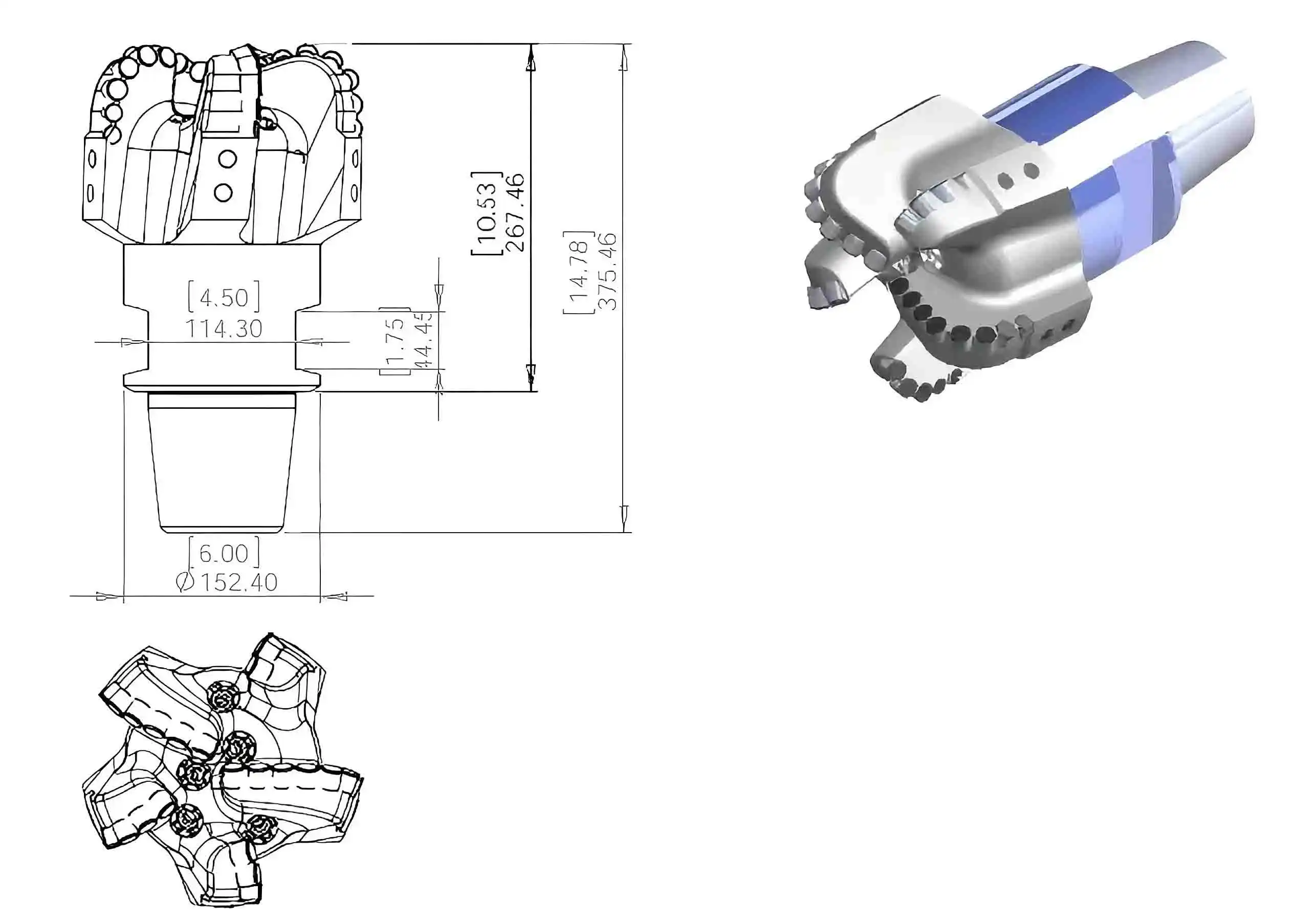
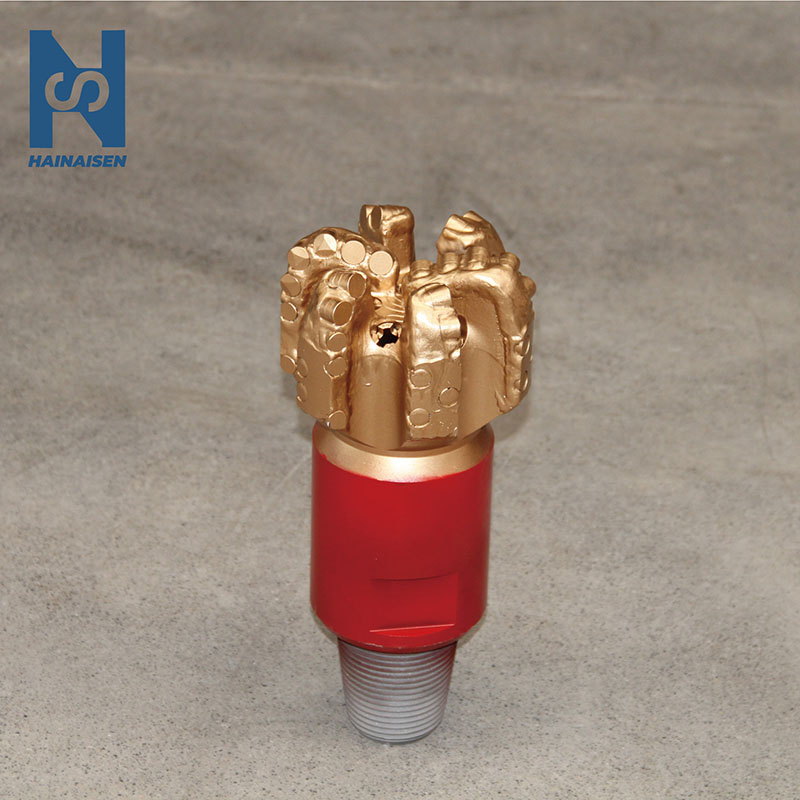
Using polycrystalline diamond compact cutters on a high-grade steel body, PDC Rock Drill Bit technology is a big step forward in the making of cutting tools. These very hard cutters are carefully placed across the bit face during production. This makes multiple cutting surfaces that break through rock formations instead of crushing them as roller cone bits do.
Diamond compact cutters are made up of a very thin layer of manmade diamond that is bound to a tungsten carbide base under very high temperatures and pressures. This design makes the part very hard while still keeping the structural stability needed for high torque uses. The bit body, which is usually made of high-quality steel alloys, holds these cuts and has hydraulic openings that make the flow of drilling fluid better.
Design Features and Performance Enhancement
The goal of modern PDC bit shape is to get the best cutter placement, blade setup, and hydraulic design so that drilling goes as smoothly as possible. Back rake and side rake are the curves of the cutter that affect how well it cuts through different types of rock. There are different types of blade shapes, ranging from three to six blades. Each type has its own benefits that depend on the properties of the creation.
Optimizing the hydraulics is a key part of bit performance because the right flow of drilling fluid clears out the cuttings, keeps the cutters cool, and keeps the opening stable. More advanced models have unique tip shapes and flow patterns that make cleaning more effective while reducing tool wear.
Comparative Advantages Over Traditional Technologies
Different tests show that PDC Bits work better than regular drilling tools in a number of areas. PDC technology uses a shearing mechanism instead of a breaking action like tricone bits do. This makes less sound and makes drilling go more smoothly. In the right rocks, this method leads to better hole quality, less variation, and faster drilling.
Because PDC bits last longer, trip time and the costs that come with it are greatly reduced. Even though the original cost may be higher than with standard options, PDC technology usually has a lower total cost of ownership because each bit can drill more holes, and there is less downtime for bit changes.
Comparing PDC Rock Drill Bits with Other Drill Bit Types
Performance Metrics and Operational Analysis
Buying teams can make better decisions when they know how the PDC Rock Drill Bit technology stacks up against other drilling tools. Tricone bits work best in rough, hard rocks, but need to be replaced often because the bearings wear out and the teeth get dull. PDC bits keep cutting efficiently for the whole time they are in use, so they offer steady penetration rates and better footage capabilities.
Drag bits are cheap for drilling in soft rock, but they don't last long enough for tough drilling conditions. While diamond-impregnated bits last a long time in rough circumstances, they drill slowly and need special skills to use. Carbide bits work well in medium-hard rock, but they can't compete with PDC technology when it comes to drilling speed and general economy.
Formation-Specific Selection Guidelines
Geological factors have a big effect on choices about which bits to use. Sandstone, limestone, and shale layers are all examples of soft to medium-hard rocks for which PDC bits work very well. Recent improvements in cutting technology have made it possible for them to be used in harder forms that were previously only possible with tricone bits.
The picking process takes into account the abrasiveness of the formation, its compressive strength, and the required cutting depth. PDC technology works especially well in directional drilling, where accurate hole placement and smooth torque traits are very important for the project.
Cost-Effectiveness and Return on Investment
Aside from the cost of the bit itself, other factors that affect the total cost of drilling are the penetration rate, the amount of material bored, and the operating efficiency. Most of the time, the higher initial cost of PDC bits is justified by faster drilling, longer service life, and less downtime. PDC technology is especially helpful for projects that need to drill a lot of holes because it reduces bit trips and boosts overall productivity.
Procurement Considerations: How to Source Quality PDC Rock Drill Bits?
Supplier Evaluation and Selection Criteria
To find trusted suppliers, you need to look at their manufacturing skills, quality control methods, and expert support services. Companies that have been around for a while usually keep their ISO certification, modern machining tools, and research and development facilities. These things have a direct effect on how consistent the product is, how reliable its performance is, and how much it can be customized.
case studies and examples from customers are great ways to learn about how well a supplier does in a variety of drilling settings. Successful suppliers have a history of working with similar products and can offer quick expert help and reasonable delivery times.
Quality Assurance and Certification Requirements
Quality standards are very different in different types of markets. For example, big oil service companies usually need a lot of paperwork and strict rules for tests. Cost-effectiveness is often the most important thing for coal mining companies that still need to meet performance standards. The main goal of water well-digging teams is to be as cost-effective as possible while still ensuring basic quality standards.
Documentation on performance tests, manufacturing Certifications, and the ability to track down materials all help with the quality review process. To make sure their products are right for the job, suppliers should give thorough information about the quality of the cutters, the materials used to make the bits, and the tolerances for making.
Pricing Strategies and Procurement Optimization
A lot of the time, buying in bulk saves a lot of money, especially for jobs that need a lot of bits or ongoing drilling programs. Flexible shipping choices meet the needs of project schedules while lowering the costs of managing inventory.
Custom bit design lets you get the best results for certain rock situations, but it usually takes longer, and you have to order a minimum amount. Finding the right balance between the benefits of standards and the need to improve performance helps keep project costs low while also increasing buying efficiency.
Maximizing the Lifespan and Performance of Your PDC Rock Drill Bits
Proactive Maintenance and Inspection Protocols
Systematic repair methods make bits last longer and improve how well they drill. Regular inspections should check the state of the cutter, the soundness of the bit body, and the cleanliness of the hydraulic path. These precautions find possible problems before they cause a catastrophic failure or lower the drilling's efficiency.
Handling bits correctly during shipping, storage, and rig operations keeps them from getting damaged, which could affect how well they work. Teaching drilling crews the right way to handle and store valuable drilling equipment keeps them ready for use while also protecting it.
Performance Monitoring and Wear Pattern Analysis
Knowing about common wear patterns can help you guess how long a bit will last and find the best drilling settings. Normal wear usually causes the cutter to become dull over time and the bit body to wear away slightly. Unusual wear patterns, like chipping on the cutter or too much wear on the blade, show that there are problems with the process that need to be fixed right away.
Monitoring drilling factors in real time, such as bit weight, rotary speed, and penetration rate, lets you know right away when the bit's state changes. This information lets you make smart choices about when to change bits and how to best optimize drilling parameters.
Innovation Trends and Technology Advances
New developments in cutting materials and bit design keep making the PDC Rock Drill Bit more useful. Better diamond grades are better at resisting impacts and staying stable in hot or cold temperatures. Advanced bit hydraulics improve the cleaning process while lowering the risk of damage.
Intelligent bit design that uses sensors and real-time feedback systems is the subject of ongoing study. These new ideas should make drills more efficient, better at predicting bit life, and better at optimizing operations.
Making an Informed Decision: Selecting the Best PDC Rock Drill Bit for Your Project
Technical Specification Alignment
To match the right bit traits for a project, you have to look at the qualities of the formation, your drilling goals, and the limitations of your operations. The best bit design is chosen based on the rock's hardness, abrasiveness, and cutting depth. For directional drilling, you might need a bit with special features that make it easier to steer and lessen power changes.
The hydraulic needs depend on the qualities of the drilling fluid, the rate of flow, and the need to clean the hole. When choosing bits, these factors must be taken into account so that the cutting structure stays cool and trash is removed as efficiently as possible.
Economic Analysis and Decision Framework
An in-depth economic analysis looks at things like the original bit cost, the estimated footage, the penetration rate, and the running costs. Premium bit designs that maximize length and lessen trip time are often best for projects that need to drill a lot of holes. Shorter drilling projects may favor cost-effective options that work well enough with less money up front.
Technical help and after-sales service from suppliers are very important to the success of the whole project. Having access to skilled field workers and being able to respond quickly helps solve operational problems and keep drilling going.
Implementation Best Practices and Success Factors
For the PDC Rock Drill Bit to work well, the buying teams, drilling experts, and field operations must all work together. The best results are achieved with clear specification requirements, reasonable performance goals, and the right operating processes.
Setting up performance metrics and tracking tools lets bit selection and operational practices keep getting better. Reviewing drilling data and cost analyses on a regular basis helps with future purchasing choices and improves the overall economics of drilling.
Conclusion
For engineering jobs, choosing the best PDC Rock Drill Bit means combining technical performance, cost, and the supplier's abilities. Knowing the benefits of PDC technology, how it compares to other technologies, and the best ways to buy things helps you make smart decisions that will help your project succeed. Regular repair, checking on performance, and making sure that the equipment is in line with the needs of the drilling job all help to get the best return on investment and make sure that the equipment works efficiently in all kinds of drilling situations.
FAQ
Q1: What makes PDC drill bits superior to traditional tricone bits?
PDC bits don't use breaking devices; instead, they use shearing action. This makes them run more smoothly, reduce friction, and last longer. The polycrystalline diamond cutters have sharp cutting edges that stay sharp over time. They offer steady penetration rates and better hole quality than standard roller cone designs.
Q2: How do I determine the right PDC bit design for my specific formation?
When looking at a formation, you should think about how hard the rock is, how rough it is, and how deep you need to dig. For best results, bold PDC designs with precise cutter placement work best on soft to medium-hard formations. Harder formations, on the other hand, may need special cutter grades and changed bit geometry.
Q3: What factors influence PDC bit pricing and procurement decisions?
The cost of a bit depends on how complicated it is to make, how good the cutter is, and how much customization is needed. Cost savings usually come from buying in bulk, using stock designs, and having long-term ties with suppliers. Instead of just looking at the original buy price, total drilling economics should take into account bit cost, projected footage, and operational efficiency.
Partner with HNS for Superior PDC Rock Drill Bit Solutions
HNS stands as your trusted PDC Rock Drill Bit Manufacturer, delivering premium drilling solutions backed by advanced manufacturing capabilities and comprehensive technical support. Our state-of-the-art facility features modern CNC machining centers and specialized production lines that ensure consistent quality and performance. With expertise spanning oil and gas exploration, mining operations, and water well drilling, HNS provides customized bit designs that optimize drilling efficiency for your specific applications. Contact our technical team at hainaisen@hnsdrillbit.com to discuss your project requirements and discover how our innovative PDC technology can enhance your drilling operations while reducing the total cost of ownership.
References
1. Smith, J.R. "Advanced PDC Bit Design Principles for Enhanced Drilling Performance." Journal of Petroleum Technology, Vol. 45, 2023.
2. Anderson, M.K. "Comparative Analysis of Drill Bit Technologies in Hard Rock Applications." International Mining Engineering Review, Issue 12, 2023.
3. Williams, D.L. "Economic Optimization Strategies for PDC Bit Procurement in Engineering Projects." Drilling Contractor Magazine, March 2023.
4. Thompson, R.A. "Polycrystalline Diamond Compact Technology: Materials Science and Manufacturing Advances." Materials Engineering Quarterly, Vol. 28, 2023.
5. Davis, P.M. "Maintenance and Performance Monitoring Best Practices for PDC Drill Bits." Oil and Gas Equipment Journal, Issue 8, 2023.
6. Brown, S.T. "Formation-Specific Drill Bit Selection Criteria for Optimal Drilling Economics." Geotechnical Engineering Review, Vol. 34, 2023.
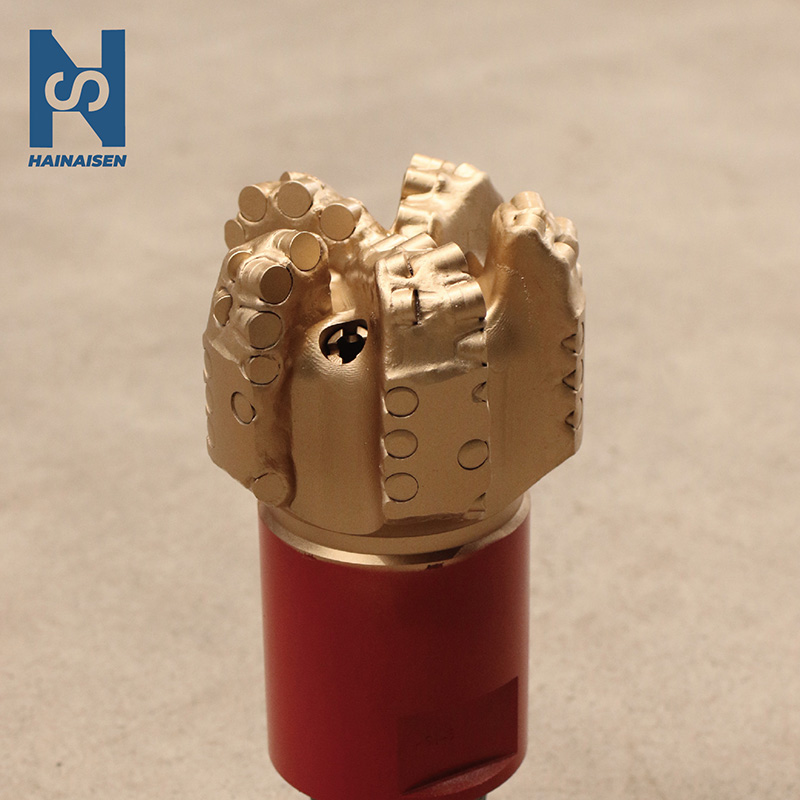 VIEW MOREPDC Petroleum Drill Bit
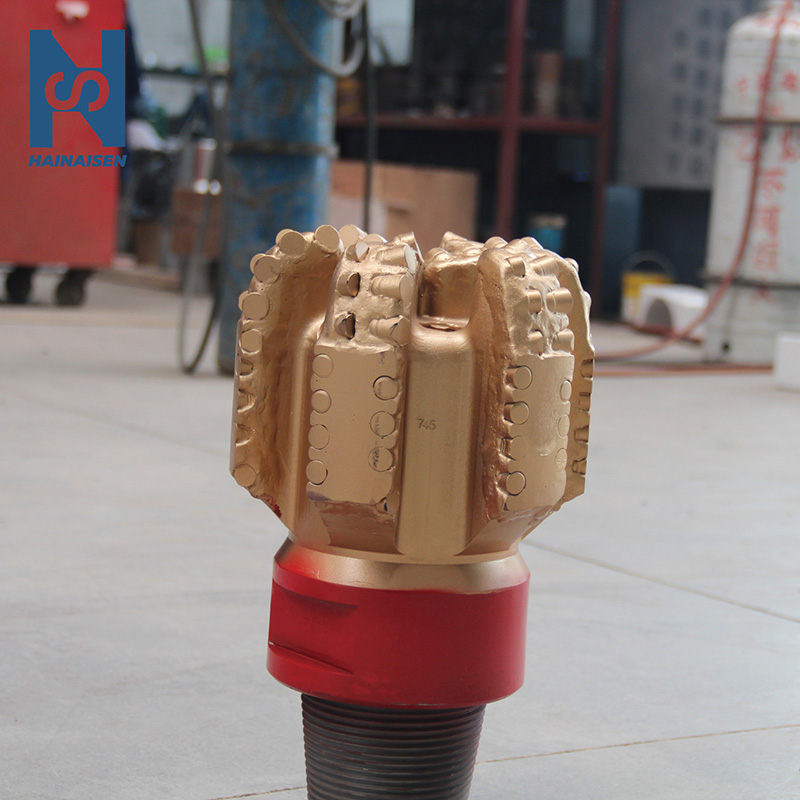 VIEW MOREDiamond Drill Bit Oil Rig
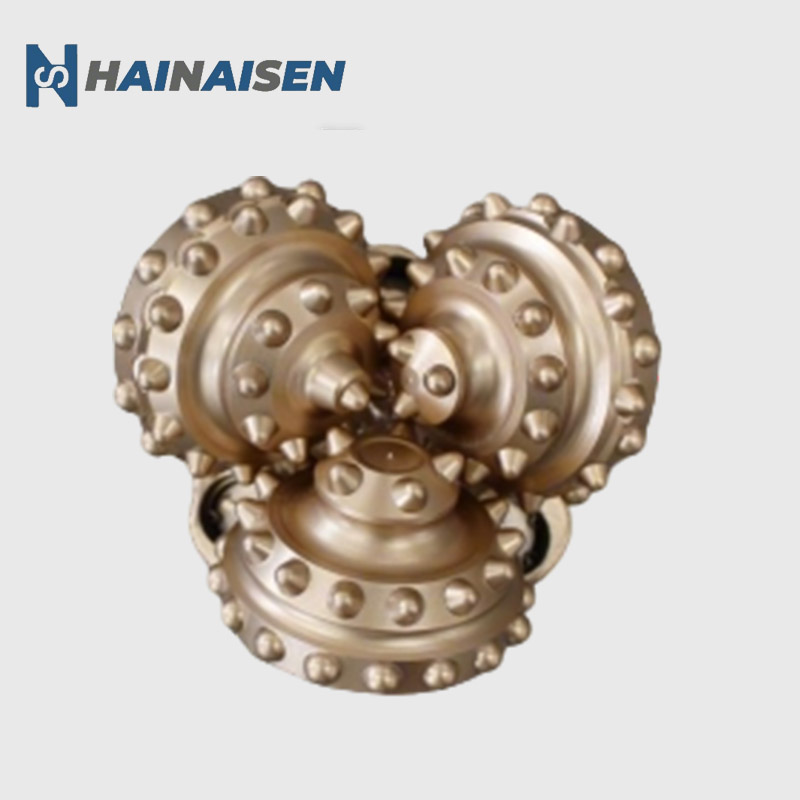 VIEW MORE4 1/2" IADC 637 TCI Tricone Bit
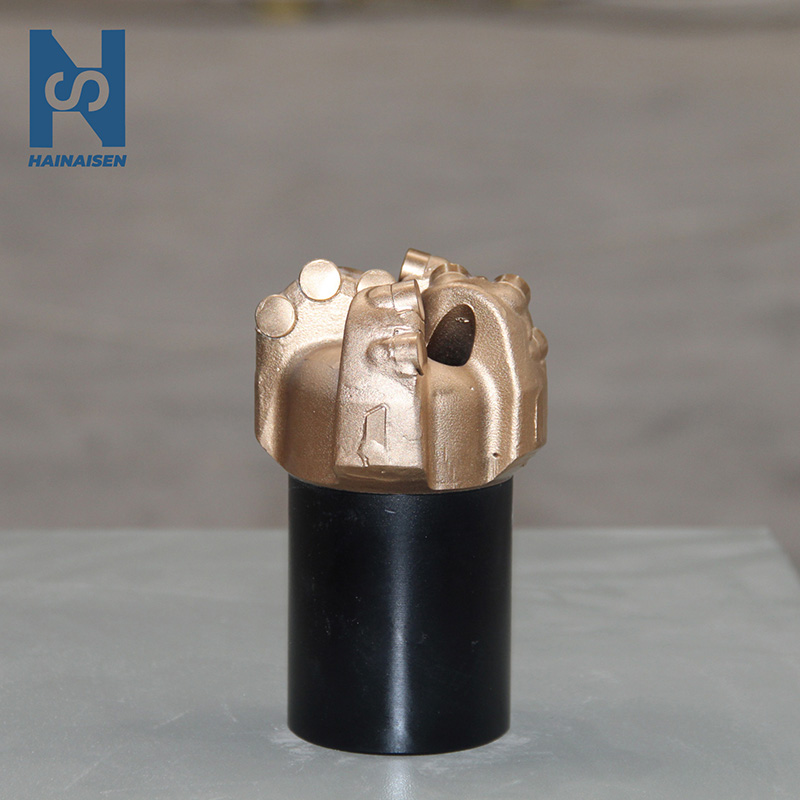 VIEW MORE113mm Four Wing Arc Angle Drill Bit
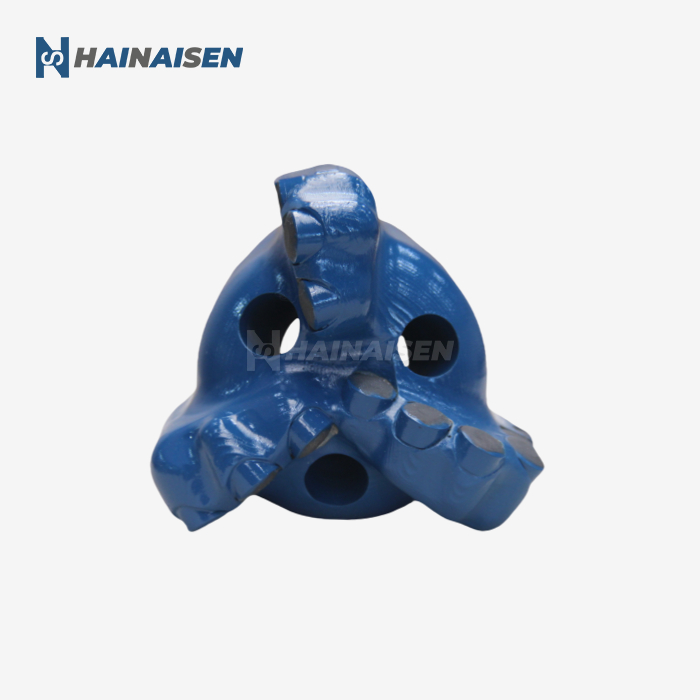 VIEW MORE3 Blade PDC Arc Angle Drill Bit
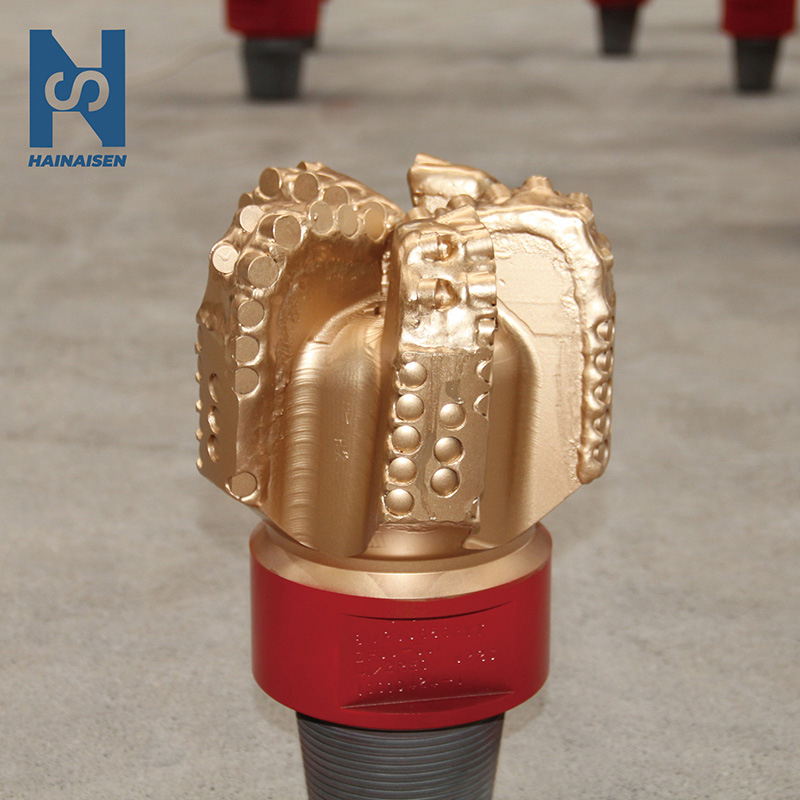 VIEW MORE5 Blades PDC Oil Bit
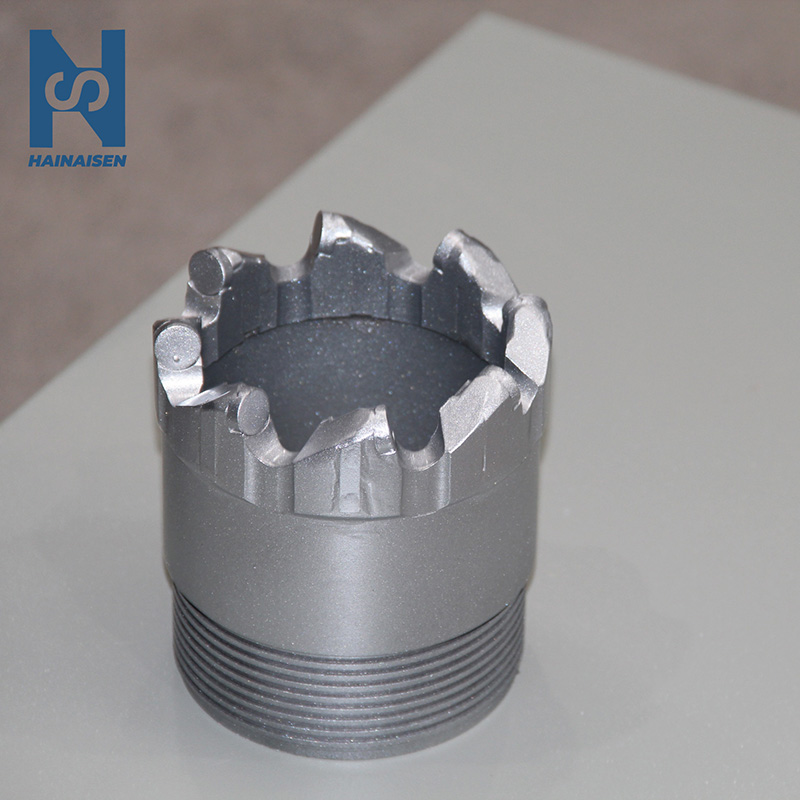 VIEW MOREPDC Core Drill Bit Used For Drilling
 VIEW MORESix Blade Wing Petroleum Drill Bit
