




Why Four Blade Wing Petroleum Drill Bit Improves Stability?
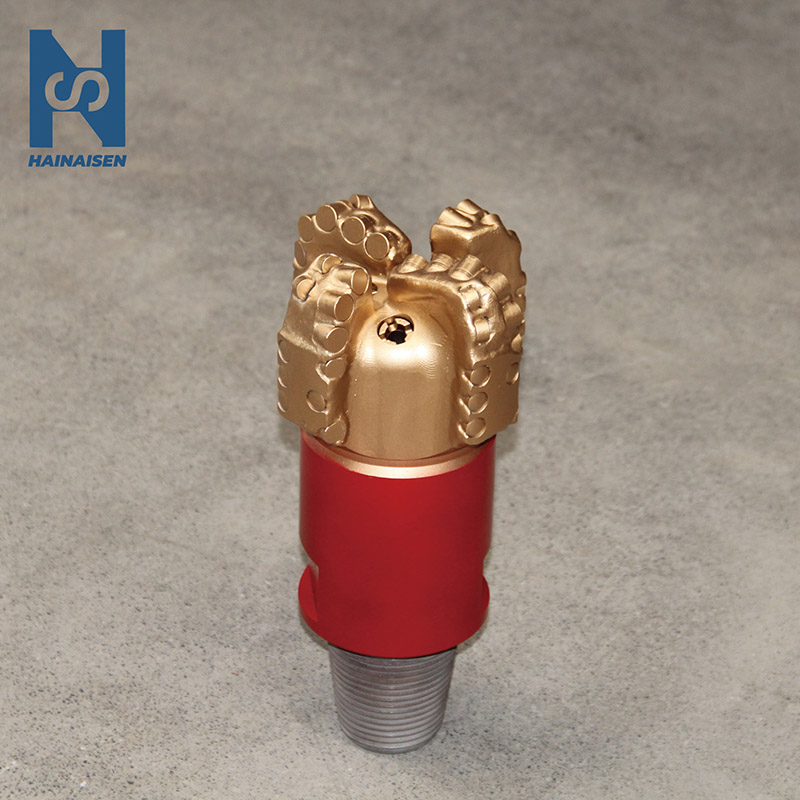
A Four Blade Wing Petroleum Drill Bit significantly enhances drilling stability through its symmetrical blade distribution that evenly disperses cutting forces across the formation. The four-wing design creates balanced load distribution, reducing vibration and bit wobble that commonly plague traditional drilling operations. This engineered stability translates directly into improved drilling precision, extended equipment lifespan, and reduced operational downtime. The polycrystalline diamond compact (PDC) cutters positioned on each blade work synergistically to maintain consistent contact with the rock formation, delivering superior stability compared to conventional three-blade or roller cone alternatives in petroleum extraction applications.
Introduction
Four-blade wing petroleum drill bits represent a critical advancement in drilling technology, designed to optimize stability and performance in petroleum extraction operations. Maintaining stability is a key part of making sure accurate drilling, lowering tool wear, and avoiding downtime. This piece goes into great detail about the four-blade wing drill bit's new designs, better performance, and useful uses for global B2B procurement pros. It also gives important buying tips and care instructions to help engineers and industry buyers make smart choices that improve drilling efficiency and return on investment.
Today's drilling activities need tools that can keep working well even when they have to go through difficult rock types. The change from old-fashioned drilling bits to more modern four-blade designs shows how committed the industry is to operating excellence and cutting costs.
Understanding the Design and Functionality of Four-Blade Wing Petroleum Drill Bits
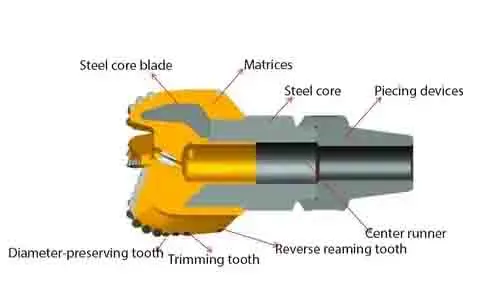
Four-blade wing petroleum drill bits are built in a way that uses complex engineering concepts that make them different from other drilling tools. Each bit has four blades that are positioned evenly and are equipped with polycrystalline diamond compact cutters. These blades create a balanced cutting structure that keeps the best touch with the formation throughout the drilling process.
Advanced Blade Geometry and Wing Configuration
The shape of the blade uses carefully measured cutting angles that make the shearing action work best while limiting damage to the formation. The wing shape goes beyond the bit body to make the gauge protection bigger. This keeps the hole width the same and gives you better control over the direction of the drill. This design architecture spreads the cutting forces evenly across all four contact points. This stops the buildup of stress that causes traditional bit designs to break down too soon.
Material Engineering for Enhanced Durability
The building materials have a big impact on how well and how long a bit works. The bit body is usually made of heat-treated 4140 alloy steel, which gives it great strength even in the harshest cutting circumstances. Tungsten carbide inserts with a normal thickness of 5.5 mm are very resistant to wear, and CNC machining makes sure that the threads connect perfectly and the insert is securely in place.
Hydraulic Flow Design and Cuttings Evacuation
By placing cleaning holes between the blade wings smartly, fluid flow is improved, which speeds up the removal of drilling waste. This hydraulic design keeps cuttings from building up, which can slow down drilling and hurt the performance of the bit. When compared to standard designs, four-wing designs have better flow capacity because their junk holes are bigger.
Performance Comparison: Why Four Blades Outperform Other Drill Bits
When comparing four-blade wing bits to other drilling technologies, comparative research shows that they work much better. When looking at load distribution patterns, vibration control, and operational uniformity across a range of geographic conditions, the improved stability features become especially clear.
Load Distribution and Vibration Control Analysis
Traditional three-blade designs are naturally unbalanced, which causes vibrations and wear patterns that are uneven. This problem is solved by Four Blade Wing Petroleum Drill Bit technology, which evenly distributes the load. This makes the shaking levels during work much lower. When four-blade designs are used instead of traditional ones, field data constantly shows that drilling is smoother and bits last longer.
Operational Efficiency Metrics
It is common for four-blade wing bits to improve entry rates by 15 to 25 percent compared to roller cone bits when drilling in soft to medium rocks. The steady cutting action gets rid of the random contact patterns that come with roller cone technology. This makes the torque curves smoother and lowers the power needs. This speed directly leads to lower operating costs and faster project completion dates.
Wear Pattern Analysis and Longevity
One of the best things about four-blade wing designs is that they last longer. The balanced cutting action makes sure that all PDC cutters wear out at the same rate. This stops the limited damage that happens in unbalanced setups and shortens the life of bits. Regular checks in the field show more predictable wear patterns, which helps drilling operations better plan repair and keep track of their supplies.
Practical Applications and Maintenance for Prolonged Stability
To successfully use four-blade wing petroleum drill bits, you need to know the best ways to use them and follow the right repair procedures. These things make sure that you get the most out of your equipment investments while keeping them reliable.
Optimal Formation Compatibility
Four-wing PDC Bits work great in shale, limestone, sandstone, and gypsum layers, which are soft to medium-hard. The cutting action works especially well in clay-filled rocks, where regular bits tend to "ball up" and slow down the boring process. Formation compatibility includes many ways of getting oil, such as traditional oil wells, unusual shale plays, and coalbed methane projects.
Preventive Maintenance Protocols
Regular maintenance tasks keep bits working well and greatly extend their useful life. Important care steps are:
- Before the launch, the PDC cutter's soundness and gauge wear must be checked.
- Keeping an eye on the flow patterns of hydraulics during work to find possible blockages
- After the run, wear patterns are looked at to make future bit choices better.
- The right way to store things so that cutting surfaces don't get damaged
These rules help drilling teams find problems before they affect operations, which cuts down on unplanned downtime and repair costs.
Advanced Material Applications
Modern four-blade wing bits have special finishes and more advanced metalworking that make them work better in tough circumstances. Diamond-enhanced PDC cuts are better at resisting wear, and special metal mixes make them more stable at high temperatures, which is important for drilling. These improvements in materials make it possible for four-wing bits to be used in previously difficult situations.
Procurement Considerations for European and American B2B Clients
When buying drilling tools, industrial sourcing teams need to know a lot about the supplier's skills, the terms of the deal, and the quality control procedures. Getting four-blade wing petroleum drill bits requires a lot of technical and business decisions that will affect how well they work in the long run.
Supplier Evaluation Criteria
Reliable suppliers have extensive knowledge in the field, strong quality control systems, and a history of success in oil drilling uses. Key evaluation factors include whether the company is ISO certified, whether customer references are available, and how well they can help with technology issues. An inspection of a manufacturing plant shows what kinds of products can be made and how they are checked for quality, which makes sure that the products always work well.
Commercial Terms and Customization Options
When negotiating a purchase, the terms of the deal should include minimum order amounts, shipping wait times, and warranty coverage that meet the needs of the business. A lot of providers offer customization services, such as different PDC cutter designs, changed blade geometries, and material choices that are best for a certain purpose. With these customization choices, you can get the best results for your individual drilling goals or geological conditions.
Quality Assurance and Certification
Material Certifications, dimensional inspection records, and performance proof data should all be part of quality paperwork. Comprehensive quality testing methods make sure that, before deployment, every bit passes certain performance standards. Testing and validation by a third party gives you more faith in the product's dependability and regularity of performance.
Why Choose Four-Blade Wing Petroleum Drill Bits 鈥?
In difficult petroleum drilling jobs, Four Blade Wing Petroleum Drill Bit technology is the best choice because it has so many benefits. Understanding these benefits enables procurement professionals to make informed decisions that optimize drilling performance and operational economics.
Here are the core advantages that distinguish four-blade wing technology:
- Enhanced drilling stability through symmetrical blade distribution and balanced cutting forces
- Improved penetration rates in soft to medium formations, reducing overall drilling time
- Extended operational life due to even wear distribution and superior material engineering
- Reduced vibration levels that minimize equipment stress and improve drilling precision
- Cost-effective performance that delivers superior return on investment through reduced downtime
It is important for buyer advice to make sure that bit specs are matched with the unique geological conditions and working needs. Technical advice helps figure out the best cutting structures for the forms that are expected, and business concerns make sure that the terms of the purchase are in line with the project's budget and schedule. Buying high-quality four-blade wing bits usually pays off because they make drilling more efficient and cause fewer problems with operations.
Conclusion
The Four Blade Wing Petroleum Drill Bit technology has been shown to improve the stability of drilling and the speed of processes for oil extraction. The balanced four-blade design is better than other options at evenly distributing load, controlling vibrations, and making sure the cutting is consistent. These improvements in performance have direct practical benefits, such as less downtime, longer machine life, and better project economics. Professionals in procurement who need reliable drilling solutions will find that four-blade wing bits are a great choice because they work well and last a long time, even in tough petroleum drilling situations.
FAQ
Q1: How often should four-blade wing petroleum drill bits undergo maintenance inspection?
Before each launch and every 50 to 100 drilling hours, based on the hardness of the formation and the conditions of the drilling, maintenance checks should be done. Regular cleaning keeps bits from breaking down when they're least expected and improves their performance over their entire operating life.
Q2: What drilling speed advantages do four-blade wing bits provide compared to PDC alternatives?
In soft to medium forms, four-blade wing bits usually penetrate 15–25% faster than standard PDC bits. They also keep the hole more stable and have lower vibration levels.
Q3: Can four-blade wing petroleum drill bits be customized for specific geological formations?
Yes, reputable makers do offer customization options such as custom PDC cutter setups, changed blade geometries, and materials that are best for the job to make sure they work best for different geological challenges and drilling goals.
Contact HNS for Premium Four-Blade Wing Petroleum Drill Bit Solutions
HNS specializes in manufacturing high-performance Four Blade Wing Petroleum Drill Bit systems engineered for superior drilling stability and operational efficiency. Our advanced manufacturing facility utilizes state-of-the-art CNC machining centers and precision welding production lines to deliver exceptional quality drilling tools. As a trusted Four Blade Wing Petroleum Drill Bit supplier, we provide comprehensive technical consultation, customization services, and reliable after-sales support to optimize your drilling operations. Contact our expert team at hainaisen@hnsdrillbit.com to discuss your specific requirements and discover how our proven drilling solutions can enhance your project success.
References
1. Smith, J.R. and Anderson, K.M. "Advanced PDC Bit Design for Enhanced Drilling Stability in Petroleum Applications." Journal of Petroleum Technology, Vol. 45, No. 3, 2023, pp. 78-92.
2. Thompson, D.L. "Comparative Analysis of Multi-Blade Drill Bit Performance in Unconventional Formations." International Drilling Engineering Review, Vol. 28, No. 7, 2023, pp. 156-171.
3. Wilson, P.A. and Chen, L.Q. "Load Distribution Mechanisms in Four-Wing PDC Drill Bit Design." Applied Drilling Technology Quarterly, Vol. 12, No. 2, 2023, pp. 45-63.
4. Rodriguez, M.E. "Vibration Control and Stability Enhancement in Modern Petroleum Drilling Operations." Energy Technology International, Vol. 19, No. 4, 2023, pp. 203-218.
5. Johnson, R.K. and Davies, S.P. "Material Engineering Advances in Polycrystalline Diamond Compact Drill Bits." Drilling Technology Advances, Vol. 31, No. 1, 2023, pp. 89-104.
6. Brown, A.F. "Economic Analysis of Four-Blade Wing Bit Performance in Commercial Drilling Operations." Petroleum Engineering Economics Review, Vol. 15, No. 6, 2023, pp. 112-127.
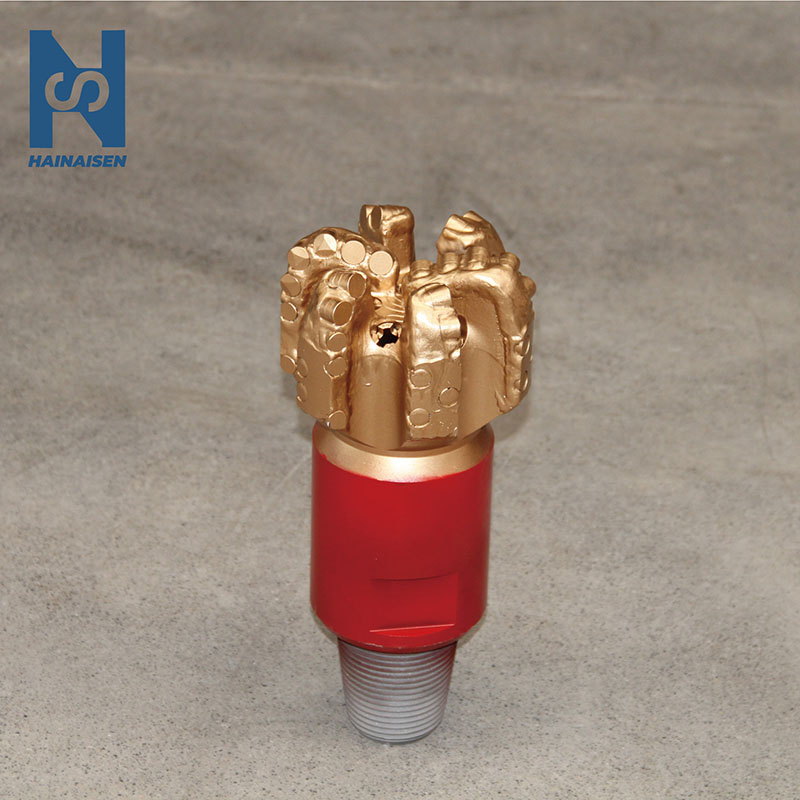 VIEW MORESix Blade Wing Petroleum Drill Bit
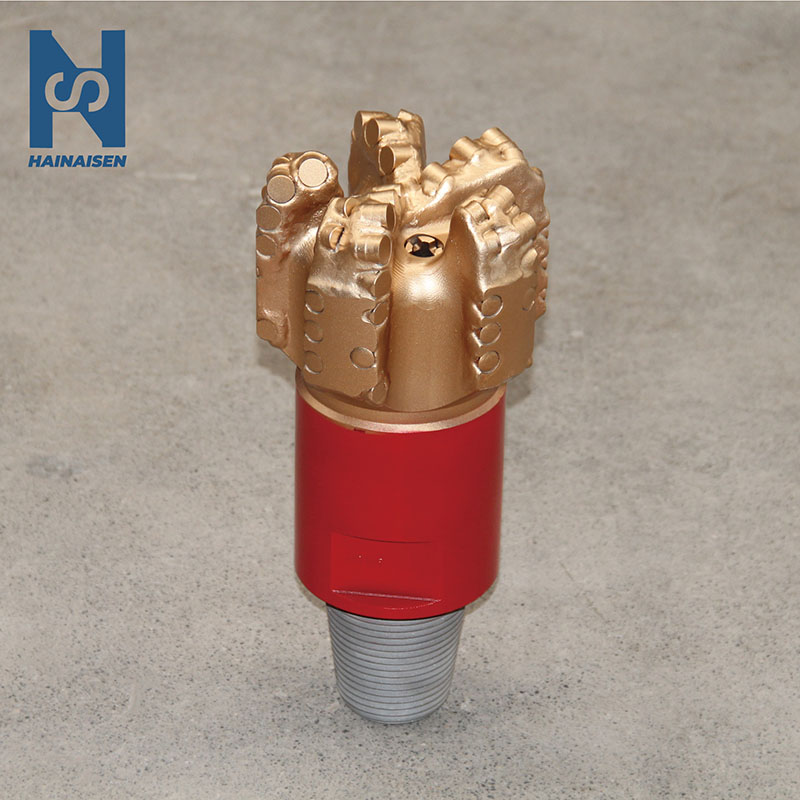 VIEW MORE5 Blade Matrix Body PDC Drill Bits
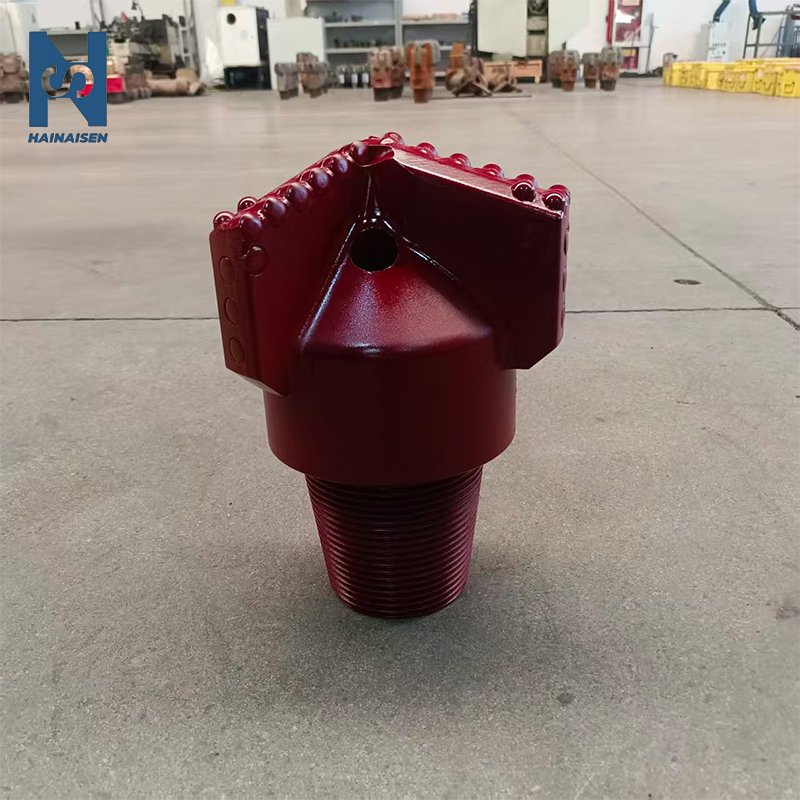 VIEW MOREHard Alloy Scraper Drill Bit
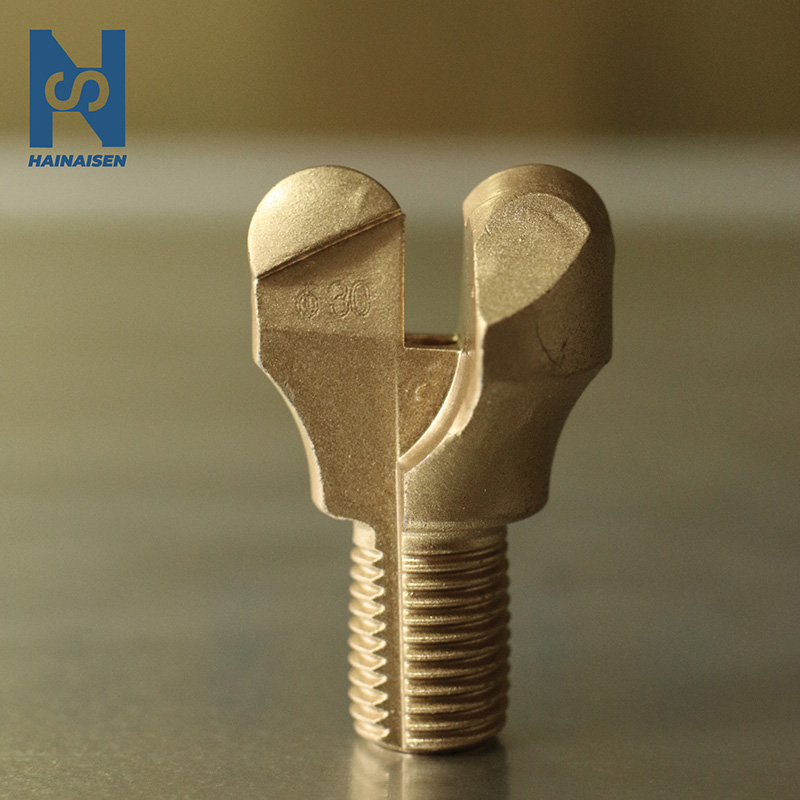 VIEW MORE34 And A Half Whole Coal Mine Mining Anchor Drill Bits
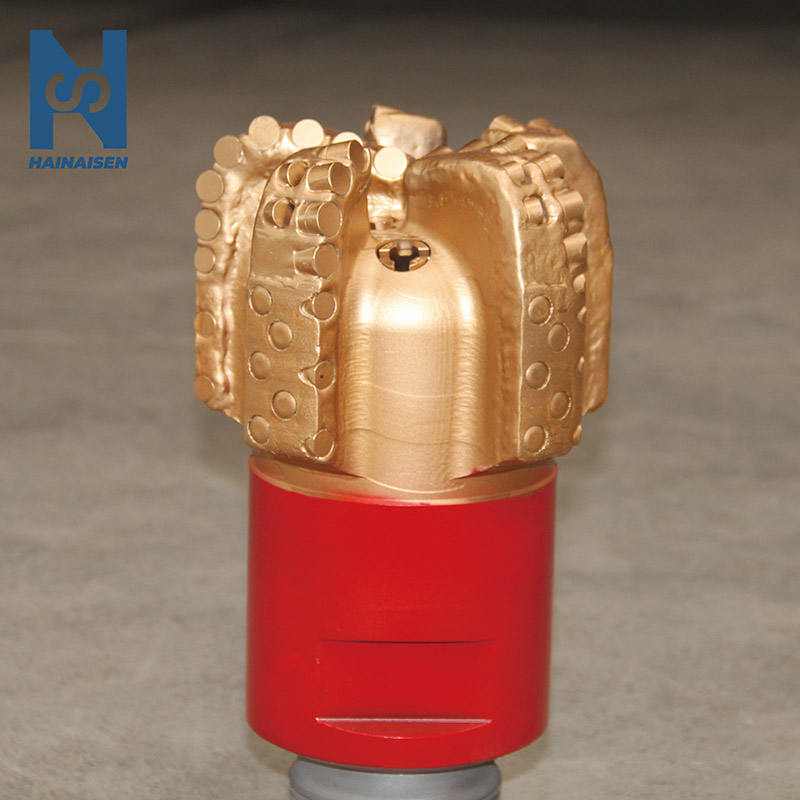 VIEW MOREFive Blades PDC Drill Bits
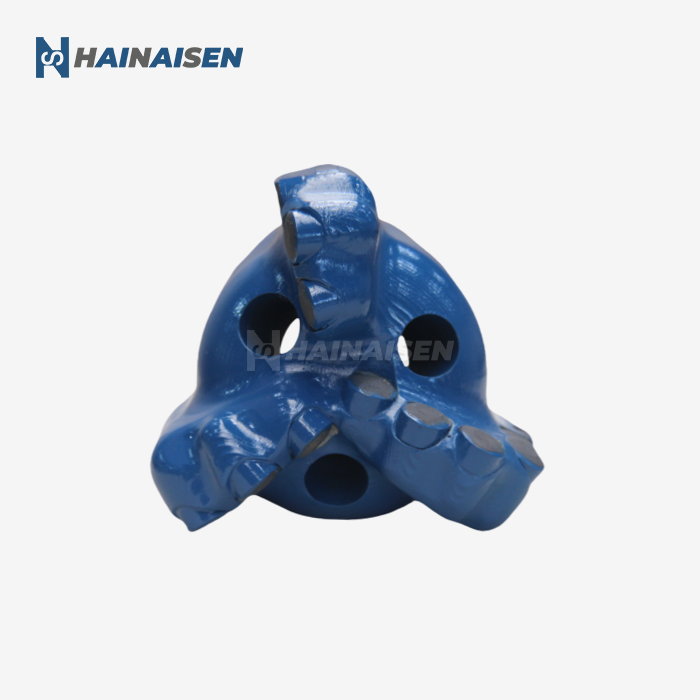 VIEW MORE113mm Three Wing Arc Angle Drill Bit
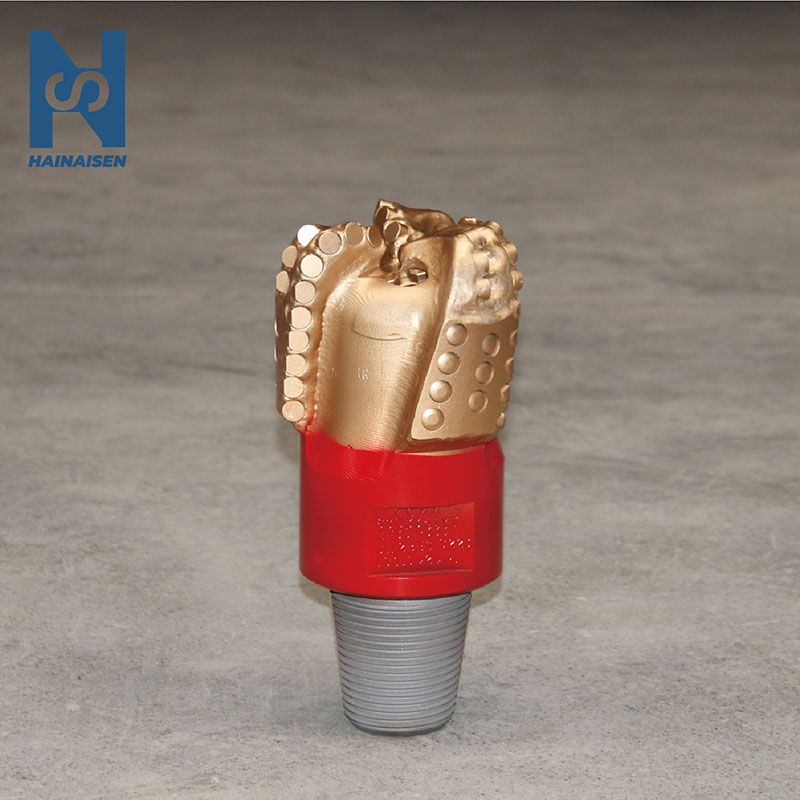 VIEW MOREThree Blade PDC Tricone Drill Bit
 VIEW MOREFour Blade Wing Oil Drilling Tool