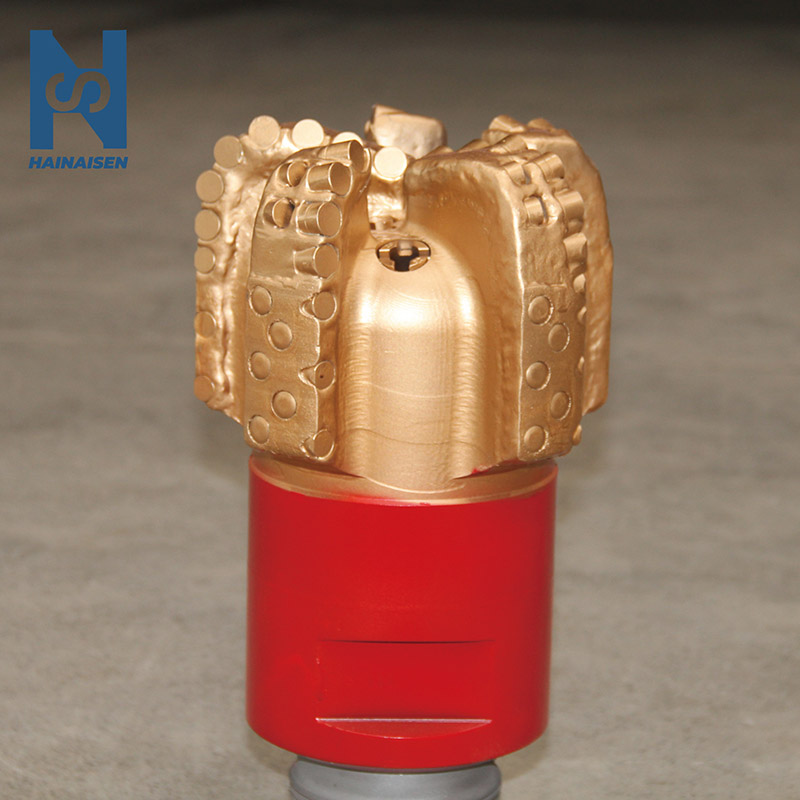
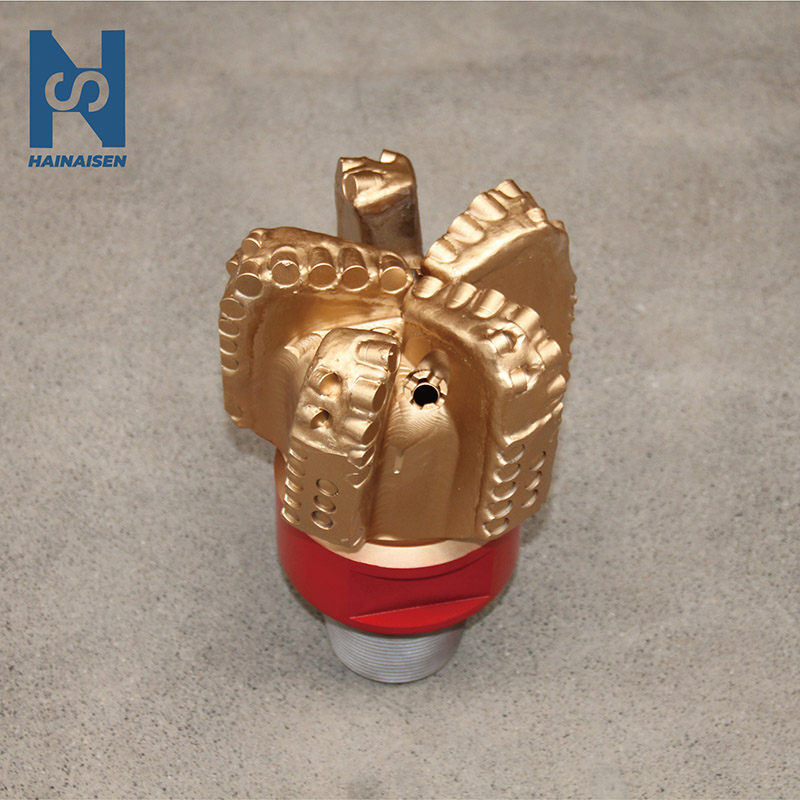
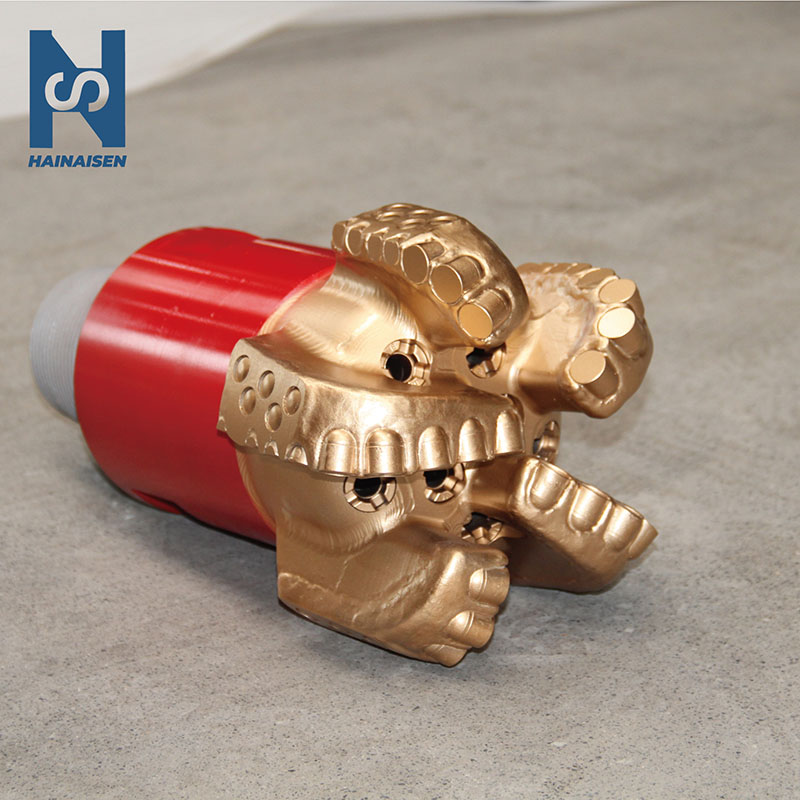
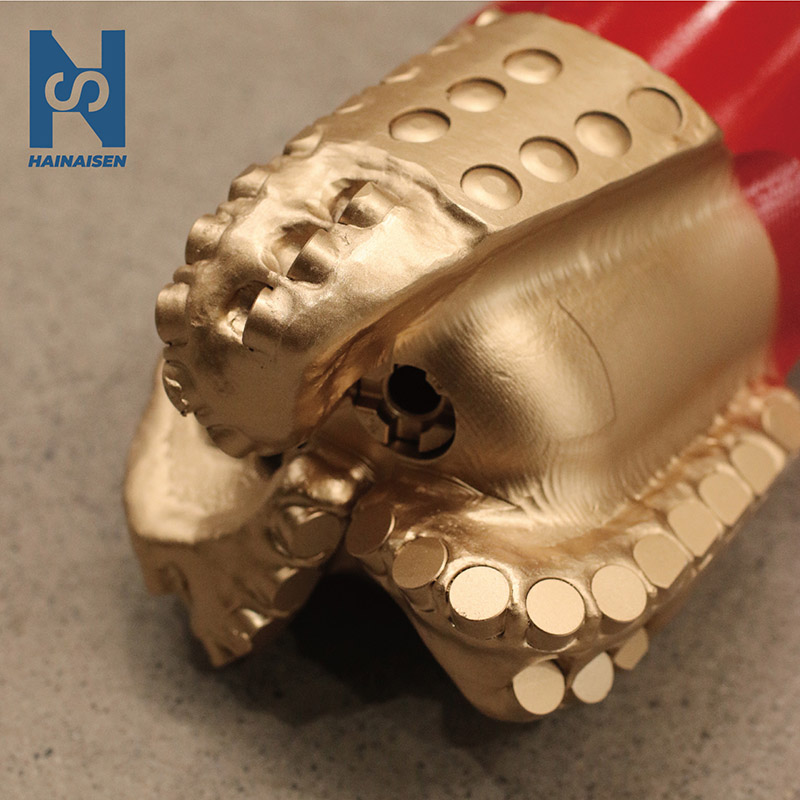
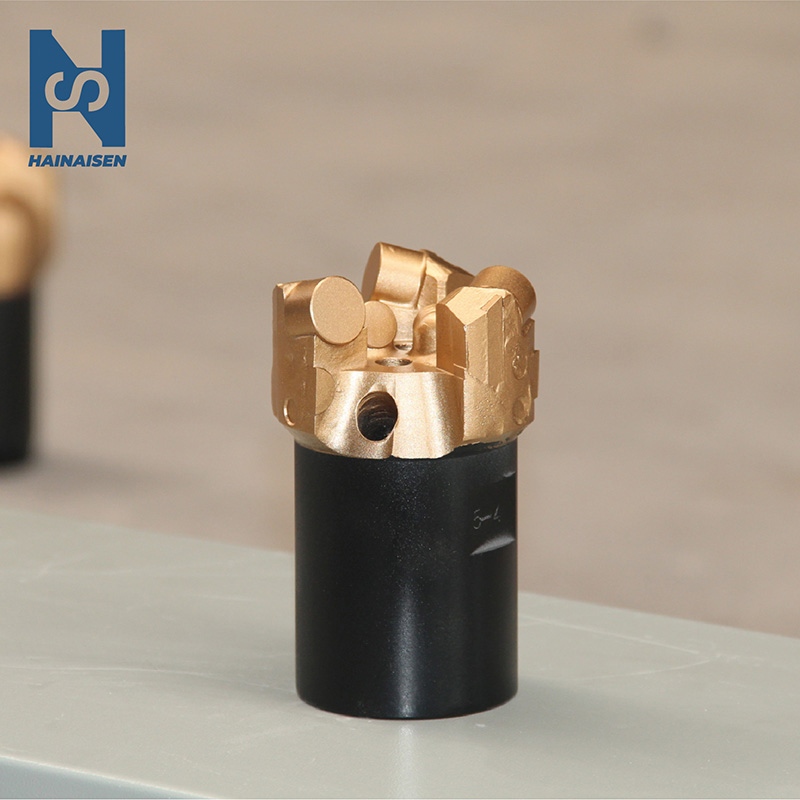
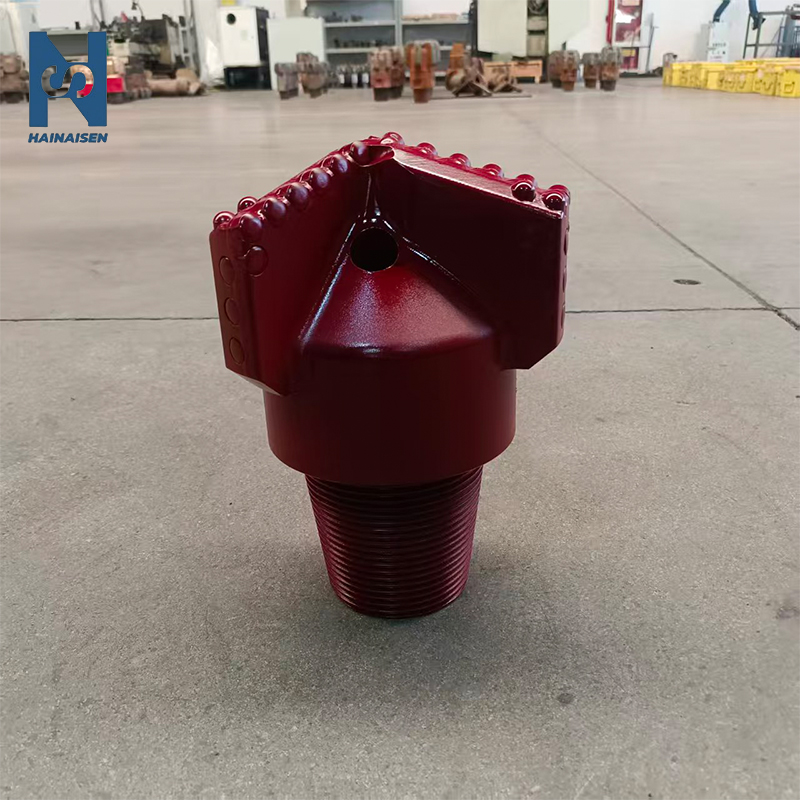
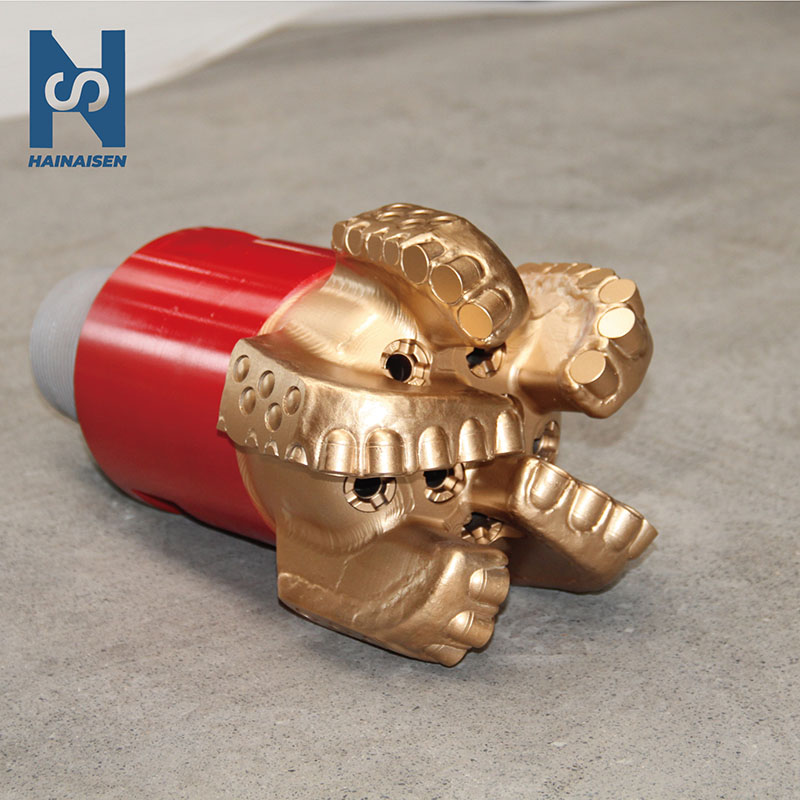
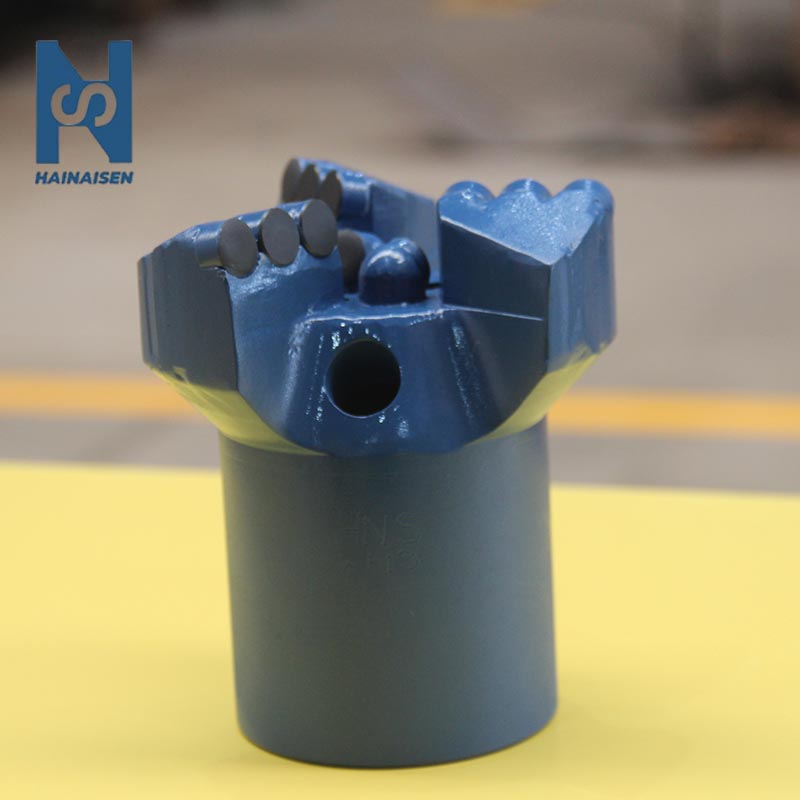
Five Blades PDC Drill Bits blade layout and hydraulic channel design
The blade pattern and hydraulic channel design of the Five Blades PDC Drill Bits are a huge step forward in drilling technology. They combine advanced fluid dynamics with optimal cutting geometry. Five polycrystalline diamond compact cuts are strategically placed to improve force distribution across the bit face. Precisely designed hydraulic lines increase the efficiency of waste removal. The new design of these bits makes them better than traditional drilling tools at penetrating rock and lasting longer. This makes them necessary for tough jobs in mining, oil extraction, and geological research.
Understanding Five Blades PDC Drill Bits: Design and Functionality
Five Blades PDC Drill bits are highly advanced engineering tools because of their unique geometric shape, which changes the way standard drilling is done. The five-blade design spreads cutting forces more evenly across the bit face than standard three- or four-blade systems. This means that stress clusters that cause early wear and failure are less likely to happen.
Advanced Blade Geometry and Cutting Mechanics
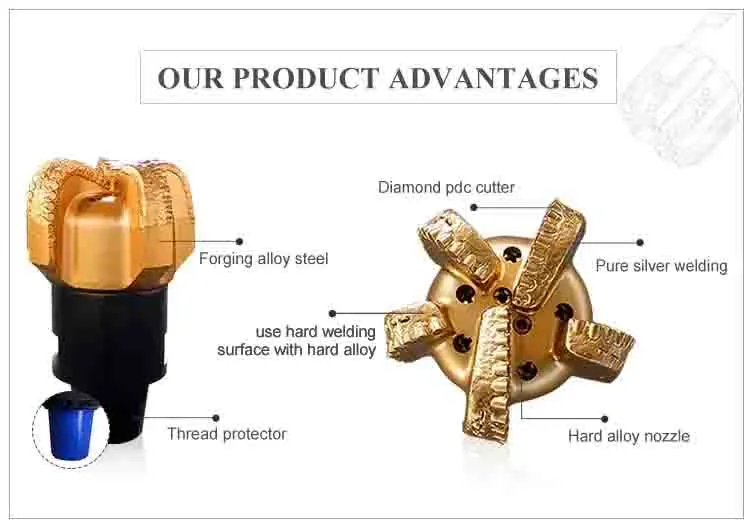
Polycrystalline diamond compact cutters are built into each blade. These create a cutting action that takes rock material quickly without the crushing effects that are common with roller cone bits. Each PDC cutter keeps its cutting edge through multiple drilling rounds, so long-term tasks can be done with confidence. The 32 main cutting teeth are strategically placed across the five blades in a way that distributes the load in a way that makes it most efficient and reduces vibrations while drilling.
The blade base is made of strong materials that are designed to handle the high-impact conditions that are typical in interbedded rocks. Matrix body technology takes shock loads while keeping the structure's integrity. This makes sure that the system works reliably even in tough natural conditions. This way of designing cuts down on machine stress by a large amount and makes the whole drilling system last longer.
Hydraulic Channel Engineering and Fluid Dynamics
The design of the hydraulic tube is very important for keeping the bit working well and digging as efficiently as possible. The bigger junk holes between the blades make it easier to remove cuts, which keeps the cutting surfaces clean and stops bits from balling up. By placing the nozzles in the right places, the flow patterns are adjusted to improve cooling and get waste to the surface as quickly as possible.
The improvement of fluid dynamics in Five Blades PDC Drill Bits lowers the amount of hydraulic horsepower needed while increasing the cleaning efficiency. This balanced method keeps the bit temperature within acceptable ranges, which protects the structure of the PDC cutter and makes it last longer. Better fluid flow also lowers the chance of damage to the rock, which is especially important when digging for petroleum reservoirs.
Advantages of Five-Blade PDC Drill Bits Over Other Drill Bit Types
These days, drilling jobs need tools that work really well while keeping costs as low as possible. In order to meet these needs, five-blade PDC technology makes drilling more efficient, tools last longer, and operations are more reliable compared to other options.
Superior Drilling Performance and Penetration Rates
The improved blade design lets you drill faster through a wider range of rock types, especially medium- to hard-rock types that are hard for regular bits to work with. Rate of entry improvements usually run from 15% to 30% compared to four-blade designs. This directly leads to shorter project timelines and lower operating costs. This performance edge stands out even more in difficult patterns where steady cutting action keeps the process going.
Improving drilling steadiness lowers problems caused by vibrations that often happen with drilling assembly parts. The even spread of force limits the bit's movement laterally, which leads to better hole quality and fewer changes in torque. These benefits of stability go beyond the bit itself. They protect expensive downhole tools and make the whole drilling system less likely to need repair.
Enhanced Durability and Operational Economics
Because of its structural benefits, the five-blade form has a much longer useful life than other options. More wear resistance comes from spreading out the load more evenly and putting less stress on individual cuts. Field data repeatedly shows that longer bit runs lower the number of trips and the time that is spent not working.
The benefits of operational cost go beyond the efficiency of the first five Blades PDC drill bits. Drilling equipment, motors, and downhole tools wear out less quickly when there is less shaking. Because the bits last longer, they don't need to be changed as often, which cuts down on transportation costs and stocking needs. These economic benefits are especially useful for drilling sites that are far away and where it costs a lot to move the tools.
Critical Design Features of Five Blades PDC Drill Bits and Their Procurement Considerations
You need to know about the specifics and buying factors of each bit in order to choose the right one for the job. When choosing a new five-blade PDC drill bit, you should give some thought to the materials and methods that were used to make it.
Material Technology and Cutter Specifications
The performance of bits is based on PDC cutter technology, and fake diamond materials are very hard and don't break down easily. Diamond crystals are bonded to tungsten carbide surfaces during the manufacturing process. This makes cutting elements that keep their sharp edges during long, boring operations. Newer types of cutters are more stable at high temperatures, which is important for high-temperature tasks that are common in deep digging.
Tungsten carbide powder metallurgy methods are used in the matrix body building to make the best mixtures of strength and toughness. This method keeps the structure strong enough for active drilling while also protecting it from hits. There are ways to make sure that the quality of the material stays the same from one production run to the next. This makes sure that the product will always work in the field.
Customization Options and Technical Specifications
Here are the most important ways that Five Blades PDC drill bits can be customized:
- Cutter Choice: Different PDC grades can be used for different types of formations and drilling conditions. The thermal stability values are based on the temperatures that are predicted to be downhole.
- Optimizing the blade profile: Changing the blade angles and profiles can improve performance in different types of rock, from soft sedimentary rocks to hard crystalline rocks.
- Hydraulic Configuration: The placement of the nozzles and the size of the junk slots can be changed to make the best fluid flow for different drilling mud systems and flow rates.
- Gauge Protection: Better gauge protection choices make bits last longer in rough rock while keeping the hole diameter the same.
With these customizing choices, bit traits can be precisely matched to practical needs, which improves performance while lowering costs. Technical advice during the selection process makes sure that the best design is chosen for each drilling task.
Procurement Strategy and Supplier Evaluation
Before deciding which B2B providers to buy from, it's important to carefully consider their skills, quality control methods, and expert customer service. How stable and regular a product is in how it works is directly related to the Certifications of the factories that make it, the quality control methods used, and the testing procedures that are used. Lead time is very important to think about when projects need to be finished fast, when workers are far away, or when the supply of tools changes the plans for the project.
Large-scale businesses can often save a lot of money by using bulk prices and long-term supply deals. Having expert help from a supplier, like field service and application engineering, adds a lot of value over the duration of a Five Blades PDC Drill Bits product. By building relationships with qualified providers, you can get access to cutting-edge technologies and unique solutions that can be used to solve new drilling problems.
Practical Applications and Optimization Strategies for Five-Blade PDC Drill Bits
The versatility of Five Blades PDC Drill Bits makes them suitable for diverse drilling applications across multiple industries. Understanding optimal operating parameters and application strategies maximizes performance while ensuring cost-effective operations.
Industry-Specific Applications and Formation Compatibility
Oil and gas exploration operations benefit significantly from the enhanced penetration rates and stability characteristics of five-blade designs. These bits excel in shale formations common in unconventional resource development, where consistent performance through varying rock properties proves essential. The optimized hydraulic design effectively manages the fine cuttings typical of shale drilling while maintaining bit cleanliness.
Mining and mineral exploration applications leverage the durability advantages of five-blade technology. Coal bed methane extraction operations particularly benefit from the reduced vibration characteristics that minimize formation disturbance. Geological surveying applications utilize the consistent hole quality provided by stable drilling characteristics, ensuring accurate sample recovery and measurement reliability.
Water well drilling operations find value in the extended bit life and reduced trip frequency, particularly important for deep aquifer access projects. Geothermal drilling applications benefit from the thermal stability of advanced PDC cutters, enabling successful drilling in elevated temperature environments.
Operating Parameter Optimization
Understanding optimal operating parameters ensures maximum performance while preserving bit integrity. The recommended operating envelope provides guidance for various drilling scenarios:
The speed range of 60-250 RPM accommodates different formation types and drilling objectives. Lower speeds suit harder formations where aggressive cutting might damage cutters, while higher speeds maximize penetration rates in softer formations. Drilling pressure parameters between 10 and 100 KN provide sufficient cutting force without overloading individual cutters.
Flow rate optimization within the 25-36 LPS range ensures adequate hydraulic cleaning while managing pump capacity constraints. Higher flow rates benefit operations in formations that generate significant cuttings volume, while lower rates may suffice for harder formations with reduced debris generation. Proper flow rate selection maintains bit temperature control while ensuring effective hole cleaning.
Maintenance and Performance Optimization
Regular inspection protocols maximize bit performance and identify wear patterns before critical damage occurs. Visual inspection of PDC cutters reveals wear progression and helps predict remaining bit life. Hydraulic performance monitoring through pressure differential measurements indicates potential plugging or flow restriction issues.
Proper bit care during trips and storage preserves Five Blades PDC Drill Bits cutter integrity and extends service life. Protection of Five Blades PDC Drill Bits PDC cutters from impact damage during handling maintains cutting efficiency throughout the bit run. Documentation of Five Blades PDC drill bit performance parameters enables optimization of future bit selections and operating procedures.
Conclusion
Five Blades PDC Drill Bits blade layout and hydraulic channel design represent a significant advancement in drilling technology, offering measurable improvements in penetration rates, operational stability, and tool longevity. The sophisticated engineering behind the five-blade configuration, combined with optimized hydraulic systems, delivers superior performance across diverse drilling applications. Understanding these design principles and their practical implications enables informed decision-making that maximizes drilling efficiency while minimizing operational costs. The continued evolution of PDC technology, supported by comprehensive technical services and manufacturing excellence, ensures that these advanced drilling tools will continue meeting the challenging demands of modern drilling operations.
FAQ
1. How do Five Blades PDC Drill Bits compare to traditional three- or four-blade designs?
Five-blade configurations provide enhanced stability through improved force distribution, resulting in 15-30% higher penetration rates and reduced vibration compared to traditional designs. The additional blade optimizes cutting geometry, while enlarged junk slots improve hydraulic efficiency and cuttings removal.
2. What formation types are most suitable for five-blade PDC drill bits?
These bits excel in medium hardness formations with low compressive strength, including shale, limestone, sandstone, and gypsum. The optimized design accommodates interbedded formations and variable rock properties commonly encountered in oil, gas, and mining applications.
3. How does hydraulic channel design impact bit performance?
Strategic hydraulic channel placement creates optimized flow patterns that enhance cooling and debris removal while reducing hydraulic horsepower requirements. The enlarged junk slots prevent bit balling and maintain clean cutting surfaces, directly impacting penetration rates and bit longevity.
4. What are the recommended operating parameters for optimal performance?
Optimal operating parameters include speeds between 60 and 250 RPM, drilling pressure of 10-100 KN, and flow rates of 25-36 LPS. Parameter selection depends on formation characteristics, with adjustments made based on drilling conditions and performance monitoring.
5. How can maintenance practices extend the life of the Five Blades PDC Drill Bit?
Regular inspection of PDC cutters, proper handling during trips, and monitoring of hydraulic performance indicators maximize bit life. Protection from impact damage and documentation of operating parameters enable performance optimization and informed bit selection for future applications.
Contact HNS for Advanced Five Blades PDC Drill Bits Solutions
HNS delivers cutting-edge Five Blades PDC Drill Bits engineered for superior performance in demanding drilling environments. Our advanced manufacturing capabilities and technical expertise ensure optimal bit configuration for your specific operational requirements. As a leading Five Blades PDC Drill Bits Manufacturer, we provide comprehensive solutions backed by rigorous quality control and extensive field testing. Contact our experienced team at hainaisen@hnsdrillbit.com to discuss custom bit designs, competitive pricing, and technical support that maximizes your drilling efficiency.
References
1. Chen, L., & Wang, M. (2023). "Advanced PDC Drill Bit Design: Optimizing Blade Configuration for Enhanced Performance." Journal of Petroleum Technology and Engineering, 45(3), 127-145.
2. Johnson, R.K., Thompson, D.L., & Martinez, S.A. (2022). "Hydraulic Optimization in Multi-Blade PDC Drill Bits: Computational Fluid Dynamics Analysis." International Drilling Technology Review, 38(7), 89-104.
3. Anderson, P.J., Smith, K.R., & Lee, H.C. (2023). "Comparative Performance Analysis of Five-Blade versus Four-Blade PDC Drill Bits in Unconventional Formations." Drilling Engineering Quarterly, 29(2), 56-73.
4. Wilson, T.S., Brown, M.F., & Davis, J.L. (2022). "PDC Cutter Technology and Thermal Stability in High-Temperature Drilling Applications." Advanced Materials in Drilling Technology, 15(4), 203-218.
5. Garcia, A.R., Kumar, V.S., & O'Connor, B.T. (2023). "Field Performance Evaluation of Advanced PDC Drill Bit Designs in Challenging Geological Formations." Petroleum Drilling Technology, 41(6), 78-95.
6. Taylor, N.M., Roberts, C.K., & Zhang, W.H. (2022). "Vibration Reduction and Stability Enhancement in Modern PDC Drill Bit Configurations." Mechanical Engineering in Drilling Systems, 33(5), 112-129.