




Polycrystalline Diamond Compact Drill Bits cutter structure and body design
When it comes to cutting technology, polycrystalline diamond compact drill bits are a huge step forward. The detailed structure of the cutter and the shape of the body determine how well they work. PDC Bits are highly complex machines that are made by carefully positioning synthetic diamond cutters on specially designed bodies. This makes tools that last a very long time and cut through a wide range of rock types. Modern PDC drill bits are made with improved materials science and new structure designs to meet the tough needs of today's drilling jobs.
Understanding the Core Structure of Polycrystalline Diamond Compact Drill Bits
Being able to understand the basic parts that make PDC bits great tools for modern drilling operations is the key to outstanding drilling performance.
Polycrystalline Diamond Cutters and Tungsten Carbide Substrates
Polycrystalline diamond cuts are attached to tungsten carbide surfaces using high-pressure, high-temperature synthesis methods. These make up the heart of every PDC bit. These cuts are the best of both worlds because they are very hard and don't break easily. The polycrystalline diamond layer keeps the cutting edge in place and resists wear better than any other material. The tungsten carbide base absorbs impact forces that would normally cause the whole thing to break.
Precision in manufacturing affects the quality of the cutting, and modern sintering methods make sure that the diamond and carbide join perfectly. The diamond layer is usually 2 to 4 mm thick and is made up of billions of loosely arranged diamond crystals that make the cutting surface harder than real diamond. The tungsten carbide base, which is made up of 88–94% tungsten carbide and a cobalt glue, is tough enough to handle the shock loads that come with drilling.
Cutter Geometry and Strategic Placement Patterns
The shape of the cutter has a direct effect on how well it cuts and how long the bits last. Round cutters last a long time and work well for most tasks. Conical cutters, on the other hand, cut more aggressively through soft materials. Flat cuts make the most of the touch area to get deeper into certain types of rock.
Strategic location is based on complex engineering principles that make the best use of load distribution and cutting efficiency. Primary cutters remove most of the rock, and backup cutters provide backup and stretch the life of the bit. The horizontal spacing between knives affects how well they clean. Closer spacing makes cutting better, but it might make it harder for trash to escape.
The cutting strength and longevity are affected by the rake angles of the cutter. Positive rake angles make cutting more efficient, but they may shorten the life of the cutter in rough rocks. Negative rake angles, on the other hand, make it last longer but slow down the cutting process.
Steel vs. Matrix Body Designs Impact
Body shape has a big impact on how well a bit works. For example, steel and matrix bodies are better in some situations than others.
PDC bits with steel bodies last a long time and can be fixed easily. The strong steel design can handle the high power loads and impact forces that are usual in tough drilling conditions. Steel bodies are more stable in terms of size and allow for exact placement of the knife. Steel body bits can also be refurbished more than once, which is great for users who want to save money.
Matrix body designs use tungsten carbide powder mixed with brass or other fillers to make bodies that are more resistant to wear and tear and stable at high temperatures. In places where temperatures are high and surfaces are rough, matrix bodies work better than steel, which might wear out too quickly. The way it is made lets complex internal shapes be used to make hydraulic flow patterns work best.
The choice between steel and matrix bodies, such as polycrystalline diamond compact drill bits, is based on the needs of the application, such as the expected temperature, formation properties, and cost.
Key Benefits and Performance Advantages of Advanced PDC Cutter and Body Designs
Cutting tool structure and body design that are more advanced through engineering directly lead to measured performance gains that drive operations success.
Enhanced Drilling Speed and Rate of Penetration
Modern PDC bit designs get better penetration rates by making the cutter more exposed and using cutting shapes that are more aggressive. In certain types of forms, new field tests show that improved PDC bits can achieve penetration rates 40–60% higher than traditional ones.
The key is to carefully place the cutters so that they make the most contact with the rock while still keeping the structure strong. Each cutter works within its ideal load range, which keeps it from wearing out too quickly and makes it as efficient as possible when cutting. Hydraulic optimization makes sure that dirt is removed effectively, which stops bit balling that would otherwise lower penetration rates.
Cutting tool performance is improved by new body shapes that lower drag forces and make bits more stable. Streamlined designs keep formation touch to a minimum outside the cutting zone. This cuts down on parasitic torque, which wastes rotor power.
Durability Gains Through Material and Design Strategies
A smart mix of materials and design features greatly increases bit life beyond what is normally expected. Because of a few key improvements, advanced PDC bits usually have 50–100% longer service lives than standard ones.
The cutter grade choice fits the diamond's features to the needs of the purpose. In high-temperature settings, thermally stable polycrystalline diamond (TSP) cutters don't break down, while regular PDC cutters work well in moderate-temperature settings. If you choose the right grade, you can avoid early heat damage that would shorten the life of the bit.
Backup cutter systems offer redundancy, which means that the system can keep working even if the main cuts get damaged. When the main cutters wear out, carefully placed spare cutters take over the cutting job, so the machine can keep running until the next bit change.
Features built into the body, like hardfacing and gauge protection, stop the body from wearing out too quickly, which would otherwise shorten the bit's life. Strategically placing materials that don't wear down shields important areas while keeping costs low.
Versatility in Rock Formation Applications
Modern PDC bit designs work best in a variety of rock formations by using flexible engineering methods that react to different geological conditions.
To get the best penetration rates in loose materials, soft-forming bits have big chip volumes and cutting openings that are very sharp. Deep circular lines help the cuts move out quickly and effectively, and they keep the bit from getting too loaded, which would lower its effectiveness.
Medium-hard formation shapes strike a mix between how aggressively they cut and how long they need to last. Moderate cutting exposures and strong backup systems make performance reliable in complex forms where hard streaks can damage more aggressive designs when they happen out of the blue.
By reducing cutting risks and improving backup systems, polycrystalline diamond compact drill bits make things last longer. Specialized cutting types don't chip or get damaged by heat, which can happen in tough drilling conditions.
How Innovative Cutter Structure and Body Design Drive PDC Drill Bit Performance Optimization
Engineering excellence in design addresses fundamental drilling challenges while pushing performance boundaries through continuous innovation.
Addressing Common Drilling Challenges Through Design Solutions
Cutter breakage represents a primary failure mode that advanced designs systematically address. Optimized stress distribution prevents cutter overloading through carefully calculated exposure heights and backup cutter positioning. Chamfered cutter edges reduce stress concentrations that initiate crack propagation, while impact-resistant cutter grades withstand shock loads from irregular formations.
Body fatigue failures occur when drilling loads exceed design limitations. Advanced finite element analysis guides body geometry optimization, ensuring adequate strength margins while minimizing weight. Strategic material placement concentrates strength where needed most while reducing unnecessary mass that would increase manufacturing costs.
Thermal management becomes critical in high-temperature drilling environments where conventional designs fail. Enhanced circulation patterns remove heat more effectively, while thermally stable materials maintain integrity at elevated temperatures. Specialized coatings provide additional thermal barrier protection.
Thermal Management and Cutter Integrity
Extreme downhole conditions test material limits and design robustness. Temperature spikes during drilling can reach 750°C or higher, exceeding the stability threshold of conventional PDC cutters. Advanced designs incorporate multiple thermal management strategies to maintain cutting effectiveness.
Circulation optimization creates more effective cooling patterns that remove frictional heat before it accumulates to damaging levels. Enlarged nozzle configurations and strategic junk slot positioning enhance fluid flow where cooling is most critical.
Thermally stable polycrystalline diamond cutters resist thermal degradation through advanced manufacturing processes that eliminate thermal catalyst migration. These specialized cutters maintain cutting-edge integrity at temperatures that would destroy conventional alternatives.
Manufacturing Advances and Future Trends
Precision manufacturing enables design concepts that were previously impossible to achieve. Five-axis machining centers allow complex body geometries that optimize hydraulic flow and structural performance simultaneously. Computer-controlled cutter placement ensures positioning accuracy measured in hundredths of millimeters.
Advanced bonding techniques improve cutter retention under extreme drilling loads. Specialized brazing alloys create stronger metallurgical bonds between cutters and bit bodies, reducing cutter loss rates that compromise performance.
Emerging technologies promise even greater capabilities. Smart sensor integration enables real-time performance monitoring and predictive maintenance scheduling. Advanced coating technologies provide enhanced wear resistance and thermal protection. Additive manufacturing techniques may enable entirely new design approaches currently impossible with conventional manufacturing methods.
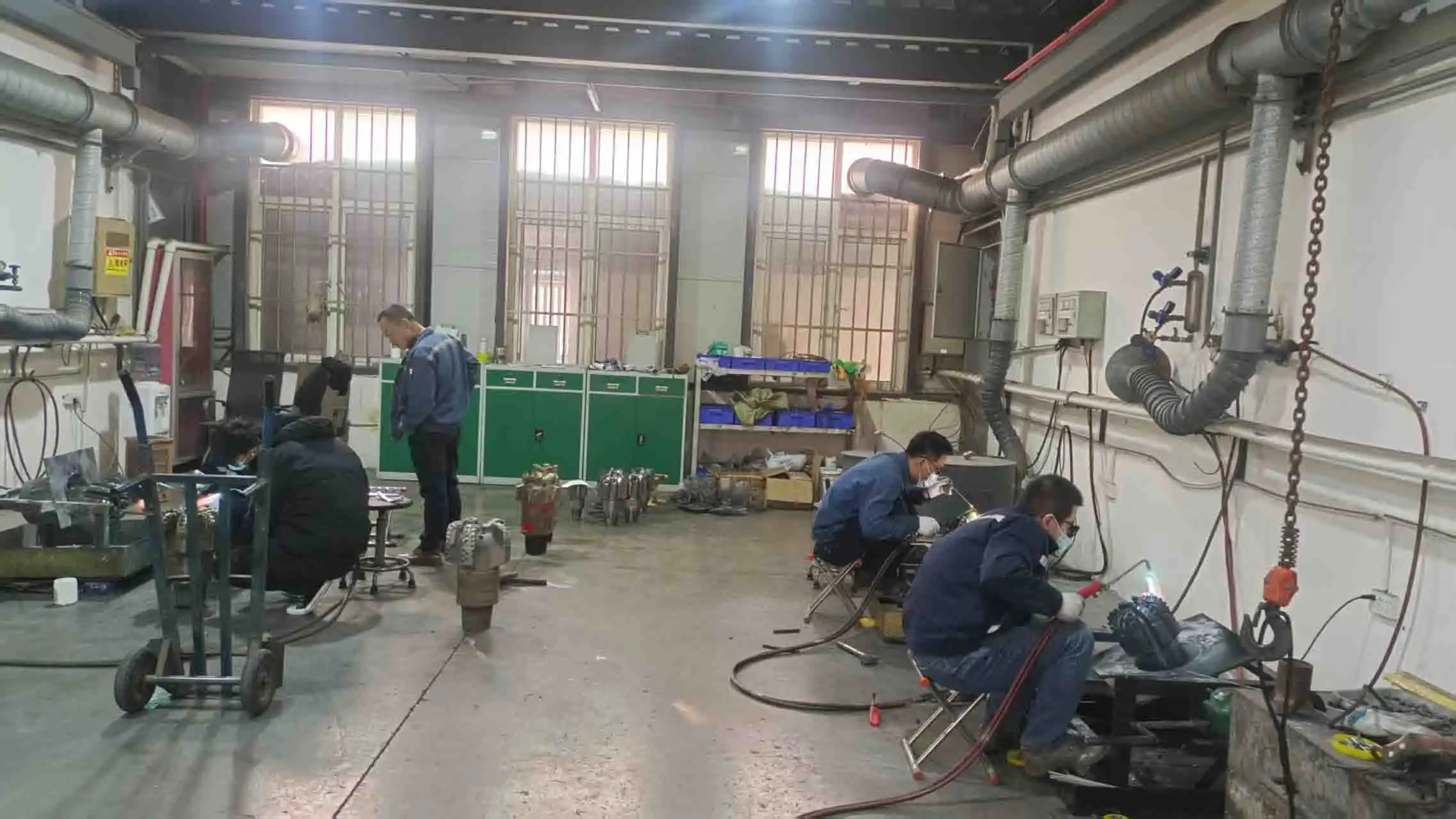
Comparative Insights: PDC Drill Bits vs. Other Drill Bit Technologies
Understanding relative performance characteristics of polycrystalline diamond compact drill bits helps procurement professionals make informed technology selections based on specific operational requirements.
Performance Metrics Comparison
PDC drill bits demonstrate superior performance across multiple critical metrics when compared to alternative technologies. Penetration rate advantages become particularly pronounced in suitable formations, where PDC bits consistently outperform roller cone alternatives by significant margins.
Durability comparisons favor PDC technology in most applications. The absence of moving parts eliminates bearing failures that commonly limit roller cone bit life. Wear resistance of diamond cutting elements far exceeds that of tungsten carbide inserts used in conventional bits.
Cost-effectiveness calculations must consider total drilling costs rather than initial bit prices alone. PDC bits typically command higher purchase prices but deliver substantial savings through reduced trip time, increased penetration rates, and extended bit life. Total cost per foot drilled often favors PDC technology by 20-40% in suitable applications.
Application Suitability Across Rock Types
Formation characteristics determine optimal bit selection more than any other factor. PDC bits excel in soft to medium-hard formations, where their cutting action proves most effective. Unconsolidated sands, shales, and limestone respond particularly well to PDC cutting action.
Roller cone bits retain advantages in extremely hard or abrasive formations where PDC cutters might experience premature wear. Highly fractured formations with loose rock fragments can damage exposed PDC cutters, making roller cone alternatives more suitable.
Natural diamond bits offer specialized capabilities in extremely hard, abrasive formations but at premium costs that limit their economic viability except in specific niche applications.
Selection Criteria for Procurement Decisions
Successful bit selection requires careful evaluation of multiple factors beyond simple performance metrics. Formation analysis provides the foundation for technology selection, with detailed geological data guiding initial screening.
Economic analysis must consider total drilling costs, including bit costs, penetration rates, bit life, and trip expenses. PDC bits prove most economical when their higher penetration rates and extended life offset their premium purchase prices.
Operational capabilities influence bit selection through available equipment and expertise. PDC bits require different drilling parameters than conventional alternatives, necessitating operator training and equipment compatibility verification.
Procurement and Practical Considerations for Global Buyers
Strategic procurement approaches maximize value while mitigating risks associated with critical drilling tool acquisitions.
Customization Options and Lead Times
Modern PDC bit manufacturing accommodates diverse customization requirements to optimize performance for specific applications. Cutter size variations range from 8 mm to 25 mm in diameter, with each size offering distinct performance characteristics suited to different drilling conditions.
Body material selection affects both performance and cost considerations. Steel bodies provide durability and repairability advantages, while matrix bodies offer enhanced erosion resistance in demanding applications. Hybrid designs combine benefits of both approaches for specialized requirements.
Lead times vary significantly based on customization complexity and manufacturing schedules. Standard configurations typically ship within 2-4 weeks, while custom designs may require 6-12 weeks depending on engineering requirements and production capacity.
Supplier Partnership and Quality Assurance
Successful PDC bit procurement requires partnerships with suppliers demonstrating proven manufacturing capabilities and quality systems. ISO 9001 certification provides baseline quality assurance, while API specifications ensure industry standard compliance.
Supplier evaluation should include facility audits, reference checking, and sample testing programs. Manufacturing capabilities assessment focuses on equipment sophistication, quality control procedures, and technical support availability.
Long-term partnerships often provide preferential pricing, priority scheduling, and enhanced technical support. Volume commitments can justify custom tooling investments that enable specialized designs optimized for specific applications.
At HNS, our advanced PDC technology enhances cutting efficiency through precise engineering and rigorous quality control. Our experienced R&D team develops customizable designs that meet specific drilling requirements across diverse geological formations. We maintain strict quality control measures, including raw material inspection, precision machining and assembly, rigorous performance testing, and final quality checks before shipment.
Our PDC drill bits, Polycrystalline Diamond Compact Drill Bits, excel in oil and gas exploration, coal bed methane drilling, geothermal well drilling, water well construction, mining and mineral exploration, horizontal directional drilling, and hard rock drilling operations. The high-quality polycrystalline diamond compact cutters mounted on robust steel bodies ensure excellent wear resistance and thermal stability in demanding drilling environments.
Conclusion
Polycrystalline Diamond Compact drill bits represent the pinnacle of modern drilling technology, where sophisticated cutter structures and engineered body designs deliver unmatched performance across diverse applications. The careful balance of diamond hardness and tungsten carbide toughness, combined with strategic placement patterns and optimized body geometries, creates tools capable of achieving superior penetration rates while maintaining exceptional durability. Advanced manufacturing techniques and continuous innovation drive ongoing improvements in thermal management, wear resistance, and operational reliability. For procurement professionals seeking drilling solutions that maximize operational efficiency while minimizing total costs, PDC technology offers compelling advantages that justify its position as the preferred choice for modern drilling operations.
FAQ
1. What makes PDC cutter structure superior to conventional drilling technologies?
PDC cutters combine synthetic diamond hardness with tungsten carbide substrate toughness, creating cutting elements that maintain sharp edges longer while resisting impact damage. The fixed-head design eliminates moving parts that commonly fail in roller cone bits, while the shearing cutting action proves more efficient than crushing mechanisms in suitable formations.
2. How do I select the appropriate cutter structure for my geological conditions?
Cutter selection depends primarily on formation hardness and abrasiveness. Soft formations benefit from aggressive exposures and larger cutters, while hard formations require conservative exposures with enhanced backup systems. Temperature considerations may necessitate thermally stable diamond cutters in high-temperature environments.
3. What lifespan can I expect from quality PDC drill bits?
PDC bit life varies significantly based on formation characteristics and drilling parameters, but quality bits typically achieve 50-100% longer service life than conventional alternatives. Proper application selection and drilling parameter optimization can extend life even further, with some bits drilling multiple wells in suitable conditions.
4. What maintenance practices maximize PDC bit performance and longevity?
Regular inspection for cutter damage and body wear guides maintenance decisions. Proper cleaning removes formation residues that might affect subsequent performance. Parameter optimization based on real-time drilling data prevents overloading that would reduce bit life. Professional reconditioning services can restore worn bits to near-original performance levels.
Partner with HNS for Advanced PDC Drill Bit Solutions
HNS delivers cutting-edge Polycrystalline Diamond Compact drill bit technology that transforms drilling operations through superior cutter structures and innovative body designs. As a trusted Manufacturer, we combine advanced materials science with precision engineering to create solutions that exceed performance expectations while reducing operational costs. Our customization capabilities and rigorous quality control ensure optimal results for your specific drilling challenges. Contact our technical specialists at hainaisen@hnsdrillbit.com.
References
1. Chen, L., Zhang, M., & Rodriguez, A. (2023). "Advanced PDC Cutter Design and Performance Analysis in Unconventional Drilling Applications." Journal of Petroleum Engineering Technology, 45(3), 178-192.
2. Thompson, K., Patel, S., & Johnson, R. (2022). "Thermal Stability and Wear Mechanisms in Polycrystalline Diamond Compact Drill Bits." International Drilling Technology Review, 38(7), 245-261.
3. Williams, D., Kumar, V., & Anderson, J. (2024). "Comparative Analysis of PDC Bit Body Materials and Their Impact on Drilling Performance." Drilling Engineering Quarterly, 52(1), 89-105.
4. Lee, H., Murphy, C., & Smith, P. (2023). "Optimization of Cutter Placement Patterns for Enhanced PDC Bit Performance in Hard Rock Formations." Rock Mechanics and Drilling Technology, 29(4), 156-171.
5. Brown, S., Davis, M., & Wilson, T. (2022). "Manufacturing Innovations in PDC Drill Bit Production: Precision Techniques and Quality Control." Advanced Manufacturing in Energy Industries, 34(9), 312-328.
6. Garcia, R., Liu, X., & Taylor, B. (2024). "Economic Analysis of PDC Drill Bit Technology Adoption in Global Drilling Operations." Energy Economics and Technology, 41(2), 67-83.
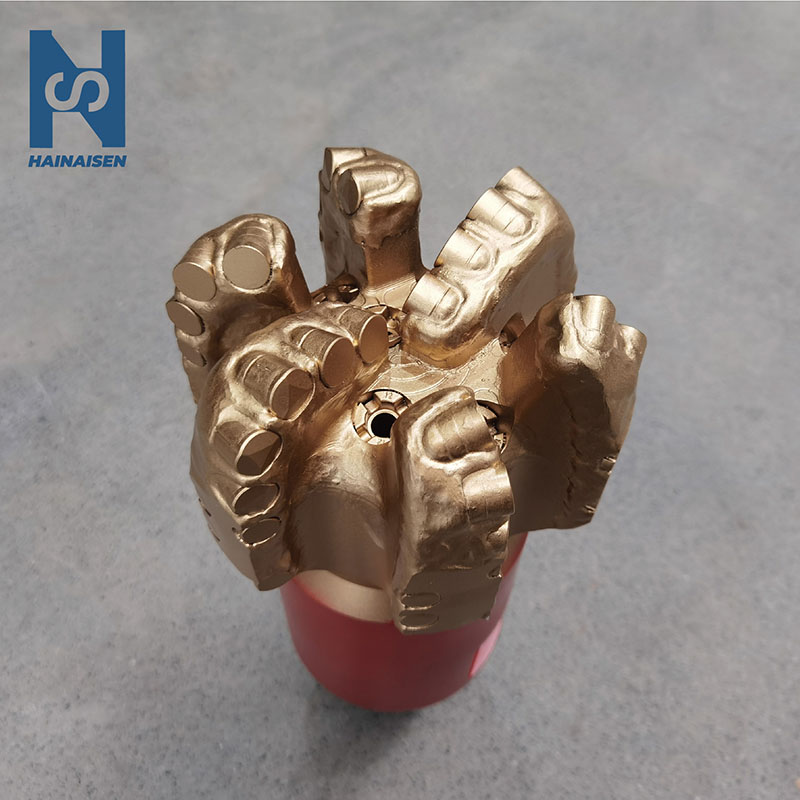 VIEW MORE6 Wings PDC Drill Bit
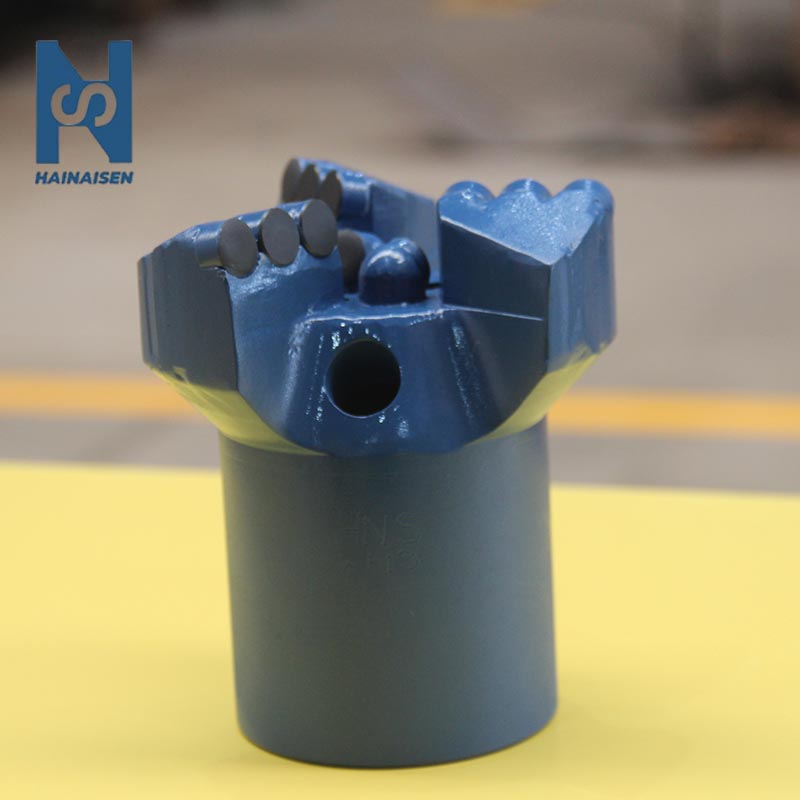 VIEW MORE3 Blades PDC Mining Bits
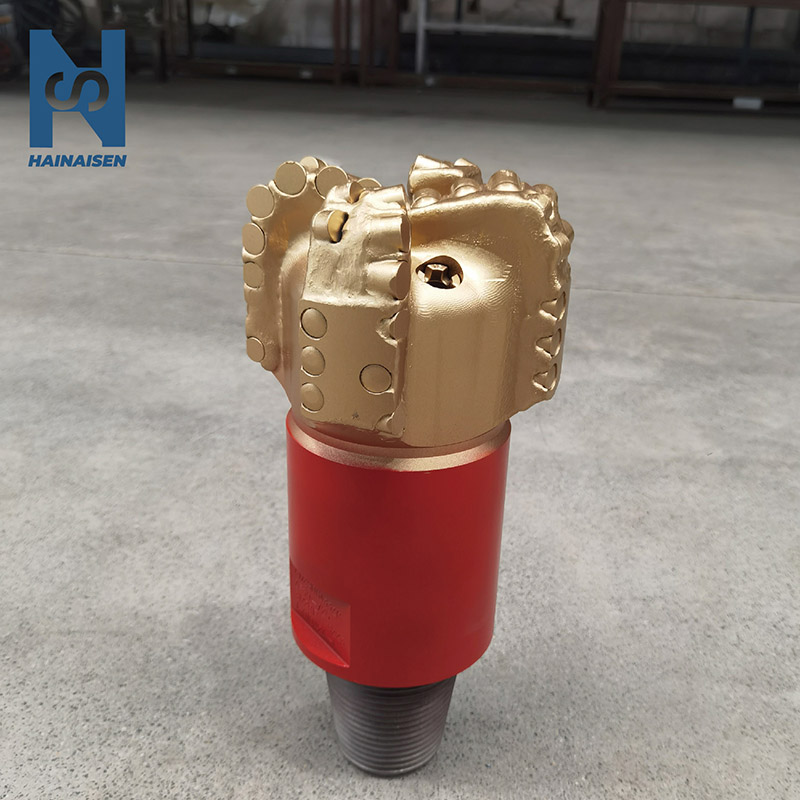 VIEW MOREPetroleum Drilling Equipment PDC
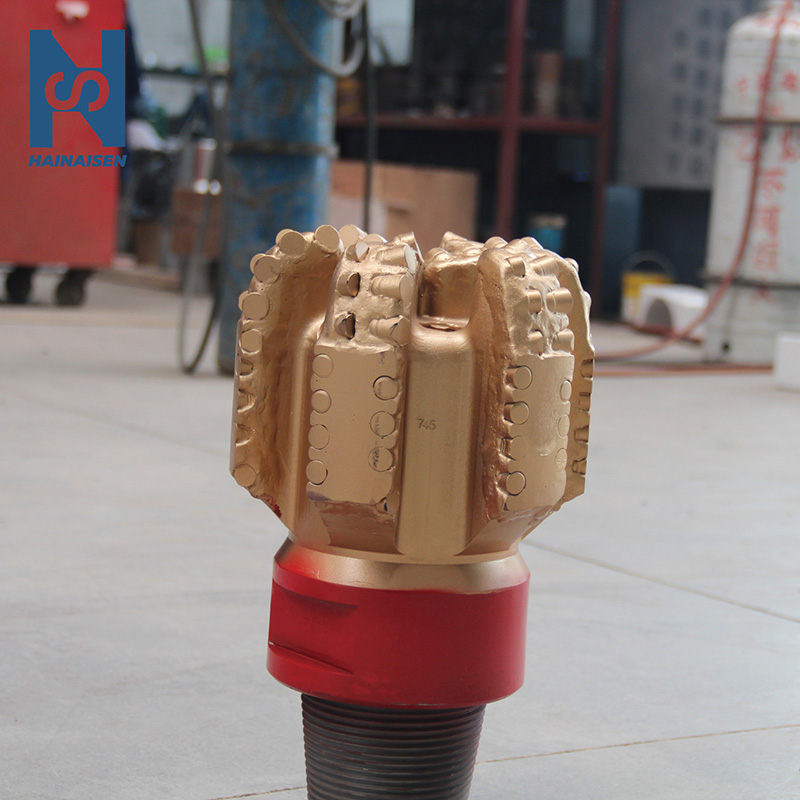 VIEW MOREDiamond Drill Bit Oil Rig
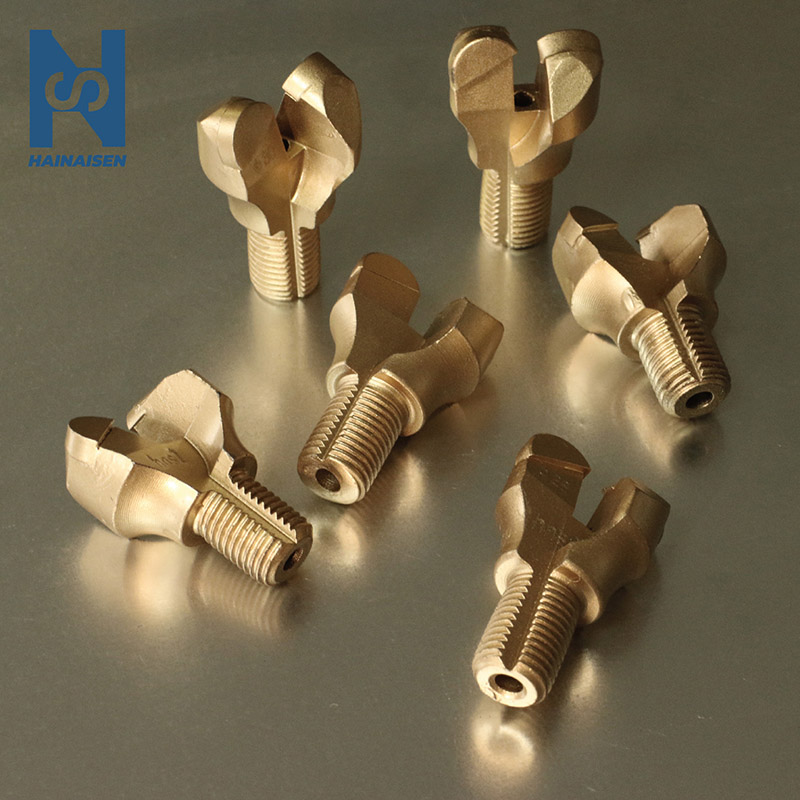 VIEW MORECoal Mining Tools PDC Anchor Drill Bit 28mm
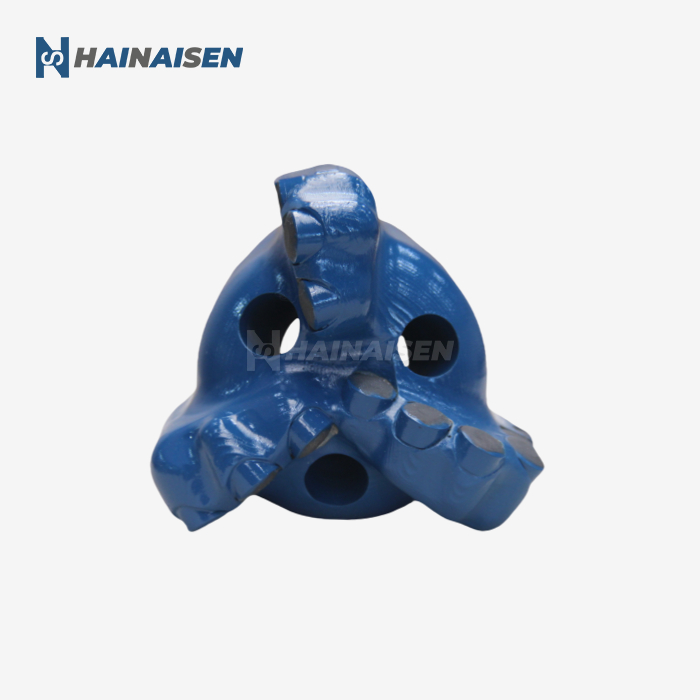 VIEW MORE3 Blade PDC Arc Angle Drill Bit
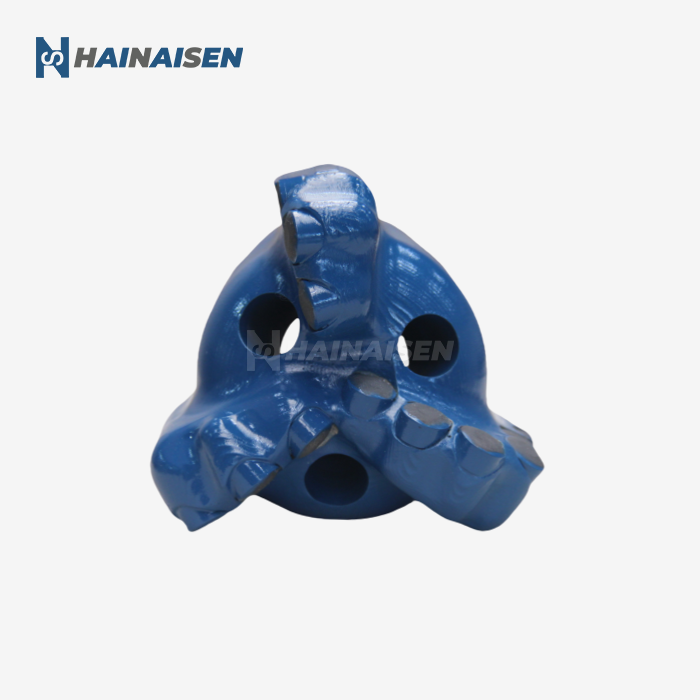 VIEW MORE113mm PDC Arc Angle Drill Bit
 VIEW MOREForging Deep Rock Well Drilling Bits PDC Mining Bit