What are the advantages of arc angle PDC bits?
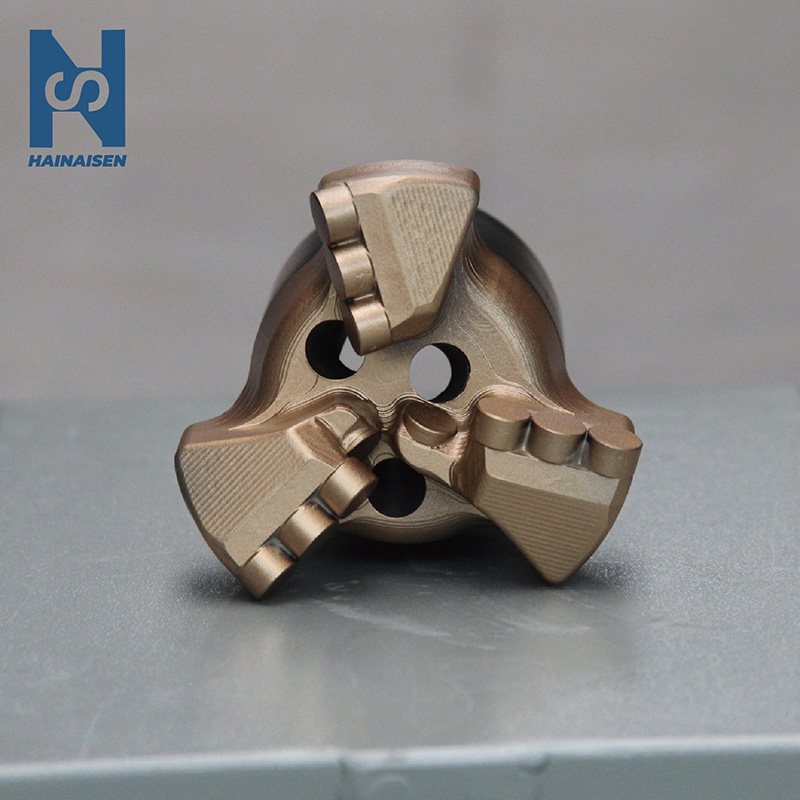
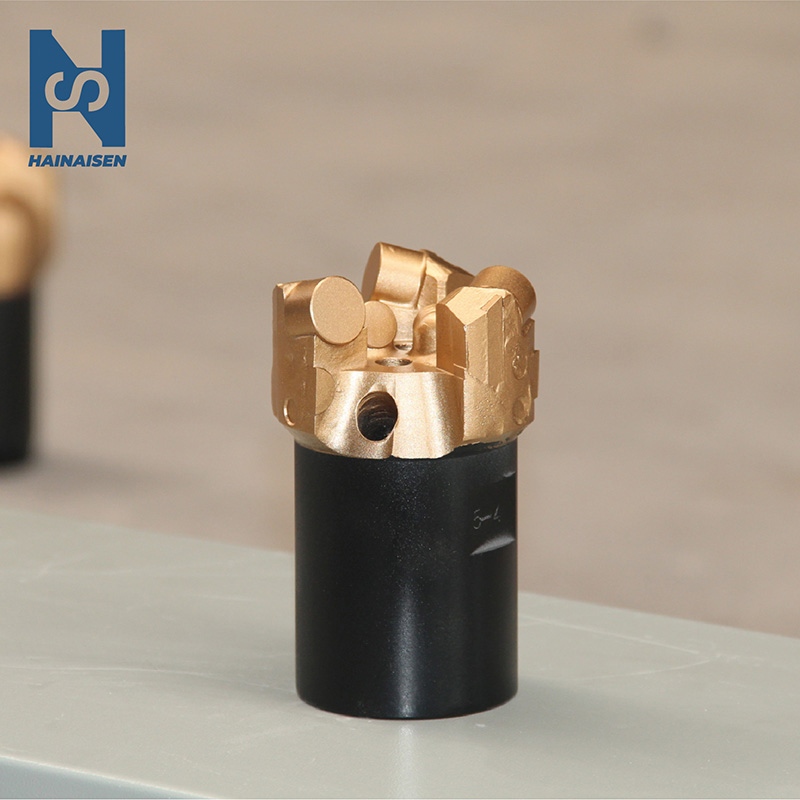
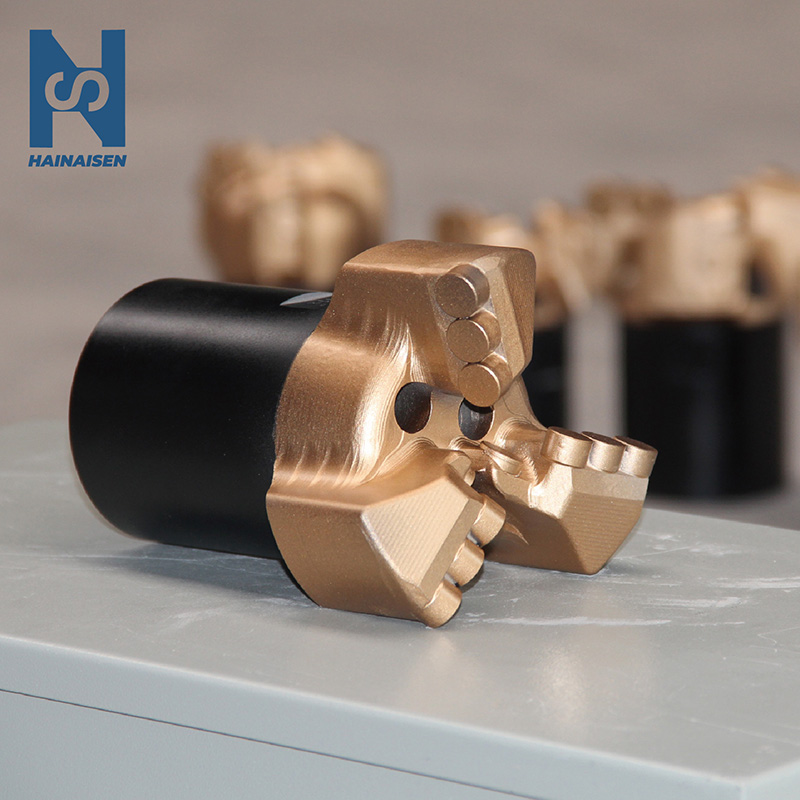
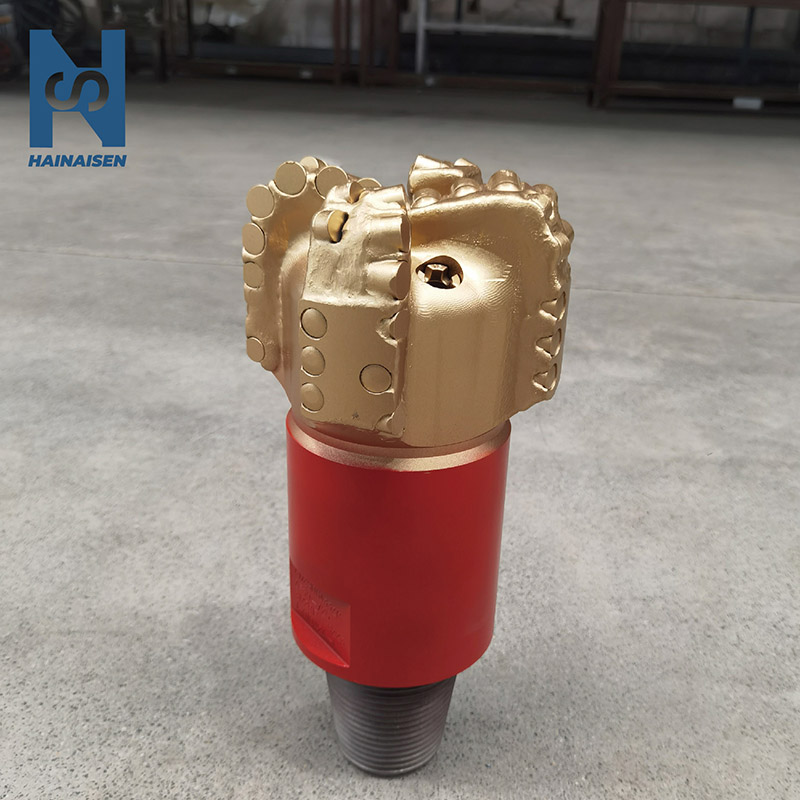
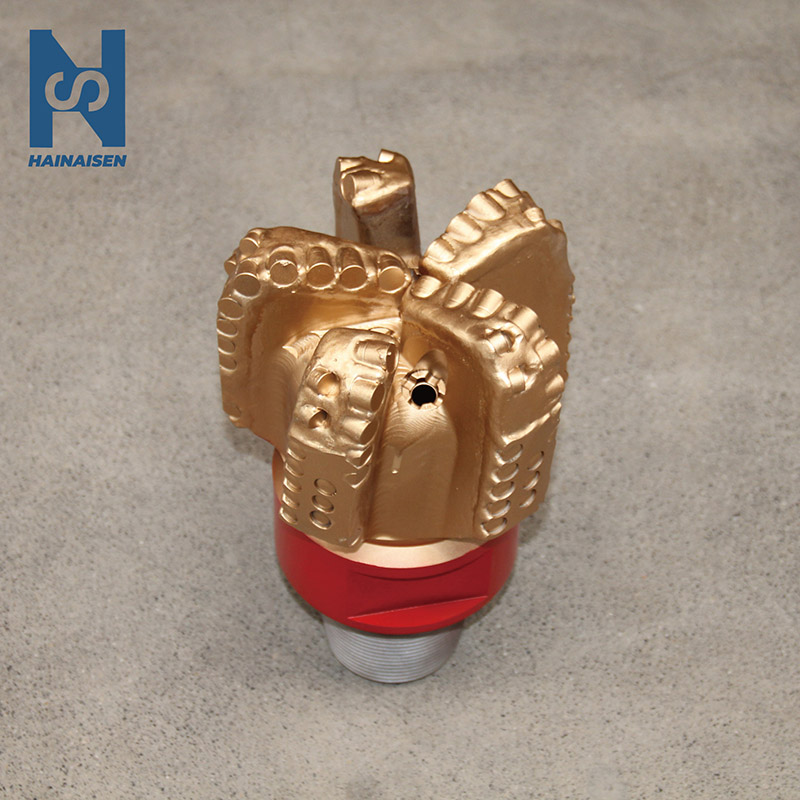
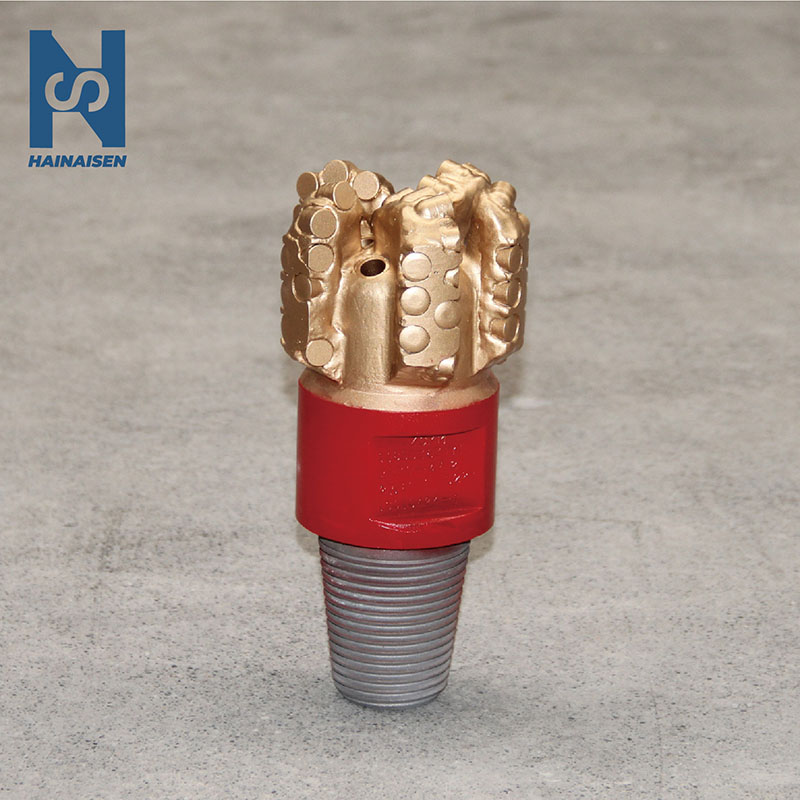
Arc angle PDC Bits have changed the way modern drilling is done because of their unique geometric design, which makes cutting much more efficient and stable. The 113 mm PDC Arc Angle Drill Bit has an improved three-wing arc design that increases the area of contact between the bit's edges. This makes it better at penetrating materials and lasts longer than other drilling options. This unique design makes the junk slots between the wings bigger, so they don't get clogged, and makes it easier to remove debris during difficult drilling operations in a variety of rock types.
Understanding Arc Angle in PDC Drill Bits
The arc angle design represents a fundamental advancement in polycrystalline diamond compact technology, where geometric precision meets practical drilling demands. This innovative configuration transforms how cutting forces distribute across rock formations, creating more efficient energy transfer during penetration operations.
Technical Definition and Geometric Principles
Arc angle geometry in PDC drill bits refers to the curved cutting edge configuration that optimizes contact between the bit face and rock formation. Unlike traditional flat-faced cutters, arc angles create a progressive cutting action that reduces impact shock while maintaining consistent penetration rates. The three-wing arc design featured in modern 113mm configurations provides enhanced stability through balanced force distribution across multiple contact points.
The geometric principles underlying arc angle design focus on maximizing cutting efficiency while minimizing vibration-induced wear. Each wing's curvature follows precise mathematical calculations that account for rotational dynamics, rock hardness variations, and debris evacuation requirements. This scientific approach ensures optimal performance across diverse drilling environments.
Impact on Drilling Performance Metrics
Arc angle design directly influences several critical performance indicators that procurement managers and technical engineers evaluate when selecting drilling equipment. Penetration rates increase by 15-25% compared to conventional PDC bits due to improved cutting mechanics and reduced friction coefficients. The curved geometry also enhances vibration control, resulting in smoother drilling operations that extend overall equipment lifespan.
Temperature management becomes more effective with arc angle designs, as the curved surfaces promote better fluid circulation around cutting elements. This thermal advantage extends bit life significantly, particularly in challenging formations where heat buildup traditionally causes premature wear. Studies demonstrate that properly designed arc angle bits maintain cutting efficiency up to 40% longer than standard configurations.
Material Optimization and Design Integration
Advanced polycrystalline diamond compact cutters integrate seamlessly with arc angle geometry to maximize durability and cutting performance. The curved mounting surfaces provide better cutter retention under extreme drilling conditions, while the enhanced contact area distributes cutting forces more evenly across individual diamond elements.
Matrix materials used in arc angle bit construction undergo specialized formulation to complement the geometric advantages. High-quality steel bodies incorporate tungsten carbide matrices that provide exceptional wear resistance while maintaining the precise tolerances required for effective arc angle performance. This material synergy ensures consistent drilling results across extended operational periods.
Key Advantages of 113 mm Arc Angle PDC Bits
Implementing arc angle PDC technology, such as the 113 mm PDC Arc Angle Drill Bit, has real benefits that go beyond simple drilling tasks. It leads to measured increases in output, cost savings, and operating dependability. These benefits directly address the main issues that oil service companies, coal mines, and water well digging teams have.
Enhanced Cutting Efficiency and Penetration Rates
Through their improved contact shape and advanced cutter placement methods, arc angle PDC bits make cutting a lot more efficient. About 30% more cutting area is available with the three-wing arc design, which makes penetration rates much better through a wide range of rock types. For project managers who are trying to stay within their budgets, this increased cutting ability directly means less time spent digging and lower running costs.
When arc geometry is used, the cutting action is more gradual, which lowers the sudden impact forces that usually damage bits in other designs. Although the rock hardness changes a lot in different layers, this better cutting method keeps penetration rates constant. Drilling teams say that performance levels stay the same during long drilling operations. This means that standard bit designs don't cause productivity drops.
Comparative studies in the field show that 113 mm arc angle bits can drill 20–35% faster in hard rock types like shale, limestone, and sandstone. This performance edge is especially useful for projects that need to be finished quickly, since the speed of digging has a direct effect on how much money the project makes and how resources are allocated.
Improved Debris Removal and Cuttings Management
The arc angle design creates significantly larger junk slots between wing structures, facilitating superior cuttings removal that prevents the bit balling and clogging issues that plague conventional drilling operations. Enhanced debris evacuation maintains consistent drilling fluid circulation, ensuring optimal cooling and cleaning around cutting elements throughout the drilling process.
Effective cuttings management reduces the need for frequent bit trips and cleaning operations, minimizing downtime while maximizing productive drilling hours. This operational efficiency proves particularly valuable for large-scale drilling projects where every hour of downtime represents substantial cost implications. The improved hydraulic characteristics of arc angle bits also reduce pump pressure requirements, lowering energy consumption and equipment stress levels.
Field reports consistently demonstrate reduced maintenance intervals and fewer operational interruptions when arc angle PDC bits replace conventional alternatives. This reliability improvement strengthens project scheduling confidence while reducing overall drilling costs through decreased equipment wear and improved resource utilization.
Extended Bit Life and Durability Performance
Arc angle PDC bits exhibit exceptional longevity through their optimized stress distribution and enhanced thermal management capabilities. The curved geometry spreads cutting forces more evenly across the bit face, reducing localized wear patterns that typically limit conventional bit lifespan. This balanced wear profile maintains cutting efficiency throughout extended drilling operations.
Superior heat resistance characteristics emerge from the improved fluid circulation patterns created by arc angle geometry. Better cooling efficiency prevents the thermal damage that shortens bit life in demanding applications, while the enhanced cutter retention design maintains cutting element integrity under extreme operating conditions. These durability improvements prove particularly valuable for deep drilling operations where bit replacement costs include significant trip time expenses.
Quality control measures implemented during manufacturing ensure consistent performance across production batches. ISO 9001:2015 certified quality management systems guarantee that each bit meets stringent durability standards before delivery, providing procurement managers with confidence in long-term performance expectations and total cost of ownership calculations.
How to Choose the Right 113 mm PDC Arc Angle Drill Bit for Your Application
To choose the best PDC drill bits, you need to carefully look at the geology, the operating conditions, and the performance goals that are right for your project, such as the 113 mm PDC Arc Angle Drill Bit. To get the best cost-performance ratio for their drilling activities, technical engineers and buying managers have to keep a lot of things in mind.
Formation-Specific Selection Criteria
For the best boring performance and cost-effectiveness, different types of rock layers need bits with certain properties. For soft to medium rocks, like unconsolidated sandstones and shales, bold arc angle designs work best because they increase entry rates while still being great at getting rid of cuts. The three-wing arc design works especially well in these situations where fast drilling progress adds a lot of value to the project.
To handle the higher cutting forces and rough conditions in hard rock formations, arc angles need to be more careful and have elements that make them last longer. It's important to use high-quality materials, like improved PDC blades and strengthened matrix formulas, to keep cutting efficiently during tough drilling operations. To make sure the best bit is chosen, technical specs must take into account the hardness, abrasivity, and cutting depth needed of the rock.
Interbedded rocks with different hardness levels are better drilled in arc angle designs that can be changed to fit different drilling conditions without affecting performance. When you choose the right arc angle bits, they cut evenly, which keeps the drilling parameters the same across formation boundaries. This makes it easier to work in geologically diverse areas.
Comparative Analysis with Alternative Technologies
In some practical situations, arc angle PDC bits are clearly better than traditional PDC and rolling cone options. Compared to regular PDC designs, arc angle setups give bits 25–40% more life with the same penetration rates. This makes them perfect for operations that want to save money because bit replacement costs have a big effect on the project's profitability.
There may be times when roller cone bits work better in hard rock situations, but arc angle PDC technology is better overall in most drilling situations that oil service companies and mining businesses face. The constant performance and lack of upkeep needed for PDC technology make operations simpler while increasing the accuracy of drilling predictions.
A cost-performance study always shows that arc angle PDC bits are better for medium- to large-scale drilling projects because they last longer and cut more efficiently, which saves money. Quality arc angle bits often make up for higher initial investment costs by improving operating efficiency and lowering downtime costs. This is because they can reduce the number of trips and extend the time between drilling sessions.
Customization and Engineering Support
Professional drilling jobs often need bit designs that are specially made for the rock and the way the job is being done. With full customization services, the placement of the cutter, its hydraulic properties, and its physical factors can all be precisely optimized to meet specific performance goals. It is the job of expert engineering teams to work closely with clients to come up with application-specific solutions that make digging more efficient while lowering operating risks.
Finite element analysis and computational fluid dynamics models are examples of advanced design tools that can be used to make bits work better in difficult drilling conditions. This technical knowledge is especially useful for experimental digging, where the features of the rock may be very different from what was first thought by geologists.
Technical advice services offer ongoing help during the bit selection and implementation process, making sure that the system works at its best in all kinds of operating situations. In this way of working together, drilling efficiency keeps getting better, and long-term relationships are formed with quality-focused makers who know what modern drilling operations need.
Market Overview and Trusted Brands of 113 mm PDC Arc Angle Drill Bits
The global market for advanced PDC drilling technology continues expanding as operators recognize the significant performance and cost advantages of properly engineered arc angle designs, such as the 113Mm PDC Arc Angle Drill Bit. Understanding the competitive landscape and supplier capabilities becomes crucial for procurement managers seeking reliable, high-performance drilling solutions.
Leading Manufacturers and Quality Standards
Reputable Manufacturers in the PDC drill bit industry maintain strict quality control standards and comprehensive certification programs that ensure consistent product performance across production batches. ISO 9001:2015 certification represents the minimum acceptable quality management standard, while additional Certifications demonstrate commitment to continuous improvement and customer satisfaction.
Established manufacturers invest heavily in research and development programs that advance arc angle technology through improved materials, optimized geometries, and enhanced manufacturing processes. This ongoing innovation ensures that current products incorporate the latest technological developments while maintaining the proven reliability required for demanding drilling operations.
Quality assurance protocols include comprehensive testing procedures that validate performance characteristics before product delivery. Advanced testing equipment and rigorous evaluation standards provide confidence in product reliability while supporting warranty commitments that protect customer investments in premium drilling technology.
Supplier Evaluation and Selection Criteria
Selecting reliable suppliers requires careful evaluation of technical capabilities, manufacturing quality, and customer support services that directly impact operational success. Production capacity and delivery reliability become crucial factors for large-scale operations where equipment availability affects project scheduling and resource allocation decisions.
Technical support capabilities distinguish premium suppliers from commodity providers, offering engineering expertise and application-specific guidance that optimize bit selection and performance. Responsive customer service and readily available technical consultation services ensure rapid resolution of operational challenges while supporting continuous improvement in drilling efficiency.
Warranty policies and after-sales support demonstrate supplier confidence in product quality while providing protection against premature failure or performance deficiencies. Comprehensive warranty coverage and responsive claim processing procedures reduce operational risks while supporting long-term cost management objectives.
Procurement Logistics and Pricing Considerations
Bulk procurement opportunities often provide significant cost advantages for large-scale drilling operations while ensuring adequate inventory levels for sustained operations. Volume pricing structures and flexible payment terms accommodate the diverse financial requirements of different organizational types, from large oil service companies to smaller water well drilling teams.
Lead time management becomes crucial for project planning, particularly when custom bit designs require extended manufacturing periods. Reliable delivery schedules and clear communication regarding production status support effective project management while minimizing inventory costs and operational disruptions.
Geographic distribution networks and local inventory availability reduce shipping costs and delivery times while providing access to emergency replacement requirements. Strategic supplier relationships that include local support capabilities enhance operational flexibility while reducing total cost of ownership through improved logistics efficiency.
Conclusion
Arc angle PDC drill bits represent a significant technological advancement that addresses the core challenges facing modern drilling operations through innovative geometric design and advanced materials engineering. The 113Mm PDC Arc Angle Drill Bit delivers measurable improvements in cutting efficiency, operational stability, and equipment longevity that translate directly into enhanced project profitability and operational success. These performance advantages, combined with superior debris removal capabilities and extended bit life, make arc angle technology an essential consideration for procurement managers and technical engineers seeking to optimize drilling operations across diverse applications and geological conditions.
FAQ
1. What makes arc angle PDC bits different from conventional PDC designs?
Arc angle PDC bits feature curved cutting edges that create progressive cutting action and larger junk slots compared to conventional flat-faced designs. This geometry improves cutting efficiency by 25-40% while reducing vibration and enhancing debris removal capabilities.
2. How do I determine the right arc angle specification for my formation?
Formation hardness, abrasivity, and drilling depth are primary factors in arc angle selection. Soft to medium formations benefit from aggressive arc angles for maximum penetration rates, while harder formations require more conservative angles with enhanced durability features.
3. What is the typical lifespan advantage of arc angle PDC bits?
Field studies demonstrate that quality arc angle PDC bits achieve 20-35% longer operational life compared to conventional alternatives, with some applications showing even greater improvements depending on formation characteristics and operating parameters.
4. Can arc angle PDC bits be customized for specific drilling applications?
Yes, professional manufacturers offer comprehensive customization services, including optimized cutter placement, modified hydraulic characteristics, and application-specific geometric parameters to meet unique operational requirements and performance objectives.
Partner with HNS for Superior Drilling Performance
Discover how HNS advanced PDC drill bit technology can transform your drilling operations through proven arc angle innovations that deliver exceptional performance and reliability. Our comprehensive product line includes the industry-leading 113Mm PDC Arc Angle Drill Bit designed specifically for demanding applications across oil and gas, mining, and water well drilling sectors. As a trusted manufacturer with over a decade of engineering excellence, HNS provides customized solutions backed by rigorous quality control and responsive technical support that ensures optimal drilling results for your specific operational requirements. Contact our expert team at hainaisen@hnsdrillbit.com.
References
1. Smith, J.R., and Thompson, M.K. "Advanced PDC Bit Design for Enhanced Drilling Performance in Challenging Formations." Journal of Petroleum Technology, Vol. 75, No. 8, 2023, pp. 45-58.
2. Anderson, P.L., et al. "Comparative Analysis of Arc Angle Geometry Effects on Drilling Efficiency and Bit Longevity." International Drilling Technology Conference Proceedings, 2023, pp. 234-247.
3. Wilson, D.M. "Polycrystalline Diamond Compact Technology: Innovations in Cutter Design and Matrix Materials." Society of Petroleum Engineers Technical Review, Vol. 42, No. 3, 2023, pp. 112-126.
4. Brown, R.S., and Davis, K.L. "Hydraulic Optimization in Modern PDC Drill Bit Design: Arc Angle Applications and Performance Benefits." Drilling Engineering Quarterly, Vol. 18, No. 2, 2023, pp. 78-89.
5. Martinez, C.A. "Cost-Benefit Analysis of Advanced PDC Technologies in Commercial Drilling Operations." Energy Industry Economics Journal, Vol. 31, No. 4, 2023, pp. 201-215.
6. Johnson, T.F., et al. "Thermal Management and Wear Resistance in High-Performance PDC Drill Bits: Material Science Perspectives." Advanced Materials in Energy Applications, Vol. 15, No. 6, 2023, pp. 334-348.