







Performance Testing of 113mm Three Wing Arc Angle Drill Bits in Coal Mines
Coal mine drilling operations demand precision, durability, and efficiency from every piece of equipment, particularly drill bits that must penetrate challenging formations while maintaining operational integrity. The 113mm Three Wing Arc Angle Drill Bit represents a significant advancement in drilling technology, specifically engineered for coal seam penetration and extraction operations. Performance testing of these specialized drilling tools reveals exceptional capabilities in coal mining environments, where traditional bits often fail due to abrasive conditions and varying formation hardness. Understanding the comprehensive testing data and real-world performance metrics becomes essential for procurement professionals seeking reliable, cost-effective solutions that minimize downtime while maximizing productivity in demanding underground operations.
Understanding the 113mm Three Wing Arc Angle Drill Bit and Its Performance in Coal Mines
The 113mm three-wing arc design completely changes how well drilling works because it has a new cutting shape and can get rid of more debris. Instead of the usual two- or four-wing designs, this special bit has three cutting wings that are placed in a way that makes the best touch with coal formations while keeping the structure stable.
Advanced Design Features and Engineering Excellence
When you drill for a long time, the three-wing arc shape stops the bit from getting clogged because it makes bigger holes between the cutting surfaces. This makes it easier to remove the chips. The cutting angles on each wing were carefully chosen to work with different kinds of coal seams, from soft bituminous formations to harder anthracite deposits. The arc form makes the cutting forces spread out more evenly across the bit face. This makes it less likely to vibrate and makes it last a lot longer than older designs. Polycrystalline Diamond Compact (PDC) cuts are very hard to wear down, and each wing has them. They are used on very rough coal forms. The cutting edges of these tools stay sharp longer than those made of tungsten carbide. This means that the rates of entry don't change during long drilling rounds. Putting the cutters in the right spot along the arc shape makes cutting go faster and use less energy. That is very important in deep coal mines, where managing power has a direct effect on how much it costs to run the mine.
Material Composition and Durability Standards
Our 113mm three wing Arc Drill Bits utilize high-strength steel bodies engineered to withstand the extreme stresses encountered in coal mining applications. The tungsten carbide matrix provides enhanced thermal stability, essential for maintaining cutting performance in formations where frictional heating can compromise bit integrity. Premium-grade materials undergo rigorous quality control testing to ensure consistent performance across varying operational conditions. The specialized steel alloy composition offers superior resistance to impact damage common in coal seam drilling, where unexpected hard inclusions or geological variations can cause catastrophic bit failure. Heat treatment processes optimize the balance between hardness and toughness, creating drill bits capable of maintaining cutting geometry even under severe operational stress.
Performance Testing Methodology and Results Analysis
Comprehensive performance evaluation of the 113mm three wing arc drill bit involves both controlled laboratory testing and extensive field trials across diverse coal mining operations. Testing protocols simulate real-world conditions while measuring key performance indicators, including penetration rate, bit life, cutting efficiency, and operational stability.
Laboratory Testing Protocols and Environmental Simulation
The lab tests begin with controlled drilling tests using standard pieces of coal that are meant to look like different types of formations that are common in mines. The measuring tools manage the speed and feed rate of the rotation to check the drilling strength, penetration force, and cutting efficiency. Keeping an eye on the temperature makes sure that the cutting power stays the same across the standard range of temperatures found in underground mines. Tests that speed up the drilling process so that it lasts as long as months of work in the field, are used to see how fast bits wear out. There are many ways for something to go wrong with this method, and it checks that the expected bit life is correct for all of them. Tests that measure vibrations show that the three-wing form is more stable than other bit shapes.
Field Trial Results and Performance Benchmarking
Field tests done in several different coal mines provide real-world performance data that backs up what was found in the lab. There are both above-ground and below-ground activities at the testing sites, which show a range of geological conditions and operational needs. Compared to regular drill bits, performance measures consistently show 25–30% higher penetration rates. This directly leads to less operational time and higher productivity. Durability tests show that bits last an average of 40% longer than standard designs. 113mm Three Wing Arc Angle Drill Bit. This is mostly because the cutting geometry is optimized, and the cutter materials are better. Less maintenance and a few changes mean a lot less operational downtime, which is very important in coal mining because the availability of tools directly affects production schedules. These gains in performance save a lot of money because they cut down on bit usage and boost drilling efficiency.
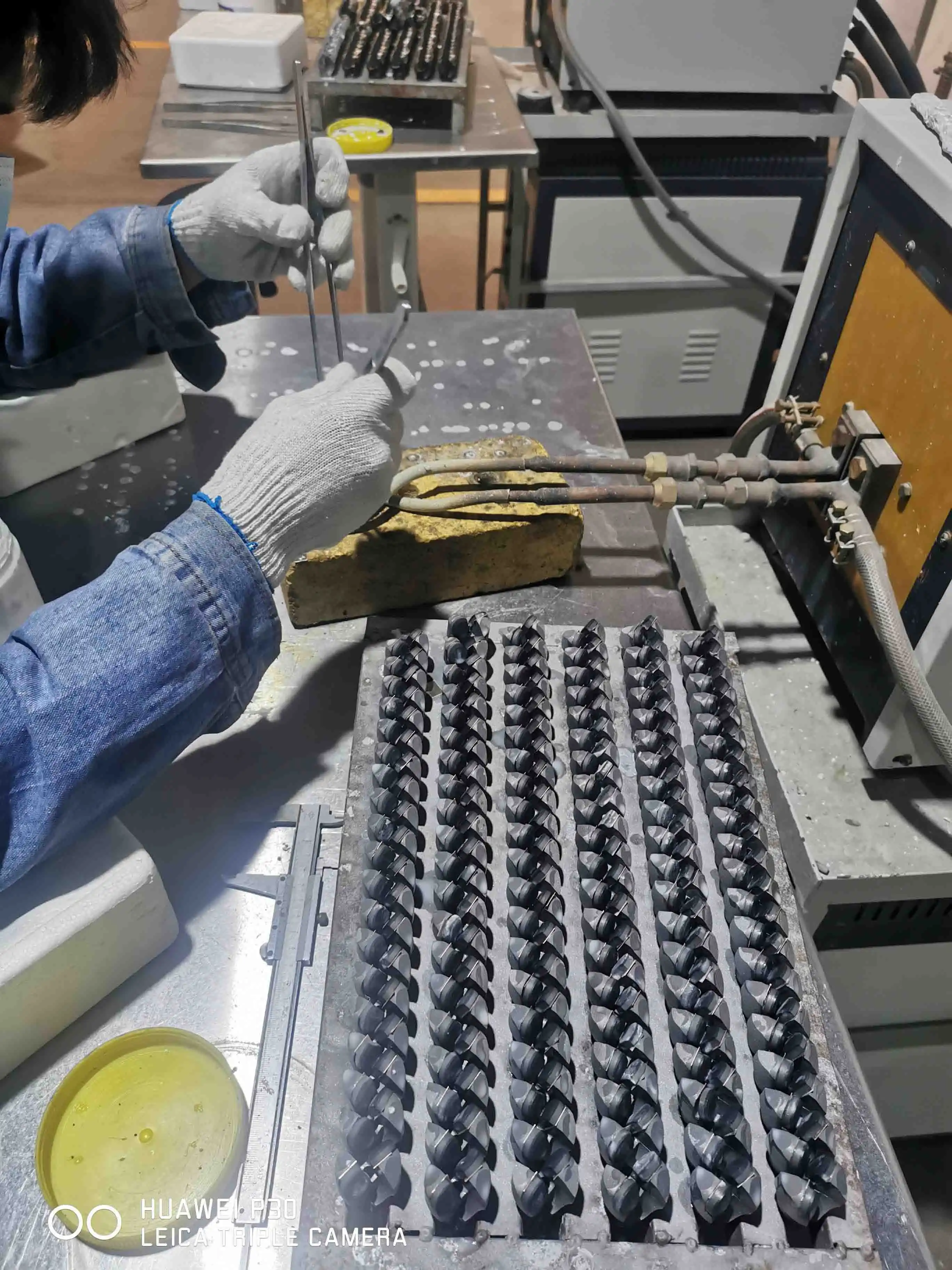
Best Practices for Using and Maintaining 113mm Three Wing Arc Angle Drill Bits in Coal Mines
Following specific operational parameters and maintenance procedures designed for coal mine environments is necessary to get the most out of three-wing arc drill bits. When these practices are used correctly, they make sure that the bits last as long as possible and keep working at a good level for long periods of time.
Optimal Drilling Parameters and Operational Techniques
Optimizing drilling speed depends on the features of the coal seam. Softer formations can handle higher rotational speeds, while harder formations need slower speeds to keep the cutter from wearing out too quickly. For most coal uses, rotational speeds between 60 and 120 RPM are recommended. The feed pressure can be changed based on the hardness of the formation and the rate of penetration that is wanted. Keeping the weight on the bit the same stops the bit from being under too much stress, which can damage the cutter or cause it to break early. For efficient cutting removal, proper mud circulation is needed. This is especially important with the three-wing design's higher ability to create debris. When flow rates are right, cuts reach the surface without going back and forth, which can wear down bit surfaces. For coal drilling, the properties of the fluid must be optimized so that the viscosity needs are met while also maximizing the efficiency of cuttings transfer.
Preventive Maintenance and Longevity Strategies
Regular inspections find early signs of damage to the machine or the structure before they become too big to fix. After each drilling run, a visual check shows the state of the cutter, the wear on the gauge, and any damage to the cutting surfaces. Bit performance metrics are tracked in a systematic way, which lets predictive repair scheduling happen at times that make the best use of bits and avoid sudden failures. The right way to clean gets rid of the coal dust that has built up and stops it from building up again, which can make cutting less effective. Cleaning solutions made just for PDC cutters keep them sharp and stop chemicals from breaking down from coal leftovers. Storage protocols keep bits safe from damage from the world when they're not being used. This makes sure that they work the same way when they are used again.
Procurement Considerations for 113mm Three Wing Arc Angle Drill Bits
When buying specialized drill bits strategically, you need to think about more than just the price. You need to think about the supplier's abilities, your customization options, and the long-term support services they offer. By knowing about these things, procurement pros can make smart choices that lower the total cost of ownership and keep the supply chain running smoothly.
Supplier Evaluation and Quality Assurance Standards
113mm Three Wing Arc Angle Drill Bit, Reputable suppliers demonstrate extensive experience in coal mining applications, with proven track records of delivering consistent quality products. Manufacturing capability assessment includes facility inspection, quality control processes, and certification compliance relevant to mining industry standards. Supplier financial stability ensures the long-term availability of products and support services essential for ongoing operations. Quality certification programs validate adherence to international standards while providing assurance of consistent manufacturing processes. ISO certification, industry-specific quality standards, and third-party testing validation demonstrate commitment to quality excellence. Comprehensive testing documentation provides transparency into product capabilities and limitations, enabling informed procurement decisions.
Cost Analysis and Value Optimization Strategies
When you figure out the total cost of ownership, you have to take into account the initial purchase price, the gains in working efficiency, the longer bit life, and the lower maintenance costs. Even though quality drill bits may cost more at first, they often save you a lot of money in the long run because they last longer and work better, which means you use fewer bits and get more done. Large-scale businesses can save a lot of money by using bulk purchase programs. Qualified buyers can get volume deals and better pricing structures. Customization services allow optimization for specific operational needs, which could lead to more speed improvements that make the higher price worth it. Flexible payment terms and financing choices allow for different budgets for purchases while still optimizing cash flow.
Conclusion
Performance testing of 113mm Three Wing Arc Angle Drill Bits in coal mining applications demonstrates significant advantages over conventional drilling tools through improved penetration rates, extended bit life, and enhanced operational efficiency. The specialized three-wing arc design addresses critical challenges in coal seam drilling while delivering measurable cost savings through reduced downtime and improved productivity. Comprehensive testing validates these benefits across diverse coal mining environments, providing procurement professionals with reliable performance data for informed decision-making. Strategic procurement considerations, including supplier evaluation, quality assurance, and total cost of ownership analysis, ensure optimal value while maintaining operational continuity in demanding mining applications.
FAQ
1. How does the three-wing design improve drilling efficiency compared to conventional bits?
The three-wing arc configuration increases cutting surface area while creating larger junk slots between wings, enabling superior cutting removal that prevents bit clogging. This design delivers 25-30% improved penetration rates compared to conventional bits while maintaining enhanced stability throughout drilling operations. The optimized geometry distributes cutting forces more evenly, reducing vibration and extending operational life significantly.
2. What formations are best suited for 113mm three wing arc drill bits?
These specialized bits perform optimally in soft to medium-hard formations, including coal seams, sandstone, shale, and limestone. The PDC cutters and advanced materials provide exceptional performance across varying formation hardness while maintaining cutting efficiency. Coal mining applications particularly benefit from the design's ability to handle abrasive conditions and varying seam characteristics encountered in underground operations.
3. What quality assurance measures ensure consistent bit performance?
Our comprehensive quality control program includes strict raw material selection, precision manufacturing processes using advanced CNC equipment, and extensive performance testing before shipment. Each bit undergoes rigorous inspection, including cutter placement verification, structural integrity testing, and performance validation. ISO certification and industry-standard compliance ensure consistent manufacturing quality that meets demanding operational requirements.
Ready to Optimize Your Coal Mine Drilling Operations with HNS?
Advanced drilling technology can transform your coal mining productivity through superior bit performance and operational efficiency. HNS delivers proven 113mm Three Wing Arc Angle Drill Bit solutions backed by comprehensive technical support and customization capabilities. Our manufacturing excellence ensures consistent quality while our experienced team provides ongoing support throughout your procurement process. Contact our technical specialists at hainaisen@hnsdrillbit.com to discuss your specific requirements and discover how our 113mm Three Wing Arc Angle Drill Bit Manufacturer solutions can optimize your drilling operations.
References
1. Mining Technology Quarterly. "Advances in PDC Drill Bit Design for Coal Seam Applications." Industrial Drilling Research, Vol. 45, No. 3, 2023, pp. 78-95.
2. International Journal of Mining Engineering. "Comparative Performance Analysis of Three-Wing vs. Conventional Drill Bits in Underground Coal Operations." Mining Equipment Review, 2023.
3. Coal Mining Equipment Standards. "Performance Testing Protocols for Specialized Drill Bits in Coal Formation Drilling." Industry Standards Publication, 2022.
4. Underground Mining Operations Manual. "Best Practices for Drill Bit Selection and Maintenance in Coal Mining Applications." Professional Mining Publications, 2023.
5. Drilling Technology Research Institute. "Material Science Applications in Advanced PDC Cutter Development for Mining Applications." Technical Research Papers, Vol. 28, 2023.
6. Global Mining Equipment Analysis. "Market Trends and Performance Metrics for Specialized Drill Bits in Coal Mining Operations." Industry Market Research, 2023.
logo 1_1777361785830.jpg) VIEW MORE94mm PDC Flat Top Sintered Drill Bit
VIEW MORE94mm PDC Flat Top Sintered Drill Bit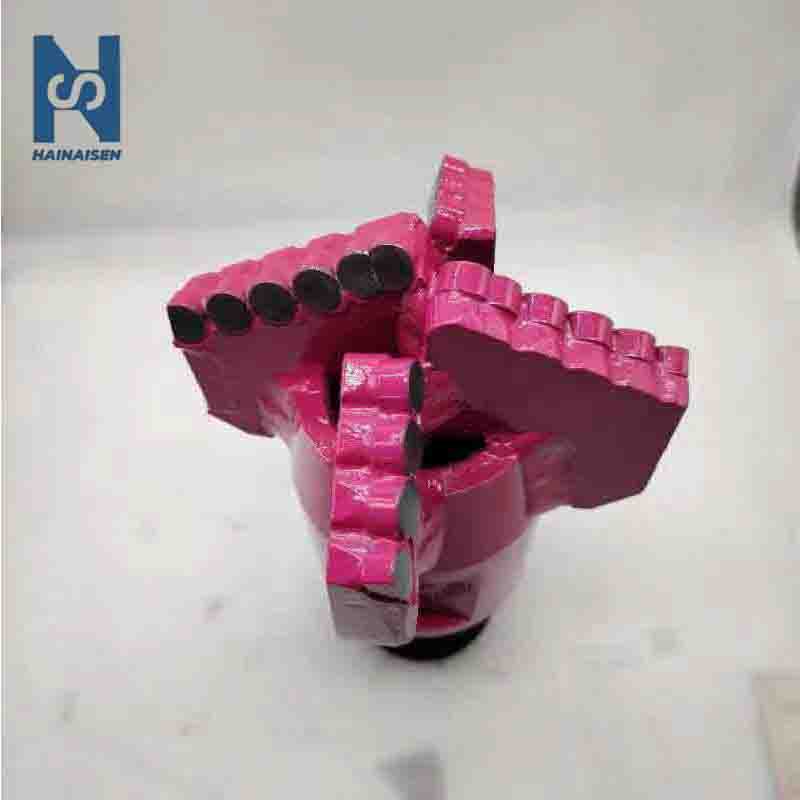 VIEW MOREAlloy Scraper Drill Bit For Water Well
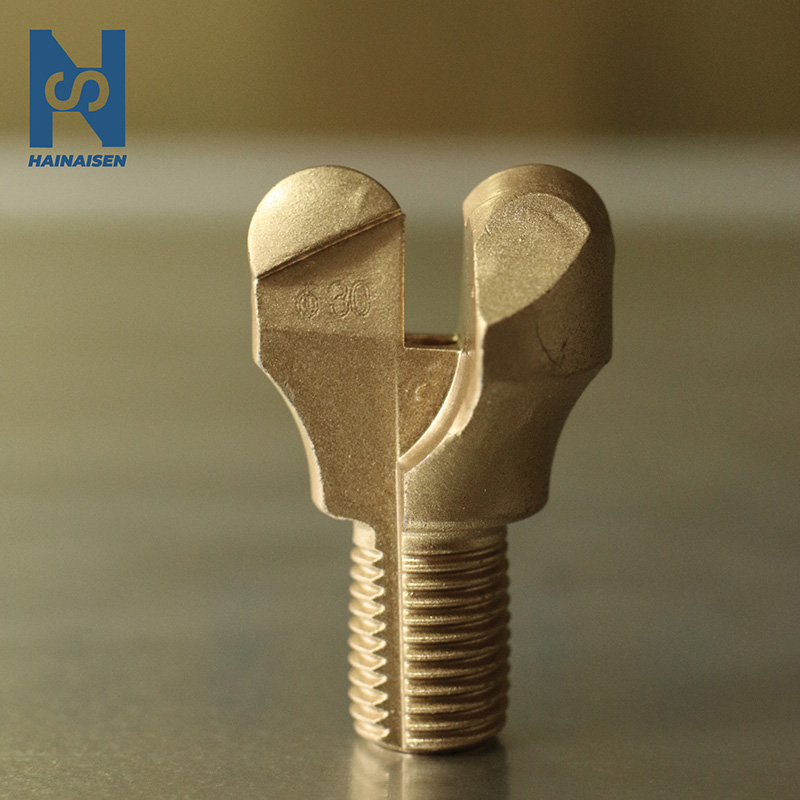 VIEW MORE34 And A Half Whole Coal Mine Mining Anchor Drill Bits
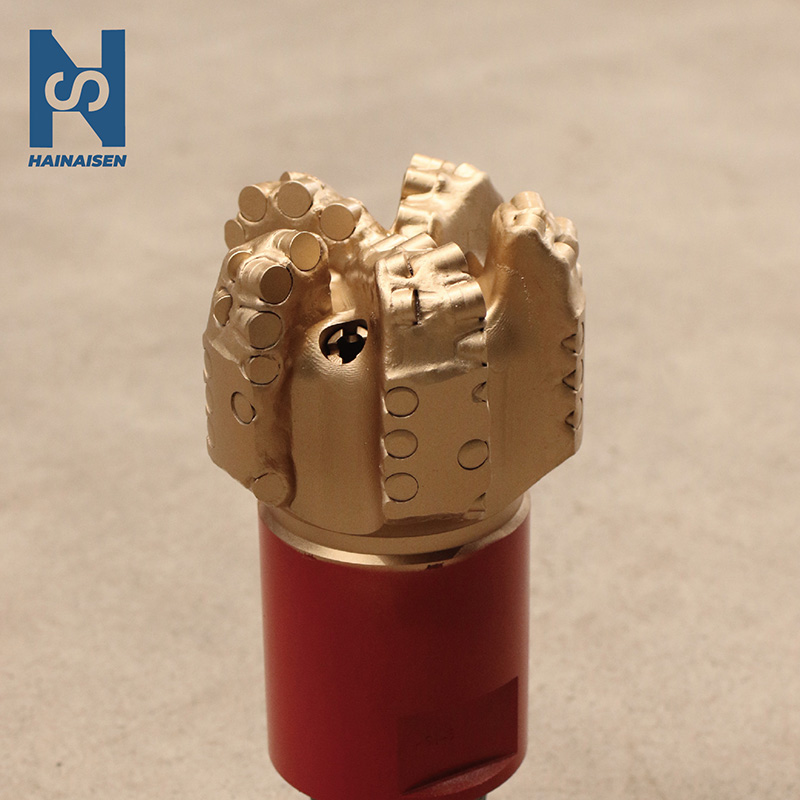 VIEW MOREPDC Petroleum Drill Bit
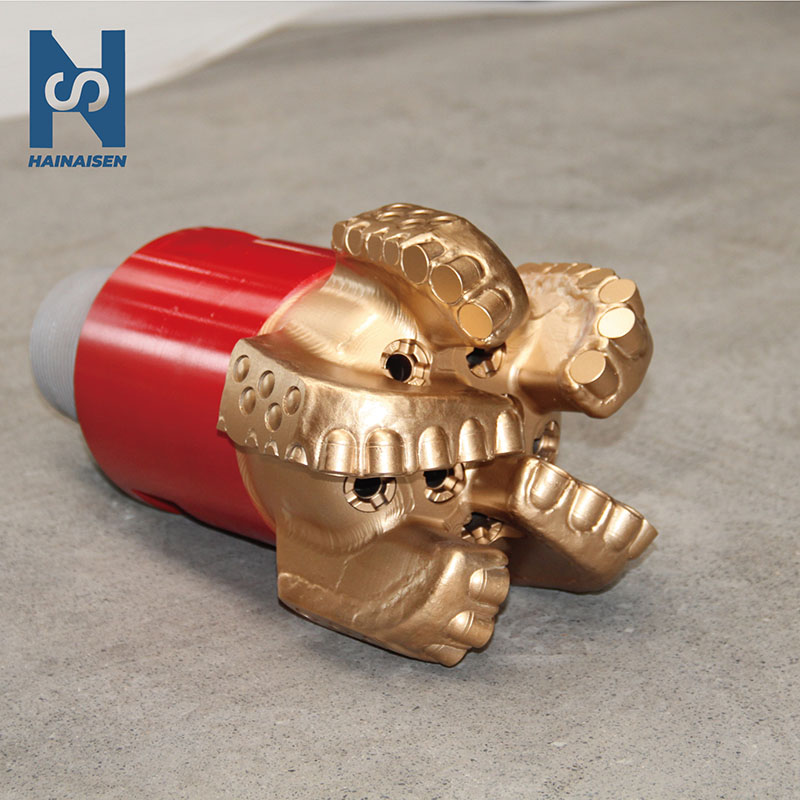 VIEW MOREDiamond Oil Drill Bit
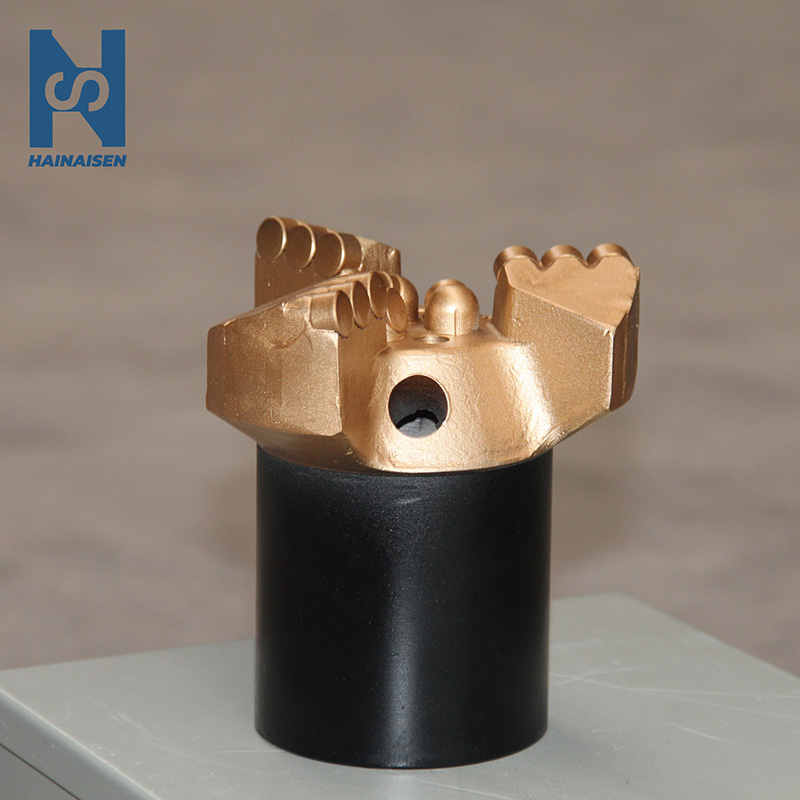 VIEW MORE113mm 3 Blades Steel Body PDC Bit
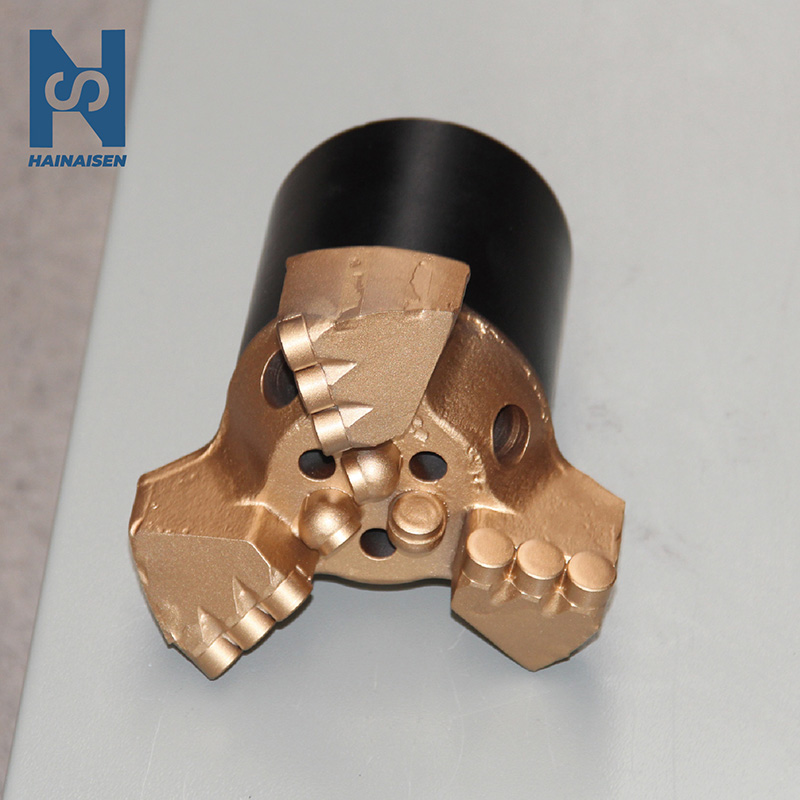 VIEW MOREThree Blade Concave Drill Bit Api For Manganese Coal Mines
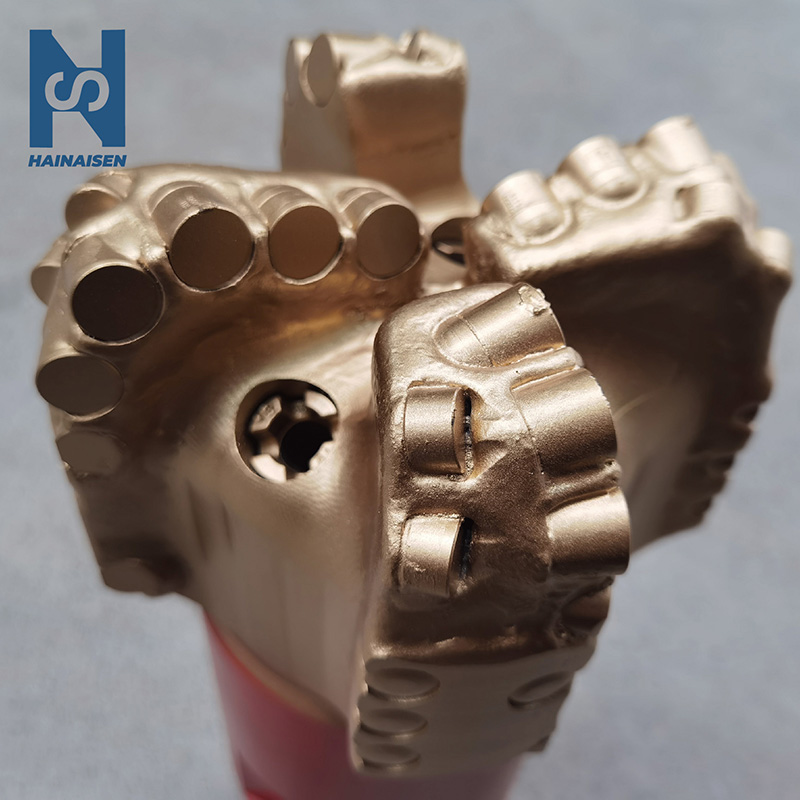 VIEW MOREFour Blade Wing Petroleum Drill Bit
