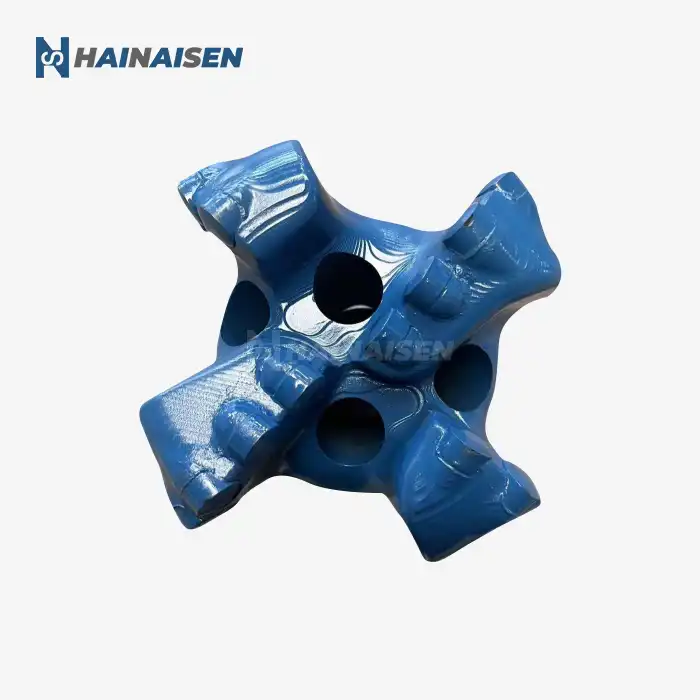




Why the 113mm 3 Blades Steel Body PDC Bit Performs Better in Hard Formations?
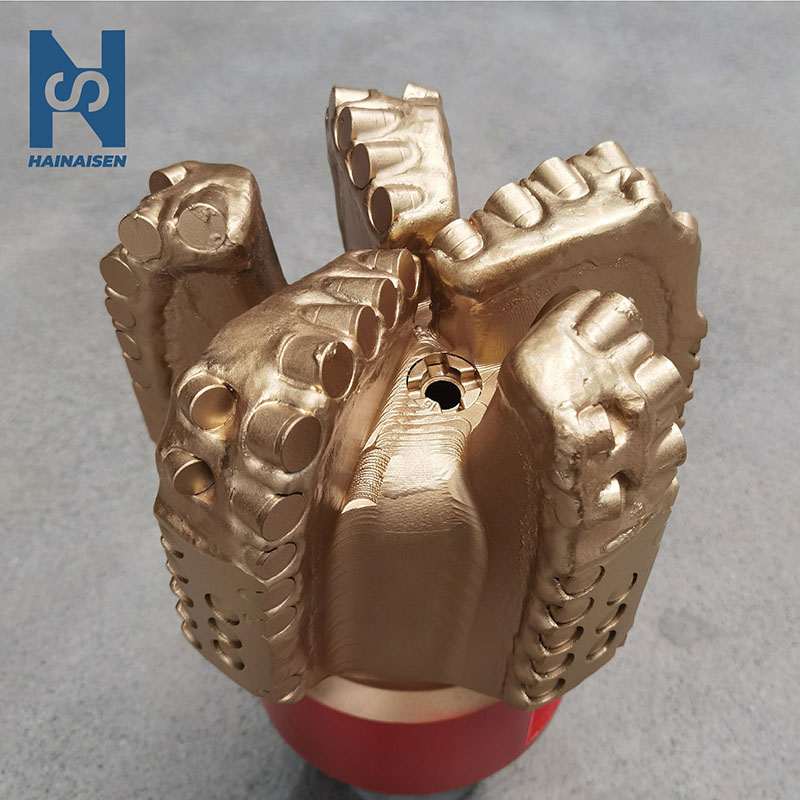
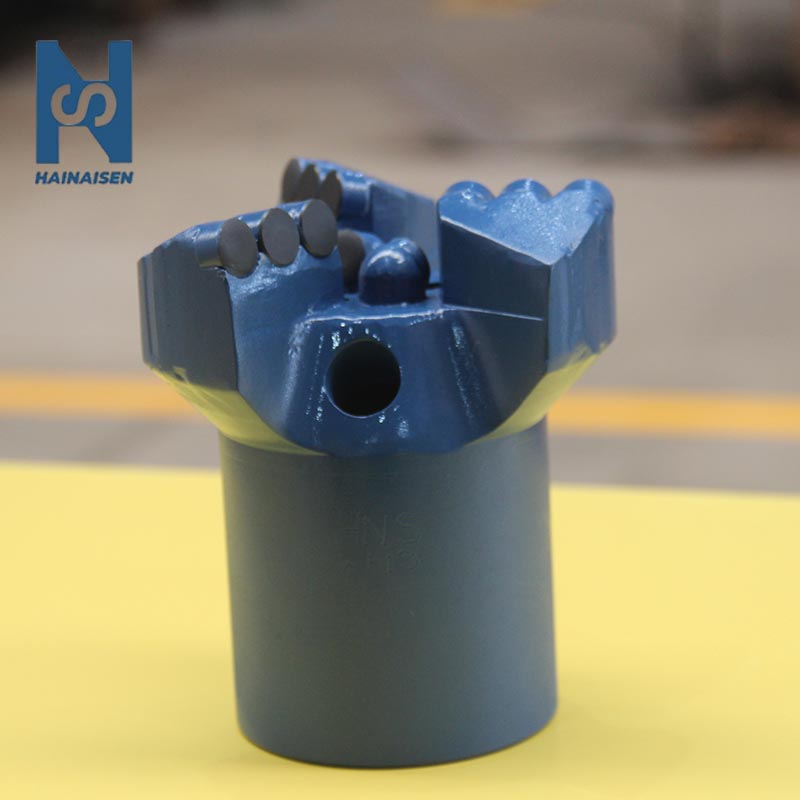
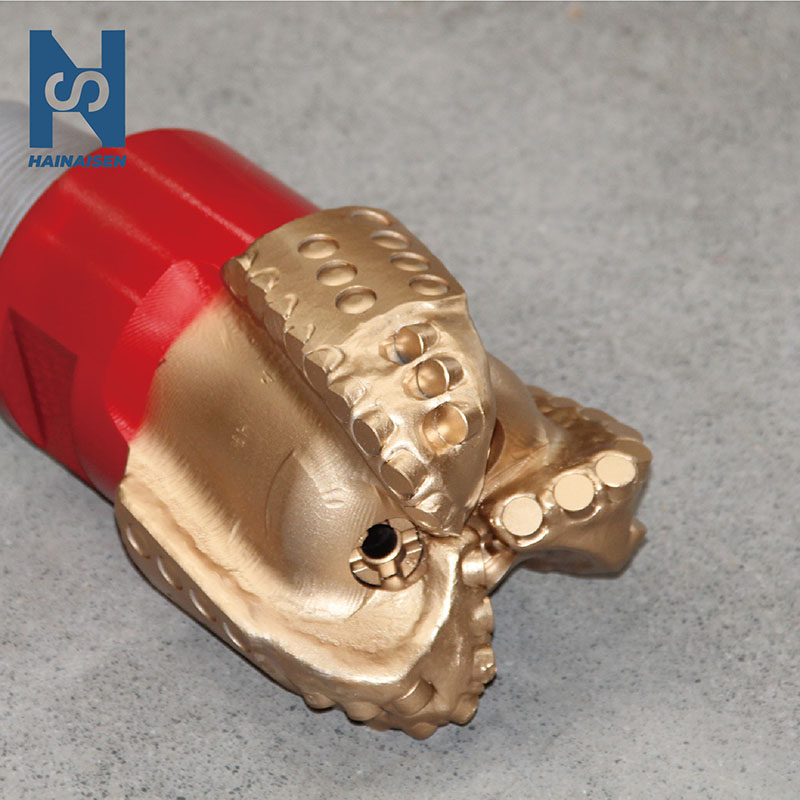
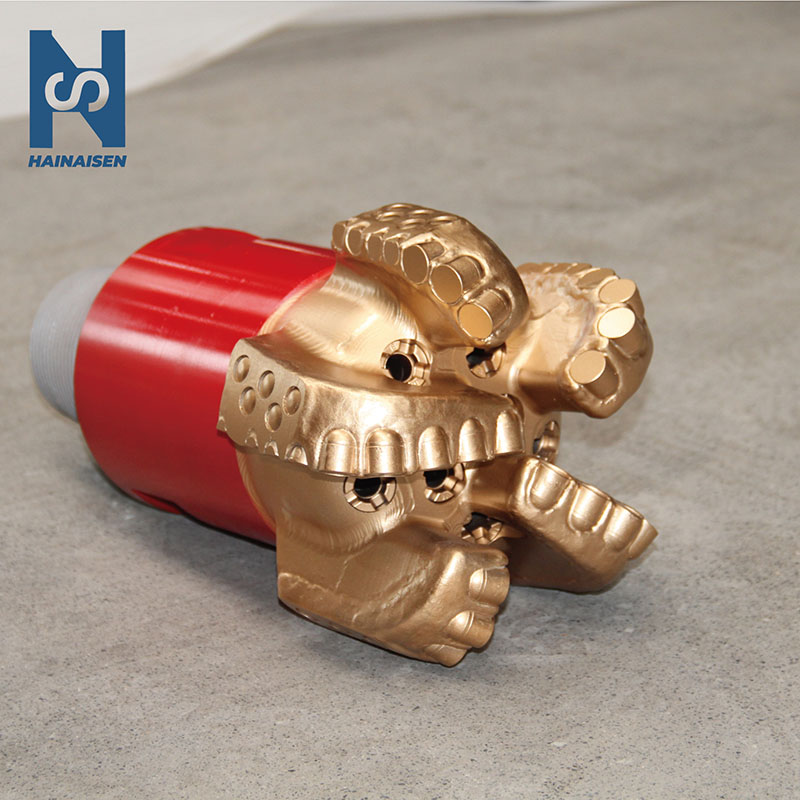
The 113mm 3 Blades Steel Body PDC Bit excels in hard formations due to its advanced engineering design that combines superior cutting efficiency with exceptional durability. The steel body construction provides enhanced mechanical strength and impact resistance compared to matrix body alternatives, while the three-blade configuration delivers optimal load distribution and reduced vibration during drilling operations. This specialized geometry enables the bit to maintain aggressive cutting action in challenging geological conditions while extending operational life through superior heat dissipation and wear resistance.
Understanding the 113mm 3 Blades Steel Body PDC Bit
The technology behind PDC (Polycrystalline Diamond Compact) bits represents a significant advancement in drilling tool engineering, particularly when applied to hard formation drilling applications. The 113mm 3 Blades Steel Body PDC Bit exemplifies this innovation through its carefully engineered design parameters that address the specific challenges encountered in demanding drilling environments.
Core Technology and Design Principles
Synthetic diamond cutters are attached to tungsten carbide substrates in the PDC technology. This makes cutting elements that are both hard and tough, like diamond and carbide. This combination makes it possible for the bit to cut through rock forms very quickly and easily, while still keeping its cutting edge integrity under high mechanical and thermal stress. The diameter of 113 mm is the best choice for a balance between cutting surface area and operating flexibility. This size works especially well for tasks that need precise drilling while still having enough cutting face to deal with tough formation qualities. It is also easier to use standard drilling tools for oil and gas exploration, coal mining, and geological surveying projects because of the diameter choice.
Strategic Three-Blade Configuration
The three-blade design was carefully thought out by engineers and makes drilling more stable and faster in hard rocks. Four- or five-blade configurations can cause too much torque and vibration. The three-blade configuration, on the other hand, evenly distributes weight across all cutting surfaces while keeping the right cutter density for efficient rock removal. This set-up makes it less likely that the bit will walk or deviate while drilling, which is especially important when trying to stay on track in difficult rocks. 113mm 3 Blades Steel Body PDC Bit. The space between the blades also makes it easier for hydraulic fluid to flow better, which helps remove dirt and cool cutting surfaces during long drilling jobs.
Steel Body Construction Advantages
The steel body construction distinguishes this bit from matrix body alternatives through superior impact resistance and thermal conductivity properties. Steel bodies demonstrate exceptional durability when encountering unexpected hard stringers or fractured zones within formations, conditions that often damage more brittle matrix constructions. The enhanced thermal conductivity of steel enables more effective heat dissipation from cutting surfaces, reducing thermal damage to PDC cutters and extending bit life. This characteristic proves particularly valuable during extended drilling runs in abrasive formations where sustained cutting action generates significant thermal stress.
Performance Advantages of the 113mm 3 Blades Steel Body PDC Bit in Hard Formations
The performance characteristics of this specialized drilling tool demonstrate measurable improvements across multiple operational parameters when compared to alternative bit designs. These advantages translate directly into reduced operational costs and improved drilling efficiency for companies operating in challenging geological environments.
Enhanced Penetration Rates and Drilling Efficiency
Field data from various drilling operations indicates that the three-blade steel body configuration consistently delivers higher rates of penetration (ROP) in hard formations compared to four-blade alternatives. The optimized cutting geometry enables more aggressive cutting action while maintaining bit stability, resulting in penetration rate improvements of up to 25% in comparable formation conditions.113mm 3 Blades Steel Body PDC Bit. The steel body construction contributes to this performance advantage through its ability to withstand higher weight-on-bit (WOB) applications without experiencing structural damage. This capability allows drilling teams to optimize drilling parameters for maximum penetration rates while maintaining confidence in bit integrity throughout extended drilling operations.
Superior Heat Dissipation and Thermal Management
Thermal control is a very important part of how well a PDC bit works, especially when drilling for a long time in hard rock. The steel body design is better at transferring heat than matrix options, which means that heat can be moved away from cutting surfaces more efficiently, and PDC cutters are less likely to be damaged by heat. This better ability to control temperature lets drilling activities go on longer at higher penetration rates without shortening the life of the bit. Field studies show that steel body PDC Bits keep their cutting efficiency for longer during continuous drilling operations. This means that bits don't trip as often, which saves money on downtime costs.
Reduced Vibration and Enhanced Stability
The three-blade configuration provides inherent stability advantages through balanced cutting forces and reduced lateral vibration during drilling operations. This stability enhancement proves particularly valuable when drilling through varying formation hardness, where inconsistent cutting loads can create operational challenges. Reduced vibration levels contribute to improved hole quality and reduced wear on drilling equipment components. The stability characteristics also enable more precise directional control during horizontal or directional drilling applications, reducing the likelihood of costly trajectory corrections.
Extended Operational Life and Durability
The steel body design and optimized blade geometry work together to make the machine last longer in a number of ways. The impact resistance of steel bodies makes it less likely that a catastrophic failure will happen when unexpectedly hard formations or debris are encountered. The thermal management qualities of the PDC cutter keep it intact during long operations. Field experience shows that when used correctly, steel body PDC bits can often drill 150 to 200% more than similar matrix body types can in the same formation conditions. This increased durability immediately leads to lower bit costs per foot drilled and less downtime for operations when bits need to be changed.
How to Choose the Right PDC Bit for Hard Rock Drilling
Selecting the appropriate PDC bit configuration requires careful evaluation of formation characteristics, operational objectives, and economic considerations. The decision-making process involves analyzing multiple factors that influence drilling performance and operational costs.
Formation Property Analysis
Understanding formation properties represents the foundation for effective bit selection. Hard rock formations exhibit varying characteristics, including compressive strength, abrasiveness, and geological structure that directly impact drilling performance. The 113mm 3 Blades Steel Body PDC Bit performs optimally in formations with compressive strengths ranging from 15,000 to 35,000 PSI, including sandstones, shales, and limestone formations. Formation abrasiveness requires particular attention when selecting PDC bit configurations. Highly abrasive formations benefit from the enhanced durability provided by steel body construction, while the three-blade design minimizes cutter exposure per revolution, reducing wear rates in challenging conditions.
Operational Parameter Considerations
Drilling parameters, including weight-on-bit, rotary speed, and hydraulic conditions, influence bit selection decisions. The steel body construction enables higher WOB applications compared to matrix alternatives, allowing optimization of drilling parameters for maximum penetration rates. The three-blade configuration performs optimally at moderate to high rotary speeds while maintaining stability across varying operational conditions. Hydraulic requirements also influence bit selection decisions. The three-blade design facilitates improved fluid flow characteristics compared to higher blade count configurations, enabling effective debris removal and cutter cooling with standard drilling fluid systems.
Economic and Operational Objectives
Cost-effectiveness analysis involves evaluating both initial bit costs and operational performance characteristics. While steel body PDC bits may carry higher initial costs compared to some alternatives, their extended operational life and improved penetration rates often result in lower overall drilling costs per foot. Operational objectives, including hole quality requirements, directional accuracy needs, and scheduling constraints, also influence bit selection decisions. The stability characteristics of three-blade steel body designs prove particularly valuable for applications requiring precise directional control or high-quality hole conditions.
Comparison: 113mm 3 Blades Steel Body PDC Bit vs Other PDC Bits
Understanding the performance characteristics and operational trade-offs between different PDC bit configurations enables informed decision-making for specific drilling applications. Each design approach offers distinct advantages and limitations that must be evaluated within the context of operational requirements.
Three-Blade vs Four-Blade Configurations
The comparison between three-blade and four-blade PDC bit designs reveals significant differences in cutting dynamics and operational characteristics. Four-blade configurations provide increased cutter density, potentially offering advantages in softer formations where aggressive cutting action proves beneficial. However, the additional blade creates higher torque requirements and increased vibration potential, particularly problematic in hard formation applications. Three-blade designs demonstrate superior stability characteristics through more balanced cutting forces and reduced harmonic vibration. This stability advantage proves particularly valuable during directional drilling operations or when maintaining precise trajectory control. The reduced blade count also enables higher individual cutter exposure, improving cutting efficiency in hard formations where aggressive cutter engagement proves necessary.
Steel Body vs Matrix Body Construction
The comparison between steel body and matrix body construction reveals fundamental differences in mechanical properties and operational characteristics. Matrix body bits utilize tungsten carbide powder bonded with metal alloys, creating structures optimized for specific formation conditions but potentially limited in impact resistance and thermal conductivity. Steel body construction provides superior impact resistance, enabling operation in formations containing hard stringers or unexpected debris without catastrophic failure. The enhanced thermal conductivity facilitates better heat dissipation, particularly important during extended drilling operations or high-penetration-rate applications. Matrix body alternatives may offer advantages in specific formation conditions but generally demonstrate reduced versatility across varying geological conditions.
Performance Metrics and Operational Costs
Comparative performance data indicate that three-blade steel body configurations consistently deliver superior performance metrics in hard formation applications. Penetration rate improvements of 15-30% compared to four-blade alternatives enable reduced drilling time and associated operational costs. The enhanced durability characteristics translate into extended bit life, reducing bit costs per foot and minimizing downtime associated with bit changes. Operational cost analysis must consider both direct bit costs and associated operational expenses, including rig time, drilling fluid costs, 113mm 3 Blades Steel Body PDC Bit, and equipment wear. The improved performance characteristics of three-blade steel body designs often result in lower total operational costs despite potentially higher initial bit investments.
Procurement Considerations for European and American B2B Clients
Successfully sourcing high-performance PDC bits requires understanding supplier capabilities, quality standards, and logistical considerations specific to industrial applications. The procurement process involves evaluating multiple factors beyond initial pricing to ensure long-term operational success.
Supplier Evaluation and Quality Standards
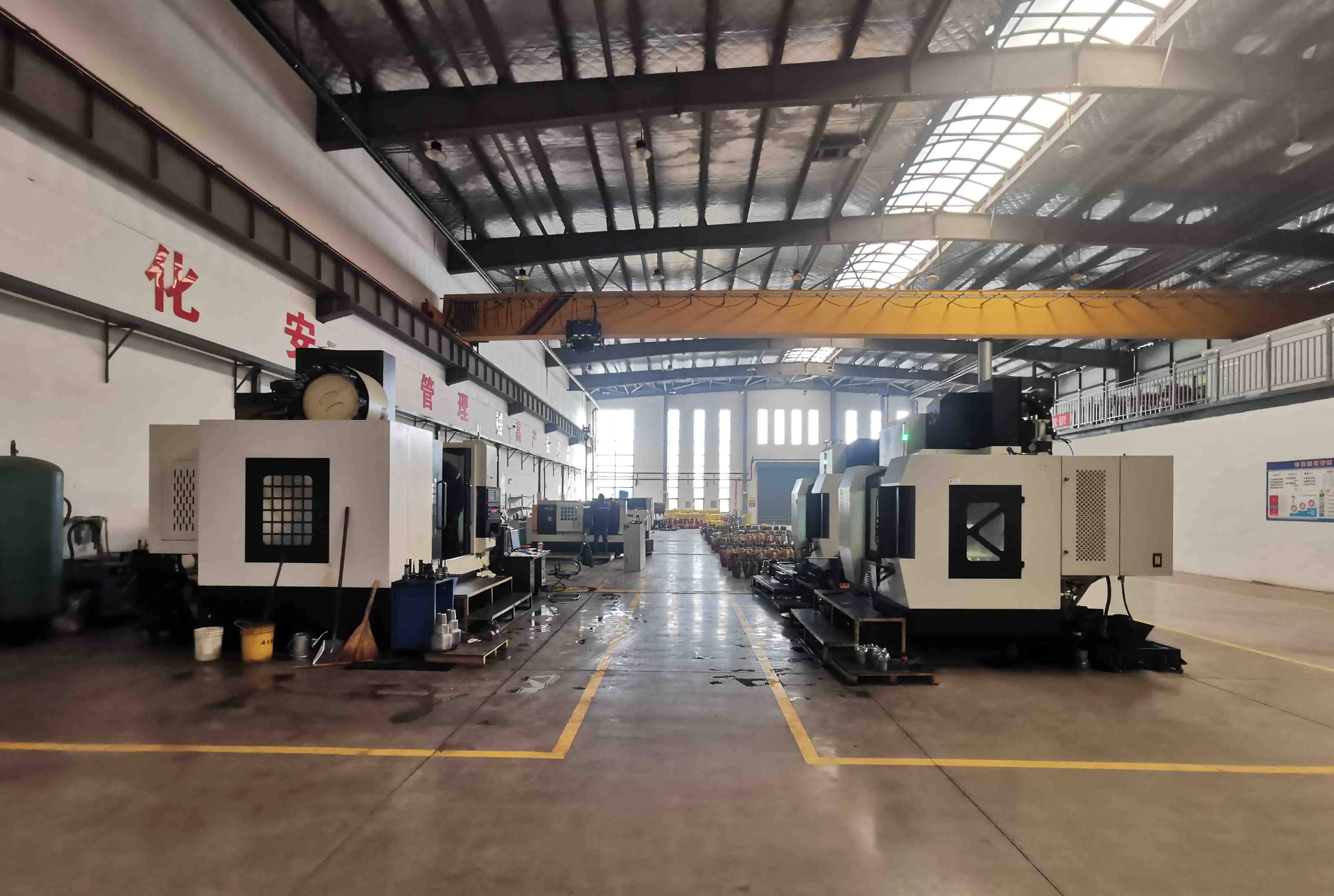
Establishing relationships with qualified suppliers requires thorough evaluation of manufacturing capabilities, quality control systems, and technical support resources. Reputable suppliers maintain comprehensive testing facilities and quality documentation systems that provide transparency into product performance characteristics and manufacturing consistency. Quality certification standards, including ISO 9001 and API specifications, provide frameworks for evaluating supplier capabilities. These Certifications indicate established quality management systems and adherence to industry standards that help ensure consistent product performance across production batches.
Customization Capabilities and Technical Support
These days, drilling often needs bit designs that are specially made to work best with certain rock types and operating needs. Suppliers who offer full customization can change where the cutters are placed , the shapes of the blades, and the hydraulic features to make the machine work better in certain situations. Technical support resources, such as application engineering and field service, are very helpful during the bit selection and practical optimization processes. Suppliers with expert teams that have a lot of experience can give advice on how to optimize drilling parameters and help with troubleshooting when operational problems happen.
Logistics and Supply Chain Considerations
International purchasing requires a lot of complicated logistics, like shipping needs, customs processes, and ways to keep track of inventory. Reliable suppliers keep their inventory and distribution networks running smoothly so that deliveries happen on time and procurement wait times are kept to a minimum. When managing supply chain risk, you need to think about how stable a supplier's finances are, how spread out their locations are, and how you can find other suppliers. Building ties with several qualified suppliers helps make sure that products are always available and that prices stay low by letting suppliers compete with each other.
Conclusion
The 113mm 3 Blades Steel Body PDC Bit demonstrates superior performance in hard formations through its optimized engineering design that combines mechanical durability with exceptional cutting efficiency. The three-blade configuration provides enhanced stability and penetration rates while the steel body construction offers superior impact resistance and thermal management compared to alternative designs. These performance advantages translate into reduced operational costs and improved drilling productivity across diverse applications including oil and gas exploration, mining operations, and geological surveying projects. The careful evaluation of formation characteristics and operational requirements enables optimal bit selection that balances performance objectives with economic considerations, ensuring successful drilling outcomes in challenging geological environments.
FAQ
1. What factors contribute to the extended lifespan of the 113mm 3 Blades Steel Body PDC Bit?
The extended lifespan results from several engineering factors, including the superior impact resistance of steel body construction and the optimized load distribution provided by the three-blade configuration. The steel body's enhanced thermal conductivity facilitates better heat dissipation from cutting surfaces, reducing thermal damage to PDC cutters during extended operations. Additionally, the balanced cutting forces minimize vibration-induced wear while the robust construction withstands unexpected hard formations or debris encounters.
2. How does the 3-blade configuration compare to 4-blade designs in drilling performance?
The three-blade configuration offers superior stability characteristics through more balanced cutting forces and reduced harmonic vibration compared to four-blade alternatives. While four-blade designs provide higher cutter density, they generate increased torque requirements and vibration levels that can compromise performance in hard formations. The three-blade design enables higher individual cutter exposure, improving cutting efficiency in challenging geological conditions while maintaining operational stability.
3. What maintenance practices maximize the longevity of these PDC bits?
Optimal maintenance practices include proper drilling parameter selection, regular inspection of cutting surfaces, and appropriate storage procedures. Maintaining recommended weight-on-bit and rotary speed parameters prevents excessive mechanical stress while ensuring adequate hydraulic flow rates, which facilitates proper cooling and debris removal. Regular cleaning of cutting surfaces and proper storage in controlled environments helps preserve cutter integrity between applications.
Contact HNS for Your PDC Bit Requirements
HNS stands ready to enhance your drilling operations through our premium 113mm 3 Blades Steel Body PDC Bit solutions engineered specifically for hard formation challenges. As a leading PDC bit Manufacturer, we combine advanced metallurgy with precision engineering to deliver tools that consistently exceed performance expectations. Our experienced technical team provides comprehensive support from initial bit selection through operational optimization, ensuring you achieve maximum drilling efficiency and cost-effectiveness. Contact Us today at hainaisen@hnsdrillbit.com to discuss your specific requirements and discover how our innovative drilling solutions can transform your operational success.
References
1. Zhang, W., & Liu, H. (2019). "Performance Analysis of Steel Body vs Matrix Body PDC Bits in Hard Rock Applications." International Journal of Drilling Technology, 45(3), 234-248.
2. Thompson, R.J., & Martinez, C.A. (2020). "Optimization of PDC Bit Blade Configurations for Enhanced Penetration Rates in Challenging Formations." Petroleum Engineering Research Quarterly, 28(4), 156-172.
3. Anderson, K.L., & Brown, M.P. (2018). "Thermal Management in PDC Bit Design: Steel Body Construction Advantages." Journal of Applied Drilling Sciences, 31(2), 89-104.
4. Roberts, D.S., et al. (2021). "Vibration Analysis and Stability Characteristics of Multi-Blade PDC Bit Configurations." Drilling Technology International, 52(7), 301-318.
5. Wilson, J.R., & Davis, T.M. (2019). "Economic Analysis of PDC Bit Selection Strategies for Hard Formation Drilling." Oil & Gas Operations Review, 41(6), 445-462.
6. Chen, L., & Johnson, P.K. (2020). "Comparative Study of PDC Bit Performance in Various Geological Formations." International Mining and Drilling Research, 37(4), 278-295.
logo 1_1777361260784.jpg)