







High Quality PDC Drill Bits Performance Evaluation
High Quality PDC Drill Bits Performance Evaluation represents a critical decision-making framework that directly influences operational efficiency and project success across the drilling industry. High-quality PDC Drill Bits utilize advanced polycrystalline diamond compact technology to deliver superior performance metrics compared to conventional drilling solutions. Understanding comprehensive evaluation criteria enables purchasing managers and technical engineers to make data-driven procurement decisions that optimize penetration rates, extend operational lifespan, and reduce total cost of ownership in demanding geological formations.
Introduction
Choosing the right drilling tools has a big effect on how well operations run, how costs are managed, and how well projects turn out in the mining, oil and gas research, and water well drilling sectors. Performance evaluation is the most important part of making smart buying decisions, especially given how much premium drilling solutions cost.
Purchasing managers and technical experts are under more and more pressure to make drilling processes more efficient while staying within budget. Modern digging settings are very complicated, so you need high-tech tools that can keep working well in a wide range of rock types. The polycrystalline diamond compact technology is a big step forward in drilling efficiency. It makes the bits last longer and go deeper, which directly leads to higher operating returns.
Stakeholders can effectively navigate the procurement environment if they understand the subtleties of performance review. The evaluation process looks at a lot of different factors, such as the type of material used, the design of the cutting structure, its thermal stability, and features that make it work best for that particular purpose. All of these things affect how well drilling projects work and how much they are worth in the long run.
Understanding High Quality PDC Drill Bits
Advanced Material Composition and Construction
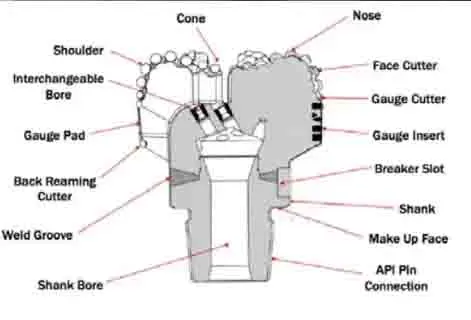
High-quality PDC Drill Bits are made with polycrystalline diamond compact cutters that are precisely designed to be very resistant to wear and very good at cutting. For the building process, Manufactured diamond pieces are fused under very high temperatures and pressures. This makes a composite material that is both hard and tough, like diamond and tungsten carbide.
The two main ways to build something are matrix bodies and steel bodies, and each has its own set of performance traits. Tungsten carbide powder metallurgy is used in matrix body shapes to make bit bodies that are very resistant to wear and can be used in abrasive forms. Steel body options offer better resistance to impact and greater manufacturing freedom, allowing for customized placement of cutters and blades.
When you combine advanced metalworking methods with precise machining methods, you get the best weight distribution and fluid flow features. These design features help make cleaning more effective and increase the rate of penetration in a wide range of drilling tasks.
Cutting Structure Optimization
Modern PDC bit designs use complex cutting structure shapes that improve drilling productivity while reducing mechanical stress concentrations. When drilling, the profile shape, blade configuration, and cutter placement patterns all work together to keep the direction stable and distribute force optimally.
Cutter technology has come a long way, and now companies are making special diamond formulas that work best with certain types of formations. For deep drilling, enhanced thermal stability cutters can handle the high temperatures that come with the job, and impact-resistant versions last longer in broken rocks.
The hydraulic design includes nozzles and flow lines that are placed in a way that makes it easy to remove pieces and cool the bit. When you optimize the hydraulics correctly, you can stop bit balling and heat damage. This makes the equipment last longer and keeps working at the same level throughout the drilling process.
Performance Analysis and Comparison
Critical Performance Metrics
Rate of penetration is the best way to tell how well a drill is working because it directly affects daily output and project timelines. When compared to regular tricone bits, High Quality PDC Drill Bits regularly show better ROP. Based on data from the industry, changes in penetration rates can be anywhere from 15% to 40%, based on the features of the formation and the operational factors.
Durability metrics include how long a bit lasts, how it wears, and how often it needs to be serviced during the cutting cycle. Advanced PDC designs have longer operating lives because the cutters are placed more efficiently and the material's qualities are improved. When you combine better wear resistance with temperature stability, you can make more than one run through difficult rocks, which lowers the overall cost of drilling.
The long-term value of premium PDC assets can be seen through cost-effectiveness research. The initial cost of purchase is higher than other options, but the total cost of ownership is much lower because of less tripping time, longer bit life, and better drilling efficiency.
Comparative Analysis Against Conventional Technologies
In some situations, PDC technology is much better than roller cone bits. This is especially true in rocks that are relatively hard and have low compressive strength. Shale, limestone, sandstone, and gypsum layers are the best places for PDC Bits to work because they perform better there.
Because there are no moving parts, there is no chance of bearing problems or the downtime that comes with them, which can happen with tricone designs. This stability advantage is more useful in extended reach drilling and remote operations, where broken tools can cause big problems with operations.
The consistency of penetration is another big benefit. PDC bits keep drilling rates steady without losing performance like traditional designs do when bearings wear out. This makes it easier to plan projects and get more accurate figures of how long it will take to drill.
Procurement Guide for High Quality PDC Drill Bits
Strategic Selection Criteria
Formation compatibility assessment is the foundation for making good choices about buying. By knowing about certain natural features, compressive strengths, and abrasiveness indices, you can choose the right bit for the job. When the compression strength of the rock is less than 25,000 psi, High Quality PDC Drill Bits perform admirably because the cutting action is still effective and the wear rates are within reasonable limits.
To get the best performance, operational factors like drilling pressure, rotational speed, and flow rate need to match bit specs. HNS PDC bits work well at speeds between 80 and 300 RPM and drilling pressures between 10 and 100 KN, so they can be used in a wide range of situations.
Application-specific factors include the need for directed drilling, the difficulty of cleaning the hole, and changes in the rock that could affect the choice of bit. Customizable design choices let you get the most out of different drilling situations, ensuring maximum efficiency and dependability.
Supplier Evaluation Framework
When choosing PDC bit providers, it's important to look at how well the brand is known and how well it can make things. Manufacturers that have been around for a while and have a history of research and development show that they have the technical know-how to offer reliable performance. HNS has modern manufacturing facilities that cover 3,500 square meters and have cutting-edge tools like 5-axis machine centers and precise welding production lines.
Standards for quality control and getting certified make sure that products are reliable and always work the same way. You can be sure that the bit will work well in real drilling situations because of strict testing procedures and field validation programs. Putting in place complete quality control systems shows that a maker is dedicated to doing a great job.
The general value proposition is affected by how well technical help and after-sales service are provided. When a supplier offers full expert help, quick response times, and field support services, they add value beyond just selling the product.
Advanced Technologies and Innovation in PDC Drill Bits
Material Science Advancements
Recent advances in the creation of diamonds and the technology used to cut them have made them much more resistant to heat and pressure. Diamonds that have been improved can handle higher temperatures and still cut well, which makes them useful for geothermal drilling and deep oil research projects.
Protective coats and surface treatments make cutters last longer by stopping chemical breakdown and mechanical wear. When cutting through tough forms, where regular cutters wear out quickly, these new ideas are especially useful.
Manufacturing Process Innovations
Computer-aided design and modeling technologies make it possible to finetune the shape of the blades and the patterns where they are placed. Advanced modeling methods can predict how a bit will work in different practical situations. This lets designers make changes that make drilling more efficient.
When making is done automatically, the quality and accuracy of the measurements stay the same from one production run to the next. Precision cutting lets you get close tolerances and better surface finishes, which improve hydraulic function and make the equipment last longer.
Advanced quality control systems are built into the production process to keep an eye on important factors and make sure that every bit meets strict performance standards before it is sent to customers.
Best Practices for Maximizing PDC Drill Bit Performance
Operational Optimization Strategies
Choosing the right parameters has a big effect on how well bits work and how long they last. High-quality PDC Drill Bits must have a particular weight on the bit, rotating speed, and flow rate to achieve the best cutting action. Working within the limits suggested by the maker guarantees the highest penetration rates while avoiding damage or wear before their time.
The qualities of the drilling fluid and optimizing the hydraulics are very important to how well the bit works. The right flow rates remove cuttings effectively and cool bits, and the right mud weight and rheological properties keep formations from becoming unstable and bits from balling.
Real-time monitoring tools let you react right away to changes in drilling conditions and success indicators. Finding performance loss early on lets you make changes to the parameters that keep drilling efficient and extend bit life.
Maintenance and Handling Protocols
Important cutting elements and hydraulic features can be kept in good shape during shipping and rig-up operations by following the right handling methods. Teaching people the right way to handle bits lowers the chance that they will get damaged before they are used.
Inspection and assessment after a run give useful information for choosing bits in the future and improving operations. A thorough study of wear finds the things that are limiting performance and helps with making drilling methods better or bit designs different.
The conditions of storage have a big effect on the state of bits and their readiness for use. The right places to store bits keep them safe from external factors that might damage the cutting structure or change the way hydraulics run.
Conclusion
To figure out how well High Quality PDC Drill Bits work, you have to look at a lot of different things, like the material they are made of, how they are designed, how they work, and what the specific needs of the job are. The data make it clear that premium PDC options are much better than standard ones when it comes to penetration rates, operating life, and cost-effectiveness. HNS keeps improving PDC technology by using new ways to make things and strict quality control standards. They do this by providing reliable drilling solutions that improve operational efficiency and project results in a wide range of industries.
FAQ
Q1: What advantages do high-quality PDC bits offer over conventional tricone bits?
Because they don't have any moving parts, PDC bits have better penetration rates, longer operating lives, and higher dependability. With the improved cutting action, drilling speeds are sped up while repair needs and downtime are cut down.
Q2: How do I select the appropriate PDC bit for specific formation conditions?
Compressive strength, abrasiveness, and natural features all play a role in how compatible two formations are with each other. The best places for PDC technology to be used are in medium-hardness rocks with compressive values below 25,000 psi. Talking to technical experts makes sure that the right bit is chosen for the digging conditions.
Q3: What maintenance practices maximize PDC bit performance and lifespan?
The bit will last a lot longer if the parameters are chosen correctly, the fluid flow is right, and it is monitored in real time. Checking cutting elements and hydraulic parts on a regular basis lets you find wear trends early and find ways to improve performance.
Partner with HNS for Premium PDC Drilling Solutions
HNS delivers cutting-edge High Quality PDC Drill Bits backed by decades of manufacturing expertise and advanced production capabilities. Our comprehensive product portfolio serves oil and gas exploration, mining operations, and water well drilling applications with proven performance and reliability. Contact our technical specialists at hainaisen@hnsdrillbit.com to discuss your specific drilling requirements and discover how our high-quality PDC drill bits for sale can optimize your operational efficiency and project outcomes.
References
1. Smith, J.R. "Advanced PDC Drill Bit Technology and Performance Optimization in Unconventional Formations." Journal of Petroleum Engineering Technology, 2023.
2. Anderson, M.K. "Comparative Analysis of Drilling Efficiency: PDC vs. Conventional Bit Technologies." International Drilling Research Institute, 2022.
3. Williams, D.L. "Material Science Innovations in Polycrystalline Diamond Compact Manufacturing." Advanced Materials in Drilling Applications, 2023.
4. Thompson, R.S. "Economic Evaluation of PDC Bit Performance in Oil and Gas Operations." Energy Economics Quarterly, 2022.
5. Davis, A.J. "Thermal Stability Enhancements in Modern PDC Cutter Design." Drilling Technology Review, 2023.
6. Brown, K.M. "Procurement Strategies for Optimized Drilling Tool Selection in B2B Markets." Industrial Procurement Management, 2022.
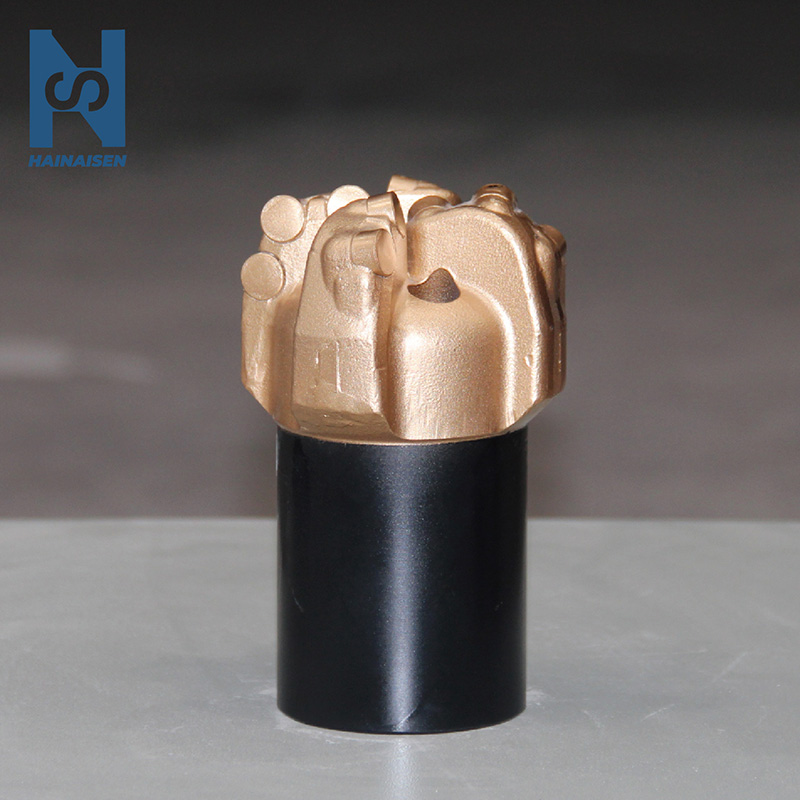 VIEW MOREFour Blade PDC Rock Drill Bit
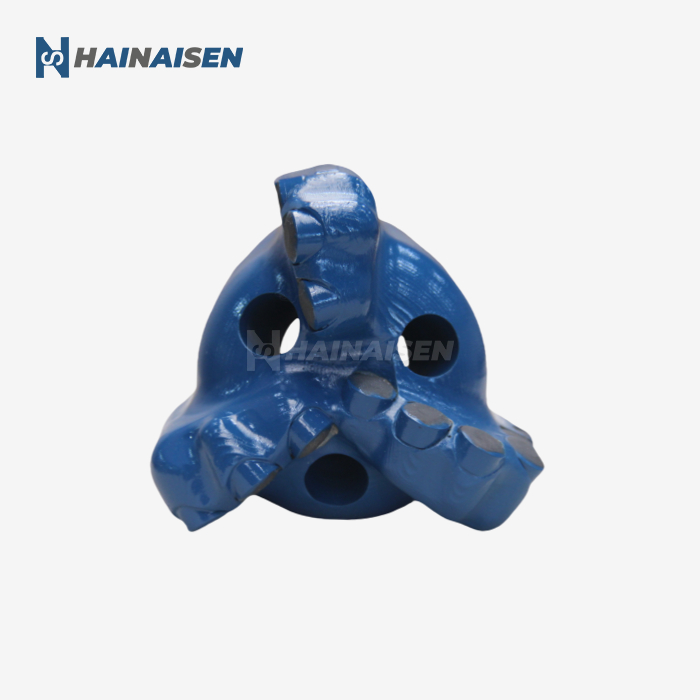 VIEW MORE3 Blade PDC Arc Angle Drill Bit
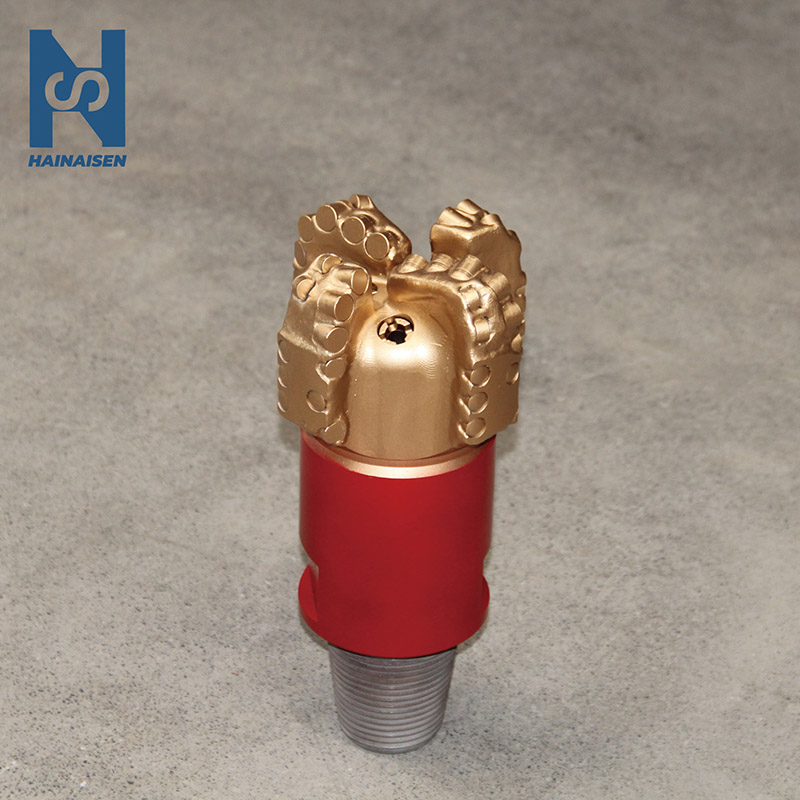 VIEW MOREFour Blade Wing Oil Drilling Tool
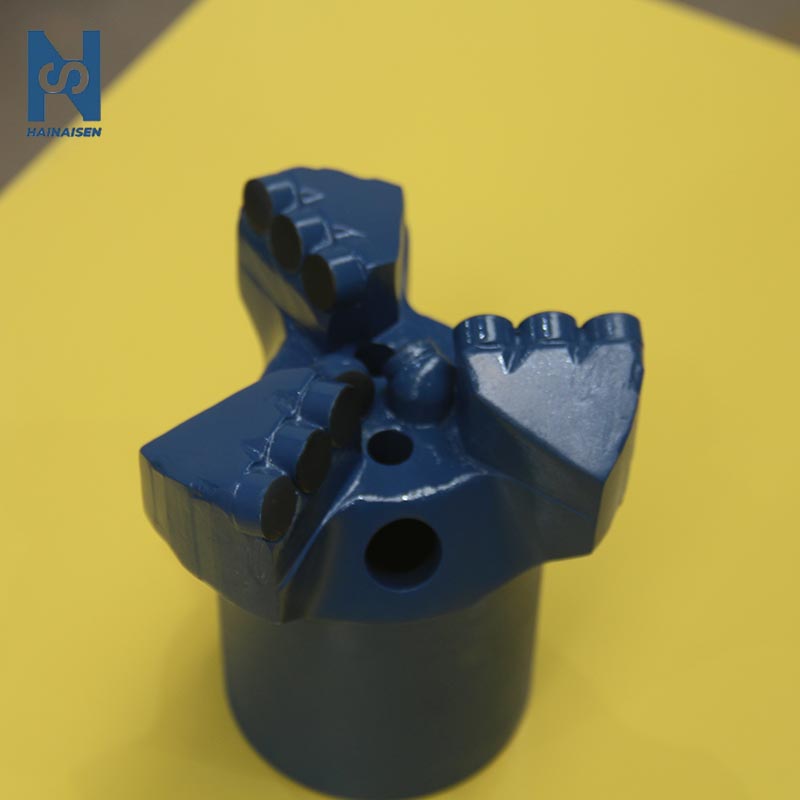 VIEW MOREPolycrystalline Diamond Compact Drill Bits
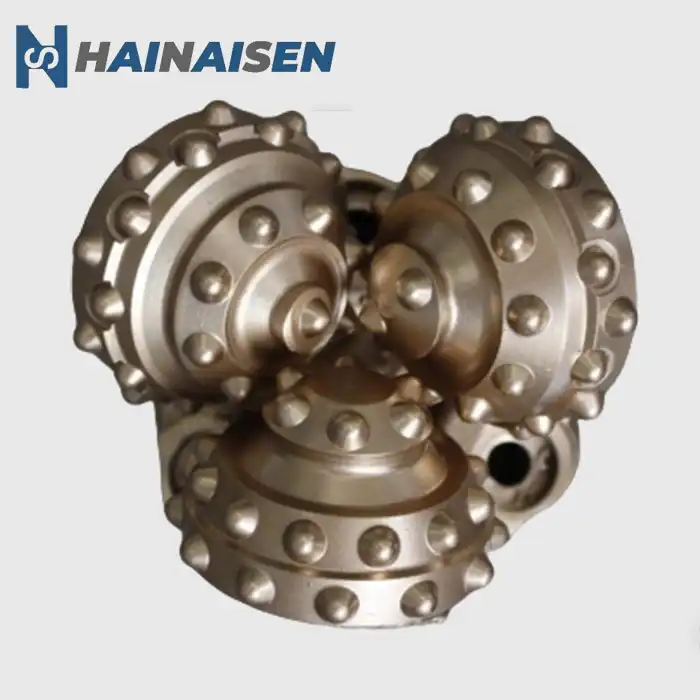 VIEW MORE4 1/2" IADC 537 Tricone Rock Bit
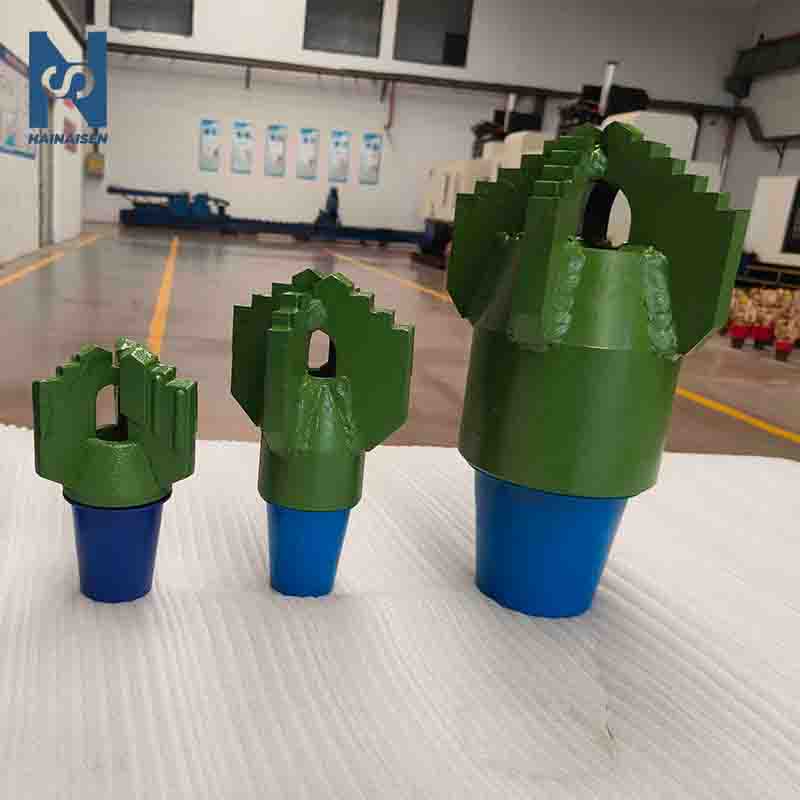 VIEW MORESteel Scraper Drill Bit
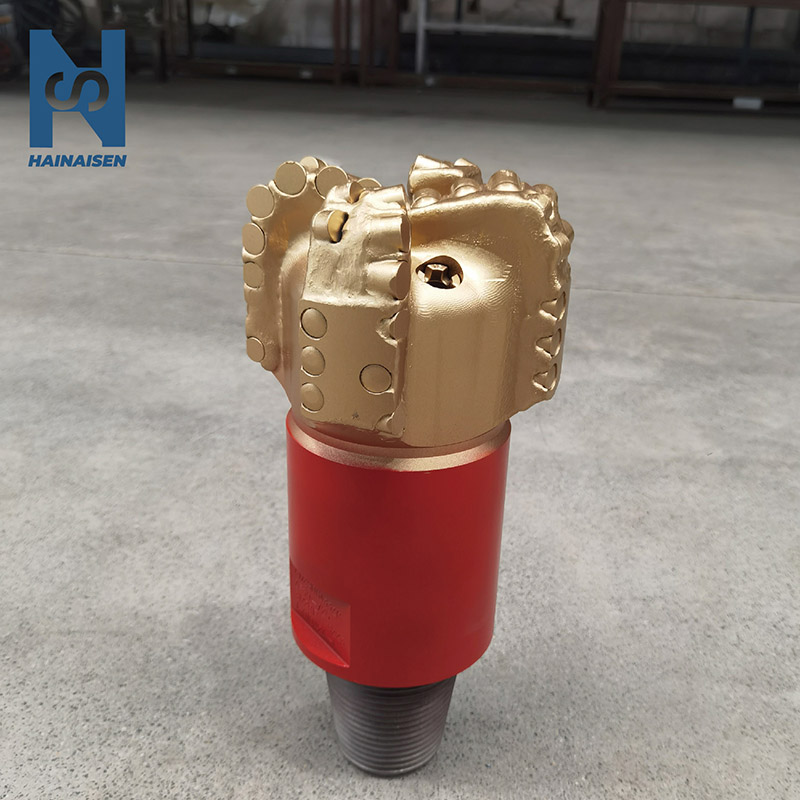 VIEW MOREPetroleum Drilling Equipment PDC
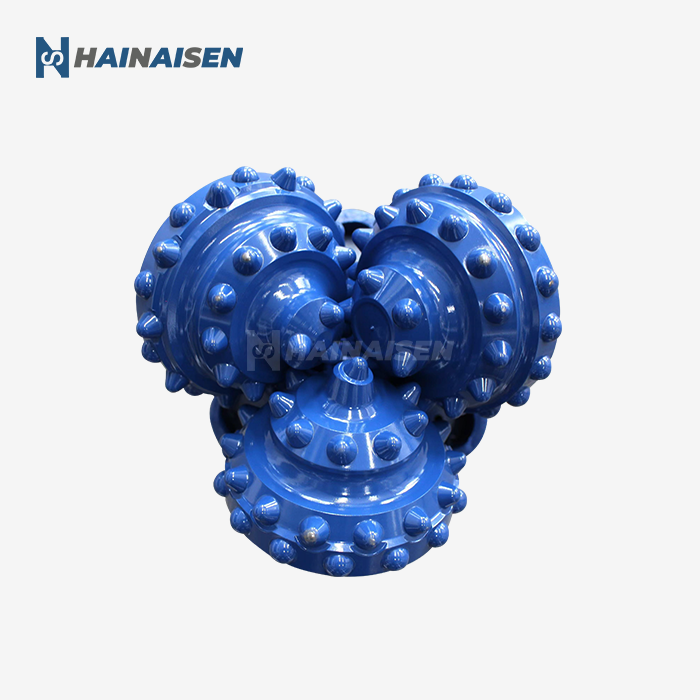 VIEW MORERock Roller Drill Bit
