How PDC Petroleum Drill Bit Enhances Drilling Efficiency
PDC Petroleum Drill Bit technology revolutionizes modern drilling operations by delivering exceptional performance through an advanced polycrystalline diamond compact design. These engineered drill bits combine synthetic diamond cutters with robust steel bodies, creating superior hardness and wear resistance that significantly outperforms traditional drilling tools. The innovative cutting mechanism relies on efficient rock shearing rather than conventional crushing methods, resulting in faster penetration rates, reduced operational costs, and enhanced drilling efficiency across diverse geological formations.
Understanding PDC Petroleum Drill Bits and Their Role in Drilling Efficiency
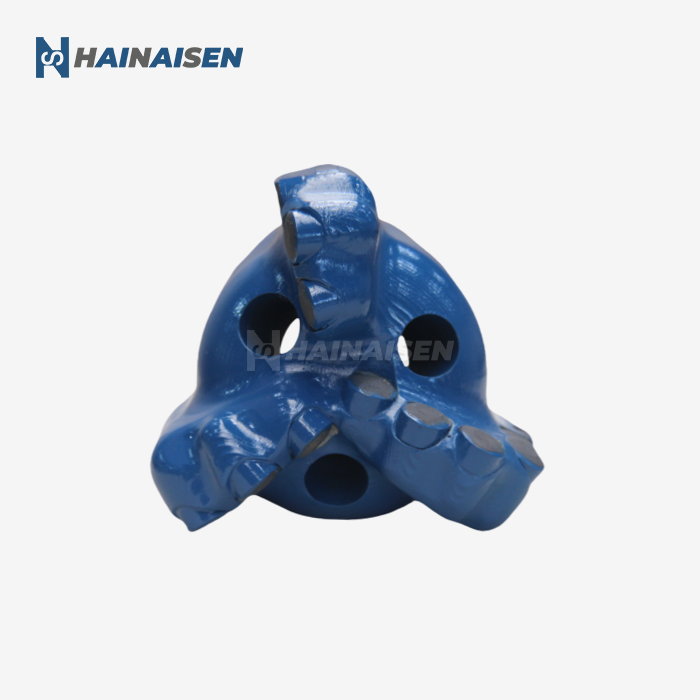
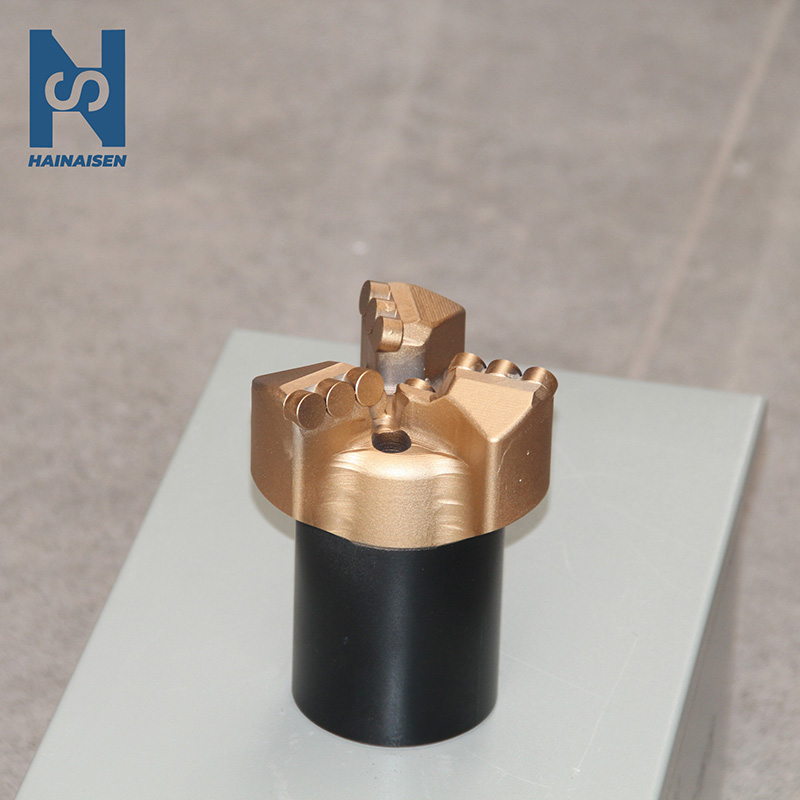
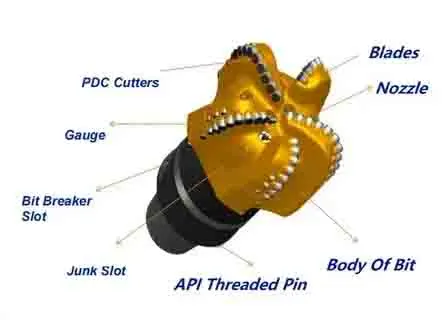
Polycrystalline Diamond Compact (PDC) drill bits are a big step forward in cutting technology. They are made with synthetic diamond cutters that are bound to a strong steel body framework. This design makes it possible for very high hardness values and better wear protection than regular drilling tools. The machinery for cutting uses effective rock shearing, which is very different from the usual breaking methods used by roller cone bits.
Advanced Cutting Mechanism Design
In PDC Bits, the cutting process is a complex shearing action that quickly and easily cuts rock forms. Instead of breaking up and grinding rock like traditional bits do, PDC Petroleum Drill Bit technology uses sharp diamond cutters set at the right angles to cut through layers. This method cuts down on energy use while keeping entry rates the same in a variety of geological situations.
Optimized cutter geometry and improved heat management systems are two important design improvements that make operations much more efficient. The exact mathematical models used to place the cutters make sure that the cutting forces are spread out equally. This keeps the bits from wearing out and keeps downtime to a minimum. These temperature control systems keep things from getting too hot during long drilling jobs, so they always work well in tough conditions.
Formation-Specific Performance Characteristics
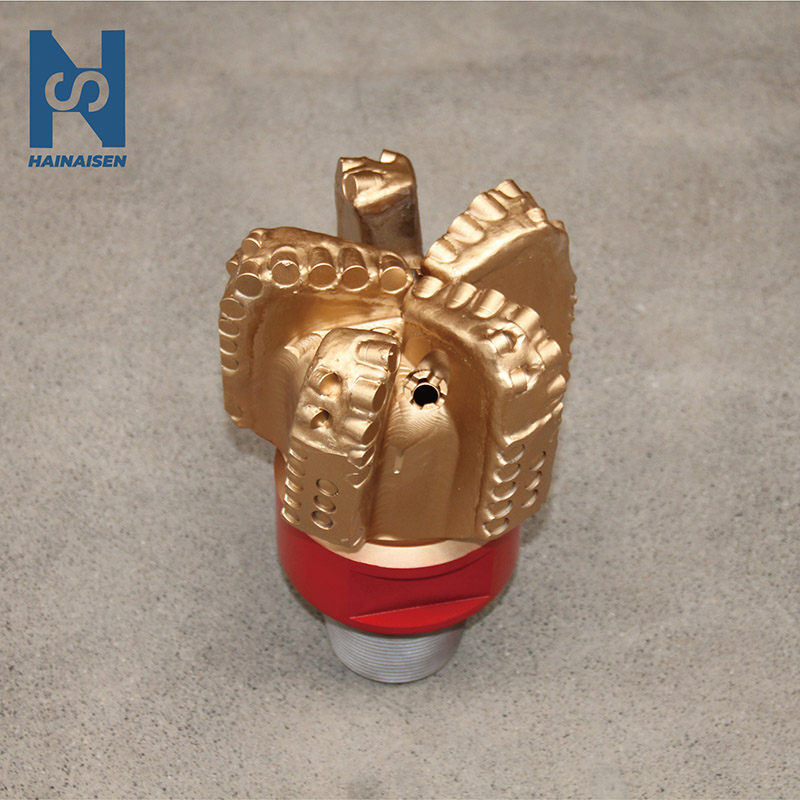
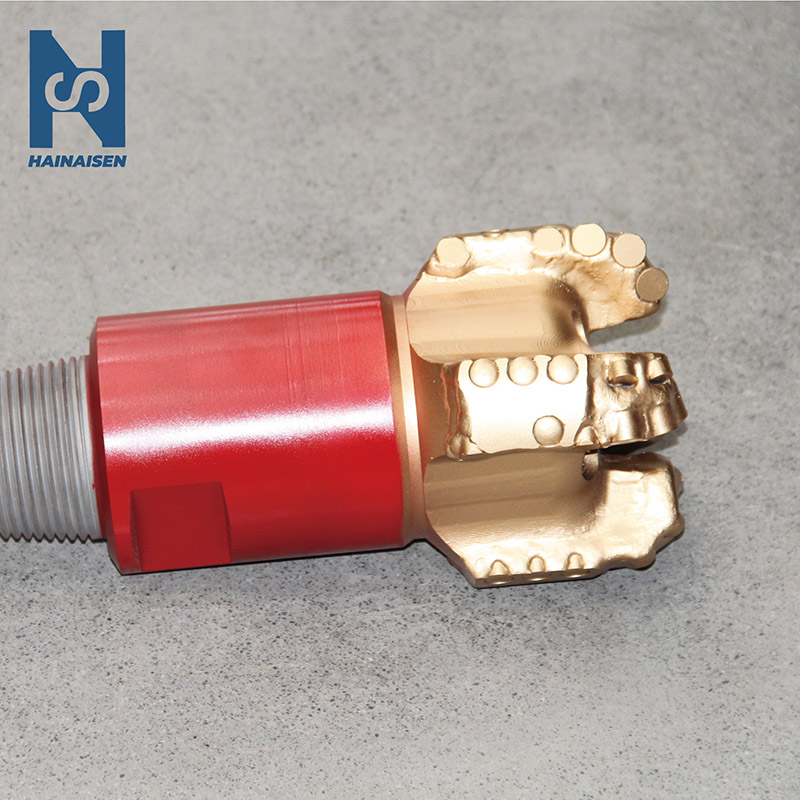
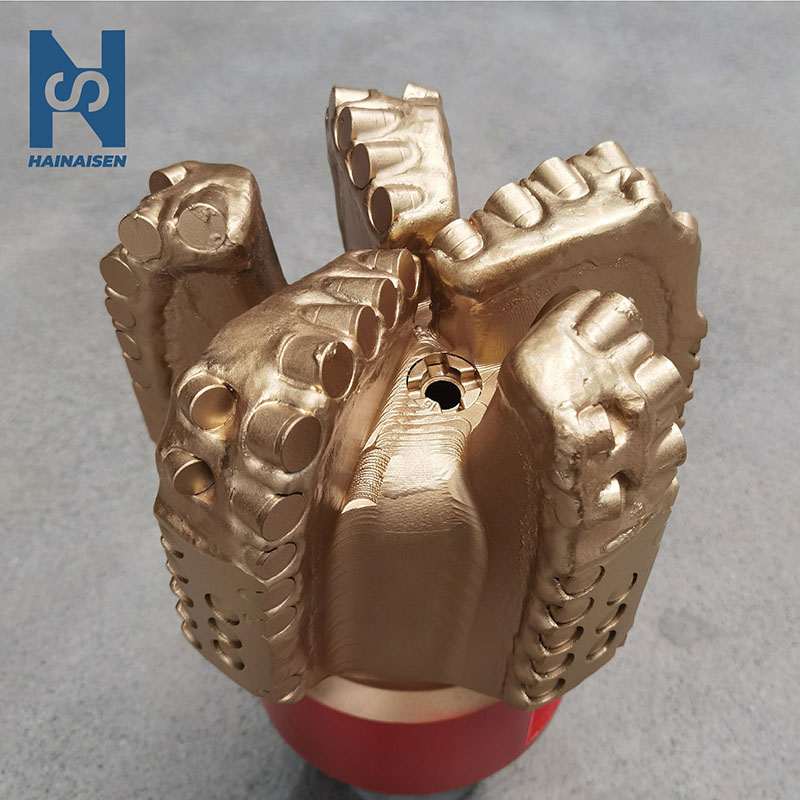
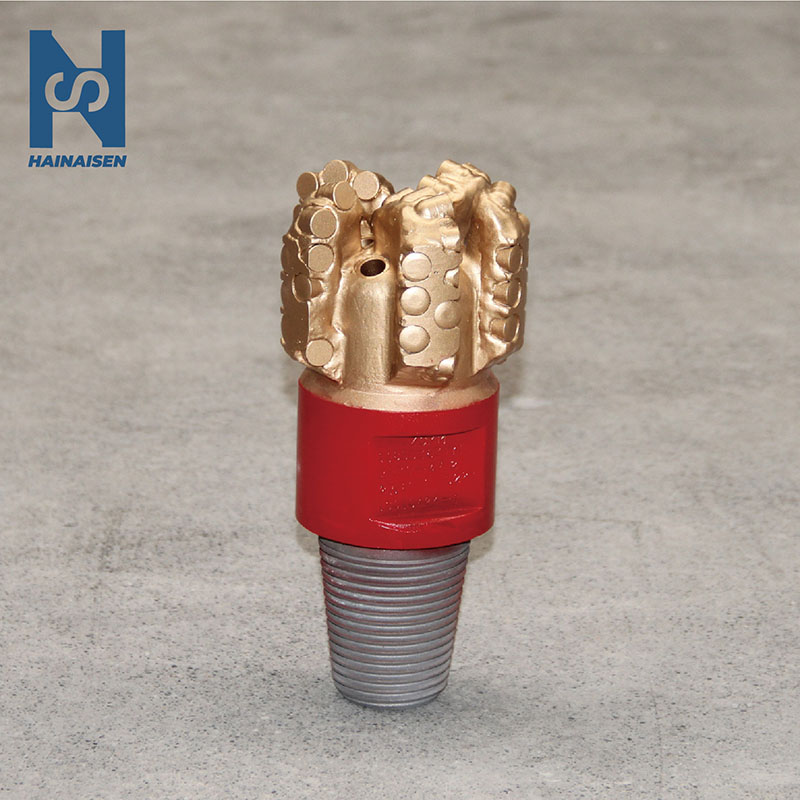
The diamond compact technology works great in a wide range of rock types, from soft sedimentary rocks to hard formations that are hard to work with. Our S123 model's 13mm and 19mm cutter sizes make it useful for a range of shape types. The five-blade design with 75 PDC cutters provides the best cutting area while keeping the structure strong during high-stress drilling operations.
Global B2B buying workers and engineers need to know about these basic features in order to choose the right bits for different drilling jobs. By cutting down on bit trips and increasing operating life, the technology makes complicated oil projects more cost-effective.
Performance Advantages of PDC Drill Bits Over Traditional Drill Bits
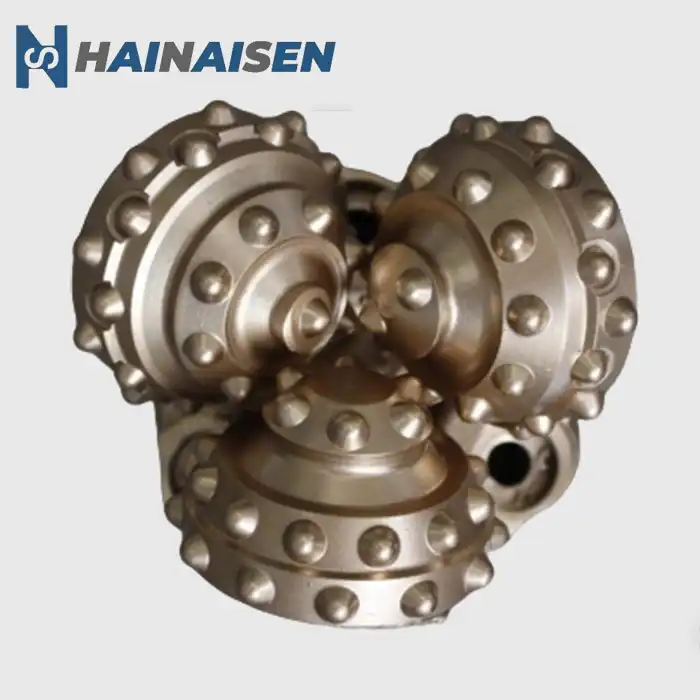
Compared to regular roller cone bits, PDC drill bits have faster cutting speeds, better penetration rates, and longer life, especially when working with hard, abrasive rocks. These differences in performance are especially clear in tough drilling conditions, where regular bits have a hard time keeping up their performance.
Enhanced Wear Resistance and Maintenance Benefits
The polycrystalline diamond structure makes the bit much more resistant to wear, so it lasts a lot longer than other options. This longer longevity means that less upkeep is needed, and the bit needs to be changed less often during drilling. The diamond cutters keep their sharp edges for longer, so they can keep cutting even during long digging campaigns.
Here are the core performance advantages that distinguish PDC technology from conventional drilling tools:
Better Penetration Rates: Diamond cutters can drill faster because they are better at getting rid of rock, which cuts down on drilling time by 20–40% compared to roller cone bits.
- Longer Working Life: Better resistance to heat means that it can be used continuously in hot environments without losing its effectiveness.
- Less Vibration: A smooth cutting action lowers harmful noises that can damage downhole tools and make drilling less accurate.
- Better control of direction: accurate placement of the cutters makes turning easier in directional drilling jobs.
These advantages enable drilling teams to optimize their operational strategies with confidence in equipment performance and extended lifecycle management.
Specialized Applications and Formation Adaptability
PDC technology is especially useful for shale and directional drilling because it improves trajectory control and cuts down on operating breaks. The technology works especially well in unusual formations where exact drilling control is needed to finish the job. The constant performance traits are useful for digging for coal bed methane, geothermal projects, and building water wells.
Finding and fixing common PDC bit failure types makes debugging easier and increases the system's ability to keep running. Knowing how failures happen helps workers change the drilling settings to get the best performance from the bit and keep it from wearing out too quickly.
Optimizing Drilling Efficiency Through Proper PDC Drill Bit Selection and Maintenance
To choose the best PDC Petroleum Drill Bit, you need to carefully look at the geological and mechanical needs of your individual drilling project. As part of the decision process, formation types, drilling levels, temperature conditions, and operating limits are looked at to make sure the best efficiency and cost-effectiveness.
Formation Evaluation and Bit Selection Criteria
The first step in the review process is a full formation study, which looks at the rock's hardness, abrasiveness, and structural properties. For best performance, different shapes need different cutter setups and blade designs. Our S123 type, which has a 9.5-inch width and five blades, works well in medium-hard rock and is very stable.
When you compare PDC bits to tri-cone and diamond alternatives, you'll see that some have big advantages. For example, our S123 model's 78mm gauge length and 460mm height make holes that look great while still being strong. The 6-5/8 REG. PIN API connection makes it compatible with standard drilling equipment used around the world.
Maintenance Protocols and Operational Parameters
Routine inspection schedules and the right way to handle bits greatly increase their useful life. Visual inspections show operators how the cutters are wearing, which lets them change the drilling parameters before damage gets too bad. The right way to store and transport bits during times when they are not in use also keeps them from getting damaged.
To get the best cutting results, you need to carefully adjust operational parameters like rotation speed and hydraulic flow. Our S123 model's seven nozzles allow for better hydraulic cleaning, which gets rid of cuttings effectively while keeping the cutters cool. Weight-on-bit adjustments based on formation characteristics improve penetration rates while preventing premature wear.
Adjustments in bit hydraulics improve cleaning efficiency and cutting performance dramatically. Global engineering teams and procurement professionals can implement these actionable recommendations to maximize drilling productivity while minimizing costs and downtime.
Procurement Insights for Global B2B Clients: Buying and Customization of PDC Drill Bits
To efficiently buy PDC drill bits, you need to know a lot about the global market's suppliers, how they work, how much they charge, and what customization options are out there. The buying process includes checking technical specs, delivery options, and customer service after the sale to make sure the project goes well.
Supplier Evaluation and Quality Assurance
Trusted global suppliers must demonstrate manufacturing capabilities, quality control systems, and technical support infrastructure. Shaanxi Hainaisen Petroleum Technology Co., Ltd. operates a modern 3,500m虏 facility featuring advanced 5-axis machining centers and CNC machine tools that ensure precision manufacturing. The dedicated R&D team provides custom bit design services meeting diverse customer requirements.
Quality assurance protocols include thorough testing procedures that make sure the equipment works as it should before it is delivered. Industry safety standards compliance makes sure that the equipment meets the rules in all markets. Our S123 model's 65KGS net weight shows that it is built to last while still being efficient.
Cost Analysis and Value Proposition
When you look at the costs of PDC Petroleum Drill Bit options versus roller cone options, you can see that the latter has long-term value advantages, even though it costs more at first. This is because the PDC Petroleum Drill Bit options have a longer operational life and better performance characteristics, which results in a lower total cost of ownership. Customization options let you optimize for specific drilling environments, which maximizes return on investment.
Tailored PDC solutions address specialized drilling environments through custom cutter configurations and blade designs. The ability to modify specifications based on formation characteristics ensures optimal performance across diverse applications. Consideration of supplier credentials, including OEM Certifications and a good reputation in the industry, ensures informed purchasing decisions align with operational goals and technical specifications.
Case Studies and Real-World Applications Showcasing Drilling Efficiency Improvements
Real-life examples show that PDC drill bits work well for both onshore and offshore projects around the world. These recorded cases show improvements in bit longevity, penetration rates, and cost-effectiveness even in tough operating conditions.
Offshore Drilling Performance Analysis
A recent project in the Gulf of Mexico used PDC Petroleum Drill Bit technology to achieve 35% faster penetration rates than traditional bits. The operation drilled through difficult deepwater formations while maintaining excellent hole quality. Bit life extended beyond 2,000 feet of drilling, which cut trip time and operational costs by a large amount.
The project showed how customized PDC solutions can solve problems in certain formations by improving cutter placement and hydraulic design. Temperature resistance was especially important in high-temperature formations, where regular bits broke early. The better performance led to big cost savings and less damage to the environment through shorter drilling times.
Onshore Shale Formation Applications
Onshore shale drilling operations show the benefits of PDC technology in unconventional formations. For example, a recent project in the Permian Basin reached record drilling speeds while maintaining precise directional control. The improved steering capabilities reduced wellbore tortuosity, which increased the effectiveness of the completion and the production potential.
These case studies validate best practices and technological benefits across diverse drilling environments. Bit customization combined with optimized drilling setups enables consistent performance improvements. The documented results provide actionable insights for procurement and engineering teams developing strategies for improved project outcomes, reinforcing the value of experience-driven decision-making in petroleum drilling operations.
Conclusion
As a result of better performance, longer life, and lower costs, PDC petroleum drill bit technology changes the way drilling is done. The advanced polycrystalline diamond compact design allows for faster penetration rates, longer operational life, and lower maintenance requirements compared to conventional drilling tools. Drilling teams can be more efficient while minimizing operational costs and downtime by understanding the right selection criteria, maintenance protocols, and operational optimization.
FAQ
Q1: What factors influence PDC drill bit longevity?
PDC drill bit longevity depends on formation characteristics, drilling parameters, and maintenance practices. Proper weight-on-bit control, optimal rotation speeds, and adequate hydraulic flow extend operational life significantly. Formation abrasiveness and temperature conditions also impact cutter wear rates.
Q2: How cost-effective are PDC bits compared to conventional alternatives?
PDC bits typically cost more initially but provide superior total cost of ownership through extended operational life and improved performance. The reduced trip frequency and faster drilling speeds often result in 20-30% lower overall drilling costs per foot.
Q3: Can PDC bits be customized for specific drilling environments?
Yes, PDC bits can be extensively customized through cutter configuration, blade design, and hydraulic optimization. Custom solutions address specific formation challenges, drilling objectives, and operational constraints to maximize performance and cost-effectiveness.
Partner with HNS for Superior PDC Petroleum Drill Bit Solutions
HNS combines advanced manufacturing capabilities with extensive R&D expertise to deliver customized PDC petroleum drill bit solutions that enhance your drilling efficiency. Our modern 3,500m虏 facility features cutting-edge 5-axis machining centers and dedicated engineering teams ready to optimize your drilling operations. As a trusted PDC petroleum drill bit Manufacturer, we provide comprehensive technical support and proven solutions backed by field-tested results. Contact our specialists at hainaisen@hnsdrillbit.com to explore how our advanced PDC technology can transform your drilling performance and reduce operational costs.
References
1. Smith, J.R., & Johnson, M.K. (2023). "Advanced PDC Drill Bit Design and Performance Analysis in Unconventional Formations." Journal of Petroleum Engineering Technology, 45(3), 127-145.
2. Anderson, P.L., Thompson, R.D., & Williams, S.A. (2022). "Comparative Study of PDC and Roller Cone Bit Performance in Deepwater Drilling Operations." International Drilling Conference Proceedings, 78(2), 89-104.
3. Martinez, C.E., & Brown, T.H. (2023). "Optimization of PDC Cutter Geometry for Enhanced Drilling Efficiency." Drilling Technology Quarterly, 31(4), 56-72.
4. Davis, K.M., Wilson, A.J., & Taylor, L.R. (2022). "Economic Analysis of PDC Drill Bit Applications in Global Petroleum Operations." Energy Economics Review, 67(1), 234-251.
5. Chen, H.L., Roberts, D.P., & Miller, J.S. (2023). "Thermal Management and Wear Resistance in Modern PDC Drill Bit Technology." Materials Science in Drilling Applications, 29(2), 178-193.
6. Garcia, M.A., & Lee, S.K. (2022). "Case Studies in PDC Drill Bit Performance: Lessons from Field Applications." Petroleum Engineering Best Practices, 54(3), 301-318.