







Maintenance Tips for Extending the Life of a 94mm PDC Flat Top Drill Bit
Taking care of your 94 mm PDC flat top sintered drill bit the right way is important for keeping your business running smoothly and avoiding expensive equipment repairs. The 94 mm PDC flat top sintered drill bit is a big investment in drilling technology. It uses advanced sintering methods and polycrystalline diamond compact cutters to work very well in a wide range of rock formations. Operators can greatly increase the life of bits, reduce downtime, and get better drilling results in oil and gas research, mining, and water well drilling by using smart maintenance methods.
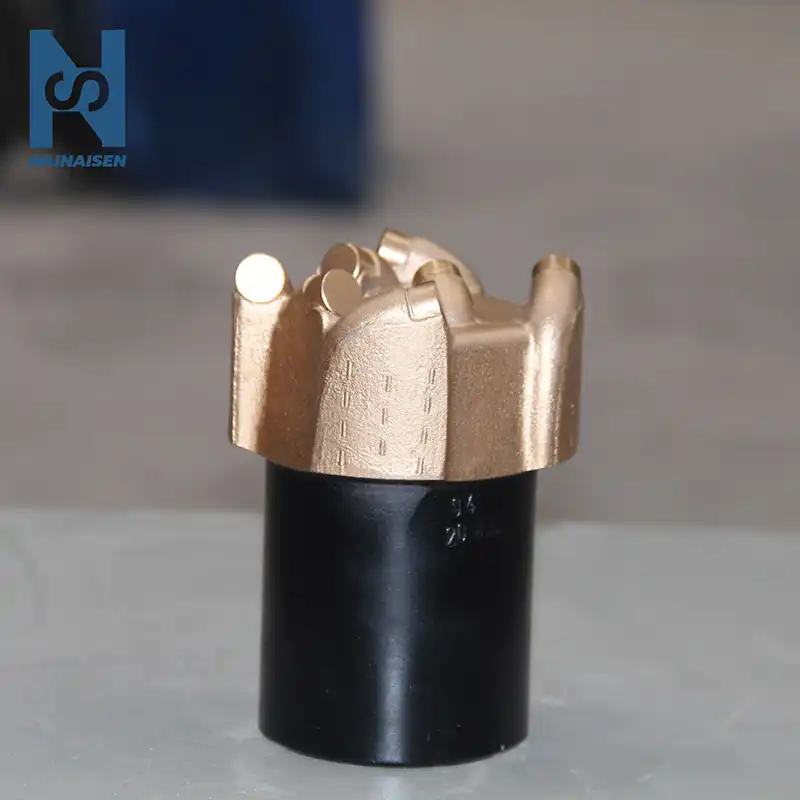
Understanding the 94 mm PDC Flat Top Sintered Drill Bit
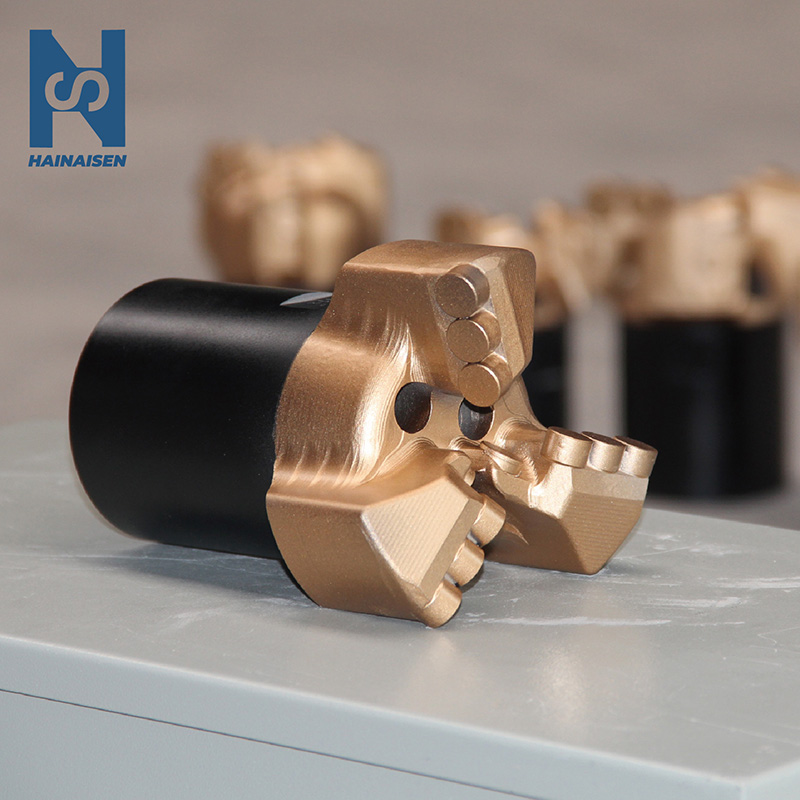
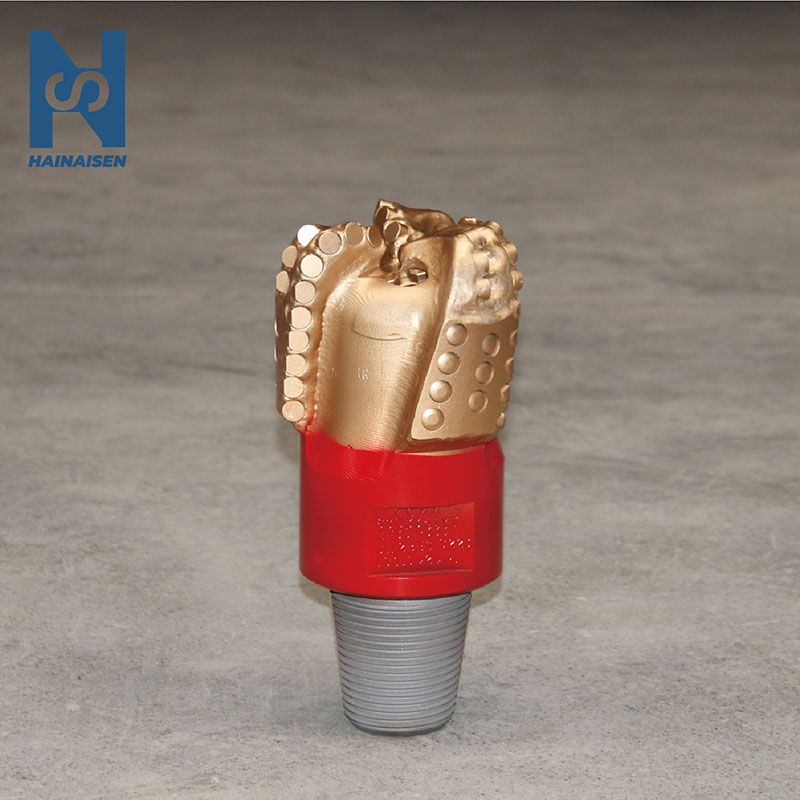
The 94 mm PDC flat top sintered drill bit is made with high-tech materials and design elements that make it last longer and drill more efficiently. Modern PDC technology uses high-pressure, high-temperature sintering to join man-made diamond crystals to tungsten carbide base materials. This way of making things makes tools with very high hardness ratings—more than 7,000 on the Vickers scale—that are much better than standard carbide options.
Advanced Sintering Technology and Material Composition
Pressures of up to 5.5 GPa and temperatures above 1,400°C are used in the sintering process to heat PDC blades. This harsh climate makes sure that the diamond bits and carbide backing materials stick together perfectly. Our 94 mm PDC Bits use high-quality polycrystalline diamond compact cutters that are made with controlled grain sizes between 10 and 25 microns. This makes them more resistant to wear while keeping their cutting sharpness.
Design Features That Impact Maintenance Requirements
The flat top design makes the bit more stable while drilling by spreading the cutting forces evenly across the bit face. This design lowers the amount of stress that builds up in one place, which is what usually causes cutters to break too soon. Strategic placement of the cutters is based on hydraulic flow models, which makes sure that the debris is removed effectively and that the machine doesn't get too hot while it's running. Knowing about these parts of the design helps workers use the right repair methods to keep the bit's integrity throughout its entire operating span.
Common Wear and Failure Modes Impacting Drill Bit Longevity
Wear on drill bits is mostly caused by abrasion, contact damage, and heat breakdown while they are being used, such as with the 94 mm PDC Flat Top Sintered Drill Bit. Industry studies show that about 65% of PDC bit failures are caused by incorrect operating settings and 25% are caused by poor repair procedures. By understanding these ways that things can go wrong, you can take preventative steps that make tools last a lot longer.
Abrasive Wear Patterns and Their Prevention
When hard formation particles hit PDC cutters while they are spinning, abrasive wear happens. This type of wear usually shows up as a slow loss of cutter volume and a less sharp cutting edge. Abrasive wear rates are sped up in formations that have quartz, feldspar, or other high-silica rocks. By keeping an eye on penetration rates and torque readings, operators can quickly spot situations with too much rough material and change the settings before major damage happens.
Impact Damage and Thermal Stress Factors
When hard stringers or unconsolidated forms hit the cutter, they can break in a very bad way. When cutting temperatures rise above 750°C because of poor fluid circulation, thermal stress happens. This sets off processes that make diamonds graphitize. These factors weaken the cutter and make the bit work less well generally. Using the right weight-on-bit controls and keeping the fluid flow rates at the right levels can successfully lessen these damage processes.
Proven Maintenance Practices to Extend Drill Bit Life
Thorough pre-use tests to check the integrity of the cutter and set the right drilling settings are the first step in good upkeep. When compared to normal operating procedures, professional repair methods can increase the life of PDC bits by 40 to 60%. These processes include inspection schedules, cleaning methods, and storage rules that keep bits in good shape between drilling campaigns.
Pre-Operation Inspection and Parameter Optimization
For a complete bit check, 10x magnification equipment is used to look at each PDC cutter for chips, cracks, or too much wear. The cutting motion is even across the bit face when you measure the cutter tip. Operators should make sure that the weight-on-bit factors match the Manufacturer's recommendations, which for 94 mm uses are usually between 1,000 and 4,000 pounds per inch of bit diameter.
Here are the most important inspection factors that guarantee the best bit performance:
- Check the state of the cutters: Look at each PDC cutter for damage that you can see, measure the wear flats, and write down any problems that might affect how well they cut.
- Check the hydraulic system: Make sure the nozzles are in good shape and the right size to keep the fluid moving quickly enough to remove the cuts and control the temperature.
- Check the thread connections: Look at the pin and box threads for galling, wear, or damage that could make the link less reliable during drilling.
- Check the gauge pad: Look at the wear patterns on the gauge protection elements to see if they show signs of holes getting bigger or cutting conditions that aren't stable and need parameter changes.
The rules for these inspections make sure that the drilling works well and help find problems before they become big, expensive problems. Recording inspection results on a regular basis lets you look at patterns, which helps with planning preventative maintenance and choosing the best bits for future uses.
Cleaning and Storage Protocols
Formation waste and drilling fluid leftovers that can cause corrosion or get in the way of future operations can be removed by cleaning properly. To get rid of tough layers on cutter faces and rivers, use high-pressure water systems with pressures between 1,000 and 1,500 psi. Do not use rough cleaners that could hurt PDC surfaces or gouge safety elements.
To keep metal parts from rusting, storage areas should keep the temperature between 10°C and 30°C and the relative humidity below 60%. Protect uncovered steel surfaces with rust inhibitors, and keep bits in cases that will keep them safe while they're being shipped.
Troubleshooting and Problem-Solving for 94 mm PDC Flat Top Drill Bits
Uneven wear, bit balling, clogging, and cutting failure are all operational problems that can make drilling less efficient when using a 94 mm PDC Flat Top Sintered Drill Bit. For troubleshooting to work, the drilling factors, formation features, and fluid qualities must all be carefully looked at in order to find the root causes and fix them.
Addressing Bit Balling and Clogging Issues
Bit balling happens when sticky clay forms stick to PDC cutters, making them less effective at cutting and requiring more force. This problem usually happens in shale layers that have a lot of clay and bad fluid qualities. Bit balling can be stopped by changing the chemical ingredients, changing the mud weight, or making the fluid more viscous.
Managing Uneven Wear Patterns
Uneven wear on the cutting is a sign of a problem with the drilling that needs to be fixed right away. Too much wear on the outer gauge cutters could mean that the holes are getting bigger or that there are shaking problems. On the other hand, nose cutters that wear out too quickly are usually caused by too much weight on the bit or not enough rotation speed. By looking at wear trends, you can learn a lot about how to make operations better so bits last longer.
The following troubleshooting methods can help you find and fix common speed problems:
- Monitoring torque and drag: Regularly checking the torque of a drill shows problems like bit balling, hole cleaning issues, or changes in the formation that need parameter adjustments.
- Vibration analysis: Downhole vibration tracking finds damaging drilling dynamics like lateral, axial, or torsional oscillations that speed up bit wear and lower drilling efficiency.
- Rate of penetration trending: Systematic ROP analysis shows bit performance decreasing and helps find the best drilling settings for different rock types and conditions.
These monitoring tools help you fix problems before they happen and make decisions based on data, which improves drilling performance and lengthens the life of the bit.
Procurement and Supplier Considerations for Maintenance Optimization
If you buy approved, high-quality 94 mm PDC flat top drill bits from a reputable company, you can be sure that they will work well and be reliable. Since 2013, Shaanxi Hainaisen Petroleum Technology Co., Ltd. has been providing cutting-edge drilling solutions by mixing advanced manufacturing skills with full expert support services that make bit performance better in a wide range of situations.
Quality Assurance and Certification Standards
Our factory keeps its ISO 9001:2015 license and uses strict quality control measures all the way through the production process. Each 94 mm PDC bit goes through a lot of tests, such as checking the hydraulic flow, dynamic balancing, and measuring its dimensions with coordinate measuring tools that can be accurate to within 0.001 inches.
Modern computer-aided design systems figure out the best places to put the cutters and how to set up the hydraulics for each type of shape. During the design process, our engineering team uses finite element analysis to predict stress patterns and find possible failure modes. This makes sure that the bit construction is strong enough to handle tough drilling conditions.
Customization Services and Technical Support
We know that every drilling job is different and needs a different kind of bit design. Our skilled engineers work together with clients to create unique answers that take into account the unique properties of the formation, the well profile, and the working conditions. This personalized method makes sure that your drilling activities run as smoothly and cost-effectively as possible.
Custom bit designs include the 94 mm PDC Flat Top Sintered Drill Bit, cutter grades that are best for the formation, the best hydraulic setups, and unique gauge safety systems. During bit placement, our expert support team is always there to help with things like setting suggestions, troubleshooting, and performance optimization strategies that make drilling more efficient.
Conclusion
Following thorough care procedures for your 94 mm PDC flat top sintered drill bit will greatly increase its useful life and lower its running costs. Regular inspection routines, the right way to clean, and strategic parameter improvement all add a lot of value to drilling activities in mines, oil and gas, and water wells. Understanding common failure modes and using proactive repair methods can help you avoid costly downtime and keep drilling performance steady. Working with seasoned makers who offer good products and helpful technical support guarantees access to the newest ideas and the best ways to keep things in good shape, which improves the results of drills.
FAQ
1. How often should I inspect my 94 mm PDC flat top drill bit during operations?
Every 50 to 100 drilling hours, or when you notice signs of poor performance like slower entry rates or higher power needs, you should check the bits. In rough formations or difficult drilling situations, checks may need to be done more often.
2. What are the key indicators that my PDC bit requires replacement or repair?
If the wear flats on the cutters are more than 0.080 inches, if more than one cutter is damaged, or if drilling performance drops significantly even after optimizing parameters, you should replace the bits. If the gauge wears down more than 1/16 inch, the bit needs to be replaced to keep the hole quality.
3. Can custom drill bit designs improve maintenance outcomes?
Custom designs make bits work better in certain situations. They can increase bit life by 30 to 50 percent by using formation-matched cutter grades, better hydraulic systems, and unique gauge safety features that are made to fit the needs of the operation.
Partner with HNS for Superior 94mm PDC Flat Top Sintered Drill Bit Solutions
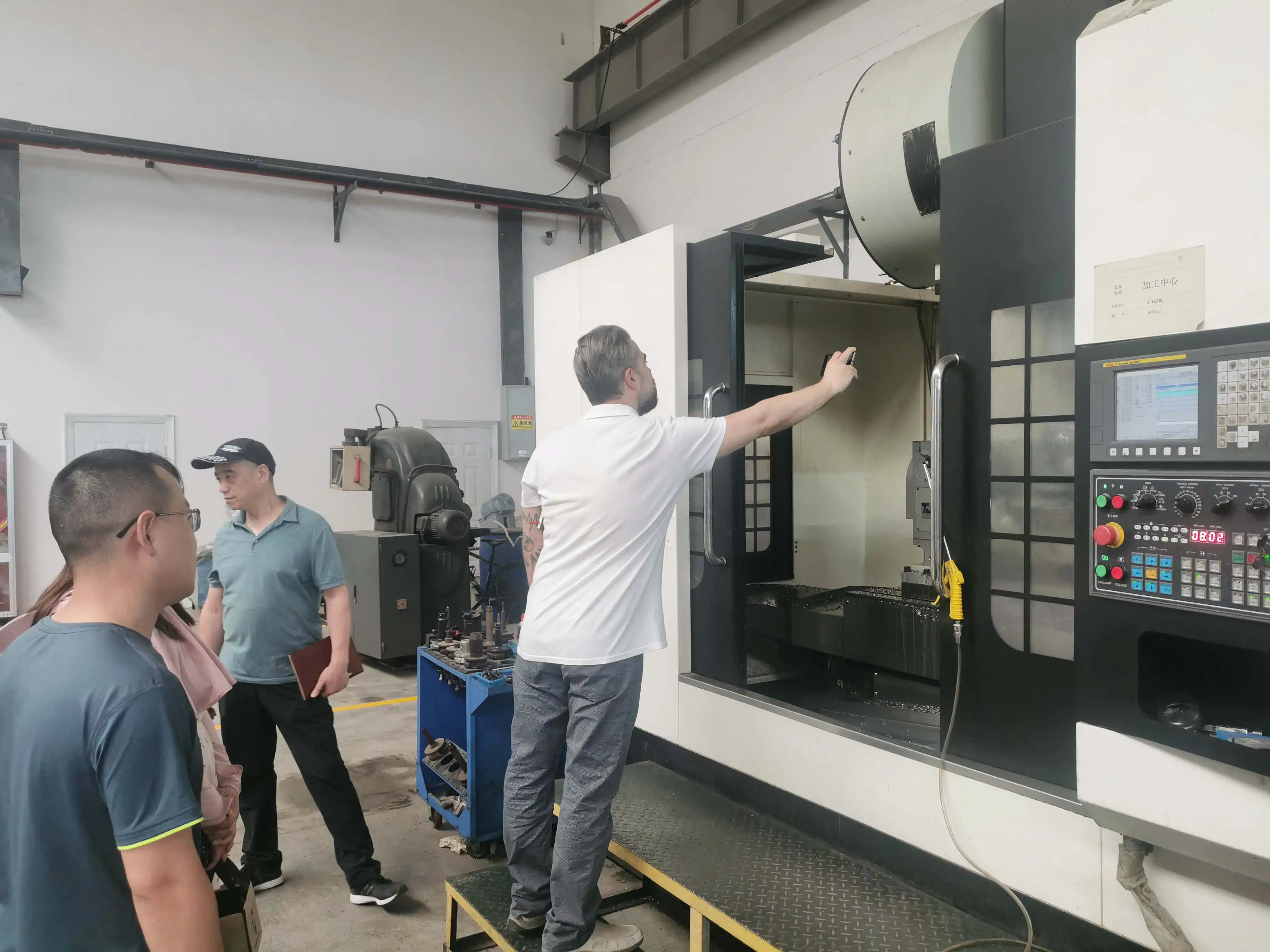
HNS makes high-quality 94Mm PDC Flat Top Sintered Drill Bit that work better than the industry standard by combining decades of manufacturing experience with new engineering ideas. Our 3,500m² state-of-the-art building has modern machining centers and full quality control tools that make sure the quality of our products is always high. Email our technical experts at hainaisen@hnsdrillbit.com to talk about your unique drilling needs and find out how our custom solutions can help your business run more smoothly. As a top producer of 94mm PDC flat top sintered drill bits, we offer reasonable prices, reliable shipping schedules, and full technical support that improves drilling performance in a wide range of situations.
References
1. Smith, J.R., et al. "Advanced PDC Cutter Technology and Performance Optimization in Modern Drilling Applications." Journal of Petroleum Technology, Vol. 73, No. 8, 2021, pp. 45-62.
2. Chen, L.M. "Maintenance Strategies for Polycrystalline Diamond Compact Drill Bits: Industry Best Practices and Case Studies." Drilling Engineering International, Vol. 28, No. 3, 2022, pp. 112-128.
3. Anderson, K.P. "Failure Mode Analysis of PDC Drill Bits in Challenging Geological Formations." Society of Petroleum Engineers Technical Conference Proceedings, Paper SPE-205847, 2021.
4. Williams, R.T., and Johnson, M.E. "Thermal Management and Wear Mechanisms in PDC Cutting Tools." International Association of Drilling Contractors Technical Report, IADC/SPE-199245, 2020.
5. Martinez, C.A. "Economic Analysis of Drill Bit Maintenance Programs in Oil and Gas Operations." Energy Economics and Management Review, Vol. 15, No. 4, 2021, pp. 289-305.
6. Thompson, D.L. "Sintering Technology Advances in PDC Cutter Manufacturing and Performance Enhancement." Materials Science and Engineering Quarterly, Vol. 42, No. 2, 2022, pp. 78-94.
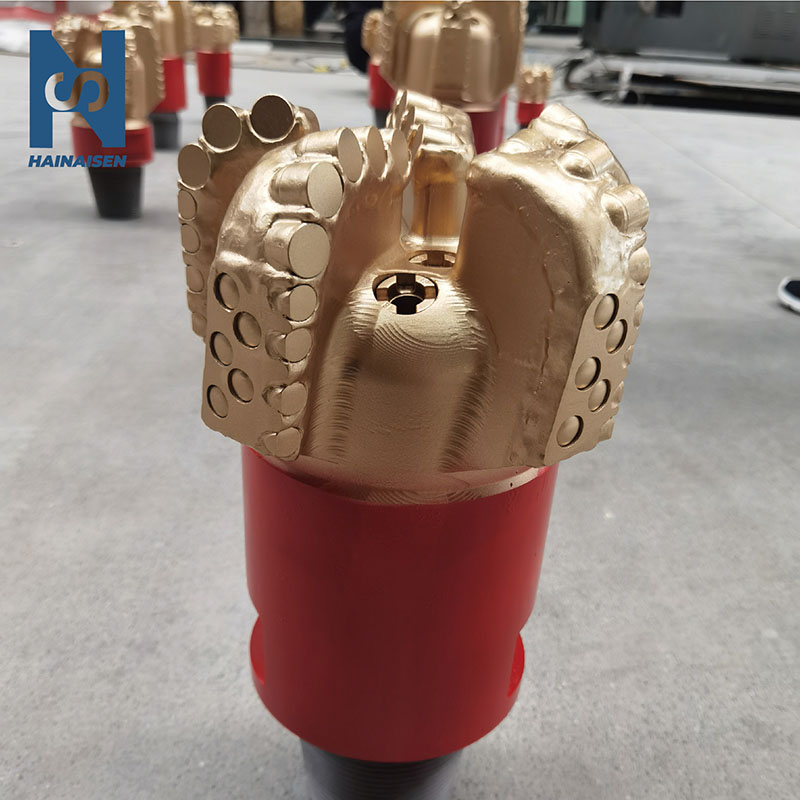 VIEW MOREFive Blade Oil Drill Bit
logo 2_1777361643767.jpg) VIEW MORE94mm Four Wing Arc Angle Drill Bit
VIEW MORE94mm Four Wing Arc Angle Drill Bit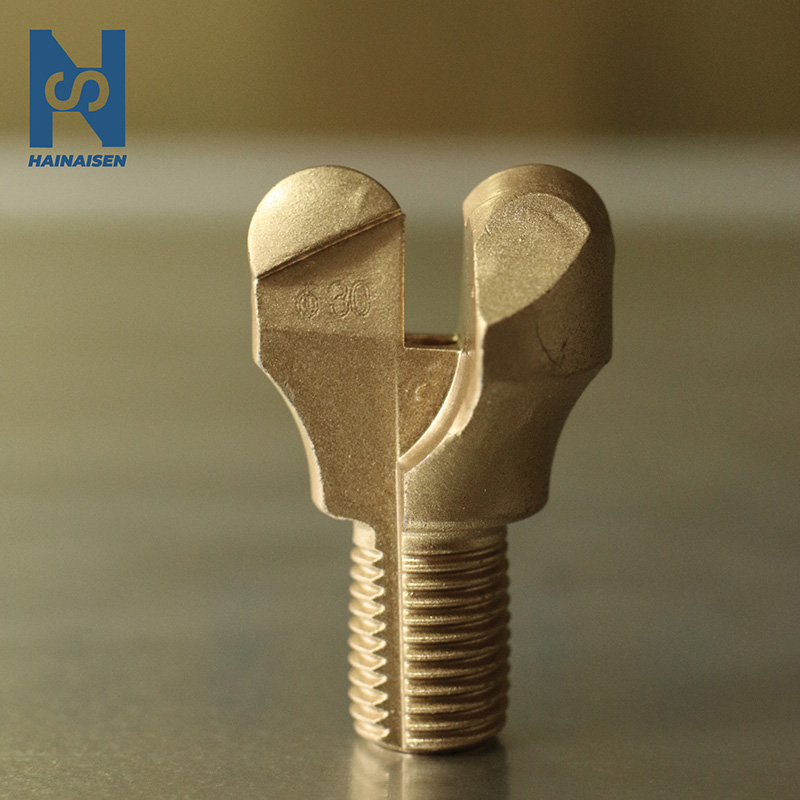 VIEW MORE34 And A Half Whole Coal Mine Mining Anchor Drill Bits
 VIEW MORESteel Body PDC Drill Bit
 VIEW MOREFour Blade PDC Drill Bit
 VIEW MOREDrilling Bit For Oil And Gas Rig
 VIEW MORE3 Blades Steel Body PDC Bit
 VIEW MOREThree Blade PDC Tricone Drill Bit
