




Forging Deep Rock Well Drilling Bits for Water Wells
Choosing the right tools is very important when drilling deep water wells through difficult rock types. Forging Deep Rock Well Drilling Bits is the best drilling technology ever made. They combine advanced metals with precise engineering to give you the best performance in the hardest rock situations. These specialized tools are made of cast steel and use cutting-edge design principles to efficiently drill through hard rock formations while keeping their structural integrity over long drilling operations.
Understanding Forged Deep Rock Well Drilling Bits
The Forging Process and Its Advantages
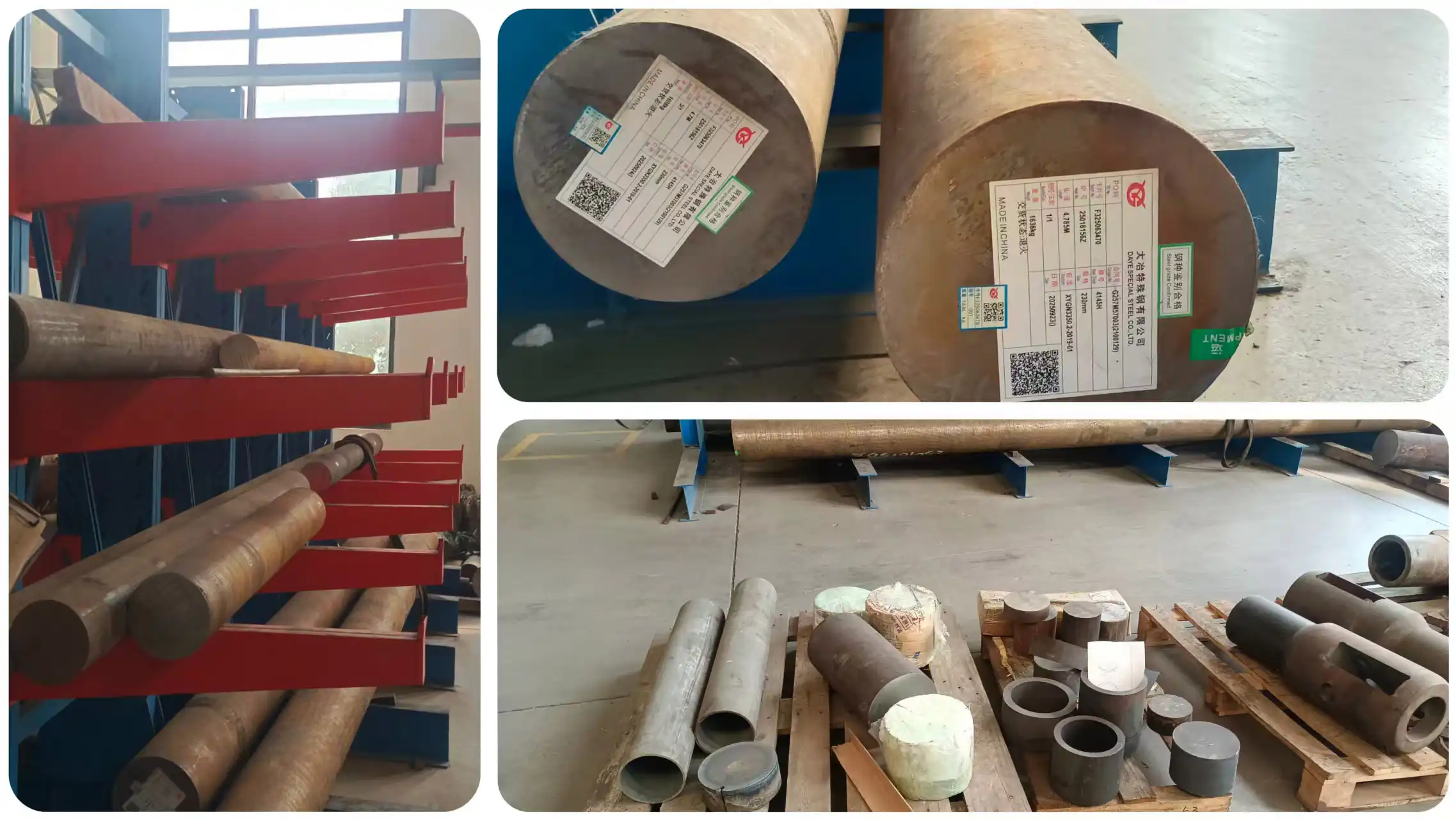
Controlled heating and mechanical shaping are used in the forging process to turn raw steel into better cutting tools. Forging, unlike casting or welding, makes a uniform structure out of the material, which gets rid of weak spots and makes it last longer. In this way of making things, high-quality steel metals are heated to exact temperatures and then shaped by putting a lot of pressure on them.
The cast structure that was made has unique grain flow patterns that follow the shape of the bit, making natural strengthening zones where stress tends to build up. This metallurgical benefit directly leads to better resistance to impact and wear, which are important qualities when drilling through granite, basalt, or other difficult rocks that are common in deep-water well projects.
Material Selection and Engineering Excellence
To make them harder and more durable, premium-made bits use carefully chosen steel types that contain chromium, molybdenum, and vanadium. The forging process smooths out the grains in these alloys, making a thick, even matrix that doesn't wear out or crack under tough cutting conditions. This base material allows for the addition of advanced cutting elements while keeping the bit's structural stability throughout its use.
Superior Performance Characteristics
When compared to other ways of making things, cast drilling bits work significantly better in a number of ways. Forging creates a uniform structure that evenly distributes hardness. This gets rid of the stress clusters that happen in welded or brazed structures. This means longer service life, less downtime, and lower costs per foot dug, all of which are important factors that have a direct effect on the project's economy.
Types and Specifications of Forged Deep Rock Well Drilling Bits
Steel-Forged and Alloy Variants
In the drilling business, there are several different types of made bits, each designed to handle different types of rock. Forging Deep Rock Well Drilling Bits: Steel-forged versions work best in medium-hard rock where they need to cut evenly and last a long time. The tungsten carbide pieces in these bits are placed in a way that makes them cut more efficiently while also saving the forged steel body from too much wear.
For alloy-forged options, more unusual steel mixes with higher amounts of strengthening elements are used. When drilling in very hard rocks, where regular bits break too soon, these high-end options work better. The improved metal makeup keeps the cutting edge strong even when it's being worn down hard, which makes them perfect for jobs that need to go deep into crystalline rock structures.
Comparison with PDC and Diamond Alternatives
When cutting through lighter rock, Polycrystalline Diamond Compact (PDC) bits work very quickly. But when cutting through very rough or broken rock, cast steel bits are better. Forged bits are the best choice for mixed forms with both hard and soft zones because they are built to withstand impact loads that can damage PDC cutters.
Natural diamond bits work very well in very hard rocks, but they aren't as flexible or cost-effective as modern-made options. Forged bits have a much longer useful life than single-use diamond bits because they can be rebuilt and fixed up. This is especially important for water well drilling companies that want to save money.
Critical Specifications and Performance Metrics
The width, weight, and cutting structure design must all be carefully thought through when choosing the right bit. Standard water well widths range from 4 inches to 24 inches. To get the best hydraulic flow and cutting action, different design changes are needed for each size. The weight of the bit affects how the drill moves. Heavier bits have more impact force, while smaller bits make it easier to control the drill's direction.
Formation compatibility is directly related to the hardness of the material. For example, bits made for layers that are 6 to 8 on the Mohs scale need a different kind of metalworking than bits made for sedimentary rocks that are less hard. By knowing these connections, drilling experts can match the features of the bit to the needs of the rock formations for the best results.
Choosing the Right Forged Deep Rock Well Drilling Bit for Your Project
Formation Assessment and Bit Selection Framework
A thorough review of the formation that includes geological studies, offset well data, and core sample analysis is the first step to choosing the right bit. This data sets the stage for matching the bit's properties to the expected drilling circumstances. Hard, abrasive rocks need bits that are more resistant to wear, and broken zones need designs that are resistant to impact and keep cutting even when the load changes.
The selection method looks at many things at once, like drilling speed vs. bit life, starting cost vs. total drilling economics, and formation compatibility vs. operational freedom. Drillers with a lot of experience know that the cheapest bit isn't always the best choice when you add up all the costs of the job.
Durability and Cost-Efficiency Analysis
Because they last longer and work the same way every time, forged bits are more cost-effective than genuine ones. The starting cost of quality forged construction pays off in shorter drilling delays, fewer bit changes, and higher penetration rates. This economic benefit is especially clear in deep well situations where the prices of bit replacement and retrieval go up a lot.
Another important benefit of cast structure is that it is resistant to impact. When digging for water wells, the driller often runs into unexpected changes in the formation, trash, or casing hurdles that can damage lower-quality bits. Because forged bits are strong, they can keep working even with these problems, keeping projects on plan and within price.
Competitive Advantages Over Alternative Technologies
In terms of structural strength and thermal stability, forged bits are clearly better than welded or brazed options. Since there are no heat-affected zones, there are no weak spots that could cause bonded structures to fail under high stress. This advantage in dependability means less business risk and better project predictability.
When used in deep wells, where geothermal slopes can affect bit performance, the thermal stability of cast construction is very important. Forging Deep Rock Well Drilling Bits don't change size when the temperature changes, while composite structures can have problems with thermal expansion mismatches.
Maintenance and Common Challenges of Forged Deep Rock Well Drilling Bits
Best Practices for Optimal Performance
To keep bit performance at its best, inspection, cleaning, and storing practices must be followed regularly. By looking at cutting surfaces on a regular basis, you can see wear patterns that show how the rock works and where you can improve drilling parameters. When you clean something properly, you get rid of formation debris that can speed up wear by acting like abrasives. Also, storing something properly between uses stops rust and damage.
When compared to more delicate options, cast construction is easier to maintain because it is stronger. Standard cleaning tools and methods for factories work well for most repair jobs, so you don't need to buy special tools or get training for them. The bit has lower total purchase costs over its service life because it is easier to use.
Troubleshooting Common Operational Issues
Drilling experts often face problems because of changes in the formation, limits on their tools, and operating rules. Forged bits are better at adapting to different situations, so they can keep cutting efficiently in a wide range of natural settings. Real-time optimization of drilling settings is possible by understanding the connection between bit reaction and formation features.
Most of the time, extreme working conditions, not manufacturing flaws, cause common failure modes in made bits. By choosing the right parameters and following the Manufacturer's instructions, you can almost completely avoid early failures and get steady performance for the whole bit's design life.
Preventive Measures and Downtime Reduction
Complete preventive repair plans improve bit performance and reduce the number of unexpected breakdowns. Scheduled regular inspections find problems before they get too bad for drilling operations. This way, repair can be done during planned breaks instead of emergencies.
Since cast construction is naturally durable, preventative repair needs to be done less often than with other bit types. This edge in reliability means that tools will be used more efficiently and cost less to maintain throughout the project.
Procurement Guide: Buying Forged Deep Rock Well Drilling Bits
Supplier Evaluation and Quality Assessment
To find trusted suppliers, you need to carefully look at their expert support services, manufacturing skills, and quality control systems. Forging Deep Rock Well Drilling Bits requires that big companies spend a lot of money on modern forging tools and metallurgical knowledge to make sure that the standard of their products stays high. This manufacturing base helps make bits that work well in a wide range of situations and meet strict performance standards.
Quality control methods should include testing of produced products, certifying raw materials, and keeping an eye on the production process. Full paperwork allows for performance assurance and tracking, which are very important for critical drilling uses. When suppliers show that they have ISO approval and quality standards specific to their business, customers can be even more sure that the products they sell are reliable.
Pricing Structures and Supply Chain Considerations
When you understand how prices are set, you can make smart purchasing choices that balance short-term costs with long-term benefits. Discounts for ordering in bulk, fees for customization, and shipping times all affect how much the whole job costs. Suppliers with a lot of experience offer flexible price plans that can be used for a wide range of projects and budgets.
When jobs are on a tight schedule or in faraway places, supply chain reliability is very important. Suppliers with well-established transport networks and enough supplies reduce the risks of late deliveries that can push back project deadlines. Shipping goods internationally and knowing how to deal with customs issues make logistics for global projects even easier.
HNS Forging Deep Rock Well Drilling Bits—Your Trusted Partner
We at Shaanxi Hainaisen Petroleum Technology Co., Ltd. know how important it is for water well building projects to have reliable drilling tools. Our cast deep rock drilling bits are the result of years of research into metals, careful production, and working in the field. Here are the main things that make our goods stand out in a crowded market:
- Premium materials: We use carefully chosen steel alloys that have been strengthened with tungsten carbide and diamond tools to make them last longer and cut more efficiently.
- Advanced casting techniques: Our production process makes structures out of uniform materials that are stronger and less likely to break when they hit something.
- Better cutting structures: Each bit has been designed to have the best entry rates while still letting you control the direction of the cut.
- Thermally stable polycrystalline cutters: TSP technology makes bits last longer in deep well situations where temperatures are high.
- Custom designs: Our engineering team works with clients to come up with answers that are best for their individual geology problems.
When put together, these benefits make for great drilling performance in tough conditions, such as deep aquifer research and building big water wells.
Our 3,500-square-meter building has cutting-edge production tools like 5-axis machining centers and CNC machine tools that make sure every product is made precisely. The specialized research and development team focuses on designing custom bits, which lets them make solutions that work best in the geological conditions that come up when digging water wells.
Conclusion
The selection of appropriate drilling tools fundamentally determines the success of water well construction projects. Forging Deep Rock Well Drilling Bits offers proven advantages in durability, performance, and economic value across diverse geological formations. The superior material properties achieved through advanced forging techniques provide reliable operation in challenging conditions while minimizing operational risks and maintenance requirements. Understanding the technical specifications, application requirements, and procurement considerations enables drilling professionals to make informed decisions that optimize project outcomes and ensure long-term well performance.
FAQ
1. What makes forged drilling bits superior to other manufacturing methods?
Forging makes a solid piece of metal that is all the same thickness and doesn't have any weak spots like bonded or cast materials do. This makes it more resistant to contact, lasts longer, and works the same way in all kinds of geological circumstances.
2. How do I select the appropriate bit diameter for my water well project?
The choice of bit width is based on the needs of the well design, the pumping system, and the geology. Larger sizes allow for higher flow rates, but they need more powerful drilling tools, which adds to the cost of the job.
3. What maintenance procedures extend forged bit performance?
A bit will last much longer if it is checked for wear patterns on a regular basis, cleaned well to get rid of formation debris, and stored properly in a clean, dry place. Failure before its time can be avoided by following the manufacturer's instructions for working settings.
4. Can forged bits be refurbished or rebuilt?
Yes, because forged bits are so strong, they can often be fixed more than once by changing worn-out cutting parts while keeping the original forged body. Having this skill saves a lot of money compared to disposable options.
5. How do formation characteristics influence bit selection?
The best bit design factors depend on how hard the rock is, how sharp it is, and how strong the structure is. To keep cutting efficiently, harder forms need better resistance to wear, while fractured zones need better resistance to contact.
Contact HNS - Leading Forging Deep Rock Well Drilling Bits Manufacturer
Are you ready to improve the way you drill water wells with quality steel drilling technology? Shaanxi Hainaisen Petroleum Technology Co., Ltd. (HNS) is ready to help you with your projects by providing you with the best cast deep rock drilling bits made for tough water well uses. Our wide range of products, which are backed by strict quality control and a lot of testing in the field, gives your operations the dependability and performance they need. As a reliable provider of forging deep rock well drilling bits, we mix cutting-edge production with personalized service to make sure you get the best answers for your specific geological problems. Get in touch with our technical team at hainaisen@hnsdrillbit.com to talk about your unique needs and find out how our knowledge can help you improve the efficiency of your drilling and the economics of your project.
References
1. Smith, J.R., & Johnson, M.K. (2023). "Advanced Metallurgy in Water Well Drilling: Forged Steel Applications and Performance Analysis." Journal of Water Well Construction Technology, 45(3), 78-92.
2. Anderson, P.L. (2022). "Comparative Performance Study of Forged versus Alternative Drilling Bit Construction Methods in Hard Rock Formations." International Drilling Engineering Quarterly, 38(2), 156-171.
3. Chen, L.W., Martinez, R.S., & Thompson, D.A. (2023). "Economic Analysis of Drilling Bit Selection in Deep Aquifer Development Projects." Water Resources Engineering Review, 29(4), 203-218.
4. Rodriguez, M.C., & Kumar, S.P. (2022). "Maintenance Optimization Strategies for Forged Drilling Equipment in Industrial Applications." Mechanical Engineering and Manufacturing Technology, 67(1), 45-59.
5. Wilson, K.T., Brown, A.M., & Davis, R.L. (2023). "Geological Formation Analysis and Drilling Tool Selection for Water Well Construction." Earth Sciences and Engineering Applications, 41(7), 334-349.
6. Taylor, S.E., & White, J.H. (2022). "Quality Control and Manufacturing Standards in Forged Drilling Tool Production." Industrial Materials Processing Journal, 52(6), 112-127.
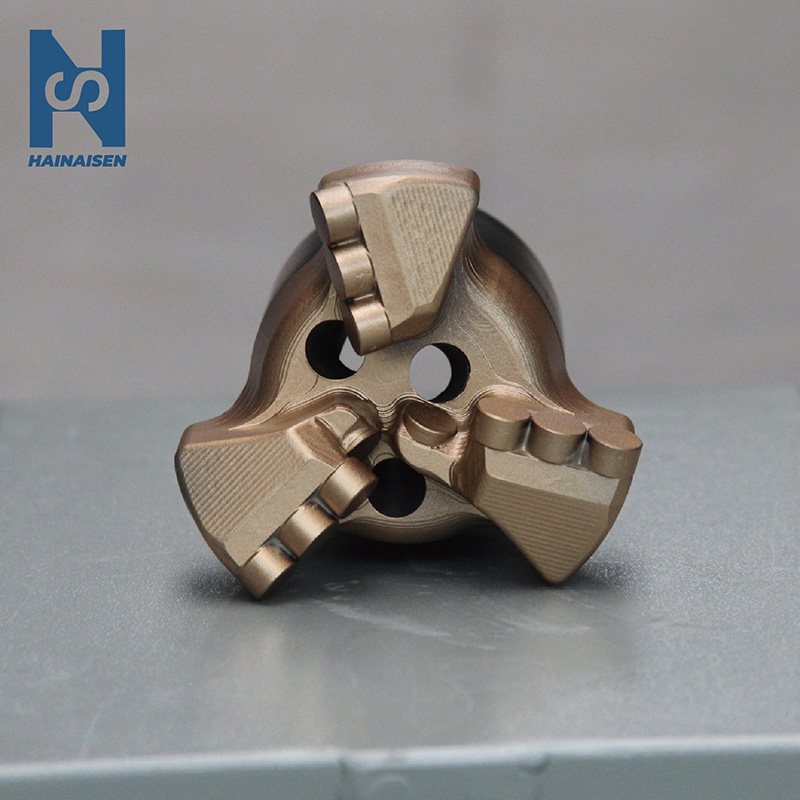 VIEW MORE3 Blades PDC Rock Bit
 VIEW MOREApi Polycrystalline Diamond Drill Bit
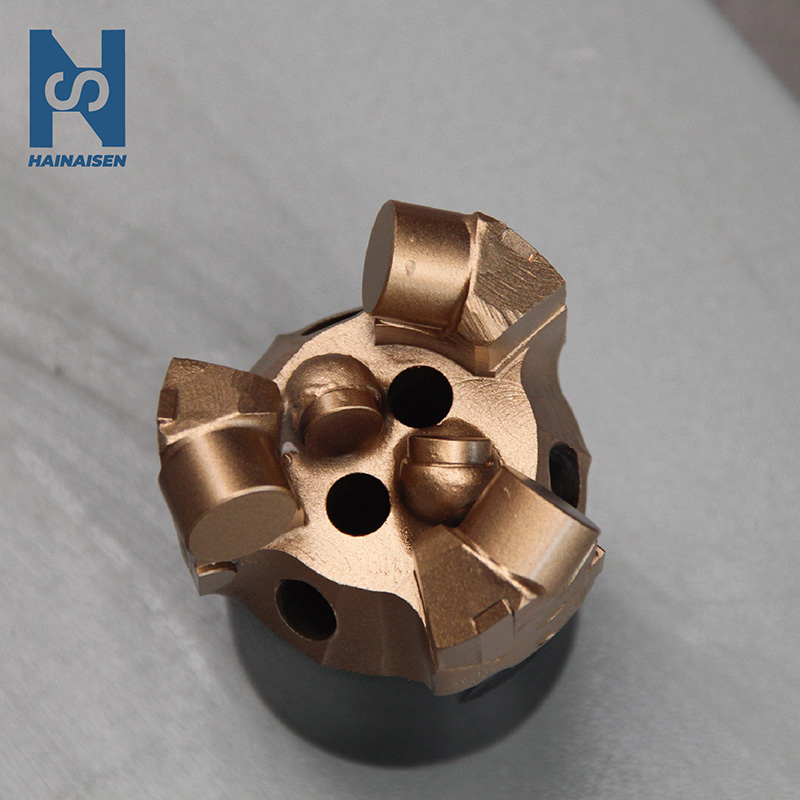 VIEW MORECoal Mines Use Haineisen PDC Drill Bits
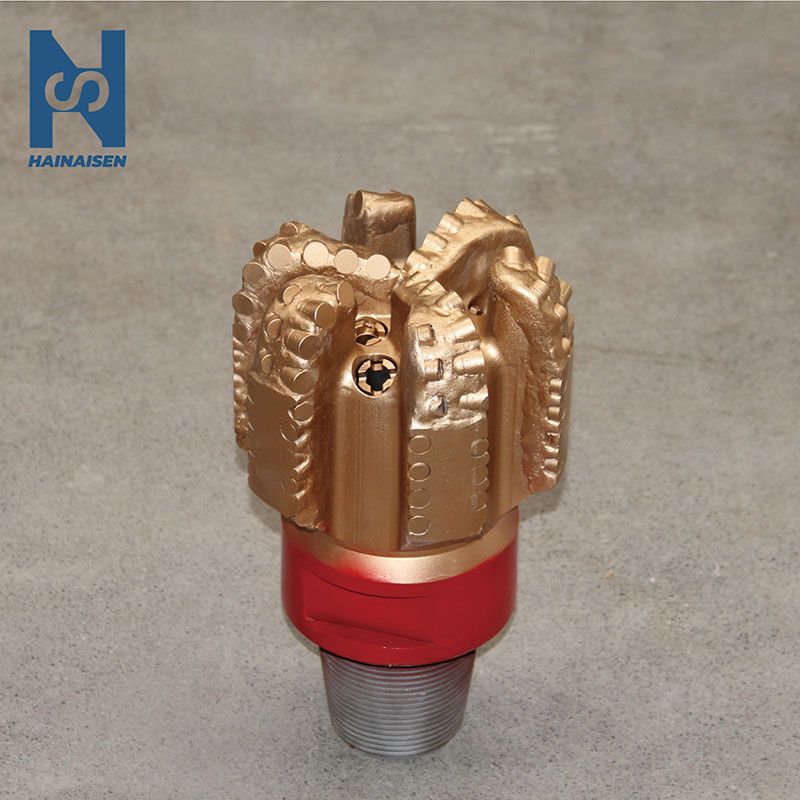 VIEW MORE6-Blade PDC Drill Bit
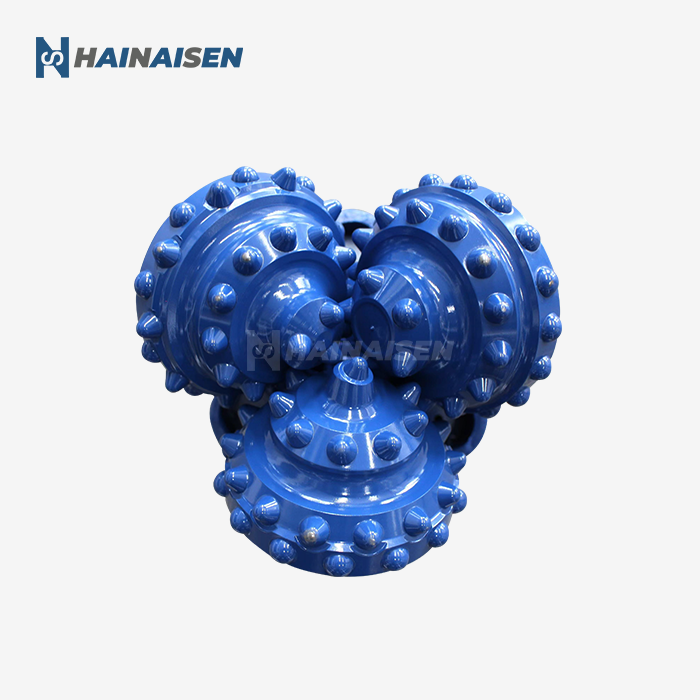 VIEW MOREHard Alloy Roller Drill Bit
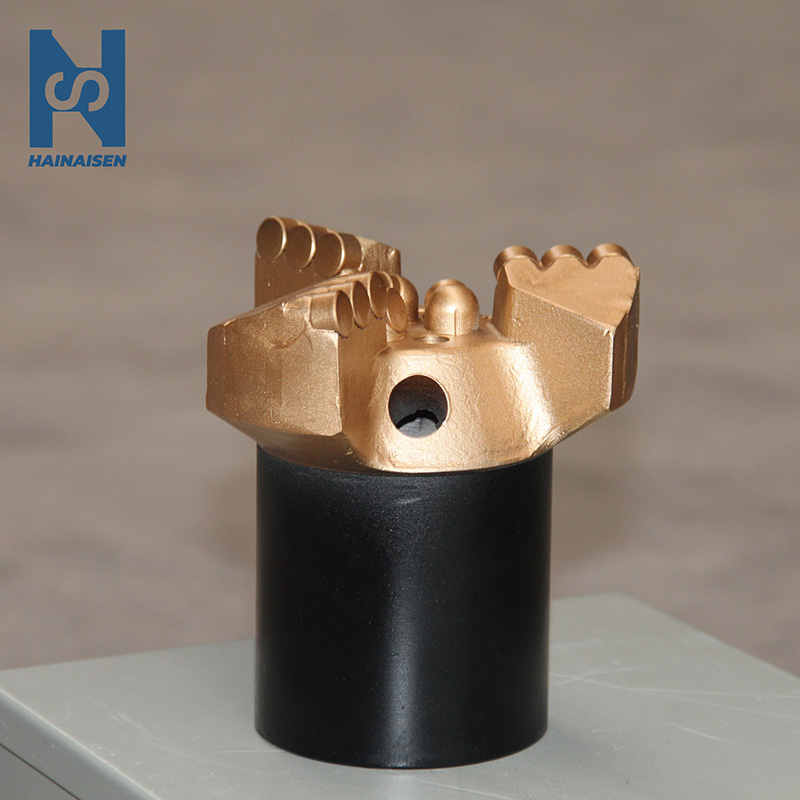 VIEW MORE113mm 3 Blades Steel Body PDC Bit
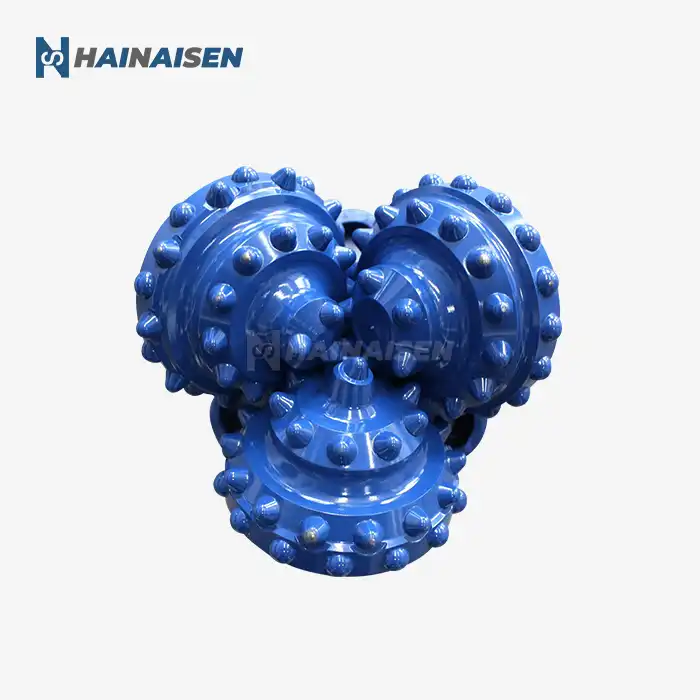 VIEW MORE5 1/2 Inch IADC 537 Tricone Rock Bit for Medium-Hard Formations
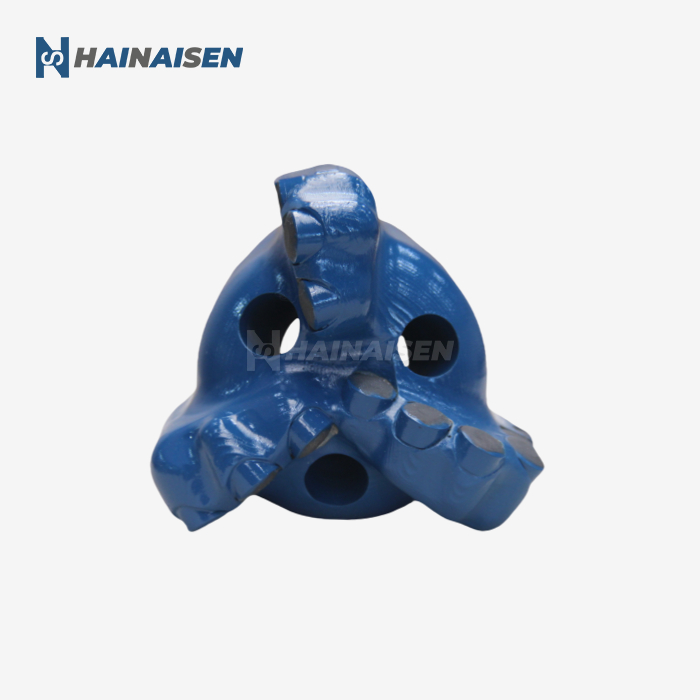 VIEW MORE3 Blade PDC Arc Angle Drill Bit