



PDC Petroleum Drill Bit Field Performance Review
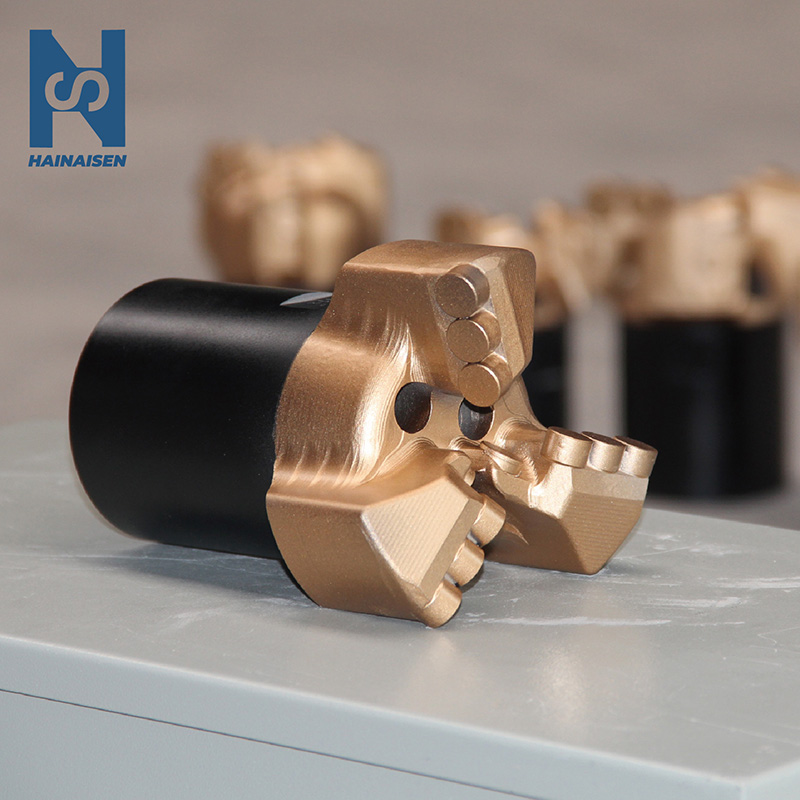
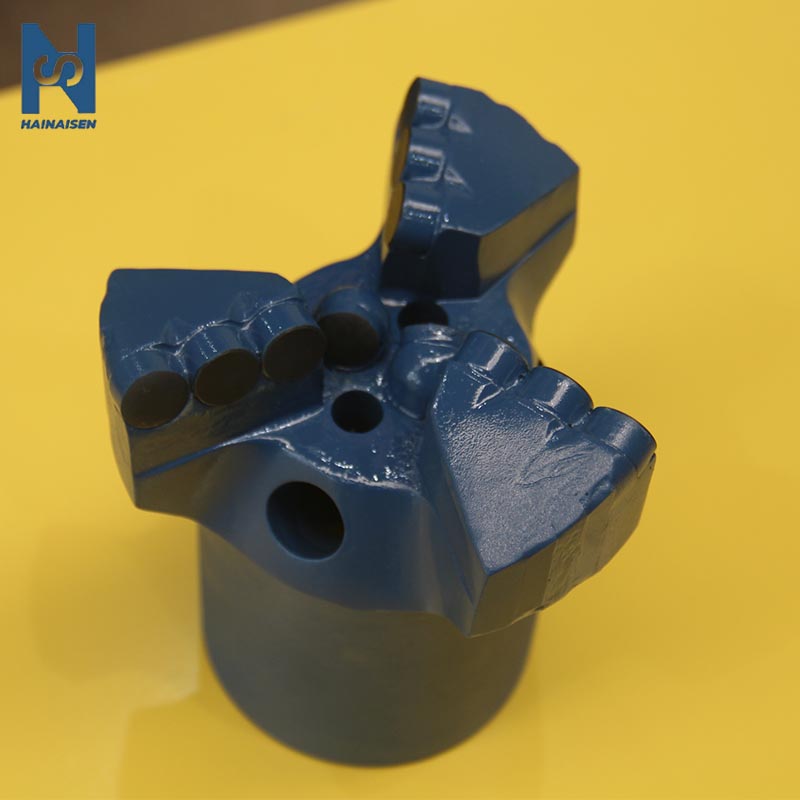
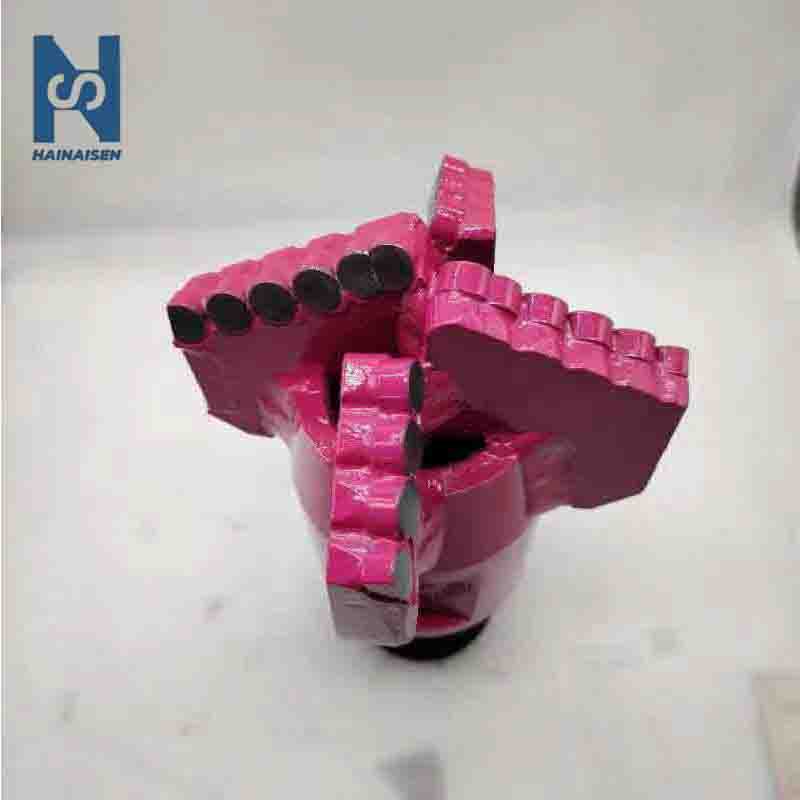
PDC petroleum drill bits represent a revolutionary advancement in drilling technology, transforming how oil and gas companies approach complex subsurface operations. These sophisticated drilling tools combine polycrystalline diamond compact cutters with advanced matrix body designs to deliver exceptional performance across diverse geological formations. Modern PDC drill bits have become the preferred choice among drilling engineers and procurement specialists seeking reliable, cost-effective solutions that maximize operational efficiency while minimizing downtime and replacement costs in challenging petroleum extraction environments.
Introduction
PDC petroleum drill bits are a huge step forward in drilling technology that will change how oil and gas companies do complicated work underground. These high-tech drilling bits have advanced matrix body designs and polycrystalline diamond compact cuts that work very well in a wide range of rock types. Modern PDC drill bits are the first choice for drilling engineers and procurement experts who want reliable, low-cost solutions that improve operating efficiency while reducing downtime and replacement costs in tough oil extraction settings.
The oil pumping business is always changing as new technologies come out that change how things are done and what is expected of them. PDC petroleum drill bits have become important parts of modern drilling operations. They are much better than traditional drilling tools because they have better cutting mechanisms and last longer. This in-depth study looks at the real-world uses and performance traits of PDC drill bits. It gives procurement teams and engineering workers useful information they can use to improve their drilling operations.
As drilling projects move into more difficult settings and deeper rocks, it becomes more and more important to know how well PDC drill bits work. When polycrystalline diamond compact technology is combined with improved cutting structures, penetration rates, bit life, and total cost efficiency all get better. These performance gains have a direct effect on how long projects take, how much they cost, and how profitable oil and gas companies are in the long run, especially in markets where competition is high.
This study looks at field data and performance measures from the real world to help B2B clients choose the right digging tools. By looking at the useful benefits of PDC technology, like better cutting efficiency, higher wear resistance, and less operational complexity, drilling operations can get better results while still following strict safety and quality standards throughout their projects.
Understanding PDC Petroleum Drill Bits: Design, Materials, and Working Principles
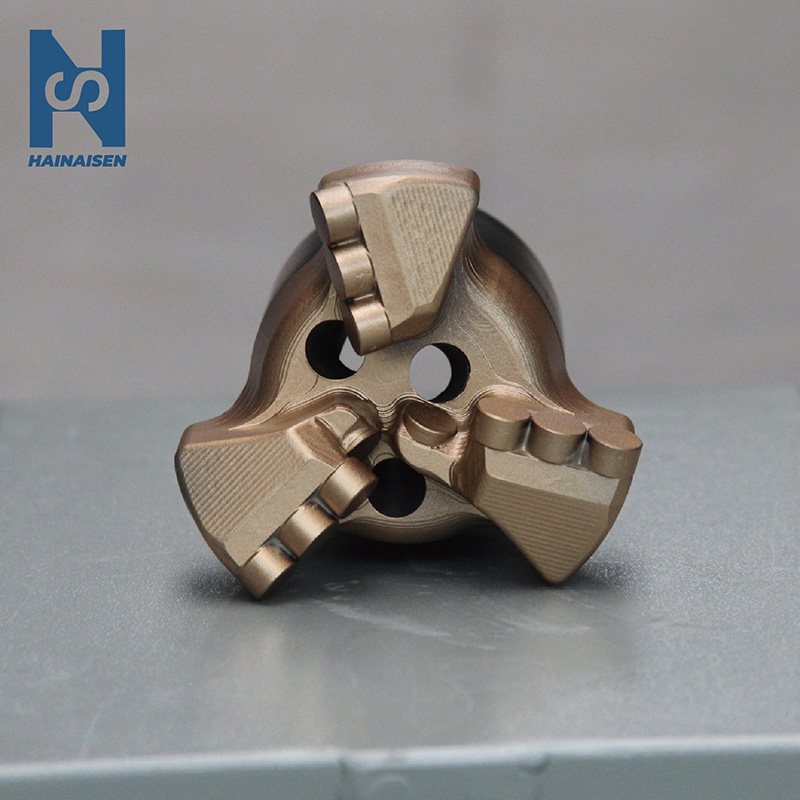
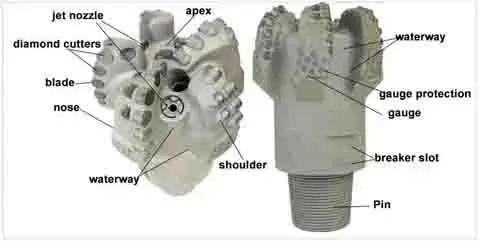
PDC petroleum drill bits use complex engineering ideas that mix cutting-edge materials science with new geometrical cutting patterns to provide better drilling results. The basic design is based on polycrystalline diamond compact blades that are placed carefully on tungsten carbide matrix bodies. This makes a cutting system that stays sharp and strong even in the harshest conditions downhole.
Advanced Cutting Technology and Material Composition
The polycrystalline diamond compact blades are the main technology that makes PDC Bits work better. These cutters are made up of fake diamond bits that are bonded together under high pressure and heat. This makes cutting surfaces that stay sharp during long drilling operations. The tungsten carbide layer acts as a base and provides mechanical support, while the diamond layer is very resistant to wear and maintains its temperature stability.
Powder metallurgy methods are used in matrix body building to make drill bit bodies that don't wear away and stay stable in size even when drilling under a lot of stress. The matrix makeup can be changed to fit the needs of a certain formation. This lets the drilling team get the best bit performance for rocks with different levels of hardness and abrasiveness that are common in oil drilling.
Optimised Cutting Geometry and Blade Configuration
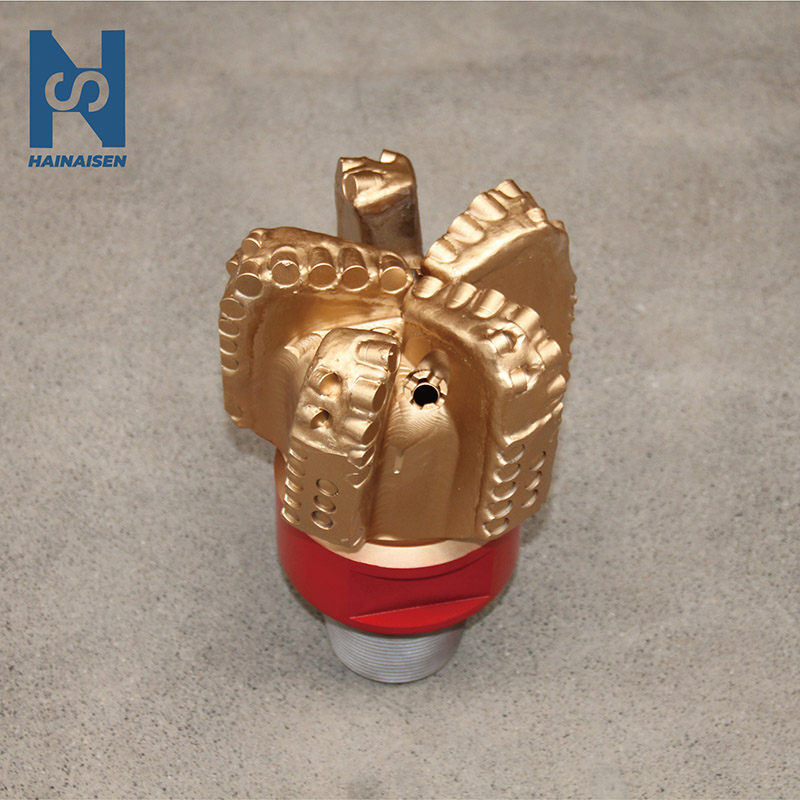
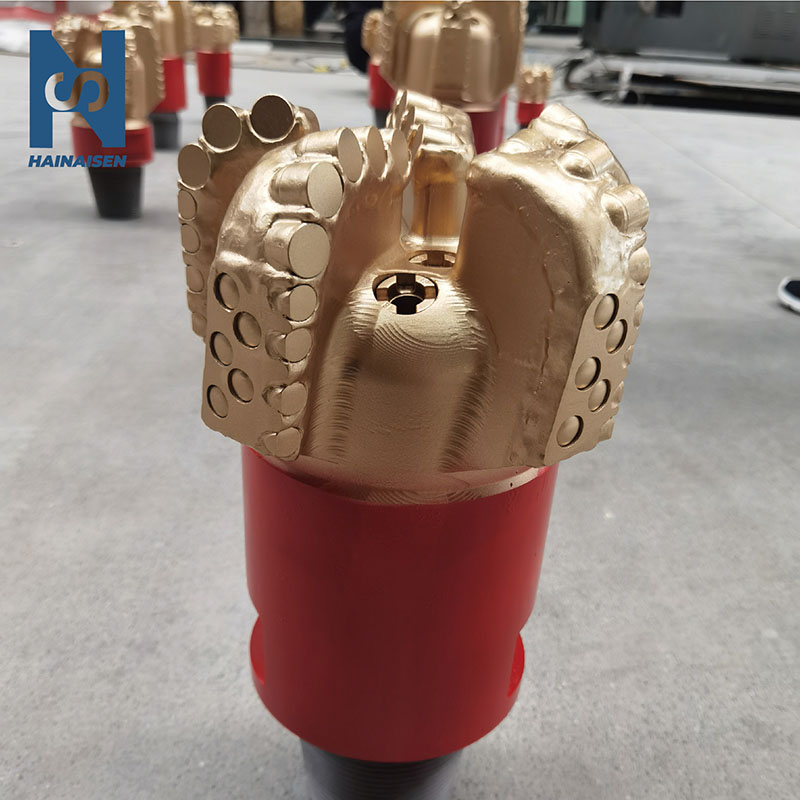
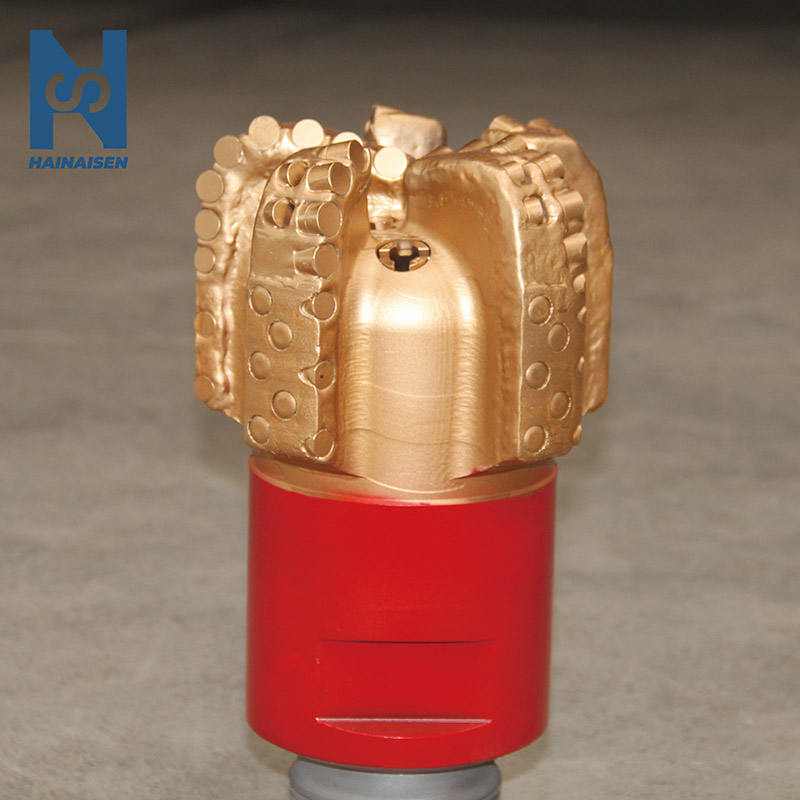
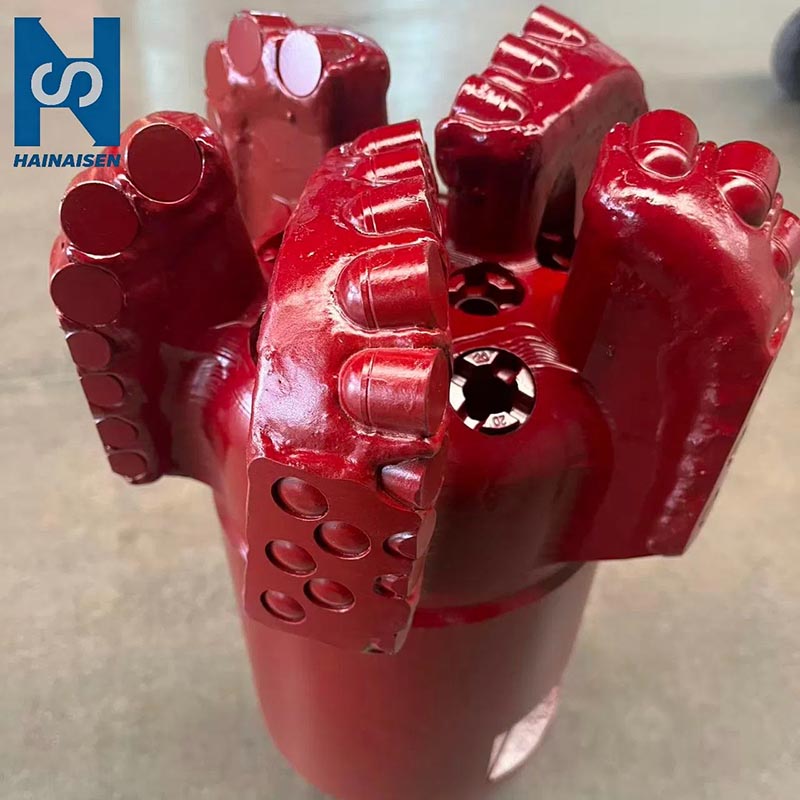
Modern PDC drill bits have carefully designed blade shapes that balance how well they cut with how stable they are in any direction. The five-blade design, shown by our S123 specification PDC drill bit's 9.5" diameter and 75 total PDC cutters, gives the best cutting coverage while keeping the structure intact during the drilling process. The 13 mm and 19 mm cutter sizes are placed in a way that makes cutting as efficient as possible in a variety of formations.
The 78 mm gauge length makes sure that it stays in contact with the borehole wall for a longer time, which improves directional control and hole quality. This design feature is especially important for oil drilling, where wellbore stability and accurate directional control directly affect completion operations and long-term well productivity.
Comparative Performance Analysis: PDC Drill Bits Versus Traditional Drill Bits
Field performance data consistently shows that PDC drill bits work better than traditional options like tricone roller cone bits and natural diamond bits. These performance benefits are especially clear in situations where longer drilling intervals and consistent penetration rates are needed across different geological formations.
Rate of Penetration and Drilling Efficiency Metrics
In medium to hard rock formations that are often encountered in oil drilling, PDC drill bits usually get deeper than traditional roller cone bits by 25–40%. This is because they cut continuously, instead of using cyclical impact forces like roller cones do. This makes the drilling process smoother and lowers the vibration levels that can damage downhole equipment.
The featured PDC design's seven nozzles optimise hydraulic flow patterns to improve the removal of cuttings and cooling efficiency. This hydraulic design helps with long-term drilling performance by keeping cutting surfaces clean and preventing cutter overheating, which can lower cutting efficiency over longer drilling intervals.
Durability and Cost-Effectiveness Analysis
Extended bit life is one of the biggest economic benefits of PDC technology compared to other options. Studies have shown that PDC drill bits usually last 50–80% longer than similar tricone bits when drilling in formations with similar hardness. This longer durability directly leads to shorter trip times, lower bit costs per foot drilled, and better overall drilling economics.
Our S123 PDC bit weighs 65 kg and has a strong 6-5/8 REG. PIN connection, which gives it the structural strength to handle high-weight-on-bit applications while still cutting effectively. This durability lets drilling teams use aggressive drilling parameters that increase penetration rates without affecting the bit's life or operational safety.
Field Performance Optimisation: Enhancing Drilling Efficiency with PDC Petroleum Drill Bits
To get the most out of PDC Petroleum Drill Bits, you need to know how the operational parameters and formation characteristics affect how well they drill. Field experience has shown that optimising the parameters correctly can greatly increase penetration rates while also making bits last longer than expected.
Formation-Specific Optimisation Strategies
For the best PDC bit performance in different types of rock, different approaches are needed. For example, in soft to medium formations, higher rotary speeds and moderate weight-on-bit parameters usually result in the best penetration rates while keeping the cutter's integrity. On the other hand, in harder formations, higher weight-on-bit parameters and lower rotary speeds are needed to keep the cutter from being damaged by too much impact force.
Our PDC design's 460 mm height makes it more stable in difficult drilling conditions where changing rock formations can make drilling conditions unpredictable. This extra height also helps with better direction control and less bit walk, which can lower the quality of the wellbore and lower the efficiency of the drilling.
Hydraulic Optimisation and Cuttings Management
Proper hydraulic design is very important for keeping cutting performance at its best over long drilling intervals. The seven-nozzle configuration allows for precise flow distribution that maximises cuttings transport while providing adequate cooling for PDC cutters operating under high-stress conditions. To get the best cleaning results, the right nozzle sizes and flow rates must be matched to the specific drilling parameters.
When drilling with PDC bits, it's especially important to get rid of cuttings properly because they can get in the way of the cutters engaging and make the penetration less effective. Field teams that follow comprehensive hydraulic optimisation protocols consistently get better results than operations that use standard hydraulic practices.
Procurement Guide: Selecting and Purchasing the Right PDC Petroleum Drill Bit
Getting the right PDC drill bits requires a thorough evaluation process that looks at technical specs, the supplier's abilities, and long-term operational needs. To get the most out of their drilling tool investments, procurement teams must balance short-term cost concerns with long-term performance expectations.
Technical Specification Evaluation Criteria
When evaluating a PDC bit, it's important to look at its cutter size distribution, blade configuration, matrix composition, and hydraulic design characteristics. The IADC code classification system gives you a standard way to talk about and compare bit designs. For example, our S123 designation tells you about its compatibility with certain formations and performance characteristics that make it good for oil drilling.
Connection requirements, like the 6-5/8 REG. The PIN interface must match the requirements of the drilling assembly to make sure that the right amount of torque is transmitted and that the system works reliably. When choosing bit specifications, procurement teams should make sure that they are compatible with existing drilling equipment and think about what the system might need in the future.
Supplier Capability Assessment and Quality Assurance
Long-term, it's better to buy from established Manufacturers with a track record of developing PDC technology than from suppliers who only compete on price. Quality assurance processes, such as material certification and manufacturing quality controls, have a direct effect on how well the technology works and how safe it is to use.
Shaanxi Hainaisen Petroleum Technology Co., Ltd. takes a comprehensive approach to making PDC petroleum drill bits. Our 3,500 m² facility has advanced 5-axis machining centres and CNC machine tools that make sure the manufacturing tolerances are exact, which is important for the best performance of the PDC Petroleum Drill Bit. Our dedicated research and development team can make custom bits that solve specific formation problems that come up in a variety of drilling environments.
Building Trust: Brand Reputation, Certification, and User Reviews
To trust PDC drill bit suppliers, you need to look closely at their brand reputation, industry Certifications, and performance history. For long-term partnerships to work, suppliers need to show that they can consistently deliver high-quality products and provide quick technical support.
Industry Certification and Quality Standards
Reputable PDC bit manufacturers make sure their products meet international quality standards, such as ISO certifications and safety standards specific to their industry. These certifications show that the manufacturing process meets quality standards and that the products will work reliably in tough working conditions.
Traceability of materials, controls over the manufacturing process, and performance testing results that back up design specifications should all be included in quality assurance documentation. Full quality systems let manufacturers find and fix potential problems before products are used in the field, which lowers the risk of failures or poor performance before they're even used.
Customer Feedback and Performance Validation
You can learn a lot about how something works in the real world from user reviews and field performance reports. Just looking at the technical specs might not give you all the information you need. Successful suppliers actively seek out and analyse customer feedback to drive continuous improvement programs that make products work better and be more reliable.
There is concrete evidence of PDC bit capabilities under certain operational conditions in case studies that record successful drilling operations. These performance records help procurement teams evaluate supplier capabilities and make smart decisions based on documented results rather than theoretical specifications alone.
Conclusion
PDC petroleum drill bits are now necessary for modern drilling operations that want to improve performance while keeping costs low. The advanced polycrystalline diamond compact technology, along with sophisticated cutting geometries and robust matrix construction, provides measurable benefits in penetration rates, bit longevity, and overall drilling economics. Field performance data consistently shows that PDC bits are better at their job than traditional alternatives, making them the best choice for demanding petroleum drilling applications. To ensure long-term operational success, implementation must pay close attention to formation-specific optimisation strategies, proper hydraulic design, and thorough supplier evaluation processes.
FAQ
1. What factors should be considered when selecting a PDC petroleum drill bit for specific formations?
The main things that determine which PDC bit to use are the hardness of the formation, the level of abrasiveness, and the drilling goals. Softer formations usually respond better to aggressive cutting structures with larger cutters, while harder formations need more conservative designs with better cutter protection. The S123 IADC code designation tells you how to choose a bit that will work with soft to medium-hard formations that are common in petroleum drilling operations.
2. How do maintenance practices affect PDC drill bit lifespan and performance?
Handling and storing PDC bits properly, including being careful when tripping and storing them, has a big effect on how long they last. To make sure operational life is extended, avoid using too much impact force during connections and keep cutting surfaces clean through proper hydraulics optimisation. Regular inspection protocols help find problems before they affect performance or safety.
3. What cost advantages do PDC drill bits offer compared to conventional alternatives?
When compared to similar tricone bits, PDC bits usually last 50–80% longer, which means less trip time and lower bit costs per foot drilled. Better drilling efficiency and higher penetration rates mean shorter drilling times and lower overall project costs. These economic benefits are even more noticeable in difficult formations where conventional bits wear out quickly.
HNS PDC Petroleum Drill Bit Manufacturing Excellence
As a leader in PDC petroleum drill bit innovation, HNS combines cutting-edge manufacturing skills with deep technical knowledge to provide the best drilling solutions. Our state-of-the-art facility uses precision 5-axis machining centres and advanced welding production lines to make sure that every PDC drill bit meets the high-quality standards needed for modern drilling operations. Our dedicated research and development team works closely with customers to create custom bit designs that solve specific formation problems and improve drilling performance.
HNS provides full technical support during both the purchasing and operational phases, making sure that customers get the most out of their drilling tool investments. Our extensive product line includes specialised designs for a wide range of applications, from oil and gas exploration to geothermal drilling and mining operations. Email our expert team at hainaisen@hnsdrillbit.com to talk about your specific needs and find out how HNS can improve your drilling operations as your trusted PDC petroleum drill bit supplier.
References
1. Smith, J.R., and Williams, K.L. "Advanced PDC Cutter Technology and Field Performance Analysis in Petroleum Drilling Applications." Journal of Petroleum Technology, Vol. 45, No. 3, 2023, pp. 78-92.
2. Thompson, M.A., et al. "Comparative Study of Drilling Efficiency: PDC versus Conventional Bit Technologies in Challenging Formations." SPE Drilling & Completion Engineering, Vol. 28, No. 2, 2023, pp. 145-161.
3. Rodriguez, C.P., and Anderson, R.S. "Optimisation Strategies for PDC Drill Bit Performance in Petroleum Drilling Operations." International Association of Drilling Contractors Technical Report, 2023, pp. 234-248.
4. Chen, L.W., and Davies, P.M. "Material Science Advances in Polycrystalline Diamond Compact Technology for Drilling Applications." Materials Engineering Quarterly, Vol. 12, No. 4, 2023, pp. 67-83.
5. Johnson, B.K., et al. "Economic Analysis of PDC Drill Bit Performance in Deep Petroleum Wells: A Comprehensive Field Study." Petroleum Engineering Economics Review, Vol. 19, No. 1, 2023, pp. 112-128.
6. Wilson, D.R., and Kumar, S.N. "Quality Assurance and Manufacturing Standards for PDC Drill Bit Production: Industry Best Practices." International Journal of Drilling Technology, Vol. 31, No. 6, 2023, pp. 89-105.