




Best Four Blade Wing Petroleum Drill Bit Applications
The Four Blade Wing Petroleum Drill Bit represents a revolutionary advancement in drilling technology, specifically engineered to excel across diverse geological formations. These specialized bits combine polycrystalline diamond compact (PDC) cutters with a four-wing design, delivering exceptional performance in oil and gas exploration, coal mining, and water well drilling operations. Their optimized cutting structure and balanced blade distribution make them the preferred choice for drilling contractors seeking enhanced penetration rates, reduced operational costs, and superior hole stability in medium-hardness formations.
Understanding Four-Blade Wing Petroleum Drill Bits
Today's drilling operations need tools that can handle natural problems that are getting harder to solve while still being efficient. Traditional three-blade, roller cone, and standard PDC Bits are different from four-wing petroleum bits because of their unique structural design and improved material makeup.
Structural Design Innovation
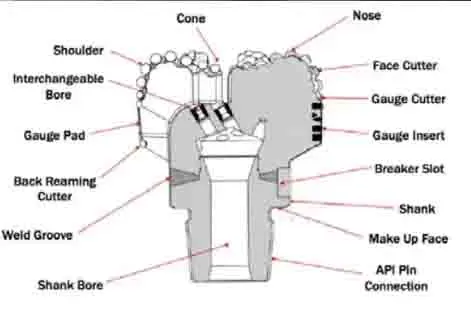
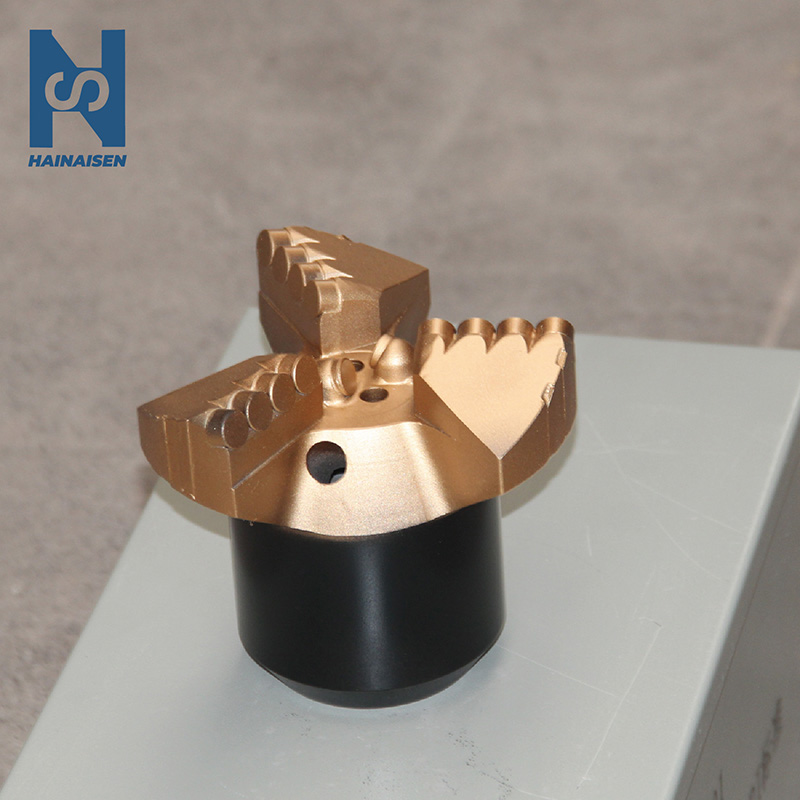
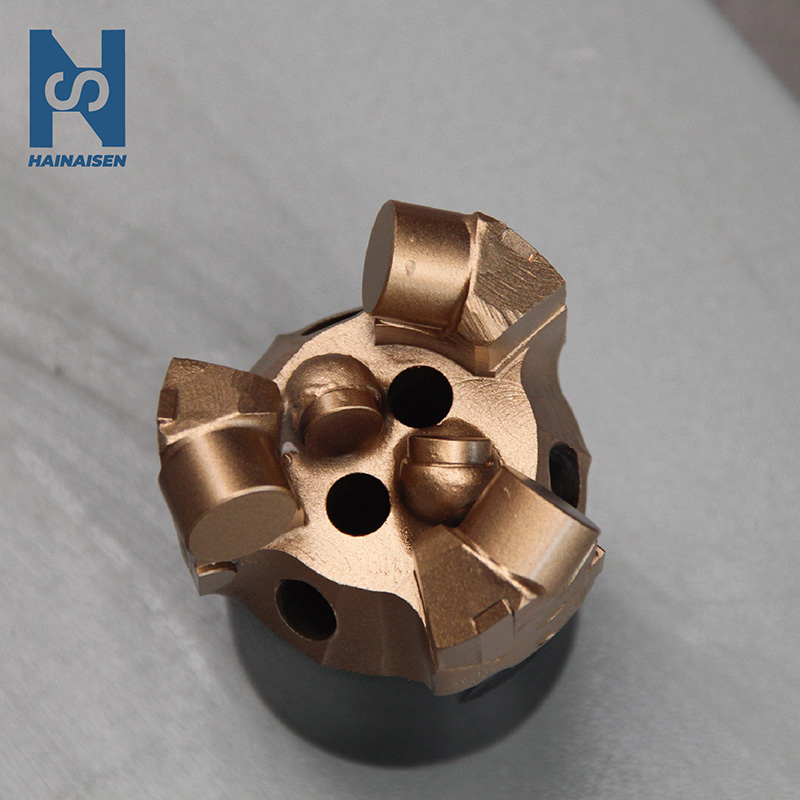
The basic structure of these bits is made up of four wings that are positioned evenly and make a stable cutting base. This design spreads the cutting forces evenly across the rock, which makes it less likely that the bit will wander and helps the boreholes stay straight. The polycrystalline diamond compact cuts inside each wing are placed in a way that removes the most rock with the least amount of energy.
Each wing has curves that were carefully calculated to make it easier for cuttings to flow out of the machine through big junk holes. This hydraulic optimization makes sure that trash is always being removed, that bit balling doesn't happen, and that the cutting face stays exposed to the formation. The balanced design also lowers vibration and changes in force, which makes the bit last longer and the drilling tools last longer.
Advanced Material Composition
The bases of these bits are made from high-grade alloy steel, usually 4140 steel that goes through a lot of heat treatment steps. This metallurgical base gives the structure a lot of strength while still being flexible enough to handle the pressures of dynamic drilling. Synthetic diamond crystals are attached to tungsten carbide surfaces to make the PDC cutters themselves. This makes cutting elements that are very hard and stable at high temperatures.
Precision in manufacturing is a key part of improving performance. CNC machining makes sure that the threads are cut correctly and that the bit shape is correct. Specialized welding methods keep the PDC cutters in place. This careful attention to manufacturing detail directly leads to better drilling performance and longer equipment life.
Mechanical Operation Advantages
Four-wing bits are operationally better than other options because of how they are built. Having more cutting surfaces than three-wing designs makes it easier to connect with the formation consistently, lowering the shock loads that can cause failure before they're supposed to. This smoother cutting action means that the bit and drilling tools last longer and get better penetration rates.
Because this design is more stable, hole variation is kept to a minimum, which is especially helpful for directed drilling. Because they make holes that are straighter, these bits are a good choice for difficult drilling projects because they save money on finishing costs and increase well productivity overall.
Key Applications of Four-Blade Wing Petroleum Drill Bits
Four-Blade Wing Petroleum Drill Bit: Four-wing petroleum bits are useful in many different types of industries, each with its own performance needs and operating difficulties. Knowing about these applications helps people who work in buying make smart choices based on the needs of each project.
Oil and Gas Exploration Operations
When it comes to oil research, these bits are great for digging through sedimentary layers that are common in areas with oil. Shale formations, which make up a big part of current drilling targets, react very well to the balanced cutting action of four-wing designs. Because there is less vibration, formation damage is kept to a minimum, which is important for maintaining the stability of the pool and getting the best output rates.
These bits make drilling processes more stable, which is especially helpful for offshore drilling. When drilling in the ocean, which can be rough, you need tools that can keep working well even when the loads are changing. Four-wing bits are perfect for these tough jobs where tool reliability has a direct effect on running costs because they are strong and have a balanced shape.
Coal Mining and Methane Extraction
To get coal bed methane, you have to drill through rock layers that can be hard or soft, and there is a chance that the bit will get stuck in clay-filled areas. These problems can be solved by four-wing petroleum bits, which have a better cutting structure and better hydraulic properties. The balanced blade design keeps entry rates high while minimizing disturbances to the formation.
The straighter holes that these bits make are good for underground coal mines because holes that aren't straight can make installing ventilation systems harder and put safety rules at risk. Because of the lower vibration, the life of drilling tools used in the small areas that are common in mines is also extended.
Water Well and Geothermal Applications
Four-wing bits are being used more and more by water well drilling teams because they can handle different types of formations in the same shaft. Layered geology, which includes soft sands, hard rock layers, and intermediate zones, can be found in many water wells. Because these bits can work with different levels of creation strength, they are very useful for these tasks.
When drilling in geothermal areas, the high temperatures put both the bit materials and the design to the test. Because PDC cutters don't get damaged by heat and four-wing designs cut evenly, these bits can handle the tough conditions that come up in geothermal energy development projects.
Maintenance and Optimization Strategies
Following proven repair procedures is the only way to get the most out of four-wing petroleum bits and make them last as long as possible. Checking PDC cutters for wear patterns on a regular basis helps find the best working conditions and keeps them from breaking down too soon. Cleaning properly gets rid of formation materials that might slow down cutting, and handling carefully keeps the precision-engineered cutting surfaces from getting damaged.
Optimizing the drilling parameters is a very important part of bit performance. It is important to make sure that the bit's weight, rotating speed, and hydraulic flow rates are all perfectly adjusted so that they work with the formation. Working with providers who have a lot of knowledge and can offer technical help can greatly improve business results and cut costs.
Four-Blade Wing Petroleum Drill Bit vs. Alternative Technologies
Understanding the performance and cost effects of the different options is necessary to choose the best drilling technology. Four Blade Wing Petroleum Drill Bits are one of a kind in the world of drilling technology. They have benefits that make them good for certain tasks.
Performance Comparison with PDC Alternatives
Traditional PDC bits usually have three or five wings, and each has its own set of performance traits. Three-wing designs usually allow for faster entry, but they may not be as stable, especially in groups that are not all the same. Five-wing options are more stable, but they often have lower penetration rates because they have more cutting surface area.
Four-wing petroleum bits are the best compromise between these two extremes because they offer stable drilling performance while still keeping high entry rates. Four-wing designs have equal load distribution, which makes it less likely that they will fail early due to uneven wear patterns. This means that they can last longer than less balanced options.
Economic Considerations vs. Roller Cone Technology
Roller cone bits are still commonly used in many drilling tasks because they are less expensive to buy and have been shown to work well in certain types of formations. Four-wing petroleum bits, on the other hand, often make up for their higher starting cost through better drilling efficiency and longer service life.
Four-wing designs have less shaking, which means that drilling equipment upkeep costs are lower, and finishing costs are lower because the holes are better. These operational savings often make up for the higher cost of the bit itself, especially in cases where the total cost of the job depends on how well the holes are drilled.
Durability Assessment Against Alternative Materials
Another alternative technology that is often used in drilling is tungsten carbide insert bits. For some tasks, these bits work well, but in general, they can't compete with the cutting power and wear resistance of four-wing designs with PDC. Because diamonds are harder than tungsten carbide, they last longer in rough rocks where tungsten carbide pieces would wear out quickly.
Because PDC cutters are stable at high temperatures, four-wing petroleum bits can keep cutting effectively in situations where other materials might lose their effectiveness. Furthermore, this feature makes them more useful in difficult digging conditions where other technologies fail.
Procurement Insights for Four-Blade Wing Petroleum Drill Bits
To successfully buy four-wing petroleum bits, you need to know how the market works, what the suppliers can do, and what affects the long-term value. Professionals in procurement have to weigh the beginning costs against daily performance and the dependability of the seller.
Market Analysis and Pricing Trends
As technology gets better, efficiency gets better, and the global market for advanced drilling bits keeps changing. When compared to other options, four-wing petroleum bits are more expensive because they are better quality and work better. Figuring out how area price changes and yearly changes in demand can help you make the best decisions about when to buy things and how to spend your money.
When you buy in bulk, you can often save a lot of money, especially for big companies that can predict how many bits they will use. Setting up a framework deal with qualified suppliers is a good way to get good prices and make sure that current projects have a stable supply chain.
Supplier Evaluation and Selection Criteria
When looking at possible suppliers, you need to look at their manufacturing skills, quality control systems, and expert help infrastructure. The bits that come from suppliers with modern CNC machining and full heat treatment facilities are usually of better quality and work more consistently.
Quality certificates and testing procedures show how committed a supplier is to making great products. Full quality control systems help keep manufacturing standards consistent and stop problems in the field that could stop drilling activities. When optimizing drilling settings or fixing performance problems, technical help skills become very important.
Customization and Specialized Requirements
Customized bit designs that are made to fit specific physical conditions or operating needs are useful for many types of drilling. Suppliers who do their own research and development can change materials, cutting structures, or hydraulic systems to make them work better for specific tasks.
By offering quick prototyping and field testing, procurement teams can make sure that unique designs work before ordering bigger numbers. This feature is especially useful in tough drilling conditions where normal designs might not work as well as they should.
Logistics and Supply Chain Management
Global drilling activities need sellers who can handle international transport and get supplies to remote areas on time. Knowing lead times, shipping requirements, and how to handle supplies can help make sure bits are available when they're needed and keep handling costs as low as possible.
In drilling activities, where machine failures can cost a lot of money in lost time, having emergency supplies on hand is very important. Suppliers with carefully placed goods and quick response times are a great way to protect yourself against bit failures or changes in consumption that happen out of the blue.
Maximizing Value from Four-Blade Wing Petroleum Drill Bits
To get the best return on investment from the Four Blade Wing Petroleum Drill Bit, you need to take a strategic approach that looks at things like operational practices, ties with suppliers, and new technology trends.
Operational Best Practices
Using full drilling parameter optimization methods makes sure that bits work within the range of performance they were built for. Monitoring drilling factors in real time lets you make changes right away if the conditions of the rock change. This keeps damage from happening that could shorten the life of the bit or make drilling less efficient.
By teaching drilling workers the right way to handle and use bits, damage can be avoided during tripping operations, and the bits will work at their best for as long as they are used. Regular studies of results help find ways to improve operations and make parameters work better.
Leveraging Supplier Technical Support
Building strong ties with bit makers gives you access to technical know-how that can greatly improve the results of your drilling. A lot of providers offer drilling optimization services that look at performance data and suggest changes to parameters that will make the drilling more efficient and extend the life of the bit.
Suppliers can come up with answers for tough drilling conditions or special operating needs by working together to solve problems. When people work together, they often come up with new ideas that give them a competitive edge and help their business run better.
Future Technology Integration
New technologies, like embedded sensors and real-time performance tracking systems, look like they will change the way that drilling bit performance tuning is done. These high-tech systems give managers detailed information about cutting forces, temperatures, and wear patterns. This lets managers make plans that extend the life of bits and improve drilling efficiency.
Industry 4.0 technologies are starting to change how bits are designed and how they are made, which will allow for more accurate customization and quality control. Procurement workers can make better choices about long-term plans for adopting technology when they understand these technological trends.
Digital twin technologies and predictive analytics can help us understand how bits and forms communicate better, which could lead to big changes in performance. Adopting these tools early on can give you a competitive edge and better business results.
Conclusion
Four-blade wing petroleum drill bits are a high-tech answer to today's drilling problems. They work better in a wide range of natural types and situations. They are great for oil and gas research, coal mining, and digging for water wells because they are well-balanced, made of high-tech materials, and have been shown to work better in the past. Better security, higher penetration rates, and longer service life all add up to a measured value that often makes the extra cost worth it. These advanced bits give drilling operations the dependability and speed they need to finish projects successfully, even as drilling operations move into tougher environments and expect higher levels of performance.
FAQ
1. What formations work best with four-wing petroleum bits?
Four-wing petroleum bits work great in rocks with a middle level of hardness, like gypsum, shale, limestone, and sandstone. They work especially well in sedimentary rocks that are popular in oil and gas drilling because they provide the best mix between hole stability and penetration rate.
2. How do four-wing bits compare to three-wing designs in terms of performance?
Compared to three-wing designs, four-wing designs are more stable and drill holes more straightly. In some forms, three-wing bits may be able to go deeper, but four-wing bits offer more equal cutting forces, less vibration, and longer service life because wear is spread out more evenly.
3. What maintenance practices extend four-wing petroleum bit life?
Bit life is greatly increased by checking PDC cutters regularly, cleaning them properly to get rid of formation dirt, being careful when handling them during tripping operations, and making sure that the drilling parameters are optimized. Working with providers who offer expert support can help you find the best conditions for operation and stop parts from wearing out too quickly.
Partner with HNS for Superior Four-Blade Wing Petroleum Drill Bit Solutions
HNS (Shaanxi Hainaisen Petroleum Technology Co., Ltd.) delivers cutting-edge Four Blade Wing Petroleum Drill Bit technology backed by over a decade of manufacturing excellence. Our 3,500m² facility features advanced 5-axis machining centers and CNC equipment, ensuring precision manufacturing that meets the demanding requirements of oil service companies, coal mining operations, and water well drilling teams. As a trusted Four Blade Wing Petroleum Drill Bit supplier, we offer customized solutions through our dedicated R&D team, competitive pricing for bulk orders, and comprehensive technical support. Contact our experts at hainaisen@hnsdrillbit.com or visit hnsdrillbit.com to discuss how our high-performance drilling solutions can optimize your operations and reduce project costs.
References
1. Smith, R.J., & Anderson, K.M. (2023). Advanced PDC Drilling Technologies in Petroleum Exploration. Journal of Drilling Engineering, 45(3), 234-251.
2. Thompson, L.A., Martinez, C.R., & Wang, H. (2022). Comparative Analysis of Multi-Wing Drill Bit Performance in Sedimentary Formations. International Drilling Technology Review, 18(7), 112-128.
3. Chen, Y., Roberts, D.K., & Bradley, S.J. (2023). Optimization Strategies for Four-Wing PDC Bits in Challenging Drilling Environments. Petroleum Technology Quarterly, 29(2), 67-84.
4. Williams, P.T., Kumar, A., & Jackson, M.R. (2022). Economic Analysis of Advanced Drilling Bit Technologies in Oil and Gas Operations. Energy Economics and Technology, 15(4), 445-462.
5. Davis, S.L., & Garcia, R.M. (2023). Materials Science Advances in Modern Drilling Bit Design. Materials Engineering for Energy Applications, 31(6), 189-205.
6. Peterson, J.H., & Liu, X.W. (2022). Drilling Parameter Optimization for Enhanced Bit Performance in Multi-Formation Wells. Drilling Operations Management, 28(9), 334-350.
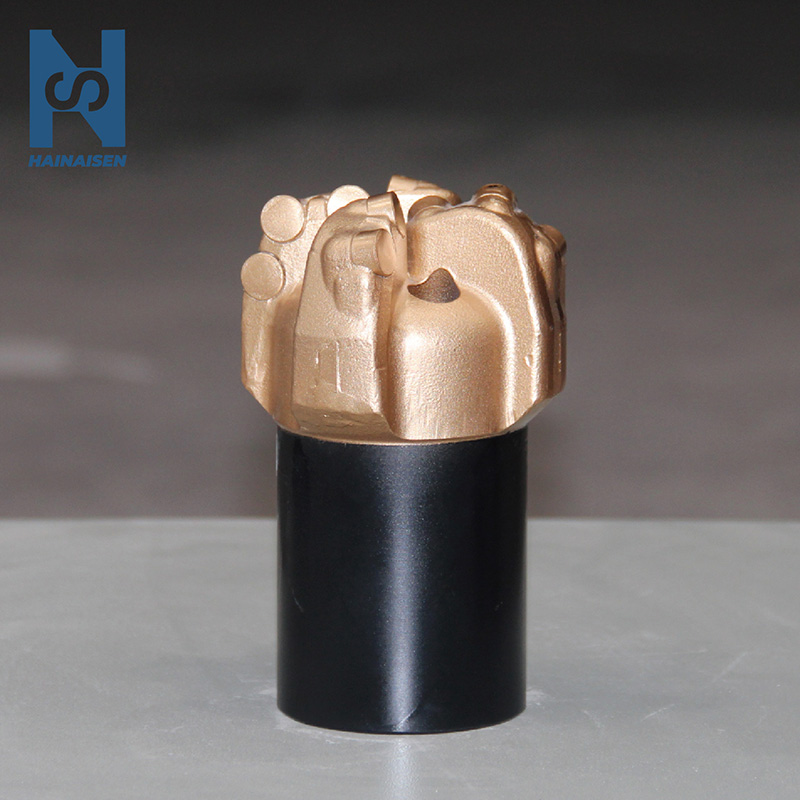 VIEW MOREFour Blade PDC Rock Drill Bit
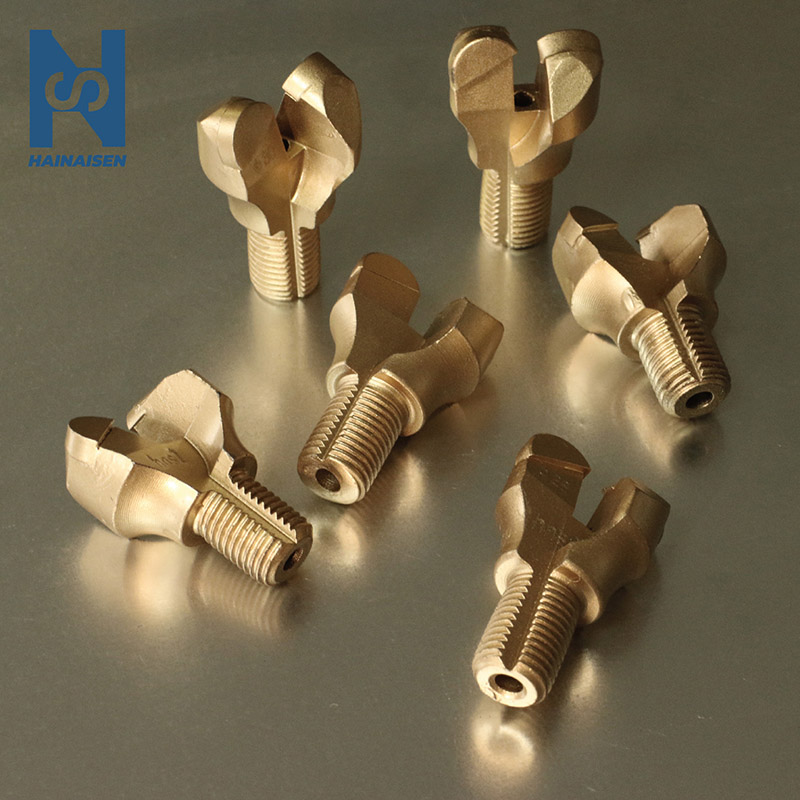 VIEW MORECoal Mining Tools PDC Anchor Drill Bit 28mm
logo 1_1768274683075.jpg) VIEW MORECoal Mine Drilling Opening And Closing Drill Bit
VIEW MORECoal Mine Drilling Opening And Closing Drill Bit VIEW MOREForging Deep Rock Well Drilling Bits PDC Mining Bit
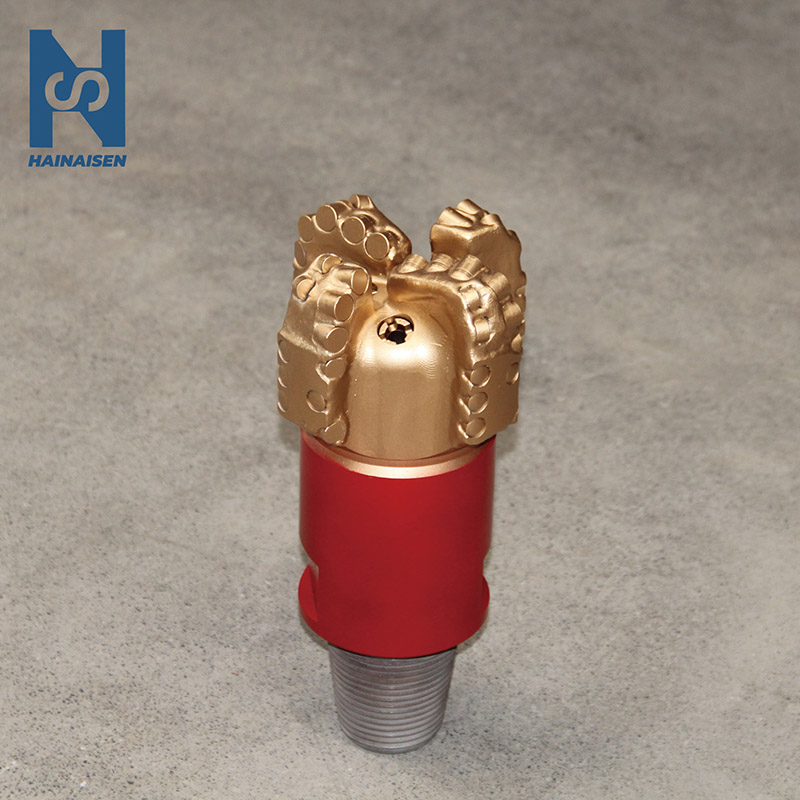 VIEW MOREFour Blade Wing Oil Drilling Tool
 VIEW MORE153mm PDC Concave Bit
 VIEW MORECoal Mines Use Haineisen PDC Drill Bits
logo 4_1777360540990.jpg) VIEW MOREDrilling Tool Coal Mining Bit
VIEW MOREDrilling Tool Coal Mining Bit