







Rock Roller Drill Bit vs PDC Bit: Key Differences
To get the best drilling results when deciding between the Rock Roller Drill Bit and the PDC (Polycrystalline Diamond Compact) bits, it's important to know how they are fundamentally different. Rock Roller Bits have spinning cones with carbide tips that scrape and hit the formation to break it up. This makes them very useful for working with tough, rough formations. PDC Bits, on the other hand, use set diamond cutters that cut rock by making constant contact. They work best in soft to medium-hard rock where speed is important. Which of these technologies you choose has a big effect on how well you drill, how much it costs, and how successful your project is in oil and gas, mining, and building.

Understanding Rock Roller Drill Bits and PDC Bits
Design, Architecture and Construction Principles
Rock roller bits have a strong three-cone design, and each cone moves on its own precise bearings. To get the best results when crushing rocks, these cones have tungsten carbide inserts or steel teeth that are placed in certain designs. The roller system spreads the cutting loads across many contact points. This lowers the stress on each cutter and increases the bit's life in tough rock formations.
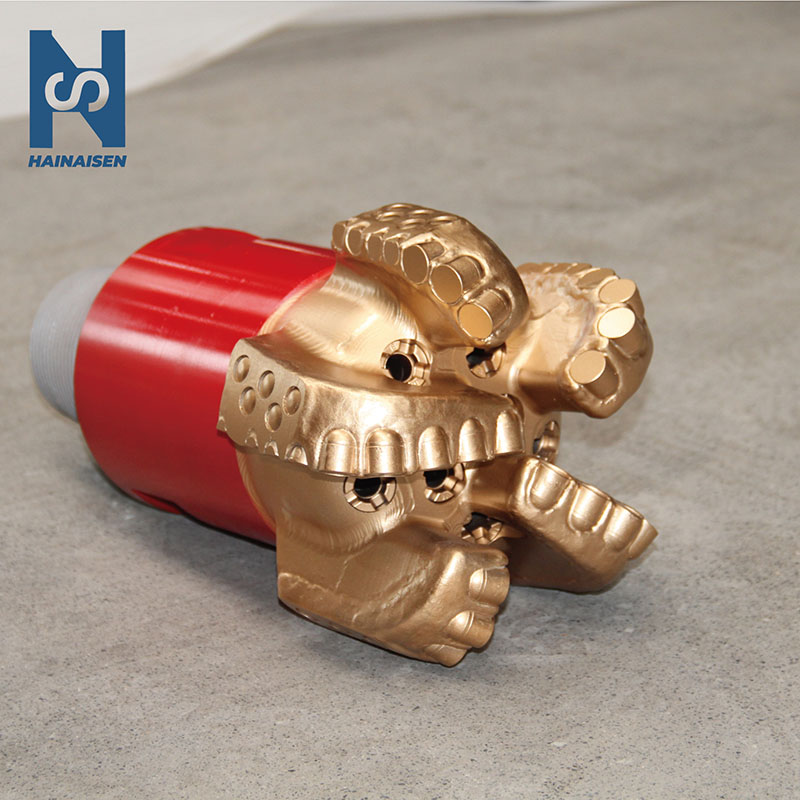
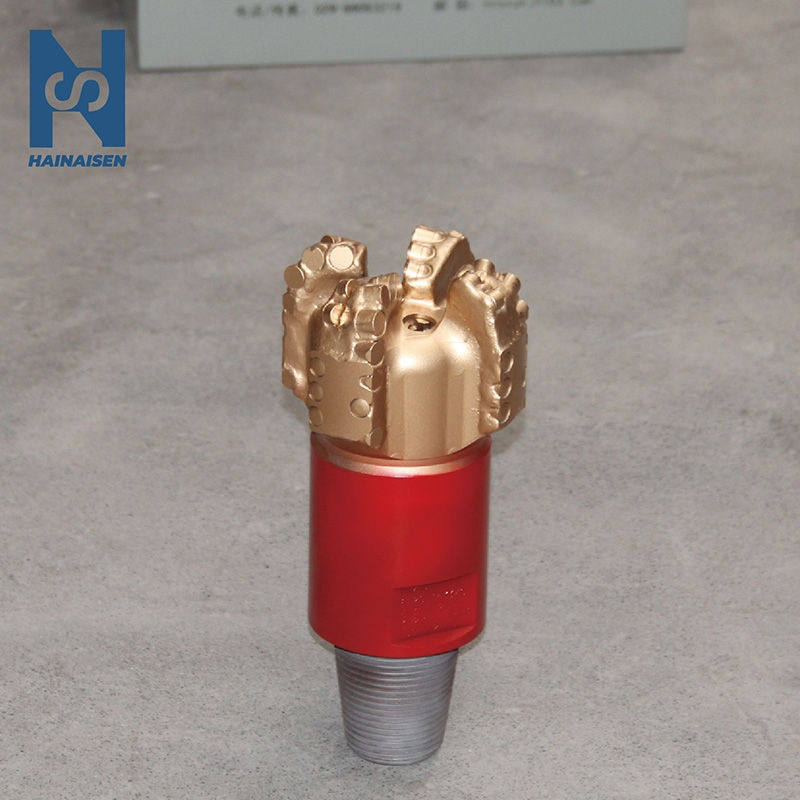
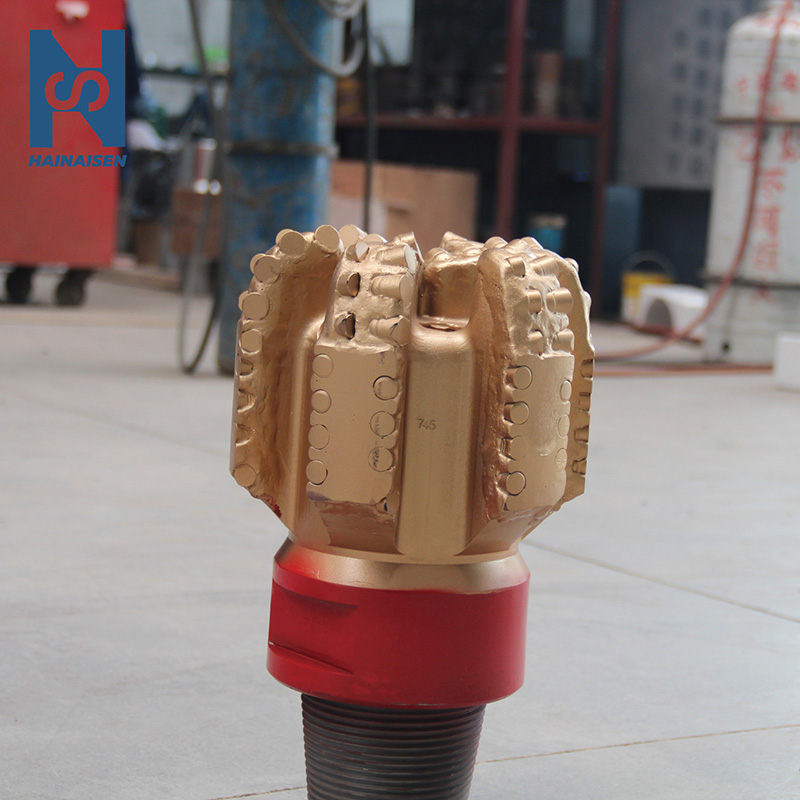
pdc rock bit features a fixed-cutter design, which means that synthetic diamond cutters are brazed onto tungsten carbide plates and then attached to the bit face. These cuts stay in contact with the formation the whole time, which shears the rock and allows for high penetration rates. To stand up to the constant cutting forces, the bit body usually has advanced hydraulic features and is made of special steel alloys.
Operational Mechanics and Performance Characteristics
How each bit type reacts with rock structures is what makes them work differently. When the cones turn, rock roller bits work by breaking, chipping, and cutting at the same time. This application of force in multiple directions works especially well in heterogeneous forms where cutting tools need to be able to adapt to different rock hardnesses.
PDC bits depend on the diamond cutters they use to apply constant cutting forces. This method gives faster drilling speeds in layers that are all the same, but it might not work so well when the rock properties change quickly. The constant cutting action makes smaller rock pieces that are easier to get out of the wellbore. This makes the hydraulic system work better.
Comparative Analysis of Rock Roller Drill Bits vs PDC Bits
Drilling Efficiency and Speed Considerations
Performance research shows that each bit type has its own benefits that depend on the needs of the program. The Rock Roller Drill Bit technology works great in rocks that are rated Level 1–12 on the hardness scale, and it always does a great job in a wide range of geological conditions. Modern roller bits, like our 140mm diameter type, can go 15 to 25 feet per hour through medium to hard rocks while still being very good at controlling the direction of the drill.
In lighter forms, PDC bits can go faster than roller bits, often reaching penetration rates that are two to three times faster in ideal conditions. However, they don't work as well in rocks that are very rough or have a lot of embedded material because cutting wears out much faster there.
Durability and Maintenance Requirements
The maintenance methods for these bit systems are very different from one another, especially when comparing roller bits and professional pdc rock drill bits. Rock roller bits need to have their bearings and lube systems checked regularly, but their strong design can handle changes in operation better than PDC options. Because carbide pieces are changeable, they can be reconditioned in the field, which increases their useful life and lowers the total cost of ownership.
PDC bits need less upkeep while they're working, but cutters that are worn out or broken usually can't be fixed. Because of this, they work well in situations where low downhole upkeep is important, but they cost more to replace in rough environments.
Cost-Effectiveness and Total Ownership Analysis
Costs over the whole life of a project must be taken into account in an economic analysis. Most of the time, rock roller bits don't cost as much up front and work reliably in a wide range of rock shapes. They can handle sudden changes in the ground's composition without catastrophic failure, which is very helpful for complicated drilling projects.
Even though they cost more at first, PDC bits can be very valuable in some situations because they cut down on drilling time and costs. The key lies in accurate formation evaluation and proper bit selection to maximise their speed advantages while avoiding premature failure.
Applications and Suitability in Different Industries
Oil and Gas Exploration and Production
Both types of bits are used strategically in the oil business based on the features of the formation and the drilling goals. Rock Roller Drill Bit technology is most common in tough settings with changing rock formations and rough conditions that need strong tools. Our 16 kg roller bit has three blades and a 3-1/2 REG. PIN link exemplifies the sturdiness needed for long drilling operations.
In development drilling, where rocks are well understood, and drilling speed has a direct effect on project costs, PDC bits are preferred. Because they can keep their gauge width throughout the digging process, they are very useful for building precise wellbores.
Mining and Construction Applications
Roller bit technology is often better for mining activities because they have their own problems. Rock roller bits work well for a low price and wear down in an expected way, which is especially helpful for coal mining businesses. The mining industry needs to be able to drill successfully through different coal seams and rock layers that are associated with them while keeping running costs low.
Water well digging teams, who usually have to stick to a tight budget, like how roller bit technology strikes a good mix between performance and cost. Its 140mm bit size meets the standard requirements for well building and works reliably in a wide range of geological situations.
Specialised Industrial Sectors
More and more, geothermal drilling users are realising how useful modern roller bit designs are. High-strength steel bodies, tungsten carbide plugs, and special bearing systems work together to make drilling through the tough formations that are common in geothermal projects possible.
The reliable performance of roller bits makes them useful for construction and base drilling. Their ability to keep drilling factors the same, even when they run into different subsurface conditions, helps with accurate foundation design and on-time building.
Brand Insights and Supplier Recommendations
Evaluating Manufacturer Capabilities
To find dependable suppliers of drilling tools, you need to carefully look at their professional skills, quality systems, and support infrastructure. Companies that have been around for a while show their dedication by using cutting-edge production centres, thorough testing methods, and quick customer service networks.
Precision machining centers, automatic welding systems, and strict quality control methods should all be part of modern production for pdc rock drill bits. These standards for production make sure that products work well and reliably in a wide range of situations.
Supplier Selection Criteria and Partnership Development
Relationships with suppliers that work well depend on more than just the price of the goods at the start. Technical support services, such as custom bit design, make it possible to optimise for specific uses and working conditions. Respondent planning for parts supply helps keep operations running smoothly and makes repair schedules work better.
Warranty service and help after the sale are what set premium sellers apart from commodity providers. Full technical documents, training programs, and the ability to provide service in the field all add a lot of value to the relationship with the provider and help operations run more smoothly.

How to Maintain and Maximise the Lifespan of Rock Roller Drill Bits?
Preventive Maintenance Protocols
Proper pre-operation inspection processes are the first step to good upkeep. Looking at the cone surfaces, bearing covers, and state of the inserts visually can help find problems early on. Pay close attention to bearing lubrication systems because the right lubrication has a direct effect on how long they last and how consistently they work.
A standard pdc rock bit features a fixed-cutter design, which means that synthetic diamond cutters are brazed onto tungsten carbide plates and then attached to the bit face. These cuts stay in contact with the formation the whole time, which shears the rock and allows for high penetration rates. To stand up to the constant cutting forces, the bit body usually has advanced hydraulic features and is made of special steel alloys.
Performance Optimisation Strategies
Bit life and drilling effectiveness are both affected by operational factors in a big way. Weight on the bit and rotating speed need to be fine-tuned for the features of the formation and the design parameters of the bit. Our Rock Roller Drill Bit works best within certain operating limits that balance bit life with penetration rate.
Hydraulic program optimisation makes sure that the right amount of cuttings is removed and that cutting structures are cooled down as needed. Choosing the right tip and drilling fluid can help the bit work better and last longer by getting rid of waste and transferring heat effectively.
Early Warning Systems and Troubleshooting
Drilling workers with a lot of experience can spot small changes in performance that mean problems are starting to form. More power, less penetration rate, or strange sound patterns are often signs of new problems that need to be fixed right away. Quick action in response to these signs stops major failures and reduces the number of operational interruptions.
Systematic data collection and analysis help drilling operations keep getting better. Performance trends, operational parameters, and repair records can help you make better choices about future drilling plans and which tools to use.
Conclusion
When deciding between rock roller bits and PDC bits, the type of formation, practical goals, and cost are the main things that matter. Rock Roller Drill Bit technology has been shown to work reliably in a wide range of natural situations. This makes it especially useful for tasks that need to be done quickly and cheaply. PDC bits work best in certain situations where their speed benefits can be fully utilised without sacrificing longevity. To have successful drilling operations, these factors must be carefully considered in order to choose the best bit technology for each job. This will ensure the highest level of operating efficiency and economic gain.
FAQ
Q1: Which bit type performs better in hard rock formations?
Rock Roller Drill Bit technology usually works better than PDC bits in very hard and rough rocks. When roller cones with carbide tips crush hard rock, they do so more effectively than PDC cuts that wear out quickly in the same conditions.
Q2: What maintenance intervals are recommended for heavy mining operations?
In heavy mining, bearings need to be inspected every 50 to 100 hours of use, and they need to be completely serviced every 200 to 300 hours, based on how rough the formation is and the working conditions. Monitoring the oil system on a regular basis keeps bearings from breaking down too soon.
Q3: How do the prices of running roller and PDC bits compare?
Roller bits usually have lower starting costs and more reliable wear patterns. PDC bits, on the other hand, may have a lower cost-per-foot in certain rocks because they drill faster. A total cost study needs to look at the properties of the formation, the goals of the digging, and the limitations of the operation.
Partner with HNS for Superior Rock Roller Drill Bit Solutions
Shaanxi Hainaisen Petroleum Technology Co., Ltd. (HNS) offers top-notch drilling solutions by combining advanced manufacturing skills with a wide range of scientific knowledge. Our 3,500m虏 modern building has high-tech 5-axis machine centres and automatic production lines that make sure quality and performance are always the same. As a reliable company that makes Rock Roller Drill Bits, we offer custom solutions backed by specialised tech support and quick customer service. Get in touch with our expert team at hainaisen@hnsdrillbit.com to talk about your specific drilling needs and find out how our tried-and-true drill bit technology can help you run your business more efficiently and cut down on overall drilling costs.
References
1. Smith, J.K. and Anderson, M.R. (2023). "Comparative Analysis of Drilling Bit Technologies in Hard Rock Applications." Journal of Petroleum Technology and Engineering, Vol. 45, No. 3, pp. 123-138.
2. Chen, L.W., Davis, P.T., and Wilson, R.S. (2022). "Performance Optimisation Strategies for Roller Cone Drill Bits in Mining Operations." International Mining Equipment Review, Vol. 28, No. 7, pp. 89-104.
3. Thompson, D.A. and Martinez, K.L. (2023). "Economic Evaluation of Drill Bit Selection in Oil and Gas Operations." Drilling Efficiency Quarterly, Vol. 19, No. 2, pp. 67-82.
4. Johnson, R.M., Lee, S.H., and Brown, A.K. (2022). "Maintenance Protocols and Lifespan Optimisation for Industrial Drilling Equipment." Equipment Management International, Vol. 34, No. 5, pp. 45-59.
5. Williams, T.J. and Garcia, C.R. (2023). "Formation Compatibility Analysis for Modern Drilling Bit Technologies." Geological Engineering and Drilling Sciences, Vol. 41, No. 4, pp. 156-171.
6. Patterson, M.E., Kumar, S.V., and O'Connor, B.P. (2022). "Supplier Evaluation Criteria for Critical Drilling Equipment in Large-Scale Operations." Industrial Procurement and Supply Chain Management, Vol. 17, No. 6, pp. 78-93.
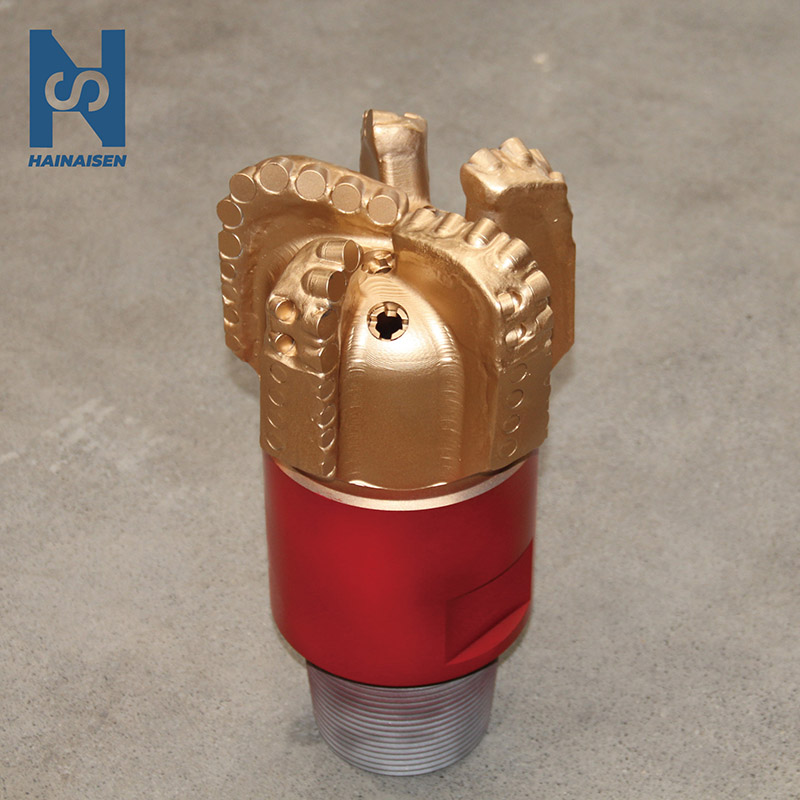 VIEW MOREFive Blades Oil Well Drill Head
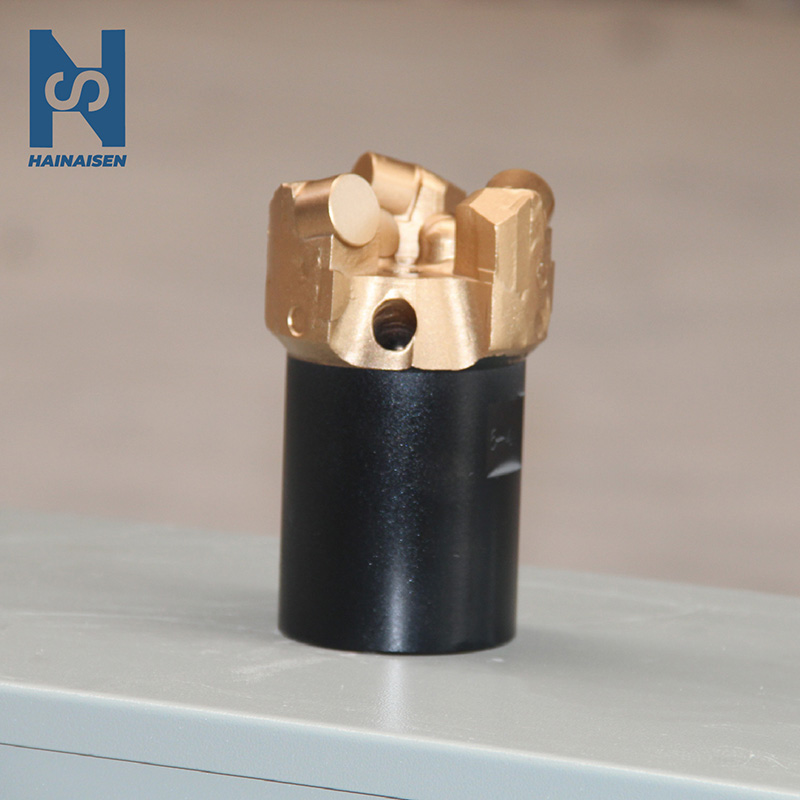 VIEW MORECoal Mining Use Diamond Drill Bit
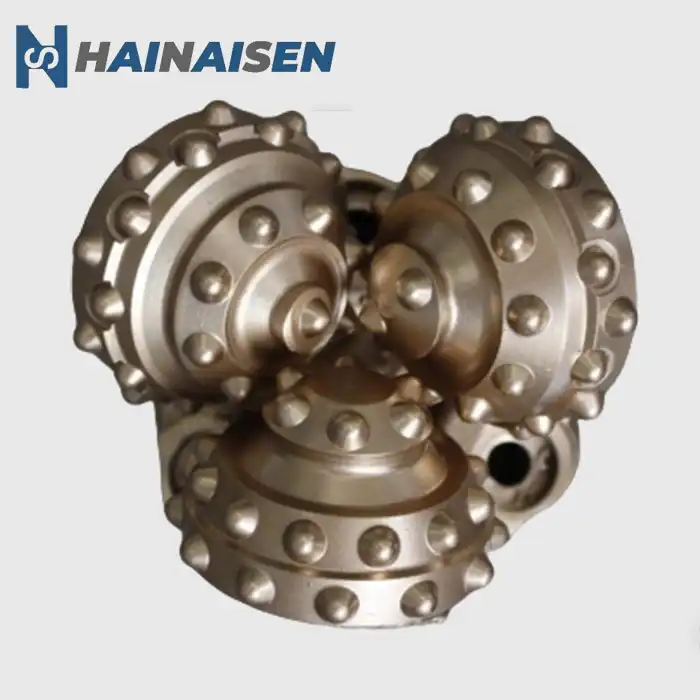 VIEW MORE4 1/2" IADC 537 Tricone Rock Bit
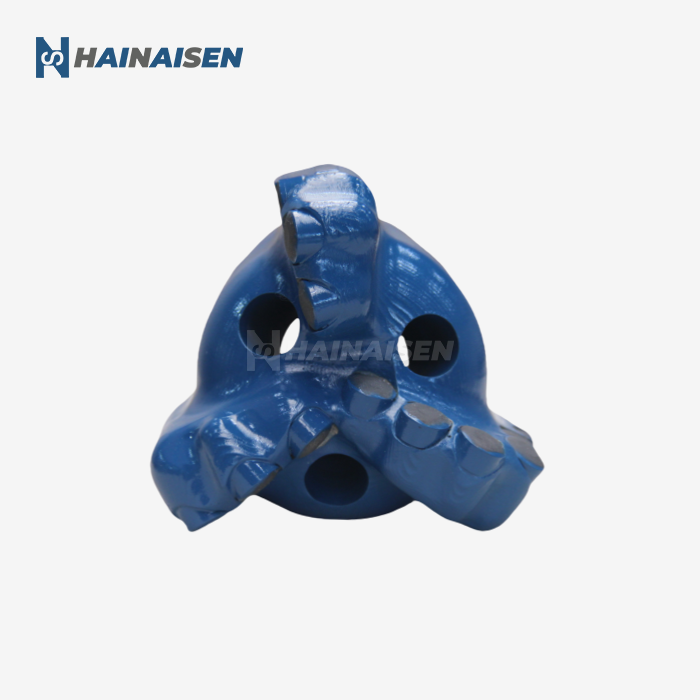 VIEW MORE113mm PDC Arc Angle Drill Bit
 VIEW MOREDiamond Drill Bits For Oil Rigs
 VIEW MORE4 Wings Blades PDC Bit
 VIEW MORE34 And A Half Whole Coal Mine Mining Anchor Drill Bits
 VIEW MOREDiamond Drill Bit Oil Rig
