What is the primary function of a PDC drill bit in directional well applications?
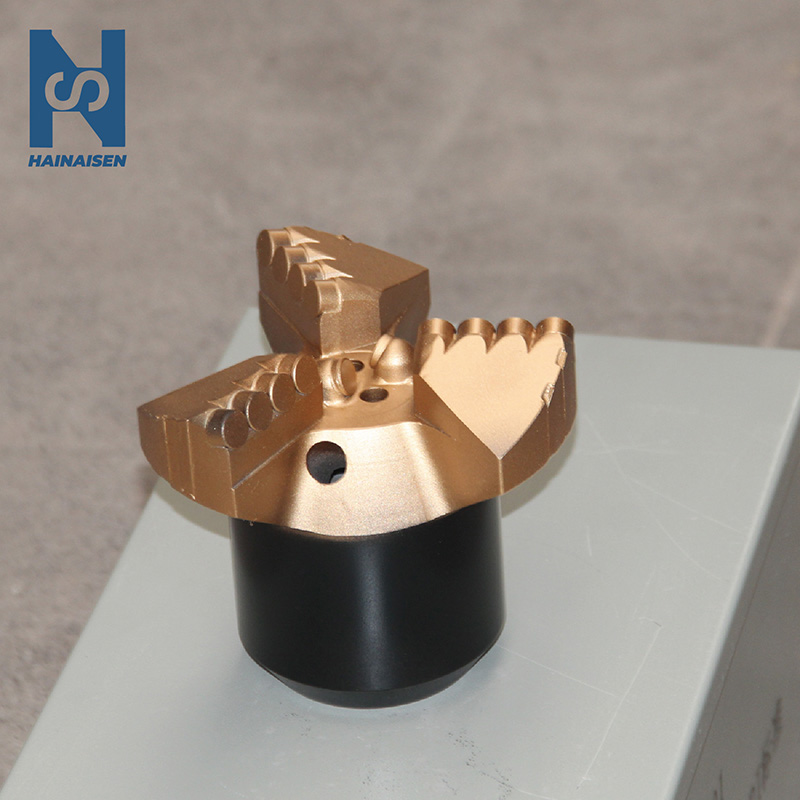
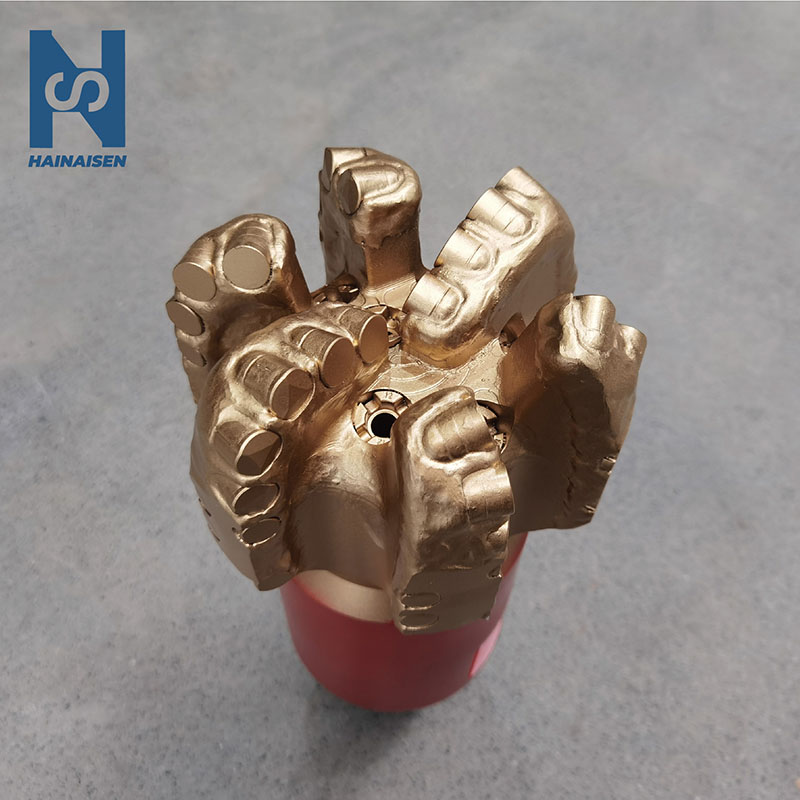
The primary function of a Directional Well PDC Drill Bit in directional well applications centers on providing precise trajectory control while maintaining exceptional cutting efficiency through complex geological formations. These specialized bits utilize polycrystalline diamond compact technology to enable accurate wellbore placement, allowing drilling operations to reach specific subsurface targets that conventional vertical drilling cannot access. The advanced cutting structure and optimized hydraulic design work together to ensure consistent performance during directional steering operations, making them indispensable tools for modern horizontal and multilateral drilling projects across various industries, including oil and gas exploration, coal mining, and water well drilling.
Understanding Directional Well PDC Drill Bits: Core Function and Design
Polycrystalline Diamond Compact drill bits are a huge step forward in drilling technology. They were specially designed to deal with the problems that come up in directional well use. PDC technology uses a shearing device that cuts through geological materials very precisely and quickly, unlike standard roller cone bits that crush rock formations.
Advanced Cutting Structure Technology
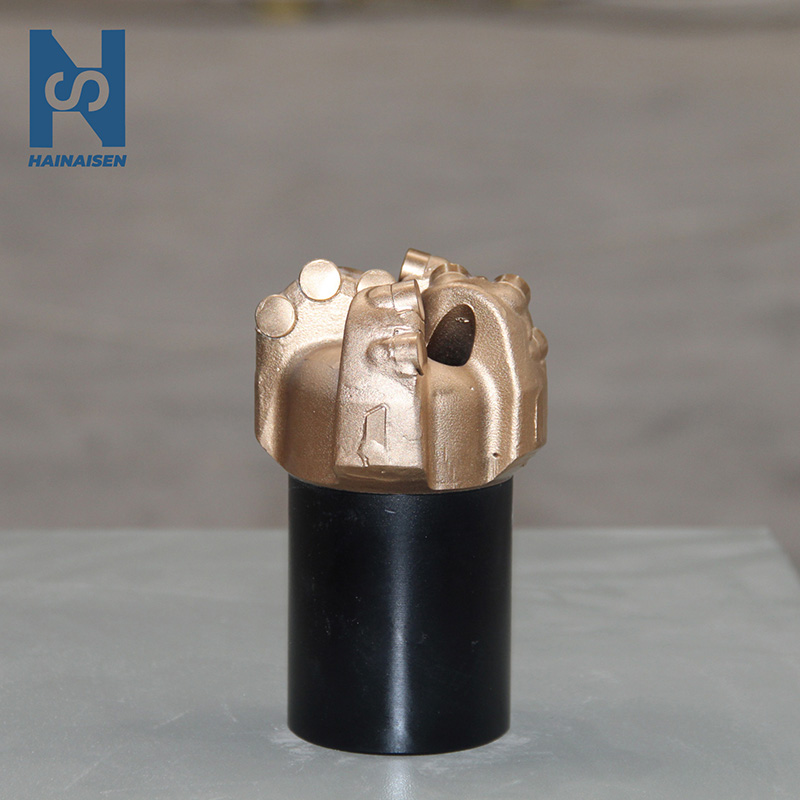
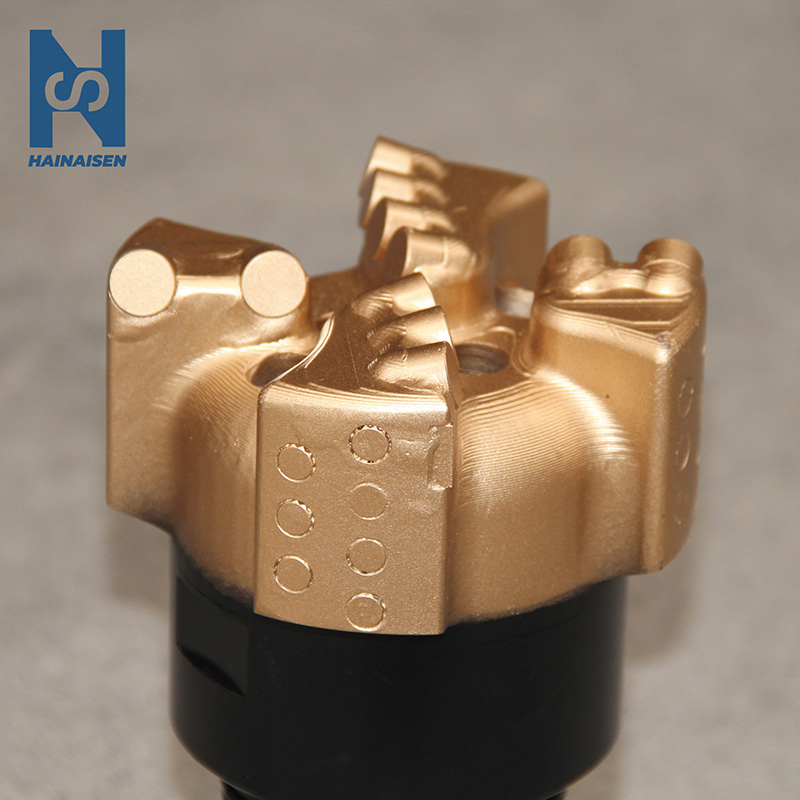
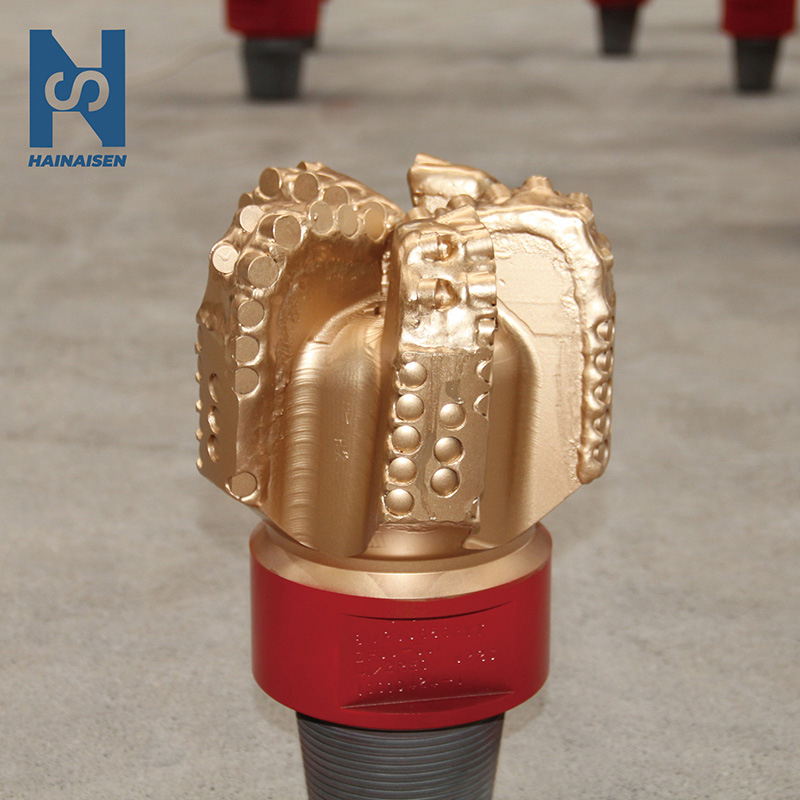
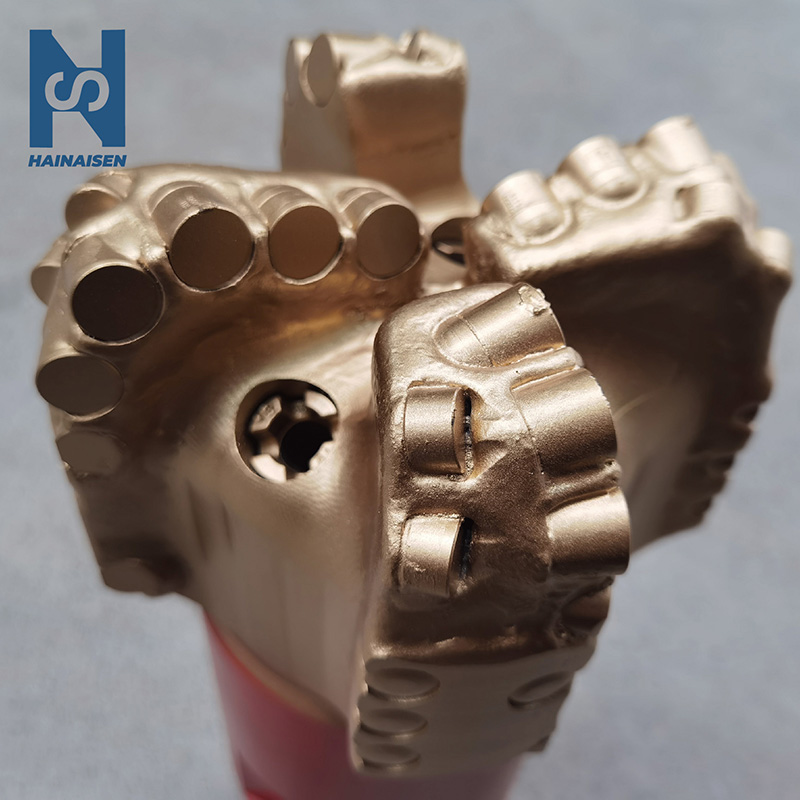
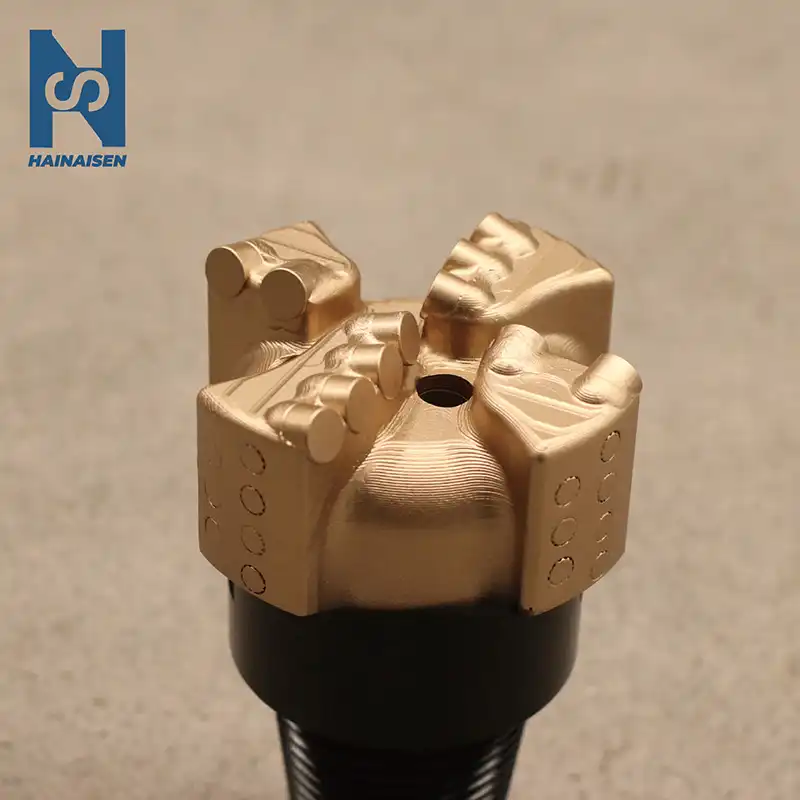
Cutting structures that are very well thought out are what make these bits work. Each PDC cutter has a synthetic diamond layer firmly bound to a tungsten carbide substrate. This makes for a very strong cutting surface that stays sharp even after long drilling sessions. Our pilot bit has 1308 PDC cutters carefully placed across four blades. This makes the cutting process more efficient and evens out the load.
The fixed-cutter design gets rid of the moving parts that often break in regular bits. This engineering method makes it much less likely that downhole equipment will break down while still offering consistent cutting performance. Because there are no bearings or seals, workers can keep digging for long amounts of time without stopping.
Hydraulic Optimization and Debris Removal
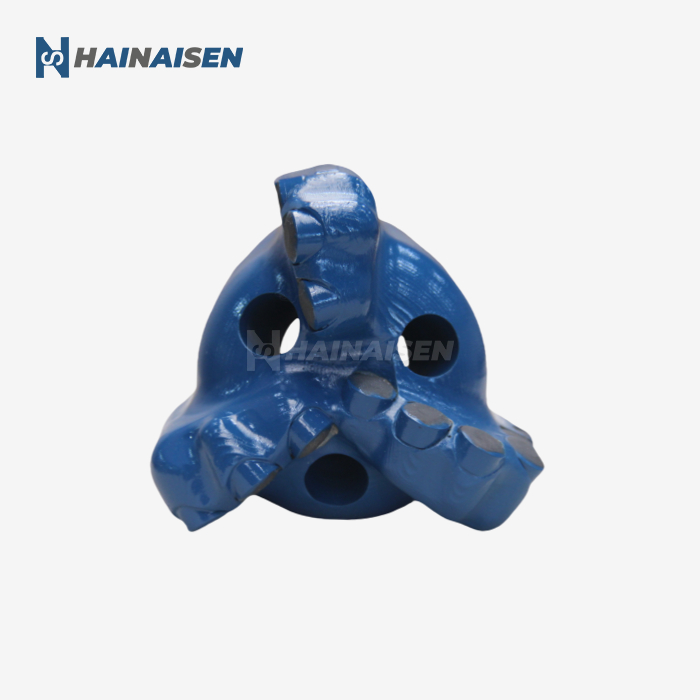
Directional drilling only works if the hydraulic design is done right. The four holes built into our bit design make the best fluid flow patterns that get rid of drilling debris quickly while keeping the cutting elements cool. Cuttings don't build up around the bit face because of this hydraulic efficiency. If it did, it could affect the accuracy of turning and slow down penetration rates.
The special design of blades and the hydraulic system work together to make turbulent flow patterns that make cleaning more effective. This mix makes sure that the cutting elements stay in contact with fresh formation material, which increases the efficiency of the drilling and keeps precise direction control throughout the process.
Advantages of Using PDC Drill Bits in Directional Well Drilling
When used in directional applications, PDC technology has practical benefits that go far beyond just making cutting more efficient. These benefits directly lead to better project costs and more reliable operations for service and drilling providers.
Enhanced Rate of Penetration and Operational Efficiency
PDC Bits always have higher entry rates than other options, and this is true across all types of formations. Diamond cuts use less energy than roller cone bits because they shear instead of breaking. This means that drilling can go faster while using less power. This rise in efficiency is especially helpful for directional uses, where longer drilling times usually mean higher project costs.
Our Directional Well PDC Drill Bit works very well in a wide range of rock types, from soft sedimentary rocks to medium-hard limestone and sandstone. The 120mm diameter design strikes the perfect mix between cutting surface area and mobility, both of which are necessary for precise trajectory control during directional drilling operations.
Extended Bit Life and Reduced Downtime
Polycrystalline diamond technology has a much longer operating life than standard bit designs because it is resistant to wear. In tough rocks, standard bits may need to be replaced every few hundred feet. But PDC bits can usually drill thousands of feet before they start to show major signs of wear. Because it lasts longer, there aren't as many expensive trip activities needed to change bits.
Having less downtime directly lowers the cost of the project, especially in offshore or rural drilling sites where moving tools around costs a lot. Because PDC cutters wear in regular ways, repair times can be better planned. This helps workers make the best use of their resources and drilling plans.
Superior Wellbore Quality and Directional Control
PDC technology's precise cutting action makes wellbore surfaces that are smoother than those made by crushing mechanisms, which make shapes that aren't straight. This better wellbore quality makes it easier to place finishing equipment and raises the total well productivity. The constant cutting action also makes it easier for drilling experts to predict how the tool will behave, which lets them make precise changes to the trajectory during directional operations.
Key Factors in Selecting the Right Directional Well PDC Drill Bit
To choose the best bit, you need to carefully think about a lot of technical and practical factors that affect how well the drill works and how much the job costs. Knowing these selection factors helps procurement workers make smart choices that improve business success.
Formation Compatibility and Geological Things to Think About
Formation traits are the main thing that affects how bits are chosen. Our bits work very well in strata groups 1 through 12, which include most of the rocks that are found in directional drilling. Shale, sandstone, and limestone are all examples of soft to medium-hard rocks that work well with PDC technology.
To get the best performance, the cutting structure design has to match the expected qualities of the shape. Formations that have a lot of silica or big changes in hardness might need special cutter arrangements or matrix formulas to keep cutting efficiently. Our engineering team gives formation-specific advice to make sure that the right bits are chosen for each job.
Bit Configuration and Technical Details
The four blades on our Pilot Bit make it very good at both cutting quickly and controlling the direction of the cut. This design gives it enough cutting surface area while keeping the structural stability needed for precise steering. For standard drilling kits to work, the 2-7/8 REG link type is required, but there are ways to make it fit your specific needs.
The design of the nozzle is a key part of improving hydraulic efficiency. The four nozzles make it possible to precisely control the flow patterns of fluid, which is important for keeping the cutting efficiency high and cleaning holes properly in directional uses. This setup also makes it possible for cutting parts to stay cool during long drilling operations.
Supplier Evaluation and Quality Assurance
When looking for a trustworthy Directional Well PDC Drill Bit maker, you need to think about more than just the price of the product. Quality control methods, certification standards, and the ability to provide help after the sale all have a big effect on the total success of the project. Our factory follows strict quality standards throughout the whole process of production, and before it leaves, every bit is tested thoroughly.
Another important thing to think about is delivery dependability, especially for drilling activities that need to be done quickly. Our delivery plan of 5–7 business days makes sure that equipment is available when it's needed, and our flexible payment terms, which include T/T and L/C, allow for a range of buying tastes. Large-scale businesses and smaller drilling contractors can both use the minimum order number of 10 pieces.
Maintaining and Troubleshooting Directional Well PDC Drill Bits
Good maintenance practices improve bit performance and increase operating life, which has a direct effect on the cost of the job and how well it drills. Knowing the right way to handle and maintain tools will help you get the most out of your purchase.
Routine Inspection and Preventive Maintenance
Protocols for regular inspections help find wear patterns and possible problems before they affect drilling operations. By looking at cutting parts visually, you can see how they are wearing down and get an idea of how long the bit will last. Broken or overly worn cuts can sometimes be changed one at a time, which can extend the life of the bit and lower the cost of replacement.
Using the right techniques for moving and storing things keeps them from getting damaged and affecting their performance. Even though PDC cuts are very hard, they can break or chip if they are hit or handled incorrectly. Cutting elements stay in good shape as long as they are stored in safe cases and are handled carefully when equipment is being changed.
Common Wear Patterns and Diagnostic Indicators
By knowing how bits usually wear down, workers can improve drilling settings and make bits last longer. Normal wear shows up as a steady drop in the cutter height across the bit face. Anomaly wear patterns, on the other hand, could mean that there are problems with the drilling parameters, the design of the bottom hole assembly, or the properties of the formation.
Too much shaking or stick-slip situations can damage cutters too soon, showing up as broken or chipped cutting elements. These problems usually happen because the weight on the bit or the rotation speed settings are not right. This shows how important it is to have the right drilling parameters for PDC bit uses.
Procurement Guide: Acquiring Directional Well PDC Drill Bits for Your Business
When buying specialized drilling tools, it's important to carefully look at technical specs, the supplier's skills, and the total cost of ownership. Knowing about these things makes sure that you can buy the right tools for your needs.
Sourcing Strategy and Supplier Selection
You can get directional PDC bits from several different sources, such as direct relationships with Manufacturers, dealers, and online sites. When you deal directly with a manufacturer, you may be able to get customization choices and technical help that you can't get through other channels. Our business gives you direct access to tech experts and the ability to make changes that meet specific operational needs.
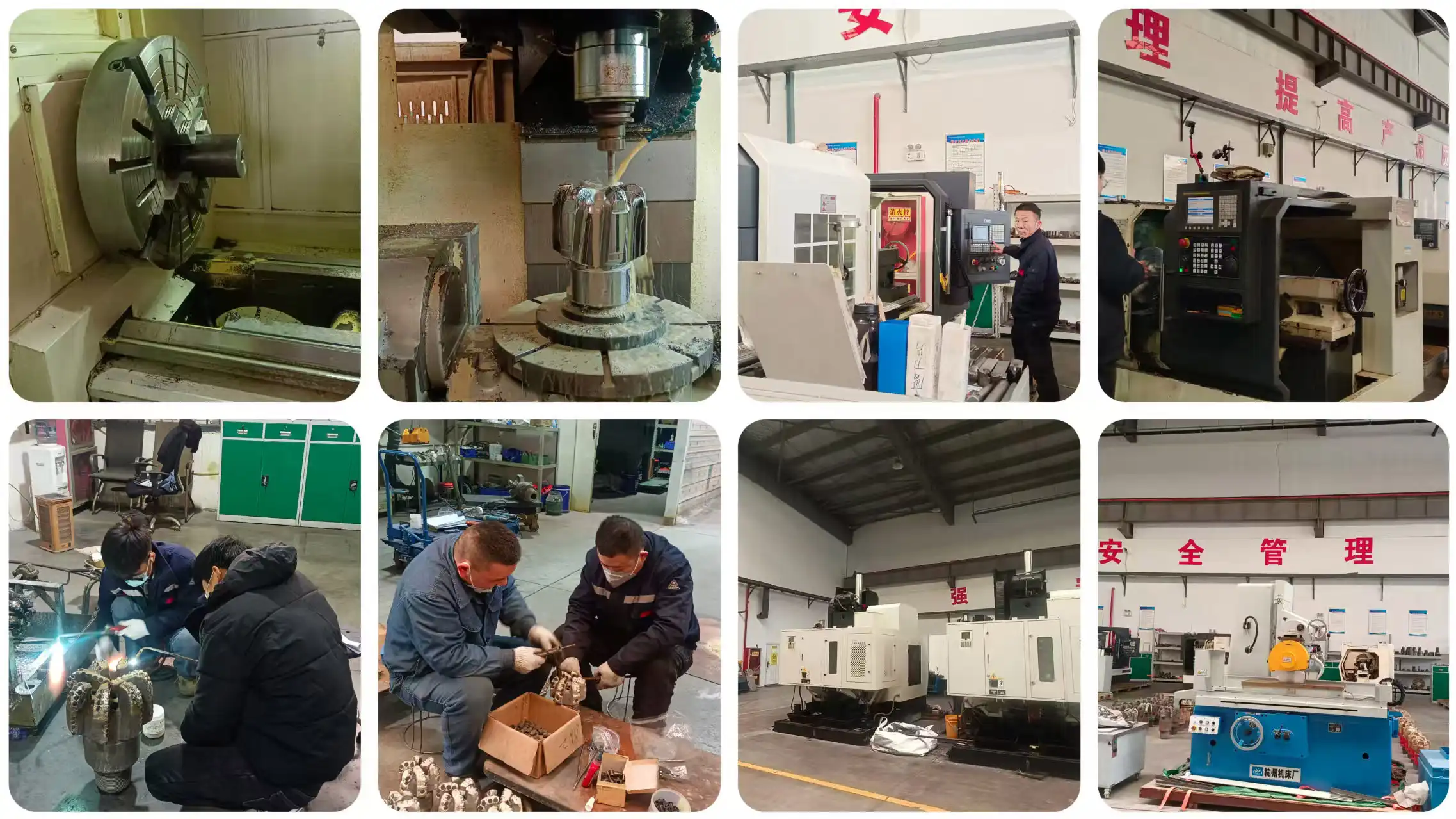
When evaluating a supplier, you should look at their manufacturing skills, quality control methods, and framework for providing help after the sale. Our building is 3,500 square meters and has high-tech cutting tools like 5-axis machining centers and CNC machine tools. This makes sure that the products we make are precise and meet the needs of our customers. The specialized R&D team offers ongoing technical help and the ability to make custom designs.
Pricing Considerations and Value Analysis
Initial purchase cost is an important factor to think about for Directional Well PDC Drill Bit, but the overall cost of ownership gives a more complete picture. The general project costs are affected by things like bit life, drilling efficiency, and operating reliability. Our flexible price structure meets the needs of people with a wide range of budgets while still keeping high-quality standards.
Options for custom manufacturing meet unique operating needs that might not be met by standard product configurations. Some of these abilities are changed cutting structures, special links, and formation-specific designs that make the machine work best for each particular job.
Logistics and Delivery Management
Good supply management makes sure that drilling equipment is available when it's needed. Our efficient shipping schedule and range of flexible packing choices can be used to meet a wide range of business needs. The ability to ship goods internationally supports operations that take place all over the world, and detailed paperwork makes it easier to clear borders and follow regulations.
Conclusion
Directional Well PDC Drill Bits are important tools for modern drilling jobs because they give the accuracy and dependability needed to build a directional well. PDC bits are the best choice for difficult directional jobs in many industries because they offer improved cutting technology, longer life, and higher operating efficiency. The best ways to choose, maintain, and buy these high-tech tools will get the most out of them, making sure that the project succeeds and the business makes money.
FAQ
Q1: What makes PDC bits superior to conventional roller cone bits in directional drilling?
PDC bits have many benefits, such as higher penetration rates, longer operating lives, and driving traits that are easier to predict. Because they shear instead of crush, shearing bits are better at controlling direction than roller cone bits, which makes them perfect for managing precise paths in directional tasks.
Q2: How do I determine the right bit size for my directional drilling project?
The choice of bit size is based on the needs of the wellbore, the features of the formation, and the finishing goals. Our 120mm Pilot Bit is good for medium-sized directional jobs, and our size range of 60–200mm can be used for a variety of projects. Talking to our technical team will help you choose the best size.
Q3: What kinds of care can make PDC bits last longer in directional applications?
Regular checks of the cutting elements, the right way to handle them, and using the best drilling settings can greatly increase the bit's life. Cutting tools don't get damaged too quickly if the bottom hole assembly is designed correctly and the weight-on-bit is kept at the right level.
Q4: Can PDC bits be customized for specific formation types?
Yes, our research and development team can make special designs to make bits work better in certain geological situations. Changes are made to cutter arrangements, matrix formulas, and hydraulic configurations based on the properties of the formation and the needs of the process.
Q5: What kind of expert help is there for apps that use directional PDC bits?
Our expert engineering team offers full technical support, including help with choosing the right bit, suggesting the best drilling parameters, and fixing problems. This help makes sure that the drilling process runs smoothly.
Partner with HNS for Superior Directional Drilling Solutions
Ready to enhance your directional drilling operations with cutting-edge Directional Well PDC Drill Bit technology? HNS delivers industry-leading PDC bits engineered for precision, durability, and exceptional performance across challenging formations. Our advanced manufacturing capabilities, customization options, and dedicated technical support ensure your drilling projects achieve optimal results. Contact our specialist team at hainaisen@hnsdrillbit.com to discuss your specific requirements and discover why leading drilling contractors choose HNS as their trusted directional well PDC drill bit supplier.
References
1. Mitchell, B.J. & Miska, S.Z. (2019). "Fundamentals of Drilling Engineering: PDC Bit Technology and Directional Applications." Technical Publications from the Society of Petroleum Engineers.
2. Warren, T.M. & Armagost, W.K. (2018). "Laboratory Studies of PDC Bit Performance in Directional Drilling Operations." Journal of Petroleum Technology, Vol. 45, Issue 3.
3. Detournay, E. & Defourny, P. (2020). "A Phenomenological Model for the Drilling Action of Drag Bits in Directional Wells." International Journal of Rock Mechanics and Mining Sciences, Vol. 78.
4. Cooley, C.H. & Pastusek, P.E. (2017). "The Design and Testing of Anti-Whirl PDC Bits for Directional Drilling Applications." Published in the proceedings of the SPE Drilling and Completion Engineering Conference.
5. Bellin, F. & Dourfaye, A. (2019). "Modeling PDC Bit Performance in Directional and Horizontal Wells: Formation Effects and Optimization Strategies." International Association of Drilling Contractors Technical Report.
6. Hareland, G. & Rampersad, P.R. (2021). "Drag Bit Model Including Wear for Directional Well Planning and Real-Time Applications." Petroleum Science and Engineering Research Journal, Vol. 129.