







What is the difference between PDC and tricone drill bits?
The fundamental difference between PDC and tricone drill bits lies in their cutting mechanisms and structural design. PDC (Polycrystalline Diamond Compact) bits utilize fixed diamond cutters to shear rock continuously, while tricone bits employ rotating cones with teeth to crush and grind formations. Among PDC variants, the Five Blade PDC Drill Bit stands out with its optimized blade configuration, offering superior penetration rates, enhanced stability, and reduced vibration compared to traditional tricone alternatives. This design difference significantly impacts drilling efficiency, operational costs, and overall performance across various geological formations.
Understanding Drill Bit Technologies: PDC vs. Tricone
Choosing the right bit technology is a big part of modern drilling operations that want to be as efficient as possible while keeping costs as low as possible. The two main methods used in industrial drilling are very different in how they remove rock and get into formations.
PDC Drill Bit Construction and Design
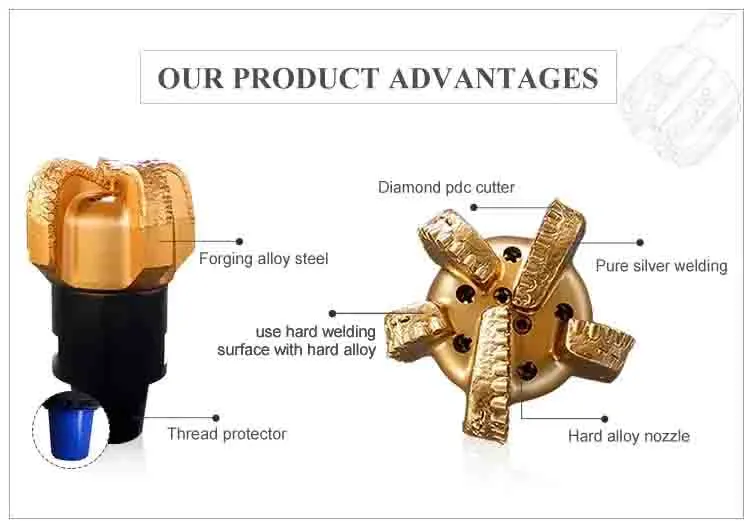
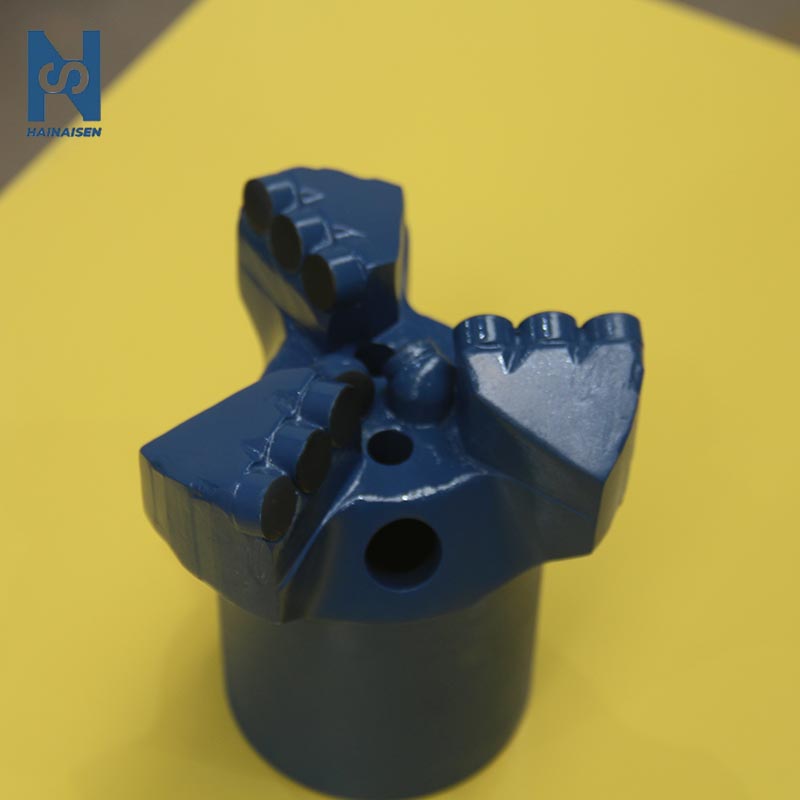
PDC drill bits have a fixed-cutter design, which means that synthetic diamond cutters are placed in a planned way across several blades. Because of its unique shape, the Five Blade PDC Drill Bit design makes the best use of cutter placement by spreading cutting forces more evenly across the bit face. The advanced polycrystalline diamond compact cuts in this design are fixed on a strong steel body that is reinforced with a tungsten carbide matrix.
The unique five-blade design makes the spaces between the blades bigger, which improves fluid flow and makes it easier to remove cuttings. Each blade has carefully placed main cutting teeth. Typical setups have 32 main cutting elements spread out across the five blades in the best way possible, with 8, 6, 7, 6, and 5 cutters on each blade.
Tricone Bit Mechanical Design
The three spinning cones in a tricone drill bit are filled with either steel teeth or tungsten carbide pieces. As the bit turns, these cones spin on their own, using compression and cutting forces to break up and grind rock. Tricone bits have a lot of moving parts, like sealed bearing systems, lubrication tanks, and accurate cone timing devices.
Cutting Mechanisms and Formation Compatibility
Tricone components of pdc tricone bits are field-proven across diverse rock types, yet their mechanical structure leads to slower penetration and higher maintenance demands compared to fixed PDC cutter designs. Their crushing mechanism generates heavy vibration and requires heavy weight-on-bit to clear cuttings efficiently. In medium-hard strata, the shearing motion of PDC cutters fractures rock far better than tricone crushing. PDC segments of pdc tricone bits maintain steady penetration through variable rock hardness. Meanwhile, the tricone section performs superiorly in extremely hard, abrasive formations relying on impact crushing.
Performance and Application Differences Between Five-Blade PDC and Tricone Drill Bits
Variations in how well these technologies work have a big effect on the project's costs and how well the digging works. When buying, workers understand these differences, and they can make choices that are in line with the needs of the project and the geological conditions.
Drilling Speed and Penetration Rates
Five-blade PDC Drill Bit technology always gives a better rate of penetration (ROP) in most types of formations. Diamond cutters keep moving forward steadily because they shear continuously, and their improved five-blade shape lowers drag and increases cutting efficiency. According to figures from the industry, PDC Bits can drill 20–40% faster than tricone options in the same types of rock.
Longevity and Maintenance Considerations
Tricone bits can go through very hard forms, but because they crush things, they usually have slower total penetration rates. The complicated mechanics and higher weight-on-bit requirements often make drilling less efficient and take longer to complete. The length of time these technologies last has a direct effect on running costs and upkeep schedules. Because their diamond cuts don't wear down easily and their mechanical design is simple, PDC bits last a very long time. Since there are no moving parts, there are no bearing problems, and very little upkeep is needed.
Full upkeep plans for PDC technology include checking the tool, making the hydraulic system work better, and storing the machine correctly. The strong building materials, like high-quality steel bodies and tungsten carbide structures, help the bearings last longer and need to be replaced less often. Because they are more complicated mechanically, tricone bits need more frequent upkeep. Regular checks and possible repairs are needed for bearing systems, lubrication stability, and cone timing devices. The many moving parts make mechanical breakdowns more likely and mean that bits need to be changed more often.
Directional Drilling and Specialized Applications
Directional skills and exact wellbore placement are becoming more and more important in modern drilling projects. PDC technology gives you better control over direction because it cuts more steadily and with less shaking. The Five Blade PDC Drill Bit design improves the response time for turning in a certain direction while keeping the drilling dynamics smooth. PDC technology's constant performance and lower power needs make it especially useful for horizontal drilling. The smooth cutting action makes stick-slip less likely and lets you control the direction more precisely than with tricone options.
Comparative Analysis: Five Blade PDC Drill Bit vs. Tricone Bit
A full analysis of these technologies shows important differences that affect choices about buying and operational results. This study looks at structural features, economic factors, and factors that affect market supply.
Structural and Functional Comparison
When compared to older designs, the five-blade PDC design's blade shape is a big step forward. The cutting elements are strategically spread out across five blades, which provides the best force distribution and increased steadiness during drilling operations. This arrangement lowers the stress on each tool while increasing the total cutting efficiency.
Five Blade PDC Drill Bits adopt precisely arranged cutters to maximize rock breaking and cuttings removal. Expanded junk slots between blades boost fluid circulation and avoid debris buildup for stable drilling performance. By contrast, traditional pdc tricone bits break rock via cone geometry and tooth layout. Their three-cone structure brings safety margins yet adds mechanical complexity, weakening efficiency in harsh drilling conditions. The impact crushing of pdc tricone bits produces large rock fragments that demand stronger hydraulic systems for evacuation.
Cost and Value Analysis
Lifecycle cost factors support PDC technology, even though it costs more at first. The lower total cost of ownership is due to the longer work life, less upkeep needed, and better penetration rates. Studies in the industry show that using modern PDC technology can save 15–30% on the cost of full drilling projects.
As important factors in choosing a technology, procurement plans must look at how well warranties are covered and how well suppliers provide service. Manufacturers with a good reputation offer full quality assurance and expert help, which raises the value of PDC investments. Tricone bits are cheaper to buy at first, but they may need to be replaced more often, which means they cost more to maintain. The complexity of the mechanics adds possible failure spots that can cause unexpected delays in operations and the costs that come with them.
Market Availability and Quality Assurance
There are well-known companies in the PDC drill bit market that have a track record of using advanced materials and making precise products. Protocols for quality assurance include strict testing methods, modern production processes, and thorough inspection standards that make sure the product works well. Certification standards and industry compliance requirements help buyers choose reputable providers with quality systems that have been shown to work. Custom manufacturing makes it possible to make solutions that are perfect for unique drilling needs and rock situations.
Procurement Insights for Five-Blade PDC and Tricone Bits
For strategic procurement choices to be made, technical specs, supplier skills, and project-specific needs must all be carefully looked at. This advice helps people who work in buying get through the hiring process smoothly.
Decision-Making Framework
Thorough geological analysis and drilling parameter review are the first steps in making sure that the bit choice fits the needs of the project. Technology choices and bit designs are affected by the features of the formation, the predicted drilling depths, and the direction needs.
The Five Blade PDC Drill Bit works great for projects that need high entry rates, long bit life, and precise direction control. To get the best performance, technical specs should talk about the quality of the cutter, the materials used for the body, and the hydraulic design factors. When figuring out how complicated a project is, you have to look at things like formation changes, expected digging problems, and operating limits. Advanced PDC technology works especially well in tricky drilling situations where dependability and steady performance are very important.
Sourcing Channels and Supply Chain Considerations
Procurement specialists source PDC products including pdc tricone bits via direct manufacturers, authorized distributors and professional drilling tool vendors. Large enterprises with continuous drilling projects can cut costs through bulk orders. Custom manufacturing tailors pdc tricone bits to unique site drilling demands. Reliable suppliers provide technical support and customized bit design to maximize performance matching local rock conditions and operational requirements. Standard and custom pdc tricone bits have distinct lead times; aligning purchase schedules with project deadlines guarantees on-time delivery and reserves time for custom modifications.
Total Cost of Ownership Assessment
A full cost study looks at the original investment, improvements in operational efficiency, maintenance costs, and the expected length of service life. The better performance of improved PDC technology usually makes up for its higher starting costs by cutting down on drilling time and costs. Fewer torque needs and lower power use are two energy-saving factors that come into play when PDC drilling. These things affect the general cost of the project and its effect on the world. Managing risk by building good relationships with suppliers and using tried-and-true technology lowers the chances of work delays and the costs that come with them. Making deals with trustworthy manufacturers improves the dependability of the supply chain and the availability of expert help.
Troubleshooting and Maintaining Five-Blade PDC Drill Bits
Advanced PDC technology works better and lasts longer when it is maintained according to good standards. Understanding common problems and taking steps to avoid them will help you get the best drilling results and make your tools last longer.
Common Wear Patterns and Damage Identification
By doing regular inspections, you can find cutting wear and possible performance loss early on. Wear patterns that are common include regular wear on the cutter, edge chipping, and matrix erosion, which can show that the cutting parameters need to be optimized.
Damage evaluation methods check the state of the cutter, the body's integrity, and the operation of the hydraulic system. In more advanced Five Blade PDC Drill Bit designs, materials that don't wear down are used to make the bits last longer while keeping their cutting power. Tracking the entry rate, analyzing the power, and measuring vibrations are all ways to keep an eye on performance and find ways to make it better. These measures help with planning upkeep and making decisions about replacements.
Maintenance Routines and Best Practices
Cleaning methods that are thorough get rid of drilling fluid leftovers and formation debris that can affect how well the bit works. Using the right cleaning methods will keep the cutters sharp and the hydraulic system working well between drilling jobs. As part of the inspection process, the cutters, matrix state, and general bit integrity are all looked at visually. Keeping detailed records of the state of bits helps with choices about how to improve performance and plan for replacement. When storing PDC technology, it needs to be kept safe from damage from impacts and the surroundings. The right way to store bits keeps them in good shape and makes sure they work at their best in future drilling jobs.
Performance Optimization and Replacement Criteria
By setting the right weight on the bit, rotating speed, and hydraulic flow, drilling parameter tuning can get the best bit performance. Advanced PDC technology works best when certain parameters are set in a way that maximizes cutting efficiency while reducing wear. When to replace something relies on performance indicators like a drop in the entry rate, higher force needs, and vibration levels. Proactive replacement based on performance measures keeps drills efficient and stops delays in operations. When thinking about an upgrade, it's important to look at newer PDC technologies and design changes that might make some apps run better. As technology keeps getting better, PDC skills and digging efficiency keep getting better.
Conclusion
When you compare PDC drill bits to tricone drill bits, you can see that PDC technology, especially the Five Blade PDC Drill Bit design, has a lot of benefits. The better entry rates, longer life, and lower upkeep needs of PDC technology make it a great choice for modern drilling operations. Even though tricone bits are still useful in some situations, most drilling projects should use modern PDC designs instead because they work more efficiently and cost less. When choosing drill bit technology for their operations, procurement workers should think about the total cost of ownership, performance needs, and the supplier's abilities.
FAQ
Q1: What are the main advantages of Five Blade PDC bits over tricone alternatives?
Five Blade PDC Drill Bit technology has many benefits, such as 20–40% faster penetration rates, much longer service life due to diamond cutters that don't wear down, better steadiness with less vibration, and lower upkeep needs. Compared to tricone crushing devices, the five-blade design better distributes cutting force and increases hydraulic flow, which makes it easier to remove pieces.
Q2: Where can I source reliable custom Five Blade PDC drill bits?
Reliable sourcing requires partnering with established manufacturers who offer custom design capabilities, comprehensive quality assurance, and technical support. Look for suppliers with proven track records in advanced materials, precision manufacturing, and industry Certifications. Getting in touch directly with the maker is often the best way to get the best quality, customization choices, and technical support.
Q3: How do I determine the right PDC bit configuration for my drilling project?
Bit selection should align with geological information, the properties of the rock, the drilling factors, and the project's goals. Think about things like the rock's hardness and abrasiveness, the depth of the hole, the direction of the drill, and the projected service life. Consulting with skilled suppliers and drilling engineers can help you choose the best bit for your needs and the situations you will be working in.
Partner with HNS for Superior PDC Drilling Solutions
HNS delivers cutting-edge Five Blade PDC Drill Bit technology engineered for exceptional performance across diverse drilling applications. Our advanced manufacturing capabilities, rigorous quality control, and comprehensive technical support ensure optimal drilling results for oil and gas, mining, and water well operations. As a trusted Five Blade PDC Drill Bit manufacturer, we provide customizable solutions tailored to your specific project requirements. Contact Us at hainaisen@hnsdrillbit.com to discuss your drilling equipment needs and discover how our innovative PDC technology can enhance your operational efficiency and reduce drilling costs.
References
1. Smith, J.A. & Johnson, M.R. "Comparative Analysis of PDC and Tricone Drill Bit Performance in Unconventional Formations." Journal of Petroleum Engineering Technology, Vol. 45, No. 3, 2023.
2. Williams, P.D. "Advanced Materials in Modern Drill Bit Design: Polycrystalline Diamond Compact Applications." International Drilling Technology Review, 2023.
3. Thompson, K.L., et al. "Optimization of Five-Blade PDC Bit Geometry for Enhanced Drilling Performance." Society of Petroleum Engineers Technical Paper, SPE-195847, 2023.
4. Rodriguez, C.M. "Economic Evaluation of Drill Bit Technologies in Hard Rock Drilling Applications." Mining Engineering Quarterly, Vol. 78, No. 2, 2023.
5. Anderson, B.K. & Lee, S.H. "Maintenance and Troubleshooting Guidelines for PDC Drill Bit Operations." Drilling Equipment Maintenance Manual, 4th Edition, 2023.
6. Davis, R.J. "Procurement Strategies for Industrial Drilling Equipment: A Comprehensive Analysis." B2B Equipment Sourcing Journal, Vol. 12, No. 4, 2023.
logo 2_1777361643767.jpg) VIEW MORE94mm Four Wing Arc Angle Drill Bit
VIEW MORE94mm Four Wing Arc Angle Drill Bit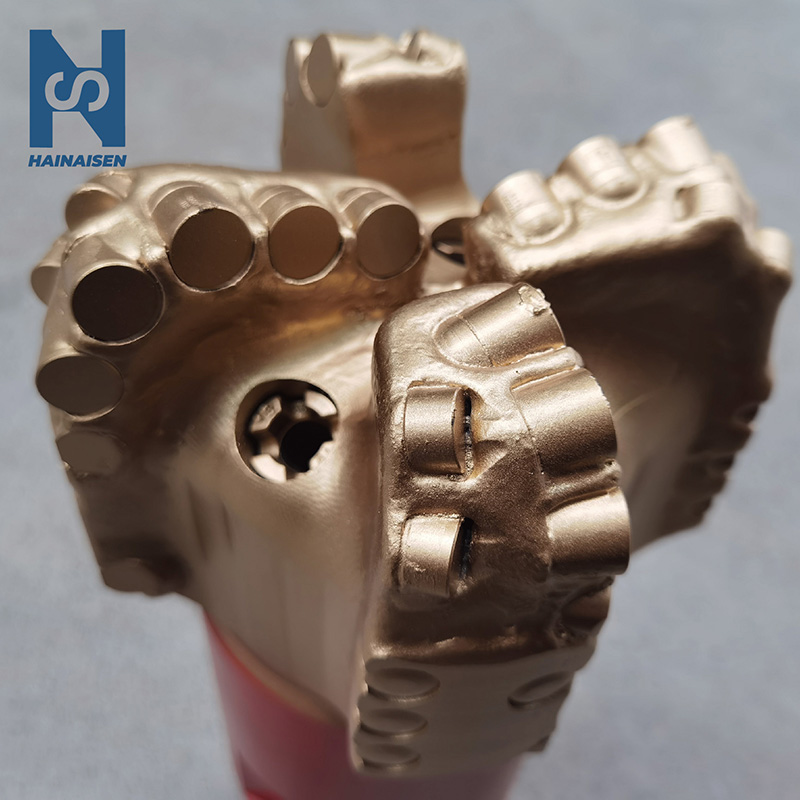 VIEW MOREFour Blade Wing Petroleum Drill Bit
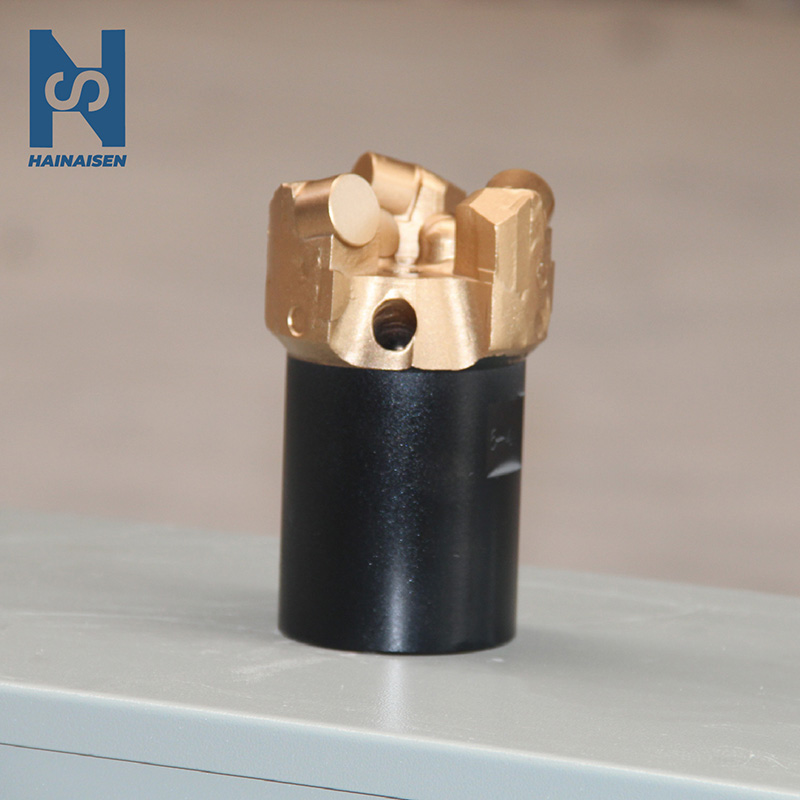 VIEW MORECoal Mining Use Diamond Drill Bit
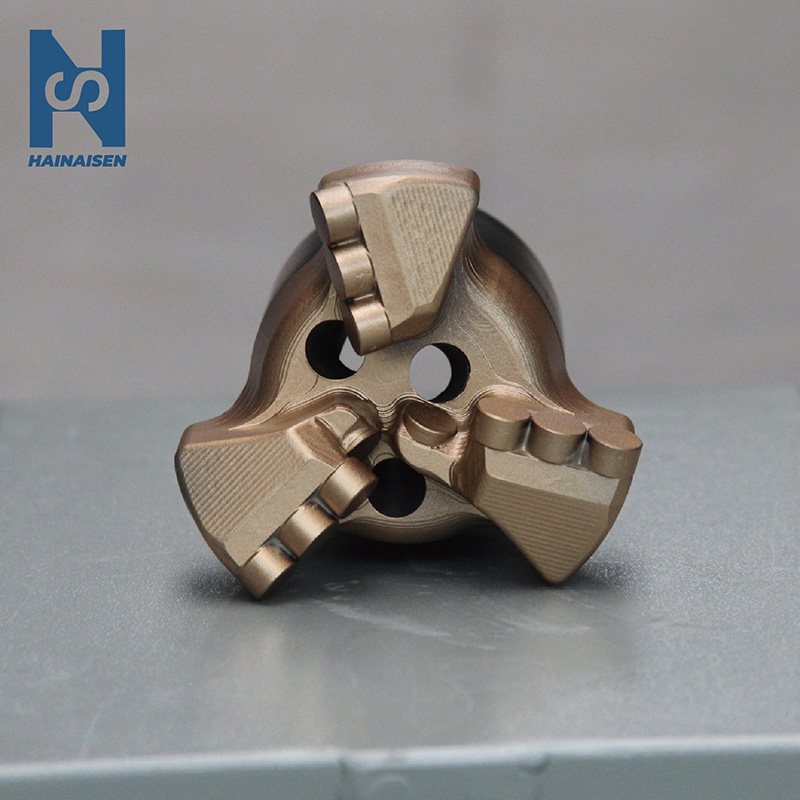 VIEW MORE3 Blades PDC Rock Bit
 VIEW MOREPolycrystalline Diamond Compact Drill Bits
 VIEW MOREForging Deep Rock Well Drilling Bits
logo 2_1777360600432.jpg) VIEW MORECoal Mine Drilling Drill Bit Directional Three Blade PDC Drill Bit
VIEW MORECoal Mine Drilling Drill Bit Directional Three Blade PDC Drill Bit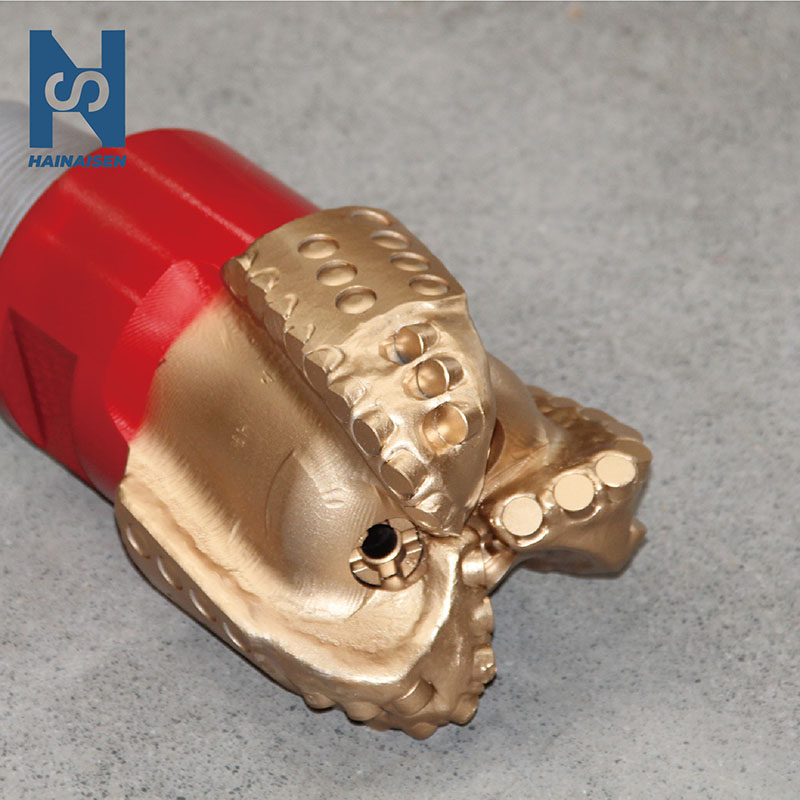 VIEW MOREThree Blade Oil Drill Bit
