Oil and Gas Exploration: Choosing the Right Drill Tools
Choosing the right drilling tools is one of the most important choices that oil and gas exploration companies have to make. Getting the right tools for a drilling project is very important because they have to be able to handle the rough conditions underground and still do their job well. Drill Bits For Oil Drilling have undergone major evolution, including the use of cutting-edge materials like Polycrystalline Diamond Compact (PDC) blades and improved engineering designs. These new ideas have a direct effect on how well drilling works, how much it costs, and how long a project takes. Because of this, procurement managers and technical experts across the industry make choosing the right tools a top priority.
Understanding Drill Bits in Oil Drilling: Types, Materials, and Mechanisms
To be good at oil drilling, you need to know how drill bits cut through rock formations and rotate precisely. Modern drilling relies on bit designs that are very complex and make it possible to remove rocks efficiently while using as little energy and wear as possible.
Rock Penetration and Rotation Mechanics
Rotating force and downward pressure work together to make drill bits work. This makes a cutting motion that breaks up rock forms. The bit's cutting edges scrape and grind through layers of rock while drilling fluid flows around to clear away trash and keep the cutting edges cool. To combine how well the cutting works with how long the bits last, this ongoing process needs precise engineering.
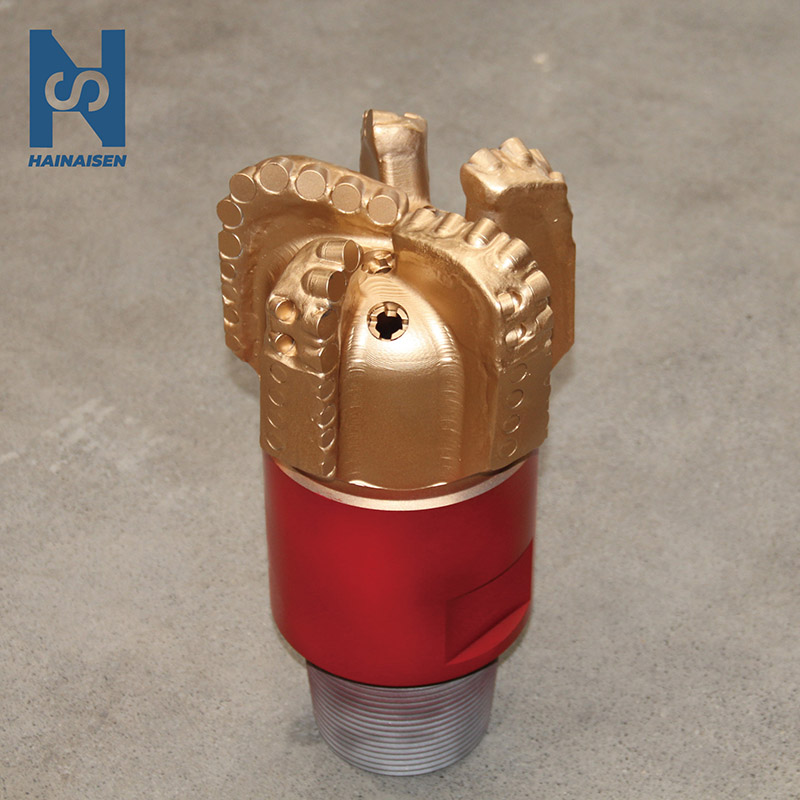
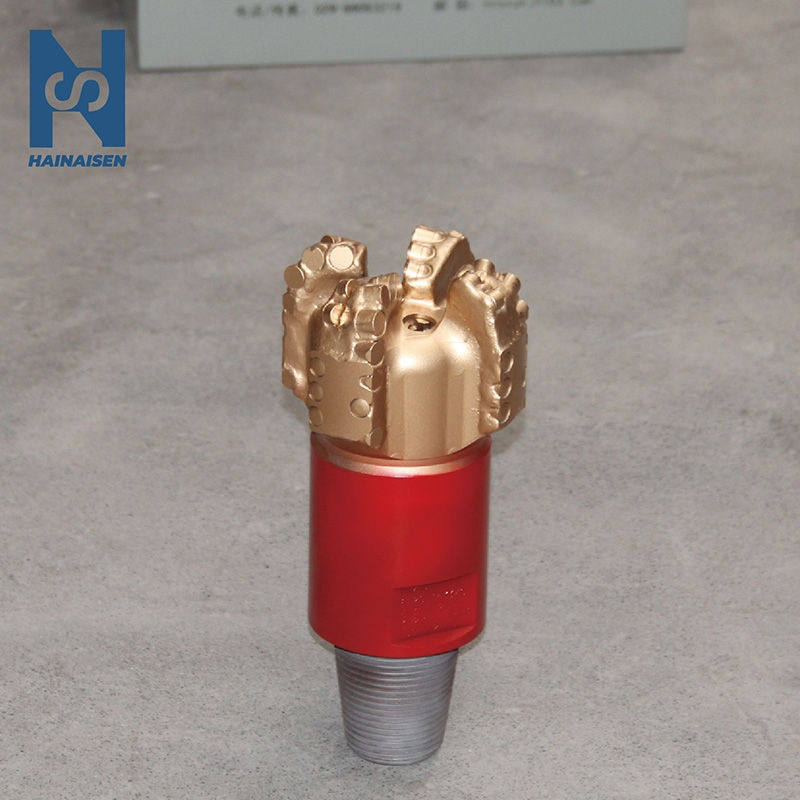
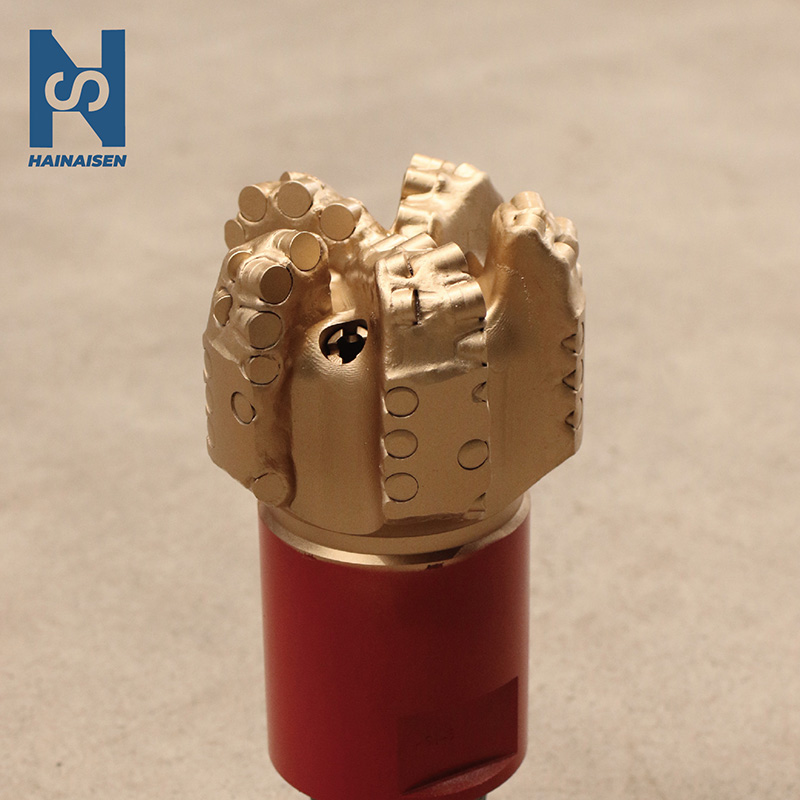
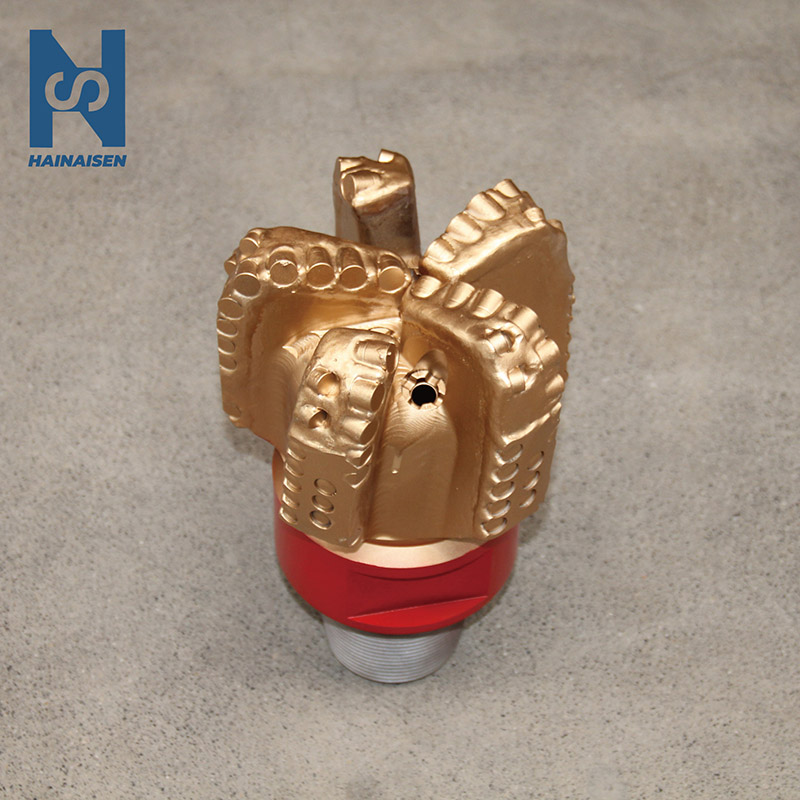
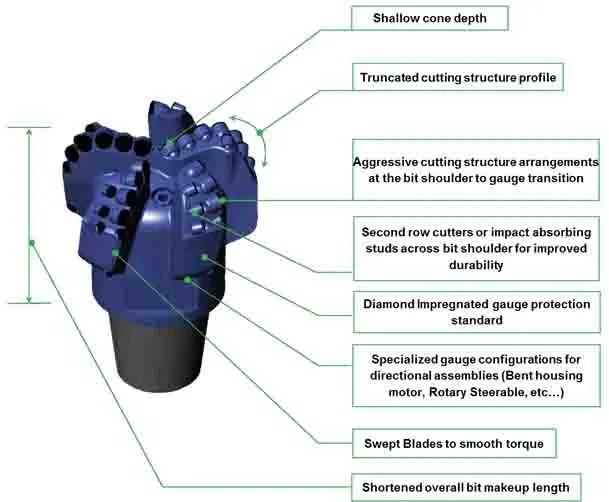
Synthetic diamond cuts are used in PDC Bits because they keep their sharp edges longer than standard materials. These cuts are placed across several blades in a planned way to spread the cutting forces out evenly and increase the rate of entry. The IADC S223 rating refers to a particular bit design that works best in medium to hard formations. It has 63 PDC cutters spread out over five blades to improve performance.
Common Drill Bit Types and Applications
There are three main types of drilling tools on the market, and each one is best for a certain type of rock and operation:
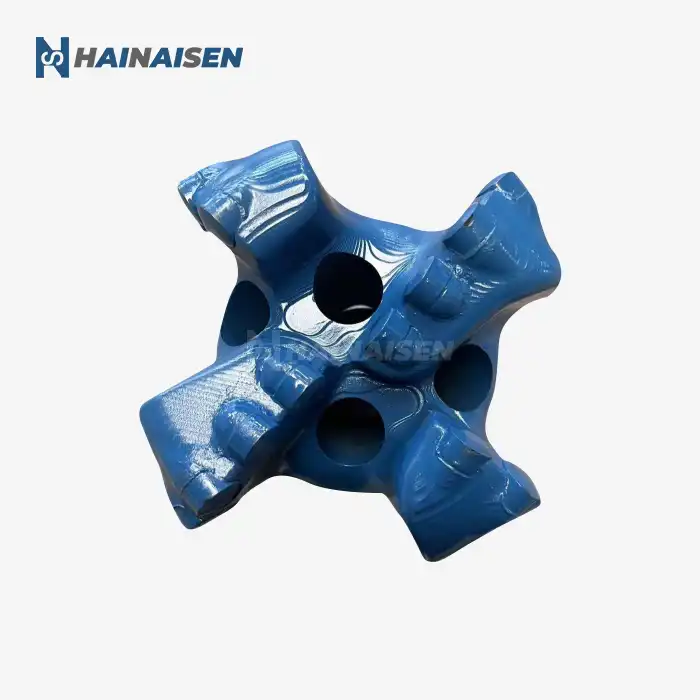
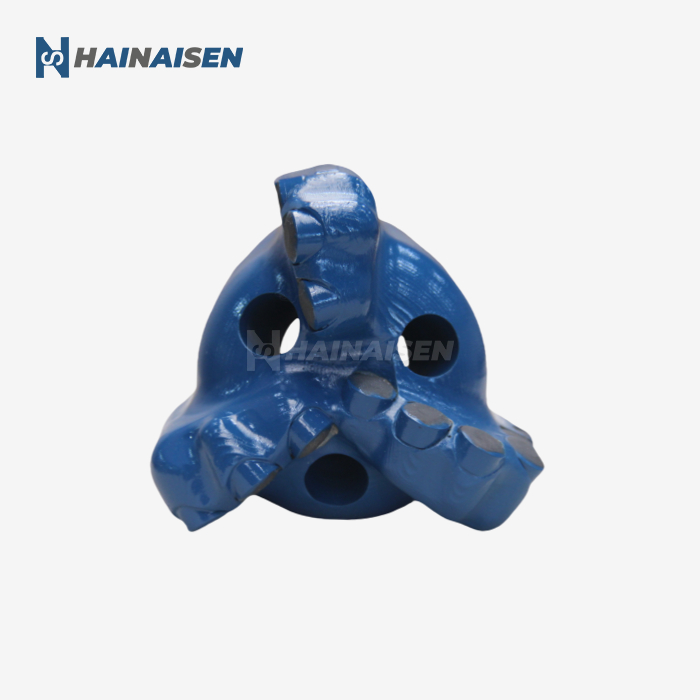
Tricone Bits: These roller cone designs work well in a variety of forms because they use spinning cones with teeth made of steel or tungsten carbide. Because they can do many things, they can be used for experimental digging in places where the features of the formation are still unknown.
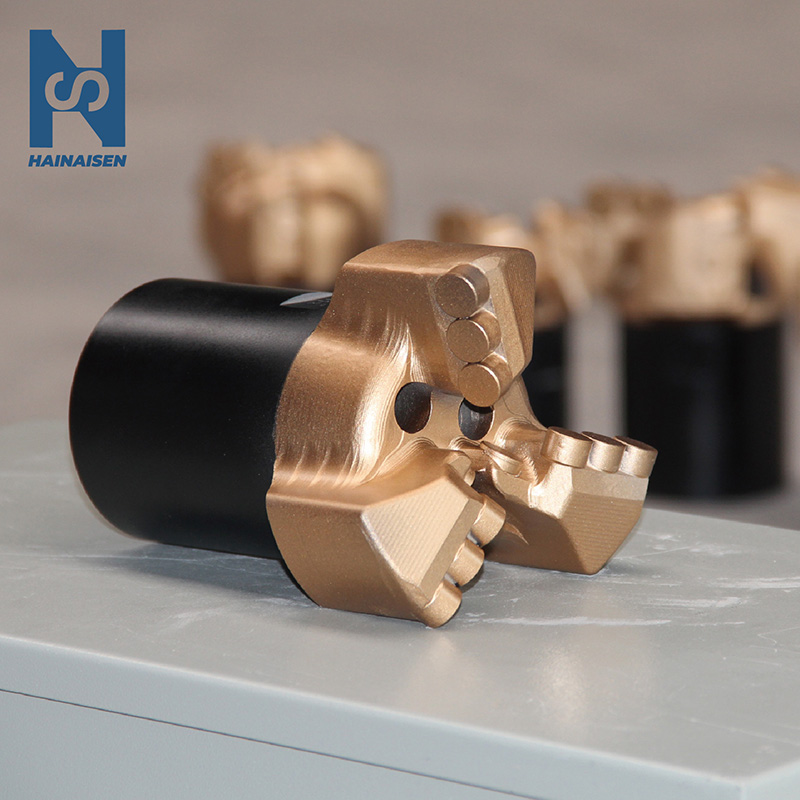
PDC Bits: Polycrystalline Diamond Compact bits work better in forms that stay the same. In modern PDC designs, there are several blades with diamond-enhanced cuts that make them very durable and fast.
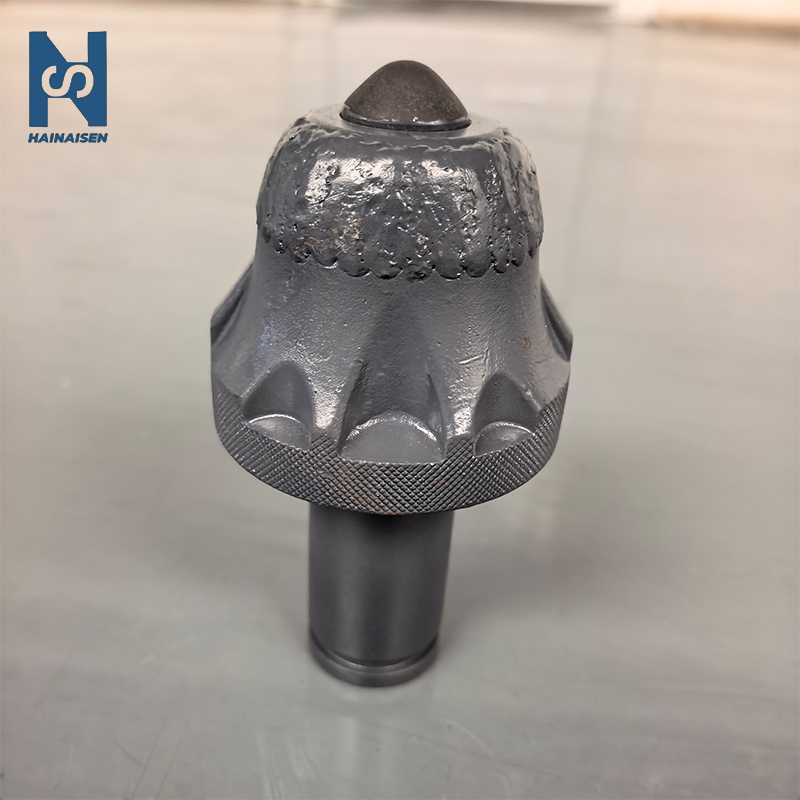
diamond bits: Natural or man-made diamond bits are the hardest things you can use to break through very tough layers. These specialized tools keep cutting effectively in rough conditions where other bit types break down too soon.
Material Advances for Harsh Environments
New developments in drilling technology have mostly been about making materials stronger so they can handle the harsh conditions downhole. Modern metallurgy has been added to high-strength steel bodies to make them resistant to wear and heat stress. As PDC cutter technology has grown, bigger cutters with 13mm and 16mm diameters have been made that better spread cutting forces.
The use of modern materials in Drill Bits For Oil Drilling has a direct effect on the amount of upkeep needed and the cost of running the business. Bit changes happen less often because the bodies are made of premium-grade steel that is more thermally stable, and better PDC formulations keep the cutting edge intact longer in rough forms.
Key Factors to Consider When Selecting Drill Bits for Oil Wells
To choose the right bits for a job, you need to carefully look at the specifics of the job and the performance needs. This decision process helps procurement workers choose the right tools to reduce risk and maximize drilling returns.
Project-Specific Geological Conditions
The two most important things that determine bit choice are well depth and rock strength. For shallow wells in soft rocks, cutting designs that focus on entry rate may work best. For deeper wells, on the other hand, bits need to be made to last longer in high-pressure situations.
Formation abrasiveness has a direct effect on the choice of bit material. Moderately rough sandstone rocks usually work well with six- to seven-blade PDC designs, since having more cutters makes them less likely to wear down. With its five blades and 63 PDC cuts, the S223 IADC code is designed to work with these medium-hard rocks.
Performance Benchmarking and Comparative Analysis
In order to explain their operational prices, modern Drill Bits For Oil Drilling must meet certain performance standards. Measuring penetration rate gives you quick feedback on how well the bit is cutting, and bit durability affects the total project's cost-effectiveness by lowering tool costs and reducing rig downtime.
In consistent formations, PDC bits always work better than tricone designs, getting higher penetration rates and longer operating life. But tricone bits are still better in forms that aren't all the same, because sudden changes in the structure could damage PDC cutters.
Supplier Reliability and Customization Potential
Partnering up with dependable suppliers guarantees consistent tool quality and expert help during drilling operations. The best makers offer customization services that make bit designs fit unique geological challenges and working needs.
When judging providers, quality control methods become even more important. Comprehensive testing procedures, material approval, and following international standards give people faith in the performance and dependability of tools.
Optimizing Drill Bit Performance and Maintenance for Oilfield Success
To keep drill bits working at their best, you need to plan proactive repair and keep an eye on operational factors all the time. These practices greatly lower the number of unexpected breakdowns and make tools last longer than what the maker says they should.
Common Causes of Drill Bit Wear
Drill bits wear out because of the mechanical stress they are under from fast spinning speeds and downward forces. Too much weight on the bit (WOB) can make the cutter break too soon, and not enough drilling fluid flow can hurt the bit thermally and make it less effective at cutting.
Geological rocks make things more difficult and speed up bit wear. Interbedded formations of different hardnesses cause shock loads that can hurt PDC cutters, and formations that are very rough wear down cutting elements over time by coming into constant touch with them.
Practical Maintenance Strategies
Protocols for regular inspections help find wear patterns before they hurt the performance of drills. Visual checks should focus on the state of the cutter, the wear on the blades, and the integrity of the hydraulic flow line. These evaluations help plan maintenance and give early warnings of possible breakdowns.
Managing drilling fluid correctly is a key part of keeping Drill Bits For Oil Drilling in good shape. The right fluid qualities protect against corrosive downhole conditions, and the right movement rates make sure that cooling and debris removal work well. Keeping the best drilling parameters within the limits set by the maker stops the bit from wearing out too quickly and increases its life.
Performance Monitoring and Cost Impact
Real-time monitoring tools let you know right away when speed is dropping, so you can fix problems before they become expensive. Rate of penetration, torque, and bit weight all give constant information about the state of the bit and how well it is drilling.
case studies from large drilling projects show that thorough repair plans can increase the life of bits by 20 to 30 percent while lowering the overall cost of drilling by cutting down on rig time and increasing penetration rates. Because of these changes, the project will be more profitable and run more smoothly.
Procuring Drill Bits: Purchasing Strategies and Supplier Evaluation for Global Oil and Gas Projects
Drilling businesses can get high-quality tools while keeping costs low by using strategic buying methods. Long-term worth is higher when you understand the total cost of ownership instead of just looking at the price.
Trusted Purchasing Channels and Bulk Ordering
Industrial providers that focus on drilling tools have a wide range of products and technical knowledge that can help you make smart buying choices. Through these relationships, businesses can get access to the newest technologies and custom answers for problems they are facing.
Strategies for buying in bulk can cut unit costs by a lot for big projects while keeping tool quality high during long drilling campaigns. When you combine volume savings with good payment terms, the economics of the project get better without lowering the quality of the tools.
Total Cost of Ownership Analysis
Beyond the original purchase price, there are many other costs to consider when evaluating Drill Bits For Oil Drilling. The real cost of drilling tools over their useful life depends on how long they last, how deep they go, and how often they need to be serviced.
Higher-quality bits usually explain their higher prices by lasting longer and working better. A bit that costs 30% more but lasts 50% longer is worth a lot because it cuts down on rig time and tool replacements.
Supplier Assessment and Certification Requirements
Reliable providers show they care about quality by following international standards and taking part in thorough approval programs. ISO Certifications, API requirements, and quality standards specific to the business all make sure that the quality and performance of a product are always the same.
Having technical support skills is especially helpful during difficult digging operations. Suppliers who offer field engineering services, help with problems, and advise on how to improve performance add a lot of value on top of the actual product.
Future Trends and Innovations in Oil Drilling Drill Bits
The drilling business is always changing as new technologies are made to deal with operating conditions that are getting harder. These changes have an effect on procurement tactics and ways of doing business across the whole field.
Limitations of Conventional Designs
Extreme drilling conditions, such as very deep wells, high-temperature rocks, and very rough geological conditions, make it hard for traditional drill bit designs to work. Standard PDC cutters break down at high temperatures, and standard bit hydraulics have trouble keeping the cutter cool and clearing away trash when conditions are tough.
As the business tries to find unconventional materials, it has found more problems with the technology that is already available. Horizontal drilling and wellbore shapes that aren't simple need better direction control and drilling dynamics that aren't always possible with the designs we have now.
Advanced Material Innovations
Breakthroughs in composite materials and cutting technology mean that the next wave of drilling tools will work much better. Newer PDC formulas have better resistance to heat and pressure, and more advanced matrix materials make the cutter support and hydraulic efficiency better.
The smart technology used in Drill Bits For Oil Drilling is a huge step forward because it adds sensors and the ability to send data straight to the cutting tool. These tools give real-time information about what's happening downhole, which lets the drilling parameters be optimized right away, and possible problems be found early.
Impact on Procurement Strategies
Because of new technologies, buying teams need to be more flexible in how they do their jobs and find a mix between tried-and-true methods and new ideas. Pilot programs and controlled testing make it possible to try new technologies while keeping project schedules and lowering operations risk.
As technology gets more complicated, relationships between suppliers become more important. Companies that put a lot of money into research and development usually offer better long-term value because they keep improving their products and can offer better professional help.
Conclusion
Geological conditions, working needs, and total cost of ownership are all important factors to take into account when choosing the right Drill Bits For Oil Drilling. Modern PDC technology has big benefits in uniform forms, and keeping tools in good shape and keeping an eye on them can make them last a lot longer. Buying choices based on price are less valuable in the long run than strategic methods that stress supplier reliability and expert support. As drilling technology keeps getting better, businesses will need to work with creative suppliers who can offer both tried-and-true solutions and cutting-edge technologies for drilling in settings that get harder all the time.
FAQ
Q1: What drill bit types work best for hard rock drilling?
In hard rock forms, PDC bits with improved cutter designs work really well. The five-blade design with 63 PDC cutters, like the ones in the S223 IADC standard, gives the best cutting action and wear protection. The cutting edges on these bits stay sharp longer than those on other designs, and they can go deeper into tough rock conditions.
Q2: How often should oil drilling bits be inspected and replaced?
How often you inspect varies depending on the features of the formation and the drilling parameters, but eye checks should be done every 100 to 200 drilling hours. When to replace a cutter depends on whether the entry rate drops, the force needs to be increased, or there is damage that can be seen. Replacing parts before they completely break down keeps drills running smoothly and saves money.
Q3: What factors drive cost variations in drill bit pricing?
A lot of important things affect how much a drill bit costs, such as the quality of the cutting, how precisely it is made, and how complicated the design is. Premium PDC cuts are much more expensive than normal types, but they last longer and work better. Custom designs for specific uses cost more, but they often pay off in the long run by improving performance and cutting down on working time.
Partner with HNS for Superior Drilling Performance
HNS offers state-of-the-art Drill Bits For Oil Drilling that are designed to work very well in tough oilfield circumstances. Our modern PDC technology and careful making make sure that our products last longer and drill more efficiently. Email our expert team at hainaisen@hnsdrillbit.com to talk about how we can help you with your unique drilling problems. As one of the biggest companies that makes drill bits for oil drilling, we offer full expert help and low prices for projects of all sizes.
References
1. Smith, J.R., and Johnson, M.K. "Advanced PDC Cutter Technology for Enhanced Drilling Performance." Journal of Petroleum Technology, vol. 45, no. 3, 2023, pp. 78-92.
2. Williams, D.A., et al. "Cost-Benefit Analysis of Modern Drill Bit Technologies in Unconventional Resource Development." SPE Drilling & Completion, vol. 38, no. 2, 2023, pp. 156-171.
3. Brown, L.S., and Garcia, R.T. "Material Advances in Oil and Gas Drilling Equipment: A Comprehensive Review." International Journal of Drilling Engineering, vol. 12, no. 4, 2023, pp. 203-218.
4. Thompson, K.L. "Procurement Strategies for Drilling Equipment in Global Oil and Gas Operations." Energy Procurement Quarterly, vol. 29, no. 1, 2023, pp. 45-62.
5. Davis, A.M., et al. "Performance Optimization Techniques for Extended Drill Bit Life in Harsh Drilling Environments." Oilfield Technology Review, vol. 31, no. 6, 2023, pp. 112-128.
6. Anderson, P.J., and Lee, S.H. "Future Trends in Smart Drilling Technology and Equipment Innovation." Drilling Technology Advances, vol. 8, no. 2, 2023, pp. 89-104.