







How do diamond drill bits work?
Diamond drill bits are very useful tools in many professional and industrial fields because they are very accurate and last a long time when working with hard materials like glass, pottery, and concrete. To deliver unmatched cutting performance in the most demanding drilling conditions, Best Diamond Drill Bits use industrial diamond particles embedded in a metal matrix. To choose the right drill bit and get the most out of it in a variety of situations, you need to know how it works. This guide is intended to help purchasing managers, engineers, distributors, and OEM clients make business-to-business (B2B) purchases. It gives them the information they need to make smart choices that balance cost-effectiveness, performance, and durability. Whether you're looking for oil and gas or coal, the right diamond drilling equipment can make a big difference in the success of your project and the speed of your operations.
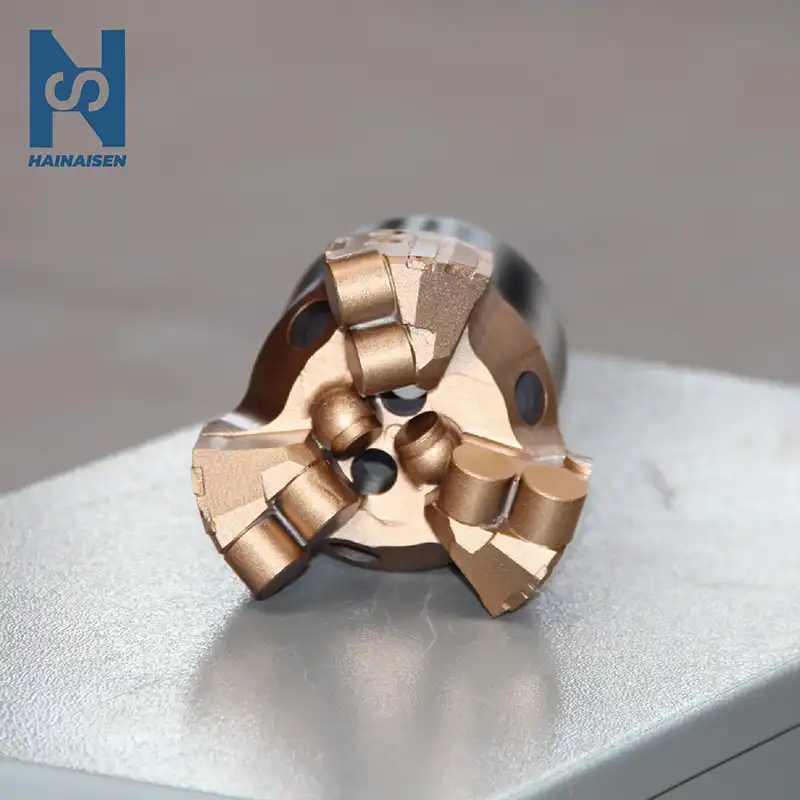
Understanding How Diamond Drill Bits Work
The Science Behind Diamond Drilling Technology
Industrial diamond pieces are mixed into a bond matrix and used in diamond drill bits to precisely abrade and cut through hard surfaces. diamond bits, which have a hardness rating of 10 on the Mohs scale, are much more durable than carbide or steel drill bits. This makes them essential for tough jobs. The diamond particles act as tiny cutting edges that wear away the target material over time through friction rather than cutting.
Key Components and Material Composition
Three very important parts must work together for diamond drilling technology to be effective. The diamond coating consists of industrial-grade diamond chips carefully placed on the cutting area of the bit. The metal bond matrix, usually made of bronze, cobalt, or tungsten carbide, holds the diamond pieces in place while allowing them to wear down in a controlled manner. The shank design ensures it connects correctly to drilling tools and keeps the structure strong even under high spinning forces.
For heavy-duty use, the Best Diamond Drill Bits have carefully measured diamond concentrations, usually ranging from C75 to C100. The cutting speed and quality of the finish depend on the grit size, which is usually between 30/40 and 40/50 mesh. Matrix hardness is inversely related to matrix flexibility; soft bonds work best with hard materials, and hard bonds work best in rough circumstances.
Performance Factors and Operational Principles
Some of the most important factors affecting performance are the type of bond, the quality of the diamond grit, and how well it adheres to materials like glass, tile, concrete, and pottery. The right spinning speeds and cooling methods have a big effect on how well these bits drill and how long they last. To keep the bit cutting well for as long as it's used, the matrix wear must be managed so that the diamond particles are properly revealed.
Keeping the temperature under control is very important for how well the Best Diamond Drill Bits work. Too much heat can turn diamond particles into graphite, making them less hard. Using water cooling or special oils helps keep the machine running at the right temperature while clearing trash from the cutting zone. The cutting speed and feed pressure must also be adjusted to keep the diamond exposed evenly and prevent the bit from breaking too soon.
Best Practices for Using Diamond Drill Bits in Industrial Settings
Material-Specific Drilling Techniques
To get the most out of diamond drill bits, you need to use different cutting methods for different types of materials. For maximum effectiveness and bit longevity, each program needs its own set of operational settings. When operators know these standards, they can get reliable results while keeping tool costs low.
To keep glass and tile from breaking or chipping, it's important to use light pressure and a slow, steady speed. Starting at an angle keeps the bit from skittering across smooth surfaces, and applying steady, light pressure lets the diamonds slowly cut through the material. Depending on the bit width and material thickness, the recommended speeds are usually between 1,000 and 3,000 RPM.
For drilling in concrete and brickwork, you need a good mix of speed and force, and you should use wet drilling to extend the bit's life. Because concrete is rough, it needs to be cooled down, and trash needs to be cleaned up carefully. In these situations, stronger links and more diamonds work better, so the diamond stays exposed even as the matrix goes away.
Maintenance and Longevity Strategies
To get the most out of longevity, regular upkeep like cleaning, storing, and replacing parts when they wear out is a must. Using the right cooling and lubrication methods can help keep drilling quality uniform in large-scale manufacturing processes. Keeping cutting edges sharp and preventing bond breakdown is possible by storing them properly in dry places.
Checking for diamond exposure patterns, uniform matrix wear, and structural integrity of the shank link should all be part of bit inspection routines. Keeping track of performance data helps set up replacement plans and find the best drilling parameters for each job.
Comparative Analysis: Choosing the Right Diamond Drill Bit
Diamond Bits vs. Alternative Technologies
It is important to know the pros and cons of each type of diamond drill bits, carbide bits, and hole saws before making a purchase choice. This study helps buying managers make decisions that are both cost-effective and meet operational needs.
Diamond bits are very hard and last a long time, but they cost a lot. Their better cutting performance in rough, hard materials makes the original investment worthwhile by extending their useful life and maintaining the quality of their cuts. Carbide bits are cheaper but work best with lighter materials and for shorter periods. Hole saws work well for larger holes in less-rough situations, but they aren't as accurate or long-lasting as diamond technology.
Performance vs. Cost Considerations
Best Diamond Drill Bits increase productivity for difficult uses, but they need to be carefully compared to the needs of the job. High-speed diamond bits can go deeper into the material faster, but they may not last as long as normal diamond bits. Business-to-business clients should consider their purchasing choices and decide whether to buy in bulk to save money or spend on high-quality single units guaranteed to work.
In addition to the initial purchase price, the total cost of ownership includes the cost of running the machine efficiently, how often it needs to be replaced, and the cost of any downtime. Diamond bits usually work better in critical or high-volume situations where accuracy and dependability are very important.
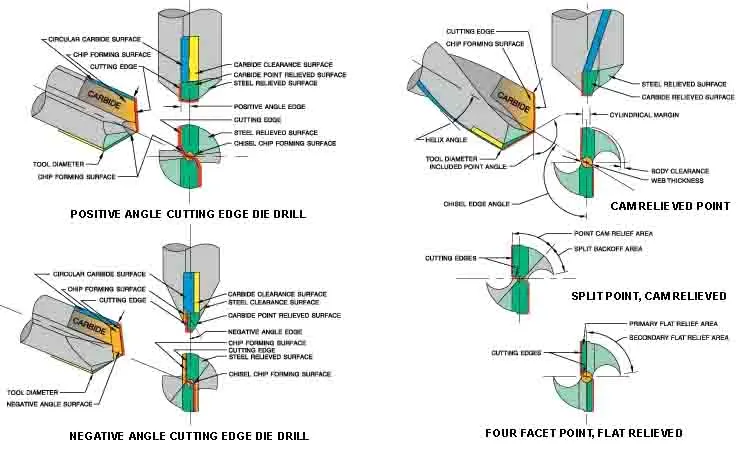
Procurement Guide for B2B Clients: How to Buy the Best Diamond Drill Bits
Defining Project Requirements and Specifications
To make good buying decisions, you must first be clear about what the project needs and the material hurdles. To make sure that orders are properly tailored, purchasing managers have to look at how well the material works with other tools, how hard it is, and how much they need. The bit's width, shank type, diamond concentration, and the predicted cutting conditions should all be listed in the technical specs.
The best bond type and diamond specs are chosen based on how hard the material is. Bit selection is based on measures of compressive strength and abrasion resistance to ensure optimal performance. Procurement tactics are affected by the amount to be purchased. For larger projects, bulk-buying deals and custom specifications can be helpful.
Supplier Evaluation and Selection Criteria
Strategically choosing suppliers reduces business risk and makes buying more efficient by a large margin. When evaluating potential suppliers, consider their manufacturing capabilities, safety Certifications, and expert support services. Manufacturers of the Best Diamond Drill Bits should have ISO approval, cutting-edge production facilities, and thorough testing procedures.
When looking for diamond bits, you should compare quality certifications, wait times, and post-sale customer service when choosing between wholesale sellers and OEM manufacturers. Suppliers that have been around for a while usually offer expert help, customization choices, and warranty support that make the higher prices worth it. Delivery dependability and emergency substitute availability are affected by the stability of the supply chain and the proximity of the items.
Quality Assurance and Testing Protocols
Reputable producers use strict quality control measures, such as checking the size of diamond particles, the strength of bonds, and the correctness of measurements. To keep jams and machine wear to a minimum, barrel concentricity specs should keep errors within 0.15mm. Whether they use laser welding or high-frequency brazing to connect segments, each method must meet the temperature and stress standards of the particular application.
Case Studies and Industry Applications
Oil and Gas Sector Applications
Diamond drill bits are very important for oil and gas research projects because they are accurate and reliable, which directly affects running costs. These examples show how picking the right bit specs and repair schedules can have a big effect on project timelines and drilling efficiency.
Best Diamond Drill Bits have made it possible for ongoing core sampling to be done through difficult rock types in offshore drilling operations. Bit trips were reduced by 40% compared to traditional options due to improved wear resistance and cutting accuracy. This saved a lot of money and helped the project stay on schedule.
Mining and Construction Success Stories
Mining activities that use coal benefit from diamond bit technology because it can keep cutting even in rough conditions. When mining companies switched from carbide to diamond drills, their efficiency went up by 25 to 30 percent, according to case studies. The longer operating life and consistent performance reduce equipment repair costs and downtime.
Diamond bits can cut through high-tensile steel rebar without damaging the structure, as seen in construction projects using reinforced concrete. Because it can cut precisely, it doesn't need any extra finishing steps. This speeds up project processes and lowers labor costs.
Geological Survey and Water Well Projects
For accurate research results, geological survey work needs precise core collection. Diamond core bits give you better sample quality while causing the least amount of damage to the forms around them. The steady cutting action preserves the integrity of the geological structure, enabling more accurate resource assessments and environmental tracking.
Water well drilling projects across a range of natural conditions demonstrate how flexible diamond bits can be. From sedimentary layers to crystalline bedrock, properly sized diamond bits keep digging and make tools last longer. They are especially useful for remote drilling operations because they require less maintenance and work consistently.
Conclusion
For tough industrial uses, diamond drill bits are the best drilling technology available. Because they are hard, precise, and long-lasting, they are essential tools in the mining, building, oil and gas, and geological research industries. By understanding the operating principles, material specifications, and application requirements, you can make smart purchasing decisions that improve performance and reduce costs.
The key to using diamond bits effectively is to match the bit's properties to the job's needs while following the proper working procedures. Strategic relationships with suppliers and thorough quality control ensure consistent performance and a reliable supply chain. As the problems that need to be drilled keep changing, diamond bit technology stays on the cutting edge of new ways to solve them.
FAQ
Q1: What materials can diamond drill bits effectively cut through?
Diamond drill bits are great for cutting through concrete, stone, ceramics, glass, and tile, which are all hard and sharp materials. They work especially well in crystalline rock buildings, reinforced concrete with rebar, and rock forms. A diamond with a Mohs hardness grade of 10 can cut through materials that other bits would wear down quickly.
Q2: How do I determine the correct drilling speed for diamond bits?
The best drilling speed depends on the bit width, the material strength, and the cooling method. Most of the time, bits with a smaller diameter need faster speeds (2,000 to 5,000 RPM), while bits with a bigger diameter need slower speeds (500 to 1,500 RPM). Wet drilling usually lets you go faster because it cools down faster, but dry drilling needs slower speeds to keep things from getting too hot.
Q3: What is the difference between wet and dry drilling with diamond bits?
Wet drilling uses water to cool the bit and clean up the work area, making cutting more efficient and extending the bit's life. For bigger jobs and harder materials, it's better. Dry drilling is easy to use and portable, but it makes more heat and needs to be stopped more often. Wet drilling works better and lasts longer than dry drilling in most industry settings.
Q4: How can I maximize the lifespan of diamond drill bits?
Using the right speeds and pressures, ensuring there is enough cooling, and cleaning it regularly to remove dirt buildup are all parts of proper care. Do not use too much force or heat, as this can damage the diamond. Keep bits in a dry place and check them often for signs of wear. The life of a bit can be extended by 200 to 300 percent if it is used correctly.
Q5: Are diamond bits cost-effective for high-volume drilling projects?
For high-volume use, diamond bits are more cost-effective because they last longer and perform consistently. Even though they cost more at first, these alternatives usually have 30–50% lower total running costs for demanding uses because they need to be replaced less often, can drill faster, and have less downtime.
Contact HNS for Premium Diamond Drilling Solutions
Learn about the great performance of HNS Best Diamond Drill Bits, which are made for the toughest industry tasks. Our precision-machined diamond bits work reliably in the oil and gas, mining, and building industries because they cut more efficiently, last longer, and are more durable. As a reliable Best Diamond Drill Bits manufacturer, we use cutting-edge production techniques and years of experience to create unique solutions that meet your project's needs. You can email our technical team at hainaisen@hnsdrillbit.com for expert advice, full product details, and low prices on all our diamond drilling products.
References
1. Smith, J.A. and Brown, R.K. "Advanced Diamond Tool Technology in Industrial Drilling Applications." Journal of Manufacturing Science and Engineering, Vol. 142, 2020.
2. Wilson, M.P. "Comparative Analysis of Diamond vs. Carbide Drilling Performance in Hard Rock Applications." International Mining Technology Review, Issue 45, 2021.
3. Chen, L. and Davis, P.R. "Optimization of Diamond Core Bit Design for Geological Exploration." Drilling Engineering Quarterly, Vol. 28, No. 3, 2019.
4. Anderson, K.L. "Cost-Benefit Analysis of Diamond Drilling Technology in Oil and Gas Operations." Petroleum Engineering International, Vol. 67, 2021.
5. Thompson, S.C. "Material Science Advances in Diamond Tool Manufacturing." Advanced Materials Research, Vol. 156, 2020.
6. Rodriguez, A.M. "Best Practices for Diamond Bit Maintenance in Industrial Settings." Industrial Drilling Technology Handbook, 3rd Edition, 2022.
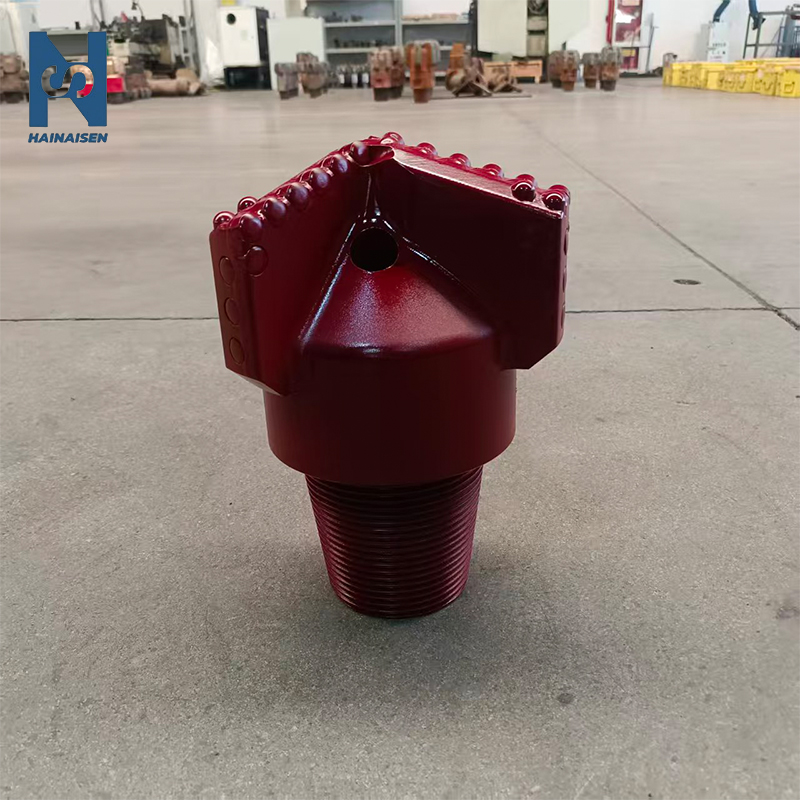 VIEW MOREPDC Bit For Well Drilling
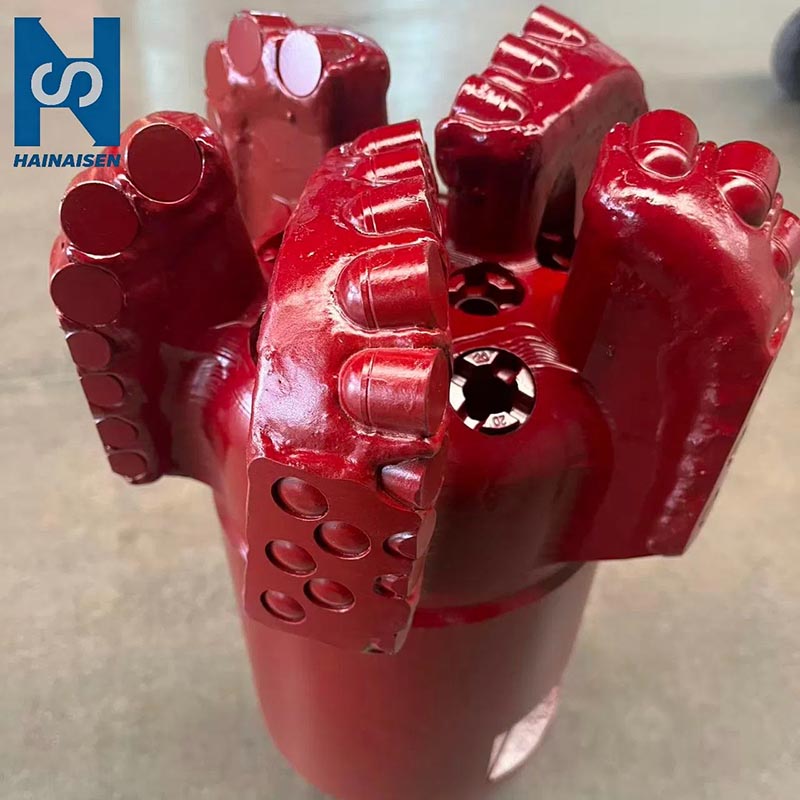 VIEW MORE5 Blade Steel Body PDC Bit
logo 1_1768274683075.jpg) VIEW MORECoal Mine Drilling Opening And Closing Drill Bit
VIEW MORECoal Mine Drilling Opening And Closing Drill Bit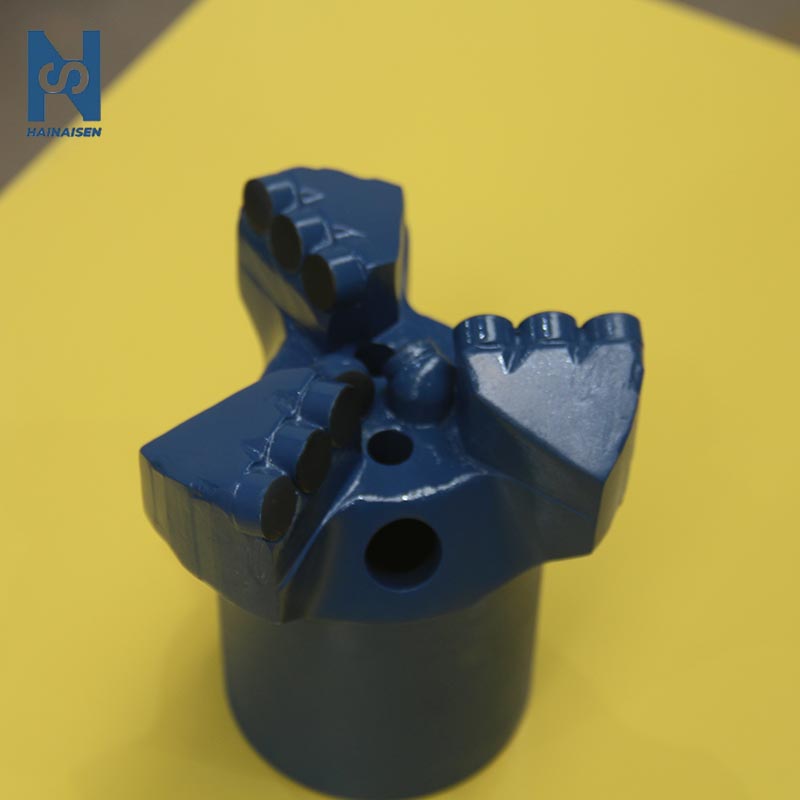 VIEW MOREPolycrystalline Diamond Compact Drill Bits
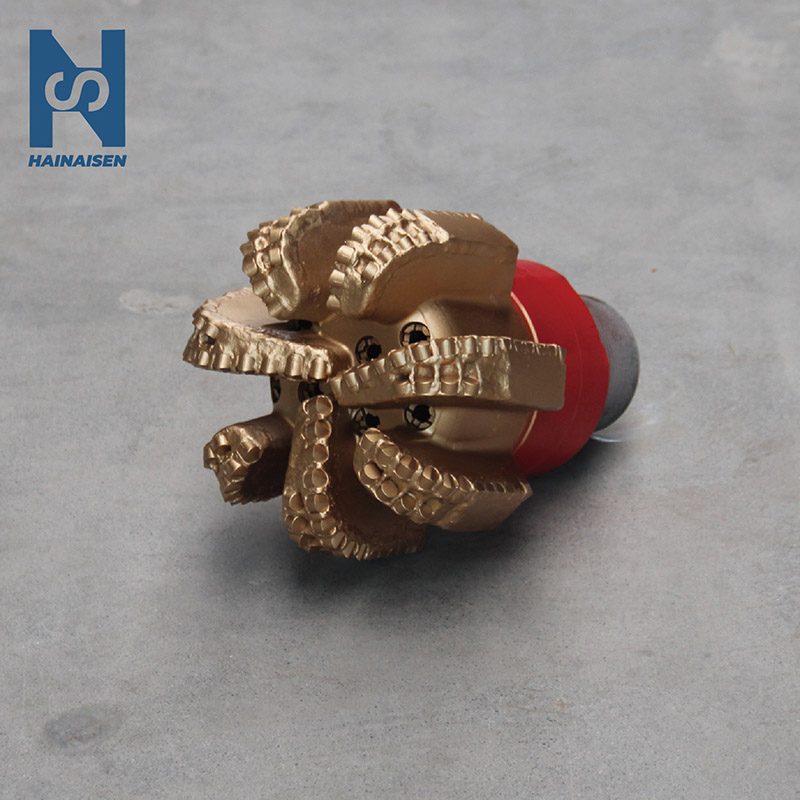 VIEW MORESeven Blade Wing Oil Drilling Drill Bit
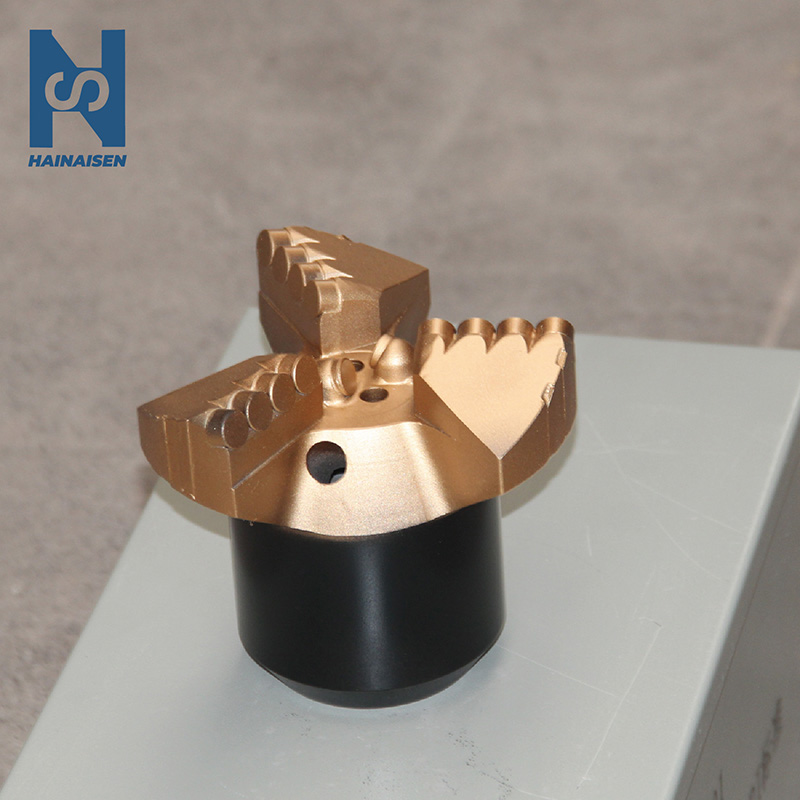 VIEW MORE153mm PDC Concave Bit
logo 1_1777360475599.jpg) VIEW MOREDirectional Three Blade PDC Drill Bit
VIEW MOREDirectional Three Blade PDC Drill Bit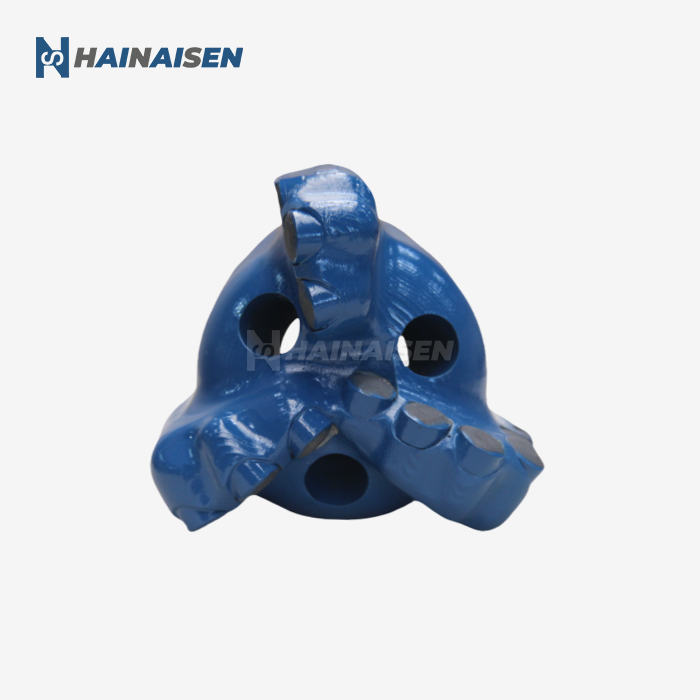 VIEW MORE113mm Three Wings PDC Arc Angle Drill Bit
