







How Has the Technology of Drilling Bits for Oil and Gas Rigs Evolved?
Over the past 100 years, the oil and gas business has been completely changed by the progress made in drilling bit technology. These days, drilling is done with complex cutting tools that are very different from the simple ones that came before them. Drilling bits for oil and gas rigs have changed over time from simple steel tools to complexly designed systems that use high-tech materials such as polycrystalline diamond compact (PDC) cutters, tungsten carbide inserts, and smart tracking features. This growth in technology has made it possible for operators to drill deeper, faster, and more effectively than ever before. This has a direct effect on the costs and viability of hydrocarbon mining projects all over the world.
Introduction to Drilling Bits Technology in Oil and Gas Rigs
As the main link between tools on the surface and underground formations, drilling bits are the building blocks of successful oil and gas research. These specialized tools have to go through a lot of different types of rock while keeping their shape in harsh situations like high pressure, high temperature, and rough surfaces.
The Critical Role in Formation Penetration
How well a drilling job works depends a lot on the bits that are used and how well they work. Early drilling operations had a lot of problems because the bits were made by hand and weren't very durable or good at penetrating. These simple tools had a hard time adapting to different formations, so they had to be replaced often, which caused big delays in operations.
Historical Technological Limitations
When using traditional drilling bits, they had some basic problems that made them less effective. In abrasive rocks, wear patterns formed quickly, and low penetration rates made the job take longer and cost more. Because workers couldn't adapt to changing geological conditions, they often used less-than-ideal tools, which hurt performance and added to the time they weren't working.
knowledge of this historical background is important for procurement workers and engineers to fully understand the importance of modern technology advances and how they affect meeting today's complex drilling needs.
Evolution of Drilling Bit Technology: Paradigm Shift and Innovations
The change in drilling bits for oil and gas rigs is one of the most important steps forward in petroleum engineering. The way the business does underground research and extraction has changed a lot because of this change.
Revolutionary Material Advances
When polycrystalline diamond compact (PDC) technology came out, it was a turning point in the history of cutting bits. These new cutters combined diamond's high hardness with better toughness, making them better at cutting through a wide range of forms. At the same time, tricone bits with tungsten carbide tips were more durable and better at cutting than standard milled-tooth designs.
Modern metalworking has made it possible to make high-strength steels and special alloys that can handle the harsh conditions downhole. These materials are very resistant to wear and tear, and they keep their shape even in high-stress situations. This means that they last longer and don't need to be replaced as often.
Integration of Smart Technologies
In modern drilling, embedded sensors and tools that track data in real time are helpful. These new technologies give workers constant feedback on how well the bits are working, which lets them improve drilling parameters and use predictive repair plans. Automation has improved the accuracy of drills while lowering the risk of mistakes and raising safety standards.
When these new technologies come together, they fix problems that existed in the past. This leads to faster drilling rates, less downtime, and better operating safety, all of which have a big impact on purchasing decisions in the fields around the world.
Types and Components of Modern Drilling Bits: A Detailed Breakdown
Modern drilling uses a variety of bit configurations that are best for different well shapes and natural conditions. Learning about these differences helps procurement experts choose the right tools.
PDC Bits Versus Tricone Configurations
PDC Bits have diamond cutters that stay in place and scrape and split rock forms by rotating. These designs work great in rocks that are soft to medium-hard, giving them high penetration rates and longer operating lives. The set cutter design gives constant performance while keeping the quality of the holes and reducing vibration.
Tricone bits use cutting edges on spinning cones that work with both rotary and axial forces to break up and chip rock. When working with harder rocks, this design works especially well because the crushing action allows for better entry than scraping devices.
Critical Component Functions
Modern bit structure includes complex engineering parts that make cutting more efficient and longer-lasting. Cutters are the main tool used to remove rocks, and bearing systems keep them rotating smoothly even when they are under a lot of weight. Nozzle designs control the flow patterns of fluid to remove cuttings effectively and cool the bit, and seal systems keep internal parts clean.
By knowing these technical differences, procurement experts can come up with smart buying plans that match the needs of each well and the project's goals, making sure that the right equipment is chosen for all possible drilling situations.
Operational Performance and Maintenance: Extending Life Cycle and Efficiency
To get the most out of your drilling bit for oil and gas rig, you need to know all the practical factors that affect how long they last and how well they work. The right repair procedures and strategies for keeping an eye on performance have a direct effect on project timelines and running costs.
Common Wear Mechanisms
Drilling bits go through different types of wear and tear that lower their performance and shorten their useful life. Abrasive wear happens when hard rock particles slowly wear away at cutting surfaces, and thermal degradation happens when drilling activities produce too much heat. Impact loads and vibrations can put stress on structures and damage them, especially in hard-to-work-with rocks.
By knowing these wear trends, operators can plan preventative maintenance and find the best drilling settings to keep bit degradation to a minimum. Regular inspections help find early signs of wear so that repairs can be made before a major failure happens.
Performance Optimization Strategies
Here are the most important things you can do to improve bit speed and business efficiency:
- Cutting elements and bearing systems don't get damaged when they are moved, stored, or put in place according to the right procedures.
- Systematic cleaning routines get rid of formation waste and keep hydraulic flow patterns at their best.
- Real-time monitoring tools keep track of performance data and let you change parameters to get the best cutting results.
- Schedules for preventive maintenance based on operating hours and formation exposure help figure out when to replace something.
These all-around repair plans help things last longer and use less time when they're not being used. They also give a great return on investment by making operations more efficient and lowering the cost of equipment.

Selecting and Procuring Drilling Bits for Oil and Gas Rigs
Buying drilling bits involves a lot of complicated technical and business issues that have a big effect on the project's finances and its ability to run smoothly. When using strategic sourcing, you need to find a mix between performance needs, lowering costs, and making sure the supply chain works well.
Key Performance Evaluation Criteria
Formation traits are the main thing that affects choices about which bits to use. Different cutting methods are needed for hard, rough materials than for soft sedimentary rocks. The depth of the well affects the temperature and pressure downhole, which in turn affects the choice of materials and design requirements. Conditions in the environment, like those that exist underwater, or the need for directional drilling can add to the design limitations that affect the buying decisions.
Strategic Procurement Models
The following ways of buying things have clear benefits in different working situations:
- Operators with regular drilling schedules can save money by signing bulk buying deals, which also make sure that supplies are always available.
- Custom engineering services let you come up with solutions that are just right for specific geological problems or digging needs.
- OEM relationships make it easier for engineers to work together and get the newest products, and they also offer a wide range of support services.
- Rental services give you options for short-term projects and cut down on the need for cash investments and inventory management.
These buying strategies help owners get the best value for their money while keeping the supply chain flexible and giving them access to the right technical knowledge for the drilling bit for oil and gas rig for their unique needs.
Conclusion
Since materials, designs, and production methods for drilling bits are always changing, they have completely changed the oil and gas business. From simple steel tools to complex PDC and diamond-enhanced cutting systems, these improvements have made it possible to cut deeper, work more efficiently, and lower costs. Smart technologies, predictive maintenance, and unique solutions that solve particular geological problems make modern drilling operations better. As the industry moves toward more complicated extraction scenarios, picking the right drilling bit technology becomes more and more important for project costs and operating success.
FAQ
1. What factors should I consider when selecting a drilling bit for offshore operations?
There are some problems that are unique to offshore drilling, such as harsh weather conditions, long working periods, and few chances to repair equipment. Some important things to think about are how resistant it is to rust in saltwater, how long it will last for, how stable the platform is, and whether it works with special mud systems used in marine settings.
2. How do PDC bits compare to tricone bits in terms of performance and durability?
Because they scrape, PDC bits work best in lighter to medium-hard rocks, where they offer higher penetration rates and longer operating life. Tricone bits work better in harder forms because they can go deeper because they crush better. Tricone bits are better at adapting to different rock hardness within a single wellbore, while PDC bits tend to have less shaking and better hole quality.
3. What maintenance protocols can extend drilling bit life in harsh operational environments?
Proper storage in controlled environments, regular cleaning to get rid of formation debris, checking cutting elements and bearing systems, keeping an eye on hydraulic performance, and using the right drilling parameters based on the characteristics of the formation are all parts of effective maintenance. By changing parameters, real-time tracking tools help improve performance and stop too much wear.
Partner with HNS for Superior Drilling Performance
HNS sells cutting-edge drilling bits that are made to make your oil and gas operations run more smoothly. As a top maker of drilling bits for oil and gas rigs, we offer unique solutions backed by a lot of research and development. Our team at hainaisen@hnsdrillbit.com is ready to talk about your unique drilling problems and help you choose the right bit designs for your projects.
References
1. Smith, J.R., Johnson, K.L., and Williams, M.A. "Advances in PDC Bit Technology for Enhanced Drilling Performance." Journal of Petroleum Technology, vol. 75, no. 3, 2023, pp. 45-62.
2. Chen, L., Davis, R.M., and Thompson, P.J. "Evolution of Drilling Bit Materials: From Steel to Diamond Composites." SPE Drilling & Completion, vol. 38, no. 2, 2023, pp. 123-138.
3. Rodriguez, C.A., Anderson, B.K., and Miller, S.R. "Real-time Monitoring Systems in Modern Drilling Operations." Drilling Contractor Magazine, vol. 79, no. 4, 2023, pp. 78-85.
4. Wilson, D.E., Brown, A.L., and Garcia, M.F. "Procurement Strategies for Drilling Equipment in Global Markets." Oilfield Technology Journal, vol. 31, no. 6, 2023, pp. 92-107.
5. Taylor, R.S., Jones, K.W., and Lee, H.Y. "Maintenance Protocols for Extended Drilling Bit Performance." International Drilling Review, vol. 44, no. 1, 2023, pp. 156-171.
6. Kumar, V., White, J.D., and Clark, N.P. "Formation-Specific Bit Selection Criteria for Optimal Drilling Performance." Petroleum Engineering International, vol. 67, no. 8, 2023, pp. 234-249.
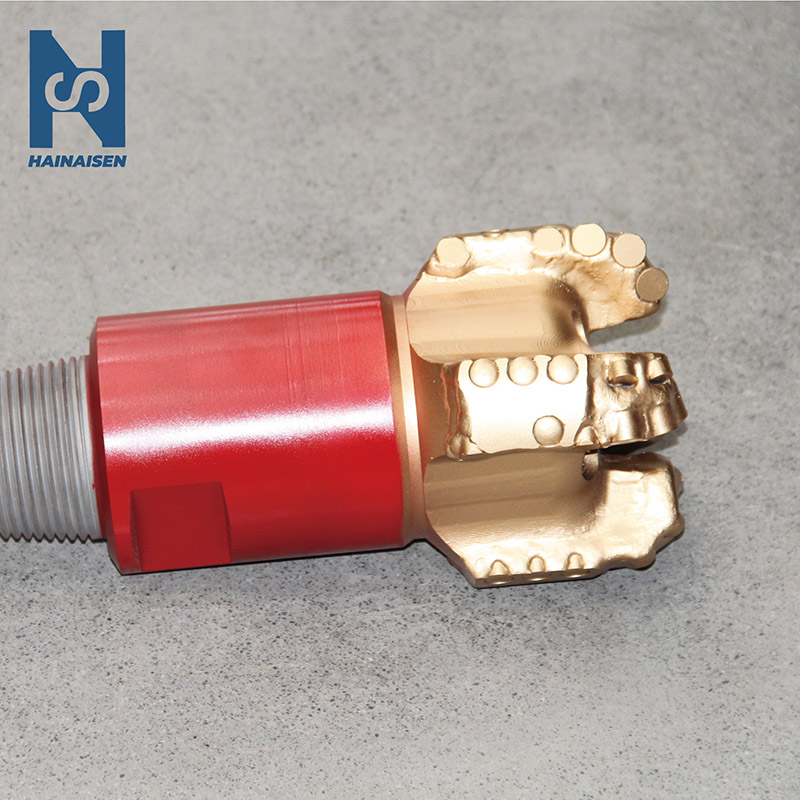 VIEW MOREPetroleum PDC Oil Drill Bit
 VIEW MOREThree Blade Wing Arc Angle Drill Bit
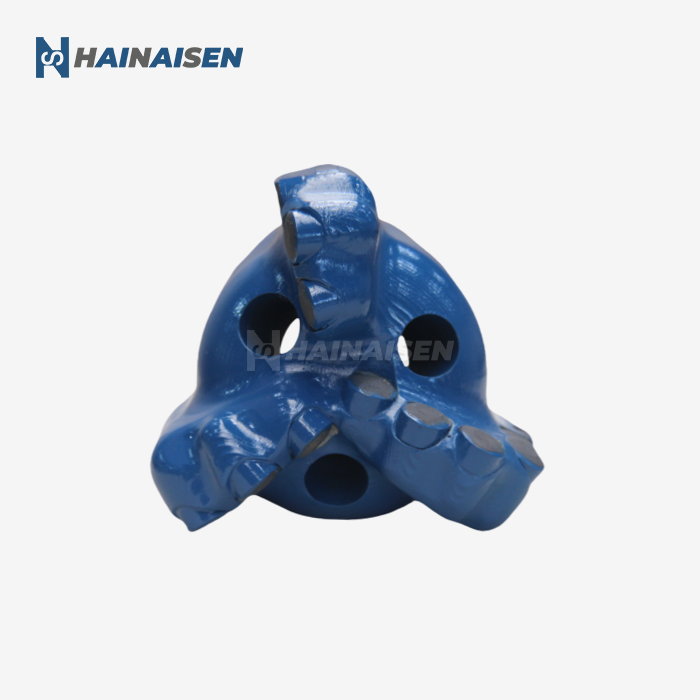 VIEW MORE113mm Three Wing Arc Angle Drill Bit
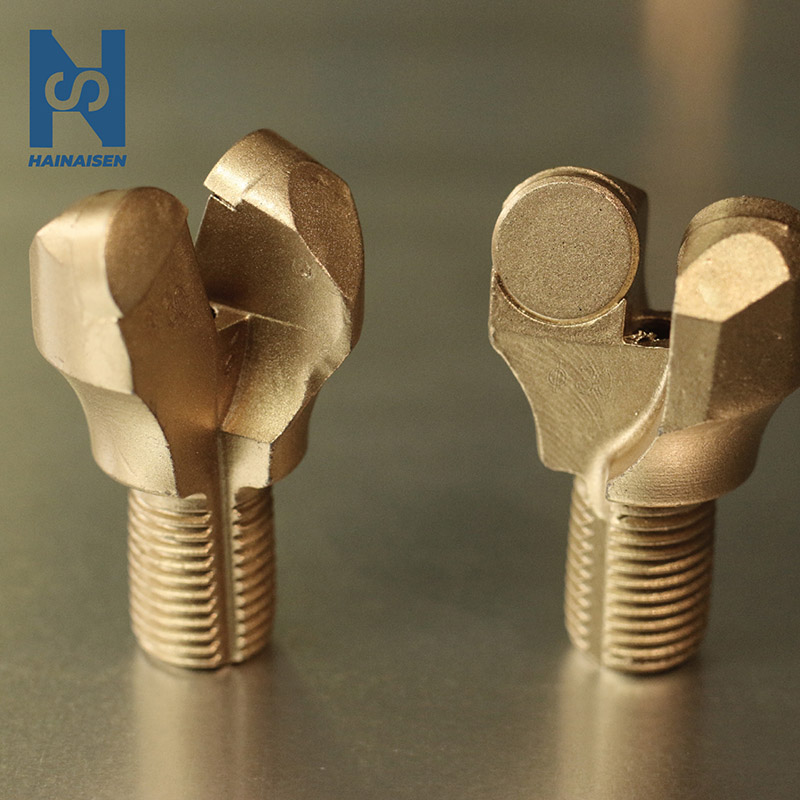 VIEW MORE30mm Half Blade Anchor Bit For Mine Coal Fields
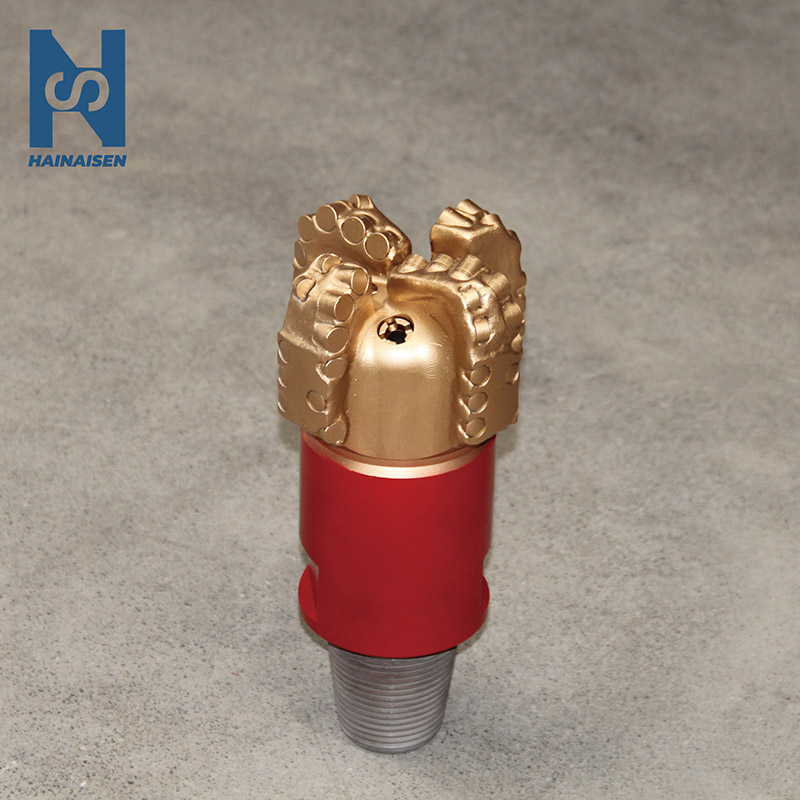 VIEW MOREHigh Quality PDC Drill Bits
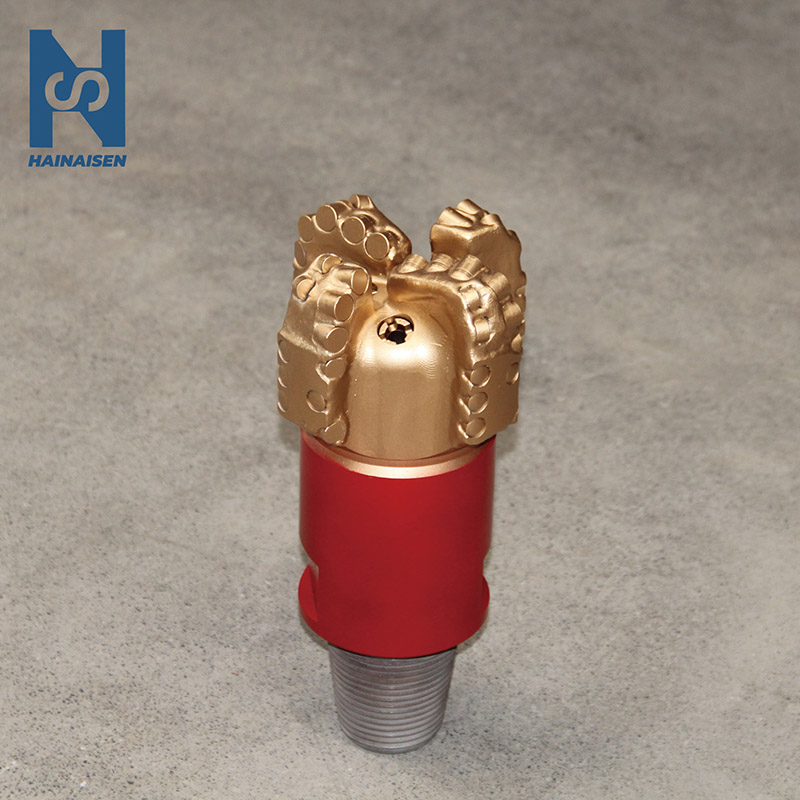 VIEW MOREFour Blade Wing Oil Drilling Tool
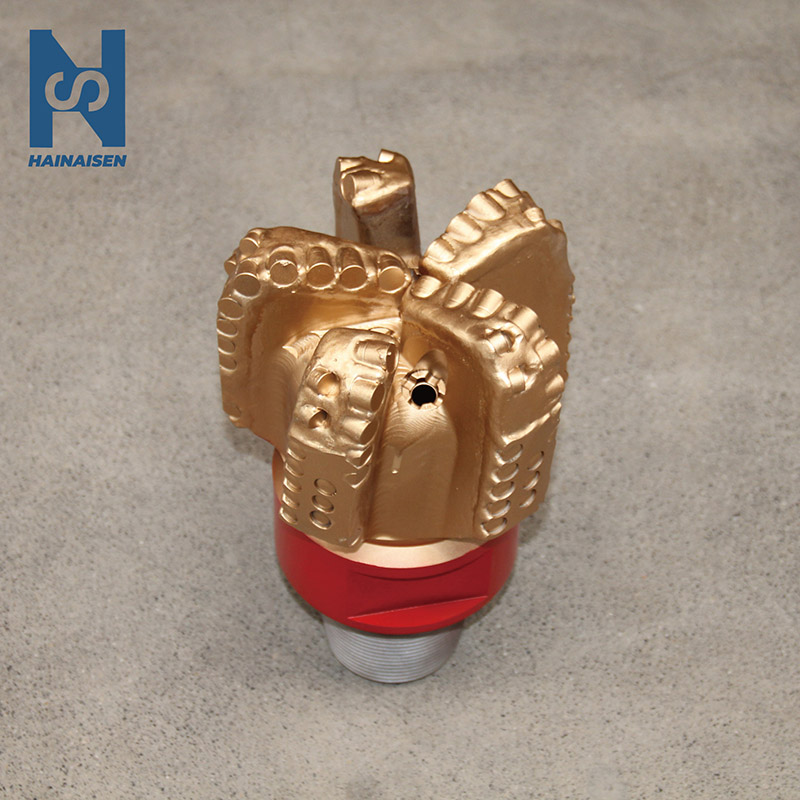 VIEW MOREDrilling Bit For Oil And Gas Rig
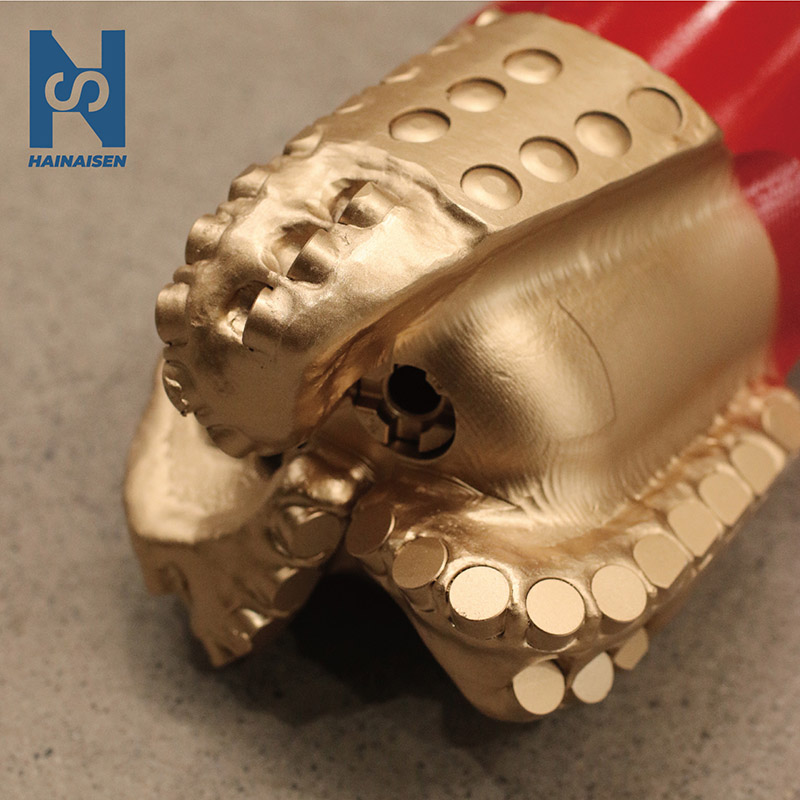 VIEW MOREThree Blades Rock Drill Bit
