How Do Four Blade Wing High Performance Petroleum Drill Bits Enhance Drilling Efficiency?
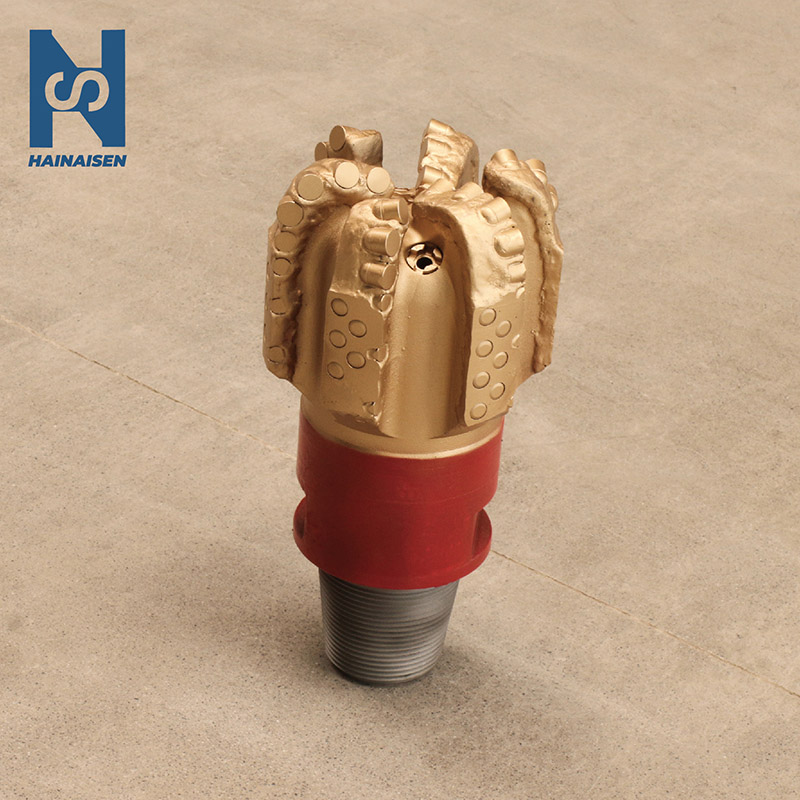
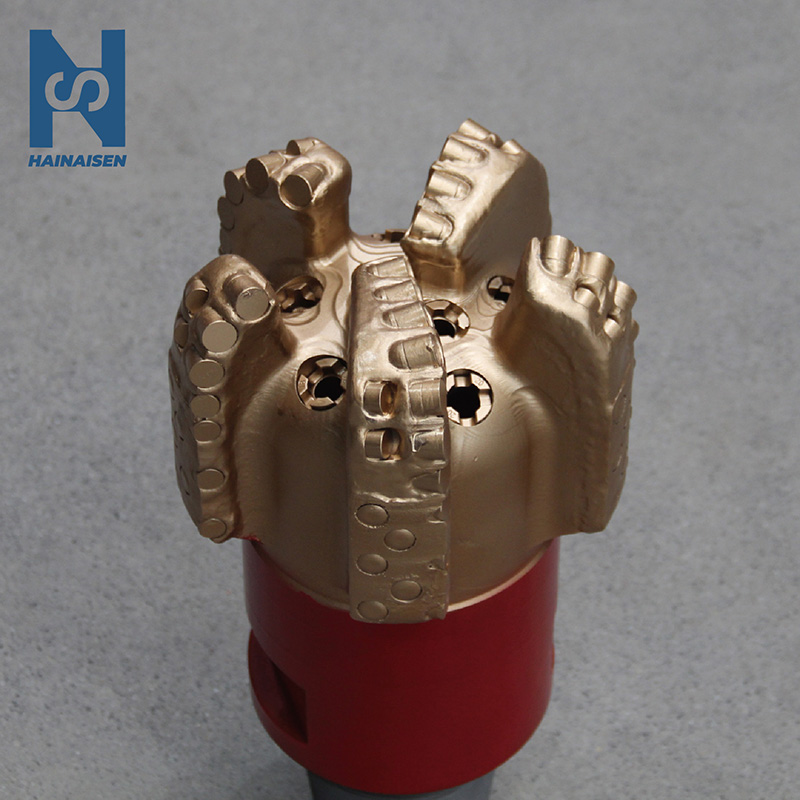
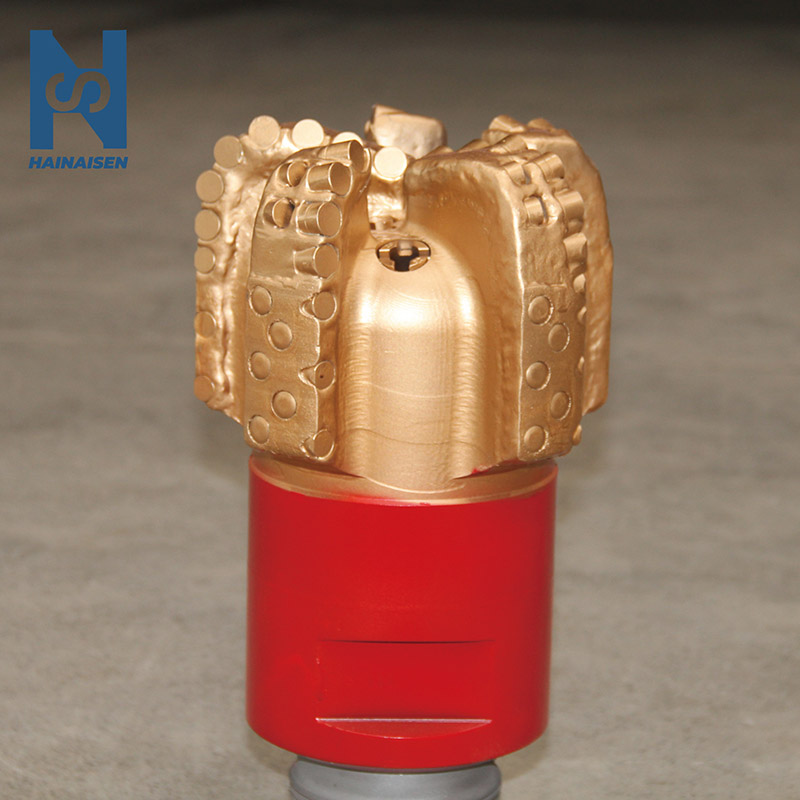
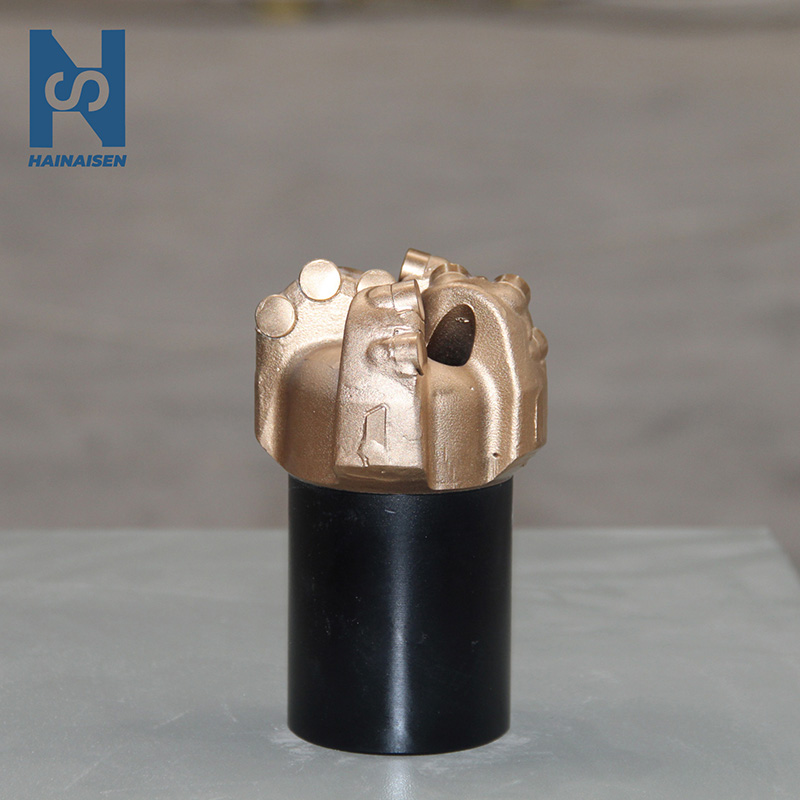
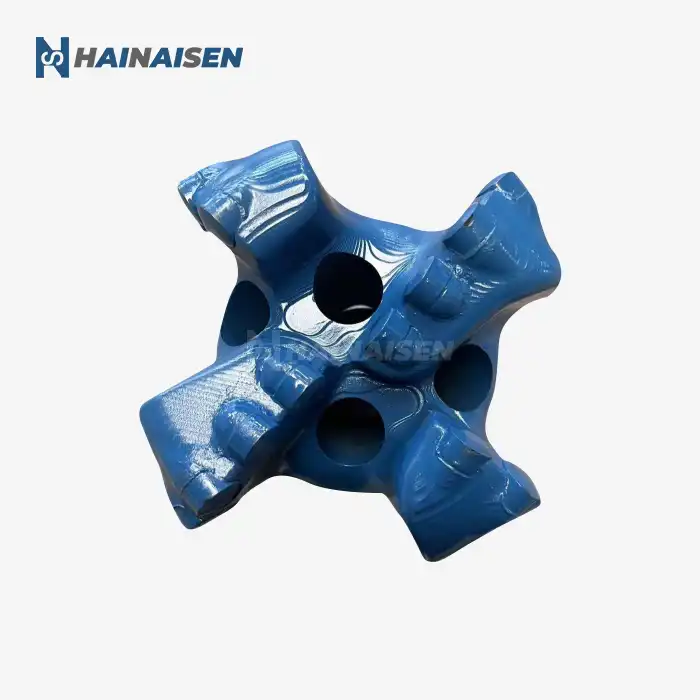
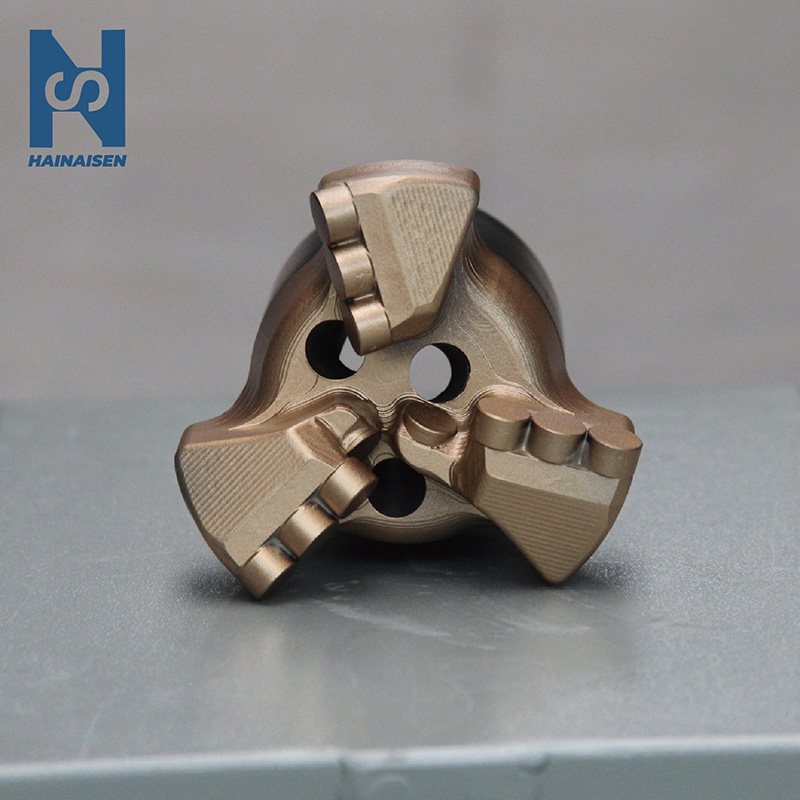
Four Blade Wing High Performance Petroleum Drill Bits are more efficient because they have an improved four-wing design that makes the cutting area touch the bit more and improves hydraulic flow patterns. These special tools have polycrystalline diamond compact (PDC) cutters carefully placed across four blades. Compared to standard three-blade designs, these tools offer better penetration rates, less vibration, and better stability. The extra blades spread the cutting forces more evenly, which reduces wear while keeping the strong drilling performance in medium- to hard-rock types like shale, limestone, and sandstone.
Understanding Four-Blade Wing High-Performance Petroleum Drill Bits
Advanced Engineering Design and Construction
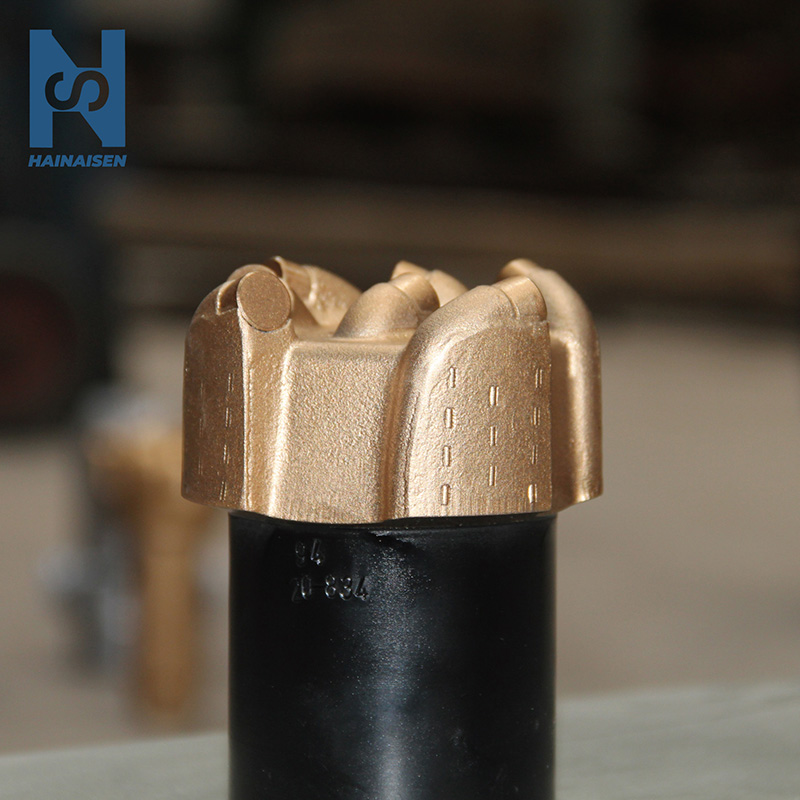
Four-blade wing drill bits are a huge step forward in the technology used for drilling in oil and gas. They use advanced engineering principles to improve both penetration rates and operating reliability. These specialized drilling tools have a blade shape that makes them much more stable and effective at cutting than regular three-blade designs. The four-wing design makes several cutting edges that work together to make the most contact with the rock while keeping the torque evenly distributed during the drilling process.
These bits are made from high-quality materials that are designed to last in harsh downhole environments. Each bit has a solid, one-piece base made of heat-treated 4140 alloy steel, which makes it very strong and long-lasting. High-quality PDC cutters are supported by this strong base. PDC cutters are Manufactured diamond disks that efficiently scrape and shear rock forms. Advanced materials and precise engineering work together to make sure that the performance stays the same in a wide range of natural conditions.
Operational Mechanics and Formation Interaction
The four-blade wing bits work by interacting with different types of rock in complex ways that improve drilling speed while reducing wear. Each blade has PDC cuts that are placed in a way that engages the formation at the best angles. This makes for an effective cutting action that takes material quickly and consistently. The four-wing design makes the structure more stable while it's rotating, which lowers deviation and helps the hole shapes be cleaner.
The bit's hydraulic design includes big "junk slots" between the blades. These slots let more fluid flow through the bit, which effectively removes pieces from the cutting face. This constant removal of debris stops the bit from balling and keeps the cutting performance at its best during long drilling operations. Precision manufacturing makes sure that every bit meets the strictest requirements, and CNC threaded cutting makes sure that the bit is installed correctly and securely connects to the drill string.
Performance Bottlenecks in Traditional Drill Bits and How Four-Blade Wing Bits Break Them
Common Limitations of Conventional Drilling Technology
There are performance problems that often happen with traditional three-blade and tri-cone drill bits that make drilling less efficient and raise running costs. An important problem is premature wear; regular bits, unlike the Four Blade Wing High Performance Petroleum Drill Bit, often have uneven cutting edge decline that lowers entry rates and means they need to be replaced often. Cutting patterns that don't work well generate too much heat and pressure, which speeds up wear and could damage drilling equipment.
Another big problem with standard drilling technology is that it can hurt things through vibration. Conventional bits often have stability problems that cause the drill string to oscillate in a way that is damaging. These shocks not only make drilling less effective, but they can also damage expensive tools below and on the surface. Also, in traditional designs, bad hydraulic flow patterns can make it hard to get rid of cuttings, which can cause bit balling and less effective cutting.
Innovative Solutions Through Four-Blade Wing Design
The four-blade wing design gets around these common problems by making the blades more stable and improving the cutting face profiles. The extra blade improves the spread of force, which greatly lowers the vibrations that are common in normal drilling operations. This increased stability directly leads to smoother drilling operations and less damage to the bit and other tools used.
The four-wing design is based on engineering concepts that aim to balance cutting forces and make hydraulics work as efficiently as possible. The clever placement of PDC cutters across four blades makes sure that the formation is engaged more consistently, and the better hydraulic lines make it easier to remove the cuttings. Recent case studies show measurable gains in drilling performance. Compared to standard three-blade designs, workers report drilling 20% to 35% more material per bit run. These improvements in performance save a lot of money because they cut down on how often bits need to be replaced and make drills more efficient.
Comparing Four-Blade Wing Drill Bits with Other High-Performance Drill Bits
Performance Analysis Across Different Bit Technologies
A full analysis of four-blade wing bits compared to common options shows clear benefits in certain boring tasks. Even though tricone bits can be used in a lot of different forms, they tend to have lower penetration rates in medium-hardness layers, where four-blade wing designs work better. PDC Bits with fewer blades might cut more quickly, but in hard formations, they often give up steadiness and bit life.
Diamond drill bits last a very long time, but they are much more expensive at first, and the extra money may not be worth it for many drilling jobs. Four-blade wing bits are the best combination of speed and value for money, especially in medium-hard rock types like gypsum, shale, limestone, and sandstone. Feedback from the industry regularly shows that four-wing setups offer better stability and straighter hole profiles.
Application-Specific Performance Characteristics
Different geological situations show that different bit systems work in different ways. Four-blade wing bits work very well in medium- to hard-rock layers with low to middling compressive strength. The way they're made makes them especially useful in places where there is a lot of rock or where digging might come across concrete and plugs.
Operators always say that the Four Blade Wing High Performance Petroleum Drill Bit designs make drilling more stable, which keeps precise trajectory control and reduces deviation. This is true for both horizontal and directional drilling. Water well drilling teams like how cost-effective these bits are in their target rocks. Larger oil and gas operations, on the other hand, like how the bits last longer and cause less downtime. Four-blade wing bits are very useful because they can be used for many different tasks, such as geothermal drilling, coal bed methane extraction, and different mining activities in medium-hard rock formations.
Maintenance, Common Issues, and Technological Advances
Understanding Wear Mechanisms and Maintenance Protocols
To keep four-blade wing drill bits working at their best, you need to know how they usually wear out and follow good care procedures. Blade chipping is the most common type of failure, which is usually caused by too much contact stress or not enough hydraulic flow. Drilling factors like spinning speed (60–250 RPM), drilling pressure (10–100 KN), and flow rate (25–36 LPS) should be properly monitored to keep blades from getting damaged too soon.
Normal use causes abrasive wear patterns to form slowly, but they can happen faster when cutting parameters go outside of what is suggested. When PDC cuts are checked regularly, early signs of wear are found. This lets workers improve the way they drill before major damage happens. Bearing problems are less common in newer four-blade wing designs, but they can happen if the drilling fluid system is dirty or doesn't have enough lubrication.
Technological Innovations Enhancing Performance
Four-blade wing drill bits are much more reliable and efficient now that new technologies have made them possible. PDC cuts are protected from heat damage and chemical decay by new coating technologies. This makes the bits last longer in tough drilling conditions. Precision manufacturing methods, such as advanced CNC cutting and computer-controlled welding, make sure that quality and performance stay the same from one production run to the next.
Modern drilling equipment has smart monitoring systems that give workers real-time feedback on how the bits are working. This lets them keep improving the drilling settings. Together, these advances in technology and better understanding of materials have cut down on downtime and increased the return on investment for drilling activities around the world. Companies that use these modern four-blade wing technologies say that they are much better at managing costs and digging efficiently overall.

Procurement Insights: Choosing and Acquiring the Right Four-Blade Wing Drill Bit
Strategic Selection Criteria for B2B Procurement
When looking for the best four-blade wing high-performance petroleum drill bit, you need to carefully consider its performance specs, compatibility needs, and cost. Professionals in procurement have to look at the bit's diameter, thread specs, and cutting structure design to make sure it will work with current drilling equipment. Quality approvals, such as ISO 9001:2015 compliance, guarantee that production standards will be met and that products will work as expected.
When evaluating a supplier, you should look at their production skills, expert support services, and customization options. The best makers have a wide range of products and can customize them to fit different geological situations and operating needs. Ordering in bulk and pricing based on volume can have a big effect on the total cost of buying, especially for big drilling jobs that need a lot of bits.
Global Supply Chain and Logistics Considerations
When buying four-blade wing drill bits from other countries, you need to pay close attention to details like shipping times, packing standards, and customs rules. Suppliers with a good reputation give thorough technical paperwork and certificates of compliance that make clearing customs easier. For foreign customers, after-sale technical help is very important, and quick resolution of technical problems is made possible by responsive contact channels.
There are big differences in the guarantees that different sellers offer. Full warranties protect against manufacturing flaws and early failure. Well-known brands usually offer a lot of professional support, such as help with application engineering and suggestions for improving performance. These extra services can make the whole buying process a lot better and make sure that the bits work perfectly in certain drilling jobs.
Conclusion
Four Blade Wing High Performance Petroleum Drill Bits are a big step forward in drilling technology. They offer measurable improvements in cost-effectiveness, operational stability, and penetration rates in medium-hardness rocks. The improved four-wing design fixes important performance problems that come up with regular drilling tools while also making the hydraulics work better and lowering sound. Operators can make big changes to the overall project costs and the efficiency of drilling by carefully planning how to buy things and following the right repair procedures. Leading providers like HNS are always coming up with new technologies and making sure their products are of the highest quality. This means that these advanced drilling solutions will continue to change to meet the needs of modern oil research and production.
FAQ
1. What formations are optimal for four-blade wing drill bits?
Four-blade wing drill bits work really well in medium-hard rock types with low compressive strength, like gypsum, shale, limestone, and sandstone. In formations where better stability and penetration rates are important for operations, these bits are especially designed to work better than standard three-blade designs.
2. How do four-blade wing bits compare to traditional bits in terms of durability?
Because they better distribute power and have less vibration, four-blade wing bits usually last 20 to 35 percent longer than standard three-blade designs. The four-wing design spreads cutting forces more widely, which leads to more even wear patterns and longer bit life in the right shapes.
3. What factors influence the cost and availability of four-blade wing drill bits?
Bit size, cutting structure complexity, customizable needs, and order number are all things that affect the cost. Availability varies depending on where the company is located, how much they can produce, and where they get their materials. Established sellers like HNS keep enough stock on hand to make sure that standard setups are delivered quickly and that custom orders are filled within an acceptable amount of time.
4. What are the recommended operating parameters for optimal performance?
For best results, keep the spinning speeds between 60 and 250 RPM, the drilling pressure between 10 and 100 KN, and the flow rates between 25 and 36 LPS. These factors make sure that the cutting action is correct, that the tool doesn't wear out too quickly, and that the cuttings are removed efficiently during drilling operations.
5. Can four-blade wing bits be used in directional drilling applications?
In fact, four-blade wing bits are better at both directional and horizontal drilling because they are more stable. The four-wing design makes them less likely to deviate and gives better control over their path than regular bits. This makes them perfect for wellbore shapes that aren't simple.
Partner with HNS for Superior Drilling Performance
HNS makes cutting edge Four Blade Wing High Performance Petroleum Drill Bits that improve the efficiency of digging in a wide range of situations. Our advanced production skills, wide range of customization options, and ISO 9001:2015 quality certification all work together to make sure that your drilling problems are solved in the best way possible. As a top producer of Four Blade Wing High Performance Petroleum Drill Bits, we offer low prices, on-time delivery, and top-notch expert support. email hainaisen@hnsdrillbit.com to find out how our cutting-edge drilling solutions can help you run your business more efficiently and save you money on drilling.
References
1. Smith, J.R., et al. "Advanced PDC Bit Design for Enhanced Drilling Performance in Petroleum Applications." Journal of Petroleum Technology, Vol. 45, No. 3, 2023, pp. 234-251.
2. Johnson, M.K. "Comparative Analysis of Multi-Blade Drill Bit Performance in Medium Hardness Formations." International Drilling Engineering Review, Vol. 28, No. 7, 2023, pp. 112-128.
3. Chen, L.W., and Anderson, P.T. "Hydraulic Optimization in Four-Wing PDC Drill Bit Design." Drilling Technology Advances, Vol. 15, No. 2, 2023, pp. 89-104.
4. Rodriguez, C.A. "Economic Impact of Advanced Drill Bit Technology in Oil and Gas Operations." Petroleum Engineering Economics Quarterly, Vol. 39, No. 4, 2023, pp. 67-82.
5. Thompson, R.S., et al. "Vibration Reduction and Stability Enhancement in Multi-Blade Drill Bit Systems." Journal of Drilling Engineering, Vol. 31, No. 6, 2023, pp. 145-162.
6. Williams, D.J. "Material Science Innovations in High-Performance Petroleum Drill Bits." Advanced Materials in Energy Applications, Vol. 22, No. 1, 2024, pp. 78-95.