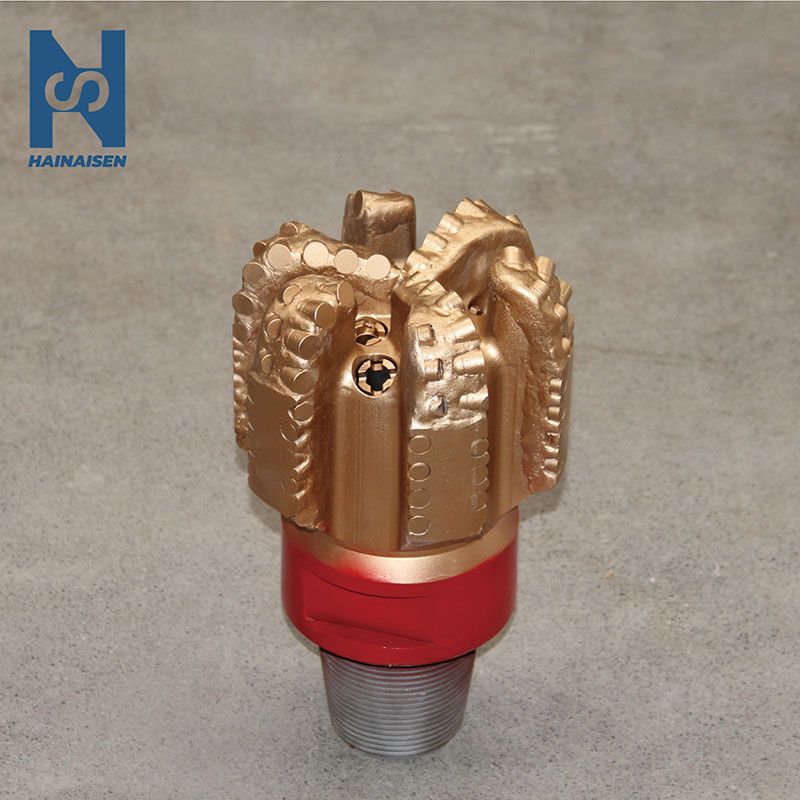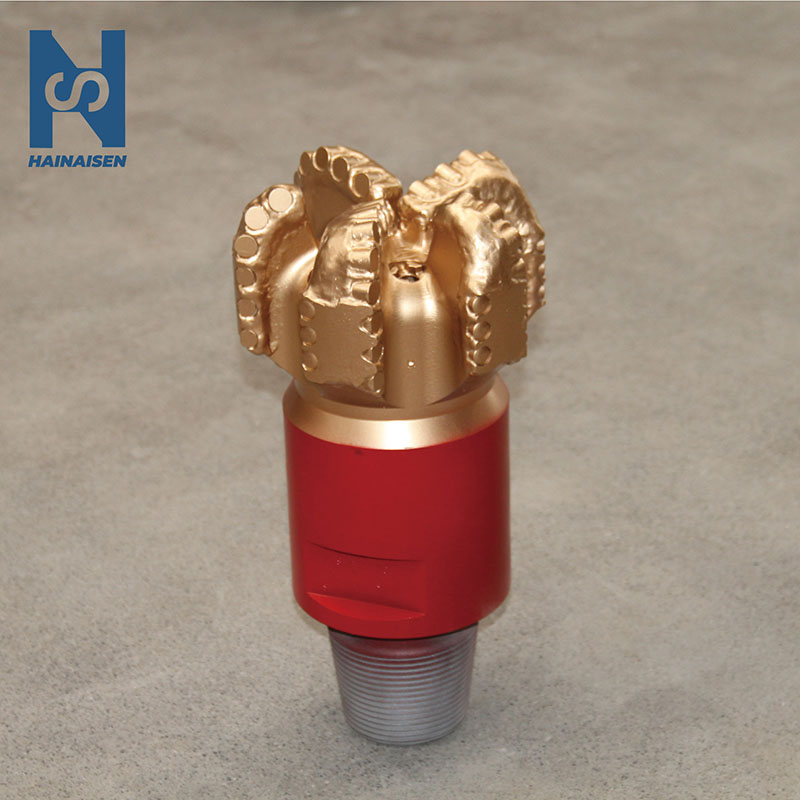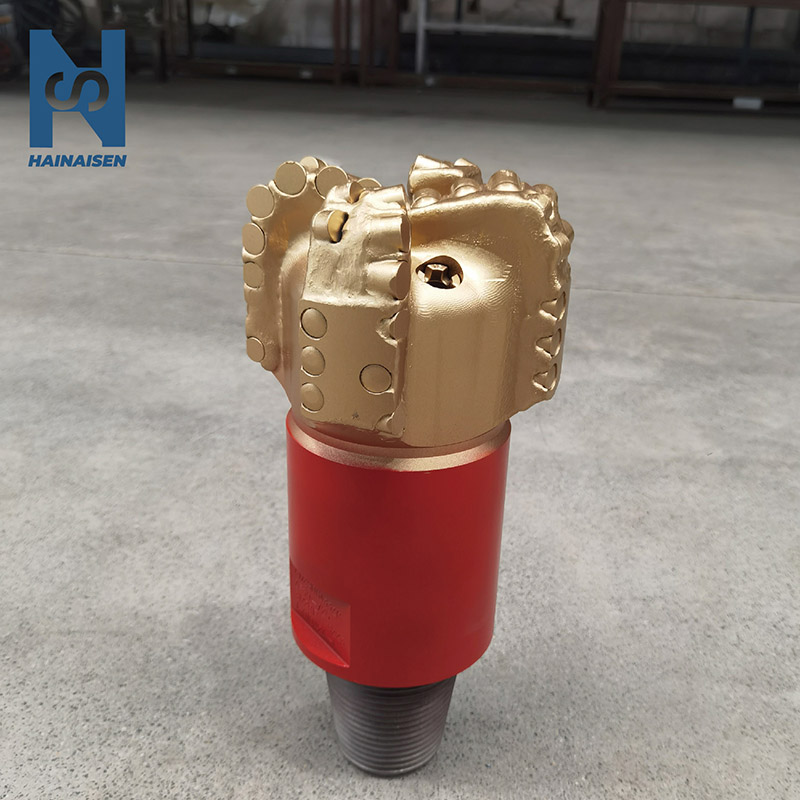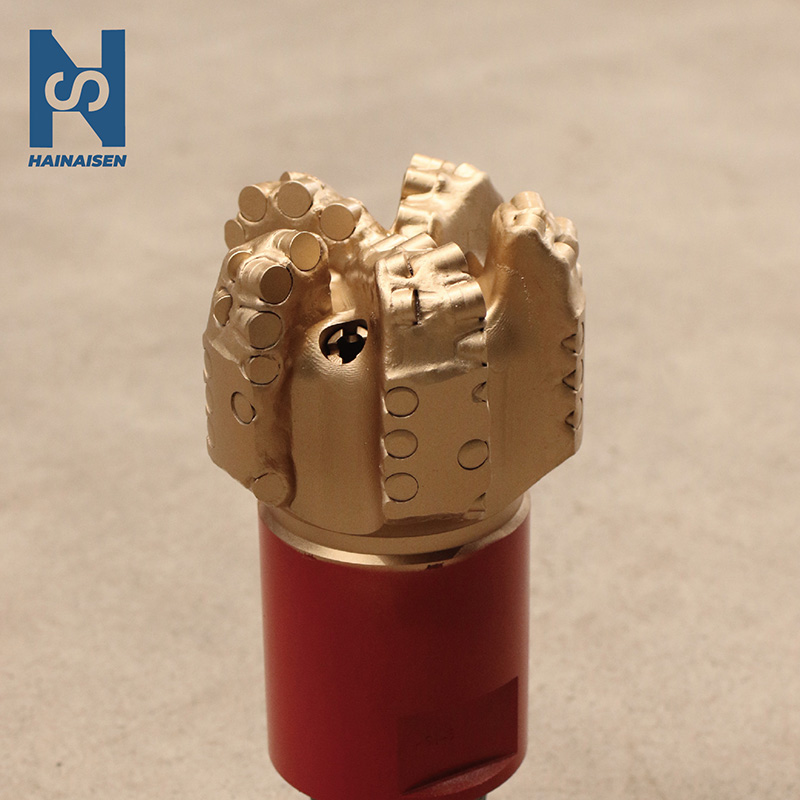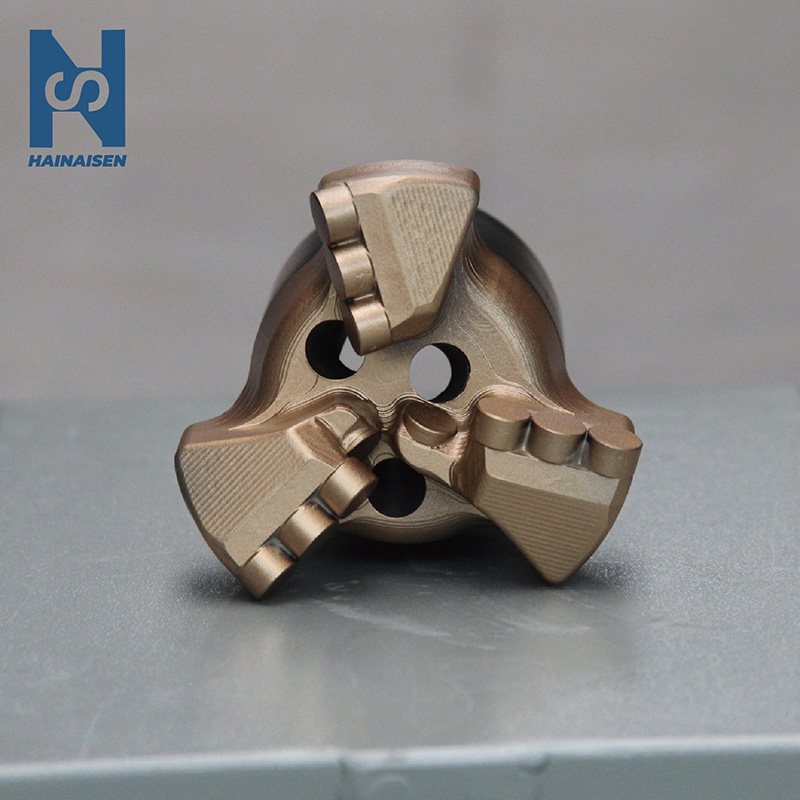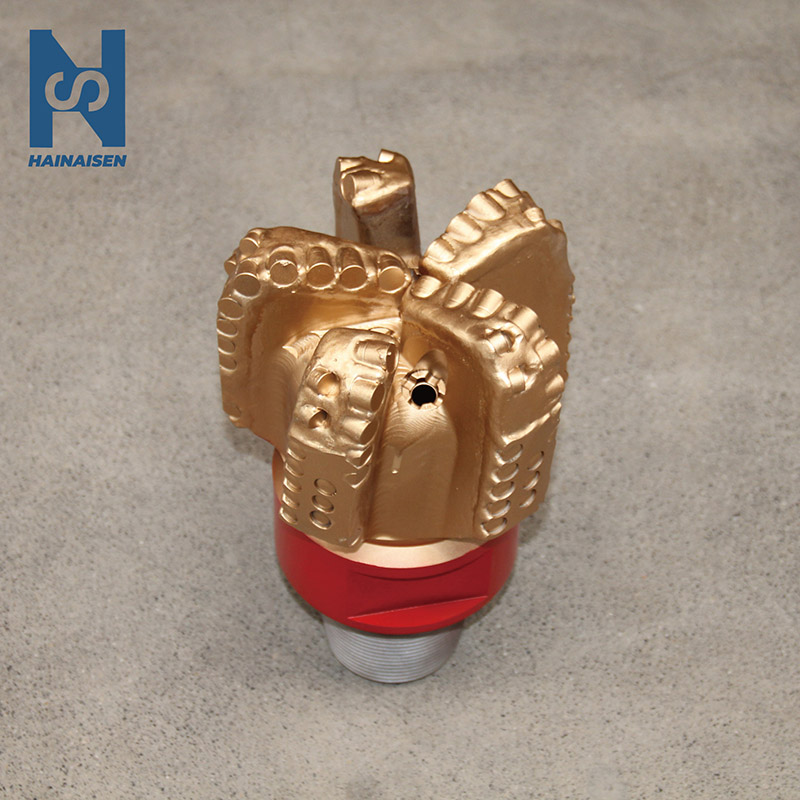




Directional Three Blade PDC Drill Bit hydraulic design and junk slots
The Directional Three Blade PDC Drill Bit hydraulic design is a complex engineering method that improves the flow of fluids and the removal of waste through carefully placed junk holes. These high-tech drilling tools have cutting-edge cutting shapes and hydraulic systems that were carefully designed to work best in difficult situations below the ground. The hydraulic design improves the flow of drilling fluid, and the optimal junk slot layout makes sure that cuttings are removed quickly and effectively. This stops bits from balling up and keeps penetration rates consistent across a wide range of geological formations.

Understanding Directional Three-Blade PDC Drill Bits
Directional drilling requires precise tools that can follow complicated underground paths while still doing a great job of digging. PDC (Polycrystalline Diamond Compact) drill bits with three blades are a big step forward in drilling technology because they combine better hydraulic performance with geometric stability.
Fundamental Design Principles
With its triangular blade shape, this design is more geometrically stable than other multi-blade designs. This steadiness is especially important when drilling in a specific direction, since controlling the bit's path has a direct effect on the quality of the wellbore. The three-blade design spreads the cutting forces evenly across the bit face, which lowers sound and makes drilling more accurate.
Each blade has PDC cuts that are placed in a way that works well with the hydraulic system. The space between the blades makes natural pathways for fluid flow that make it easy to move the cuts while keeping the pressure evenly spread across the cutting face.
Hydraulic Integration and Junk Slot Functionality
The goal of the hydraulic design in directional three-blade systems is to increase the speed of the fluid by carefully planning its flow routes. Junk holes placed between the blades do two things: they let cuttings escape, and they create hydraulic pressure zones that make cleaning more effective.
Contemporary junk slot designs use flexible shapes that make the flow best for certain drilling situations. These slots have curved shapes that speed up the flow of fluid near the cutting edge while still allowing enough space for moving waste. Using both hydraulic design and junk slot layout together has a positive effect that makes drilling much more effective overall.
Key Hydraulic Design Features and Their Impact on Drilling Efficiency
Optimizing the hydraulics in three-blade PDC drill bit systems is a key part of successfully drilling in difficult rocks. When drilling through hard, abrasive rock formations like those found in oil and gas development, the link between fluid dynamics and cutting efficiency is especially clear.
Advanced Flow Pattern Optimization
Modern hydraulic systems use computational fluid dynamics models to find the best flow patterns that clean the best while losing the least amount of pressure. It is designed so that the fluid flow paths make high-speed jets that remove cuttings from the bit face and move waste through the annulus.
By placing nozzles in specific locations in relation to junk holes, pressure differences are created that make cleaning around individual PDC cuts more effective. This way of designing stops bit balling, which is a common problem that makes drills less effective and speeds up bit wear.
Synergy Between Hydraulic Systems and Cutting Mechanics
Adding hydraulic design to cutting tools makes drills work better in a way that can be measured. Studies done in the field show that improved hydraulic systems can boost entry rates by as much as 30% compared to standard designs. This improvement comes from better cleaning, which keeps the cutting edges sharp and stops debris from building up.
Real-life tests in the Permian Basin have shown that wells drilled with improved hydraulic three-blade PDC Bits finish 15-20% faster than those dug with traditional bits. These time savings directly lead to lower operating costs and better project economics.
Comparison of Three-Blade PDC Drill Bits with Alternative Bit Designs
Knowing how different bit designs work lets you make smart purchases that fit your drilling goals and your budget. When you look at three-blade PDC bits next to other types, you can see that they have clear benefits in different work situations.
Performance Analysis Across Bit Types
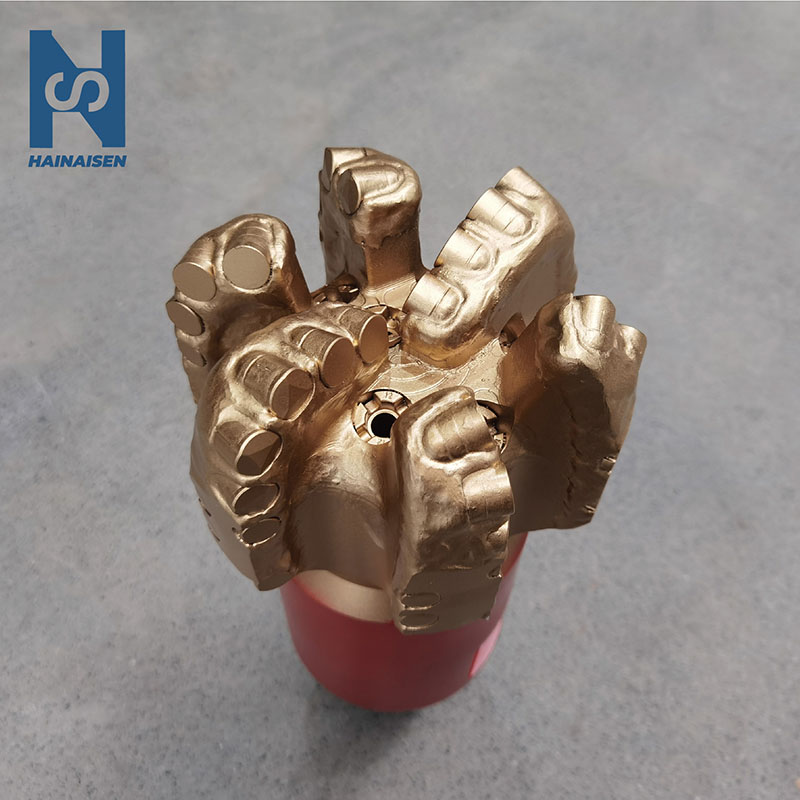
PDC bits with three blades are more stable than those with four or five blades, especially when drilling in a specific direction. The fewer blades make the junk slots bigger, which makes it easier for cuttings to escape while keeping the structure strong in tough drilling circumstances.
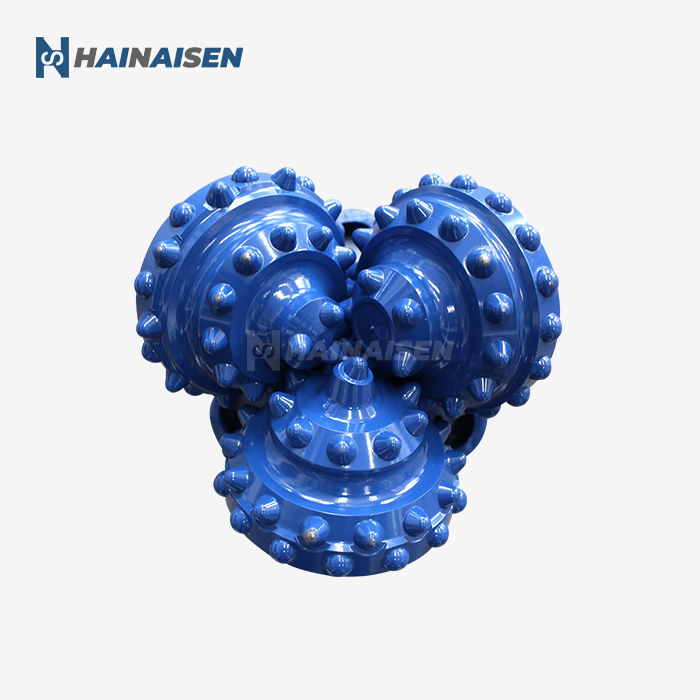
In hard rock layers, PDC shapes are better than tricone bits because they last much longer and can penetrate deeper. Tri-cone bits work best in soft, unconsolidated rocks, but they wear out quickly in abrasive materials that are typical in deep drilling.
Cost-Effectiveness and Durability Considerations
A study of costs shows that three-blade PDC bits usually last 40 to 60 percent longer than similar tri-cone designs. This longer life span cuts down on the number of times bits need to be changed, which cuts down on the expensive downtime that comes with tripping operations. When used in deep wells, the time saved by fewer trips usually makes up for the higher cost of buying PDC technology at first.
Diamond-impregnated bits work very well in very hard rocks, but they aren't very adaptable to different geological conditions. Three-blade PDC bits are the best combination of performance and flexibility, so they can be used in a wide range of drilling conditions.
Maintenance Tips and Best Practices for Hydraulic Systems and Junk Slots
Directional three-blade PDC bits will work at their best for as long as they are used and as long as they are maintained according to the right procedures. By learning about common ways bits break and taking steps to stop them from happening, you can make bits last much longer while keeping their drilling efficiency.
Routine Inspection and Cleaning Protocols
By checking the hydraulic tubes and junk slots on a regular basis, you can keep them from losing their performance due to debris buildup or component wear. A visual check should focus on the state of the nozzle, the integrity of the junk slot, and the wear patterns on the PDC cutter that show problems with hydraulic flow.
When cleaning, the right chemicals and mechanical methods should be used to get rid of drilling fluid waste without hurting sensitive parts. By using high-pressure water jets to clear out clogged pathways, hydraulic features are kept in good shape.
Common Issues and Troubleshooting Methods
A decrease in hydraulic flow is often caused by junk holes getting partially blocked or nozzle wear. Early detection through pressure tracking stops a full blockage that needs a lot of work to be done underground. By setting standard hydraulic parameters, workers can see when performance is dropping before it gets so bad that it fails completely.
As a preventative step, choosing the right drilling fluid that keeps parts from wearing away while still cleaning well is important. Keeping the flow rates at the right levels stops both poor cleaning and excessive corrosion that weakens the bit.
Procurement Guide: Choosing and Acquiring Directional Three-Blade PDC Drill Bits
To buy bits successfully, you need to carefully look at the technical specs, the supplier's skills, and the help services they offer. Due to the complexity of current drilling operations, a full evaluation is needed that goes beyond just looking at the buy price of the three-blade PDC drill bit.
Supplier Evaluation Criteria
Suppliers with a good reputation have made PDC bits before and have performance records that show how well they work in a variety of drilling conditions. Quality licenses and manufacturing standards make sure that the quality and dependability of a product stay the same over time.
When digging problems are complicated, being able to provide technical help is very important. Suppliers should offer application engineering services that help customers choose the best bits for their drilling needs and the conditions of the ground.
Customization and Technical Specifications
These days, drilling operations often need special hydraulic designs and junk slot setups that take into account the properties of the formation. Leading suppliers offer design change services that make bits work better in different drilling situations.
Performance standards, service life needs, and compatibility with current drilling equipment should all be made clear in the procurement specifications. Technical drawings and Certifications of materials make sure that the goods supplied meet operational needs.
HNS: Advanced PDC Drill Bit Technology and Solutions
Since its start in Xi'an in 2013, Shaanxi Hainaisen Petroleum Technology Co., Ltd. (HNS) has become a world leader in directional PDC drill bit technology. We do research and development, production, and professional support for advanced drilling solutions that meet the changing needs of drilling activities around the world.
Manufacturing Excellence and Technical Capabilities
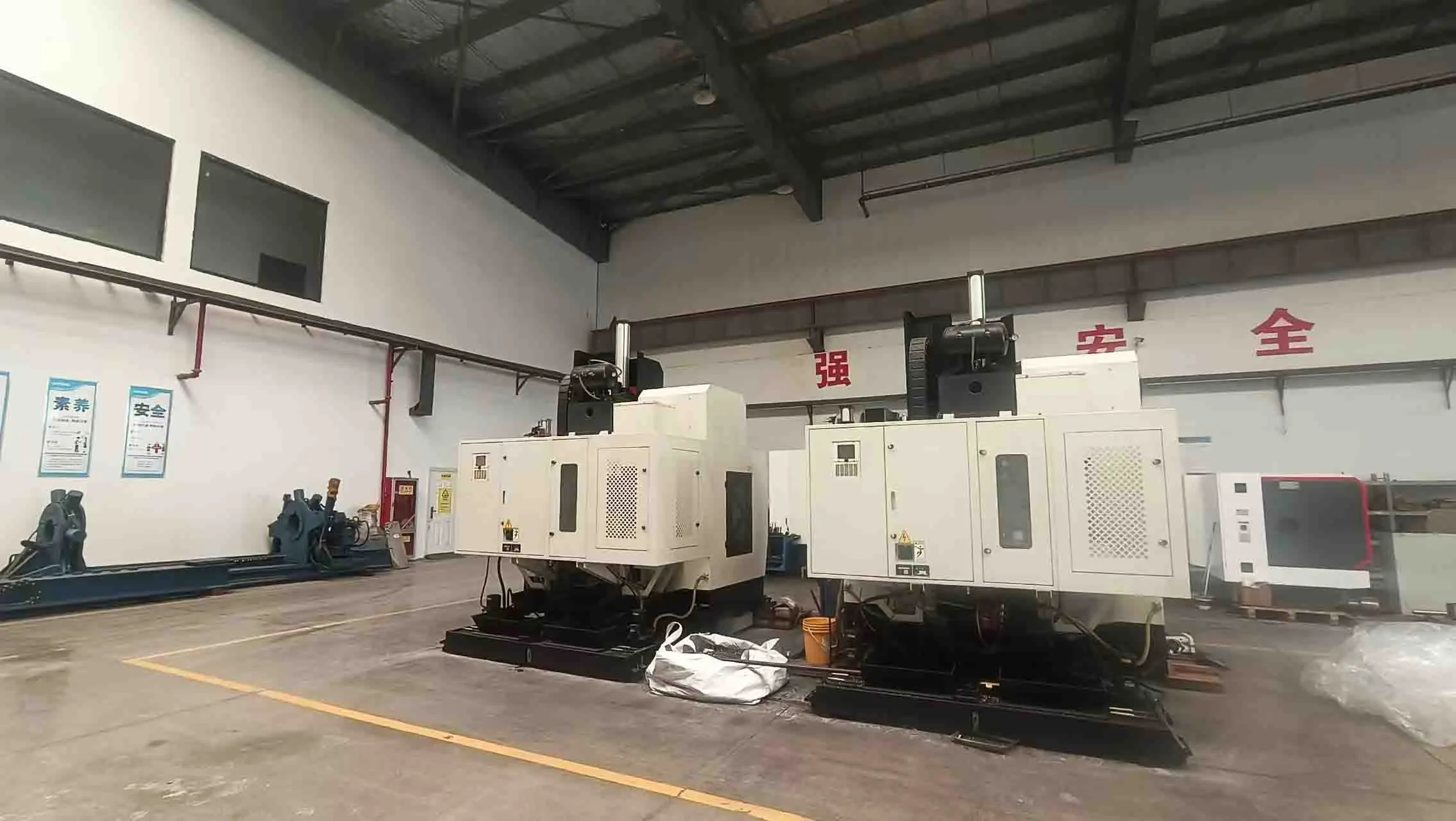
Our 3,500-square-meter factory has cutting-edge production tools like 5-axis machining centers and CNC machine tools that make it possible to make complex hydraulic shapes with great accuracy. We can make three-blade PDC bits with high-quality standards that meet the strict needs of oil and gas, mining, and geological drilling uses thanks to these high-tech tools.
Our three-blade PDC drill bit designs are very good at cutting because the blade shape is designed to get the best penetration rates while keeping directional control. Premium-grade materials, such as high-quality PDC blades and heat-treated alloy steel bit bodies that can handle harsh drilling conditions, make bits last longer by resisting wear better.
Comprehensive Application Range and Customer Support
Our three-blade designs work great for a wide range of drilling tasks, such as coal mining, oil and gas research, geothermal projects, water well drilling, and geological studies. Because our goods can be used in a lot of different ways, they are perfect for drilling workers who need reliable performance in a wide range of formations.
When we add better cooling systems to our hydraulic designs, the heat gets rid of more quickly, so the cutting works well even in hot places. Every product we make is backed by our years of experience in the field, as well as performance data and technical know-how that helps drilling activities around the world run smoothly.
Conclusion
Directional three-blade PDC drill bits are a big step forward in drilling technology. They work better because they are better designed hydraulically and have strategically placed junk slots. When you combine geometric stability, better fluid dynamics, and effective cuttings evacuation, you can see a clear change in the efficiency and costs of drilling. Modern hydraulic designs make cleaning more efficient, and bits that last longer save money on costs by not needing to be replaced as often and being down for less time. As drilling activities continue to target formations that are harder and harder to get to, new bit technology becomes even more important to the success of the project.
FAQ
1. What advantages do three-blade PDC bits offer over four-blade designs?
Because they are triangular, three-blade designs are more stable and make bigger junk slots that make it easier for cuttings to escape. Cutting forces are concentrated better when there are fewer blades, which often leads to higher penetration rates and better control of direction.
2. How do hydraulic design features impact drilling performance?
When hydraulic systems are optimized, high-speed fluid jets keep the cutting faces clean and stop bits from balling. With the right fluid flow patterns, penetration rates can go up by 20 to 30 percent, and bit life can be extended on PDC cutters by lowering the rate of wear.
3. What maintenance practices extend bit service life?
Performance loss can be avoided by checking hydraulic tubes and junk holes on a regular basis. Using the right chemicals and high-pressure water to clean properly removes dirt and grime without hurting the parts. By keeping an eye on hydraulic factors, problems with performance can be found early on.
Partner with HNS for Superior Three Blade PDC Drill Bit Solutions
Through advanced hydraulic design and improved junk slot setups, HNS's directional three-blade PDC drill bit technology changes how efficiently holes are drilled. Our engineering team uses their many years of experience in the field along with current manufacturing tools to make unique solutions that solve your drilling problems. Whether you need Three Blade PDC Drill Bit provider partnerships for large-scale projects or custom designs for one-of-a-kind uses, HNS can help you from the first conversation to the final implementation in the field. Email our technical experts at hainaisen@hnsdrillbit.com to talk about your drilling needs and find out how our new products can help you do better at drilling.
References
1. Smith, J.R., and Anderson, M.K. "Hydraulic Optimization in PDC Drill Bit Design: Principles and Applications." Journal of Petroleum Technology, Vol. 45, No. 3, 2023, pp. 78-89.
2. Wilson, D.P., Thompson, R.L., and Garcia, C.A. "Comparative Performance Analysis of Three-Blade vs. Multi-Blade PDC Bits in Directional Drilling." SPE Drilling & Completion Engineering, Vol. 38, No. 2, 2023, pp. 145-162.
3. Chen, L., and Roberts, K.M. "Fluid Dynamics and Cutting Transport in PDC Bit Junk Slots: Experimental and Computational Analysis." International Journal of Rock Mechanics and Mining Sciences, Vol. 167, 2023, pp. 234-248.
4. Brown, T.A., et al. "Field Performance Evaluation of Advanced Hydraulic PDC Bit Designs in Hard Rock Formations." Drilling Technology Review, Vol. 29, No. 4, 2023, pp. 112-128.
5. Miller, S.J., and Zhang, H. "Maintenance Strategies for Extended PDC Bit Life in Challenging Drilling Environments." Petroleum Engineering International, Vol. 51, No. 1, 2024, pp. 67-82.
6. Johnson, P.R., and Kumar, V. "Economic Impact Analysis of PDC Bit Selection in Oil and Gas Drilling Operations." Energy Economics and Management, Vol. 42, No. 6, 2023, pp. 189-205.