







Customizing 3 Blades PDC Mining Bits for Your Project
To make 3 Blades PDC Mining Bits work best for your project, you need to choose the best polycrystalline diamond compact setup for your drilling needs. These special cutting tools have three blades with fake diamond cutters that are placed in a way that makes them work best in a variety of rock types. As part of the customization process, formation hardness, drilling depth, operating factors, and project-specific challenges are taken into account. This makes it possible to improve penetration rates and bit life for mineral exploration, coal mining, oil and gas development, and water well drilling.
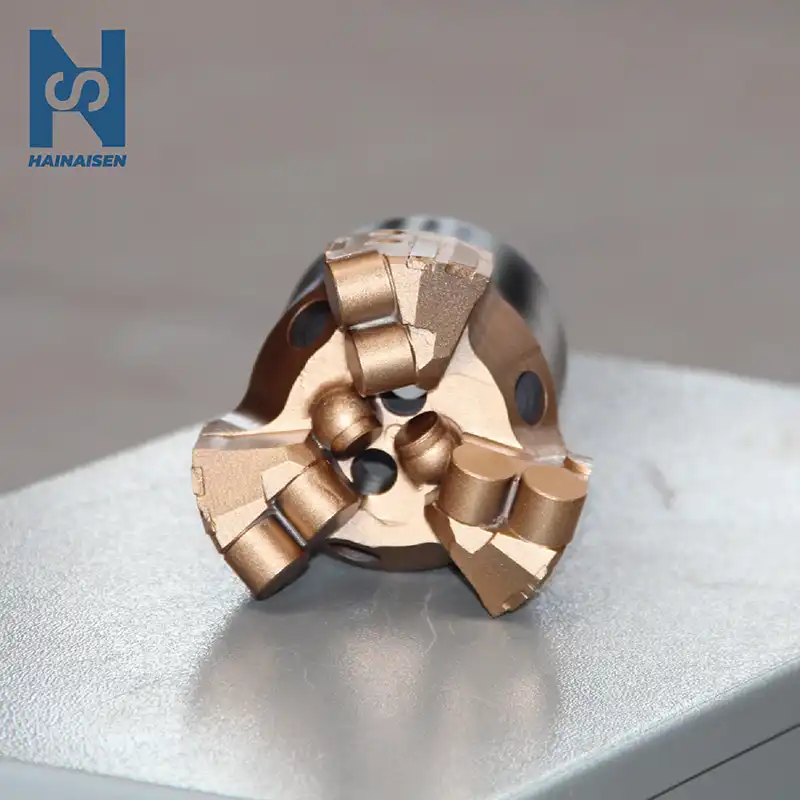
Understanding 3 Blades PDC Mining Bits: Technology and Advantages
Polycrystalline diamond compact bits are a big step forward in drilling technology because of how they are made. PDC cutters use Manufactured diamonds and tungsten carbide as the base material to make cutting surfaces that stay sharp and don't wear down in rough environments.
Core Design Principles and Blade Configuration
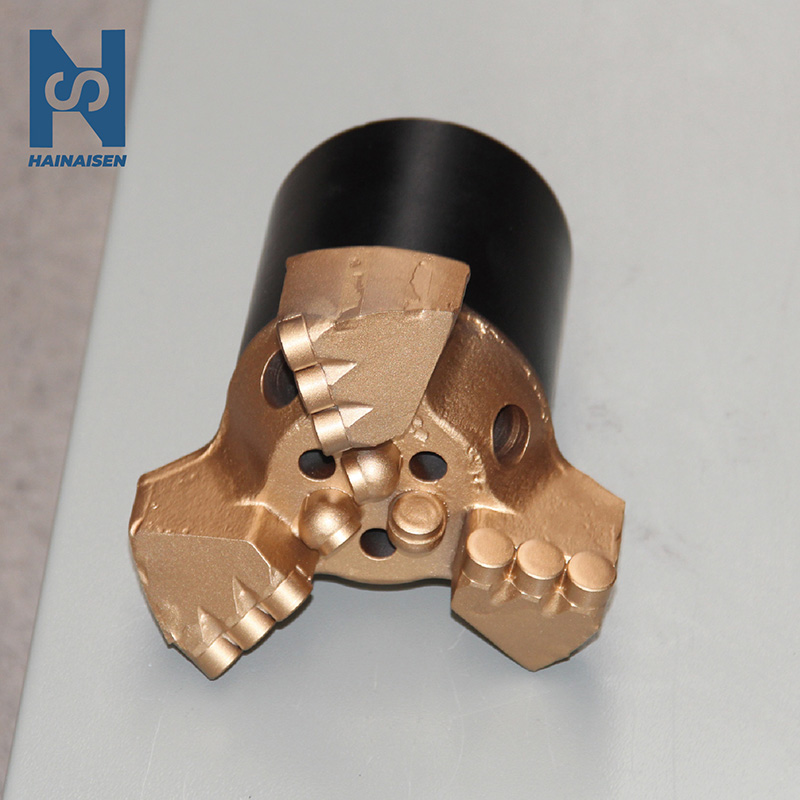
The design with three blades is the best compromise between cutting effectiveness and mechanical safety. Two-blade designs can cause shaking problems, and five-blade designs can make fluid flow more difficult. The three-blade design, on the other hand, cuts consistently while still leaving enough junk slot areas for garbage removal. Each blade has several PDC cutters that are placed at particular angles and positions to get rid of rocks as quickly as possible.
The shape of the blade has a direct effect on how well it drills. When drilling into softer rocks like mudstone and limestone, aggressive blade angles help the drill go deeper. When drilling into harder rocks like granite and quartzite, careful angles keep the drill stable. The clever placement of backup cutters makes sure that the business can keep running even if the main cutters get damaged or worn out.
Material Technology and Cutting Performance
High-temperature, high-pressure synthesis is used in advanced PDC cutting technology to make diamond layers that are very hard and stable at high temperatures. These tools keep their cutting edge longer than steel or tungsten carbide options. This is especially true in rocks where normal bits wear out quickly from abrasive wear.
The steel body design gives the structure the support it needs to handle axial loads and drilling force. Premium metal formulas don't change shape even in the harshest conditions downhole, and the bit's dimensions stay the same throughout its life. Specialized matrix materials improve thermal transmission, which helps get rid of the heat that is made when drilling at high speeds.
Tailoring 3 Blades PDC Bits to Your Project Needs: A Demand Matching Approach
A thorough study of the formation and evaluation of the operating parameters is the first step in effective customization. To choose the right bit features, such as 3 Blades PDC Mining Bits, engineering teams have to look at the hardness, abrasiveness, and properties of the drilling fluid, as well as the conditions they expect to be encountered during the drilling.
Formation-Specific Optimization
In different geological settings, bits need to be set up in different ways. Shale and coal seams are examples of soft rocks that work best with active cutter exposure and bigger junk holes to stop bit balling. Formations that are medium-hard, like sandstone, need forms that are well-balanced so that they can cut well and stay stable. For hard rock uses, the cutter needs to be exposed less and have better backup security.
Water well drilling projects often run into different rocks that need bits that can be used in a variety of situations. Bits used in geothermal uses are exposed to high temperatures, so they need special materials that can handle the heat and better cooling features. In oil and gas research, drilling intervals are often long, which stresses the importance of longevity and steady performance over long periods of time.
Customization Parameters and Engineering Considerations
Some of the most important customization options are the cutting size, the exposure angle, the density distribution, and the backup setup. Bigger cutters can take more material with each turn, but they may be more likely to break when they hit something in a fractured pattern. Smaller cutters last longer in tough situations, but they may not penetrate as deeply generally.
Hydraulic design improvement makes sure that the cuttings are moved and the bit stays cool. Placing the nozzle, figuring out the flow area, and describing the pressure drop must all be in line with the properties of the drilling fluid and the powers of the circulation system. When hydraulics are designed correctly, cuttings don't build up, which can lower drilling efficiency or cause bits to break too soon.
Comparing 3 Blades PDC Bits with Alternatives: Making Rational Choices
Comparing the results of all the available drilling methods is helpful when making decisions about what to buy. Depending on the needs of the application, traditional tricone bits, different PDC configurations, and mixed designs all have their own benefits.
Performance Analysis Against Tricone Alternatives
In most types of formations, PDC Bits have higher penetration rates than tricone bits. Fixed PDC cutters cut continuously, while rolling cone cutters cut only sometimes. This makes drilling processes easier and less likely to cause vibration. Tricone bits, on the other hand, may work better than PDC options in very hard or highly fractured rocks where resistance to impact is very important.
When doing an operational cost study, you need to look at both the original bit cost and the total cost of drilling. Even though PDC bits usually cost more at first, the cost per foot bored is usually less because they last longer and dig faster. By getting rid of the bearing problems that are common in tricone designs, downhole tool replacements happen less often, which saves money on trip costs.
Blade Configuration Comparisons
When used in certain situations, the three-blade arrangement is better than other forms. Two-blade bits may be faster in regular rocks, but they can cause vibrations that make drilling less effective and speed up the wear on equipment. Four- and five-blade designs are more stable, but they may limit fluid flow and lower entry rates in some situations.
Leaders in the market are still making progress in PDC technology by using better cutter materials, better hydraulic systems, 3-blade PDC mining bits, and better ways to make things. These new technologies regularly make drilling better and allow PDC bits to be used in a wider range of rock types.
Maintenance and Longevity: How to Optimize the Lifecycle of Your 3 Blades PDC Bits?
Following the right upkeep steps will greatly increase the bit's useful life and improve its boring performance. Preventive maintenance plans focus on checking methods, handling habits, and refurbishing methods that keep bits in good shape through many drilling rounds.
Inspection and Monitoring Procedures
By checking bits regularly, you can see wear trends that show the best ways to use them versus situations where you need to make practical changes. The evaluation of cutter wear shows the features of the rock and how well the cutting parameters work. Even wear on all cuts means that the drilling conditions are good, while localized damage could mean that the bit isn't cleaned well enough, has too little or too much weight on it, or the rock has changed and bit specifications need to be changed.
The body wear inspection checks the state of the hydraulic parts, the safety of the gauges, and the integrity of the blades. Gauge wear lowers the quality of the holes and may mean that bits need to be replaced even if the cuts are still working. Cracks in the blades or matrix weathering weaken the structure and need to be fixed right away to avoid a catastrophic failure.
Reconditioning and Refurbishment Options
Professional refurbishing services can bring worn-out parts back to almost their original performance levels. Some of the processes are replacing the cutter, fixing the gauge, and restoring the hydraulic system. An economic study checks to see if repairing is cheaper than buying a new bit, taking into account how long the old bit is expected to last and the needs of the project.
When bits are stored correctly between drilling campaigns, rust is stopped, and the bits stay in good shape. Climate-controlled rooms, protective coatings, and frequent checks during storage times keep bits intact and make sure they are ready for the next action.

Procurement Essentials: Buying and Customization Options for 3 Blades PDC Mining Bits
Procurement strategies that work well match technology needs with business needs. Getting access to the best drilling solutions, like 3 Blades PDC Mining Bits, means building relationships with experienced makers that offer full customization options.
Supplier Selection and Partnership Development
Expertise from good providers can be seen in their technical help, manufacturing Certifications, and track records in similar uses. Having engineering help with developing bit specifications is very helpful, especially in tough drilling conditions or for specific uses.
Shaanxi Hainaisen Petroleum Technology Co., Ltd. is an expert in researching, developing, and making high-tech PDC drilling solutions. Our building is 3,500 square meters and has modern production rooms with CNC machine tools, 5-axis machining centers, and special welding production lines. The specialized research and development team works with customers to make unique bit designs that solve problems in specific projects.
Commercial Considerations and Ordering Strategies
Strategies for buying in bulk can lower unit costs and make sure there is enough inventory for long drilling operations. However, formation variability may mean that more than one bit definition is needed. This is why adjustable ordering arrangements are helpful. It's easier to plan projects and keep track of supplies when you know about lead times, minimum order amounts, and customization timelines.
Here are the core advantages that set our PDC bits apart from standard alternatives:
- Better drilling efficiency thanks to improved blade shape that improves cutting action while minimizing power needs. This leads to faster penetration rates through a wider range of geological formations.
- Advanced PDC cutter technology and quality steel body construction provide better wear resistance, which increases operating life and lowers the number of times the tool needs to be replaced.
- It has better penetration rates in rocks ranging from soft coal seams to medium-hard sandstone, and it keeps working well over longer drilling gaps.
- There is less vibration, which makes drilling go more smoothly, protects tools, and raises the total efficiency of the drilling system.
- Because of these benefits, our customers can directly lower their drilling costs and get better project economics for oil and gas research, coal mining, and water well drilling.
Our wide range of applications meets the needs of drilling in many different businesses. Bits that are designed for long-reach drilling and difficult rock conditions help oil and gas research projects. Designs that were made just for degassing holes, drainage uses, and grouting installs are used in coal mines. For water well drilling jobs, the drill bits are set up in ways that make it easy to remove the cuttings and drill through different types of rock.
Our thermally resistant materials and cooling improvement features are used in geothermal digging. Core drilling and sampling are done using special designs for mineral prospecting projects. For hard rock mining to work, the structures need to be strong enough to last in rough circumstances. Designs that are designed for steering accuracy and long operating life are used in horizontal directional drilling, and trenchless technology uses.
Conclusion
When customizing 3 Blades PDC Mining Bits, you need to think carefully about the characteristics of the formation, the operating factors, and the economics of the project. The three-blade design strikes the best mix between cutting speed and safety of operation for a wide range of drilling tasks. For execution to go well, there needs to be a full formation study, the right bit specification, and established partnerships with suppliers. Quality manufacturing, the ability to make many changes, and ongoing expert help all work together to make sure that the drilling goes smoothly and the project is a success. When you buy PDC bits that are the right size and shape, they have better penetration rates, last longer, and cost less to drill in oil and gas research, mining, and water well drilling.
FAQ
1. What formations are best suited for 3 blades PDC bits?
Three-blade PDC bits work best in mudstone, limestone, shale, sandstone, and some types of granite that are soft to medium-hard. The design works best in forms with a compressive strength of up to 25,000 PSI, but harder materials can be used with special setups.
2. How does customization improve drilling performance?
Customization makes the best use of cutting placement, exposure angles, and hydraulic design for the features of a given shape. This targeted method raises penetration rates by 15–30% compared to normal setups. It also makes bits last longer by reducing wear and improving stability.
3. What factors determine the optimal blade configuration?
The hardness of the formation, the depth of the hole, the power needs, and the fluid qualities all affect the choice of blade design. These factors are used in engineering analysis, along with working limits, to figure out the cutter density, exposure angles, and backup protection levels.
4. How do 3 blades PDC bits compare to tricone alternatives?
When compared to tricone shapes, PDC bits usually have 20–50% higher penetration rates and less shaking. The beginning costs are higher, but the cost per foot bored is usually 15–25% less because the drill lasts longer and works more efficiently.
Partner with HNS for Superior 3 Blades PDC Mining Bits Solutions
Are you ready to improve your drilling results with custom PDC solutions? HNS blends advanced manufacturing skills with a wide range of technical knowledge to provide bits that are perfectly suited to your project needs. Our skilled staff looks at the problems you're having with the formation and the operating factors to suggest the best configurations that will get the best penetration rates at the lowest cost. As one of the biggest companies that makes 3 Blades PDC Mining Bits, we offer full expert help, from the initial specification to improving performance in the field. You can email our engineering team at hainaisen@hnsdrillbit.com to talk about your drilling problems and get offers for custom bits made for your needs.
References
1. Smith, J.R., "Advanced PDC Bit Design Principles for Enhanced Drilling Performance," Journal of Petroleum Technology, Vol. 45, No. 3, 2023.
2. Williams, M.K., "Comparative Analysis of Three-Blade versus Multi-Blade PDC Configurations in Various Geological Formations," Drilling Engineering International, 2023.
3. Johnson, P.L., "Optimization Strategies for Custom PDC Bit Selection in Mining Applications," Mining Technology Review, Vol. 28, No. 2, 2023.
4. Chen, L.W., "Maintenance and Reconditioning Best Practices for Extended PDC Bit Life," International Drilling Symposium Proceedings, 2023.
5. Anderson, R.T., "Cost-Benefit Analysis of Customized PDC Bits in Oil and Gas Exploration," Energy Economics Quarterly, Vol. 15, No. 4, 2023.
6. Thompson, K.M., "Material Science Advances in Polycrystalline Diamond Compact Technology," Materials Engineering Review, Vol. 32, No. 1, 2023.
 VIEW MOREPDC Diamond Bit
 VIEW MOREDiamond PDC Drill Bit
 VIEW MOREBest Diamond Drill Bits
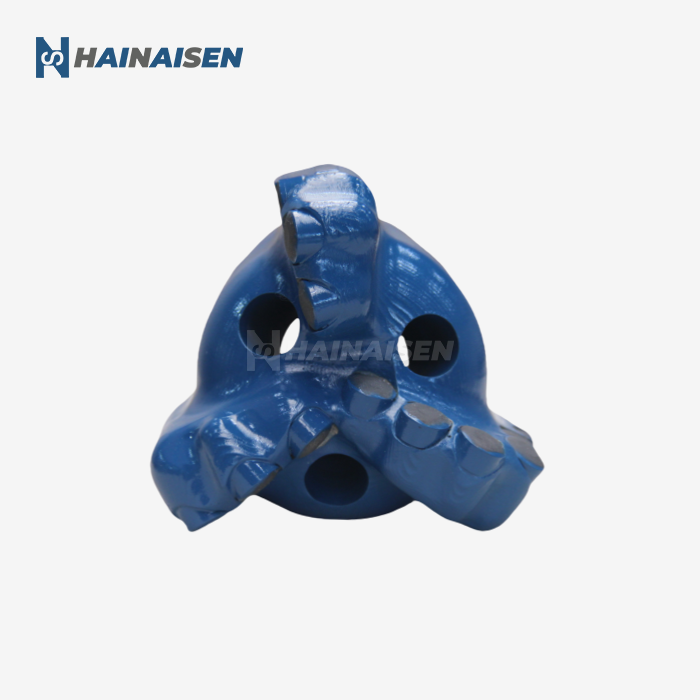 VIEW MORE113mm PDC Arc Angle Drill Bit
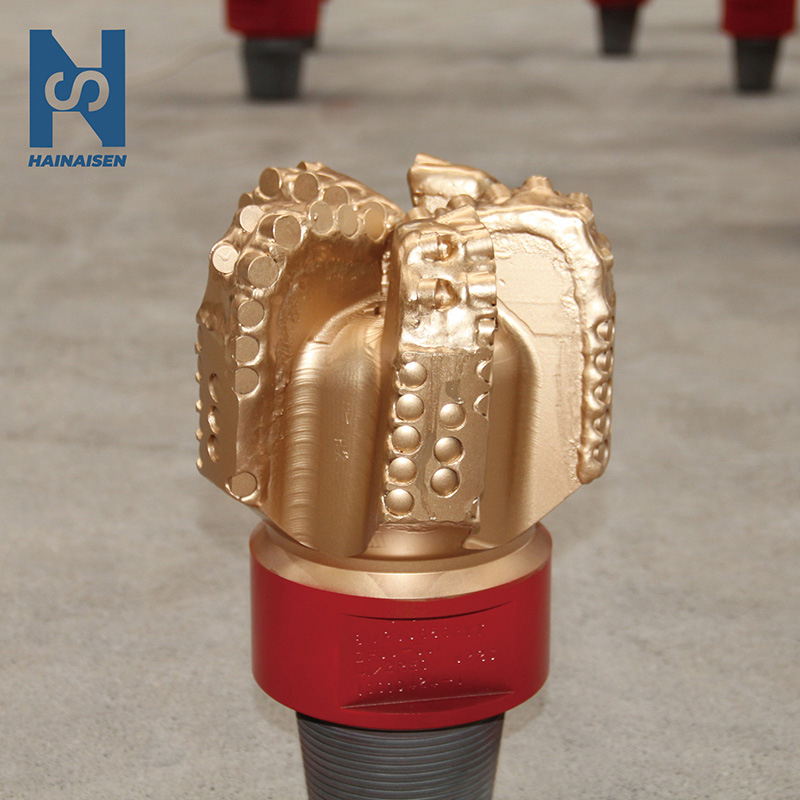 VIEW MORE5 Blades PDC Oil Bit
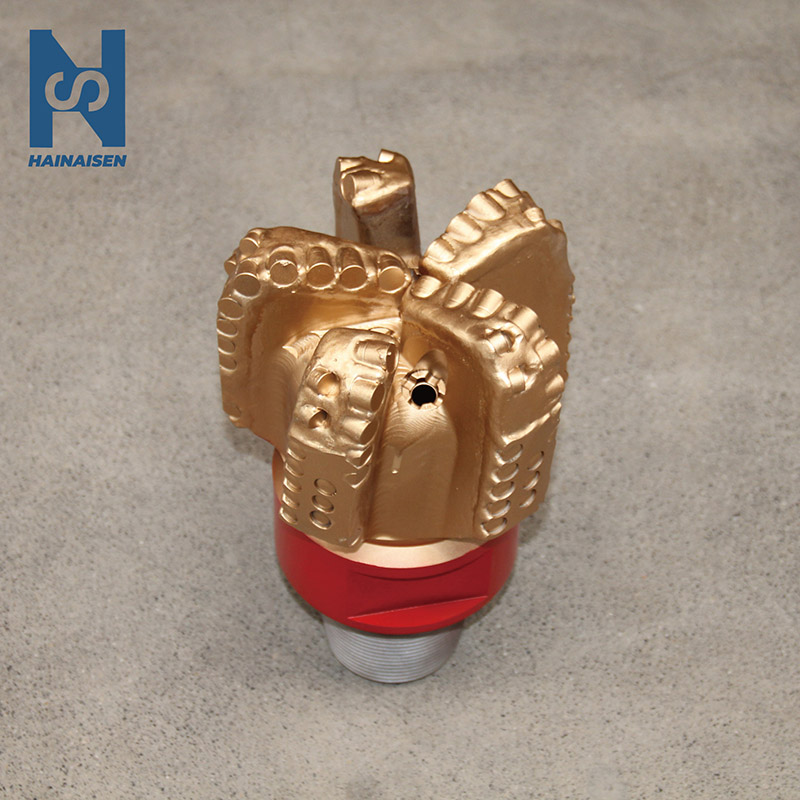 VIEW MOREDrilling Bit For Oil And Gas Rig
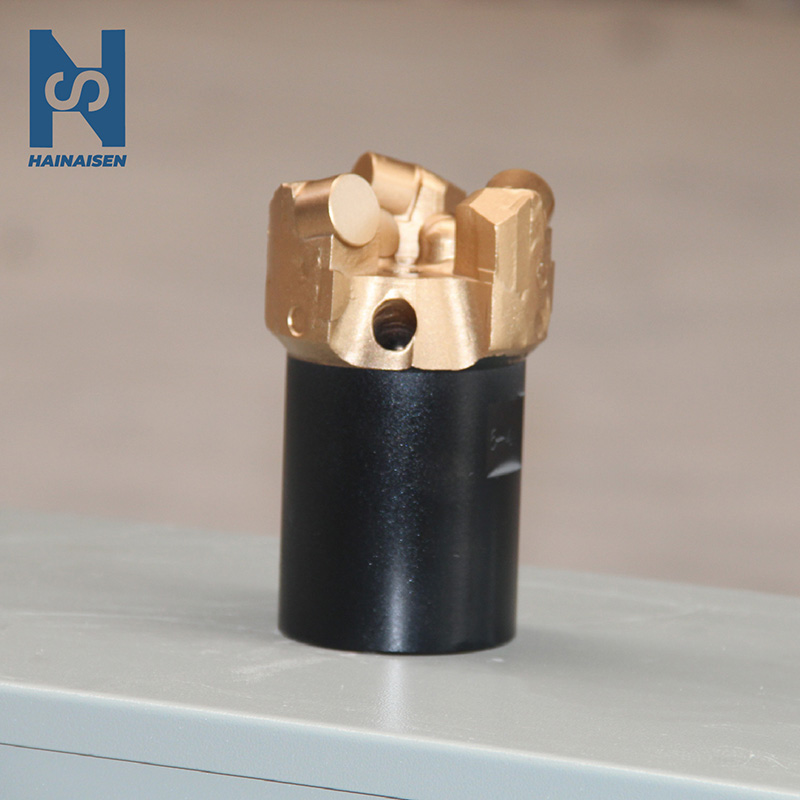 VIEW MORECoal Mining Use Diamond Drill Bit
 VIEW MOREThree Blade Concave Drill Bit Api For Manganese Coal Mines
