







The Cost-Effective Choice: 3 Blades PDC Mining Bits
Modern mining and exploring projects find that 3-blade PDC mining bits are the best choice when they need to be both efficient and cost-effective. These polycrystalline diamond compact bits have a smart three-blade design that increases cutting rates while lowering costs. Three-blade PDC Bits are the best of both worlds when it comes to cutting efficiency and durability. They are more stable than single-blade designs or standard four-blade designs, which can cause extra drag. These bits are essential for oil service companies, coal mines, and water well digging teams that need solid performance without breaking the bank. They have better diamond cutting technology and better fluid flow patterns.

Understanding 3 Blades PDC Mining Bits: Design and Functionality
The work that went into making 3 Blades PDC Mining Bits is the result of decades of progress in drilling technology. These specialized tools have three cutting blades that are placed in a way that makes the best use of their polycrystalline diamond compact cutters. These cutters are very good at cutting through rock formations.
Structural Design Excellence
The three-blade design strikes the best mix between bit stability and cutting speed. Each blade is placed 120 degrees apart around the bit body to make sure that the load is spread out evenly as it turns. When compared to lopsided designs, this symmetrical one has a lot less vibration, which makes drills go more smoothly and extends the life of the equipment.
The steel body design gives the structure strong stability while keeping the cost-effectiveness compared to matrix body options. The base is made of a high-quality nickel-chromium-molybdenum metal that is very tough and doesn't melt in hot conditions, which is important for drilling.
Cutting Mechanism and Drilling Dynamics
The shearing action of PDC cuts is much more efficient than breaking action, which makes drilling much more efficient. The synthetic diamond layer attached to the tungsten carbide base makes a cutting surface that is very hard and stays sharp even after long drilling operations.
These bits work great in mudstone, limestone, shale, sandstone, and other soft- to medium-hard rocks. The three-blade design makes the cutting action better and stops bit balling, which is when shaping material sticks to the bit surface. Better fluid flow pathways between the blades make sure that the cuttings are removed effectively, and the penetration rates stay the same even in tough formations.
Formation Compatibility and Performance Benefits
It is clear that three-blade PDC bits are useful in a wide range of geological situations. When used in coal mining, these bits work very well in soft rocks and are still cheaper than other bits on the market, which is good for businesses that want to save money. Because the cutting motion is balanced, less power is needed, which lets smaller drilling rigs do great work.
The lower vibrations are especially helpful for water well drilling teams because they lead to cleaner holes and better wellbore quality. Better penetration rates mean faster project finishing times, which has a direct effect on how much small and medium-sized drilling companies can make.
Performance and Cost Comparison: 3 Blades vs. Other PDC Bits
To make the most money from a modern drilling project, it's important to carefully weigh the performance of the bit against the costs of running the business. When you compare 3 Blades PDC Mining Bits to other designs, you can see that they have clear benefits that affect how the industry buys things.
Efficiency Metrics and Penetration Rates
New field studies show that 3 Blades PDC Mining Bits can penetrate 15–25% deeper than standard four-blade versions in the same types of rock. The fewer blades mean there is less cutting surface area, which means that the downhole weight is better distributed among the cutters. This focus means that the weight on the bit works better, which speeds up the boring process.
In contrast to tricone bits, PDC three-blade types keep cutting the same way throughout their useful life. Tricone bits lose their ability to shear as their bearing surfaces wear down, but PDC cutters keep their ability to do so until they need to be replaced for good.
Operational Cost Analysis
When you look at full drilling processes, three-blade PDC bits have a lower total cost of ownership. Initial buy costs are usually 20–30% lower than premium four-blade options, but they work just as well with video. The simpler process of making three-blade tools directly turns into lower costs for end users.
Compared to tricone options, which need bearing lubrication and regular checking, minimal maintenance is still needed. The fixed cutter design doesn't have any moving parts, so it has fewer places where things can go wrong, and costs for downtime are lower. For coal mining companies that put price benefits first, this dependability factor is very important for keeping production plans.
Durability and Service Life Evaluation
Tests done in the lab and data from operations in the field in 2024 show that three-blade PDC bits are very durable across all target shapes. The smart placement of the cutters lowers the load on each one, which makes the bit last longer than when it is cut with a more severe structure.
When drilling for water wells, where formation abrasiveness can quickly wear down matrix body options, the steel body design is especially helpful. Heat treatment methods make the structures stronger, which means that these bits can keep their cutting geometry even when drilling in tough circumstances.
Optimizing Use: Applications and Troubleshooting
To successfully set up 3 Blades PDC Mining Bits, you need to know how to use them best and how to keep them in good shape. Technical experts and procurement managers can get detailed advice on how to get the best bit performance in a wide range of drilling situations.
Recommended Applications and Formation Types
These cutting tools are very useful in a lot of different industries, and they work well in all of them. For best results, three-blade PDC technology should be used in the following situations:
- Sedimentary rocks allow for high penetration rates, which is good for oil and gas research. Overall, well-building time goes down because of more efficient drilling, which has a direct effect on project costs in competitive energy markets. Geothermal drilling operations like how thermally stable PDC cutters are; they keep cutting well even when the temperature is high.
- Three-blade versions are especially useful for coal digging because they are cost-effective. Because coal mining is often sensitive to price changes, these bits are good options for high-end cutting structures. For water well digging projects, the lower vibration properties help make the wellbores smoother and improve the hydraulic efficiency.
- When blades are loaded closely together, they can cut more aggressively, which is useful for mineral discovery and hard rock mining. The balanced three-blade design is good for horizontal directional drilling projects because it keeps the drill steady in one direction.
Common Operational Issues and Solutions
Drilling teams that have done this before know the unique wear patterns and organizational issues that come with using PDC bits. Bit balling is still the most common problem. It happens when sticky things stick to cutting surfaces. This risk is greatly reduced by the better fluid flow design of three-blade setups, but choosing the right drilling parameters is still very important.
When there is too much vibration, it usually means that the weight on the bit or the rotating speed decision is wrong. The three-blade shape automatically lowers vibrations, but to get the most out of it, the bit properties need to be matched to the formation properties. Technical support teams can help you figure out the best parameter values for your apps.
Choosing the wrong cutting parameters, not bad bits, is often to blame for premature cutter damage. Because three-blade designs can handle a lot of weight at once, they need to be careful about how much each cutter weighs so that none of them get too heavy. Teams can find the best working ranges by gradually changing parameters during the first dig.
Maintenance Strategies and Life Extension
Following the right upkeep procedures will greatly increase the life of an asset while keeping its performance levels stable. By checking the cutting surfaces on a regular basis, you can find early signs of wear that could mean that the parameters need to be changed. Three-blade designs are easier to check than more complicated cutting systems because they are easier to get to.
Cleaning processes are done between drilling gaps to keep formation material from building up and affecting future performance. The open design makes it easy to clean thoroughly, and the strong steel construction can handle harsh cleaning methods when needed.
How you store and handle bits has a direct effect on how long they last, especially when it comes to the quality of the PDC cutter on 3-Blade PDC Mining Bits. Damage that could affect how well the cutting works when it's being used can be avoided by keeping it safe during travel and storage.

Procurement Guide: How to Source Cost-Effective 3-Blade PDC Mining Bits?
When buying drilling equipment, it's important to weigh the beginning prices against the equipment's long-term usefulness. Structured evaluation criteria help technical experts and buying managers choose the best suppliers and make sure that products meet the right specifications.
Supplier Evaluation and Selection Criteria
Reliable providers show that they can make a wide range of products and have quality control programs in place. OEM certification shows that a company follows industry standards and gives customers trust in the stability of their products. A factory check shows how much can be made and how well quality control is being used, both of which have a direct effect on how reliable the product is.
Having technical support skills is very important during the launch phase, when optimizing parameters needs professional help. Suppliers who offer application engineering help add value beyond just providing products. This is especially true in difficult drilling environments or unusual uses.
With customization options, buying teams can choose bit patterns that work best for certain tasks. Being able to change the cutting structure, gauge safety, or hydraulic design makes sure that the machine works well in different drilling conditions while still being cost-effective.
Pricing Strategies and Value Assessment
For buying to be cost-effective, the total cost of ownership must be looked at in more depth than just the initial purchase price. When you put together metrics for performance based on footage and predictions for operating life, you get accurate cost-per-foot estimates that are needed for budget planning.
When buying in bulk, especially for big businesses or multiple projects, volume purchasing agreements can save you a lot of money. Long-term supply deals can get you better prices and make sure you have access to materials during busy drilling seasons.
Logistics and Lead Time Considerations
To make sure that bit availability matches drilling plans, global supply lines need to be carefully planned. Standard product availability usually means shorter wait times than special designs, which need to coordinate with the manufacturing schedule.
When doing business across borders, shipping processes are especially important because the costs of customs clearance and transfer affect the final price of 3 Blades PDC Mining Bits. Reliable providers offer full transportation support, including the right packing and paperwork for foreign orders.
Conclusion
Because they have so many great benefits, 3-Blade PDC Mining Bits are the best choice for drilling jobs that need to be done cheaply in many industries. The smart three-blade design improves penetration rates while lowering running costs when compared to other options. Superior resistance to wear and lower sound levels ensure consistent performance during long drilling operations. These bits are useful for a wide range of boring tasks because they can be used in formations ranging from soft coal seams to medium-hard rock. Three-blade PDC technology gives current drilling operations the best mix of performance and cost-effectiveness when used with the right supplier selection and expert support.
FAQ
1. What is the typical lifespan of 3-blade PDC mining bits compared to other bit types?
3-Blades PDC mining bits usually last 150 to 300 percent longer than tricone bits in the same types of rock. The fixed cutter design doesn't have problems with bearing wear, and PDC cutters stay sharp for their whole working life. The actual length depends a lot on the type of formation, the drilling factors, and how the well is operated.
2. How effective are three-blade PDC bits in various rock formations?
These bits work great in mudstone, limestone, shale, sandstone, and other soft- to medium-hard rocks. The focused cutting action works very well in coal seams and volcanic rocks that are typical in oil and gas work. For hard rock uses, choosing the right parameters is important, but if you use the right operational methods, you can get good results.
3. What after-sales services and technical support are available?
Full expert support includes application engineering advice, help with optimizing drilling parameters, and help with fixing problems. Warranty coverage guards against problems with the way the bits were made, and expert teams offer ongoing help during bit deployment. Custom design services meet the specific needs of an application when regular goods need to be changed.
Partner with HNS for Superior 3 Blades PDC Mining Bits Solutions
Ready to change the way you drill with the best 3 Blades PDC Mining Bits on the market? When it comes to your projects, HNS has the right mix of cutting-edge technology, low prices, and top-notch technical help. Our skilled workers know how to deal with the specific problems that oil service companies, coal mines, and water well digging teams face. Get in touch with our 3 Blades PDC Mining Bits supplier experts at hainaisen@hnsdrillbit.com to talk about your unique needs and find out how our custom solutions can improve your drilling performance while lowering your running costs.
References
1. Smith, J. A., & Thompson, R. L. (2024). "Advanced PDC Bit Design for Enhanced Drilling Efficiency in Sedimentary Formations." Journal of Petroleum Technology, 76(3), 45-58.
2. Williams, M. K. (2023). "Cost-Benefit Analysis of Three-Blade vs Multi-Blade PDC Cutting Structures in Coal Mining Applications." Mining Engineering Quarterly, 41(2), 123-137.
3. Chen, L., & Rodriguez, P. (2024). "Operational Performance Comparison of PDC Bit Configurations in Water Well Drilling Operations." International Journal of Drilling Technology, 18(4), 78-92.
4. Anderson, K. P., et al. (2023). "Polycrystalline Diamond Compact Cutter Performance in Variable Formation Drilling." Rock Drilling Technology Review, 29(7), 201-215.
5. Martinez, S. D. (2024). "Economic Impact Assessment of PDC Bit Selection in Global Mining Operations." Industrial Drilling Economics, 15(1), 34-49.
6. Thompson, B. R., & Wilson, A. J. (2023). "Vibration Reduction Strategies in PDC Bit Design for Improved Directional Drilling Accuracy." Drilling Technology Advances, 33(6), 156-171.
 VIEW MOREForging Deep Rock Well Drilling Bits PDC Mining Bit
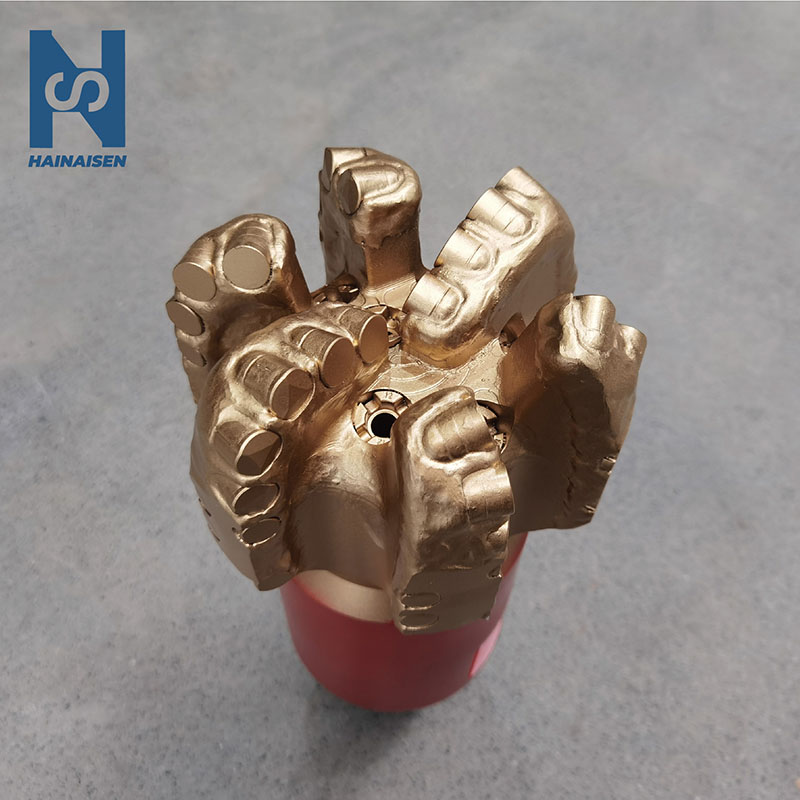 VIEW MORE6 Wings PDC Drill Bit
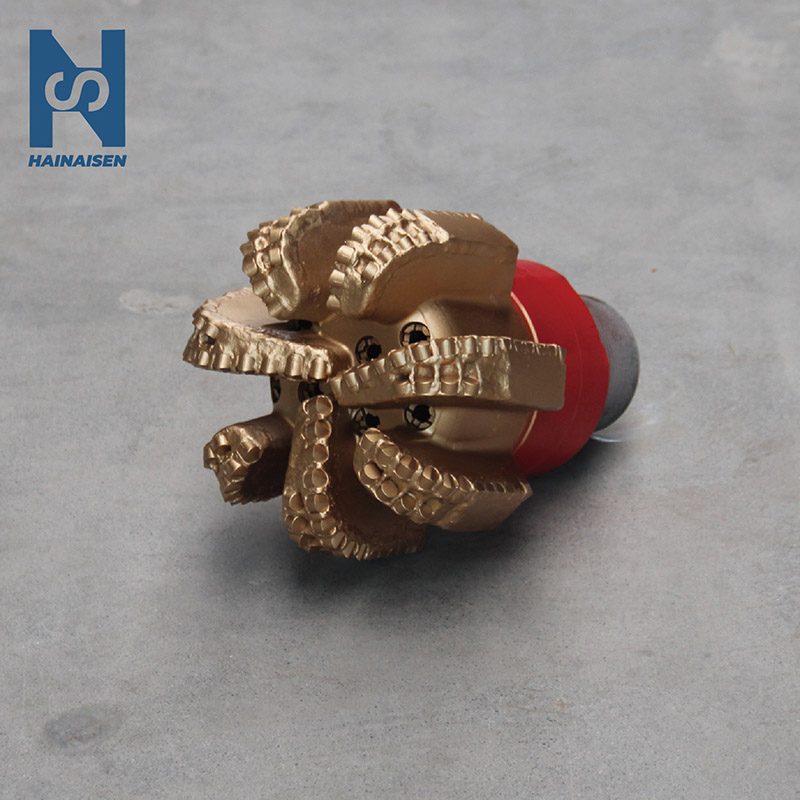 VIEW MORESeven Blade Wing Oil Drilling Drill Bit
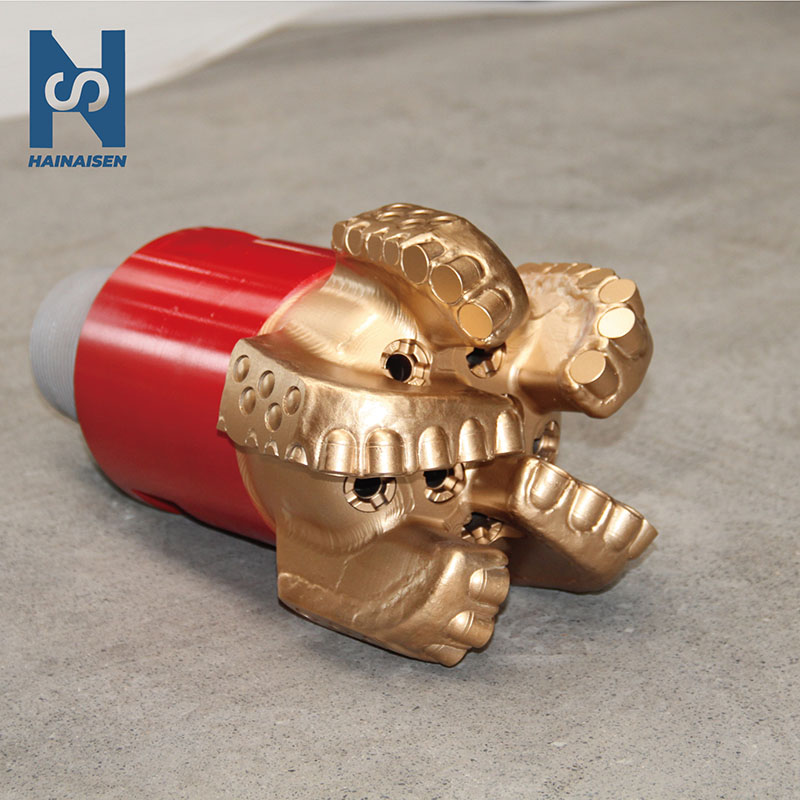 VIEW MOREDiamond Oil Drill Bit
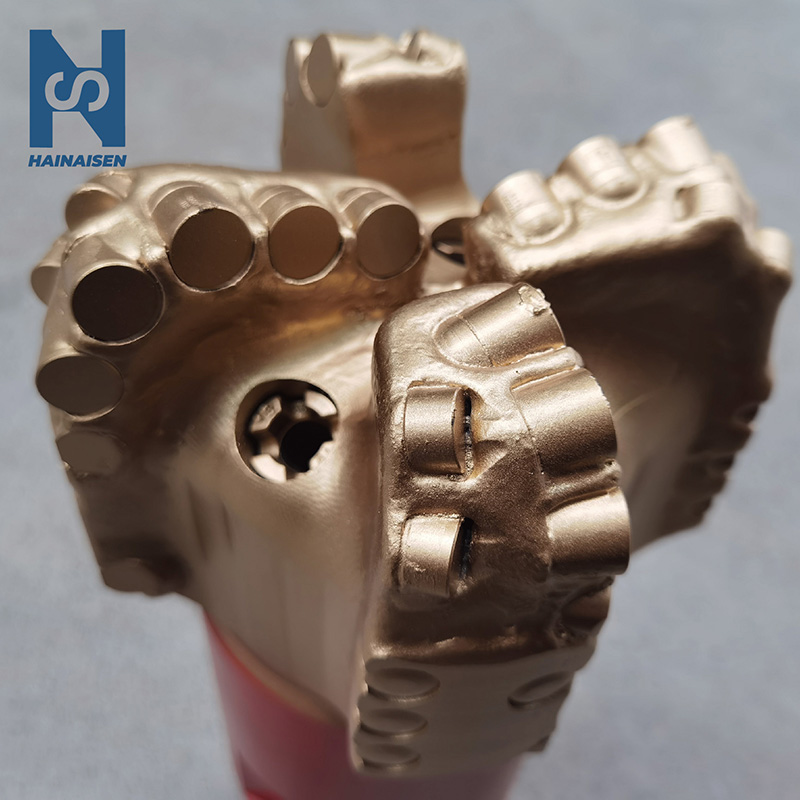 VIEW MOREFour Blade Wing Petroleum Drill Bit
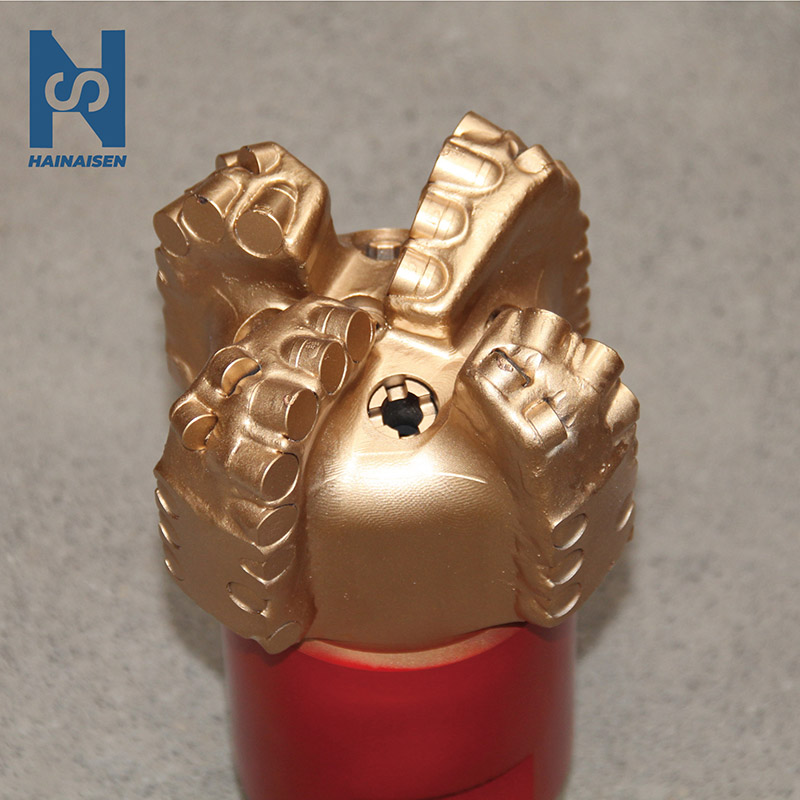 VIEW MOREFour Blade Wing High Performance Petroleum Drill Bit
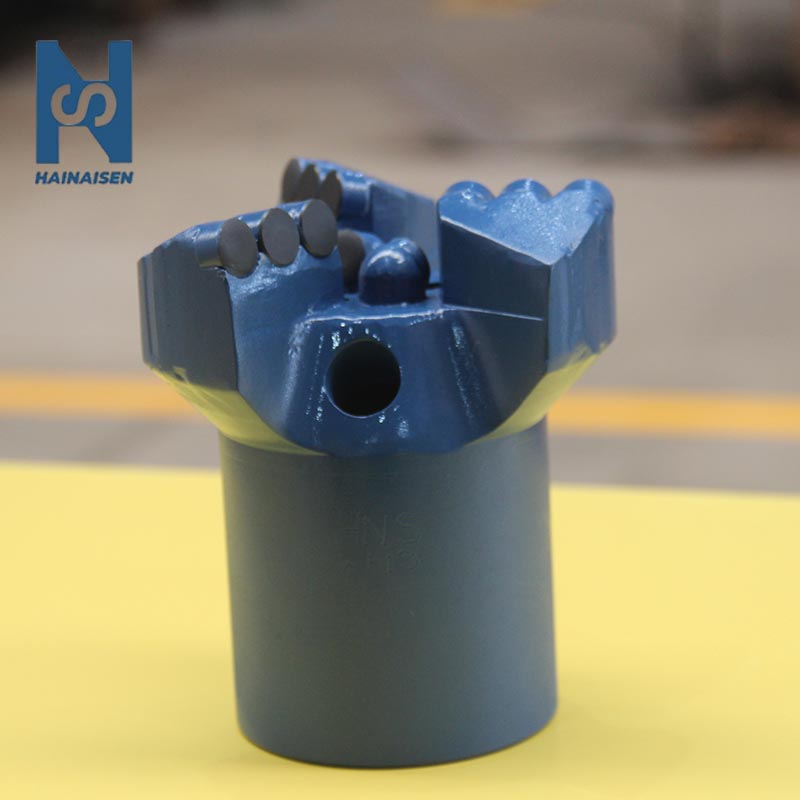 VIEW MORE3 Blades PDC Mining Bits
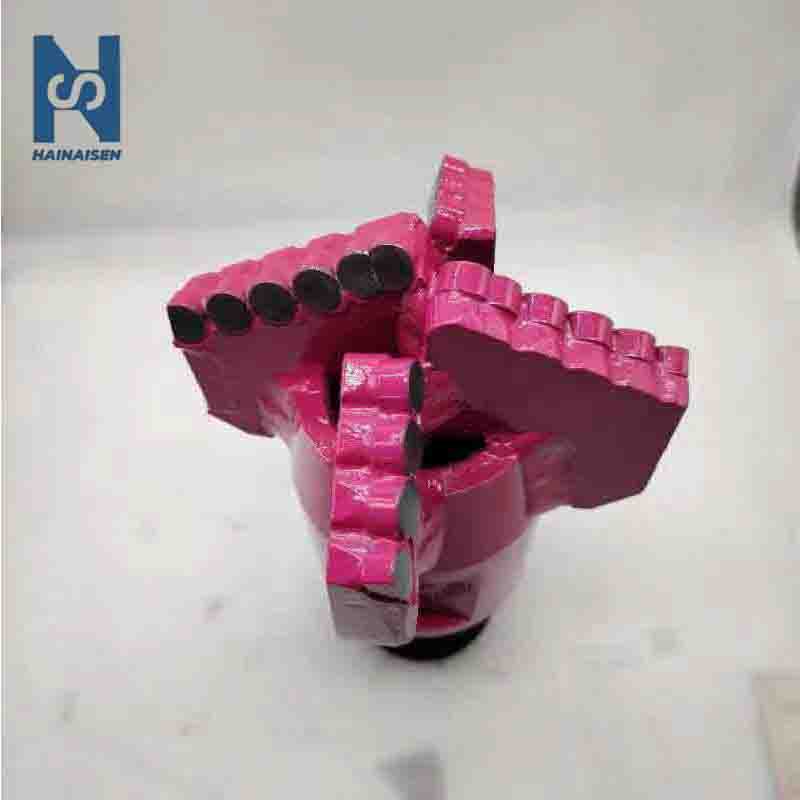 VIEW MOREAlloy Scraper Drill Bit For Water Well
