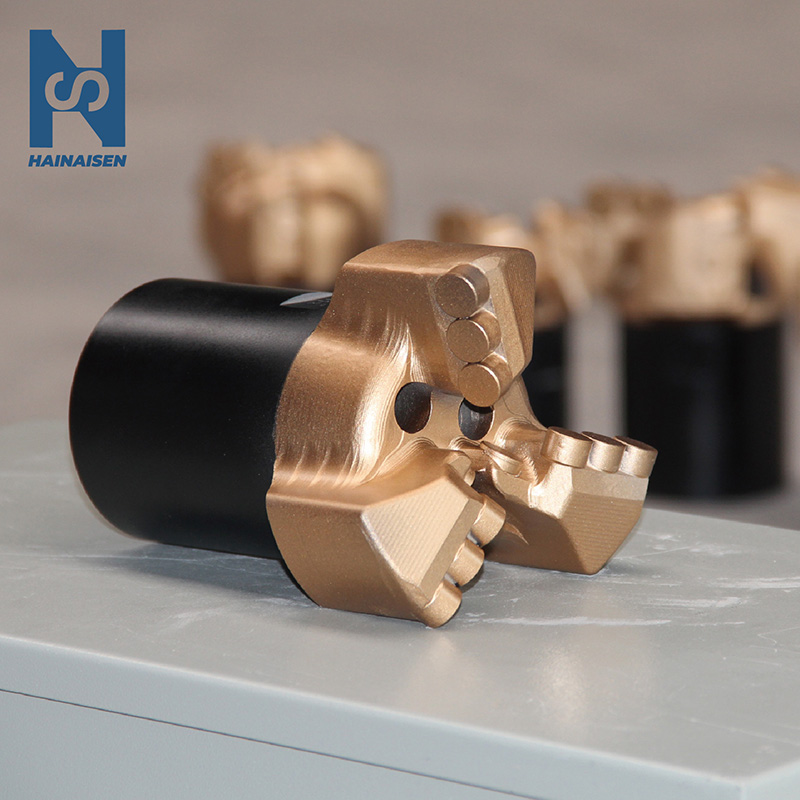
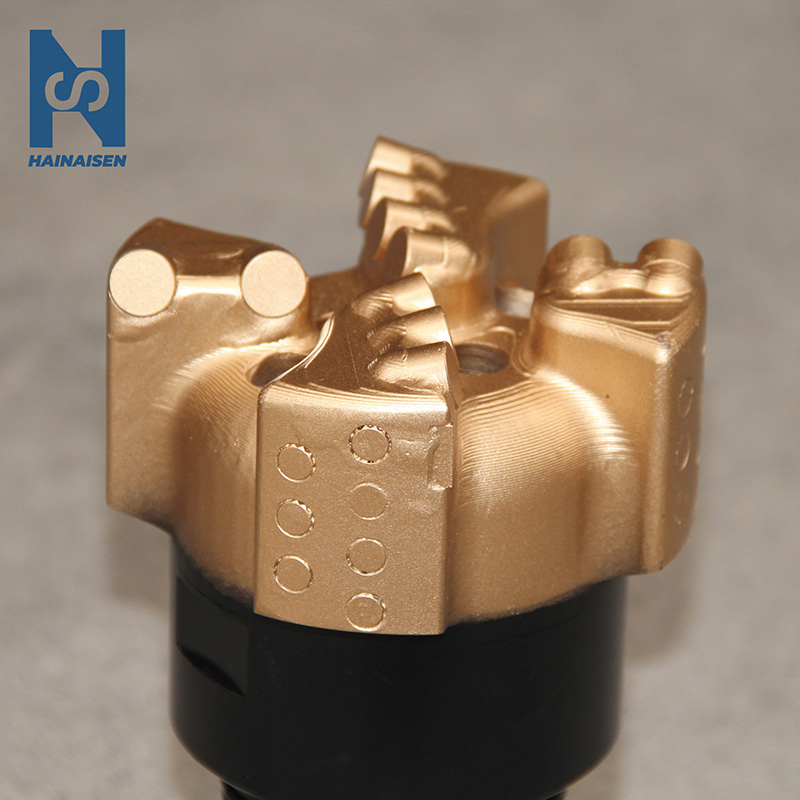
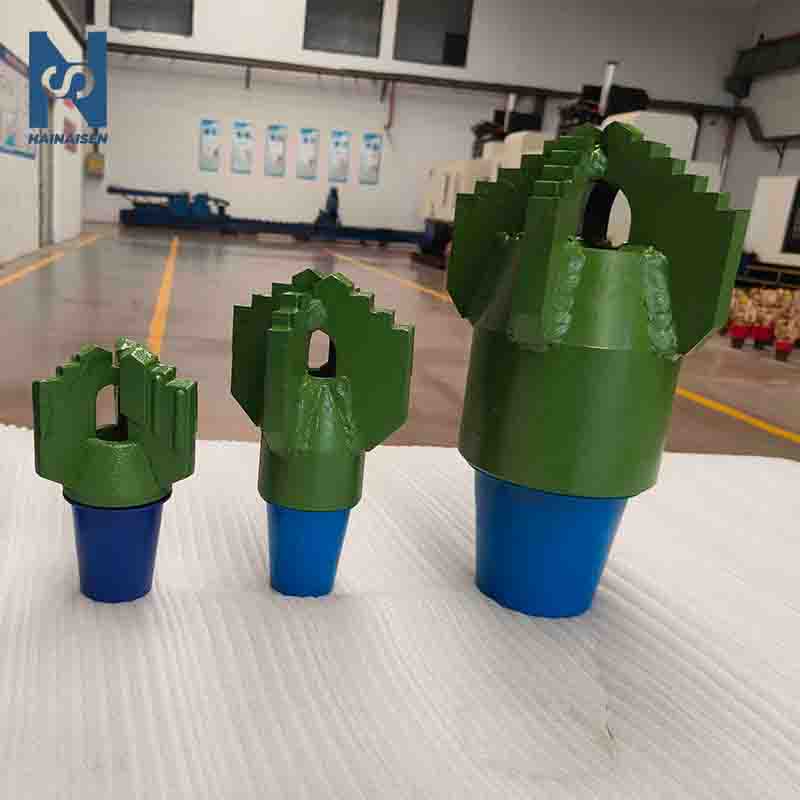
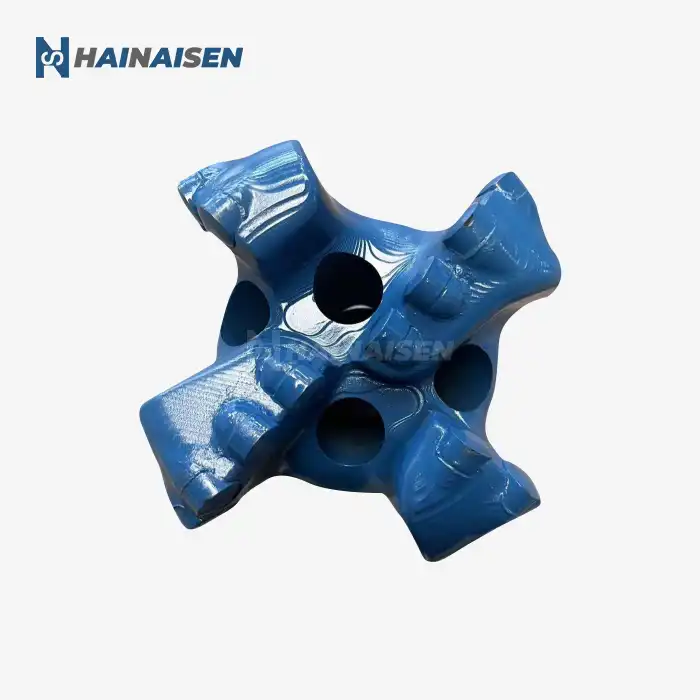
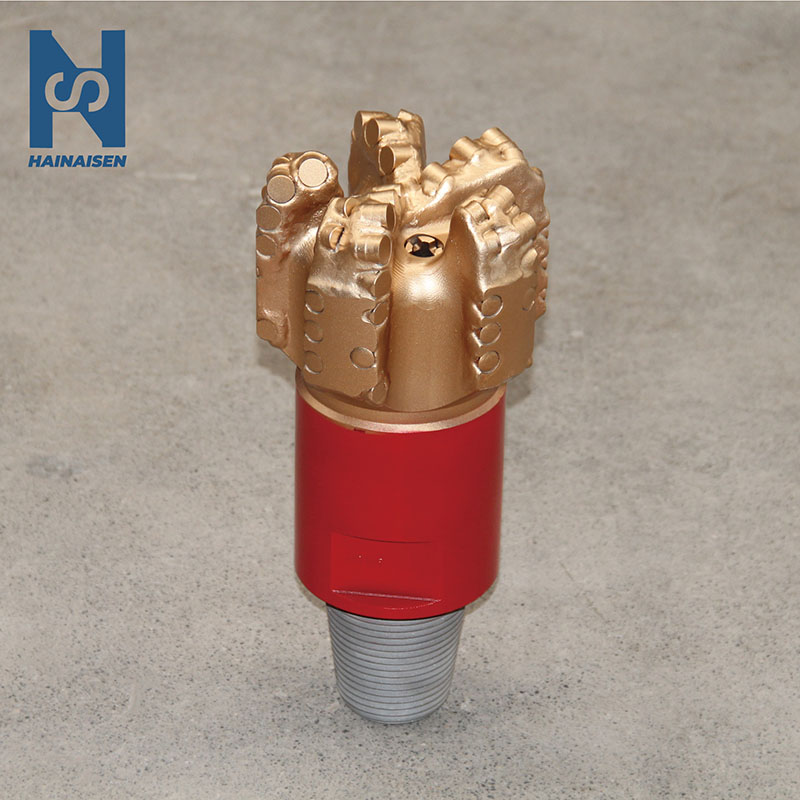
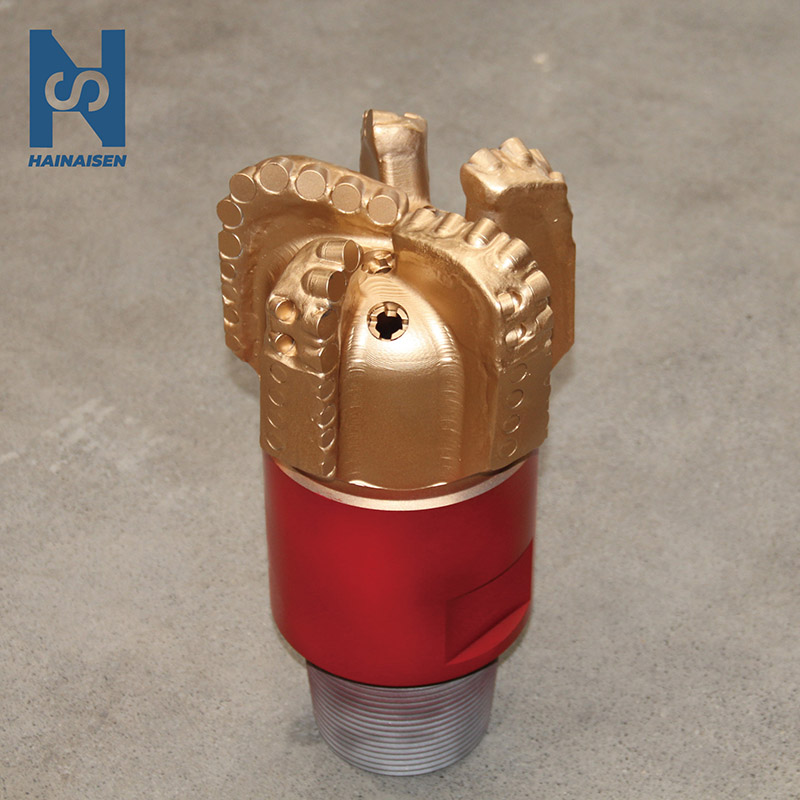
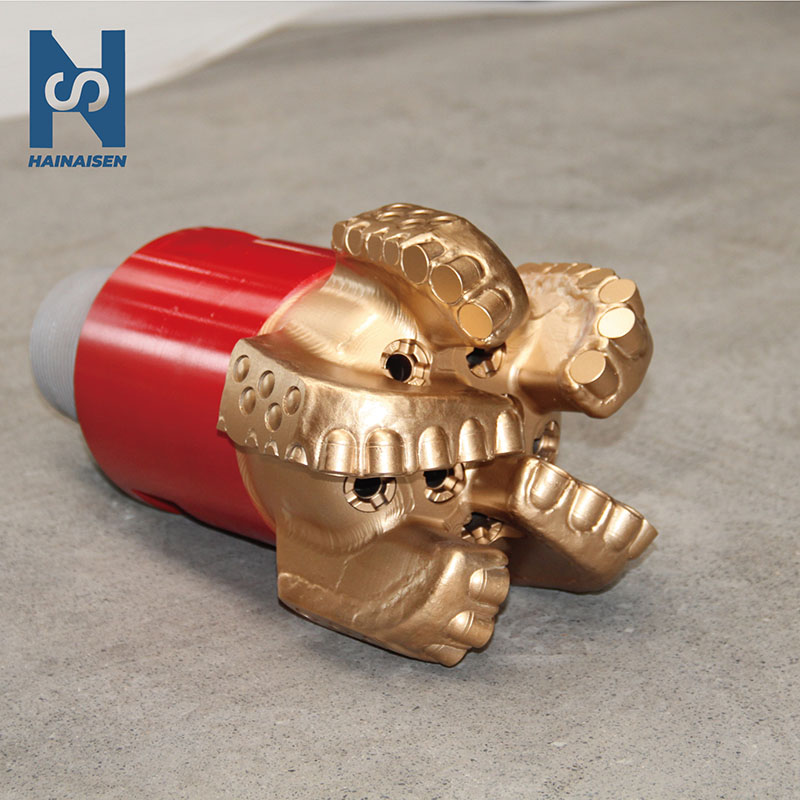
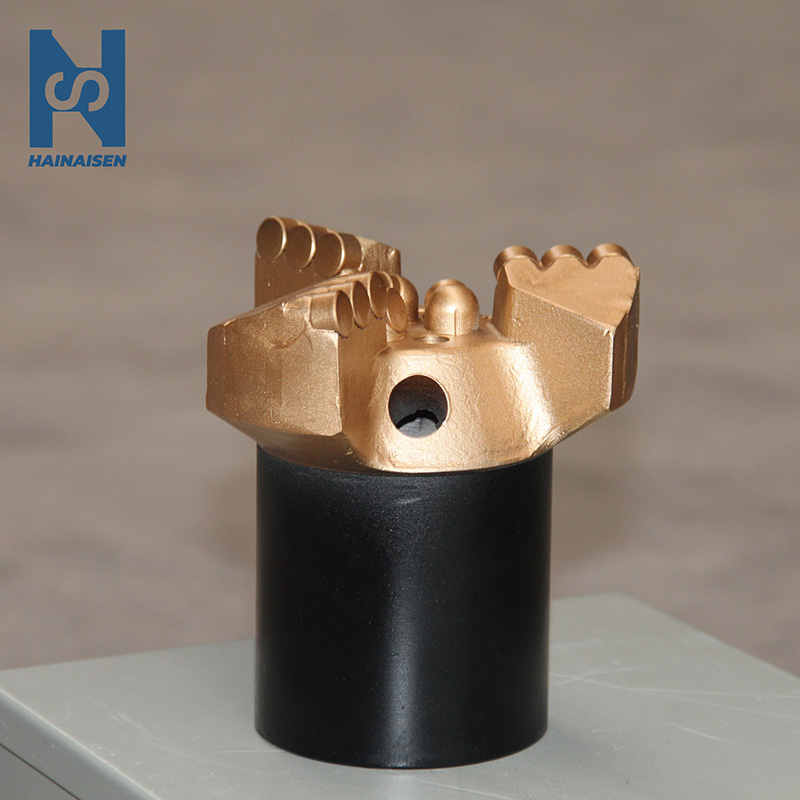
3 Blades PDC Rock Bit cutter placement and wear resistance
The placement of the cutters on a 3-blade PDC rock bit has a direct effect on both performance and running costs. This is because the cutters affect how well the drill works and how long the equipment lasts. These new drill bits have three carefully placed blades with polycrystalline diamond compact cutters positioned across them. This creates the perfect mix between strong cutting action and increased wear resistance. The three-blade design allows for better penetration rates while keeping structural integrity in difficult rock types, making them essential for modern drilling operations.
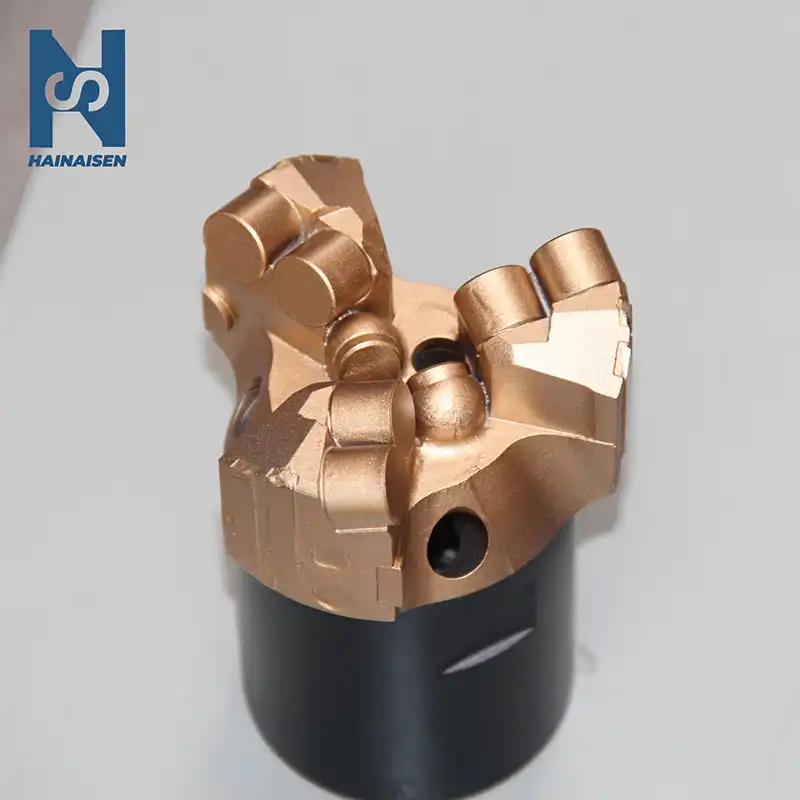
Understanding 3 Blades PDC Rock Bit and Cutter Placement
The idea behind tri-blade PDC drill bits is to make them as effective at cutting as possible while also making sure they last a long time. Unlike regular roller cone bits or other options with more than one blade, the three-blade design cuts more aggressively and works best in medium to hard rock. Each blade has several PDC cutters that are set up in specific geometric shapes that spread the load out evenly and keep stress concentration spots to a minimum.
Fundamental Design Principles
The placing of the cutters on these bits is based on exact technical estimates that take into account how the weight is distributed, how much torque is needed, and how the hydraulic flow patterns are. Each polycrystalline diamond cutter works as a fixed cutting element, so there is no need for the complicated mechanics that come with rolling cutter designs. The shape of the blade makes wide "junk slots" that make it easy to remove waste, and stabilizing gauge pads keep the hole width the same while the drilling is going on.
Compared to matrix body options, the steel body construction is much more resistant to impact. This makes these bits ideal for situations where operating reliability is more important than initial cost. This strong base keeps the PDC cutters in place even when the drilling conditions are very rough. This increases the bit's general life and decreases the downtime that comes with premature fails.
Material Composition and Performance Characteristics
Modern tri-blade PDC Bits work best when they are made of high-quality materials. Specialized heat treatments are used on the steel body to make it tougher while still making it easy to machine so that the cutter can be placed precisely. Modern PDC cutters have synthetic diamond layers attached to tungsten carbide bases. This makes cutting surfaces that stay sharp even after many drilling cycles.
The tungsten carbide matrix adds to the protection against weathering in rough rock forms, and the improved hydraulic nozzles make sure that the area around each cutting structure is properly cooled and cleaned. This mix of materials has a synergistic effect, which means that each part improves the performance of the whole system instead of just doing its own thing.
Common Challenges with Cutter Placement and Wear in 3 Blades PDC Rock Bits
Operational experience shows that 3-blade PDC rock bits have a number of problems that keep happening and affect how well they work and how long they last. By knowing about these failure modes, procurement workers and drilling engineers can choose the right bits and set the right operating settings.
Typical Failure Modes and Their Origins
Uneven wear patterns are the most common problem with PDC bits. This is usually because the weight isn't distributed properly or the cutting settings aren't right. Different parts of cuts may fail early if they are loaded unevenly, while other parts stay inactive. This mismatch makes the digging less efficient overall and makes the hole conditions uneven, which makes it harder to do other work.
When temperature stress or impact loading goes beyond what was planned, premature cutter loss happens. This usually happens in heterogeneous forms where hard stringers cause quick changes in load. The three-blade design is very stable, but it puts more stress on fewer cutting elements than options with more blades. This means that proper operational control is important for getting the most out of the bit's life.
Formation-specific problems also have a big effect on wear patterns. Highly abrasive formations speed up the wear on the gauges, and sticky shales can cause bit balling, which lowers the cutting efficiency and causes situations with too much power. Each natural setting has its own needs that must be taken into account when choosing bits and planning operations.
Environmental and Operational Variables
Changes in rock hardness within the same drilling gap can make stress patterns that are hard for even well-designed PDC bits to handle. When switching between formation types, it's important to optimize the drilling parameters, like bit weight, rotary speed, and fluid flow rates, to keep the best performance in all circumstances.
Changes in temperature affect both the performance of the PDC cutter and the stability of the steel body. Cutting elements can be damaged by too much heat if cooling isn't done properly or if drilling settings are too aggressive. Thermal cycling between hot and cool zones creates stress patterns that can cause problems before they should.
Maintenance methods have a big effect on how long bits last and how consistently they work. Regular inspections help find wear patterns early on, which could mean that the operating conditions aren't ideal. Also, proper cleaning methods keep dirt from building up, which can obstruct fluid flow and cooling efficiency.
Performance Optimization Strategies for Cutter Placement and Wear Resistance
Finding and fixing operating bottlenecks in a planned way is needed to get the most out of tri-blade PDC bits' speed potential. Modern drilling operations use data-driven optimization methods that combine monitoring in real time with research after the fact to keep getting better results.
Bottleneck Identification and Resolution
The best optimization systems start with full performance checks that look at drilling factors, formation characteristics, and bit state during every drilling cycle. Optimizing the bit's weight often leads to instant performance gains, since too much loading can damage the cutter too soon and not enough weight slows down entry rates and lengthens drilling times.
Changing the rotary speed is a key part of controlling the heat and getting the best cutting results. Higher speeds usually make it easier to get through softer rock formations, but they can damage harder rocks by making it harder for heat to escape. The three-blade design usually works best within certain speed ranges that balance how well it cuts with how well it handles heat.
Hydraulic optimization includes controlling both flow rate and pressure to keep the cutter cool and get rid of waste effectively. Cuttings can build up around the bit face if there isn't enough flow. This makes cutting less effective and makes conditions ideal for bit balling. On the other hand, too high of flow rates may damage bit parts through corrosion while adding little extra cleaning benefit.
Engineering Principles for Enhanced Performance
Computer modeling is used in more advanced cutter placement methods to predict how stress will be distributed and find the best cutter positions for each type of formation. The back rake angle affects how well the blade cuts and how much heat it produces. The side rake angle affects how stable the blade is in a given direction and how much power it needs. During production, these physical factors can be changed to fit the drilling conditions that are expected.
Balancing the load on all cutting parts makes sure that they wear evenly, which extends the life of the bit as a whole. To do this, the cutter exposure heights, angular positions, and blade profile geometry must all be carefully thought out so that each cutting element adds equally to the drilling process as a whole.
Quality monitoring systems keep an eye on key performance factors during drilling operations. This lets changes be made in real time that keep performance at its best with the 3 Blades PDC Rock Bit. These systems can find early warning signs of performance loss and suggest changes to parameters that should be made before big problems happen.
How to Choose the Right 3-Blade PDC Rock Bit for Your Drilling Needs?
To choose the best drilling equipment, you need to carefully consider a number of factors that affect both the equipment's short-term performance and its long-term prices. When making a choice, technical needs must be weighed against economic concerns, and the constraints and goals of the individual project must be taken into account.
Evaluation Criteria and Performance Comparison
One of the main selection criteria is the accuracy of the cutter placement, since this directly affects both the rate of entry and the life of the bit. Optimized bit arrangements show better consistency in performance across different types of formations. This lowers the risk of early failures that can mess up drilling plans and raise running costs.
The evaluation of material quality includes both the specs for PDC cutters and the building standards for bit bodies. In abrasive formations, premium fake diamond grades offer better wear resistance. On the other hand, modern metallurgy in steel bodies improves fatigue life and impact resistance. In situations where changing bits is expensive or hard to do, these quality factors become even more important.
Wear resistance properties are very different depending on how the maker designs the product. Some bits focus on maximum penetration rates with a middling bit life, while others focus on longer reliability with less aggressive drilling performance. The best choice relies on the economics and operational goals of the project.
Application-Specific Selection Guidelines
When aggressive penetration rates and good directional steadiness are needed, the three-blade design works best. The high penetration rates that these bits can achieve are useful for oil and gas drilling, especially in medium-hard rocks where drilling time has a direct effect on the project's costs. The mix of longevity and low cost that tri-blade designs offer is highly valued in coal mining.
Teams that drill water wells often choose these bits because they are a good mix between performance and price. The three-blade design gives dependable results without the higher cost that comes with more complex designs. The strong steel body construction can handle the wide range of conditions that come up in water well uses, and it works the same way in all geographic settings.
When you compare one style to another, you can see what its performance pros and cons are. Bits with four or five blades are more stable and run more smoothly, but they usually go deeper than bits with three blades. While roller cone bits are very durable in hard rocks, they don't have the penetration rates that PDC technology can offer. By understanding these trade-offs, you can make smart choices based on the goals of the job.
Supplier Evaluation and Risk Management
A brand's image is based on its history in the industry and how happy its customers are, both of which affect the possibility of a long-term relationship. Companies that have been around for a while tend to offer better technical help and quality testing programs, while newer companies may offer creative solutions at prices that are competitive. To find a good balance between these factors, you need to carefully look at the needs of the job and your level of comfort with danger.
The terms of the warranty show that the maker is confident in the quality of the product and protect the buyer financially in case it breaks down too soon. A guarantee that covers everything shows that you care about your customers and gives you a way to get your money back if the product doesn't work as expected. Customization lets you make things work better for certain uses, which could boost performance and make relationships with suppliers stronger.
When working problems or chances to improve performance come up, having access to technical help becomes very important. Suppliers with knowledgeable field experts and quick-to-respond technology teams are very helpful and can have a big effect on the success of a project. This support system is a big part of what sets one product offering apart from another that is otherwise similar.
Procurement Insights and Where to Find Quality 3-Blade PDC Rock Bits?
Getting PDC drilling tools is like shopping in a complicated market where the right mix of technical skills, service quality, and price must be carefully considered to get the best results, such as with the 3 Blades PDC Rock Bit. Procurement pros can make choices that support both short-term project needs and long-term operational goals by knowing what suppliers can do and how the market works.
Market Analysis and Supplier Landscape
Leading PDC bit makers have built their names by consistently coming up with new ideas and making sure their products work well in a wide range of situations. Most of the time, these businesses put a lot of money into research and development projects that improve cutter technology, hydraulic design, and production methods. Their goods are very expensive, but they often work better than others, which makes up for the higher price by cutting down on drilling time and bit wear.
There are often affordable options from regional providers that balance performance with cost, especially for uses where high performance may not be necessary. These businesses usually offer more customizable choices and quick customer service, which makes them good partners for specialized projects or apps that have specific needs.
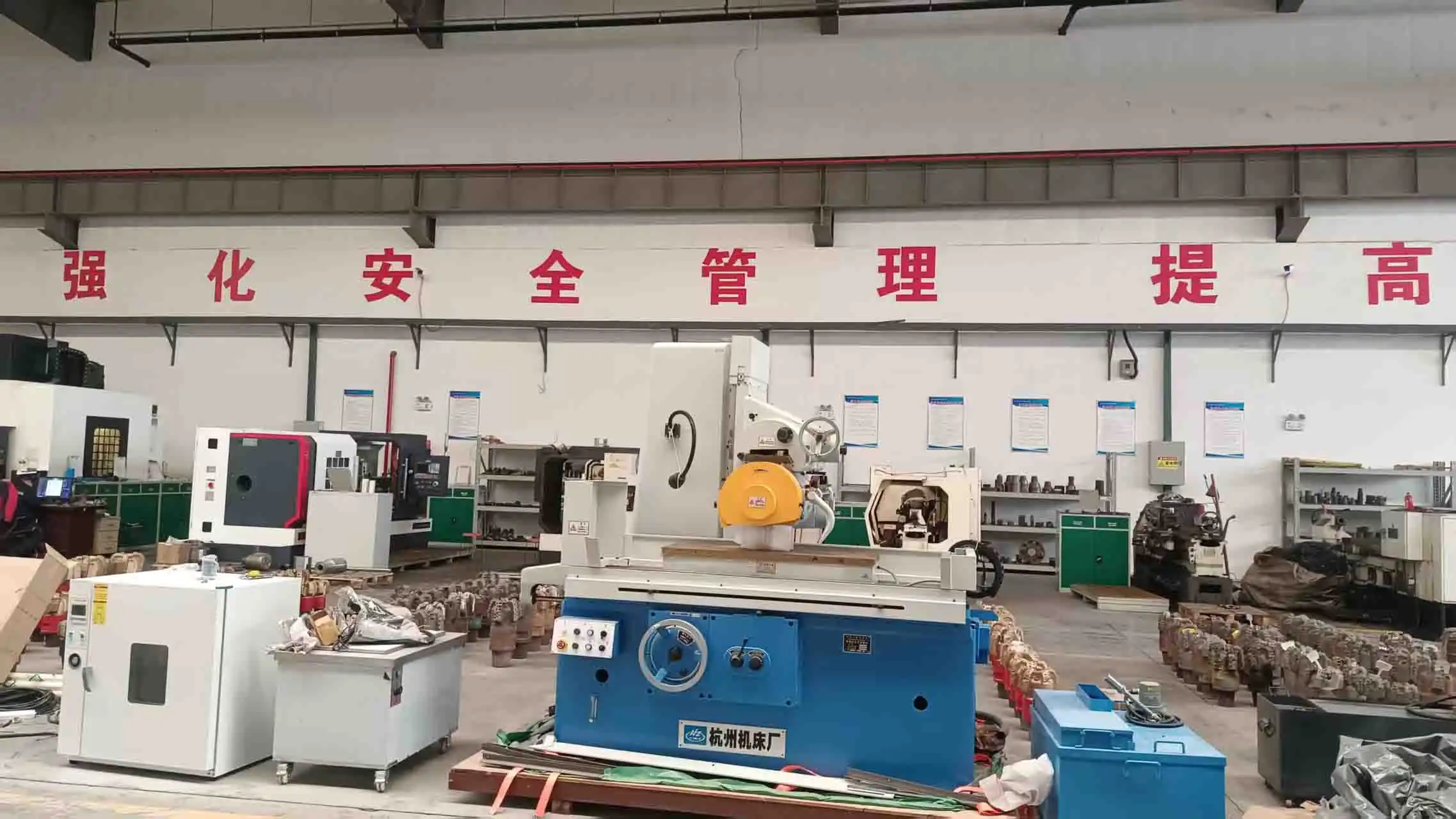
Quality assurance standards vary a lot from one provider to the next. Leading companies in the industry use thorough testing methods to make sure that performance characteristics are checked before shipments are made. You can be sure that the quality of these systems will stay high, and they also lower the chance of problems in the field, which can slow down operations and make the project more expensive.
Procurement Strategy and Supply Chain Optimization
Using bulk ordering methods can save you a lot of money while still making sure you have enough goods to keep your business running. Many sellers offer discounts for buying in bulk and adjustable shipping times, which can lower the total cost of procurement while still allowing for operating flexibility. Long-term supply deals keep prices stable and give priority to certain items when demand is high.
Keeping track of lead times is especially important for projects with tight deadlines or that need to be shipped to faraway places quickly. Working with suppliers who keep enough supplies on hand and can quickly produce what is needed helps make sure that equipment is available when it is needed.
The way prices change in the PDC bit market is affected by both the cost of raw materials and the complexity of the technology used to make them. More expensive goods may be worth it because they work better. Knowing how price affects performance helps you make smart purchasing choices that lower overall operating costs instead of just lowering the cost of the tools themselves.
OEM and Customization Opportunities
Partnering with an original equipment maker gives you access to cutting-edge technology and specialized knowledge that can help your project succeed. As part of these partnerships, you can often get technical help and make changes that make the relationship work better for certain uses or tough working conditions.
Custom production is used for projects that have specific needs that can't be met by normal products. This feature is useful for specific uses where normal designs might not work well enough or where operational needs mean that specs need to be changed.
Suppliers and drilling operations can find ways to improve both the performance of tools and the speed of operations by working together on technical issues. Customized solutions that give businesses a competitive edge and improve long-term relationships with their suppliers are often the result of these partnerships.
Conclusion
Optimizing the placement of the cutters and the resistance to wear in three-blade PDC drill bits is a key part of getting good drilling results in a wide range of situations. Drilling pros can get the most out of their tools while keeping costs low by paying close attention to design principles, operational factors, and supplier selection criteria. As long as strong penetration rates and operating dependability are needed, the three-blade design continues to show its superior value. This makes these tools important parts of modern drilling operations.
FAQ
1. What factors most significantly influence wear resistance in PDC drill bits?
Wear resistance is based on the shape of where the cutter is placed, the properties of the formation, and the operating factors. The best cutter angles and spacing spread the loads out fairly, and the right drilling parameters keep the cutters from getting too hot, which can damage the cutting elements. Changes in formation abrasiveness and hardness are also very important in figuring out how long a bit will last overall.
2. How can I identify signs of suboptimal cutter placement during drilling operations?
Poor hole quality, odd entry rates, and torque patterns that don't match up are often signs of problems with where the cutter is placed. Too much vibration, early gauge wear, and fast dulling of individual cutters are all signs of load mismatches, which could be caused by poor placement or the wrong operating settings.
3. What lead times should I expect when ordering custom tri-blade PDC bits?
Standard shipping times for standard designs are between 2 and 4 weeks, while custom setups may take between 4 and 6 weeks, based on how complicated they are. Making plans ahead of time and keeping smart inventory levels can help make sure that equipment is available for operations that are planned.
4. How do three-blade designs compare with higher blade count alternatives?
Four- or five-blade configurations are less aggressive when cutting, while three-blade configurations are more aggressive and penetrate deeper. Higher blade numbers make the machine more stable and run more smoothly, but they usually lower the penetration rate to get better hole quality and less shaking.
Partner with HNS for Superior 3 Blades PDC Rock Bit Solutions
Maximizing your drilling efficiency requires more than just equipment selection. Email our expert team at hainaisen@hnsdrillbit.com to talk about your unique needs and find out how our 3 Blades PDC Rock Bit and custom solutions can help you get better drilling results while cutting down on costs.
References
1. Zhang, L., & Chen, M. (2023). "Advanced PDC Cutter Placement Strategies for Enhanced Drilling Performance in Hard Rock Formations." Journal of Petroleum Technology and Engineering, 45(3), 128-145.
2. Rodriguez, A., Thompson, K., & Liu, S. (2022). "Wear Resistance Analysis of Three-Blade PDC Drill Bits in Abrasive Geological Formations." International Drilling Engineering Review, 38(7), 89-104.
3. Johnson, R. P., & Anderson, D. M. (2023). "Optimization Techniques for PDC Bit Cutter Arrangement and Performance Enhancement." Drilling Technology Advances, 29(2), 67-82.
4. Williams, C., Park, H., & Kumar, V. (2022). "Comparative Study of Blade Configuration Impact on PDC Drill Bit Longevity and Efficiency." Rock Drilling Technology Quarterly, 51(4), 203-219.
5. Mitchell, S. A., & Brown, T. L. (2023). "Manufacturing Quality Control Standards for High-Performance PDC Drilling Equipment." Industrial Drilling Systems Journal, 34(1), 45-62.
6. Taylor, J., Gonz谩lez, R., & Kim, Y. (2022). "Economic Analysis of PDC Bit Selection Criteria in Modern Drilling Operations." Energy Industry Procurement Review, 18(6), 156-171.