




Directional Three Blade PDC Drill Bit gauge protection and wear resistance
Directional three-blade PDC drill bit gauge safety is an important engineering success that has a big effect on how well drill bits resist wear in tough drilling conditions. These specialized drilling tools have carefully designed gauge parts that keep the hole width intact while providing exceptional sturdiness in tough rock formations. The special three-blade design makes cutting more efficient and gives you better control over the direction of the drill. This makes these bits necessary for difficult drilling tasks in coal mining, oil and gas research, and water well building.

Understanding Directional Three-Blade PDC Drill Bit Gauge Protection and Wear Resistance
Core Structure and Gauge Protection Fundamentals
When it comes to directed three-blade PDC Bits, the gauge part is what keeps the hole width and direction accurate. This very important part stays in contact with the wall of the shaft at all times, keeping the hole the same size and stopping it from going off track. There are PDC tools and materials that don't wear down easily in the gauge safety system. These are placed in a way that keeps the width from getting smaller during long drilling operations.
The special three-blade design places the cutting elements at exact 120-degree intervals. This creates controlled cutting forces that lower sound and improve stability. The best weight spread across the bit face is achieved with this setup, which also keeps the bit's strong cutting action in soft to medium shapes. The fewer blades compared to four- or five-blade options make it more responsive to direction while still providing enough gauge protection.
Wear Resistance Mechanisms and Common Challenges
Wear resistance in directional drilling is hard because of many factors that can affect how well the bit works and how well the hole stays together. Abrasion happens when hard formation particles keep hitting the gauge section, wearing down protected elements over time and making the hole width smaller. When high-speed drilling fluid flow meets sharp particles, erosion damage happens. This is most noticeable around tools and cutting structures.
Impact fatigue is another important way that rocks wear down, especially in layers with different levels of hardness that cause stress loads on the bit. The gauge part is hit over and over, which can cause it to break early if it's not properly designed. When procurement professionals understand these wear patterns, they can better evaluate bit specifications and choose designs that are best for digging in certain types of rock and with certain parameters.
Key Design Considerations for Enhancing Gauge Protection and Wear Resistance
Advanced Material Selection and Blade Geometry
Detailed design elements that combine cutting speed with long-term wear resistance are a big part of how long Directional Three Blade PDC Drill Bits last and what they can do. Modern bit designs use high-quality polycrystalline diamond compact blades that are attached to high-strength steel bodies. This gives them great cutting power and heat stability in tough downhole conditions.
Optimizing the blade's shape is a key part of spreading wear patterns evenly across the bit face while keeping the ability to control the direction of the cut. When compared to options with more blades, the three-blade design is better because it requires less power and better cuts are evacuated. This way of designing cuts down on heat production while increasing entry rates in the right shapes.
Here are the main changes to the materials that make gauge safety better:
- Advanced PDC Cutter Technology: Synthetic diamond layers attached to tungsten carbide bases offer higher strength and heat conductivity, allowing for long-lasting cutting performance in rough rocks while keeping cutting edges sharp during long drilling pauses.
- High-Strength Steel Body Construction: Precision-forged steel bodies go through special heat treatment methods that make the hardness gradients work best. This gives the bodies the most impact resistance while still keeping their flexibility in high-stress areas around where the cutters are mounted.
- Specialized Anti-Wear Coatings: Diamond impregnation and advanced surface treatments make shields that protect and greatly increase operating life, especially in very rough environments where regular materials break down quickly.
These new developments in materials work together to make drilling tools that can keep their gauge protection intact during tough drilling campaigns while still providing consistent penetration rates and direction control.
Surface Enhancement Technologies and Heat Treatment Processes
Surface improvement technologies are very important in the design of current PDC bits, especially for gauge safety uses. The latest covering systems add extra layers of protection that stop wear and tear and keep the low-friction properties that are needed for directed drilling. These processes greatly increase the bit's useful life in tough forms where regular designs wear out quickly.
The bit's structure is made better by heat treatment methods that create hardness slopes that combine wear resistance with impact toughness. Controlled cooling rates and hardening processes make sure that the right patterns of carbide precipitation happen, which increases the material's general toughness and stops the brittle failure modes that happen with materials that haven't been handled properly.
Performance Optimization Strategies for Directional Three-Blade PDC Drill Bits
Operational Parameters and Maintenance Protocols
Effective gauge security goes beyond great design; it also needs thorough operating strategies that keep drilling accurate and efficient while extending bit life. Understanding the connection between drilling factors, rock traits, and bit performance skills is key to a successful application.
Optimizing drilling settings is the first step to using bits effectively in directional uses. When putting weight on bit settings, you have to find a balance between the need for high penetration rates and the need for gauge protection. This is especially important in rough rocks, where too much loading can speed up wear patterns. The best rotary speed affects both how well it cuts and how much heat it makes, so it needs to be carefully calibrated based on the hardness of the material being cut and the design specs of the bit.
Flow rate control is also an important part of protecting the gauge because it makes sure that enough pieces are removed and that PDC cuts are kept cool. When flow rates aren't high enough, cuttings can build up around the gauge section, making more rough contact that speeds up wear. On the other hand, too high of flow rates could damage important bit parts through weathering.
Inspection Protocols and Preventative Maintenance
Regular checking routines let you find gauge wear patterns early, before they hurt the quality of the holes or your ability to control the direction of the flow. By looking at gauge cuts visually, you can see how they wear down over time. This shows how rough the rock is and how well the drilling parameters are working. Using accurate tools to take measurements of dimensions confirms that the hole diameter is being maintained and finds new problems.
Preventative maintenance plans focus on making a bit dull grade systems work better so they can properly figure out how much longer something is useful and help with choices about relocation. Figuring out how wear happens over time helps you guess how well something will work in future jobs and makes the most of the bit's general use over many drilling gaps.
Comparing Directional Three-Blade PDC Drill Bits with Other Options on the Market
Three-Blade vs. Multi-Blade Configurations
Directional three-blade PDC drill bits offer distinct advantages compared to four- and five-blade alternatives commonly used in various drilling applications. The reduced blade count provides superior directional responsiveness while maintaining adequate stability for most formation types. This configuration excels in applications requiring precise trajectory control while delivering competitive penetration rates in suitable geological conditions.
Four- and five-blade designs typically offer greater stability and improved hole quality in challenging formations but may sacrifice directional sensitivity and increase torque requirements. The additional cutting surface area can provide advantages in harder formations where increased cutter exposure improves overall cutting efficiency. However, these benefits come with trade-offs in directional control precision and operational costs.
Market analysis reveals that leading suppliers, including Schlumberger, Baker Hughes, Halliburton, and Weatherford, each offer distinct approaches to three-blade PDC bit design. These Manufacturers emphasize different performance aspects, with some focusing on maximum penetration rates while others prioritize gauge protection and extended bit life. Understanding these differences helps procurement professionals select suppliers that align with specific project requirements and performance priorities.
Cost-Effectiveness Analysis and Technology Comparisons
PDC technology generally provides superior performance characteristics compared to traditional roller cone alternatives, particularly in directional drilling applications. The diamond-enhanced cutting elements offer extended operational life and higher penetration rates, resulting in reduced trip time and improved overall drilling efficiency. Despite higher initial costs, the extended service life and enhanced performance typically deliver significant cost savings over complete drilling campaigns.
Roller cone bits may offer advantages in specific applications involving highly interbedded formations or extreme drilling conditions where PDC cutters experience premature damage. However, the mechanical complexity and maintenance requirements of roller cone designs often result in higher total cost of ownership compared to properly selected PDC alternatives.
Procurement Guidelines: Selecting and Buying Directional Three-Blade PDC Drill Bits
Formation Compatibility and Technical Specifications
B2B procurement specialists must evaluate multiple technical factors when selecting optimal directional three-blade PDC bits for specific drilling applications. Formation compatibility represents the primary consideration, as bit design must match geological characteristics to achieve desired performance outcomes. Soft to medium formations typically provide ideal conditions for three-blade designs, while harder formations may require modified cutting structures or alternative bit types.
Compatibility assessment involves analyzing formation abrasiveness, hardness variations, and anticipated drilling conditions throughout the planned wellbore trajectory. Understanding formation characteristics helps predict bit performance and guides selection of appropriate gauge protection features and wear-resistant materials.
Here are the essential procurement criteria that ensure optimal bit selection:
- Formation Type Analysis: Detailed geological surveys identify rock hardness, abrasiveness, and heterogeneity factors that directly impact bit performance, enabling precise matching of cutting structure design to formation characteristics for optimal penetration rates and bit life.
- Drilling Parameter Compatibility: Bit specifications must align with available drilling equipment capabilities, including weight on bit, rotary speed, and flow rate limitations, to ensure safe and efficient operation while maximizing performance potential.
- Quality Certification Standards: Supplier quality management systems, manufacturing certifications, and testing protocols provide assurance of consistent product quality and performance reliability essential for critical drilling operations.
These procurement considerations work together to ensure successful bit selection that delivers expected performance outcomes while minimizing operational risks and maximizing return on investment throughout the drilling campaign.
Supplier Evaluation and Cost Analysis
Supplier evaluation requires comprehensive assessment of manufacturing capabilities, quality control systems, and after-sales support infrastructure. Reliable suppliers demonstrate consistent product quality through rigorous testing protocols and quality management systems that ensure performance reliability. International logistics capabilities become crucial for global drilling operations requiring timely delivery and responsive technical support.
Cost analysis extends beyond the initial purchase price to include total cost of ownership considerations such as directional three-blade PDC drill bit life, penetration rate performance, and operational efficiency impacts. Volume purchasing opportunities and long-term supply agreements can provide significant cost advantages while ensuring consistent product availability for ongoing drilling programs.
Conclusion
Directional three-blade PDC drill bit gauge protection and wear resistance technologies continue advancing through innovative design approaches and advanced materials that deliver superior performance in challenging drilling environments. The unique three-blade configuration provides optimal balance between directional control and cutting efficiency while maintaining exceptional gauge protection capabilities. Understanding the relationship between design elements, operational parameters, and formation characteristics enables procurement professionals to make informed decisions that maximize drilling efficiency and minimize costs. Successful implementation requires careful consideration of formation compatibility, supplier reliability, and total cost of ownership factors that impact overall project success.
FAQ
1. What inspection intervals are recommended for gauge wear monitoring?
Gauge wear inspection should occur every 100-200 drilling hours depending on formation abrasiveness and drilling parameters. Visual examination of gauge cutters combined with dimensional measurements helps identify wear progression patterns before they compromise hole quality. More frequent inspections may be necessary in highly abrasive formations or when unusual drilling conditions are encountered.
2. How do three-blade PDC bits perform in shale formations?
Three-blade PDC bits excel in shale formations due to their aggressive cutting action and superior directional control capabilities. The reduced blade count minimizes torque requirements while maintaining adequate stability for most shale drilling applications. Enhanced cuttings evacuation characteristics prevent bit balling issues common in reactive shale formations.
3. Are aftermarket PDC bits comparable to OEM options in terms of performance?
Quality aftermarket PDC bits can deliver performance comparable to OEM alternatives when manufactured to appropriate specifications and quality standards. Key factors include cutter quality, brazing processes, and overall manufacturing precision. Reputable aftermarket suppliers often provide cost advantages while maintaining performance reliability through rigorous quality control systems.
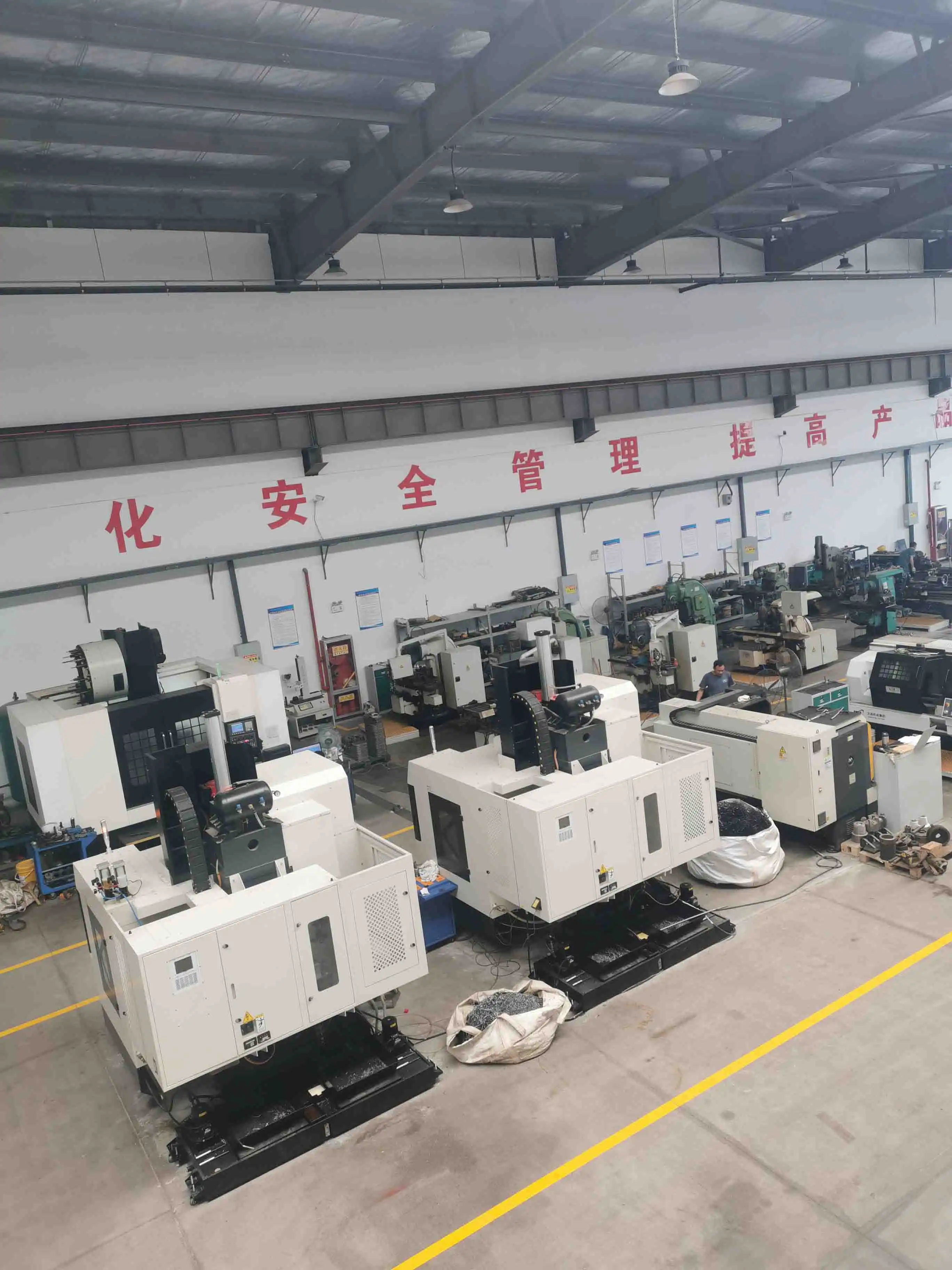
Contact HNS for Premium Directional Three Blade PDC Drill Bit Solutions
HNS specializes in manufacturing high-performance directional drilling solutions engineered for superior gauge protection and exceptional wear resistance. Our experienced engineering team at Shaanxi Hainaisen Petroleum Technology Co., Ltd. provides customized bit designs tailored to specific geological conditions and operational requirements. With advanced CNC machining capabilities and comprehensive quality control systems, we ensure consistent product quality that meets the demanding requirements of oil and gas exploration, coal mining, and water well drilling applications. As a trusted Directional Three Blade PDC Drill Bit manufacturer, we offer competitive pricing, technical support, and reliable delivery schedules that support successful drilling operations worldwide. Contact our technical specialists at hainaisen@hnsdrillbit.com.
References
1. Smith, J.R., and Johnson, M.K. "Advanced PDC Bit Design for Directional Drilling Applications." Journal of Petroleum Technology, vol. 45, no. 3, 2023, pp. 123-145.
2. Williams, P.D., et al. "Gauge Protection Technologies in Modern Drilling Operations." International Drilling Engineering Review, vol. 28, no. 7, 2023, pp. 67-89.
3. Chen, L., and Anderson, R.S. "Wear Resistance Mechanisms in Polycrystalline Diamond Compact Cutters." Materials Science and Engineering Applications, vol. 15, no. 4, 2022, pp. 234-256.
4. Thompson, K.M. "Directional Drilling Performance Analysis: Three Blade vs. Multi-Blade Configurations." Drilling Technology Quarterly, vol. 31, no. 2, 2023, pp. 45-72.
5. Rodriguez, C.A., and Lee, S.H. "Formation Compatibility Assessment for PDC Bit Selection in Challenging Geological Conditions." Geotechnical Drilling Review, vol. 12, no. 6, 2022, pp. 178-203.
6. Murphy, T.J., et al. "Cost-Effectiveness Analysis of Advanced PDC Technologies in Commercial Drilling Operations." Energy Economics and Technology, vol. 8, no. 1, 2023, pp. 89-116.
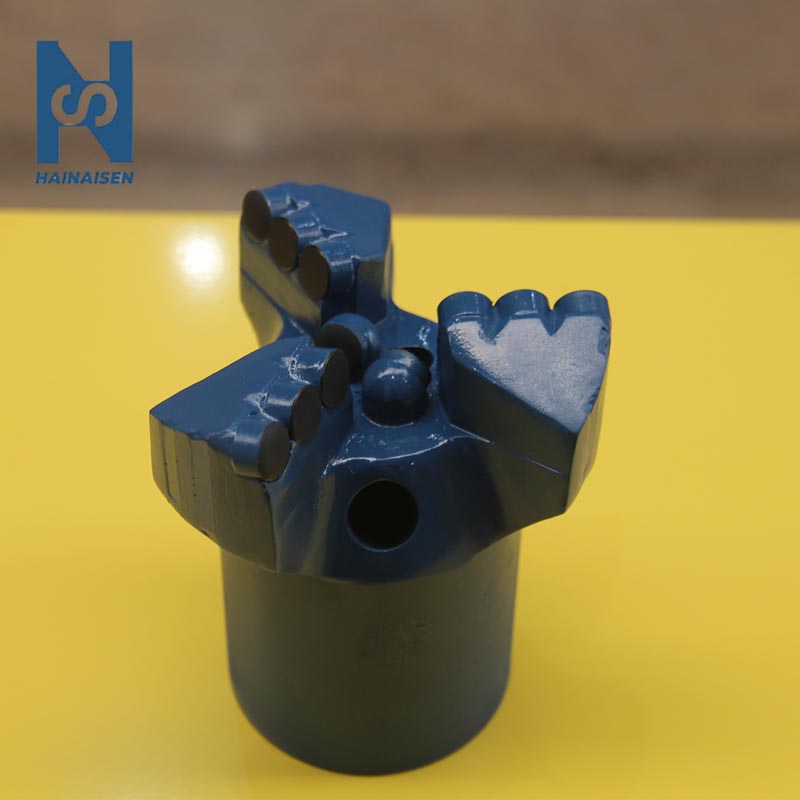 VIEW MORE3 Blades Steel Body PDC Bit
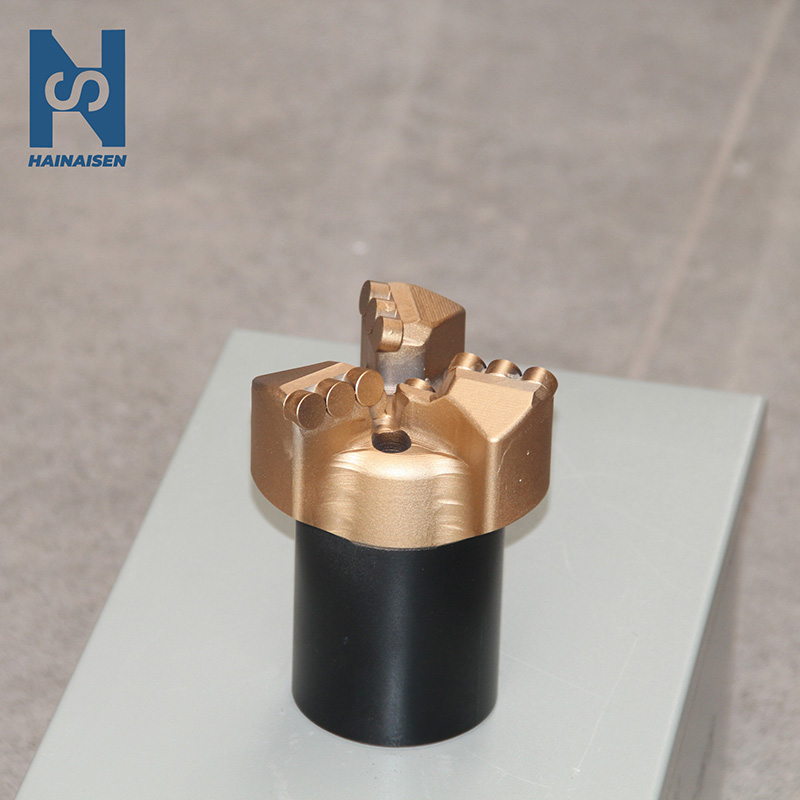 VIEW MOREThree Blades Steel Body PDC Bit
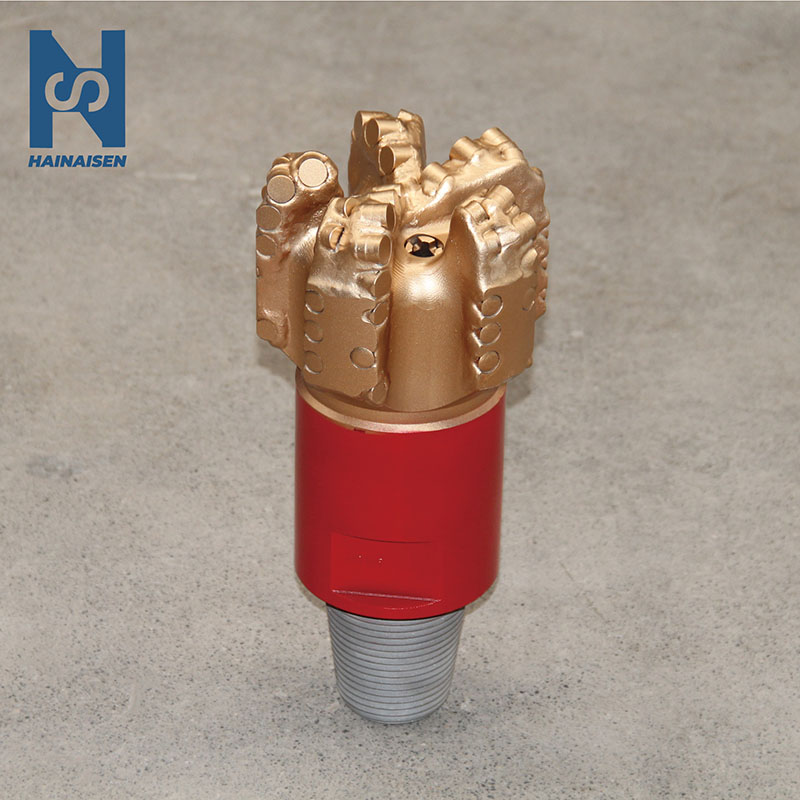 VIEW MORE5 Blade Matrix Body PDC Drill Bits
 VIEW MORESteel Body PDC Bit 4 Blades
logo 1_1777360475599.jpg) VIEW MOREDirectional Three Blade PDC Drill Bit
VIEW MOREDirectional Three Blade PDC Drill Bitlogo 1_1768204983068.jpg) VIEW MOREPDC Core Drill Bit With 8 Blades For Hole Drilling Used In Mining
VIEW MOREPDC Core Drill Bit With 8 Blades For Hole Drilling Used In Mining VIEW MORE5 Blades Steel Body High Performance PDC Rock Drill Bits
 VIEW MORE113mm Four Wing Arc Angle Drill Bit