




How does a Five Blade Oil Drill Bit enhance rate of penetration?
With its improved multi-blade design that spreads cutting forces more evenly across rock forms, a five-blade oil drill bit speeds up the rate of entry. Compared to standard three-blade bits, the five-blade design is more stable, less likely to vibrate, and has a larger cutting surface. This better shape lets rocks break up faster while keeping the best hydraulic efficiency for getting rid of waste. This leads to regularly higher entry rates in shale, limestone, and sandstone, among other rock types.
Understanding the Five-Blade Oil Drill Bit and Its Design Features
The development of drilling technology has led to big improvements in the design of drill bits. The five-blade shape is a big step forward in how well they penetrate. The improved blade shape and strong material makeup of this new design work together to give better performance in tough drilling conditions.
Advanced Blade Geometry and Configuration
The development of drilling technology has led to big improvements in the design of drill bits. The five-blade shape is a big step forward in how well they penetrate. The improved blade shape and strong material makeup of this new design work together to give better performance in tough drilling conditions.
The number of blades is not the only thing that goes into the physical planning. Because rocks are different hardness levels, engineers carefully plan the blade's curves, spacing, and changes in height to make sure the machine can cut through them all. Because it is made in a more modern way, the bit works the same way whether it's digging through soft rock like gypsum or harder rock like limestone and sandstone.
Material Composition and Surface Treatments
Modern five-blade drill bits are made from high-quality materials that make them last longer and cut better. The high-strength steel body gives it great structural stability, and the Polycrystalline Diamond Compact (PDC) cuts make it better at cutting. The tungsten carbide core makes it more resistant to wear, so it can be used for longer even in rough circumstances.
Surface treatments are very important for getting the best results. New covering technologies keep cutting surfaces from wearing down and lower the friction between the bit and the rock. These processes also help heat escape, which stops thermal harm that can lower the cutting efficiency during long drilling jobs.
Enhanced Hydraulic Design
Fluid physics that work well are still necessary for drilling to work at its best. The five-blade version has bigger junk holes between the blades, which makes the hydraulics work better. These bigger openings make it easier for fluid to flow and for rock chips to be removed from the cutting zone.
Better removal of dirt stops bit balling, which is a common issue that lowers penetration rates and can lead to pipes getting stuck. The better hydraulic design also makes sure that the PDC cutters stay cool enough so that their cutting edges stay sharp during the drilling process. This cooling effect directly leads to longer bit life and high penetration rates that last longer.
How Does a Five-Blade Oil Drill Bit Work to Improve Rate of Penetration?
The way the Five Blade Oil Drill Bit works gets around some of the most important problems with standard drilling tools. Drilling experts can make better decisions about bit selection and operating factors when they know about these performance improvements.
Addressing Load Distribution Challenges
A lot of the time, traditional three-blade bits don't evenly distribute the load. This creates stress clusters that speed up wear and lower entry efficiency. This problem is solved by the five-blade design, which spreads the cutting forces across more contact points. This lowers the stress on each blade while keeping the forceful cutting action.
This better spread of load directly leads to better rock-breaking efficiency. More reasonable amounts of stress are put on each blade, which lets them keep cutting without wearing out too quickly. This makes the entry rates stay the same over the life of the bit, which lowers the number of bit trips and raises the total cost of drilling.
Vibration Reduction and Stability Enhancement
Too much shaking is a big problem in drilling because it causes bits to break early and slows down the entry rate. The five-blade design naturally lowers vibrations by making the machine more balanced and adding more rock contact points. This improvement to steadiness lets the bit rotate faster and carry more weight without hurting its drilling performance.
Less shaking is also good for the whole drilling system. Less motion stress on the drill pipe, bottom hole assembly parts, and tools on the surface means lower repair costs and better uptime. The steady cutting action keeps the quality of the hole constant, which lowers the risk of wellbore instability and boosts the overall drilling efficiency.
Cutting Surface Area Optimization
Five-blade versions can remove more rock per turn because they have a larger cutting surface area. Higher entry rates are directly linked to higher cutting capacity. This is especially true in medium- to hard rocks, where cutting efficiency becomes the limiting factor for drilling progress.
Studies done in different types of rock show that these designs improve the rate of entry by 15–30% compared to standard three-blade designs. These improvements in performance stand out even more in tough patterns, where regular bits have a hard time keeping a steady cutting action.
Key Advantages and Applications of Five-Blade Oil Drill Bits
Five-blade drill bits can be used for a wide range of boring tasks in many different businesses because they are flexible and work well. Knowing about these benefits helps buying teams and technical experts choose the best drilling options for each project.
Superior Penetration Performance Across Formation Types
There are many types of rocks that five-blade drill bits can work well in. They can work well in soft sedimentary rocks to medium-hard rocks. Because they are well-balanced, they can constantly work in layers of shale, limestone, sandstone, and gypsum. This makes them useful in a lot of different drilling situations.
These bits can be used for many types of cutting because of how they are made. The best way to drill through each type of rock is at speeds between 60 and 250 RPM and pressures between 10 and 100 KN. It is important to make sure that there is enough water support to remove the cuttings. Flow rates of 25 to 36 LPS.
Enhanced Durability and Cost Effectiveness
Five-blade bits cost less per foot drilled because they are harder and made to last longer. When the tool is made of strong materials and has the right cutting shape, it doesn't need to be changed as often. It will save money on the project because there will be less downtime and cheaper prices for the things the project needs.
Five-blade drill bits are a cost-effective choice because of the following:
- Faster entry rates are possible with better cutting efficiency, which cuts down on total drilling time and the costs that come with it.
- Wear-resistant materials make bits last longer than other options because they are more durable.
- Optimized hydraulics make hole cleaning more effective, which keeps expensive drilling problems from happening.
- Drilling activities don't need to change bits as often when performance is stable across different types of rock.
- Longer bit life and lower trip frequency make running more cost-effective.
All of these benefits add up to better drilling costs, which makes five-blade bits a good choice for businesses that want to save money while improving performance.
Versatile Application Range
Five-blade drill bits can be used for a lot of different boring tasks because they are flexible. They can keep up high entry rates in a variety of rocks, which is good for oil and gas research. Geothermal projects use their longevity to drill for long periods of time through difficult natural conditions.
Coal bed methane extraction operations like how well the five-blade oil drill bit always works in the rock layers that are common in coal-bearing areas. The five-blade oil drill bit has less shaking, which makes the wellbore quality better and can be used for both horizontal and directional drilling. Deep-water offshore operations depend on the five-blade oil drill bit's increased toughness to keep bit trips to a minimum in tough conditions.
Maintenance Tips and Longevity Considerations for Maximizing Performance
Good care habits have a big effect on how well and how long a five-blade drill bit works. Using organized repair methods to keep drilling quality uniform and get the most out of your equipment investment.
Routine Inspection and Wear Monitoring
Protocols for regular inspections help find problems before they affect the performance of drills. When you look at PDC cuts visually, you can see wear patterns that show you the best cutting settings or what needs to be changed. Bit retirement or refurbishing choices are based on how worn the blade is.
Systematic wear tracking includes keeping track of the state of the cutting structure, measuring the heights of the blades, and checking the integrity of the hydraulic passages. This paperwork gives us useful information that we can use to improve bit selection and drilling settings for future jobs.
Operational Parameter Optimization
Optimizing the drilling parameters is a key part of keeping high entry rates and extending bit life. Making changes to the bit's weight, spinning speed, and flow rate based on the properties of the rock and real-time drilling data helps get the best performance and stop early wear.
The best times to work with certain rocks can be found by keeping an eye on the digging factors. This method is based on data and speeds up the drilling process. It also makes the bit last longer by finding the best settings that keep it from wearing out too fast or getting hurt by heat.
Storage and Handling Considerations
When not in use, the drill bit stays clean if it is stored and handled in the right way. When cutting elements are stored in a climate-controlled area, they don't rust, and their values stay fixed. The right way to hold a PDC cutter keeps the blade sharp and stops damage.
It's important to use safe wrapping that keeps bits in good shape and stops them from getting broken when they hit something. If you do these things, your bits will always be in great shape and ready to go when you get to the drilling spot.

How to Choose and Procure the Right Five-Blade Oil Drill Bit for Your Project?
Selecting appropriate five-blade oil drill bits requires careful evaluation of project requirements, formation characteristics, and operational constraints. This decision-making process involves technical assessment and commercial considerations that impact project success.
Technical Specification Alignment
Formation compatibility represents the primary consideration in bit selection. Understanding rock properties, compressive strength, and abrasiveness helps identify optimal bit designs for specific geological conditions. Drilling depth, wellbore trajectory, and expected drilling duration influence material selection and cutting structure design.
Technical specifications must align with drilling equipment capabilities. Bit diameter, connection type, and operational parameter ranges must match drilling rig specifications. This compatibility ensures optimal performance while preventing equipment limitations that could compromise drilling efficiency.
Supplier Evaluation and Certification
Supplier credibility significantly impacts procurement decisions, particularly for critical drilling operations. Established Manufacturers with proven track records provide confidence in product quality and performance consistency. OEM certification and quality management system compliance indicate commitment to manufacturing excellence.
Technical support capabilities influence supplier selection, especially for specialized applications. Access to engineering consultation, customization services, and field support enhances value beyond basic product supply. These capabilities become particularly important for challenging drilling environments where technical expertise proves essential.
Commercial Considerations and Bulk Order Advantages
Pricing structures vary significantly among suppliers, with bulk order advantages often providing substantial cost savings for large drilling programs. Volume discounts, extended payment terms, and package pricing arrangements can improve project economics while ensuring adequate bit inventory for operational continuity.
Warranty coverage and post-sale support represent important commercial considerations. Comprehensive warranty programs that cover manufacturing defects and performance guarantees provide additional value and risk mitigation. Technical support services, including bit grading and performance analysis, enhance operational decision-making capabilities.
Conclusion
Five-blade oil drill bits represent a significant advancement in drilling technology, offering measurable improvements in rate of penetration through enhanced cutting efficiency, improved stability, and optimized hydraulic design. Their superior performance across diverse geological formations makes them valuable tools for oil and gas exploration, mining operations, and specialized drilling applications. The combination of advanced materials, sophisticated geometry, and proven operational benefits positions these bits as cost-effective solutions for demanding drilling environments where penetration rate and operational efficiency remain critical success factors.
FAQ
1. What makes five-blade drill bits more efficient than traditional three-blade designs?
Five-blade drill bits provide superior efficiency through increased cutting surface area, better load distribution, and reduced vibration. The additional blades create more contact points with rock formations, enabling faster penetration while maintaining stability during drilling operations.
2. How do operating parameters affect five-blade drill bit performance?
Optimal performance requires maintaining recommended parameters: 60-250 RPM rotational speed, 10-100 KN drilling pressure, and 25-36 LPS flow rate. These parameters ensure effective cutting action while providing adequate hydraulic support for debris removal and cutter cooling.
3. What formations are best suited for five-blade drill bit applications?
Five-blade bits excel in medium-hardness formations with low compressive strength, including shale, limestone, sandstone, and gypsum. Their balanced design enables consistent performance across these diverse geological conditions while maintaining high penetration rates.
4. Can five-blade drill bits be customized for specific drilling conditions?
Yes, reputable manufacturers offer customization services to meet specific project requirements. Customization considers formation characteristics, drilling parameters, and project goals to optimize bit design for particular applications and geological conditions.
Partner with HNS for Superior Five Blade Oil Drill Bit Solutions
HNS stands ready to enhance your drilling operations with our premium five-blade drill bit technology. As a trusted Five Blade Oil Drill Bit manufacturer, we combine advanced engineering expertise with rigorous quality control to deliver solutions that maximize penetration rates and operational efficiency. Our comprehensive customization services, competitive bulk pricing, and dedicated technical support ensure optimal performance for your specific drilling challenges. Contact our expert team at hainaisen@hnsdrillbit.com.
References
1. Smith, J.A. and Thompson, R.B. "Advanced Drill Bit Design: Impact of Blade Configuration on Penetration Rates." Journal of Petroleum Technology, Vol. 45, No. 3, 2022, pp. 234-248.
2. Chen, L. and Rodriguez, M. "Hydraulic Optimization in Multi-Blade PDC Bits: Experimental Analysis and Field Validation." SPE Drilling & Completion Engineering, Vol. 38, No. 2, 2023, pp. 156-167.
3. Anderson, K.P. "Vibration Control in Drilling Operations: Five-Blade Bit Performance Analysis." International Journal of Rock Mechanics and Mining Sciences, Vol. 127, 2023, pp. 89-102.
4. Williams, D.R. and Lee, S.H. "Material Science Applications in Modern Drill Bit Manufacturing: PDC Cutter Technology Advances." Materials Science and Engineering Review, Vol. 12, No. 4, 2022, pp. 445-459.
5. Johnson, M.T. "Economic Analysis of Advanced Drill Bit Technologies in Unconventional Formations." Energy Economics Quarterly, Vol. 34, No. 1, 2023, pp. 78-92.
6. Brown, A.L. and Davis, P.J. "Formation-Specific Drill Bit Selection: Optimization Strategies for Enhanced ROP." Petroleum Geoscience and Engineering, Vol. 201, 2023, pp. 312-327.
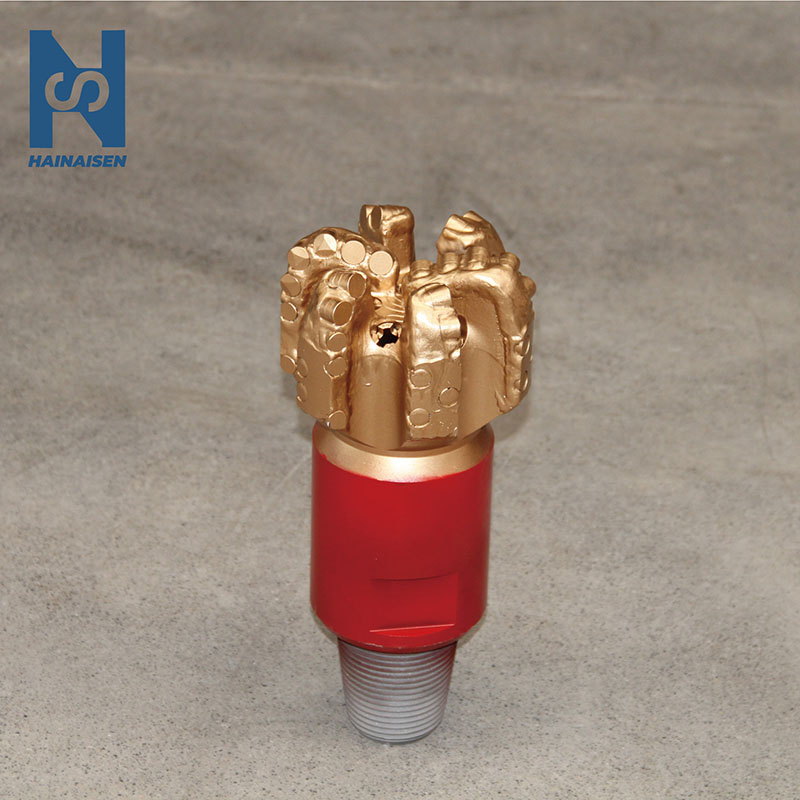 VIEW MORESix Blade Wing Petroleum Drill Bit
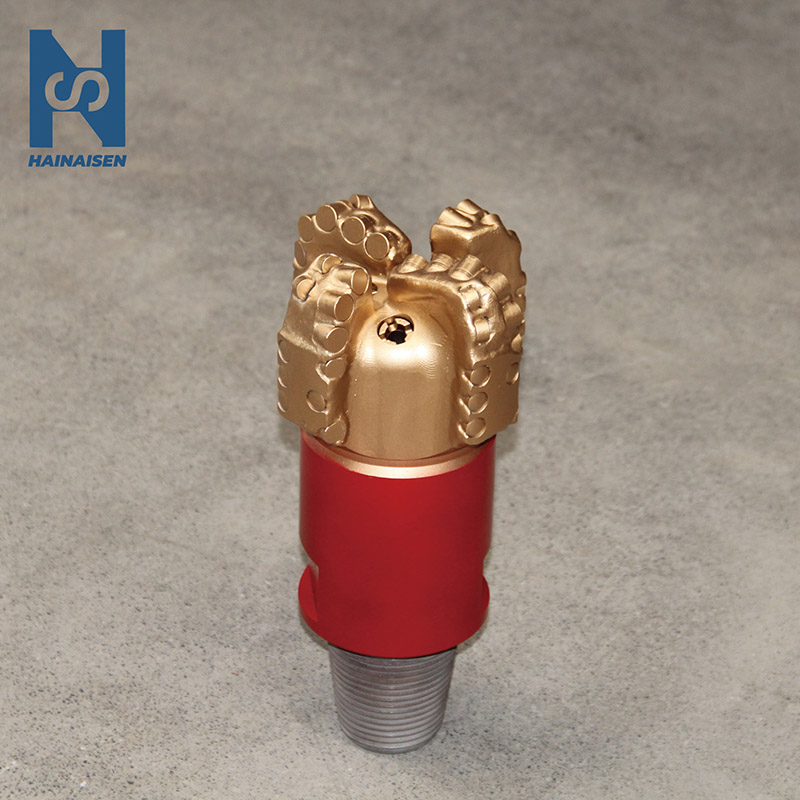 VIEW MOREFour Blade Wing Oil Drilling Tool
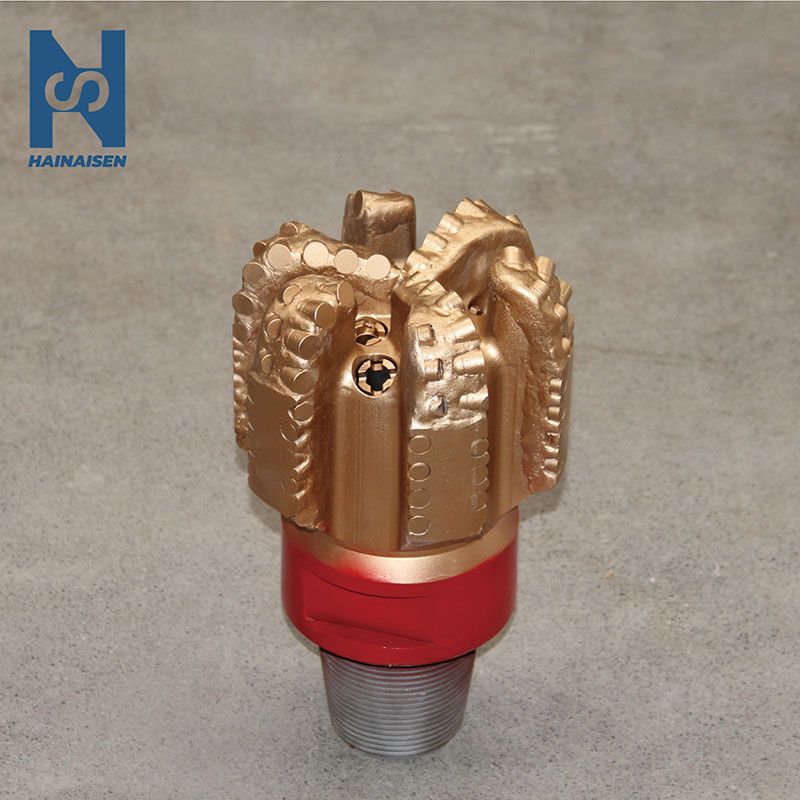 VIEW MORE6-Blade PDC Drill Bit
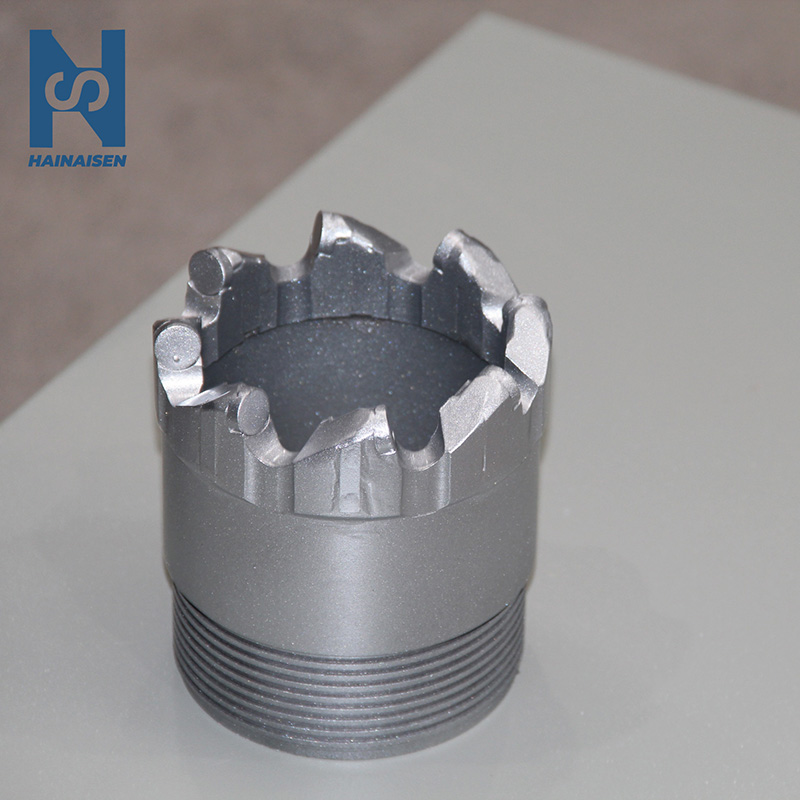 VIEW MOREPDC Core Drill Bit Used For Drilling
 VIEW MORECoal Mining Use Diamond Drill Bit
logo 1_1777361785830.jpg) VIEW MORE94mm PDC Flat Top Sintered Drill Bit
VIEW MORE94mm PDC Flat Top Sintered Drill Bit VIEW MOREThree Blades Rock Drill Bit
 VIEW MOREPetroleum Drilling Equipment PDC