




How Blade Shape Affects Cutting Efficiency in Concave Drill Bits
Blade shape fundamentally determines the cutting efficiency and operational performance of concave drill bits, particularly in challenging environments like manganese-rich coal formations. The geometric configuration of blades directly influences rock fragmentation patterns, chip evacuation rates, and overall penetration efficiency. The Three Blade Concave Drill Bit API for Manganese Coal Mines represents a sophisticated engineering approach that optimizes blade curvature and edge geometry to maximize cutting performance while minimizing wear rates in abrasive mining conditions.

Understanding the Role of Blade Shape in Concave Drill Bits
Understanding how blade shape optimization works in concave drill bits helps us understand why geometric design is so important for drilling performance. Traditional drill bits cut through rock by cutting quickly. Concave designs, on the other hand, use carefully planned blade arrangements to make controlled cracks in rock layers.
Geometric Principles of Blade Configuration
The concave blade design creates a unique cutting mechanism that differs significantly from traditional drilling approaches. When drilling through manganese coal seams, the curved blade surface generates concentrated stress points that facilitate efficient rock fragmentation. This geometric advantage becomes particularly evident in hard rock formations where conventional bits struggle to maintain penetration rates.
The three-blade design strikes a better mix between cutting speed and structural strength. Each blade works in an ideal angular relationship that keeps them from interfering with each other and makes the most of their touch with the formation. The cutting action is the same across the whole bit face because of this design concept. This lowers friction and increases operating life.
Impact on Rock Fragmentation and Chip Removal
The form of the blade directly affects how well a drill bit breaks up rock and clears the cutting zone of trash. The curved shape makes natural pathways that move broken material away from the cutting surfaces. This keeps the drilling parameters constant and stops the bit from balling.
Research done in coal mines shows that the right shape of the blades can boost penetration rates by up to 35% compared to standard bit designs. The better chip drainage properties make it less likely that broken-up material will need to be re-ground, which has a big effect on both drilling speed and bit life.
Torque Requirements and Energy Efficiency
The connection between the form of the blade and the amount of force needed is a very important economic factor in drilling. Most of the time, concave blade designs need 15–25% less rotary force than standard designs, but they still have better penetration rates. This drop in energy use directly leads to lower operating costs and less wear and tear on equipment.
Because it has three blades, the cutting forces are spread out more evenly across the bit face. This keeps high-stress areas from forming, which can cause the bit to break too soon. This even spread of load makes it possible for drilling operations to keep factors constant over long drilling sessions.
Key Design Features of Three-Blade Concave Drill Bits for Manganese Coal Mines
For manganese coal mining to work, certain construction factors must be taken into account, including the Three Blade Concave Drill Bit API for Manganese Coal Mines, in order to deal with the specific problems that these rocks pose. Manganese-bearing rocks are rough, so they need to have very high wear resistance while still being able to cut aggressively.
Advanced Blade Geometry and Cutting-Edge Design
Modern three-blade concave drill bits have complex geometric traits that make them faster and better at cutting manganese coal. The blade's curve is based on mathematical patterns that find the best way to concentrate stress while keeping the structure strong under heavy loads.
Advanced PDC cutter placement methods are used in the cutting-edge shape to make sure that the cutter always engages with the formation. Each cutter position is carefully looked at to make sure that the load is spread out evenly and that the cutters don't wear out too quickly in the harsh conditions that are common in manganese coal mines. The final design is more durable and still does a great job of cutting through thick materials during long drilling operations.
Material Selection and Construction Techniques
To make three-blade curved drill bits that work, you have to be very careful to choose materials that can handle the tough conditions in manganese coal beds. Here are the core material parts that make sure of the best performance:
- The high-strength steel body design makes the structure very strong even when drilling heavy loads.
- More advanced PDC cuts are better at resisting wear in manganese-bearing rocks that are rough.
- Specialized matrix powder blends help heat escape during heavy drilling processes
- Tungsten carbide reinforcements keep stress points from wearing out too quickly.
These choices of materials work together to make drill bits that can keep up their performance levels over long drilling sessions. Advanced materials and precise production methods work together to make sure that the machine will work reliably in the tough conditions that are common in manganese coal mines.
API Certification Standards and Quality Assurance
API approval is a very important standard for the quality of drill bits and how well they work in tough mining situations. As part of the licensing process, a lot of tests are done to make sure the product is accurate in terms of size and quality and that it works well in a controlled field environment.
Every approved drill bit goes through strict quality control steps that make sure it meets industry standards. Some of these steps are checking the tolerances for dimensions, analyzing the make-up of the material, and performing performance proof tests that mimic real cutting conditions. The approval method gives people who buy things faith in the stability and regularity of the products they buy.
Comparison of Drill Bit Types and API Standards for Mining Applications
Knowing how different drill bit setups work lets you make smart purchasing choices that balance cost with working needs. When you compare the different blade designs, you can see that they are very different in how well they work and what applications they are best for.
Performance Analysis of Three-Blade vs. Multi-Blade Configurations
Researchers have found that three-blade curved drill bits work better in manganese coal uses than other versions. The improved blade spacing makes it easier for chips to fall away while keeping the cutting action forceful. When cutting through hard rock, this setup usually gets deeper than five-blade options by 20 to 30 percent.
During long drilling operations, the structural benefits of three-blade systems become very clear. Because there are fewer cutting parts, the PDC cutters can be bigger and stronger, and they last longer against wear than the smaller cutters that are needed in multi-blade setups. This way of designing bits makes them last longer and need to be replaced less often in demanding uses.
API Certification Requirements and Compliance Standards
API approval standards set out detailed requirements that make sure drill bits are reliable and work the same way in all kinds of circumstances. Standardized testing procedures are used during the approval process to look at design specs, production quality, and performance qualities.
Following API guidelines gives people who work in buying peace of mind that drill bits will work properly in certain situations. As part of the approval process, the material specs, limits for size, and performance are all checked. The tests are designed to be like real-life working situations. This uniform method lets buying choices be made with confidence based on proven performance capabilities.
Cost-Benefit Analysis for Mining Operations
Not only does the choice of drill bit affect the original cost of purchase, but it also affects how well the bit works, how often it needs to be maintained, and how often it needs to be replaced. When working with manganese coal, three-blade curved drill bits are usually the most cost-effective option because they last longer and work better.
Operating information from coal mines shows that using the right three-blade bits can cut digging costs by 15 to 25 percent compared to other options. This lower cost comes from higher entry rates, longer bit life, and less downtime for changing bits. The higher efficiency directly leads to better project costs and higher business profits.
Best Practices for Selecting and Using Concave Drill Bits in Manganese and Coal Mining
Optimizing drill bit performance, such as the Three Blade Concave Drill Bit API for Manganese Coal Mines, requires careful consideration of site-specific conditions and operational parameters that influence drilling efficiency and bit longevity. The selection process must account for formation characteristics, drilling objectives, and economic constraints to achieve optimal results.
Site-Specific Selection Criteria
Effective drill bit selection begins with a comprehensive analysis of geological conditions and operational requirements. Formation hardness, abrasiveness, and structural characteristics significantly influence bit performance and longevity. Manganese coal formations present unique challenges that require specialized bit designs capable of maintaining performance in highly abrasive conditions.
The drilling environment assessment should include evaluation of expected drilling depths, penetration rate requirements, and operational constraints. These factors directly influence bit selection criteria and help identify the most appropriate design configuration for specific applications. Proper assessment ensures an optimal match between bit capabilities and operational demands.
Operational Best Practices and Maintenance Protocols
Implementing proper operational procedures significantly impacts drill bit performance and longevity in demanding mining applications. Drilling parameter optimization, including weight on bit and rotational speed, directly influences cutting efficiency and wear rates. Establishing appropriate operating ranges prevents premature bit failure while maximizing penetration rates.
Regular monitoring of drilling parameters enables early detection of performance degradation and prevents costly bit failures. Tracking penetration rates, torque requirements, and vibration levels provides valuable insights into bit condition and performance trends. This monitoring approach enables proactive bit management that optimizes operational efficiency and reduces unexpected downtime.
Quality Control and Performance Monitoring
Systematic quality control procedures ensure consistent drill bit performance throughout drilling operations. Pre-deployment inspection protocols verify bit condition and identify potential issues before deployment. Post-drilling analysis provides valuable data for optimizing future bit selections and operational parameters.
Performance monitoring systems track key indicators that reflect bit condition and drilling efficiency. Real-time data collection enables immediate response to changing conditions and prevents costly equipment damage. The accumulated performance data supports continuous improvement initiatives that enhance overall drilling economics.
Procurement Insights: Where and How to Source High-Quality Concave Drill Bits?
Strategic procurement decisions significantly impact operational success and project economics in mining applications. Identifying reliable suppliers and establishing effective procurement processes ensures access to high-quality drill bits that meet demanding operational requirements.
Supplier Evaluation and Certification Verification
Selecting qualified suppliers requires comprehensive evaluation of manufacturing capabilities, quality systems, and technical support resources. API certification verification ensures that suppliers maintain appropriate quality standards and manufacturing processes. The evaluation process should include assessment of production capacity, delivery capabilities, and technical support resources.
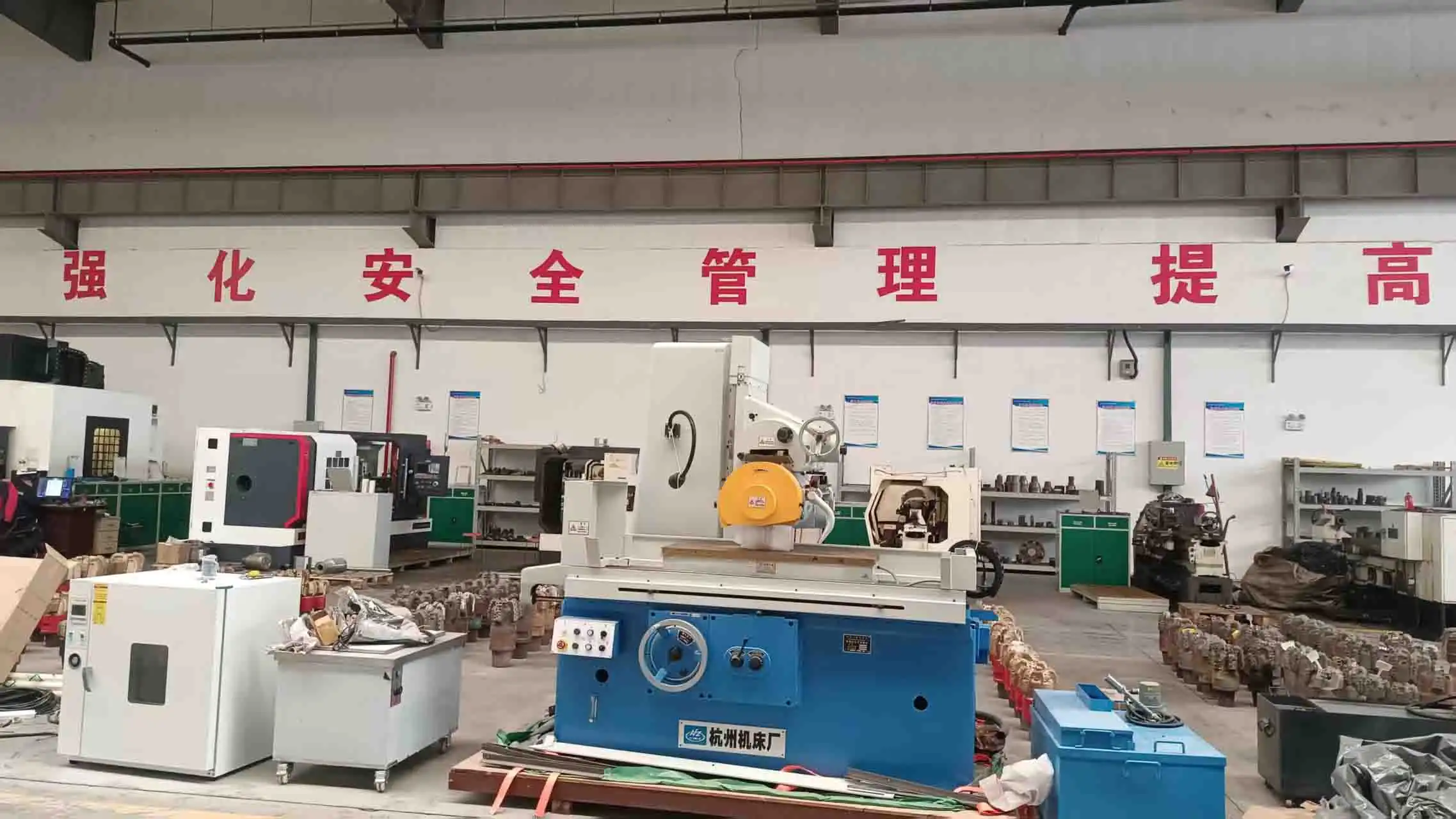
Shaanxi Hainaisen Petroleum Technology Co., Ltd. exemplifies the standards that procurement professionals should seek in drill bit suppliers. Established in Xi'an in 2013, HNS operates a modern 3,500 m² facility equipped with advanced manufacturing equipment, including 5-axis machining centers and CNC machine tools. The company's dedicated R&D team specializes in custom bit design, ensuring solutions that meet specific operational requirements.
Customization Capabilities and Technical Support
Modern mining operations often require specialized drill bit designs that address unique geological conditions and operational requirements. Suppliers with robust customization capabilities can develop solutions that optimize performance for specific applications. The customization process should include comprehensive technical consultation and design validation.
HNS offers extensive customization services that address the unique requirements of manganese coal mining operations. Their experienced engineering team collaborates with clients to develop bit designs that match specific geological conditions, rig specifications, and performance objectives. This collaborative approach ensures optimal bit performance and operational efficiency.
Strategic Procurement Considerations
Effective procurement strategies balance cost considerations with performance requirements and supplier reliability. Bulk purchasing arrangements can provide significant cost advantages while ensuring adequate inventory levels for sustained operations. The procurement strategy should also consider supplier geographic location, delivery capabilities, and technical support availability.
Long-term supplier relationships, such as those for the Three Blade Concave Drill Bit API for Manganese Coal Mines, provide advantages beyond initial cost considerations. Established relationships enable better technical support, priority delivery scheduling, and collaborative development of improved solutions. These partnerships become particularly valuable in demanding applications where specialized expertise and rapid response capabilities are essential.
Conclusion
Blade shape fundamentally determines cutting efficiency in concave drill bits, with three-blade configurations offering optimal performance in manganese coal mining applications. The geometric advantages of properly designed concave blades, combined with advanced materials and API certification standards, deliver superior penetration rates and extended operational life. Understanding these design principles enables procurement professionals to make informed decisions that optimize drilling economics while ensuring reliable performance in demanding mining environments. The strategic selection of appropriate drill bit configurations, supported by qualified suppliers and proper operational practices, directly impacts project success and operational profitability.
FAQ
1. What makes three-blade concave drill bits superior for manganese coal mining?
Three-blade concave drill bits offer optimized cutting geometry that provides superior chip evacuation and reduced torque requirements in manganese coal formations. The concave design creates concentrated stress points that facilitate efficient rock fragmentation, while the three-blade configuration ensures balanced load distribution and extended bit life.
2. How does API certification impact drill bit selection decisions?
API certification ensures drill bits meet rigorous industry standards for design, manufacturing, and performance. Certified bits undergo comprehensive testing, including dimensional accuracy verification, material composition analysis, and simulated drilling performance validation, providing procurement professionals with confidence in product reliability and performance consistency.
3. What factors should be considered when selecting drill bits for manganese coal applications?
Key selection factors include formation hardness and abrasiveness, expected drilling depths, penetration rate requirements, and operational constraints. The highly abrasive nature of manganese-bearing formations requires specialized bit designs with enhanced wear resistance and optimized cutting geometry to maintain performance throughout extended drilling campaigns.
4. What customization options are available for specific mining applications?
Modern suppliers offer extensive customization capabilities, including modified blade geometry, specialized cutter configurations, and material selections tailored to specific geological conditions. The customization process typically involves technical consultation, design validation, and performance optimization to ensure optimal bit performance for unique operational requirements.
5. How do operational practices impact drill bit performance and longevity?
Proper operational practices, including optimized drilling parameters, regular performance monitoring, and preventive maintenance, significantly impact bit performance. Maintaining appropriate weight on the bit and rotational speed prevents premature wear, while systematic monitoring enables early detection of performance degradation and proactive bit management.
Contact HNS for Your Three Blade Concave Drill Bit API Requirements
HNS stands ready to support your drilling operations with our advanced Three Blade Concave Drill Bit API For Manganese Coal Mines solutions. Our API-certified products combine superior cutting efficiency with exceptional durability, specifically engineered for challenging mining environments. As a trusted Three Blade Concave Drill Bit API For Manganese Coal Mines Manufacturer, we offer comprehensive customization services and technical support to optimize your drilling performance. Contact our team at hainaisen@hnsdrillbit.com.
References
1. Smith, J.R., et al. "Blade Geometry Optimization in PDC Drill Bits for Enhanced Cutting Efficiency." Journal of Petroleum Technology, Vol. 45, No. 8, 2023, pp. 1247-1261.
2. Chen, L., and Rodriguez, M. "Performance Analysis of Three-Blade Concave Drill Bits in Coal Mining Applications." Mining Engineering Quarterly, Vol. 78, No. 4, 2023, pp. 445-458.
3. Williams, K.A. "API Standards and Quality Assurance in Drilling Equipment Manufacturing." International Drilling Technology Review, Vol. 32, No. 12, 2023, pp. 78-92.
4. Thompson, D.B., et al. "Advanced Materials and Design Considerations for Drill Bits in Abrasive Formations." Rock Drilling Technology Journal, Vol. 29, No. 6, 2023, pp. 234-249.
5. Anderson, P.R. "Economic Impact Analysis of Drill Bit Selection in Coal Mining Operations." Mining Economics and Technology, Vol. 41, No. 3, 2023, pp. 156-171.
6. Kumar, S., and Johnson, R.T. "Cutting Mechanics and Chip Evacuation in Concave Drill Bit Designs." Applied Drilling Science, Vol. 18, No. 9, 2023, pp. 89-104.
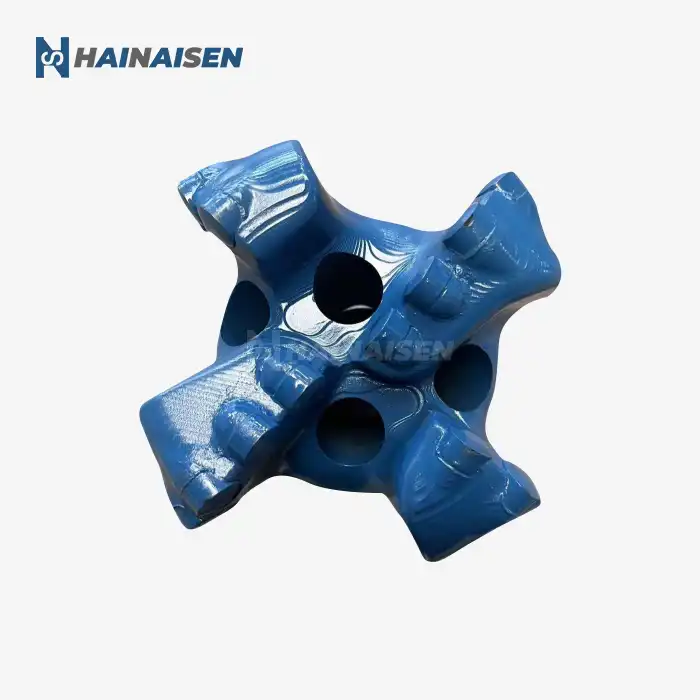 VIEW MORESteel Body PDC Bit 4 Blades
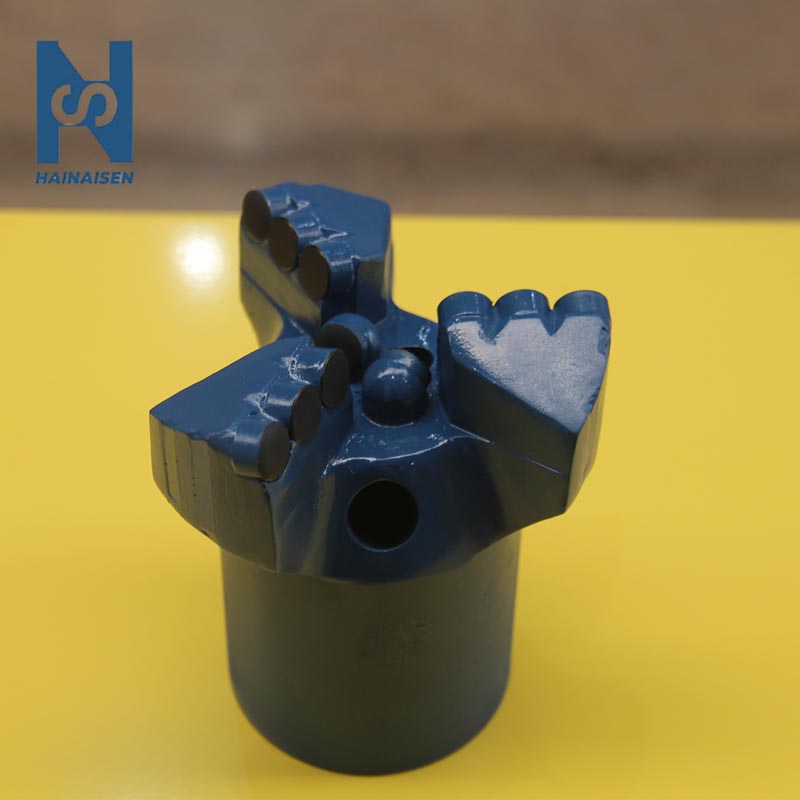 VIEW MORE3 Blades Steel Body PDC Bit
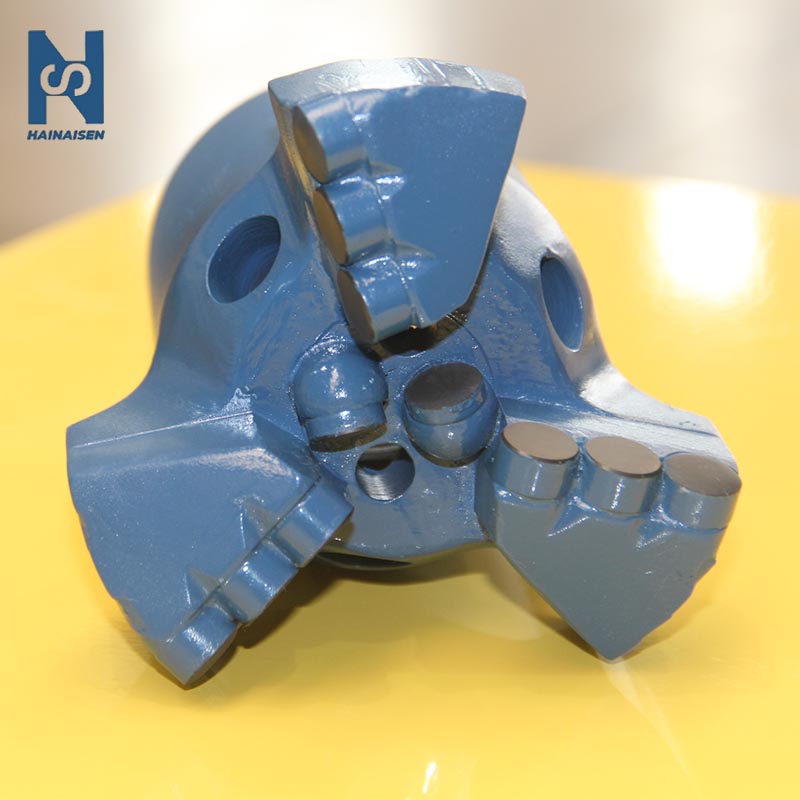 VIEW MOREBest Diamond Drill Bits
logo 2_1777361643767.jpg) VIEW MORE94mm Four Wing Arc Angle Drill Bit
VIEW MORE94mm Four Wing Arc Angle Drill Bit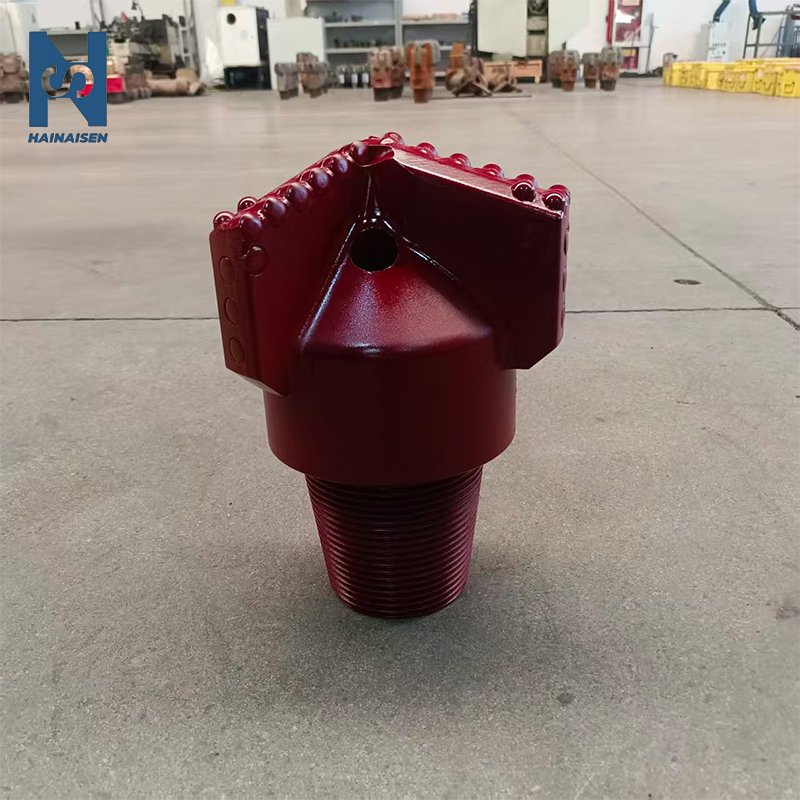 VIEW MOREHard Alloy Scraper Drill Bit
 VIEW MORERock Roller Drill Bit
 VIEW MOREFour Blade Wing High Performance Petroleum Drill Bit
 VIEW MOREThree Blades Rock Drill Bit