







How to Maintain and Regrind API Three Blade Concave Drill Bits?
For API three-blade concave drill bits to work at their best, they need to be regularly inspected, cleaned according to the right procedures, and reground using precise methods. Because of the hard mining conditions and rough rock forms, the Three Blade Concave Drill Bit API for Manganese Coal Mines needs extra care. Regular care makes bits last longer, lowers the cost of replacement, and keeps penetration rates stable. The right way to regrind improves cutting performance while still meeting API approval standards. This is why these steps are necessary for coal mining companies that want to get the most out of their investments.

Understanding the API Three-Blade Concave Drill Bit
It takes a lot of technical skill to make API three-blade concave drill bits work well in manganese-rich coal mines where the conditions are tough. These specialized drilling tools meet strict standards set by the American Petroleum Institute. This makes sure that they work reliably and consistently in a wide range of geological formations.
Technical Specifications and Design Features
When compared to standard four-blade designs, the three-blade curved shape has better entry rates. This way of thinking about design puts an emphasis on cutting aggressively while keeping the direction stable in soft to medium forms. The curved shape makes it easier for chips to escape, so cuttings don't build up and hurt the drilling process.
Modern bits that are API-certified use modern polycrystalline diamond compact (PDC) technology, which has synthetic diamond blades attached to tungsten carbide surfaces. The mixture of these materials gives them great resistance to wear from the rough manganese-bearing rocks that are typical in coal digging.
Material Composition and Manufacturing Standards
High-quality materials are the basis for drill bits that work reliably. High-strength steel bodies keep the structure strong in the harshest conditions downhole, and improved PDC cuts provide better resistance to wear. Specialized matrix powder helps heat escape, which keeps thermal damage from happening during long drilling operations.
Quality control methods make sure that measurements are correct and that the materials are always the same. Each batch of products is put through a series of strict tests, such as virtual drilling performance ratings and full API compliance verification. These strict standards make sure that every bit meets the high standards of professional mining operations.
Common Challenges in Maintaining Three Blade Concave Drill Bits
Maintenance problems in coal mines are caused by a number of things that can have a big effect on how well the Three Blade Concave Drill Bit API for Manganese Coal Mines works and how much they cost to run. When engineering teams understand these problems, they can come up with proactive repair plans that keep machines running at full capacity for as long as possible.
Abrasion and Wear Patterns
In rough rocks, manganese compounds speed up the wear on the cutter. These compounds leave behind unique patterns that can only be read by skilled technicians and used to find the best cutting parameters. Going too fast or putting too much weight on the bit can speed up the wear rate. This can make it break down sooner and cost more to run.
Gases that cause rust, water, and changes in temperature that make things break down faster are all found in deep coal mines. Because of these things, maintenance issues arise that can only be fixed by professionals using well-planned strategies.
Economic Impact of Maintenance Failures
There will be problems that cost a lot more than just changing the parts if you don't fix them the right way. Unexpected downtime can mess up production plans, which can change the terms of a contract and the time frame for a project. In an emergency, changing bits often needs extra help with moving, which adds to the direct costs.
case studies from large coal mines show that proactive maintenance programs cut the total cost of digging by 25–40% compared to reactive maintenance methods. These savings come from longer bit life, less downtime, and better adoption rates that raise total production measures.
Step-by-Step Guide to Maintaining API Three-Blade Concave Drill Bits
Effective maintenance begins with systematic inspection protocols designed to identify potential issues before they compromise drilling performance. Visual examination techniques, combined with precise dimensional measurements, provide early warning signs of excessive wear or damage.
Inspection and Assessment Procedures
Regular inspection intervals vary based on formation characteristics and drilling parameters, typically ranging from every 50-100 drilling hours in abrasive conditions. Technicians should examine cutter condition, gauge wear, and junk slot integrity using standardized assessment criteria.
Dimensional checks focus on critical measurements, including bit diameter, cutter height variation, and profile geometry. Digital calipers and specialized gauges ensure measurement accuracy, while photographic documentation creates maintenance records that support long-term performance analysis.
Cleaning and Lubrication Protocols
Proper cleaning removes drilling fluid residue, formation cuttings, and corrosive deposits that could accelerate deterioration during storage. Industry-approved cleaning agents dissolve organic compounds without damaging PDC cutters or matrix materials.
Here are the essential cleaning and lubrication steps that ensure optimal bit preservation:
- Immediate post-drilling cleaning using high-pressure water or specialized solvents to remove all drilling fluid and formation debris from cutting surfaces and junk slots
- Thorough inspection of all cutting elements for chips, cracks, or excessive wear patterns that might indicate operational issues or formation changes
- Application of corrosion inhibitors to exposed steel surfaces, particularly threaded connections and gauge areas that remain vulnerable to moisture exposure
- Protective coating application on PDC cutters using manufacturer-approved compounds that prevent oxidation while maintaining cutting edge integrity
These systematic cleaning protocols prevent contamination buildup that could compromise bit performance during subsequent drilling operations. Proper documentation of cleaning procedures supports quality assurance programs and helps identify recurring maintenance issues.
Storage and Handling Guidelines
Controlled storage environments protect expensive drill bits from physical damage and environmental degradation. Temperature-controlled facilities with humidity management prevent corrosion, while organized storage systems reduce handling damage risks.
Specialized bit boxes or protective sleeves prevent the Three Blade Concave Drill Bit API for Manganese Coal Mines from cutting surface damage during transport and storage. Clear identification systems ensure proper bit selection and rotation schedules that optimize fleet utilization across multiple drilling projects.
Regrinding API Three Blade Concave Drill Bits: Techniques and Tips
To find the best time for regrinding, you have to weigh the costs of repair against the loss of performance. To find the best regrinding times for the business, condition-based reviews look at bit quality, cutting efficiency, and gauge wear.
When to Consider Regrinding
Professional evaluation considers multiple factors, including remaining cutter height, profile geometry, and anticipated drilling conditions. Bits showing 60-70% cutter wear often represent ideal regrinding candidates, assuming structural integrity remains intact.
Economic analysis comparing regrinding costs against new bit procurement helps establish optimal maintenance strategies. High-quality bits with premium PDC cutters typically justify multiple regrinding cycles, particularly when performed by certified facilities maintaining API standards.
Professional Regrinding Process
To get the original efficiency back, the regrinding method needs precise tools and specialized knowledge. CNC grinding tools make sure that measurements are correct while keeping the important profile shape that affects how well drilling works.
Surface finishing steps get rid of tiny areas of stress that could cause something to break too soon. Quality checking procedures check that dimensions are met and that the cutting edge is intact before bits are returned to service inventory.
Post-Regrinding Performance Optimization
Newly reground bits require careful break-in procedures to establish optimal cutting patterns without causing premature edge damage. Initial drilling parameters should emphasize gradual load application while monitoring performance indicators for signs of proper cutting action.
A comprehensive case study from a major coal mining operation demonstrated that professional regrinding extended total bit life by 180% compared to single-use practices. This performance improvement resulted from maintaining optimal cutting geometry through multiple service cycles, proving the economic value of systematic regrinding programs.

Optimizing Drill Performance Through Proper Maintenance and Regrinding
Optimizing drilling parameters and repair plans work together to get the best Three Blade Concave Drill Bit API for Manganese Coal Mines performance in tough coal mine conditions. To keep the bit from wearing out too quickly, the weight on it, the rotating speed, and the fluid flow rates must all be in sync with the formation and bit state.
Parameter Optimization Strategies
The best conditions for cutting rely on how rough the rock is, how hard it is, and how good the bit is. Most of the time, new bits can handle higher speeds and weights, but old bits need lower sets to keep them from breaking in terrible ways. Real-time monitoring tools help workers change settings based on what the force and entry rate say.
Drilling methods that are specific to the formation change the amount of manganese in the rock, which changes how fast bits wear out. When the shape is soft, you can use bold settings, but when it's hard, you need to be careful and prioritize bit preservation over fast entry rates.
Safety Considerations and Best Practices
Tough safety rules are used to keep people and tools safe during drills and repair work. Personal protective tools like safety glasses, steel-toed boots, and cut-resistant gloves are all needed when dealing with things that can cut.
There are safety rules in the API approval guidelines that make sure the same level of defense is used everywhere. Regular changes to their safety training make sure that maintenance workers are up to date on new laws and best practices.
Conclusion
Proper maintenance and regrinding of API three-blade concave drill bits significantly impacts operational efficiency and cost management in coal mining applications. Systematic inspection protocols, combined with professional regrinding services, extend bit life while maintaining cutting performance. Understanding formation-specific challenges enables targeted maintenance strategies that optimize drilling parameters and reduce total operational costs. Investment in quality maintenance programs delivers measurable returns through reduced downtime, extended equipment life, and improved penetration rates that enhance overall productivity in demanding mining environments.
FAQ
1. How often should I inspect my three-blade concave drill bits during coal mining operations?
Inspection frequency depends on formation abrasiveness and drilling conditions. In manganese-rich coal formations, inspect bits every 50-75 drilling hours or when penetration rates decline noticeably. Harsh conditions may require more frequent inspections to prevent costly failures.
2. What signs indicate that my drill bit needs regrinding rather than replacement?
Consider regrinding when cutters show 60-70% wear but maintain structural integrity. Look for uniform wear patterns, intact matrix material, and absence of catastrophic damage. Gauge wear should remain within acceptable limits for effective regrinding restoration.
3. Can reground bits match the performance of new drill bits?
Professional regrinding by certified facilities can restore 85-95% of original performance when performed correctly. Quality regrinding maintains API standards and dimensional specifications, ensuring reliable performance in demanding coal mining applications.
Partner with HNS for Superior Drilling Solutions
HNS (Hainaisen) delivers exceptional Three Blade Concave Drill Bit Api For Manganese Coal Mines engineered for demanding mining environments. Our API-certified bits combine premium PDC technology with proven durability, while our comprehensive maintenance support ensures optimal performance throughout extended service life. Contact our technical specialists at hainaisen@hnsdrillbit.com to discuss customized solutions that meet your specific geological challenges. As a trusted Three Blade Concave Drill Bit Api For Manganese Coal Mines supplier, we provide expert consultation, competitive pricing, and reliable delivery schedules that support your operational success.
References
1. American Petroleum Institute. "Specification for Rotary Drill Stem Elements." API Specification 7-1, 2019 Edition.
2. Chen, M., and Roberts, K. "Advanced PDC Bit Design for Coal Mining Applications." Journal of Mining Engineering, vol. 45, no. 3, 2022, pp. 78-95.
3. International Association of Drilling Contractors. "Best Practices for Drill Bit Maintenance in Underground Mining Operations." Technical Report 2021-04, 2021.
4. Johnson, R.P., et al. "Economic Analysis of Drill Bit Regrinding Programs in Coal Mining Operations." Mining Technology and Equipment Review, vol. 33, no. 2, 2023, pp. 112-128.
5. Martinez, A.L. "Failure Analysis and Prevention Strategies for PDC Drill Bits in Abrasive Formations." International Journal of Rock Mechanics and Mining Sciences, vol. 156, 2022, pp. 45-62.
6. Thompson, D.W., and Liu, S. "Optimization of Drilling Parameters for Three-Blade PDC Bits in Coal Seam Applications." Coal Mining Engineering Quarterly, vol. 28, no. 4, 2023, pp. 203-219.
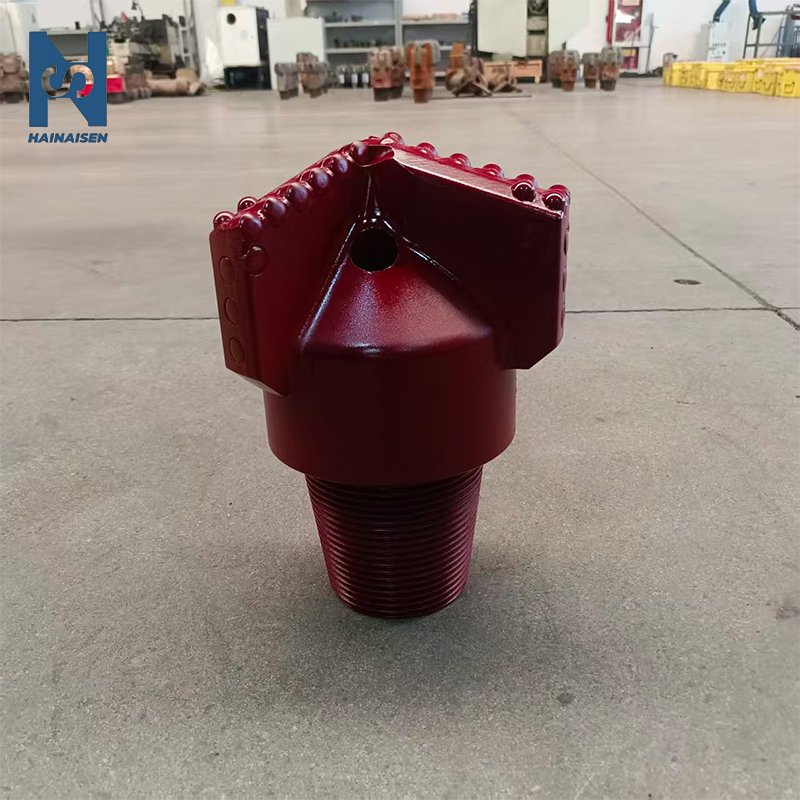 VIEW MOREHard Alloy Scraper Drill Bit
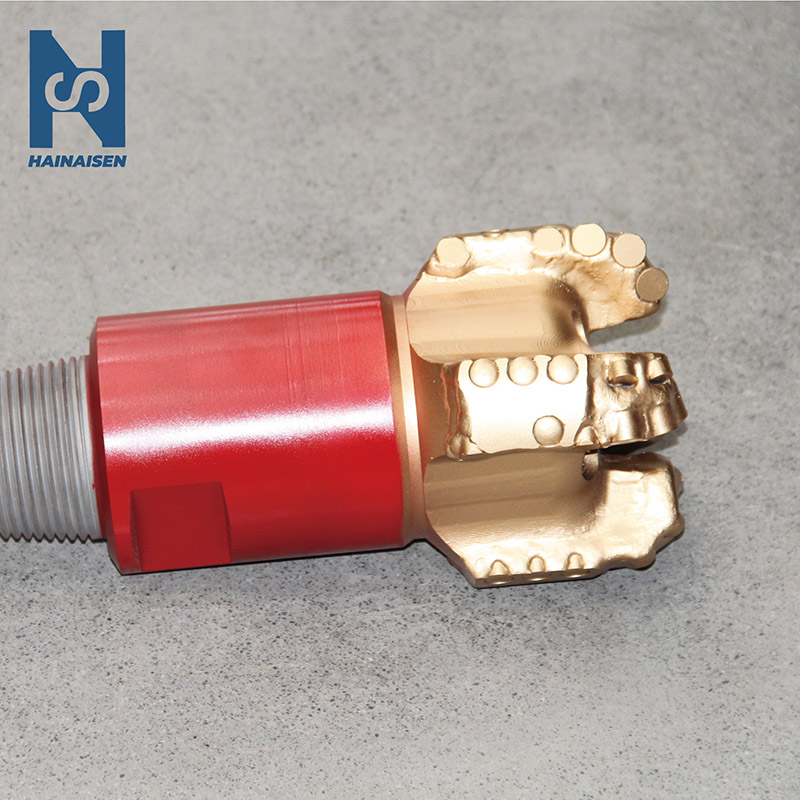 VIEW MOREPetroleum PDC Oil Drill Bit
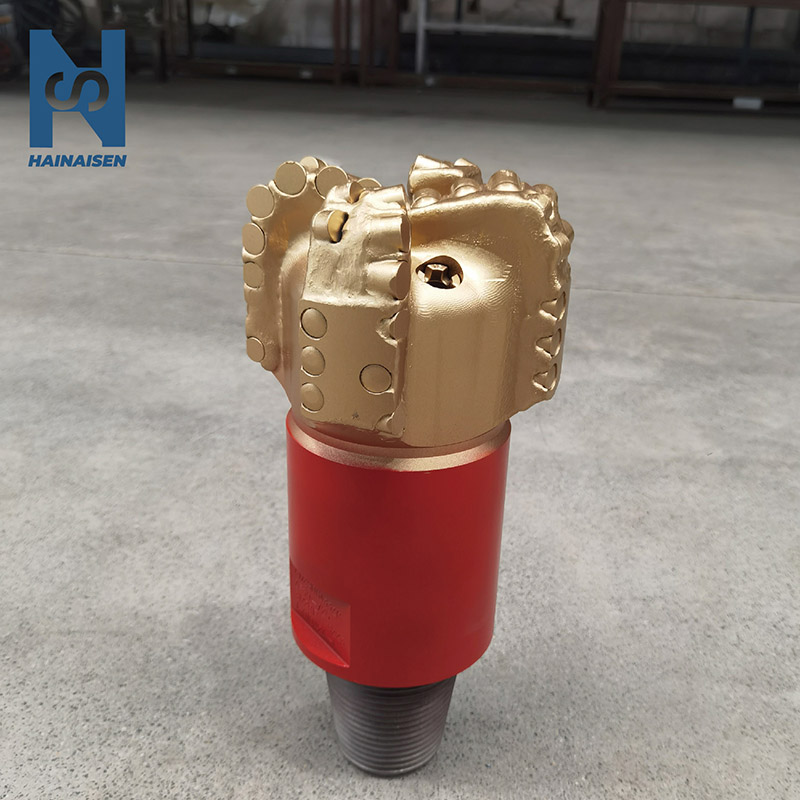 VIEW MOREPetroleum Drilling Equipment PDC
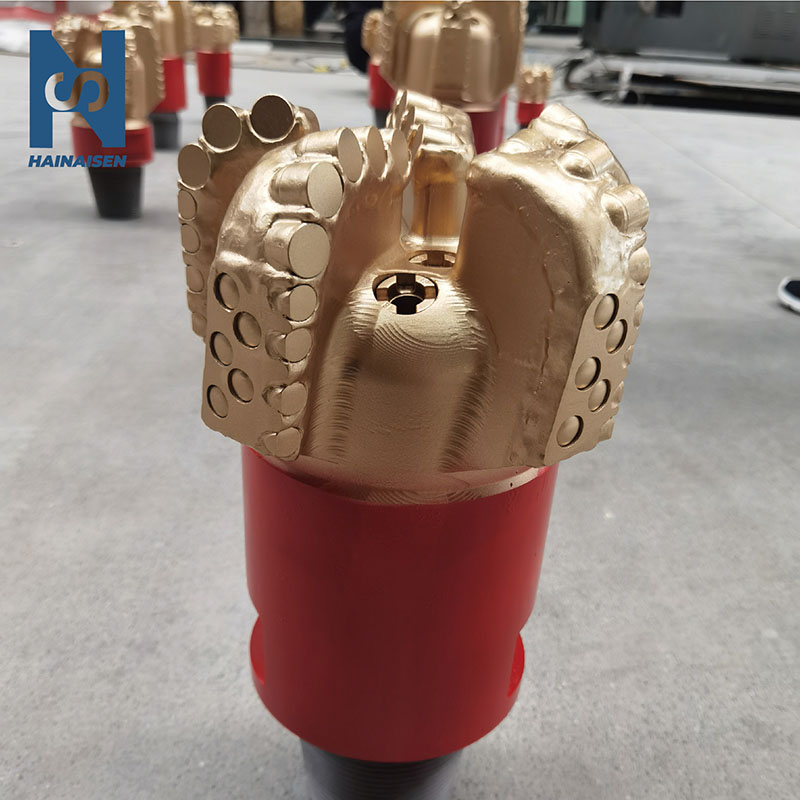 VIEW MOREFive Blade Oil Drill Bit
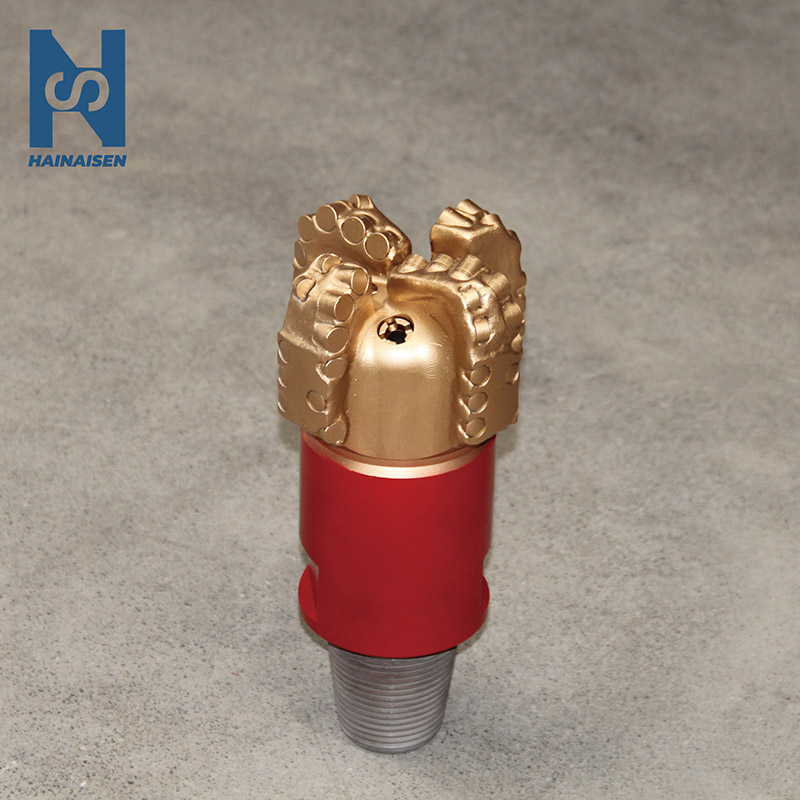 VIEW MOREHigh Quality PDC Drill Bits
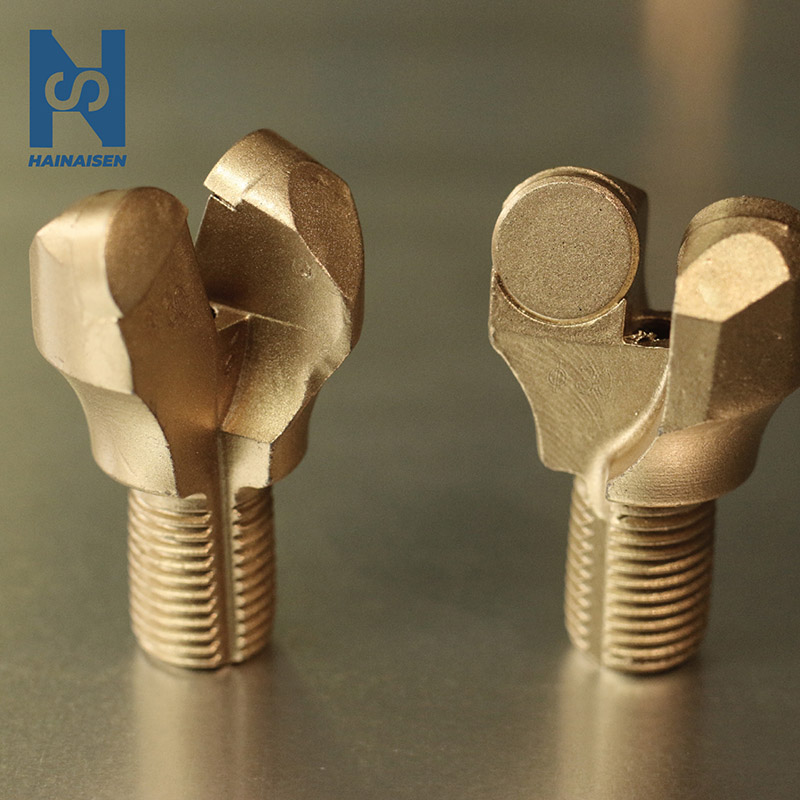 VIEW MORE30mm Half Blade Anchor Bit For Mine Coal Fields
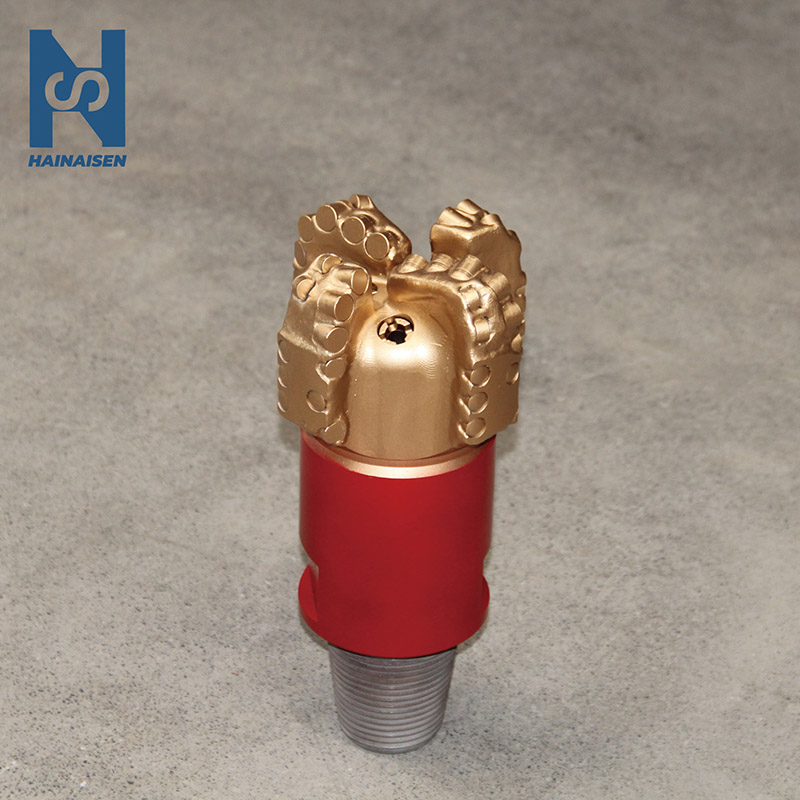 VIEW MOREFour Blade Wing Oil Drilling Tool
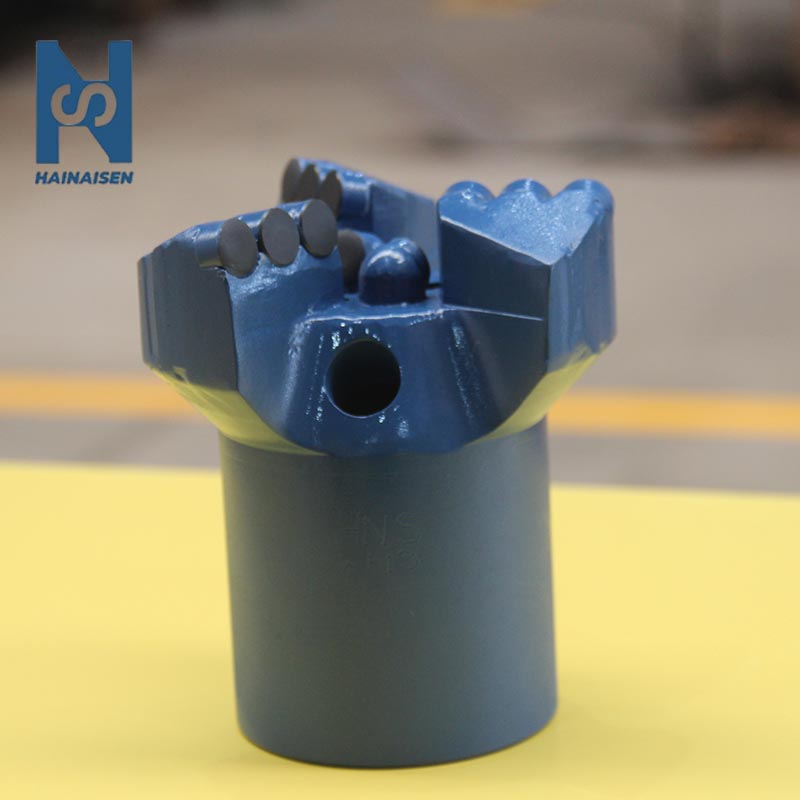 VIEW MORE3 Blades PDC Mining Bits
