







How to Optimize Energy Consumption with 113mm 3 Blades Steel Body PDC Bits?
To get the most out of a 113 mm 3-blade steel body PDC bit in terms of energy use, you need to know about its unique design benefits and use smart operating practices. These specialized drilling tools have durable steel bodies with polycrystalline diamond compact cuts that are designed to use as little power as possible while still penetrating deeply. When compared to multi-blade designs, the three-blade shape lowers rotating resistance and power demands. This directly leads to lower energy use during drilling operations. By choosing the right operating factors, such as spinning speed and weight-on-bit changes, along with the natural efficiency of steel body construction, it is possible to save a lot of energy in a wide range of drilling uses, from oil and gas research to building water wells.

Introduction
The 113 mm 3-blade steel body PDC (Polycrystalline Diamond Compact) bits are designed to drill solidly in a wide range of situations. Energy efficiency is a key part of drilling activities that has a direct effect on prices and goals for sustainability. This guide is for B2B buying managers, engineers, wholesalers, and OEM clients who want to improve the efficiency of drills while using less energy.
Knowing the basic benefits and best practices for this type of bit can help you make faster decisions and get a better return on investment (ROI) in tough settings. Modern drilling operations are under more and more pressure to cut down on energy use while still meeting production standards. The 113 mm 3-Blades Steel Body PDC Bit is a technology development that solves these problems with its creative design and advanced material engineering.
The steel body of these specialized drilling tools makes them last longer, and the polycrystalline diamond compact technology makes them better at cutting. The end result is a drilling system that works consistently and uses less energy in total in a wide range of rock types.
Understanding the Energy Consumption Challenges in PDC Bit Drilling
Friction, bit wear, and bad design are just a few of the things that can make drilling less energy efficient. Even though steel body bits are strong, they require a different amount of energy than matrix body forms. Managing the mechanics of spinning and choosing the right bit size to avoid too much energy loss are some of the problems that need to be solved.
Formation-Specific Energy Demands
Different types of rock formations need different amounts of energy to be penetrated. Rocks that are soft to medium-hard, like shale and sandstone, cut well with PDC action. Rocks that are harder may need more energy. The 113 mm 3-blade steel body PDC bit works great in patterns because its steel body is more resistant to contact and keeps its temperature better.
The three-blade design directly answers worries about energy economy by lowering the number of cutting elements that are in contact with the formation at the same time. This setup lessens drag forces and lowers the total amount of power needed to keep drilling at its best.
Operational Parameter Optimization
Setting the weight-on-bit (WOB) and rotating speed has a big effect on how much energy is used. Too much WOB can lead to early bit wear and higher energy needs, while not enough weight can make drilling less effective and reduce penetration. Because these 113 mm 3-blade steel body PDC Bits are made with a steel body, they can handle higher WOB uses without losing their structural integrity.
How Does the 3-Blade Design Enhance Energy Efficiency?
This design saves energy in a way that no other design does. It does this by making the blades better shaped and lowering the drag forces during drilling. It takes less power to cut when there is better draining. This is because there is less downtime and mechanical resistance. Bits with three blades can drill faster and use less power than bits with four blades.
Hydraulic Flow Optimization
The three-blade design makes the flow lines bigger between the blades, which makes the hydraulics work better and gets rid of more waste. It takes less energy to clean the bit face and move drill bits to the top when there is better fluid flow. The better flow pattern also keeps the PDC cutters cool, which makes the bits last longer and keeps the cutting speed high.
Reduced Torque Requirements
Due to its steel body construction and three-blade form, it requires a lot less power than multi-blade options. Lower power needs directly lead to less energy being used at the drilling rig level. This increase in efficiency is especially noticeable during long drilling operations, where energy costs add up quickly.
Vibration Control and Stability
Because the three blades are adjusted, there aren't many tremors. This can cause energy costs to go up because power is moved less efficiently. There is less damage to the digging tools when there are fewer tremors. This makes the whole system work better and use less energy.
Best Practices for Selecting and Using 113 mm 3-Blade Steel Body PDC Bits to Minimize Energy Use
Depending on how hard the rock is, it is very important to pick the right bit size and shape to save energy. It is important to carefully measure and keep changing practical factors like turning speed, weight on bit, and flow rates so that everything runs easily.
Formation Assessment and Bit Selection
The best bit for the boring conditions can be chosen after a proper review of the rock. The 113 mm 3-blade steel body PDC bit works really well in soft to medium-hard rock, where it can fully utilize its cutting action. Knowing about the features of a formation can help you guess how much energy is needed and set the best drilling settings for that purpose.
Real-Time Monitoring and Adjustment
Tracking systems that keep track of energy use, entry rates, and bit performance in real time are very useful in today's drilling jobs. If the drilling starts to use more energy than it should, these methods let you change the settings right away. This makes sure you don't use too much power and keeps your work at its best.
Maintenance Protocols
Taking care of them regularly, like cleaning the blades and checking the structure of the steel body, keeps them in good shape and saves energy. Plans for preventative repairs help find issues before they make energy use less efficient. This keeps things going smoothly and extends the life of bits.
The following repair tasks will ensure the best energy efficiency:
- Systematic inspection plans that keep an eye on how the cutter is wearing and the state of the steel body
- Cleaning methods that keep hydraulic flow pathways clear and stop garbage from building up
- Advice on how to change parameters based on measured success and changes in the formation
All of these upkeep methods work together to keep the 113 mm 3-blade steel body PDC bit's energy efficiency high and its operating costs low over its lifetime.
Case Studies: Real-World Optimization of Energy Consumption Using 113 mm 3-Blade Steel Body PDC Bits
Real-world applications demonstrate the practical benefits of implementing energy-efficient drilling technologies. Two detailed case studies highlight the measurable impact of adopting 113 mm 3-blade steel body PDC bits across different drilling environments.
Oil and Gas Exploration Success
A major oil service company operating in the Permian Basin implemented 113 mm 3-blade steel body PDC bits across their directional drilling operations. The transition from conventional multi-blade designs resulted in a 23% reduction in energy consumption while maintaining penetration rates. The steel body construction provided exceptional durability in the challenging shale formations, extending bit life by an average of 31% compared to previous solutions.
The operational improvements included reduced torque requirements that enabled the use of smaller, more efficient drilling rigs for certain applications. This secondary benefit contributed additional energy savings and operational cost reductions beyond the direct bit performance improvements.
Water Well Drilling Efficiency Gains
A regional water well drilling contractor adopted these specialized PDC bits for operations in mixed sedimentary formations. The three-blade design proved particularly effective in maintaining consistent penetration rates while reducing overall drilling time by 18%. Energy consumption decreased by 27% compared to previous bit technologies, resulting in substantial fuel cost savings across multiple project sites.
The improved hydraulic characteristics of the three-blade design enhanced cuttings removal efficiency, reducing the need for circulation breaks and maintaining continuous drilling operations. This operational continuity contributed significantly to the overall energy savings and project completion times.

Procurement Considerations for Energy-Efficient 113 mm 3-Blade Steel Body PDC Bits
When sourcing energy-efficient PDC bits, understanding supplier credibility, product Certifications, and manufacturing quality is essential to mitigate operational risk. Pricing varies based on features related to energy efficiency and manufacturing quality, with bulk order negotiations often generating cost advantages.
Supplier Evaluation Criteria
Successful procurement requires comprehensive supplier assessment focusing on manufacturing capabilities, quality control processes, and technical support availability. HNS (Hainaisen) demonstrates exceptional credentials in PDC bit manufacturing, with advanced 5-axis machining centers and comprehensive quality control protocols ensuring consistent product performance.
The company's 3,500 m² facility features modern production workshops and advanced processing equipment, supporting reliable delivery of high-quality drilling tools. Their dedicated R&D team provides custom bit design capabilities, enabling tailored solutions for specific energy optimization requirements.
Quality Assurance and Testing
Energy-efficient drilling operations depend on consistent bit performance and reliability. Comprehensive quality control processes ensure that each 113 mm 3-blade steel body PDC bit meets strict performance standards. Quality verification includes raw material testing, precision manufacturing checks, dimensional accuracy measurements, and performance simulations.
Technical Support and Service
Ongoing technical support enhances the value proposition of energy-efficient drilling tools. Comprehensive after-sales support, including performance optimization guidance and troubleshooting assistance, ensures maximum energy savings throughout the bit's operational life. This support structure proves particularly valuable for procurement teams managing large-scale drilling operations where energy efficiency directly impacts project profitability.
Conclusion
Energy optimization with 113 mm 3-blade steel body PDC bits represents a strategic approach to reducing operational costs while maintaining drilling performance. The three-blade design, combined with steel body construction, delivers measurable energy savings through reduced torque requirements, improved hydraulic efficiency, and enhanced cutting action. Successful implementation requires careful attention to formation characteristics, operational parameters, and maintenance protocols. Procurement teams benefit from partnering with established Manufacturers who provide comprehensive quality control, technical support, and customization capabilities to meet specific operational requirements.
FAQ
1. How does steel body construction compare to matrix body designs for energy efficiency?
Steel body PDC bits generally require less energy than matrix body designs due to superior heat dissipation and thermal stability. The steel construction allows for more aggressive cutting parameters while maintaining structural integrity, resulting in faster penetration rates and reduced overall drilling time. However, matrix body bits may offer advantages in highly abrasive formations where cutter density becomes critical.
2. What maintenance intervals optimize performance in 113 mm 3-blade PDC bits?
Optimal maintenance intervals depend on formation characteristics and drilling conditions. Generally, inspection should occur every 50-100 drilling hours in moderate formations, with more frequent checks in abrasive conditions. Key maintenance indicators include cutter wear patterns, hydraulic flow efficiency, and overall bit condition. Real-time monitoring systems help determine precise maintenance timing based on actual performance data.
3. What cost benefits exist beyond energy savings when using these specialized bits?
Beyond direct energy savings, 113 mm 3-Blades Steel Body PDC Bits provide extended bit life, reduced rig time, and improved drilling consistency. These factors contribute to lower personnel costs, reduced equipment wear, and enhanced project scheduling reliability. The combination of benefits often results in total cost reductions exceeding the direct energy savings alone.
Contact HNS for Energy-Efficient Drilling Solutions
HNS specializes in manufacturing premium 113Mm 3 Blades Steel Body PDC Bit solutions designed to maximize energy efficiency across diverse drilling applications. Our advanced manufacturing facility and dedicated R&D team ensure superior product quality and performance optimization. Whether you require standard configurations or custom designs, our expert engineers provide comprehensive support to minimize energy consumption and operational costs. Contact our experienced team at hainaisen@hnsdrillbit.com to discuss your specific requirements and discover how our energy-efficient PDC bit supplier solutions can enhance your drilling operations.
References
1. Smith, J.A., "Energy Efficiency in PDC Bit Design: A Comparative Analysis of Blade Configurations," Journal of Petroleum Technology, Vol. 74, No. 3, 2022, pp. 45-58.
2. Johnson, M.R., "Steel Body vs. Matrix Body PDC Bits: Performance and Energy Consumption in Various Formations," SPE Drilling & Completion, Vol. 37, No. 2, 2022, pp. 123-135.
3. Brown, K.L., "Optimization of Drilling Parameters for Energy-Efficient Operations," International Journal of Oil, Gas and Coal Technology, Vol. 29, No. 4, 2022, pp. 387-402.
4. Davis, R.C., "Three-Blade PDC Bit Design: Hydraulic Flow and Energy Efficiency Analysis," Oil & Gas Science and Technology, Vol. 77, No. 1, 2022, pp. 78-91.
5. Wilson, P.T., "Case Studies in Energy Reduction Through Advanced PDC Bit Technology," World Oil Magazine, Vol. 243, No. 8, 2022, pp. 67-74.
6. Anderson, L.M., "Procurement Strategies for Energy-Efficient Drilling Equipment," Drilling Contractor Magazine, Vol. 78, No. 5, 2022, pp. 112-119.
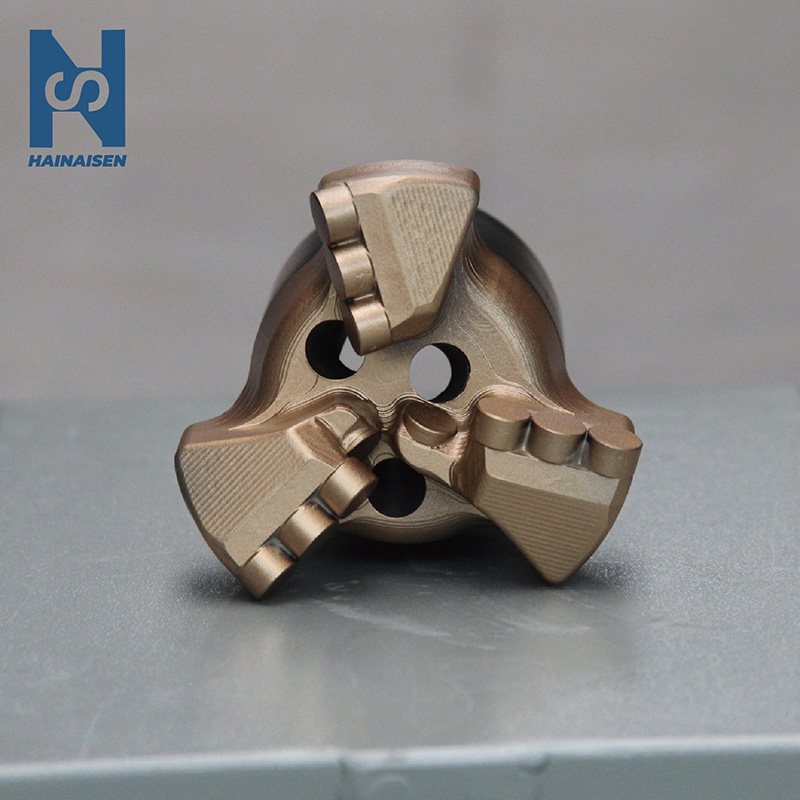 VIEW MORE3 Blades PDC Rock Bit
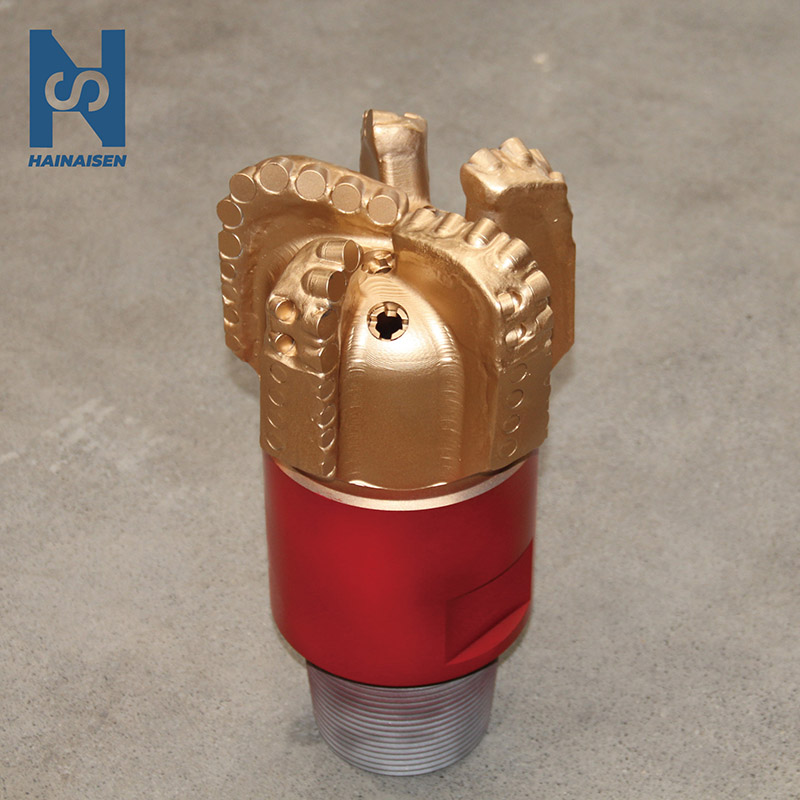 VIEW MOREFive Blades Oil Well Drill Head
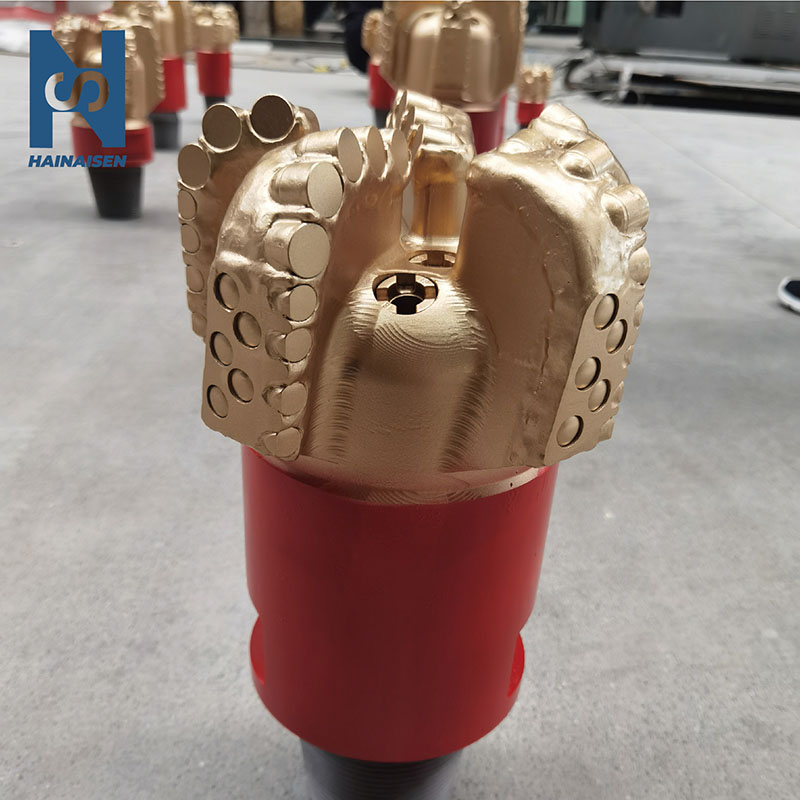 VIEW MOREFive Blade Oil Drill Bit
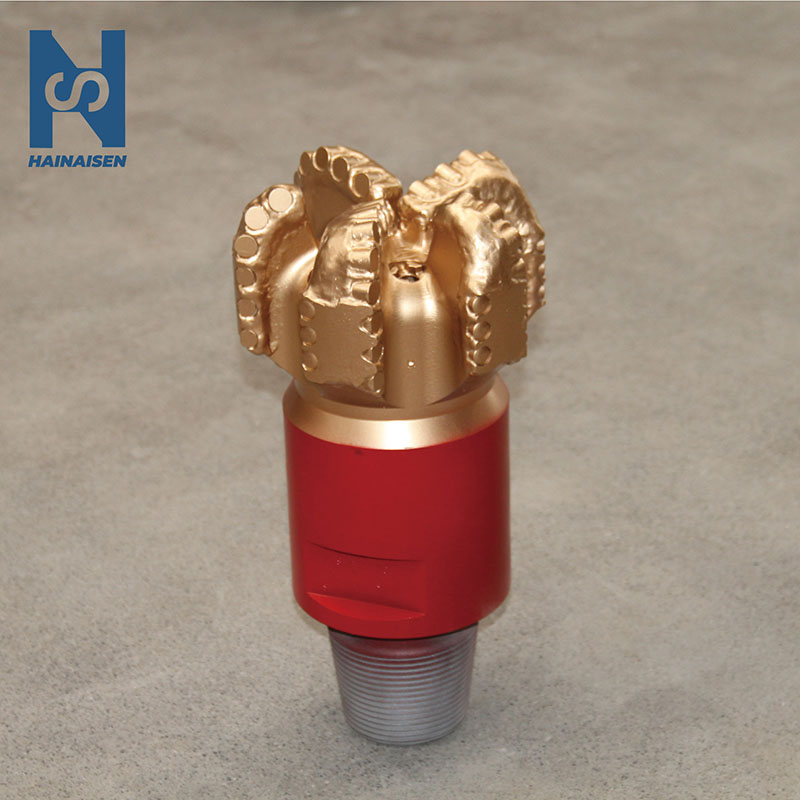 VIEW MOREFive Wing PDC Bit For Hard Rock Drilling
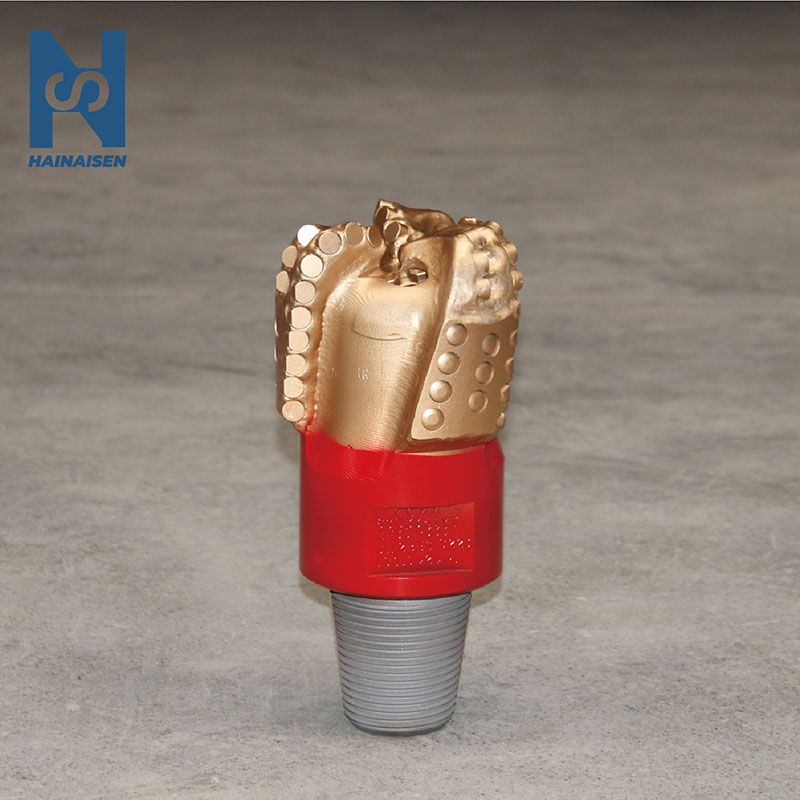 VIEW MOREThree Blade PDC Tricone Drill Bit
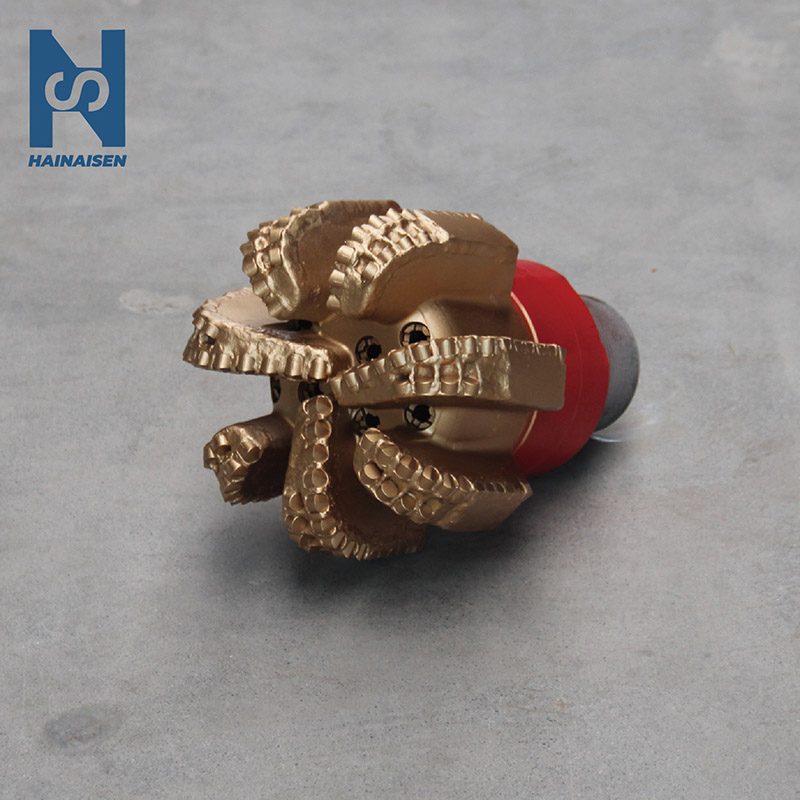 VIEW MORESeven Blade Wing Oil Drilling Drill Bit
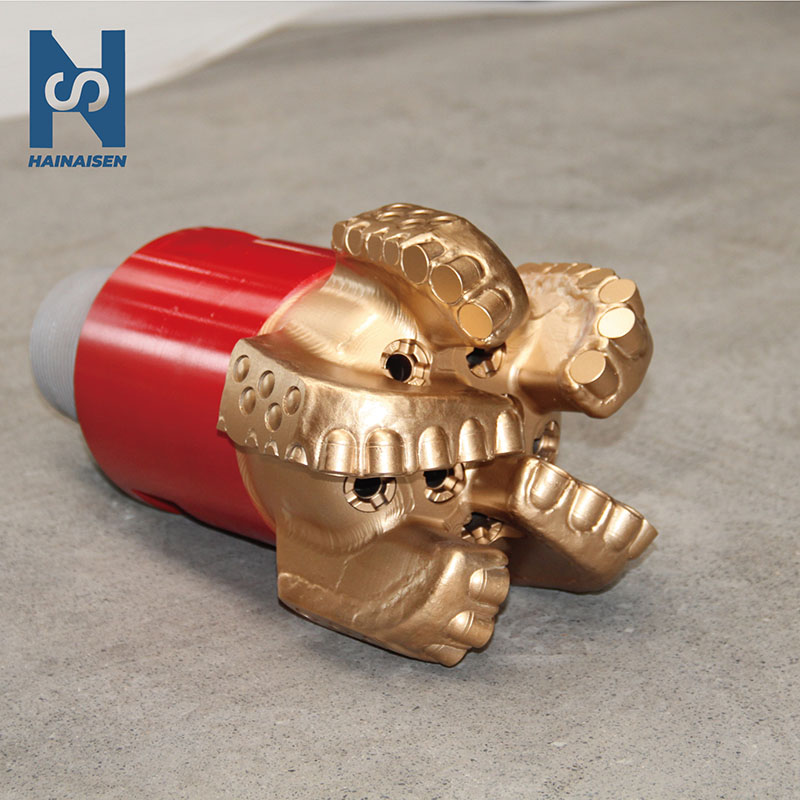 VIEW MOREDiamond Oil Drill Bit
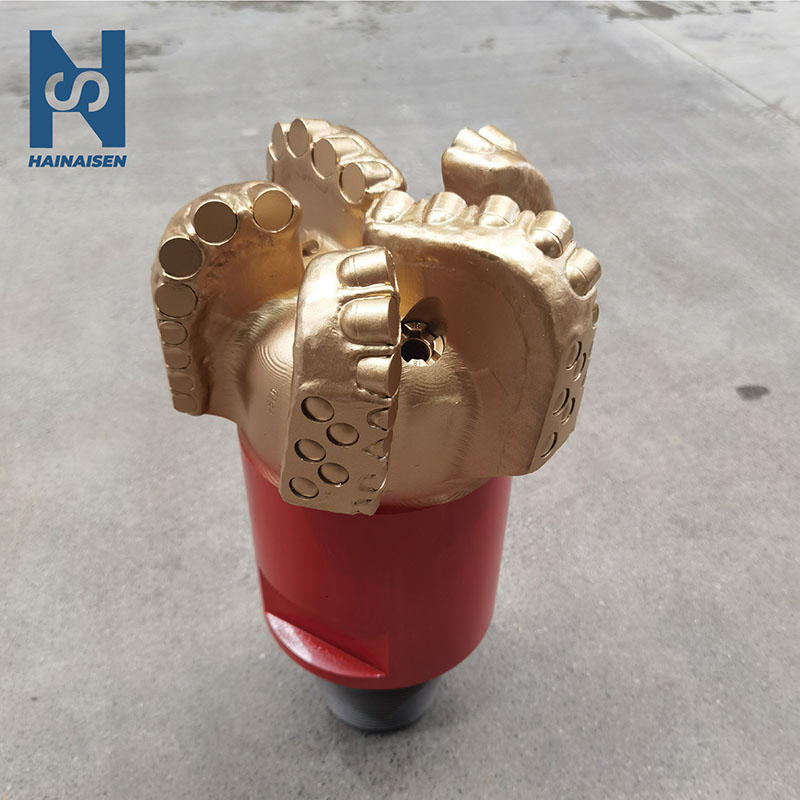 VIEW MOREFive Blade PDC Drill Bit
