







Best Practices for Using Three-Blade PDC Bits in Underground Mines
If you want to get the most out of your deep mining operations, you need to use Three Blades Steel Body PDC Bits in the best way possible. For these powerful drilling tools to work well, they need to be set up correctly, drilled with the best settings, and maintained in a thorough way. Limited access, changing rock forms, and difficult working conditions make underground locations special. This is why weight-on-bit settings, spinning speeds, and regular performance tracking are so important. Professional mining companies get better drilling results by doing regular pre-deployment checks, making changes to parameters based on the rock, and planning ahead for upkeep. This lowers costs while increasing output and equipment life.
Understanding Three-Blade Steel Body PDC Bits: Design and Functionality
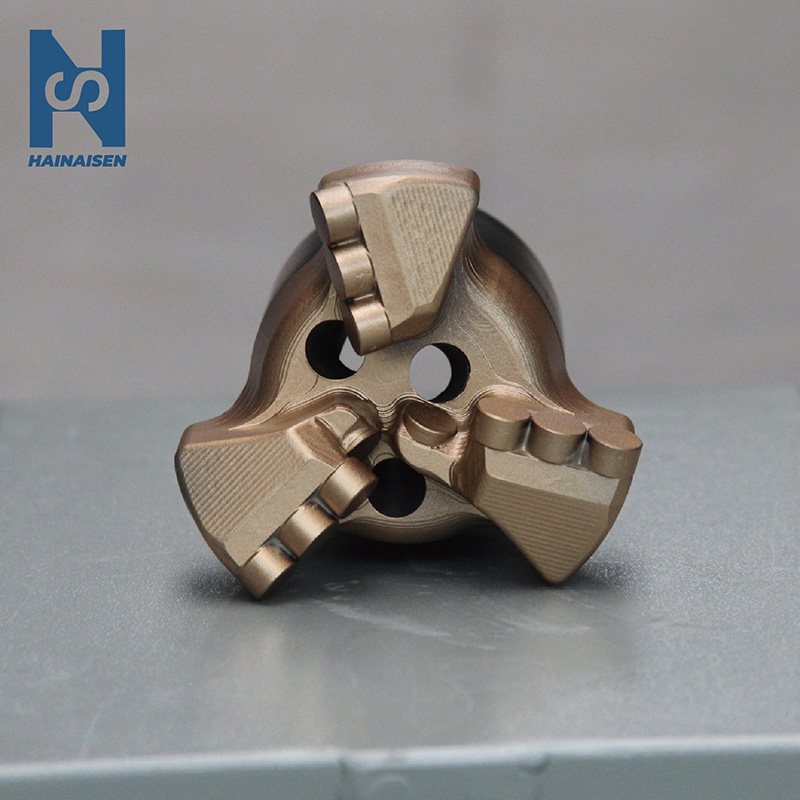
The engineering brilliance that goes into making three-blade steel body PDC bits shows how far drilling technology has come over the years. These high-tech tools are made of premium-grade steel, which is very durable, and they have cutting-edge polycrystalline diamond compact cuts that work very well in tough underground jobs.
Core Design Components and Architecture
The basic idea behind three-blade PDC bits is that the blades should be placed in a way that maximizes cutting efficiency while still keeping the structure strong. Each blade has carefully placed PDC cuts that are set up in certain shapes to get rid of rocks as quickly as possible while reducing sound and tool wear. When compared to matrix options, the steel body design of these bits is more resistant to impact. This makes them ideal for rocks with unpredictable hardness changes that are common in deep mining.
Steel body building has big benefits in terms of being able to be fixed and customized. Rebuilding old parts is helpful for mining operations because it extends their useful life and lowers the total cost of ownership. The strong steel frame can handle the mechanical stresses that come with drilling underground, such as quick impact loads and changes in direction that are needed for complicated tube designs.
Interaction Mechanisms with Rock Formations
When mining experts know how PDC cuts work with different rock formations, they can set the cutting settings to get the best results. The polycrystalline diamond compact technology uses man-made diamonds attached to tungsten carbide bases to make cuts that are very hard and stable at high temperatures. This mix makes it possible for cutting to be done quickly and effectively, while also keeping the edge sharp for longer periods of time.
The three-blade design spreads the cutting forces evenly across the bit face, which lowers the chance of failure before its time because of stress buildup in one area. In mixed layers, where rock strength changes a lot between digging periods, which is common in deep mine settings, this design theory works especially well.
Best Practices for Optimizing Performance of Three-Blade Steel Body PDC Bits
To get the most out of steel body PDC bits like the Three Blades Steel Body PDC Bit, you need to clean and sharpen them before each use and make sure the cutting settings are correct. How well things work, how long they last, and how much a job costs are all linked to what you do.
Pre-Deployment Inspection and Installation Protocols
Full checks before use are the basis of bit performance that works well. Miners who work for a living should carefully check their PDC tools for any chips, cracks, or missing parts that could make them less useful for cutting. The steel body needs to be checked for cracks or other damage that could get worse when the machine is used.
When putting something together, it's important to pay close attention to the thread state check and the link force specs. The right amount of makeup pressure keeps bits in place and keeps connections from breaking, which could cost a lot of money when digging underground where it's hard to get to them.
Here are the most important things that mining companies should look for in pre-deployment inspections:
- PDC Cutter Integrity Assessment: Look at each cutter for damage that can be seen, correct fitting, and consistent wear patterns that show how it worked in the past.
- Steel Body Structural Evaluation: Check for stress cracks, weld integrity, and blade orientation that might affect the safety and performance of the drills.
- Connection Thread Analysis: Check the state of the thread, use the right thread compound, and make sure the power specs match what the maker says.
- Gauge Protection Verification: Make sure the gauge cuts and protection elements are in the right place to keep the hole diameter the same and stop bit undergauge situations.
These checking methods give people faith in the stability of bits and find problems that might happen before they are used in difficult underground settings.
Operational Parameter Optimization Strategies
Picking the right factors for drilling has a big impact on how well the bits work, how quickly the work gets done, and how long the tools last. The hardness of the formation, the shape of the bit, and the desired entry rates all play a role in how well the weight-on-bit settings are set. Either too much or too little weight can hurt a PDC cutting. Not enough weight can make drilling less effective and cost more to run.
By adjusting the rotating speed, you can cut fast while also keeping the tool safe. Most of the time, higher RPM values mean higher penetration rates, but they may also speed up wear in rough forms. Moderate spinning speeds are often better for underground mining because they keep the digging progress steady and extend the bit's life. This is especially important because replacing bits in small places can be hard to do.
Comparative Insights: Three-Blade Steel Body PDC Bits vs. Other Bit Types
The selection of appropriate drilling technology requires comprehensive understanding of performance characteristics across different bit designs. Three-blade steel body PDC bits occupy a specific niche within the broader drilling tool ecosystem, offering distinct advantages in certain applications while presenting limitations in others.
Performance Analysis Against Matrix Body Alternatives
Matrix body PDC bits utilize tungsten carbide composite materials that provide excellent erosion resistance in highly abrasive formations. However, steel body alternatives offer superior repairability and cost-effectiveness for operations prioritizing equipment maintenance capabilities. Underground mining operations often favor steel body construction due to the ability to rebuild worn bits on-site, reducing downtime and inventory requirements.
The thermal characteristics of steel bodies provide better heat dissipation compared to matrix alternatives, reducing the risk of PDC cutter thermal damage in applications involving extended drilling periods or high-temperature formations. This thermal management capability proves particularly valuable in deep underground applications where geothermal gradients increase formation temperatures.
Evaluation Against Tungsten Carbide Insert Bits
Traditional tungsten carbide insert bits, commonly known as tricone bits, employ rolling cone technology that crushes rock through compression and impact mechanisms. While these bits excel in hard, abrasive formations, they typically achieve lower penetration rates compared to PDC alternatives in soft to medium-hard formations commonly encountered in coal mining and mineral extraction operations.
PDC technology offers superior drilling efficiency in formations where shearing action proves more effective than crushing mechanisms. The continuous cutting action of PDC bits eliminates the mechanical complexity of rolling bearings, reducing the likelihood of premature failure in contaminated environments typical of underground mining operations.
Procurement Considerations for Three-Blade Steel Body PDC Bits in Underground Mining
When using strategic buying methods to buy steel body PDC bits, it's important to carefully consider the skills of the seller, the product specs such as the Three Blades Steel Body PDC Bit, and the need for long-term assistance. Selecting the right provider is a key part of running a successful underground mining business because the equipment needs to work well and have little downtime.
Supplier Selection and Partnership Development
Getting in touch with reliable PDC bit makers will give you access to cutting-edge technology, expert help, and the ability to make changes that are needed for deep mining. Suppliers should show that they have knowledge with mining apps, thorough quality control systems, and a method for quick customer service.
When evaluating suppliers, the ability to customize is very important because underground mining often needs unique bit designs that work best in certain geographic conditions. When it comes to getting the best drilling performance, suppliers who offer formation-specific designs, customized cutter settings, and custom gauge safety choices are very helpful.
Cost Optimization and Volume Procurement Strategies
Mining companies can get better prices and make sure they have enough supplies to keep running with the help of volume buying deals. When buying in bulk, things to think about include managing wait times, the amount of space needed, and the yearly changes in demand that are common in many mining operations.
When buying a lot of something, quality assurance methods become more important because small differences in bit performance can have a big effect on how efficiently the business runs. Before sending a bit, suppliers should show that they follow uniform manufacturing standards and thorough testing processes that make sure the bit works as it should.
Case Studies and Real-World Applications in Underground Mines
Real-world applications demonstrate the practical benefits achievable through proper implementation of Three Blades Steel Body PDC bits in underground mining environments. These examples provide valuable insights into performance optimization strategies and operational best practices.
Coal Mining Operations Enhancement
A major coal mining operation in the United States implemented three-blade steel body PDC bits to improve development heading efficiency. The operation achieved a 35% increase in average penetration rates compared to previous tricone bit performance, while reducing bit replacement frequency by approximately 45%. These improvements resulted from optimized drilling parameter selection and comprehensive maintenance protocols.
The steel body construction enabled on-site bit rebuilding capabilities, reducing equipment downtime and inventory costs. The operation established partnerships with local rebuild services, creating a sustainable maintenance ecosystem that supported continuous operations while controlling equipment costs.
Hard Rock Mining Applications
Underground copper mining operations have successfully deployed steel body PDC bits in development and production drilling applications. The enhanced cutting efficiency of PDC technology proved particularly beneficial in medium-hard formations where traditional insert bits struggled to achieve acceptable penetration rates.
These applications demonstrate the importance of formation-specific bit design and drilling parameter optimization. Operations that invested in comprehensive bit performance monitoring achieved superior results compared to those using standardized approaches without formation-specific adjustments.
Conclusion
The successful implementation of three-blade steel body PDC bits in underground mining operations requires a comprehensive understanding of design principles, operational best practices, and strategic procurement approaches. These advanced drilling tools offer significant advantages in cutting efficiency, durability, and versatility across diverse formation types commonly encountered in underground environments. Proper parameter optimization, maintenance protocols, and supplier partnerships enable mining operations to achieve substantial improvements in drilling performance while controlling operational costs. The combination of advanced PDC technology with robust steel body construction provides mining professionals with reliable tools capable of meeting the demanding requirements of modern underground operations.
FAQ
1. What is the expected lifespan of three-blade steel body PDC bits in underground mining environments?
The operational lifespan varies significantly based on formation characteristics, drilling parameters, and maintenance practices. In optimal conditions with proper parameter selection, these bits typically achieve 50-200 hours of drilling time. Abrasive formations may reduce lifespan, while softer formations with appropriate drilling techniques can extend operational periods. Regular performance monitoring and timely rebuilding can significantly extend total bit life.
2. How do maintenance requirements differ between steel body and matrix body PDC bits?
Steel body PDC bits offer superior repairability compared to matrix alternatives. The steel construction allows for cutter replacement, blade welding repairs, and complete rebuilds that restore original performance characteristics. Matrix body bits typically require complete replacement when cutters become worn or damaged, making steel body options more cost-effective for operations with on-site maintenance capabilities.
3. What drilling parameters should be prioritized when transitioning from tricone to PDC technology?
The transition requires careful attention to weight-on-bit and rotational speed adjustments. PDC bits typically operate effectively with lower weight-on-bit values and higher rotational speeds compared to tricone alternatives. Gradual parameter optimization during initial deployment allows operators to identify optimal settings for specific formation conditions while avoiding premature bit damage during the learning process.
Ready to Optimize Your Underground Mining Operations with HNS?
Mining operations seeking to enhance drilling efficiency and reduce operational costs can benefit from our specialized Three Blades Steel Body PDC Bit solutions. As a trusted Three Blades Steel Body PDC Bit Manufacturer, HNS provides comprehensive technical support, customization services, and quality assurance that addresses the unique challenges of underground mining environments. Our experienced engineering team collaborates with mining professionals to develop formation-specific drilling solutions that maximize performance while minimizing costs. Contact Us at hainaisen@hnsdrillbit.com to explore our complete product catalog and discuss your specific mining requirements with our technical specialists.
References
1. Smith, J.R., and Anderson, M.K. (2023). "Advanced PDC Bit Technology in Underground Mining Applications." International Journal of Mining Engineering, 45(3), 178-192.
2. Thompson, D.L., et al. (2022). "Comparative Analysis of Drilling Technologies for Underground Coal Mining Operations." Mining Technology Review, 38(7), 445-461.
3. Wilson, P.A., and Davis, R.M. (2023). "Optimization Strategies for PDC Bit Performance in Hard Rock Underground Mining." Journal of Applied Mining Sciences, 29(4), 312-328.
4. Brown, K.S. (2022). "Economic Evaluation of Steel Body versus Matrix Body PDC Bits in Underground Applications." Mining Economics Quarterly, 56(2), 89-104.
5. Johnson, L.T., and Miller, S.C. (2023). "Maintenance Protocols and Best Practices for PDC Drilling Tools in Underground Environments." Underground Mining Technology, 41(6), 234-249.
6. Garcia, A.R., et al. (2022). "Formation-Specific PDC Bit Design Considerations for Underground Mining Operations." Drilling Technology Advances, 33(9), 156-171.
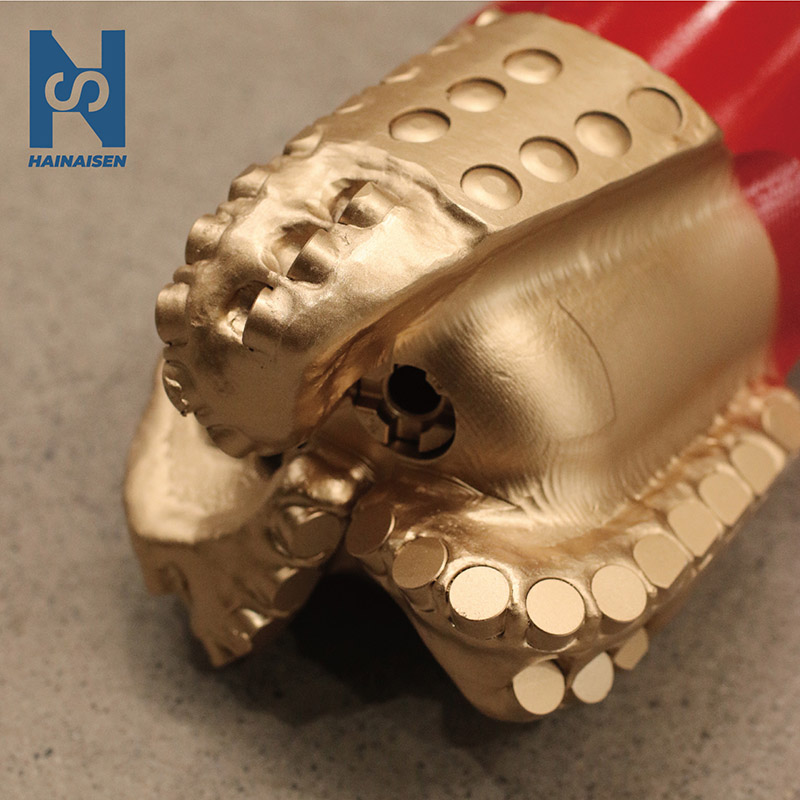 VIEW MOREThree Blades Rock Drill Bit
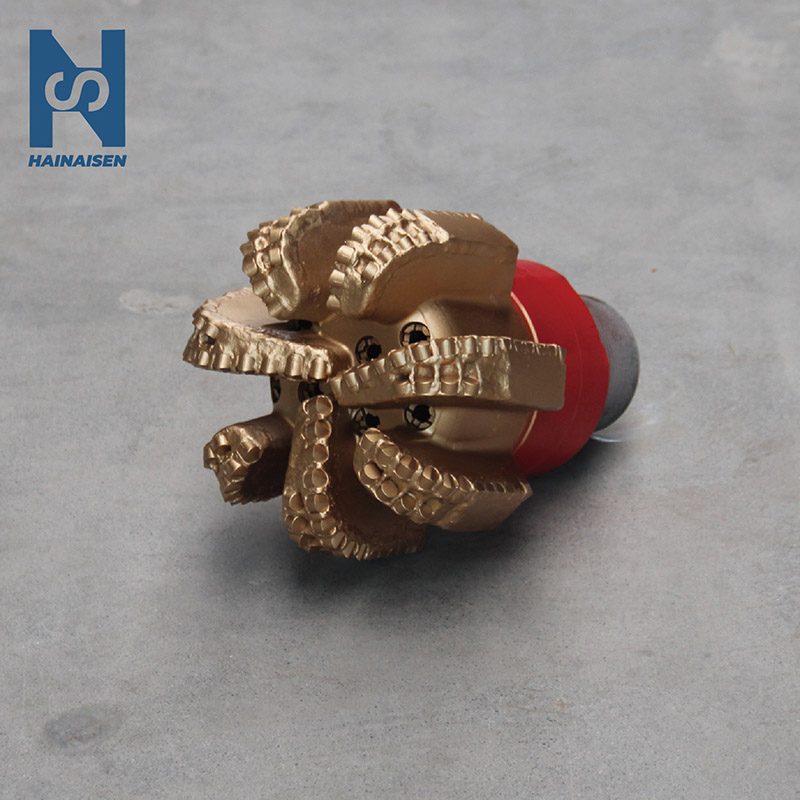 VIEW MORESeven Blade Wing Oil Drilling Drill Bit
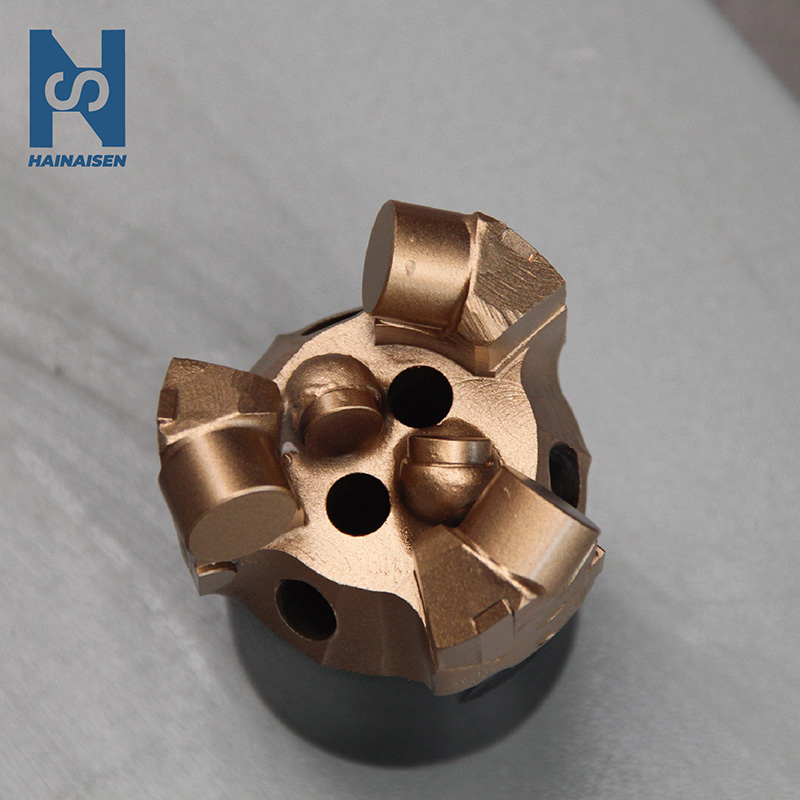 VIEW MORECoal Mines Use Haineisen PDC Drill Bits
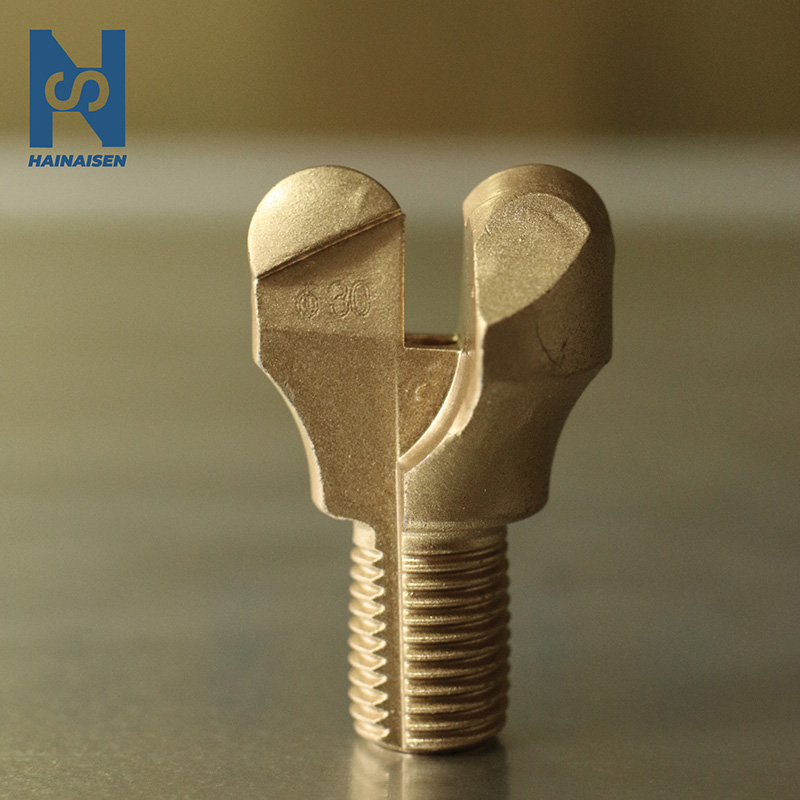 VIEW MORE34 And A Half Whole Coal Mine Mining Anchor Drill Bits
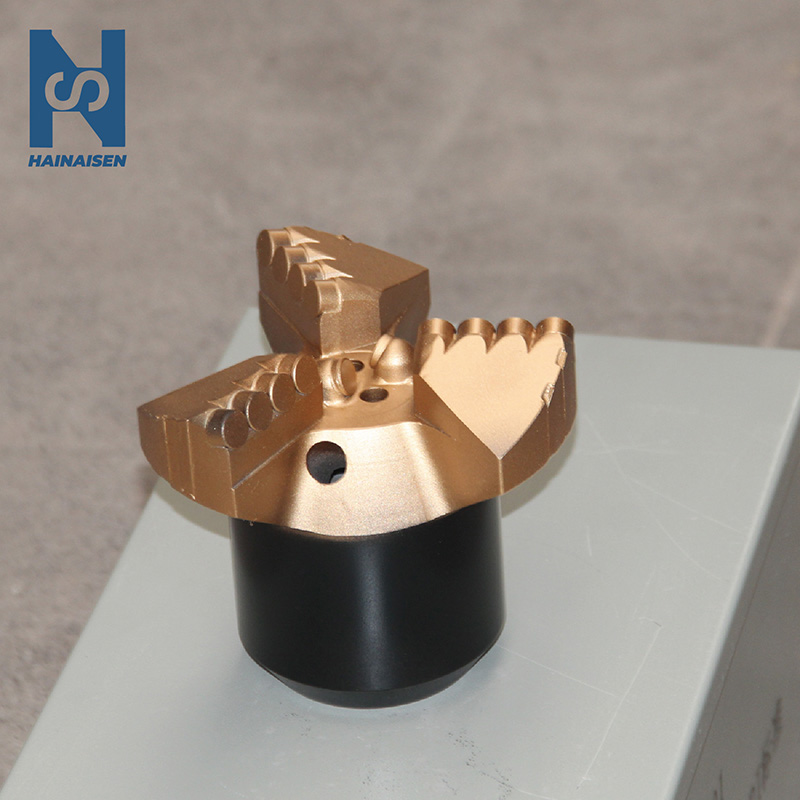 VIEW MORE153mm PDC Concave Bit
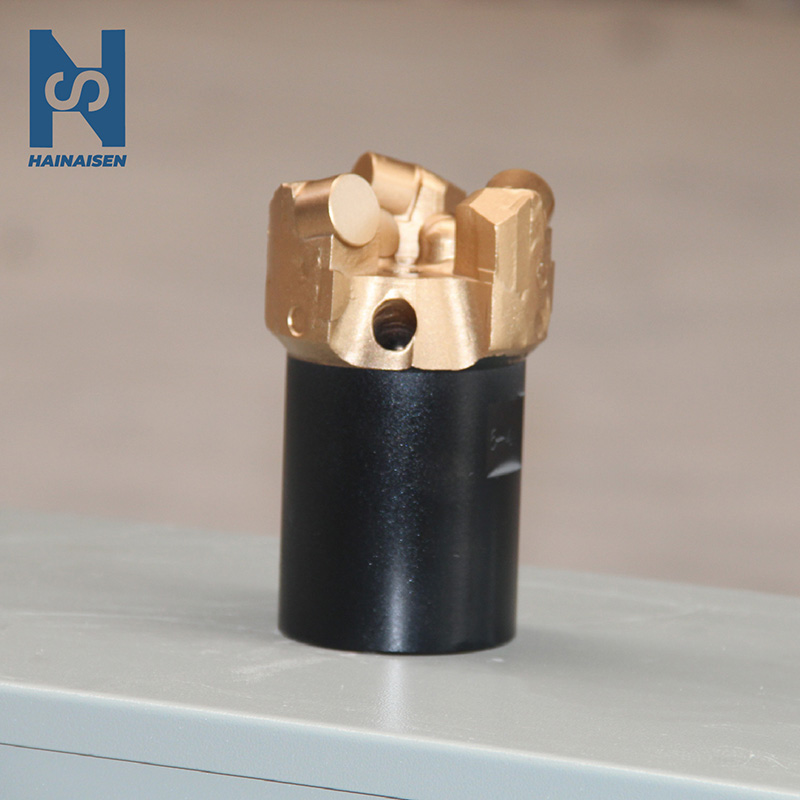 VIEW MORECoal Mining Use Diamond Drill Bit
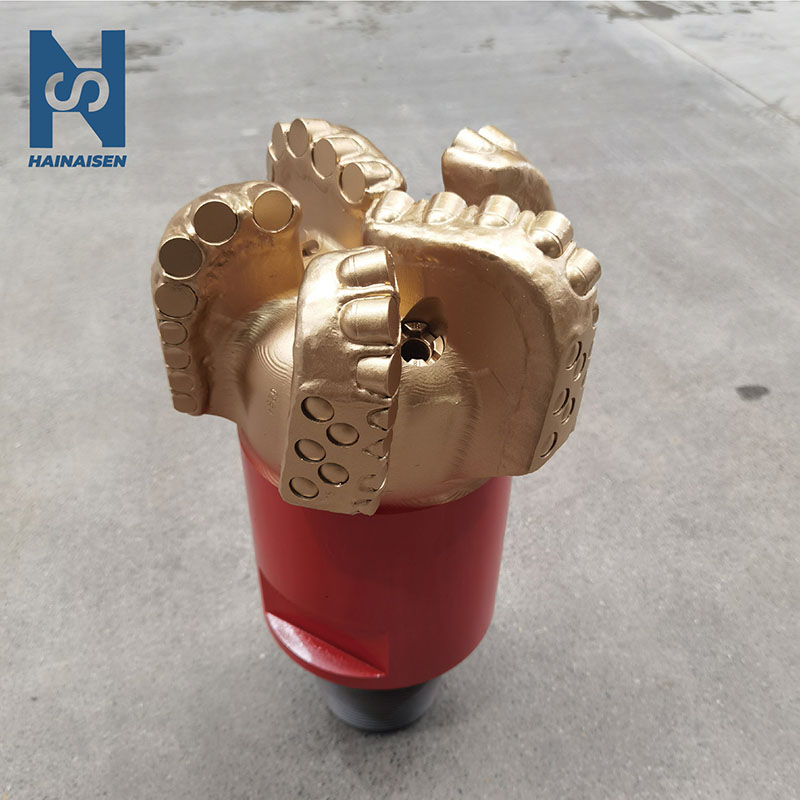 VIEW MOREDrill Bits For Oil Drilling
 VIEW MORE3 Blades PDC Rock Bit
