







How to choose PDC core bits for different rock types?
Geological conditions and rock traits must be carefully thought through when choosing the right PDC core drill bit used for drilling. For every type of rock, you need a different cutter setup, hydraulic design, and bit form to get the best entry rates and keep the core whole. Professionals in drilling can use the right polycrystalline diamond compact technology for their jobs if they know how hard, rough, and solid the rock is. This speeds up the digging process and lowers the cost of running water, oil, and gas wells.
Understanding PDC Core Bits and Their Applications
PDC (Polycrystalline Diamond Compact) core bits are a big step forward in drilling technology. They combine synthetic diamond cuts with carefully designed bit bodies to work better in a wide range of rock types. These high-tech drilling tools have polycrystalline diamond compact cutters placed in a specific way on a steel or tungsten carbide matrix. This makes an aggressive cutting structure that can stay sharp during long drilling operations.
Core Components and Working Mechanisms
The innovative design architecture of PDC core bits makes them work well. The bit body is the base. It is usually made of high-grade steel or tungsten carbide so it can handle the high heat and pressures downhole. Polycrystalline diamond compact cutters are the system's brains. They are made up of a diamond layer attached to a tungsten carbide base, which makes them very hard and good at moving heat. These cutters are placed strategically at certain angles and directions to get the best cutting results while also making sure that the waste can flow freely through the waterways that were carefully planned.
Advantages in Modern Drilling Operations
Using PDC drilling technology has changed how core recovery is done in many different businesses. High-performance pdc core bits are equipped with diamond cutters that have a sharp, strong cutting action that speeds up drilling. They also keep their edge for a much longer time than other options. This means that bits don't have to be replaced as often, which cuts down on downhole trips and the delays they cause. The exact cutting action also improves the quality of the core and the rate of recovery, giving scientists and engineers better examples to study rock formations and resources.
Rock Formation Classifications
For the best bit pick, you need to know about rock structures. Granite, quartzite, and basalt are all types of hard rock. They have rough surfaces and high compressive strengths, so they need strong cutter designs and tough hydraulic systems. Shale layers need extra care because they are often fragile and have hardness slopes that change over time. Even though sandstone is usually smoother, it can have rough quartz bits that wear down cutters more quickly. In order to drill through mixed rocks, you need bits that are flexible enough to adapt to changing rock conditions as you dig.
Key Criteria for Selecting PDC Core Bits Based on Rock Types
Successful bit selection hinges on accurate geological assessment and understanding how rock properties influence drilling performance. PDC core drill bits used for drilling require a foundation in formation hardness, measured through various geological surveys and offset well data, for determining appropriate cutter configurations and bit designs. Abrasiveness levels, often indicated by quartz content and grain structure, directly impact cutter wear rates and bit longevity expectations.
Rock Hardness Assessment and Cutter Configuration
Different geological formations demand specific approaches to cutter selection and placement. Here are the primary considerations for matching cutter technology to formation characteristics:
- Soft to Medium Formations: These formations benefit from larger, more aggressive cutters with shallow backup angles to maximize penetration rates while maintaining directional control.
- Hard Formation Applications: Dense formations require smaller, more robust cutters with steeper backup angles to prevent damage while maintaining cutting efficiency.
- Abrasive Formation Considerations: High-abrasion environments demand premium-grade PDC cutters with enhanced thermal stability and wear resistance properties.
These cutting designs have a direct effect on how well the drilling works and how efficiently the business runs. Drilling workers can choose the best mix between bit life and entry rate by understanding the qualities of the rock. This way, they can get the most out of their drilling expenses and still meet project deadlines.
Drilling Speed and Precision Factors
There are a lot of operational factors that affect both how well the digging goes and how good the core is. To get the entry rates you want without hurting the sample, you need to figure out which bit weight, speed, and flow rate are best for each type of rock. When working with tougher rock, the bit should be heavier and turn more slowly. When working with smaller rocks, the bit should be lighter and spin faster. It is very important to have good hydraulic design when drilling in rocks that tend to ball bits or have holes that are hard to clean. This is because bad flow can slow down penetration rates and cause bits to break early.
Formation-Specific Maintenance Requirements
For each type of rock, drilling tools need different levels of care. Cutting tools may need to be checked and replaced more often in rough rocks because they wear out more quickly. When there is a lot of clay in the ground, bit balling can happen. Because of this, you need to work and use different hydraulic systems. For planned preventative maintenance and to make sure that drilling programs are as good and cost-effective as they can be, it helps to know about these problems that are specific to each layer.
Comparative Analysis of PDC Core Bits and Other Core Bit Technologies
To get the best performance and value for money from modern drilling activities, the technologies that are offered need to be carefully evaluated. PDC core bits compete with several established technologies, each offering distinct advantages and limitations depending on application requirements and geological conditions.
Performance Comparison Across Technologies
Tricone Roller Bits have been the standard for hard rock cutting for a long time. They use spinning cones with carbide cores to break up rock forms. While effective in extremely hard formations, tricone bits typically achieve slower penetration rates and require more frequent replacements compared to modern PDC technology. Diamond-impregnated core bits work really well in some situations, especially when they're working with hard, uniform materials, because they break down slowly and consistently over long periods of time.
Cost-Benefit Analysis
When looking at the economics of drilling technologies, we look at more than just the original buy price. We also look at the total costs of drilling, which include bit performance, trip time, and operating efficiency. As representative high-performance pdc core drill bits, PDC core bits often show better cost-effectiveness, even though they cost more up front. In uses that require deeper digging, where trip costs make up a big part of total drilling costs, this benefit stands out even more.
Real-World Performance Data
Industry studies consistently demonstrate the advantages of PDC technology across various geological settings. In sandstone formations, PDC Bits typically achieve penetration rates 2-3 times higher than conventional alternatives while maintaining superior core quality. Hard rock applications show more modest improvements, but the extended bit life often results in significant cost savings through reduced trip time and improved operational efficiency.
Practical Guide to Procuring PDC Core Bits for International B2B Clients
To find your way around the global market for PDC drilling technology, you need to know what each provider can do, what their quality standards are, and what services they offer. Procurement strategies that work well balance technical needs with business needs. This makes sure that people can get high-performance tools, like the PDC core drill bit used for drilling, while keeping project costs low.
Supplier Evaluation Criteria
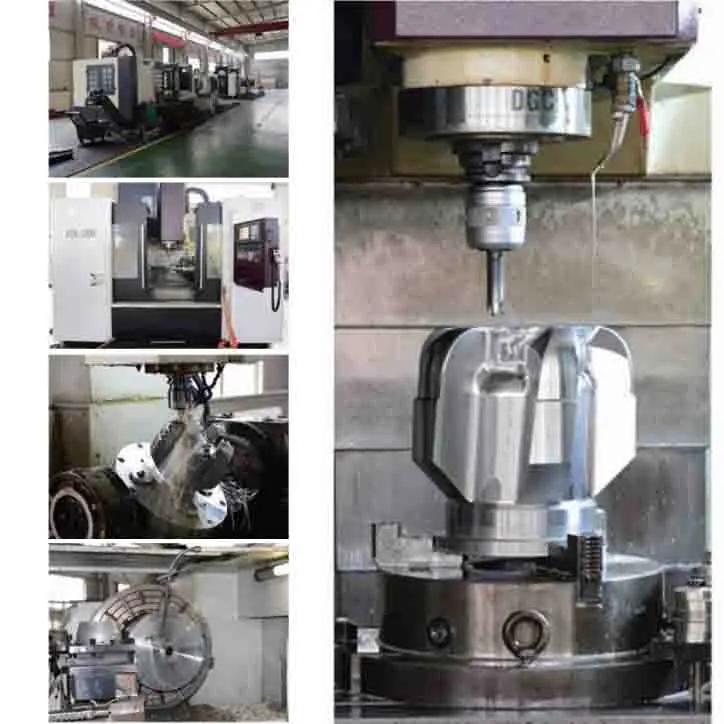
To find trusted providers, you need to look at their producing skills, quality control systems, and expert help infrastructure. Leading makers keep their factories up-to-date with precision cutting centers and strict quality control measures. Technical support services, such as bit design advice and speed improvement, make the supplier-customer relationship much more valuable and help the project succeed in the long run.
Customization and Technical Support
Today's drilling problems often need unique answers that are made to fit the geology and the needs of the business. Suppliers who offer a lot of customizing options can change the shapes of bits, hydraulic designs, and cutting setups to meet specific drilling needs. This versatility comes in handy in tough patterns where standard bit designs might not work as well as they should.
Pricing Strategies and Volume Considerations
In order to get the best price, procurement plans should take into account both short-term and long-term goals. A lot of the time, volume buying deals save a lot of money and make sure that equipment is always available for projects. It's more valuable to have warranty terms and performance promises, especially for important drilling activities where equipment failure can cause big delays and costs.
Best Practices and Safety Guidelines for Using PDC Core Bits
Maximizing PDC bit performance requires adherence to proven operational practices and safety protocols. Proper drilling techniques, equipment maintenance, and safety procedures ensure optimal bit life while protecting personnel and equipment throughout drilling operations.
Operational Optimization Techniques
Achieving maximum bit performance demands careful attention to drilling parameters and operational procedures, especially when operating high-performance pdc core drill bits. Weight on the bit should be gradually increased to allow cutters to establish proper cutting action without inducing shock loads that can cause premature failure. Rotary speed optimization varies with formation characteristics, requiring ongoing adjustment based on drilling response and bit condition assessment.
Maintenance and Troubleshooting
Regular bit inspection and maintenance protocols help identify potential issues before they result in operational failures. Visual inspection of cutter condition, wear patterns, and hydraulic passages provides valuable insight into bit performance and formation characteristics. Understanding common failure modes enables proactive maintenance and operational adjustments that extend bit life and improve overall drilling efficiency.
Safety Protocols and Standards
Drilling operations involving PDC technology require strict adherence to established safety protocols and industry standards. Proper handling procedures prevent cutter damage and personnel injury during PDC core drill bit use for drilling and installation operations. Emergency response procedures should address potential downhole equipment failures and associated safety risks, ensuring rapid and safe resolution of operational challenges.
Conclusion
Selecting the optimal PDC core bit for specific rock formations requires careful consideration of geological conditions, operational requirements, and economic factors. Understanding formation characteristics, cutter technologies, and operational best practices enables drilling professionals to make informed decisions that maximize drilling efficiency while minimizing operational costs. The comparative advantages of PDC technology over conventional alternatives continue to drive widespread adoption across diverse drilling applications, from deep oil and gas exploration to precision geological surveying operations.
HNS remains committed to supporting drilling professionals with innovative PDC solutions, comprehensive technical support, and customized manufacturing capabilities. Our expertise in matching bit designs to specific geological challenges ensures optimal performance across the full spectrum of drilling applications, contributing to project success and operational efficiency.
FAQ
1. What factors determine the best PDC core bit selection for hard rock formations?
Hard rock formations require PDC bits with smaller, more robust cutters featuring steeper backup angles and enhanced thermal stability. The bit body should incorporate a tungsten carbide matrix for maximum durability, while hydraulic design must provide adequate flow for effective cuttings removal. Formation abrasiveness and drilling depth also influence optimal bit configuration choices.
2. How do drilling parameters affect PDC bit performance in different rock types?
Drilling parameters must be optimized for specific geological conditions. Soft formations typically benefit from reduced weight on the bit and higher rotary speeds, while hard formations require increased weight and moderate speeds. Hydraulic flow rates should be adjusted to ensure proper hole cleaning and prevent bit balling in reactive formations.
3. What maintenance practices extend PDC core bit operational life?
Regular bit inspection between drilling intervals helps identify wear patterns and potential issues. Proper bit storage, careful handling to prevent cutter damage, and adherence to recommended drilling parameters significantly extend bit life. Understanding formation-specific wear mechanisms enables proactive maintenance planning and operational adjustments.
Can PDC core bits handle mixed geological formations effectively?
Modern PDC bit designs, including premium pdc core bits, can accommodate varying geological conditions through optimized cutter configurations and hydraulic systems. Versatile cutter layouts with mixed sizes and backup angles provide adaptability across changing formation characteristics. However, extreme formation transitions may require specialized bit designs or operational parameter adjustments.
Partner with HNS for Superior PDC Core Drilling Solutions
Ready to optimize your drilling operations with cutting-edge PDC technology? HNS offers comprehensive PDC core drill bit solutions designed to meet your specific geological challenges and operational requirements. Our experienced engineering team provides personalized consultation services to identify the optimal bit configurations for your projects, while our competitive pricing ensures maximum value without compromising quality.
As a trusted PDC Core Drill Bit Used For Drilling Manufacturer, we combine advanced manufacturing capabilities with responsive customer service to support your drilling success. Whether you require standard bit configurations or custom-engineered solutions, our technical expertise and quality commitment ensure reliable performance across diverse applications. Contact our technical specialists at hainaisen@hnsdrillbit.com to discuss your drilling requirements and explore how our PDC solutions can enhance your operational efficiency.
References
1. Zhang, W., et al. "Formation-Specific PDC Bit Design Optimization for Enhanced Drilling Performance." Journal of Petroleum Engineering Technology, Vol. 45, No. 3, 2023, pp. 234-251.
2. Morrison, J.R. "Comparative Analysis of Core Bit Technologies in Hard Rock Drilling Applications." International Drilling Technology Review, Vol. 28, No. 2, 2024, pp. 89-104.
3. Chen, L. and Rodriguez, M. "Economic Evaluation of PDC vs. Conventional Drilling Technologies in Oil and Gas Operations." Energy Economics Quarterly, Vol. 52, No. 1, 2023, pp. 156-172.
4. Thompson, K.D. "Best Practices for PDC Core Bit Selection in Diverse Geological Formations." Drilling Engineering Handbook, 8th Edition, Professional Engineering Publications, 2024, pp. 445-467.
5. Williams, S.A., et al. "Advanced Cutter Technologies in Modern PDC Bit Design." Materials Science in Drilling Applications, Vol. 31, No. 4, 2023, pp. 78-95.
6. Anderson, R.P. "Safety Protocols and Operational Guidelines for PDC Drilling Systems." Industrial Safety in Petroleum Operations, Technical Standards Institute, 2024, pp. 123-145.
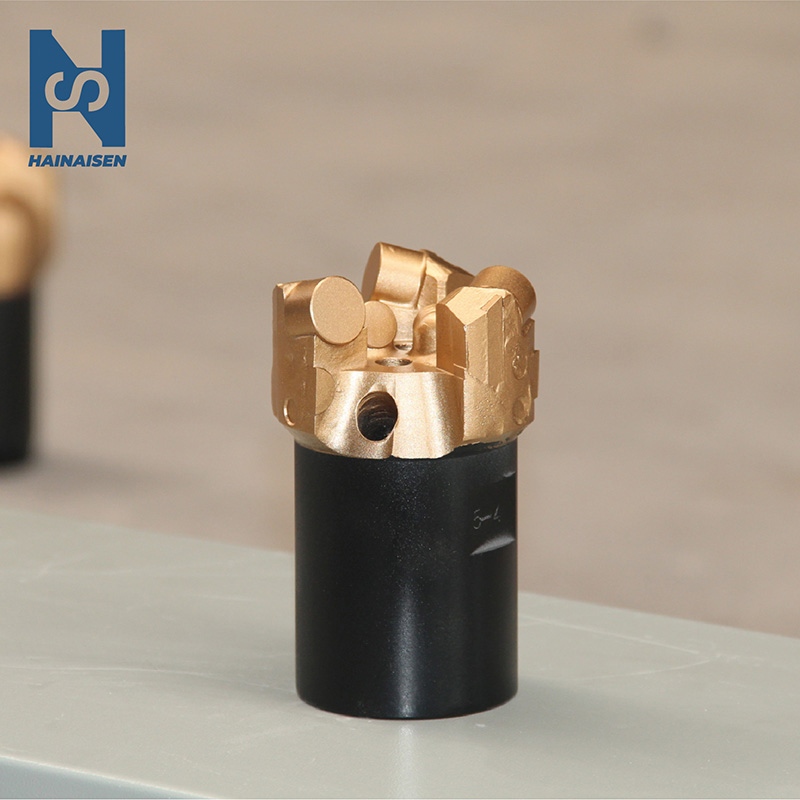 VIEW MORECoal Mining PDC Drill Bits
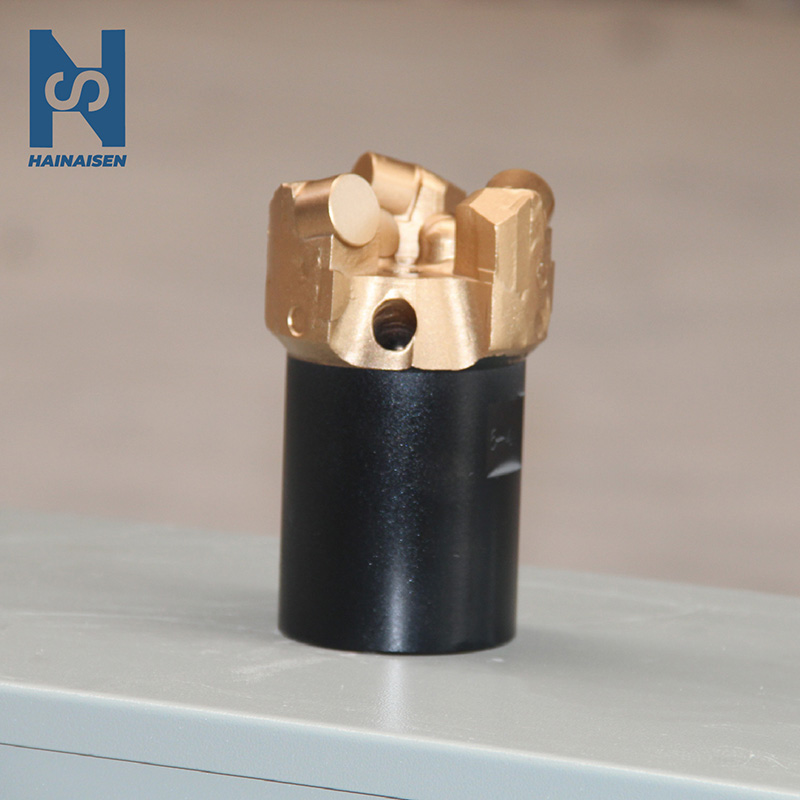 VIEW MORECoal Mining Use Diamond Drill Bit
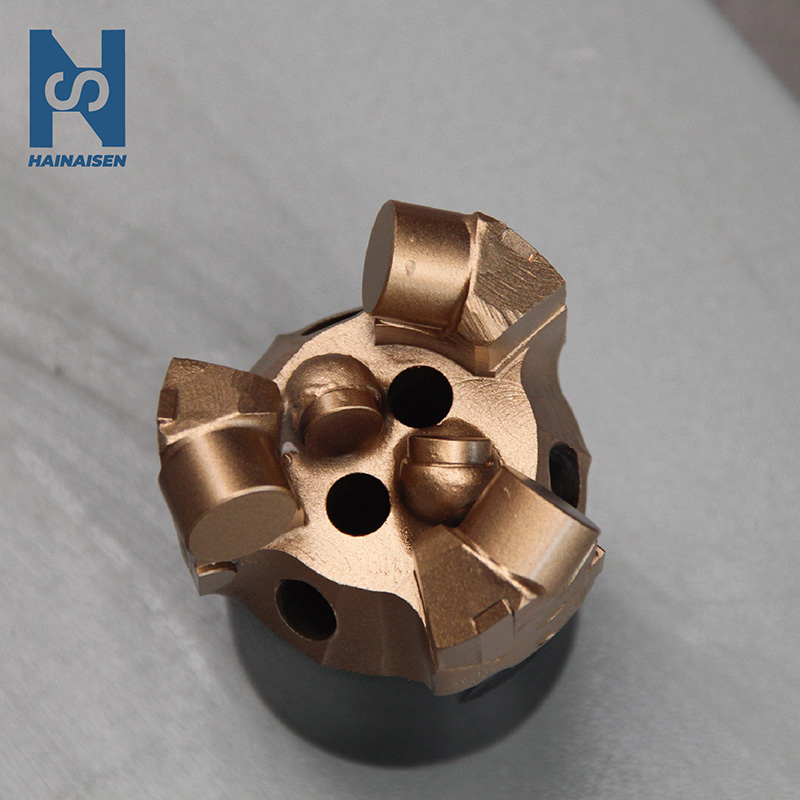 VIEW MORECoal Mines Use Haineisen PDC Drill Bits
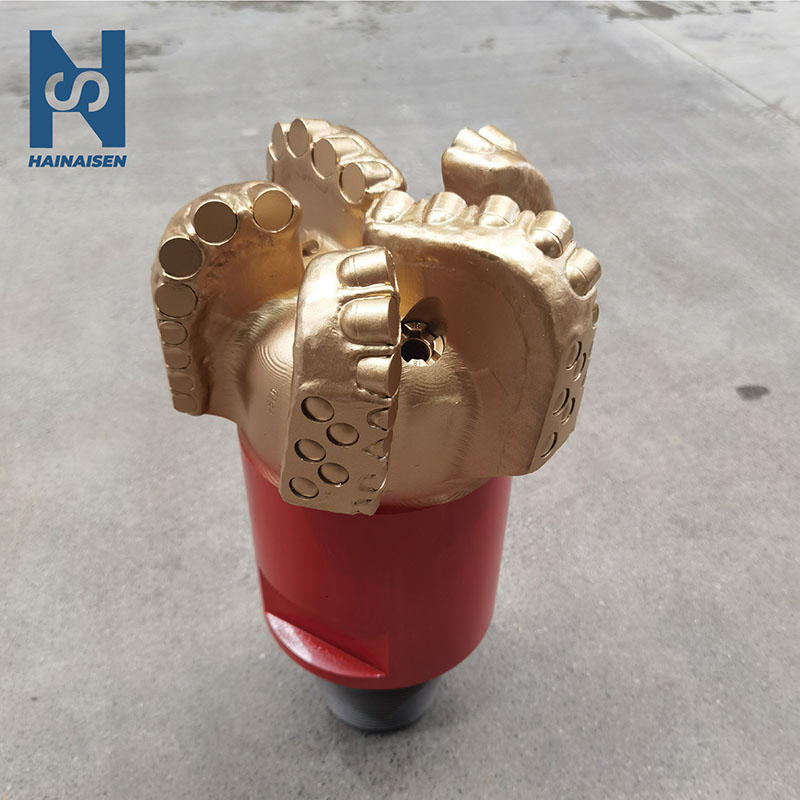 VIEW MOREFive Blade PDC Drill Bit
logo 2_1777360600432.jpg) VIEW MORECoal Mine Drilling Drill Bit Directional Three Blade PDC Drill Bit
VIEW MORECoal Mine Drilling Drill Bit Directional Three Blade PDC Drill Bitlogo 1_1768204983068.jpg) VIEW MOREPDC Core Drill Bit With 8 Blades For Hole Drilling Used In Mining
VIEW MOREPDC Core Drill Bit With 8 Blades For Hole Drilling Used In Mining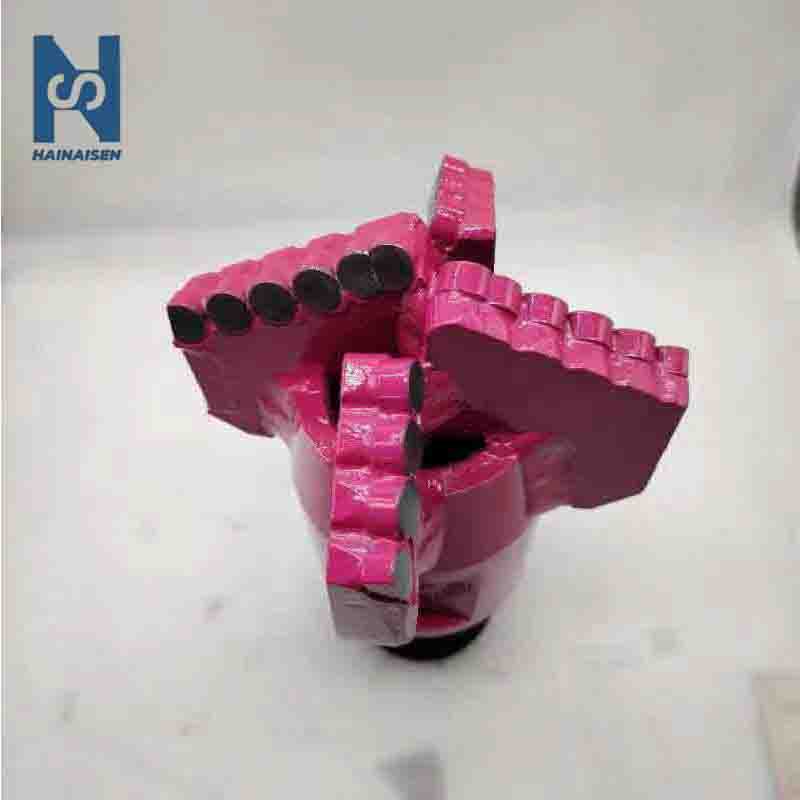 VIEW MOREAlloy Scraper Drill Bit For Water Well
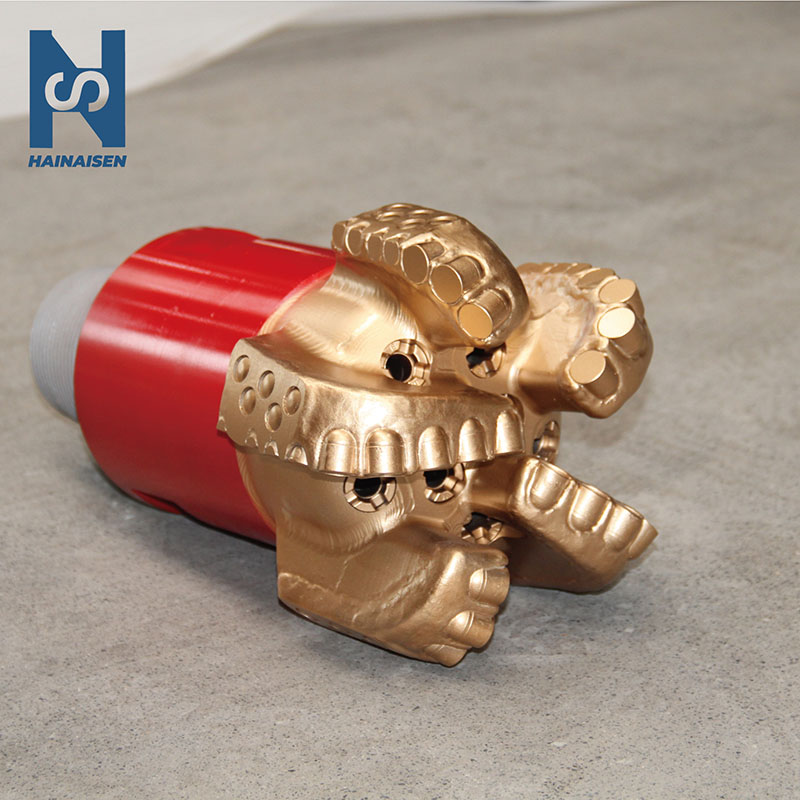 VIEW MOREDiamond Drill Bits For Oil Rigs
