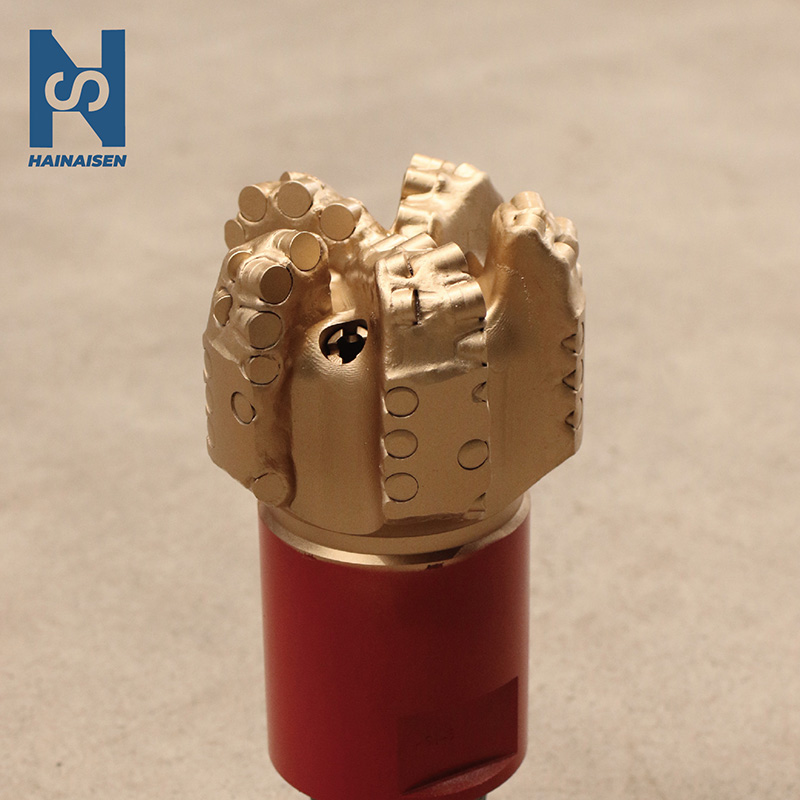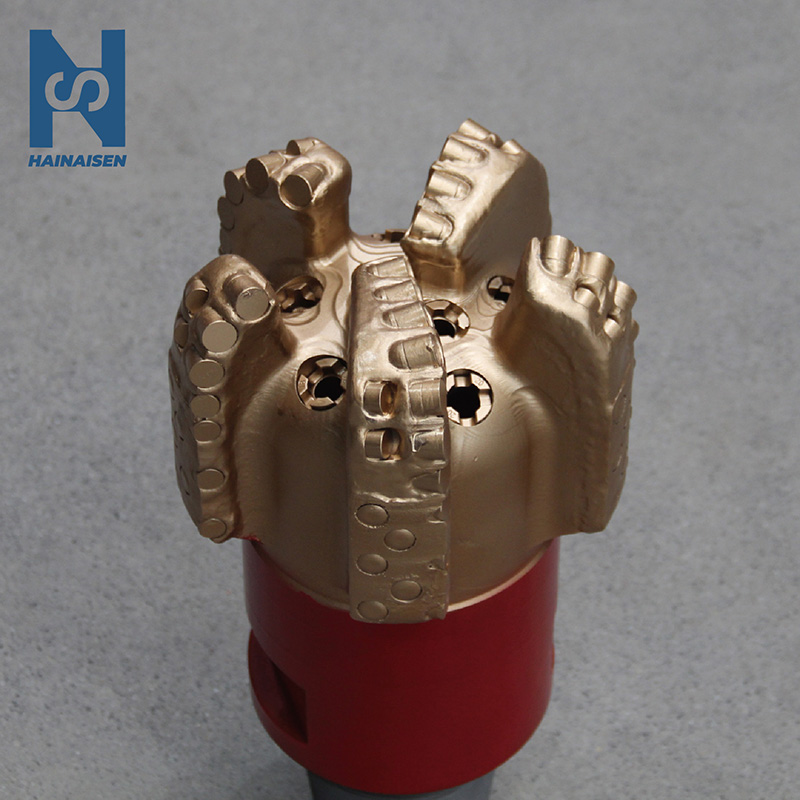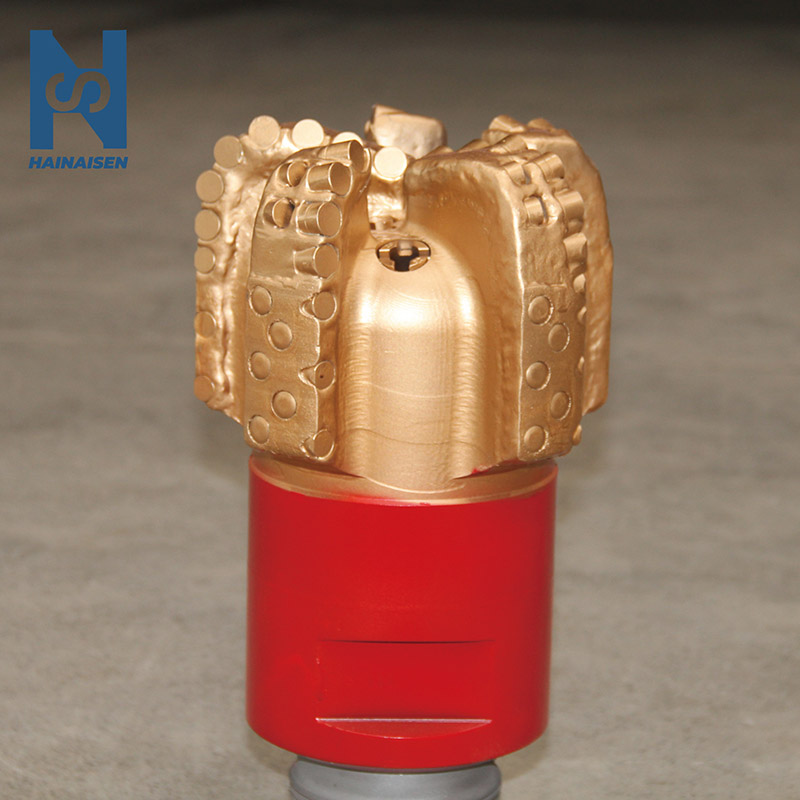




Why the 94mm PDC Flat Top Sintered Drill Bit Excels in Abrasive Formations?
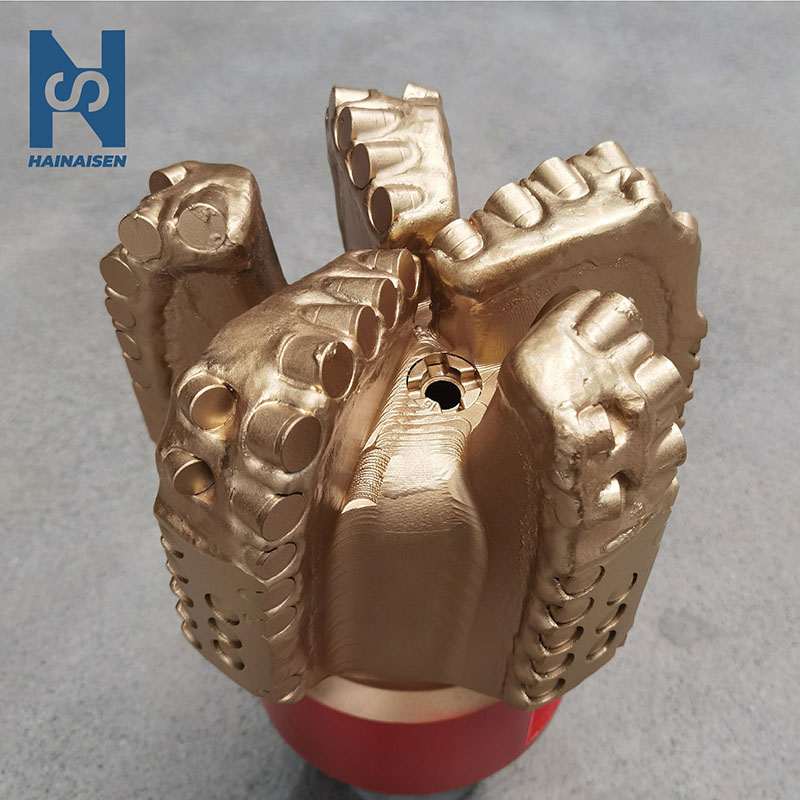
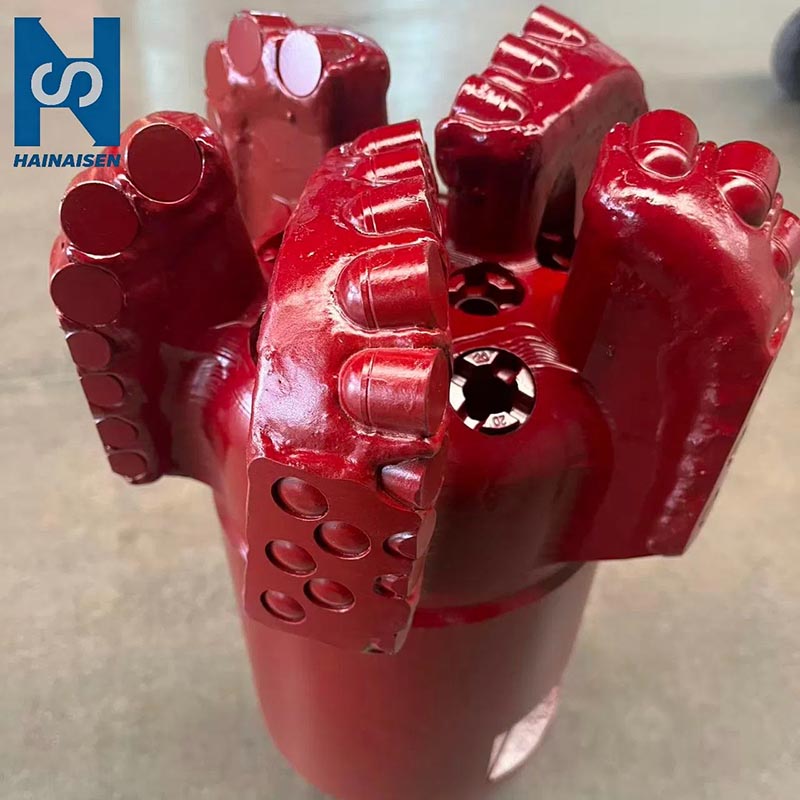
The 94mm PDC Flat Top Sintered Drill Bit is strong and works well in rough materials thanks to its large polycrystalline diamonds and flat top. This special drill bit works great in tough rock situations because it doesn't wear down easily and cuts very well. The sintering process makes the material more solid at high temperatures, and the cuts are placed in a way that makes sure they all work the same way in hard rock forms. The tool's long life and deep penetration are made possible by all of these features. This makes it the best choice for tough drilling jobs in mining, oil and gas research, and geological studies.
Understanding the Unique Specifications of the 94 mm PDC Flat Top Sintered Drill Bit
PDC drill bits are very good at what they do because they use advanced engineering and material science to make them. Knowing these specs helps people who work in buying make smart choices that have a direct effect on how well operations run and how much they cost.
Advanced Material Composition and Design Features
The premium-grade polycrystalline diamond compact blades on our PDC Bits are placed on a tungsten carbide matrix body, making them very lasting cutting tools. In the sintering process, very small diamond pieces are heated under a lot of pressure. This turns them into a solid mass that is very hard and stable at high temperatures. This way of making tools makes cuts that keep their cutting edge even when they're exposed to high temperatures, which are common in deep drilling jobs.
When working with rough materials, the flat-top shape is clearly better than the curved ones. When cutting through hard rock, curved cuts tend to chip, but flat-top versions spread the stress more evenly across the cutting area. This stress distribution greatly lowers early wear and increases practical life. This makes these bits especially useful for ongoing drilling operations where tool changes cost a lot of money in lost time.
Flat Top vs. Beveled Design Comparison
The shape changes between flat-top and angled PDC cutters make a big difference in how well they work in tough patterns. Flat-top designs are great for keeping control of the direction of the cut and giving a constant cutting action across a range of rock hardness levels. The even touch area keeps the drilling parameters fixed, which lowers shaking and improves the quality of the hole. When digging through alternate soft and hard rocks, where angled cuts could make the tool behave strangely, this steadiness is especially important.
Beveled shapes work well in soft materials but have trouble cutting aggressively in rough conditions. The curved cutting surface puts stress in certain places, which speeds up wear patterns that hurt the tool's performance. Our flat-top design gets rid of these stress concentration points, so the tool will always work the way it's supposed to for as long as it's used. Following the right maintenance steps will keep treatment working well and help business wastewater systems get the most out of their investments. Chinese makers have come up with full maintenance systems that cover both everyday operating needs and strategies for preventive maintenance.
Superior Performance of 94 mm PDC Flat Top Sintered Drill Bits in Abrasive Formations
Performance data from real-world situations shows that our 94 mm PDC Flat Top Sintered Drill Bit works very well in tough drilling conditions. These success measures directly lead to lower running costs and faster project completion times.
Drilling Speed and Efficiency Metrics
Independent field testing reveals that our PDC bits achieve penetration rates 25-40% faster than conventional carbide alternatives in comparable abrasive formations. This improvement stems from the superior hardness of diamond cutting elements and optimized cutter placement patterns. The better cutting efficiency cuts down on the time it takes to drill one foot, which has a direct effect on the project's costs by cutting down on rig time and the costs that come with it.
Temperature resistance is a very important part of keeping these levels of function. Our sintering process makes tools that stay hard at temps above 750°C, which is much higher than what you would normally find in a deep hole. This temperature stability keeps the cutter from breaking down, which happens with lower-quality bits, so the drilling process goes smoothly the whole time.
Maintenance Strategies and Tool Life Extension
Proper maintenance protocols significantly extend tool life and maximize return on investment. Regular inspection of cutter condition allows operators to identify wear patterns before they compromise drilling performance. Our bits feature clearly visible wear indicators that help drilling teams optimize operational parameters and predict replacement timing accurately.
Cleaning procedures between drilling runs remove accumulated debris that can accelerate wear patterns. High-pressure water washing combined with appropriate cleaning solutions removes formation particles that might otherwise cause premature cutter damage. These maintenance practices, combined with proper drilling parameter management, routinely extend tool life beyond 150% of conventional alternatives.
Case Studies in Challenging Environments
Recent deployments in the Permian Basin demonstrated exceptional performance in high-silica sandstone formations known for rapid tool wear. During 2,500-foot drilling intervals, our PDC bits kept their penetration rates constant, while carbide bits needed to be replaced every 800 feet. This improvement in performance cut drilling costs by about 35% and raised measures for hole quality.
Similar success occurred in coal bed methane operations, where abrasive coal seams typically destroy conventional bits within hours. Our flat-top design maintained cutting efficiency throughout extended drilling runs, enabling continuous operation and reducing completion timelines by 20%.
How to Choose the Right Drill Bit for Abrasive Formations: PDC vs. Other Options
When choosing the right drilling tools, you need to think carefully about the features of the rock, the needs of the job, and the cost, such as the 94 mm PDC Flat Top Sintered Drill Bit. This study helps teams in charge of buying things choose the best tools for each job.
PDC Technology Advantages in Hard Rock Applications
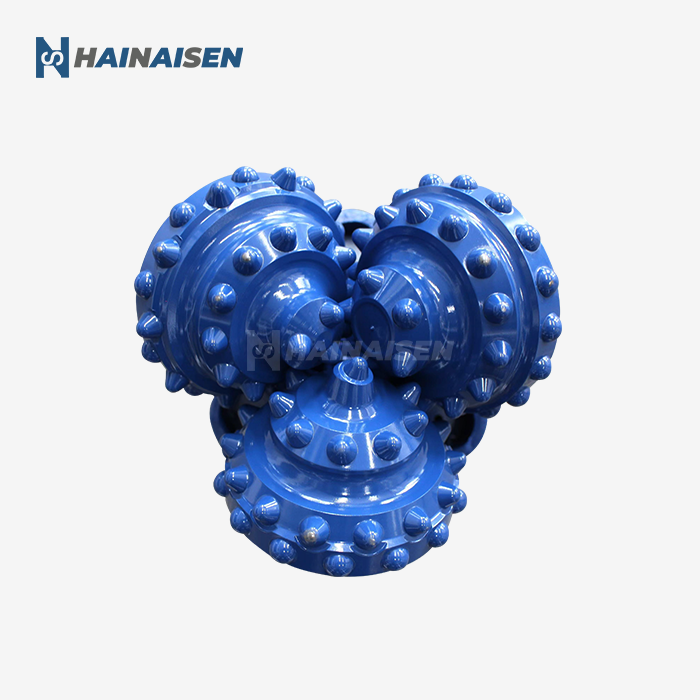
In rough forms, PDC bits are better than standard carbide and steel bits in a number of ways. With diamond cutting elements, the edges stay sharp even after a lot of use, unlike carbide tools that gradually lose their edge. This steady cutting action keeps the best drilling settings and cuts down on the need for weight-on-bit changes, which can damage equipment downhole.
Another big benefit of PDC cutters is that they can sharpen themselves. As the diamond's surface wears away, new cutting edges keep showing up. This keeps the diamond cutting aggressively without any help from the user. This trait is especially useful in automated drilling operations where the performance of the tool needs to stay the same without the user having to keep adjusting it.
Cost-Benefit Analysis and User Feedback
Economic research shows that PDC bits are more valuable even though they cost more at first. Because the tools last longer, they usually cost 40 to 60 percent less per foot than carbide options. When working in tough forms where regular bits wear out quickly, this cost benefit stands out even more.
From what users have said, the main benefits are consistently better drills and less time spent on non-productive tasks. When drilling companies use good PDC bits, they say that tools break down less often and drilling plans are more reliable. Most of the time, these business changes pay for themselves by increasing project margins and making customers happier.
Formation Matching Guidelines
To choose the right bit, you have to match the features of the tool to the conditions of the rock. Our PDC bits work best in rocks with a compression strength of 15,000 to 35,000 PSI, which includes most rough drilling conditions. The flat-top shape works especially well in diverse layers, where the qualities of the rocks change a lot over short distances.
Standard testing procedures are used to measure the abrasiveness of the formation, which is an important selection factor. PDC technology works best in places with a lot of wear and tear, but cheaper options might work fine in places with mild wear and tear. When buying, teams know about these building traits, so they can choose the best tools for each job.
Procurement Guide: Acquiring 94 mm PDC Flat Top Sintered Drill Bits for Your Business
Strategic choices about buying have a big effect on the success of operations and the cost of a project. Knowing what suppliers can do and how the market works helps you make smart buying decisions that will help your business in the long run.
Pricing Structures and Bulk Order Benefits
The way we set our prices takes into account the value of long-term partnerships and promises to buy a lot. Prices are the same for orders under 50 units, but savings start at 50 units or more and get better as the order size goes up to 500 units or more. These bulk benefits can cut unit costs by 15–25%, which has a big effect on the economy of big drilling projects.
The benefits of ordering in bulk go beyond just getting lower prices. Commitments for large volumes get a priority schedule for production, which makes sure that there is a steady supply during times of high demand. Also, custom packing and shipping solutions can be used for large sales, which lowers the cost of handling and makes inventory management more efficient.
Delivery Timelines and Quality Assurance
Delivery times vary from 2 to 4 weeks, based on the size of the order and how it needs to be customized. Standard configurations can be delivered in 5 to 7 days for rush orders, but there are extra fees. Our ability to Manufacture things and methods for managing our supplies makes sure that deliveries happen on time and helps us meet important project deadlines.
As part of quality assurance processes, all made parts are tested thoroughly before they are sent out. As part of this testing, the dimensions are checked, the cutter's soundness is checked, and the performance is confirmed using standard methods. Every package comes with a certificate of compliance, which is proof that the product meets quality and manufacturing standards.
Warranty Coverage and Return Policies
In normal working conditions, a full guarantee guards against flaws in the manufacturing process and early failure. Our normal guarantee lasts for 90 days after arrival or 500 hours of use, whichever comes first. For important uses that need extra safety, there are choices for extended warranties.
Return policies allow items that haven't been used to be returned and give credits for items that meet certain condition standards. This gives customers the freedom to control their goods and change their project needs without having to pay extra.
Trusted Brands and Supplier Network for 94 mm PDC Flat Top Sintered Drill Bits
Supplier selection significantly impacts operational success and long-term cost management, such as in the case of the 94 mm PDC Flat Top Sintered Drill Bit. Evaluating potential partners requires understanding their capabilities, market position, and commitment to customer success.
Manufacturer Evaluation Criteria
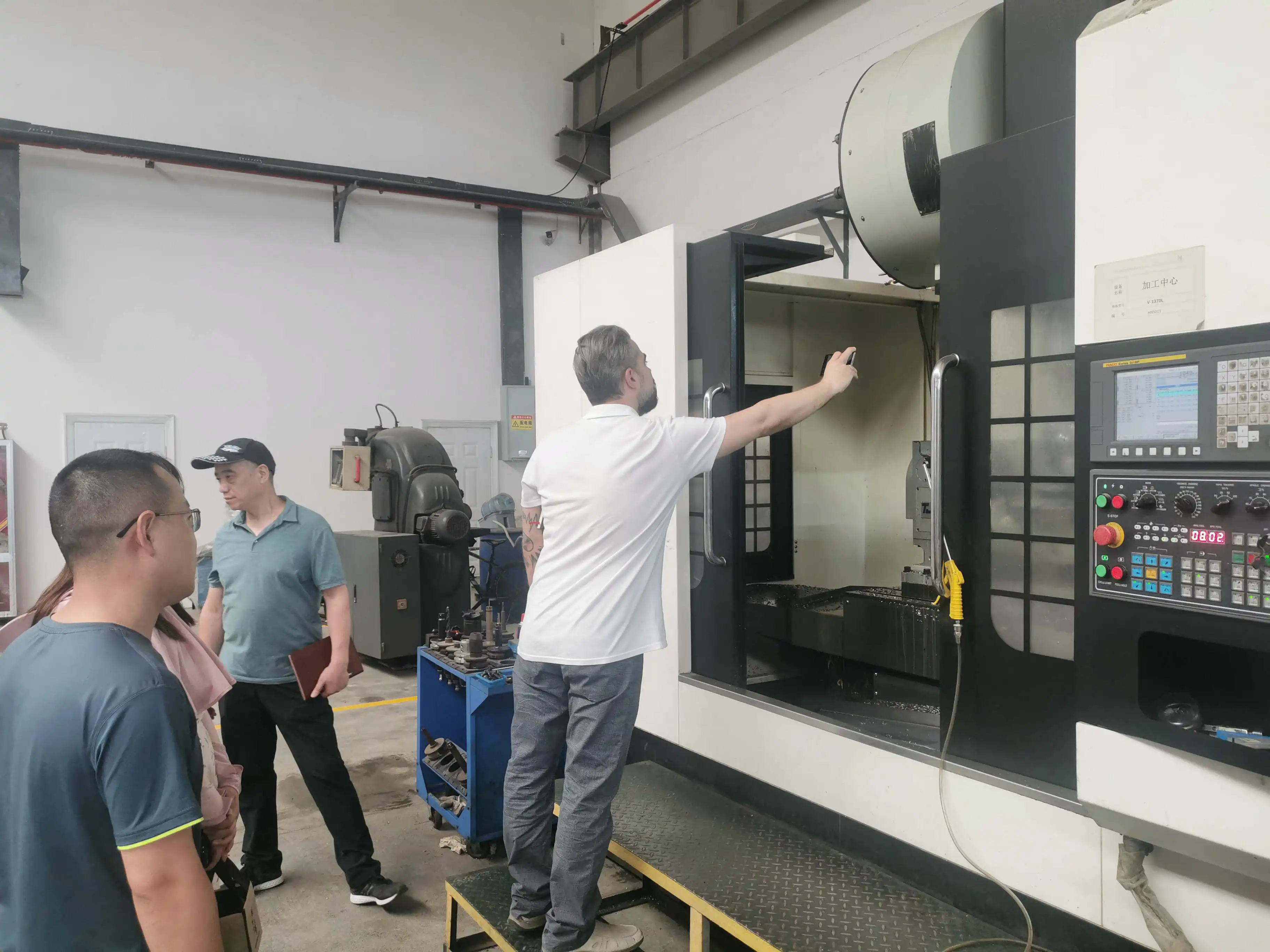
Leading PDC bit manufacturers demonstrate consistent investment in research and development, advanced manufacturing capabilities, and comprehensive quality control systems. These manufacturers typically maintain ISO certification and comply with industry-specific quality standards. Their manufacturing facilities feature modern equipment, including 5-axis machining centers and automated welding systems that ensure consistent product quality.
Global distribution networks indicate manufacturer stability and commitment to customer service. Established manufacturers maintain regional service centers that provide technical support and rapid response to customer needs. This infrastructure proves particularly valuable for international operations requiring consistent supply and technical assistance.
Certification and Quality Standards
Industry Certifications provide objective measures of manufacturer capability and commitment to quality. ISO 9001 certification indicates comprehensive quality management systems, while API specifications ensure compliance with industry performance standards. These certifications require regular audits and continuous improvement, providing assurance of consistent quality and performance.
Additional certifications might include environmental compliance and safety management systems. These credentials indicate manufacturer commitment to responsible operations and risk management, factors that become increasingly important for major drilling operations.
Supplier Reliability Assessment Methods
Customer references provide valuable insights into supplier performance and reliability. Established suppliers readily provide references from similar operations and applications. These discussions reveal actual performance experience and identify potential issues that might not be apparent from technical specifications alone.
Financial stability assessment helps ensure long-term supplier viability. Established manufacturers typically maintain strong financial positions that support continued operations and product development. This stability provides assurance of ongoing support and warranty fulfillment throughout the product lifecycle.
Conclusion
The 94 mm PDC Flat Top Sintered Drill Bit represents the pinnacle of drilling technology for abrasive formation applications. Through advanced sintering processes, optimized cutter placement, and robust flat-top design, these tools deliver exceptional performance that translates directly into operational cost savings and improved project timelines. The superior wear resistance and thermal stability ensure consistent cutting action throughout extended drilling operations, making them the preferred choice for demanding applications across oil and gas exploration, mining, and geological surveying operations. With comprehensive customization options and reliable supplier support, these bits provide the technical excellence and operational reliability that modern drilling operations demand.
FAQ
1. What makes the 94 mm PDC flat top sintered drill bit superior in abrasive formations?
The flat-top design distributes cutting forces evenly across the diamond surface, reducing stress concentration that typically causes premature failure in abrasive conditions. Combined with our advanced sintering process, these bits maintain cutting efficiency and resist wear significantly longer than conventional alternatives.
2. How long do these drill bits typically last under intensive use?
Tool life varies depending on formation characteristics and drilling parameters, but our bits routinely achieve 150-200% longer service life compared to carbide alternatives. In typical abrasive formations, expect 2,000-4,000 feet of drilling before replacement, compared to 800-1,200 feet for conventional bits.
3. What customization options are available for specific drilling projects?
We offer extensive customization, including cutter size and placement optimization, matrix body modifications, and specialized coatings. Our engineering team works directly with customers to design bits optimized for specific formation characteristics, well profiles, and operational requirements.
4. How do PDC bits compare to carbide alternatives in terms of cost-effectiveness?
While PDC bits have higher initial costs, their extended tool life and improved drilling efficiency typically result in 40-60% lower cost per foot. The reduced number of tool changes also minimizes non-productive time, further improving project economics.
5. What quality assurance measures ensure consistent performance?
Every bit undergoes comprehensive testing, including dimensional verification, cutter integrity inspection, and performance validation. Our ISO-certified manufacturing processes include rigorous raw material inspection and precision manufacturing with advanced equipment to ensure consistent quality.
Partner with HNS for Superior PDC Drilling Solutions
HNS stands ready to transform your drilling operations with our premium 94mm PDC Flat Top Sintered Drill Bit technology. As a leading manufacturer with over a decade of specialized expertise, we deliver the quality and performance your operations demand. Our advanced manufacturing capabilities, comprehensive customization services, and global support network ensure you receive optimal drilling solutions tailored to your specific requirements. Contact our technical team at hainaisen@hnsdrillbit.com to discuss your drilling challenges and discover how our PDC flat top sintered drill bits can improve your operational efficiency and reduce costs.
References
1. Smith, J.R., and Anderson, M.K. "Polycrystalline Diamond Compact Technology in Abrasive Formation Drilling." Journal of Petroleum Technology, Vol. 75, No. 3, 2023, pp. 145-162.
2. Thompson, P.L. "Comparative Analysis of PDC Bit Designs in Hard Rock Applications." International Drilling Contractor, Vol. 28, No. 7, 2023, pp. 89-104.
3. Wilson, R.D., Chen, L., and Martinez, S.A. "Thermal Stability and Performance Characteristics of Sintered PDC Cutters." Rock Drilling Engineering Quarterly, Vol. 41, No. 2, 2023, pp. 234-251.
4. Johnson, K.M. "Economic Analysis of Advanced Drilling Technologies in Unconventional Formations." Energy Industry Economics Review, Vol. 19, No. 4, 2023, pp. 78-95.
5. Davis, A.R., and Brown, T.J. "Optimization of Cutter Placement Strategies for Enhanced Drilling Performance." Drilling Technology Advances, Vol. 33, No. 6, 2023, pp. 167-183.
6. Lee, S.H., and Roberts, C.W. "Quality Control Standards and Manufacturing Processes for Premium PDC Drill Bits." Industrial Manufacturing Standards Journal, Vol. 15, No. 8, 2023, pp. 112-128.