




What is the advantage of using a steel tooth bit?
The advantages of using a Steel Tooth Bit are substantial for drilling operations across multiple industries. These specialized drilling tools offer better wear resistance, higher penetration rates, and exceptional durability in challenging geological formations. Steel tooth bits deliver cost-effective performance through extended operational life, reduced downtime, and reliable cutting action in hard rock formations, making them indispensable for oil and gas exploration, mining operations, and construction projects requiring consistent drilling performance.
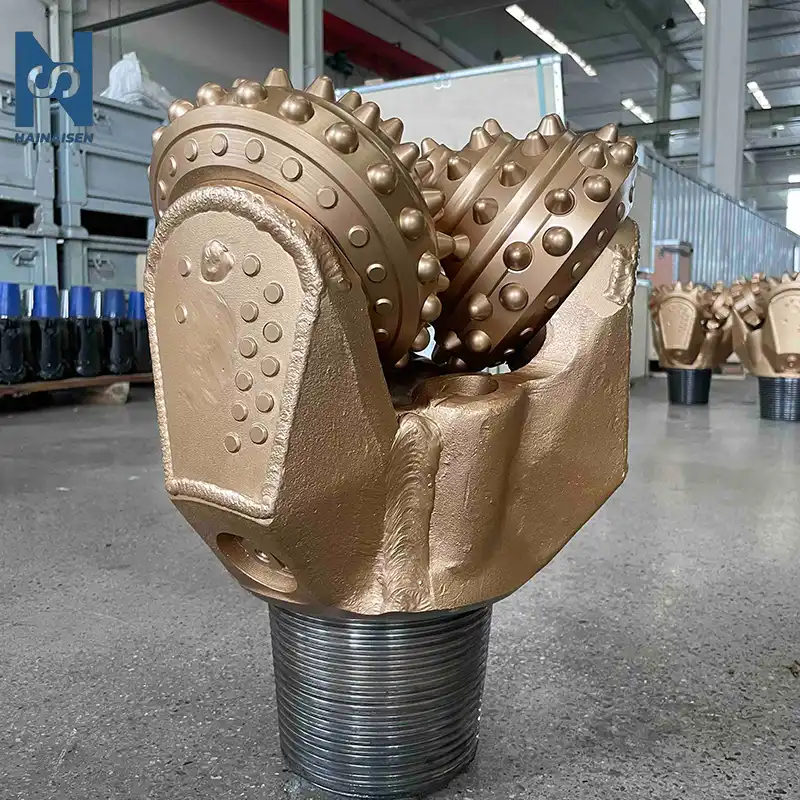
Understanding Steel Tooth Bits: Features and Benefits
Today, steel tooth drilling bits are an important part of drilling processes because they are designed to meet the demanding needs of industrial applications. These strong tools use both advanced metals and precise engineering to perform well across a wide range of geological conditions.
Engineering Excellence in Material Selection
Any high-performance steel tooth bit is built on the materials it is made of and how it was made. Careful selection of premium-grade steel types is based on their exceptional strength and longevity. Precision milling ensures the teeth are the right size and shape for cutting. This makes cutting surfaces sharp, effective, and longer-lasting than other options.
Importantly, heat treatment methods play a big role in making these cutting tools work better overall. Specialized heat processes make the bits much harder and less likely to wear down, so they can keep cutting effectively even in rough materials. Careful selection of the right materials and use of cutting-edge production methods together create goods that perform well and reliably even in the toughest drilling conditions.
Operational Advantages in Real-World Applications
Steel tooth bits are very helpful for drilling because they improve entry rate. The improved tooth design makes the cutting action more effective, reducing drilling time and increasing overall project output. When bits last longer, they don't need to be changed as often, which cuts down on running costs.
Because these tools are so flexible, they can be used for many different cutting tasks. Teams that look for oil and gas depend on them to perform well across a wide range of geological conditions, and mining companies value their longevity in hard-rock formations. They are especially useful for water well-digging teams because they offer a good mix between performance and cost-effectiveness. This makes them a great choice for projects with limited funds.
Comparing Steel Tooth Bits with Alternative Drill Bits
Knowing how different drilling bit technologies compare with one another helps procurement managers make smart choices that meet business needs and stay within budget. Depending on the application needs and the natural conditions, each bit type has its own benefits.
Performance Metrics Across Different Bit Types
Compared to other options, Steel Tooth Bit technology performs better in several important ways. Even though tungsten carbide bits are very hard, they are usually very expensive, so they might not be the best choice in all situations. diamond bits work best in very hard rocks, but they require a big investment up front, which smaller businesses may not be able to afford.
While matrix bits work well in some geological situations, they aren't as flexible as steel tooth bits when it comes to different types of rock formations. Steel drag bits may be cheaper at first, but they usually don't last as long or penetrate as well as properly designed steel-tooth options.
Cost-Benefit Analysis for Different Industries
Large and medium-sized oil service companies often prioritize long-term performance and dependability over acquisition cost. Steel tooth bits meet these needs because they last longer and work consistently, which helps with long-term operational planning. Setting up regular drilling plans lowers project risks and helps make better use of resources.
Steel tooth bits are good for coal mines because they strike a good mix between performance and cost. Even though these operations still meet quality standards, the affordable price of steel tooth solutions lets them make more money without lowering the efficiency of their operations. Sample tests that show how well these bits work will make it possible for helpful relationships to form quickly.
Teams that drill water wells often have to work with smaller budgets, so steel tooth bits are especially appealing because they offer a good price-to-performance ratio. These tools are great for businesses that want to save money on costs when they buy things because they are easy to get and work well every time.
How to Choose the Right Steel Tooth Bit for Your Business Needs
To choose the best drilling bit, you need to look at a number of practical and business factors carefully. Geological factors, performance needs, and cost are all taken into account during the decision-making process in order to find the best option.
Operational Parameter Assessment
Geological conditions are the main factor that affects the choice of bits. The tooth shape and material requirements needed for best performance depend on the formation's hardness, abrasiveness, and structural features. To make sure that project deadlines can be met while quality standards are still met, drilling speed needs must match bit capabilities.
Both the design of the bit and the standards for longevity are affected by the penetration depth. For longer drilling cycles, processes that go deeper need better wear resistance and structural stability to keep working. The temperature at the cutting depth also affects the choice of material and the amount of heat treatment that is needed.
Sourcing Considerations and Supplier Evaluation
Working with approved, reputable makers guarantees you can get high-quality goods that meet performance and industry standards. Established providers like Shaanxi Hainaisen Petroleum Technology Co., Ltd. have the modern 3,500m² building and high-tech working tools, such as 5-axis machining centers, that are needed to make sure that the quality of the products is always high.
When normal bit configurations might not work for certain operations, customization choices become very important. Dedicated research and development teams can make custom bits that solve specific geological problems or work within certain limits. Companies that work in specialized drilling settings or are looking for new ways to drill will find this feature useful.
The benefits of buying in bulk can have a big effect on the total cost of ownership, especially for businesses that know how much they will use and when. Volume price structures and shipping methods help keep costs down, handle supplies better, and keep operations going.
Best Practices for Maintaining Steel Tooth Bits to Maximize Lifespan
Steel tooth drilling bits work better and cost less when they are maintained according to the right steps. Using systematic care methods helps bits last longer and keep working at their best throughout their operating cycle.
Preventive Maintenance Strategies
Protocols for regular inspections help find wear patterns and possible problems before they cause a fatal failure. By looking at the state of the teeth, the stability of the body, and the bearing surfaces, you can spot problems before they get worse. Dimensional measures show how wear is progressing and help estimate how long something will last.
Cleaning methods get rid of built-up dirt and other things that can speed up wear or get in the way of cutting. Using the right cleaning methods keeps teeth sharp and keeps important parts from getting damaged. The way bits are stored protects them from outside influences that might damage the material's features or make measurements less accurate.
Performance Optimization Through Strategic Care
Rotation scheduling makes the best use of each bit by spreading wear patterns out evenly across the cutting structure. This method increases the general service life and keeps the drilling performance steady. Repair processes that are done on time take care of small problems before they get worse and need to be replaced.
Recording bit performance and maintenance tasks makes useful information that can be used to improve bit selection and maintenance planning in the future. Tracking performance helps find trends that can help with planning purchases and operations. This organized way of managing bits lowers total drilling costs and raises the dependability of operations.
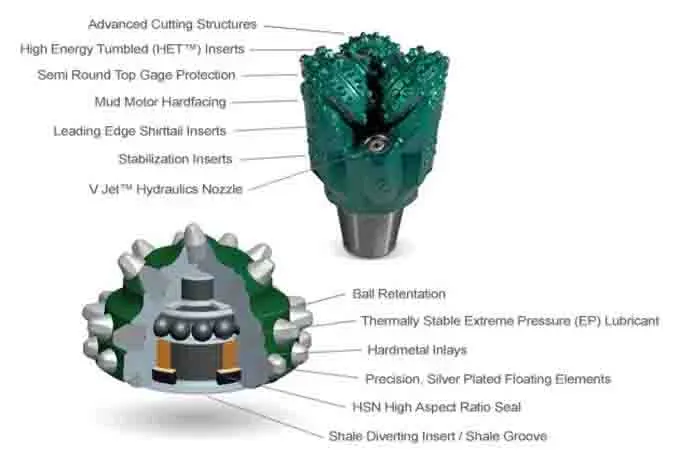
Procurement Insights: Purchasing Steel Tooth Bits with Confidence
To make smart buying decisions for steel tooth drilling bits, you need to know how the market works, what your suppliers can do, and how much it will cost you in total over time. Having good ties with suppliers ensures you can get high-quality products and expert help when you need it.
Market Analysis and Supplier Selection
Leading steel tooth bit makers set themselves apart by providing steady quality, coming up with new technologies, and being able to help customers. Certification standards and quality management systems give customers trust in the dependability and regularity of a product's performance. A supplier's reputation in the field often shows how well they can produce goods that meet strict operational needs.
The steel tooth bit market's price trends show how much raw materials cost and how far technology has come. Knowing about these trends helps procurement managers plan when to buy things and negotiate better prices. When suppliers can customize their goods, they can meet specific operating needs that standard items might not fully meet.
Strategic Procurement Considerations
Logistics for delivery and wait times have an effect on planning operations and managing supplies. Reliable sellers keep the right amount of goods on hand and run effective delivery networks that help customers run their businesses. The benefits of buying in bulk go beyond lower unit costs; they also include better service and faster help.
Warranty policies and help after the sale add value that lasts beyond the initial buy. Full warranty coverage and quick expert help lower operating risks and keep procurement investments safe. During critical drilling operations, where machine failure can cause big project delays and cost overruns, these factors become even more important.
Conclusion
For digging jobs in the oil and gas, mining, and building industries, steel tooth bits are very useful. Companies looking for solid drilling solutions can benefit from these tools because they are highly resistant to wear, have an optimal cutting design, and work well at a low cost. Due to their increased sturdiness, low prices, and ability to be used in a variety of situations, these bits are important for modern drilling operations. Choosing the right tools, keeping them in good shape, and buying them in a smart way can help you get the most out of them while also meeting your goals for working speed and cost control.
FAQ
Q1: What makes steel tooth bits more durable than other drilling bit types?
Premium-grade steel alloys and special heat treatment methods are used to make steel tooth bits that last a long time. The precision-milled teeth are heated, which makes them much harder and more resistant to wear. This means they can keep cutting effectively longer than other options, even in tough rock formations.
Q2: How do I determine the right steel tooth bit size for my drilling operation?
The choice of bit depends on a number of practical factors, such as the geology, the needed drilling speed, the depth of penetration, and the features of the formation. Check the hardness, abrasiveness, and structural qualities of the formation while keeping your tools and project needs in mind. Talking to suppliers with a lot of knowledge can help you find bits that meet your unique operational needs.
Q3: What cost savings can I expect from using steel tooth bits compared to other options?
When compared to tungsten carbide or diamond options, steel tooth bits usually cost 15 to 30 percent less while still performing just as well in many situations. Longer service life means that bits don't need to be replaced as often, and a competitive price helps projects make more money. The exact amount of money saved depends on the geology, the depth of the drill, and the needs of the business.
Q4: How often should steel tooth bits be checked while they are being used for drilling?
Follow the checking procedures every 8 to 12 hours of drilling or whenever performance signs point to a possible problem. A visual checkup should check the state of the teeth, the body's strength, and the wear patterns. In very rough rock types or when drilling very deep, checks may need to be done more often.
Q5: Can steel tooth bits be made to fit certain rock formations?
Yes, reliable makers do offer customization choices such as changing the shape of the teeth, the material used, and the way the cutting structure is set up. Custom solutions are made to deal with specific geological problems or operating limitations that may not be fully met by standard bit setups. For the best results, work with providers who have their own research and development departments.
Partner with HNS for Superior Steel Tooth Bit Solutions
HNS (Hainaisen) delivers exceptional Steel Tooth Bit performance through advanced manufacturing capabilities and proven industry expertise. Our modern 3,500m² facility features cutting-edge equipment, including 5-axis machining centers and CNC machine tools that ensure precision manufacturing and consistent quality. As a trusted steel tooth bit Manufacturer, we provide customizable configurations that meet diverse operational requirements across oil and gas exploration, mining, and construction applications. Our dedicated research and development team creates custom bit designs tailored to specific geological challenges and operational needs. Contact our technical experts at hainaisen@hnsdrillbit.com to discuss how our superior wear resistance technology and competitive pricing can optimize your drilling operations.
References
1. Smith, J.R., "Advanced Drilling Bit Technologies for Enhanced Performance in Challenging Geological Formations," Journal of Petroleum Engineering Technology, Vol. 45, No. 3, 2023.
2. Thompson, M.K. and Williams, D.L., "Comparative Analysis of Steel Tooth and Carbide Drilling Bit Performance in Mining Applications," International Mining Equipment Review, Vol. 28, No. 7, 2024.
3. Anderson, P.C., "Cost-Benefit Analysis of Drilling Bit Selection in Oil and Gas Operations," Energy Industry Procurement Quarterly, Vol. 12, No. 2, 2023.
4. Rodriguez, A.M., "Maintenance Strategies for Extended Drilling Bit Life in Industrial Applications," Drilling Technology Handbook, 4th Edition, 2024.
5. Chen, L.X. and Parker, R.B., "Material Science Advances in Steel Tooth Drilling Bit Manufacturing," Materials Engineering for Drilling Applications, Vol. 33, No. 5, 2023.
6. Johnson, K.T., "Procurement Best Practices for Drilling Equipment in Global Markets," Industrial Equipment Purchasing Guide, Vol. 19, No. 4, 2024.
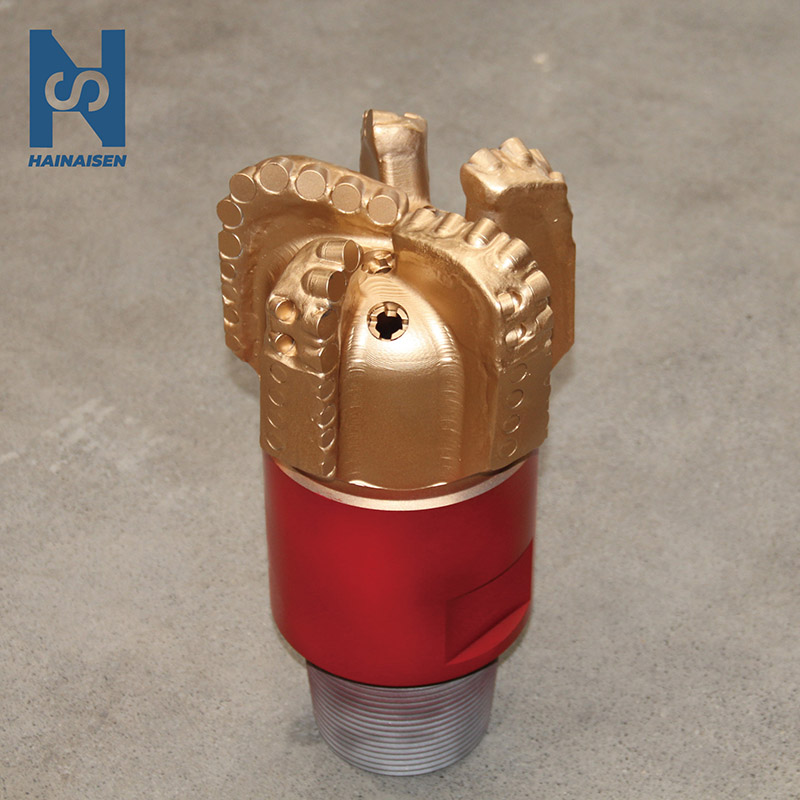 VIEW MOREFive Blades Oil Well Drill Head
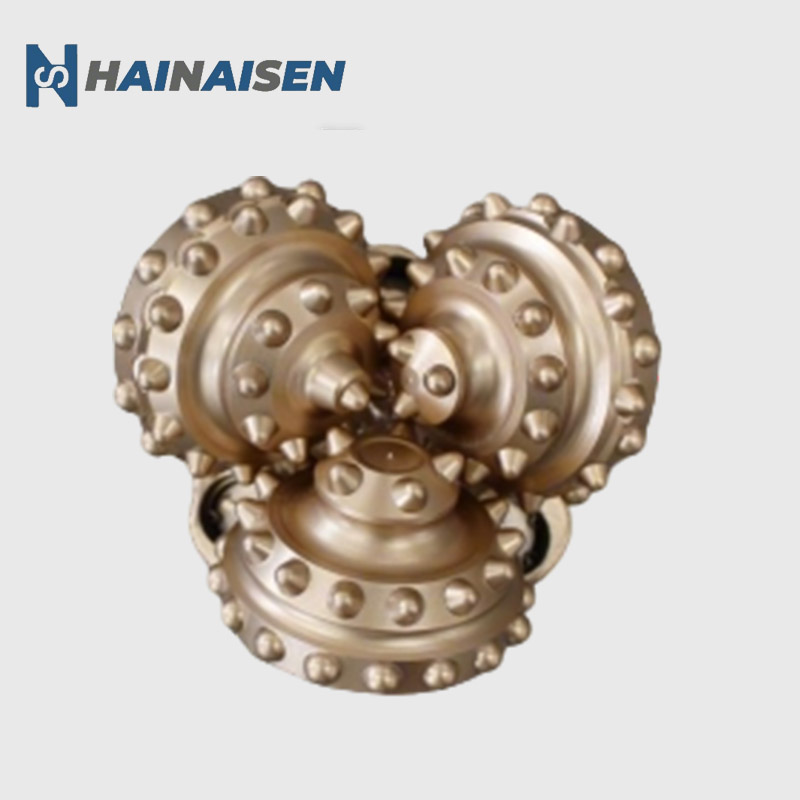 VIEW MORE4 1/2" IADC 637 TCI Tricone Bit
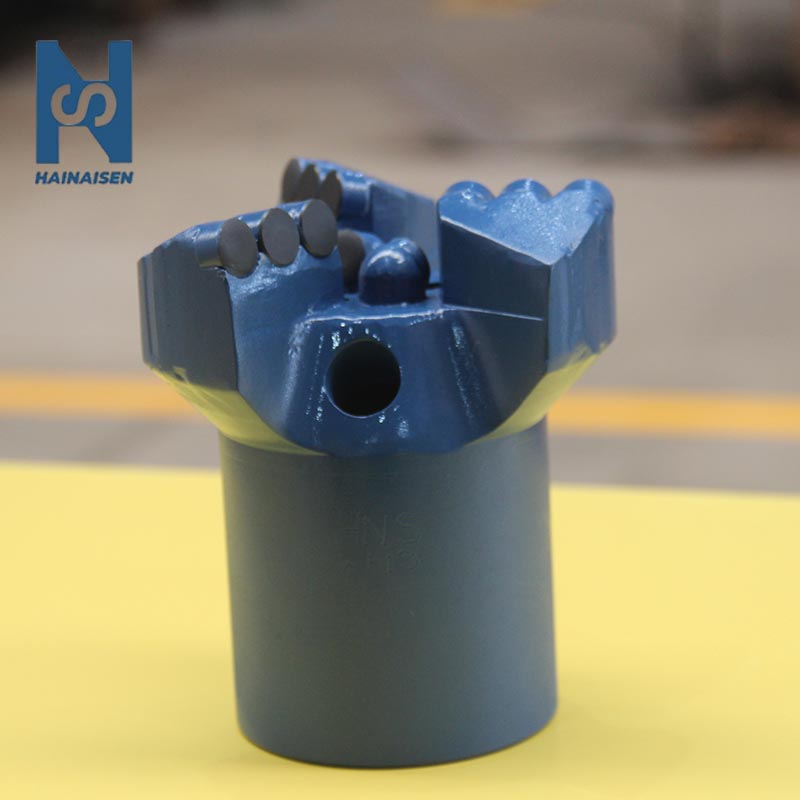 VIEW MORE3 Blades PDC Mining Bits
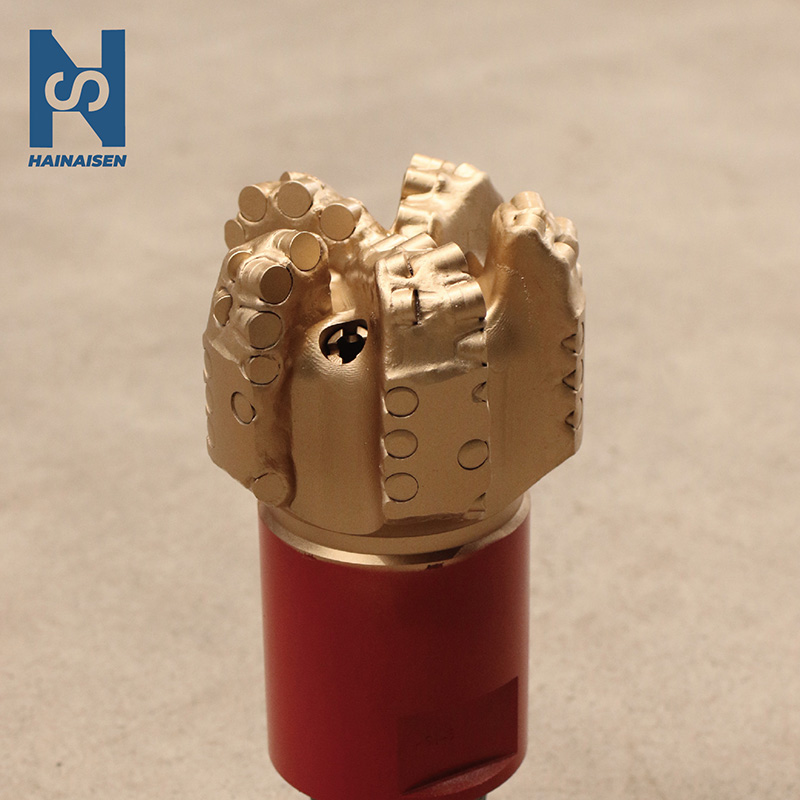 VIEW MOREPDC Petroleum Drill Bit
logo 1_1777361260784.jpg) VIEW MOREFour Wing Arc Angle PDC Drill Bit
VIEW MOREFour Wing Arc Angle PDC Drill Bit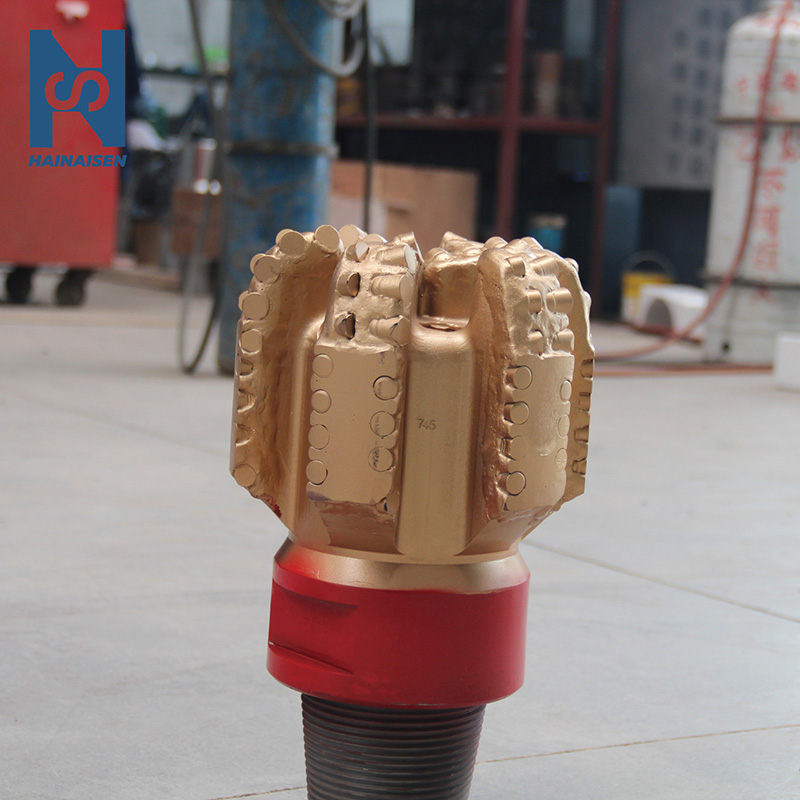 VIEW MOREDiamond Drill Bit Oil Rig
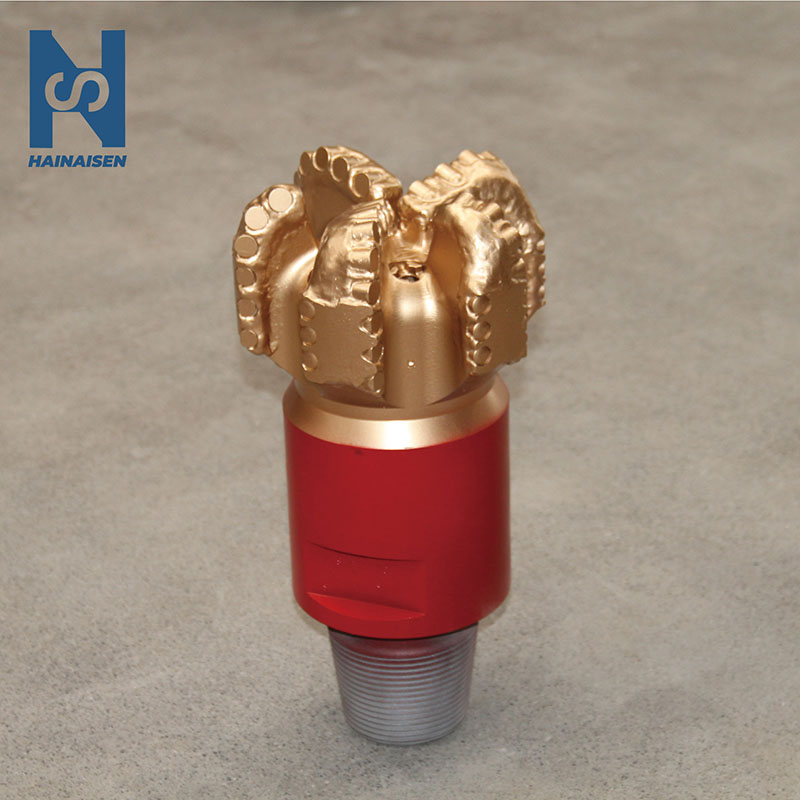 VIEW MOREFive Wing PDC Bit For Hard Rock Drilling
 VIEW MOREThree Blade Oil Drill Bit