Why Is a PDC Petroleum Drill Bit Essential in Oil Drilling?
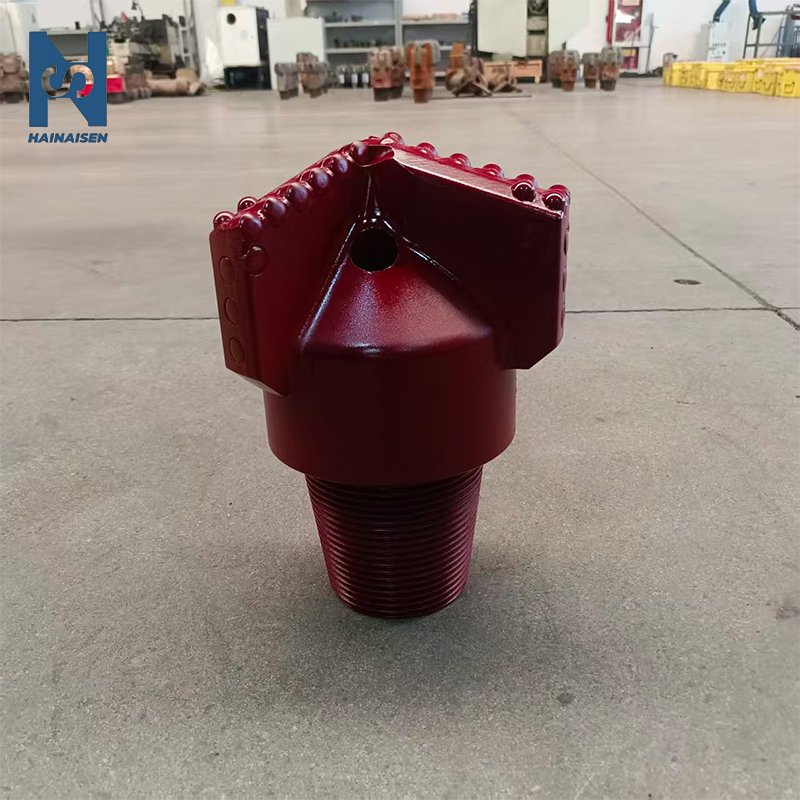
A PDC Petroleum Drill Bit is the most advanced drilling tool available today. It uses polycrystalline diamond compact cuts to provide the best performance in oil research tasks. These high-tech drilling tools have changed the oil business by offering better penetration rates, longer operating lives, and high stability across a wide range of geological formations. The synthetic diamond cutters are attached to tungsten carbide substrates to make a cutting device that slices through rock forms instead of crushing them. This lets oil and gas companies around the world drill more quickly and for less money.
Understanding PDC Petroleum Drill Bits and Their Role in Oil Drilling
The physics behind polycrystalline diamond compact bits is the result of decades of progress in drilling tool technology. These high-tech tools have fake diamond cutters placed on the bit body in a way that removes rocks most efficiently and speeds up the cutting process.
Advanced Cutting Structure Design
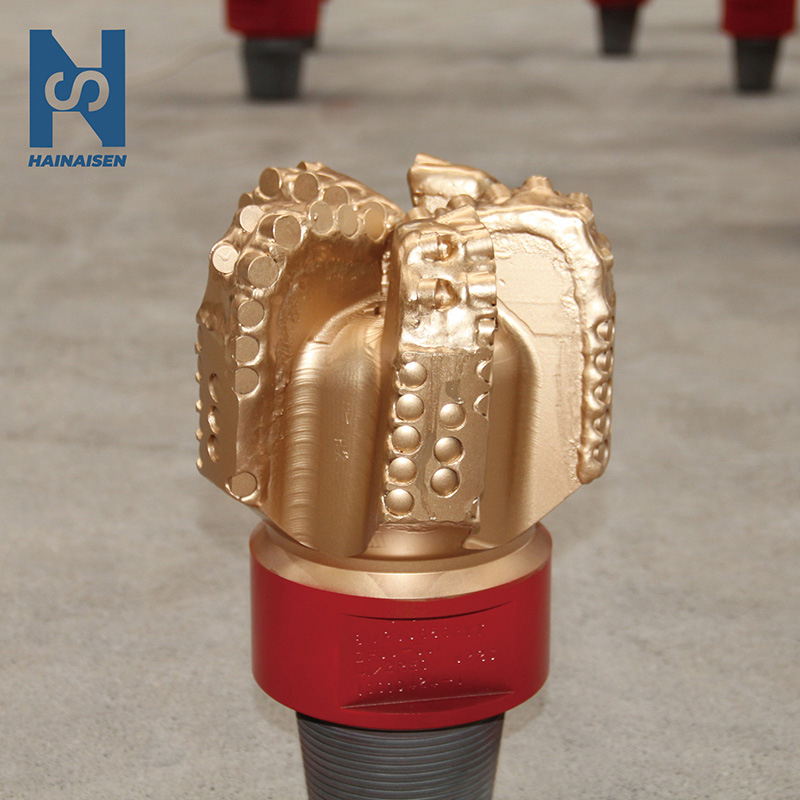
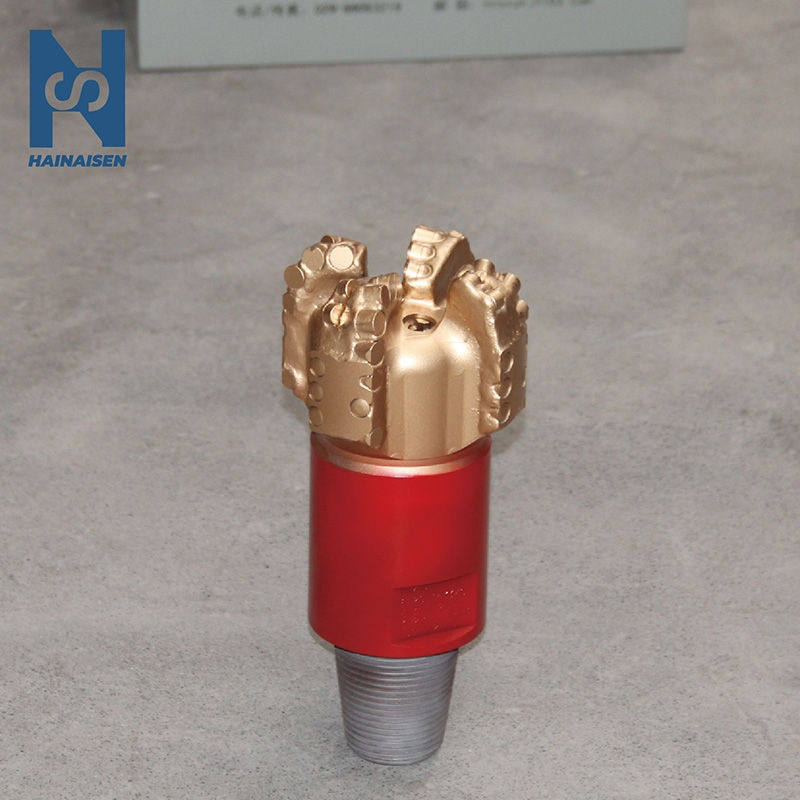
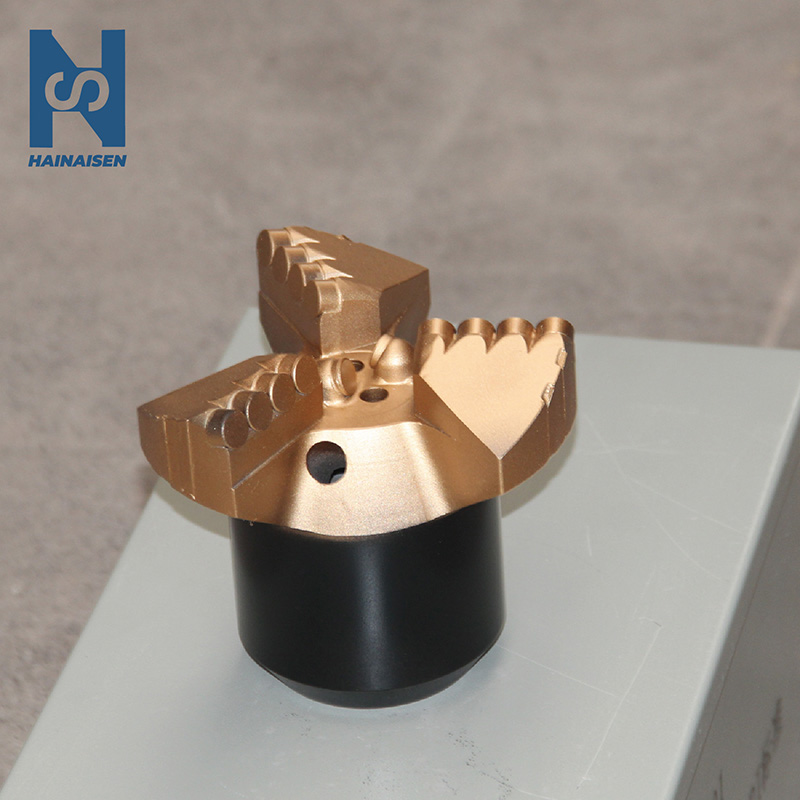
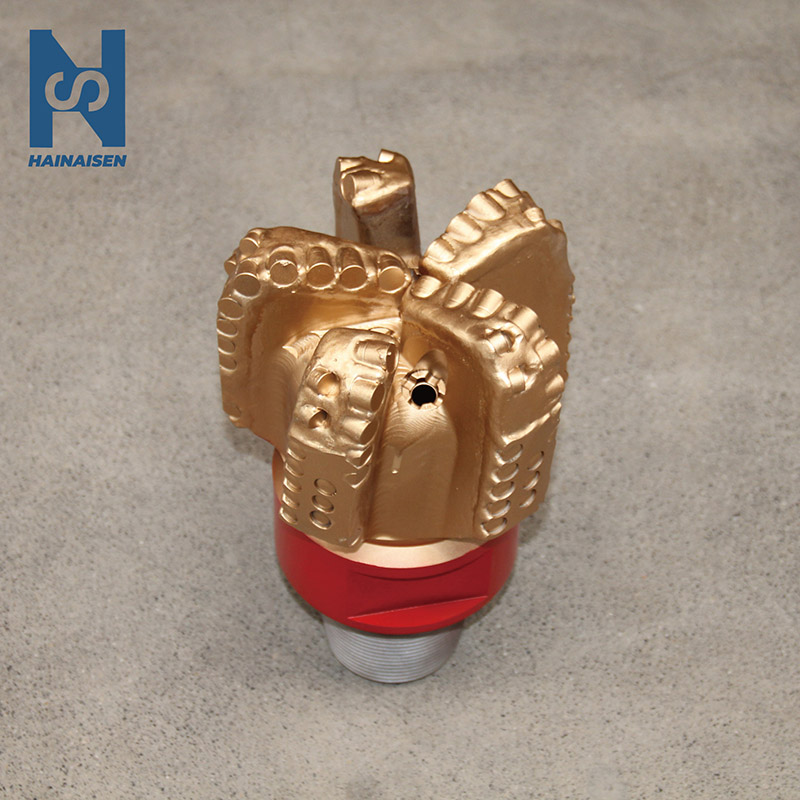
Precision diamond bits are built around their cutting elements, which are made up of layers of manmade diamond fused to tungsten carbide under very high temperatures and pressures. With this method of production, cuts stay sharp for a lot longer than with other methods. The cutting action is a continuous slicing motion that gets rid of rock chips quickly and with little heat, which keeps the bit and drilling tools from wearing out.
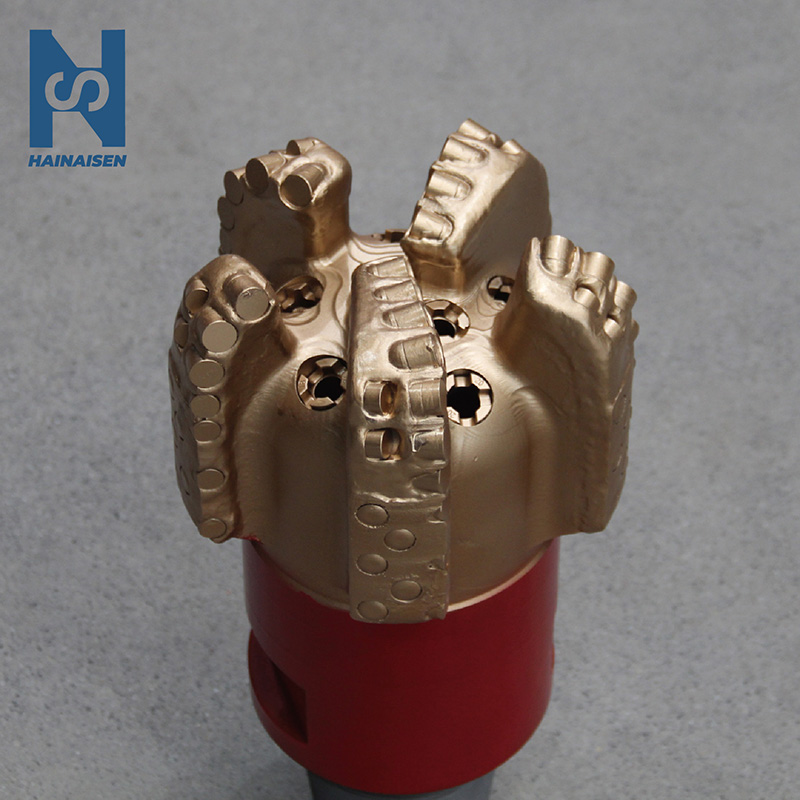
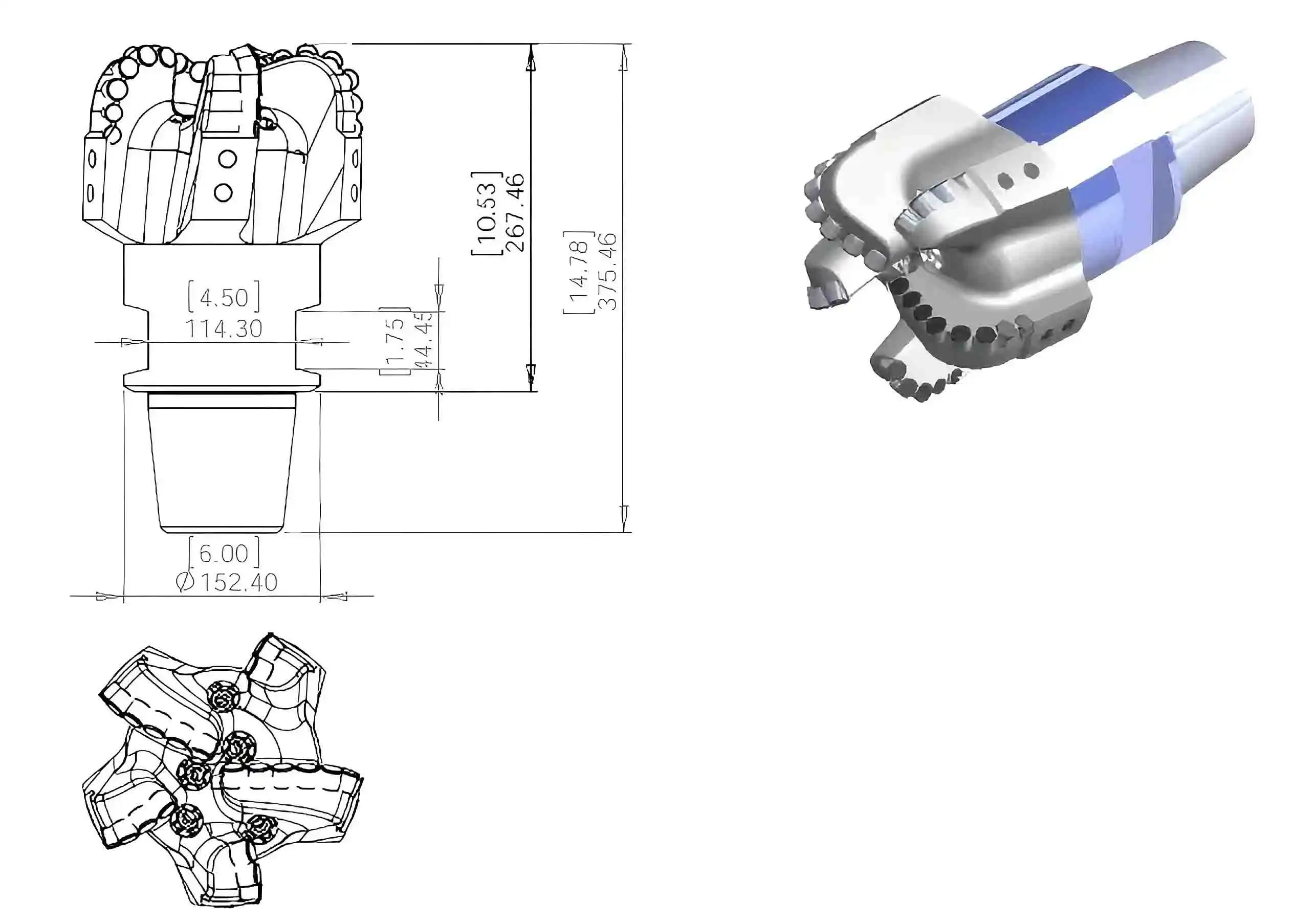
Modern PDC Bits have more than one blade setup. For example, our 9.5-inch type has five carefully placed blades that hold 75 13mm and 19mm cutters. This setup makes sure that the bit's weight is evenly distributed and that it cuts across the whole face, so it can achieve steady penetration rates even in tough patterns.
Hydraulic Optimization Through Nozzle Design
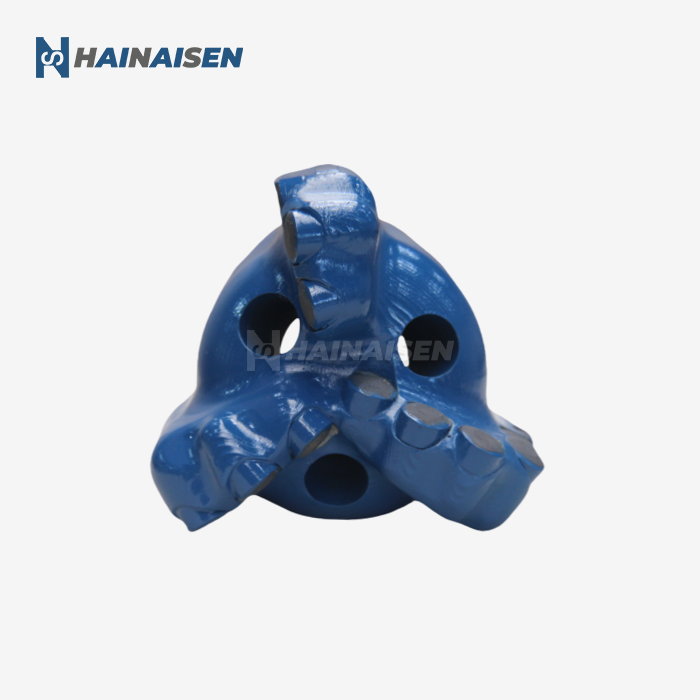
The flow of drilling fluid is very important for bit performance, and PDC bits make this happen with carefully designed tip systems. Our design has seven nozzles that make chaotic flow patterns. These patterns successfully remove rock chips from the bit face while keeping the cutting elements cool. This hydraulic system keeps the cutting efficiency high even during long drilling operations by stopping the bit from balling.
The 78mm gauge length gives you great control over direction and wellbore quality, and the 460mm height makes sure the structure stays strong even when there is a lot of force. When you mix these specs with the 6-5/8 REG.PIN connection, you get solid performance in tough drilling conditions.
Key Advantages of Using PDC Drill Bits Over Traditional Bits
When performance measures are compared to those of traditional roller cone and diamond-impregnated bits, it's clear that PDC technology is better. These benefits directly mean lower running costs and faster project completion times for drilling companies.
Superior Penetration Rates and Operational Efficiency
In the right formations, PDC Petroleum Drill Bit consistently show penetration rates that are 200–300% higher than standard options. Roller cone bits have intermittent impact forces that are eliminated by the constant cutting action. This makes drilling processes smoother and less vibrational. This better drilling dynamic makes downhole tools last longer and requires less upkeep for the whole drilling assembly.
Research done in different types of shale rocks shows that PDC bits keep working well even as they wear down. This is different from roller cone bits, whose performance drops a lot as their bearings wear out. Since there are no moving parts, there are no risks of bearing failure, which is what usually causes bits to break too soon in traditional designs.
Extended Bit Life and Reduced Downtime
Because polycrystalline diamond cuts are so resistant to wear, PDC bits can be used for a lot longer before they need to be replaced. Industry research shows that PDC bits can drill three to five times farther than similar roller cone bits before they need to be replaced. This longer operating life cuts down on the number of expensive round trips needed to change bits, which has a direct effect on the project's cost-effectiveness.
Stability at high temperatures is another important benefit. PDC cutters keep cutting well at temperatures deep underground that would make steel-toothed options less effective. When digging deep into the ground and the temperature below goes above 300°F, the thermal stability is very useful.
Advanced Material Technology and Customization Options
Modern PDC production uses modern metals and cutting element design to solve specific problems in the creation process. Different types of rock, from soft shales to hard carbonates, require different types of knife shapes to work best. These include beveled and chamfered designs. With these new technologies, drilling experts can choose bits that are especially made for the formations they want to dig into.
Drilling workers can get tools that are perfectly matched to their needs because PDC bits can be customized for different uses. Custom designs can include different cutter sizes, blade shapes, and hydraulic features that work best with certain well types or rock conditions.
How to Choose the Right PDC Drill Bit for Your Petroleum Drilling Needs?
To choose the best PDC Petroleum Drill Bit, you need to carefully look at the geology, your drilling goals, and the limitations of your operations. The selection method has an effect on both the success of the drilling right away and the long-term costs of the project.
Formation Analysis and Bit Selection Criteria
A thorough review of the formation, including rock strength, abrasiveness, and drilling traits, is the first step in choosing the right bit. For soft to medium formations, aggressive PDC designs with bigger cutters and higher back rake angles usually work well. On the other hand, harder formations need more conservative shapes with better cutter support.
The IADC classification system gives consistent advice on which bits to use. For example, our S123 name means that it is good for soft forms with low compressive strength. Based on data from offset wells and geological studies, this classification helps drilling engineers match the features of the bit to the conditions they expect to face while drilling.
Economic Analysis and Total Cost of Ownership
When judging PDC bits, you need to look at more than just the initial purchase price. You also need to look at the total drilling costs, which include entry rates, bit life, and the costs of running the bit. Even though PDC bits cost more at first, they often end up being cheaper in the long run because they cut down on trip time, allow for longer drilling gaps, and produce better holes.
When doing a cost-benefit analysis, you should think about things like rig day rates, crew costs, and the time that might not be used for work because of bit problems. Many users think that expensive PDC bits are worth the extra money because they work better and are more reliable, even though they cost more up front.
Manufacturer Selection and Quality Assurance
Choosing a reputable maker, such as PDC Petroleum Drill Bit, will make sure that the quality and performance of the bits stay the same. Suppliers that have been around for a while, like HNS, offer full expert support, which includes help with bit selection and performance analysis. Manufacturers of good products follow strict testing procedures and provide full specifications that help customers make smart buying choices.
Custom design services for unique uses and quick technical help during the cutting process should be available from the supplier. There are refurbishing services that can make bits last longer and lower total drilling costs in some cases.
Maintenance, Common Issues, and Troubleshooting of PDC Drill Bits
Maintenance and operating procedures have a big effect on how well and how long a PDC bit lasts. By learning about typical failure modes, drilling teams can get the most out of their bits and keep them from breaking down too soon.
Preventive Maintenance and Inspection Protocols
Inspection of the bit on a regular basis during drilling activities helps find problems before they do a lot of damage. By looking at the wear patterns on the cutter, you can learn a lot about how the digging works and what the rock is like. Overwearing certain cutters could mean that the drilling settings aren't right or that the formation has changed in a way that wasn't predicted.
Handling bits correctly during trips keeps them from getting damaged, which could hurt performance. Even though PDC cuts are very hard, they can break or chip if they are hit while being handled. The investment in these precision tools is kept safe by following set methods for storing and transporting bits.
Common Operational Challenges and Solutions
Bit balling is a common problem in rotary forms where clay sticks to the bit face and makes cutting less effective. Using the right hydraulics and mud chemistry can help avoid this problem, and special non-stick finishes can give you extra safety in tough formations.
Vibration control is important for PDC bit effectiveness because too much horizontal or torsional vibration can hurt cutters or wear them out faster than they should. Optimizing drilling parameters, such as changing the rotating speed and bit weight, helps keep drilling conditions smooth and extends the life of the bit.
Performance Monitoring and Optimization
Real-time tracking tools let drilling teams see how the bits are working and change the settings to get the best results. Key signs include changes in penetration rate, torque, and sound levels that show how well the bit is working and how well it is wearing out.
To figure out when to pull PDC bits, you have to weigh the risk of catastrophic failure against the ability to keep digging. Roller cone bits clearly show that they are losing their effectiveness, but old PDC bits may keep boring at slower rates, which makes deciding when to replace them more difficult.
How to Procure PDC Petroleum Drill Bits: Buying Guide for B2B Clients?
To successfully buy polycrystalline diamond compact bits, you need to know what the seller can do, what their quality standards are, and what services they offer. The process of buying something has an effect on both the instant performance of digging and the long-term success of operations.
Supplier Evaluation and Selection Criteria
When looking at possible providers, you need to look at their manufacturing skills, quality control systems, and expert support services. Companies that have been around for a while usually have full testing labs and engineering tools that can help with custom bit design and speed optimization.
Quality approvals and following industry standards, such as PDC Petroleum Drill Bit, are ways to make sure that products are made consistently and reliably. Suppliers should show that they follow API standards and keep trackability tools that let you keep track of performance and keep making things better.
Procurement Process and Contract Considerations
Procurement methods that work well balance short-term needs with long-term relationships with suppliers. Most of the time, buying in bulk saves money and gives you priority access during times of high demand. Flexible shipping plans can be used to meet the needs of different projects and operations.
The warranty coverage, performance guarantees, and expert help conditions should all be spelled out in the contract terms. Specifications that are clear about bit design, materials, and manufacturing standards help avoid confusion and make sure that goods delivered meet practical needs.
Value-Added Services and Technical Support
Leading providers offer a wide range of professional services that go beyond just delivering products. As part of these services, you can get help with drilling optimization, performance analysis, and unique designs that solve specific operating problems.
Technical support during drilling operations helps get the most out of the bits and gives useful information for choosing bits in the future. Field service-capable suppliers can help with problems right where they happen and quickly fix them.
Conclusion
The essential role of PDC Petroleum Drill Bit technology in modern oil drilling operations cannot be overstated. These advanced tools deliver superior performance through innovative cutting element design, optimized hydraulics, and robust construction that withstand demanding drilling environments. The combination of faster penetration rates, extended bit life, and reduced operational complexity makes PDC bits indispensable for cost-effective drilling operations. As drilling challenges continue to evolve with deeper targets and more complex formations, PDC technology remains at the forefront of drilling innovation, providing reliable solutions that maximize operational efficiency and project profitability for oil and gas operators worldwide.
FAQ
1. What factors affect the lifespan of a PDC petroleum drill bit?
Abrasiveness of the formation, drilling factors like bit weight and rotating speed, hydraulic efficiency, and operating practices are some of the things that affect how long a PDC bit lasts. Harder formations with a lot of quartz speed up the wear on the cutter. However, using the right mud qualities and drilling settings can make the bit last a lot longer. Bit performance and drilling intervals can be increased by keeping an eye on the drilling process and making changes to operational settings based on real-time input.
2. How do I know if a PDC drill bit suits my drilling environment?
Formation assessment is the most important step in figuring out if a PDC bit is suitable. The best conditions for PDC effectiveness are usually soft to medium-hard rocks with compressive values below 25,000 PSI. For bit selection, offset well data, formation logs, and geology studies are very important. Talking to experienced suppliers and looking at similar uses can help you choose the right bit for the drilling environment and your operating goals.
3. Can PDC drill bits be reconditioned or reused?
A lot of PDC bits can be reconditioned, which improves their cutting ability and makes them last longer. During reconditioning, worn blades are usually replaced, worn gauge areas are rebuilt, and hydraulic features are fixed. How economically viable refurbishing is depends on how much damage and wear there is compared to how much it costs to fix up. Reconditioning often works on bits that have been well taken care of and have only minor structural damage. This gives them 60 to 80% of their original performance at a much lower cost than buying new bits.
Partner with HNS for Premium PDC Petroleum Drill Bit Solutions
HNS offers state-of-the-art polycrystalline diamond compact drilling technology and has a lot of research and development resources to back it up. Our Xi'an factory is very big and has a lot of modern machines and production systems that make sure the quality and performance are always the same. As a reliable provider of PDC Petroleum Drill Bit, we offer custom solutions that are made to fit your specific drilling needs. Our prices are fair, and our expert service is quick to respond. Email our engineering team at hainaisen@hnsdrillbit.com to talk about your drilling needs and find out how our tried-and-true technology can help you do better at drilling.
References
1. Smith, J.A. A better PDC bit design makes drilling go better in unusual rock formations (Journal of Petroleum Technology, Vol. 2016, No. 68, No. 3.
2. Anderson, Mark K. "Comparative Analysis of PDC and Roller Cone Bit Performance in Deepwater Drilling Operations." SPE Drilling & Completion, Vol. 31, No. 2 (2015).
3. Chen, L. The International Journal of Rock Mechanics and Mining Sciences published a paper called "Optimization of PDC Cutter Geometry for Improved Drilling Efficiency in Shale Formations." 2018.89.
4. Williams, R.T. "Economic Impact of PDC Bit Technology on Drilling Cost Reduction." Drilling Contractor Magazine, Vol. 74, No. 4, 2017.
5. Thompson, David B. Journal of Energy Resources Technology, Vol. 18, No. 1, "Failure Analysis and Prevention Strategies for PDC Drill Bits in High-Temperature Applications." 140, No. 8: 2019.
6. Martinez, James E. "Evolution of PDC Bit Manufacturing and Quality Control Standards in the Oil and Gas Industry." Petroleum Engineering International, Vol. 95, No. 7, 2020.