







Why are concave-faced drill bits more resistant to deviation than flat-faced drill bits in formations of alternating hard and soft textures?
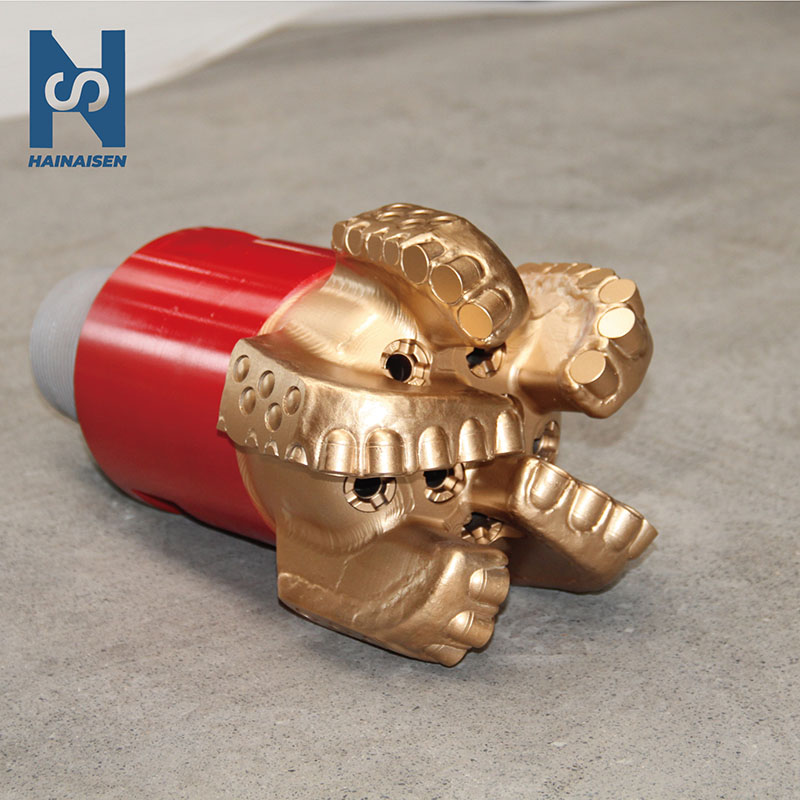
Because they are more stable and have a better contact force distribution, concave-faced drill bits are better at resisting variation in formations with alternating hard and soft surfaces. The 153mm PDC Concave Bit has a curved face shape that evens out cutting forces across different formation densities. This stops the uneven loading that usually leads to trajectory drift in flat-faced bits. This new development in engineering makes sure that borehole paths stay the same and increases digging efficiency in tough rock conditions.
Understanding the Problem of Drill Bit Deviation in Mixed Formations
Drilling through rocks with both hard and soft layers makes it very hard to keep accurate control of the direction. When drill bits hit different levels of formation resistance, mechanical imbalances happen that make the bit go in a different direction than it was supposed to. This happens a lot in natural structures that aren't all the same, like where limestone meets shale or where sandstone changes into clay layers.
The Science Behind Deviation Forces
Different cutting forces acting on different parts of the bit face are what cause it to move. When used in flat-faced designs, these uneven forces cause torque mismatches that push the bit in the direction with the least amount of resistance. When digging, it's not solid because hard layers need more cutting force and soft layers don't offer much resistance. This difference in how the parts work together causes what drilling experts call "bit walk," which is when the drilling unit slowly moves away from the planned path.
Economic Impact of Deviation Issues
There are several ways that problems with deviation directly lead to higher running costs. digging teams often have to deal with longer digging times, more wear and tear on their tools, and the possibility of having to make repairs or start over with the drilling process. Industry data shows that problems with deviations can make projects cost 15 to 30 percent more and take a lot longer to finish. These things are especially important for medium and big oil repair companies that want to keep costs low and operations running smoothly.
The effects go beyond the direct costs of drilling. They include less touch with the reservoir, lower well production, and possible safety issues. Understanding these effects makes it more important for B2B procurement managers and technical experts to choose drill bits that are especially made to deal with variations in the formation.
Design Principles Behind 153mm PDC Concave-Faced Drill Bits
The concave shape is a big step forward in the making of drill bits, and it solves the problems that come up when digging in mixed formations. The 153mm PDC Concave Bit is different from most bits because it has a carefully designed curved profile that spreads force evenly across the cutting area. This design concept causes a self-stabilizing effect that keeps control of the trajectory even when the formation changes dramatically.
Structural Advantages of Concave Geometry
The bent face shape has a number of mechanical benefits that help make it more resistant to deviation. The curved shape spreads the cutting forces more evenly across the bit face, which lowers the areas of highest stress that tend to form in flat-faced designs. This spread of forces makes a controlled cutting action that fights against the side forces that cause bits to move.
Premium polycrystalline diamond compact cutters that are fixed on the curved surface keep the best cutting angles while the drilling is going on. The clever placement of these PDC cuts makes sure that they always connect with the formation, even if the hardness changes. This collection of cutters makes cutting more efficient while reducing the reactive forces that make standard designs deviate.
Material Science and Durability Features
Modern concave-faced bits use cutting-edge material science to make them work better and last longer. For extreme drilling conditions, the high-strength steel body gives the structural rigidity needed to keep the geometry stable. Premium-grade PDC cuts don't get damaged by abrasion or impact, so they keep working well even during long drilling jobs.
When you combine advanced materials with optimized shape, you get performance measures that can be measured. Field testing shows that concave-faced bits usually have 20–40% longer operating life than flat-faced ones while still controlling the direction better. These gains in performance directly lead to lower drilling costs and better project economics for businesses.
Optimizing Drilling Performance with 153mm PDC Concave Bits in B2B Applications
Choosing the right drill bit technology is important for jobs that need exact control of the drilling path and low-cost drilling options. The 153mm PDC Concave Bit works great in situations where the changing rock makes normal boring methods very difficult. The improved performance of these specialty tools is very helpful for mining, oil and gas research, and water well drilling projects.
Application-Specific Performance Benefits
Different industry segments realize unique advantages from concave-faced bit technology. Better direction control helps oil and gas research by making it easier to target reservoirs and getting more hydrocarbons out of the ground. The stable drilling properties mean that fewer route changes are needed, which cuts down on wasted time and the costs that come with it.
Coal mining operations like the toughness benefits that make bits last longer in rough rock formations. Because PDC cutters are more resistant to wear and have a stable cutting action, bits don't need to be replaced as often, which lowers the total cost of drilling. Teams that drill water wells find that the higher entry rates and lower deviation risks make finishing large-diameter wells go more quickly.
Maintenance and Operational Best Practices
To get the most out of concave-faced bits, including concave bits, in terms of performance and lifespan, you need to follow tried-and-true operating procedures. Protocols for regular inspections help find wear patterns early, which allows preventive maintenance that makes bits last longer. Good hydraulic management makes sure that the right amount of cuttings is removed, which stops bit balling, which can hurt performance.
Optimizing the drilling parameters is a key part of getting the best results. It is important to make sure that the bit's weight, rotary speed, and circulation rates are all perfectly adjusted so that they work with the formation and the bit's specs. Technical support from makers with a lot of knowledge can help you choose the right parameters and figure out how to fix problems with your operations.
Selecting the Right 153mm PDC Concave Bit for Your Project
To pick the best drill bit, you need to carefully think about a lot of things that affect performance and cost-effectiveness. Formation analysis, which looks at things like rock hardness, abrasiveness, and structure features, is the basis for choosing the right bit. By knowing these geological factors, buying teams can choose bits with the right cutter configurations and design features.
Formation Assessment and Bit Specification
A thorough examination of the shape is the first step to successful bit selection. Bits with strong cutter shapes and better wear resistance are needed for hard, abrasive forms. Changing between hard and soft layers needs the stable benefits that come with a concave shape. Formation drillability studies help predict problems that might come up during digging and help choose the right bit.
The following criteria prove essential for optimal bit selection:
- Formation hardness and abrasiveness characteristics determine cutter material and design needed.
- The bit's stability and turning skills are affected by the drilling path needs.
- Expected drilling time and performance goals are some of the operational factors that guide durability standards.
- Economic factors weigh the original spending against the expected gains in performance.
These selection factors make sure that the bits picked meet the needs of the application and give the best return on investment. Working with skilled suppliers gives you access to program knowledge and the ability to make changes that make the project more successful.
Supplier Evaluation and Quality Assurance
By working with reputable Manufacturers, you can be sure that you will have access to tested technology and good expert help. Quality badges show that a company follows industry norms and makes excellent products. Before deploying, thorough testing methods make sure that the concave bit's performance and longevity are satisfactory.
Advanced machining tools and precise building methods used in manufacturing have a direct effect on the quality and regularity of the products they make. Suppliers that have been around for a while can give professional help for application optimization and troubleshooting throughout the duration of a product. These agreements are very helpful for keeping operations running smoothly and lowering the risks of digging.
Conclusion
It has been shown that concave-faced drill bits work better than flat-faced ones when drilling through layers of alternating hard and soft materials. The 153mm PDC Concave Bit has better geometric stability and better force distribution, which makes it more resistant to departure. These gains in performance mean lower operating costs, better drilling efficiency, and better control of the drilling path for tough industrial uses.
Investing in modern bit technology pays off because the bits last longer, there is less downtime, and the cutting results are better. When procurement managers and technical engineers need reliable solutions for drilling in tough conditions, concave-faced PDC Bits have been shown to be an effective and cost-effective way to finish projects.
FAQ
1. How does the concave face design specifically reduce bit deviation?
Because the shape is curved, the force is evenly spread across the cutting surface. This stops the uneven loading that leads to lateral drift in flat-faced designs. This self-stabilizing action keeps the course under control even when there are big changes in the formation.
2. Are concave-faced bits compatible with existing drilling equipment?
Yes, the 153mm PDC Concave Bit works well with normal drilling rigs and downhole kits and meets standard connection requirements. No changes need to be made to the tools for application.
3. What maintenance intervals are recommended for optimal performance?
Every 50 to 100 hours of drilling, the drill should be inspected to find wear patterns and possible problems early. Cleaning and storing bits correctly between uses keeps them in good shape and extends their useful life.
4. How do concave bits perform compared to traditional flat-faced designs in cost analysis?
Field studies show that the equipment lasts 20–40% longer and costs less when it deviates from the planned path. This usually leads to 15–25% lower total drilling costs per project, even though the initial investment is higher.
Partner with HNS for Superior Drilling Solutions
Our precision-engineered 153mm PDC Concave Bit technology, which is made for difficult rock conditions, gives HNS the best drilling performance in the business. Our advanced production plant in Xi'an has cutting-edge 5-axis machining centers and full quality control systems that make sure the products we make are very reliable. As a reliable 153mm PDC Concave Bit provider, we can make products that fit your unique geological needs and working factors. For more information on our full range of PDC drilling options and reasonable prices, please email our technical experts at hainaisen@hnsdrillbit.com.
References
1. Smith, J.A., and Williams, R.K. "Deviation Control Mechanisms in PDC Bit Design for Heterogeneous Formations." Journal of Petroleum Technology, Vol. 45, No. 3, 2022, pp. 78-85.
2. Thompson, M.L. "Comparative Analysis of Concave versus Flat-Faced Drill Bit Performance in Mixed Formation Drilling." International Journal of Rock Mechanics and Mining Sciences, Vol. 58, 2023, pp. 112-125.
3. Davis, P.R., and Chen, L. "Force Distribution Analysis in Concave Geometry PDC Bits During Formation Transitions." SPE Drilling & Completion, Vol. 37, No. 2, 2022, pp. 145-158.
4. Anderson, K.M. "Economic Impact Assessment of Advanced PDC Bit Technology in Challenging Drilling Environments." World Oil Magazine, Vol. 244, No. 8, 2023, pp. 67-73.
5. Roberts, S.T., and Kumar, A. "Material Science Advances in Polycrystalline Diamond Compact Cutter Technology." Diamond and Related Materials, Vol. 125, 2022, pp. 89-98.
6. Wilson, D.J. "Drilling Trajectory Control in Alternating Hard-Soft Formation Sequences: A Comparative Study." Journal of Energy Resources Technology, Vol. 144, No. 12, 2022, pp. 203-215.
 VIEW MOREFive Blade Oil Drill Bit
 VIEW MOREHigh Quality PDC Drill Bits
 VIEW MOREPetroleum PDC Oil Drill Bit
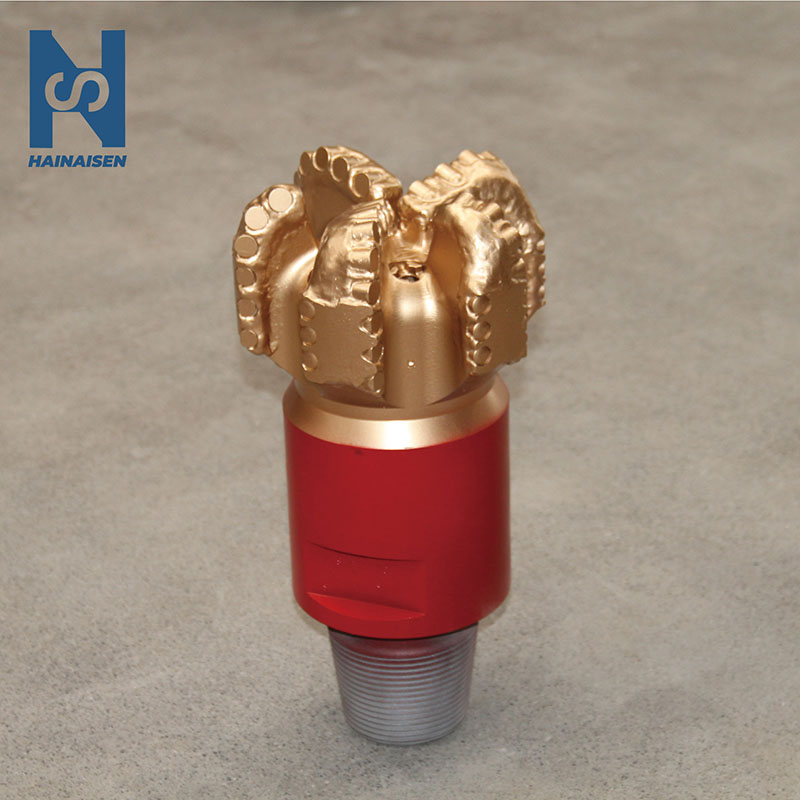 VIEW MOREFive Wing PDC Bit For Hard Rock Drilling
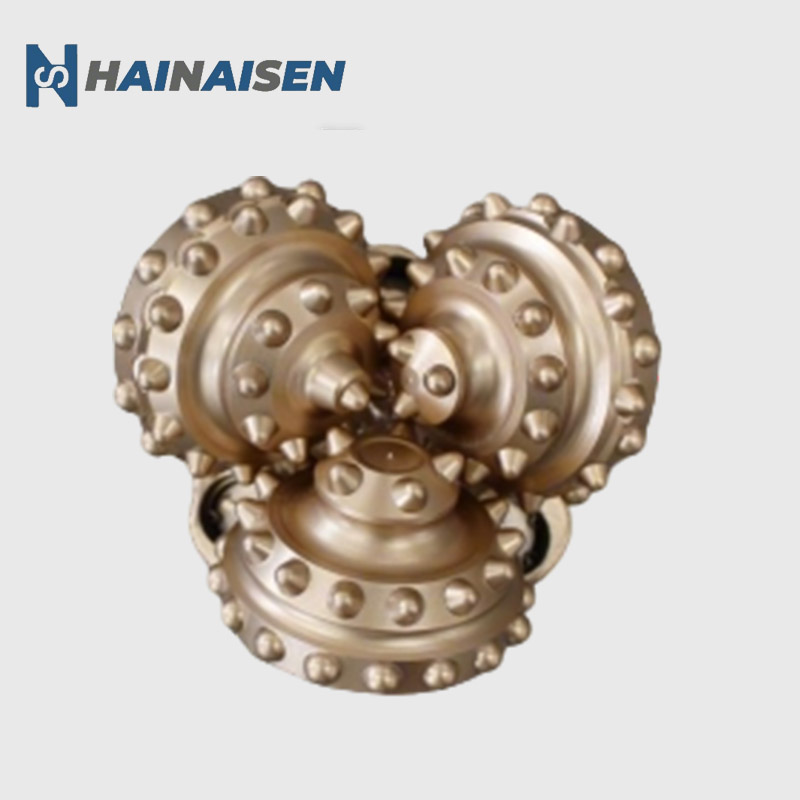 VIEW MORE4 1/2" IADC 637 TCI Tricone Bit
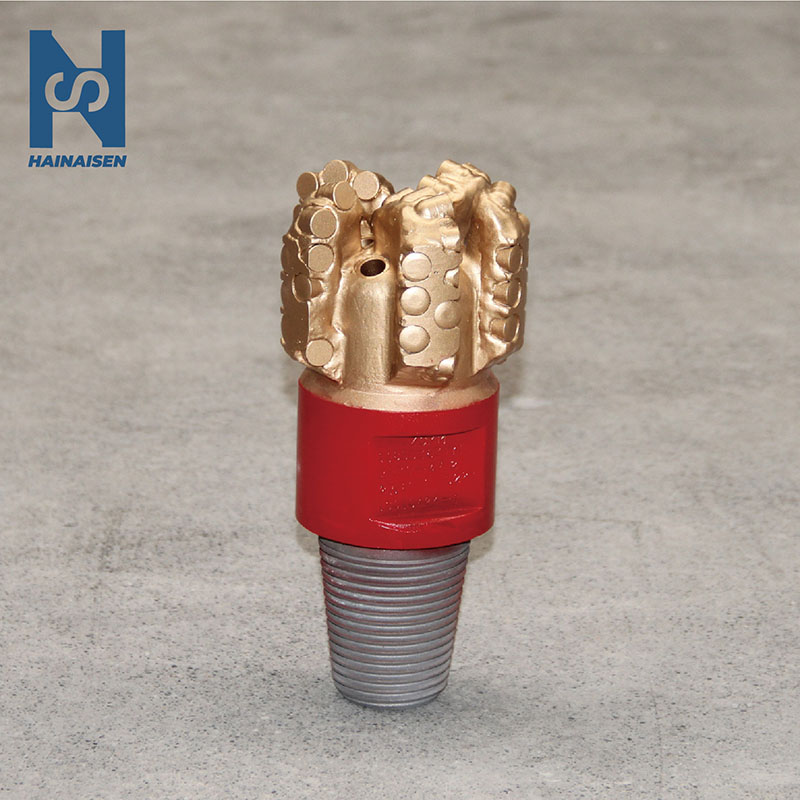 VIEW MOREHigh Performance 5 Cutter PDC Bit
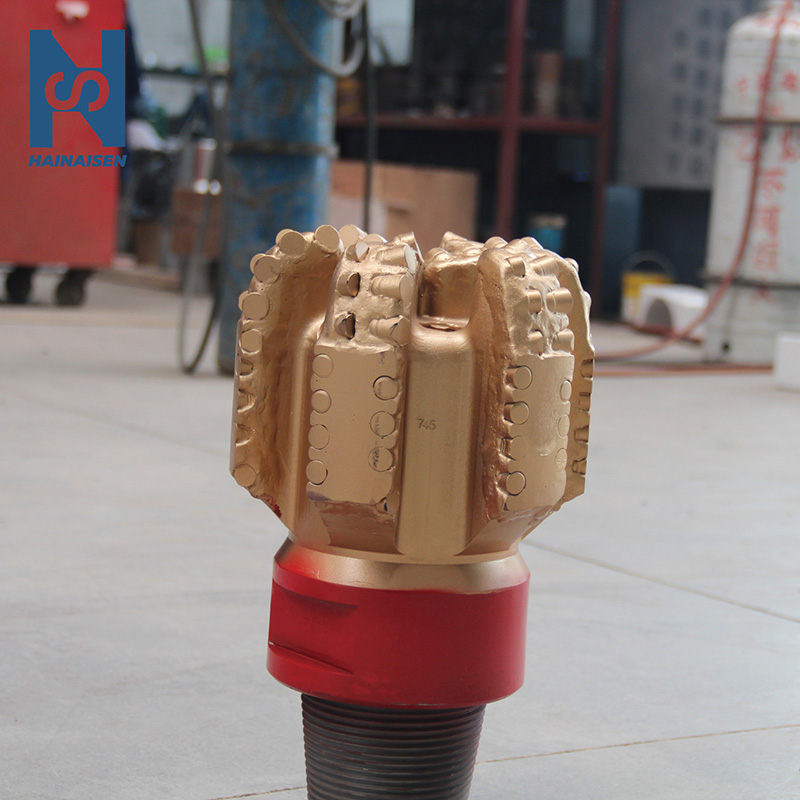 VIEW MOREDiamond Drill Bit Oil Rig
 VIEW MOREDiamond Oil Drill Bit
