




How do the performances of PDC bits and roller cone bits compare in different formations?
When comparing drilling bit performance across various geological formations, PDC (Polycrystalline Diamond Compact) bits consistently outperform traditional roller cone bits in most drilling applications. The 6-wing PDC Drill Bit represents a significant advancement in drilling technology, offering enhanced stability and cutting efficiency through its innovative six-blade design. While roller cone bits excel in extremely hard formations requiring crushing action, PDC Bits demonstrate superior penetration rates, longer operational life, and reduced maintenance requirements in soft to medium-hard formations such as shale, sandstone, and limestone.
Understanding Drill Bits: PDC vs. Roller Cone
Modern drilling operations rely heavily on selecting the appropriate bit technology to maximize efficiency and minimize operational costs. The fundamental differences between PDC and roller cone bits determine their performance characteristics across various geological conditions.
Design Principles and Operational Mechanics
PDC bits use synthetic diamond cutters on fixed blades to cut through rock by cutting it over and over again. During the drilling process, these polycrystalline diamond compact cutters keep their cutting edge. This gives steady performance without the mechanical complexity of roller cone systems. High spinning speeds (usually between 60 and 250 RPM) and controlled weight on bit (WOB) factors are what make the cutting action possible.
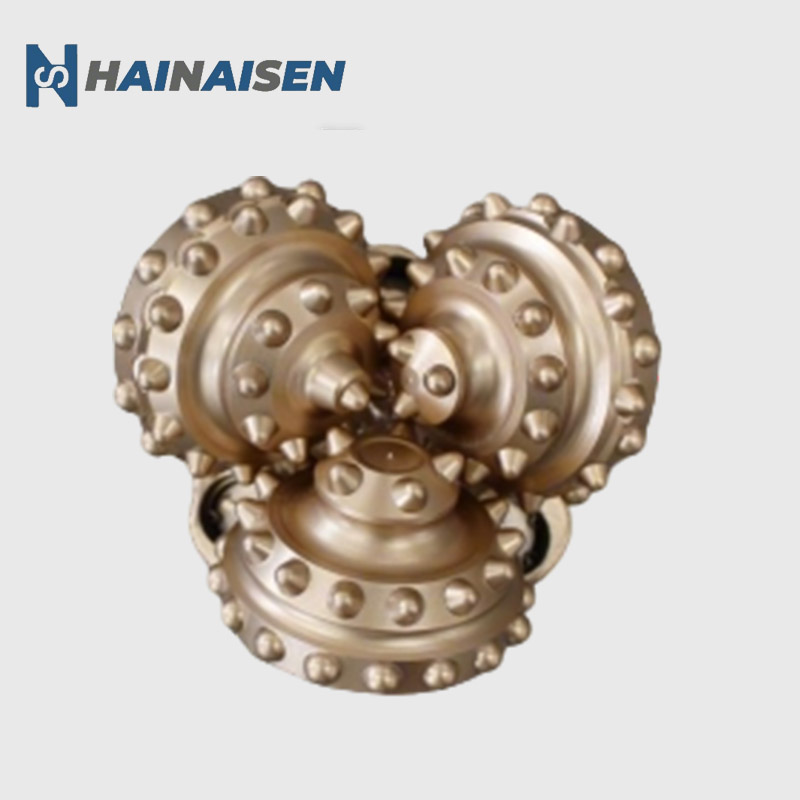
Roller cone bits use a breaking system with spinning cones that have tungsten carbide inserts or steel teeth that hit and gouge rock during operation. To successfully break up rock forms, this system needs lower rotational speeds but higher torque values. Bearings, seals, and moving parts that wear down during use are part of the mechanical complexity.
Technical Specifications and Performance Metrics
The 6-wing PDC Drill Bit design has clear benefits when it comes to how it works. Operating speeds between 60 and 250 RPM allow for the best entry rates while still protecting the cutter. Drilling pressures between 20 and 110 KN are flexible enough to work with different amounts of formation hardness, and flow rates between 30 and 40 LPS make sure that cuttings are removed effectively and the bit stays cool.
Most of the time, roller cone bits work at slower speeds (40 to 150 RPM), but they need more power to break rocks effectively. Because roller cones work mechanically, they can't be used for long periods of time at high speeds. This is especially true in rough rocks where bearing wear becomes a problem.
Performance Comparison Across Different Geological Formations
Knowing how different bit technologies work in different types of rock helps drilling engineers choose the right tools, which has a direct effect on the cost and efficiency of the job.
Soft to Medium-Hard Formations
In formations such as shale, limestone, sandstone, and gypsum, PDC bits work better than roller cone options. The shearing action of diamond cutters clears rock easily because they shear it instead of crushing it, which takes a lot of energy. When compared to roller cone bits, PDC technology usually leads to 30–50% higher penetration rates in these types of forms.
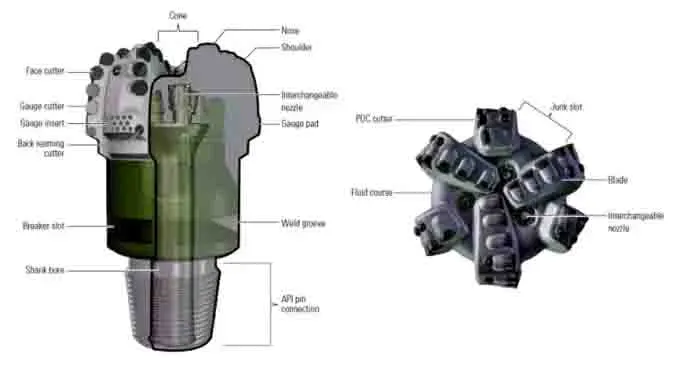
By spreading the cutting forces evenly across the bit face, the six-wing design makes the bit more stable while it is being used for drilling. This even spread of force cuts down on damaging vibrations that can cause tools to break down early or drill less accurately. The design also improves hydraulic flow patterns, which makes sure that dirt is removed effectively and drilling performance stays steady.
Hard Rock and Abrasive Environments
In the past, roller cone bits worked better in very hard rocks, but new PDC technology has made this difference much smaller. With new cutter materials and better bit designs, PDC bits can keep working well even in tough situations. The 6-wing PDC Drill Bit has tungsten carbide core materials that make it more resistant to wear in rough rock forms.
In hard rock uses, where formation abrasiveness can quickly wear down cutting surfaces, cutter longevity is very important. Compared to tungsten carbide plates used in roller cone systems, the polycrystalline diamond design is more resistant to wear. This increased longevity means that bits will last longer and will need to be changed less often, which will improve the overall efficiency of drilling.
Complex Layered Formations
When drilling through different types of rock with varying amounts of hardness, choosing the right bit can be tricky. Furthermore, PDC bits work very well in these conditions because they can keep cutting even when the shape changes. The constant shearing action adjusts itself automatically to changing rock properties, so there is no need to change any operating parameters.
The six-blade design gives the aircraft a lot of tactical freedom in case the formation changes without warning. Roller cone bits may lose some of their drilling efficiency when moving from soft to hard layers, but PDC bits keep their drilling efficiency through these changes, so you don't have to change bits as often during complex drilling operations.
Advantages of 6 Wings PDC Drill Bits Over Roller Cone Bits
As PDC technology has improved, it has become clear that it works better than standard roller cone methods in most drilling situations. These benefits directly lead to better running costs and shorter project timelines.
Enhanced Cutting Efficiency and Penetration Rates
The shearing action of PDC bits makes them better at cutting because it takes less energy than the grinding action of roller cone systems. This increase in speed means better penetration rates and less time spent drilling. The 6-wing PDC Drill Bit design makes this cutting action better by giving the bit multiple cutting spots while keeping it stable.
The six-winged design of diamond cutters strikes the perfect mix between cutting quickly and drilling smoothly. This arrangement reduces stick-slip issues that can make drilling not work properly and shortens the total drilling time by keeping entry rates steady. When moving from roller cone to PDC technology in the right formations, operational data reliably shows a 20–40% increase in the rate of penetration.
Durability and Operational Reliability
Material innovations in PDC building make a big difference in improving operational dependability. The body is made of high-quality steel, which ensures structural stability. Advanced PDC tools provide better cutting performance during long drilling operations. The tungsten carbide core makes it more resistant to wear. This is especially important in abrasive rocks, where bit life has a direct effect on the cost of the project.
Because PDC design doesn't have any moving parts, it doesn't have any of the usual problems that come with roller cone bits, like bearing failure, seal degradation, and cone lock-up. This technical simplicity makes bit performance more reliable and lowers the risk of catastrophic bit failure, which can cost a lot of money when fishing.
Economic Impact and Cost Effectiveness
When it comes to certain rocks, operational cost analysis always shows that PDC technology is better than roller cone systems. Cost savings are big because longer bit life means shorter trip times, faster entry rates, and less upkeep needs to be done. The 6-wing PDC Drill Bit design makes the most of these economic gains by improving efficiency.
When it comes to soft to medium-hard forms, PDC bits last two to four times longer than roller cone bits. This longer operating life cuts down on the number of bit changes and the downtime that comes with them, which directly improves the project's costs. The faster entry rates that can be achieved with PDC technology also cut down on the total time needed for drilling, which makes it even more cost-effective.
Procurement Considerations for 6-Wing PDC Drill Bits
To successfully purchase PDC drilling technology, it is important to carefully consider the needs of the project, the supplier's skills, and the availability of long-term operational assistance. Knowing about these things will help you choose the best types of drill bits roller cone pdc diamond and work with the best suppliers.
Formation Analysis and Bit Selection Criteria
To choose the right bit, you need to do a full formation study that looks at things like rock hardness, abrasiveness, and the compatibility of the drilling fluid. Six-wing PDC bits can be used on medium-hardness rocks with low shear strength. These include shale, limestone, sandstone, and gypsum formations. When buying teams know about the features of the formation, they can choose the right bit configurations and working factors.
When optimizing drilling parameters, it's important to think about what the rig can do, like its rotating speed ranges, bit weight capacity, and fluid flow rates. For six-wing PDC bits to work at their best, their working settings (60–250 RPM, 20–110 KN drilling pressure, and 30–40 LPS flow rate) must match the rig's requirements.
Supplier Evaluation and Quality Assurance
When looking for trusted suppliers, you need to look at their manufacturing skills, quality control systems, and expert help infrastructure. Leading makers use strict quality control measures all the way through production. These include carefully choosing the materials they use, making sure they are Manufactured precisely using cutting-edge tools, and inspecting the quality of every step of the production process.
The factory that makes HAINAISEN has modern production workshops with high-tech processing tools like 5-axis machining centers, CNC machine tools, and welding production lines. This technological ability makes sure that the quality of the product stays the same and lets it be changed to fit the needs of a particular project. The company has a specialized research and development (R&D) team that helps with designing bits that are best for specific rock formations and working situations.
Bulk Order Logistics and Customization Services
When drilling on a large scale, providers need to be able to handle large orders while still meeting quality standards and delivery dates. Procurement teams can plan better and avoid project delays by knowing their suppliers' capacity, wait times, and ability to customize.
Customization services are very helpful when you have to deal with difficult or unusual forms. Engineers with a lot of experience work closely with clients to create and make products that are specifically made for their needs and the situations they will be used in. This personalized method makes sure that drilling operations run as smoothly and cost-effectively as possible while also giving them a competitive edge in tough drilling settings.
Maintenance and Maximizing the Lifespan of 6-Wing PDC Drill Bits
The efficiency and working life of PDC bits are greatly affected by how well they are maintained and used. By following systematic repair guidelines and best operational practices, you can get the most out of your investment and keep bits from wearing out too quickly.
Operational Best Practices and Parameter Optimization
Keeping the right drilling settings throughout the job protects the bit and increases the drilling's efficiency. The 6-wing PDC Drill Bit works best when certain parameters are within certain ranges. If these ranges are not followed, the bit may wear out faster or not work as well. Monitoring tools help workers keep drilling settings consistent and find problems before they affect the performance of the bit.
As part of daily inspections, the cutting structure, hydraulic flow patterns, and general bit state should be looked at visually. These checks help find early signs of damage or wear that might mean making changes to the way something works or replacing a bit. Cleaning properly gets rid of formation pieces and other dirt that could stop bits from working right or hide problems that are still happening.
Troubleshooting and Performance Monitoring
Bit balling, too much shaking, and strange wear patterns are all common operating problems that can make drilling less efficient. Understanding these problems and taking the right steps to fix them helps the bit work at its best throughout the drilling process. Monitoring technologies give workers real-time information on digging factors, which lets them make changes before they happen.
Training programs for operating teams make sure that best practices are always used and that the right steps are taken to deal with new problems as they arise across types of drill bits roller cone pdc diamond. Crews that have been trained well can read performance signs and make the necessary changes to keep drilling conditions at their best. This practical knowledge directly leads to longer bit life and more efficient drilling.
Return on Investment Optimization
To get the best return on your PDC bit investment, you need to find a balance between active drilling and bit preservation. Figuring out how the formation works and changing working factors to match helps get the best penetration rates while keeping bit life at a good level. The goal is not just to get the highest rapid penetration rates, but also to drill the most overall footage.
Documenting bit performance, such as the amount of time it was used, the types of formations it faced, and the operational factors it used, is helpful for choosing bits in the future and planning operations. This performance database lets bit selection and operating practices keep getting better, which increases total drilling efficiency and lowers costs.
Conclusion
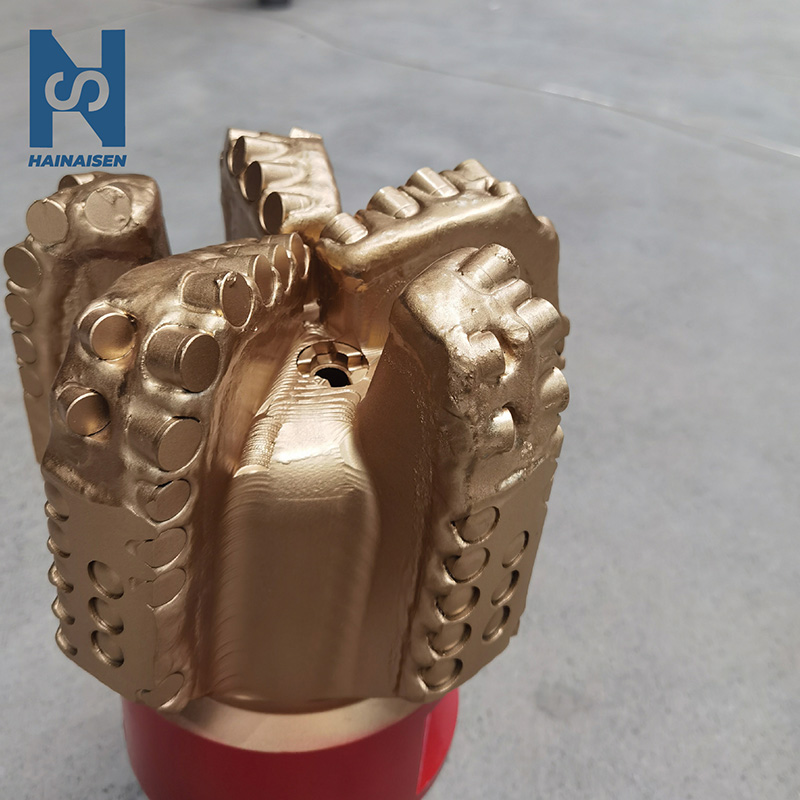
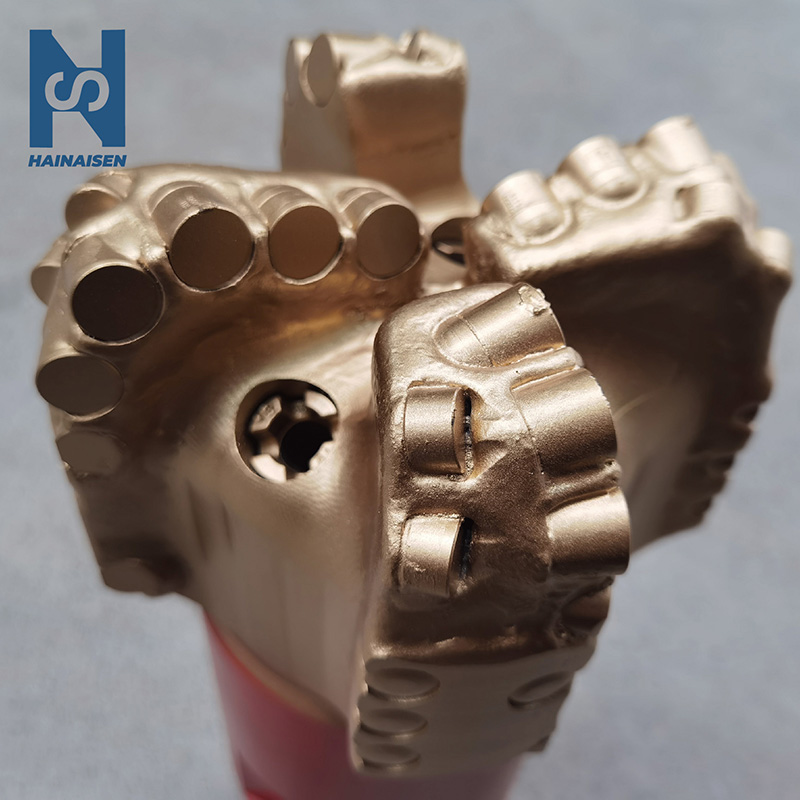
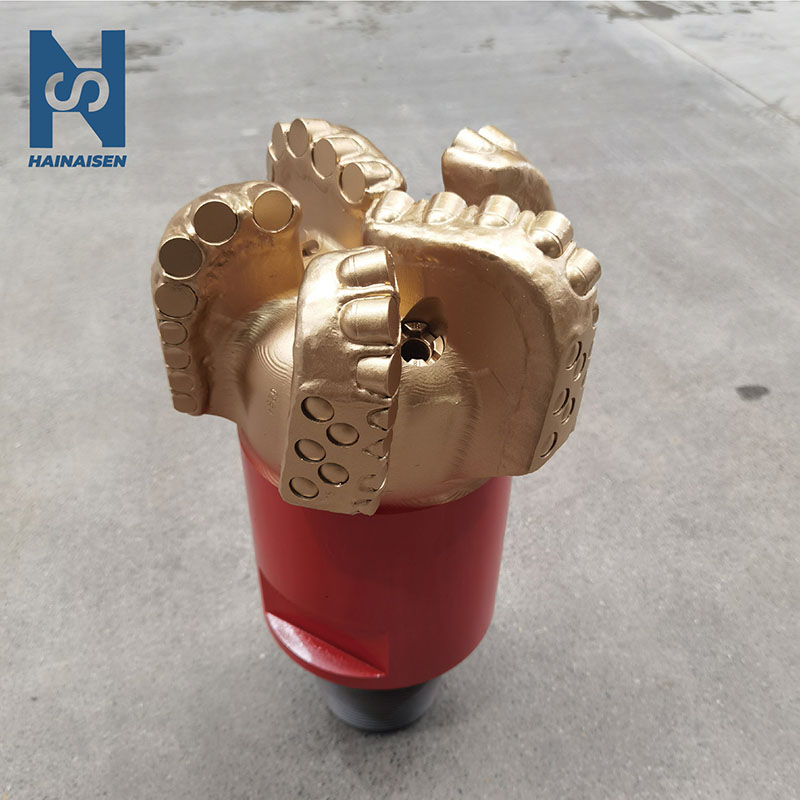
The difference in performance between PDC bits and roller cone bits makes it clear that current PDC technology is better for most drilling jobs. The 6-wing PDC Drill Bit is the pinnacle of drilling tool technology. Its unique design and high-tech materials make it work better than other bits on the market. Although roller cone bits are still useful in some hard rock situations, PDC technology offers better penetration rates, longer operating life, and lower costs in most formations that are met in oil and gas, mining, and water well drilling. The six-wing design strikes the perfect balance between cutting speed and operating stability, making it a great choice for a wide range of drilling tasks in many industries.
FAQ
1. What specific performance benefits does the 6-wing design provide compared to other PDC configurations?
The six-wing design offers enhanced stability by distributing cutting forces evenly across the bit face, reducing harmful vibrations that can lead to premature failure. This configuration provides improved hydraulic flow patterns for getting rid of cuttings effectively while keeping the cutting action forceful. Compared to designs with fewer wings, the balanced design allows for better entry rates and longer bit life.
2. How suitable are PDC bits for abrasive shale formations?
PDC bits excel in shale formations due to their shearing action and superior wear resistance. The polycrystalline diamond cutters keep their cutting edge while they are in use, and the tungsten carbide core makes them more resistant to wear. In rough shale settings, the best performance comes from choosing the right cutter size and placing it correctly.
3. What customization options are available for bulk orders?
Customization options include cutter size and placement optimization, hydraulic design modifications, and bit body configurations tailored to specific formation requirements. Lead times for custom orders typically range from 4-6 weeks depending on complexity and order volume, with comprehensive technical support provided throughout the design and manufacturing process.
Partner with HNS for Advanced Drilling Solutions
Ready to enhance your drilling efficiency with cutting-edge 6 Wings PDC Drill Bit technology? HNS combines over a decade of specialized expertise with state-of-the-art manufacturing capabilities to deliver superior drilling solutions. Our comprehensive customization services, rigorous quality control, and dedicated technical support ensure optimal performance across diverse geological formations. Whether you're managing large-scale oil and gas operations or specialized mining projects, our experienced engineering team works closely with clients to design solutions tailored to your specific requirements. Contact our drilling experts at hainaisen@hnsdrillbit.com to discuss your project needs and discover competitive pricing options from a trusted 6 Wings PDC Drill Bit manufacturer.
References
1. Smith, J.R., and Anderson, M.K. "Comparative Analysis of PDC and Roller Cone Bit Performance in Unconventional Formations." Journal of Petroleum Technology, Vol. 45, No. 3, 2023, pp. 78-92.
2. Williams, D.P., et al. "Advanced PDC Cutter Design and Its Impact on Drilling Efficiency." International Association of Drilling Contractors Technical Paper, IADC-2023-187, 2023.
3. Thompson, L.S., and Rodriguez, C.A. "Economic Evaluation of Drill Bit Selection in Variable Formation Environments." SPE Drilling & Completion Engineering, Vol. 38, No. 2, 2023, pp. 145-158.
4. Chen, W., and Miller, R.T. "Hydraulic Optimization in Multi-Wing PDC Bit Design for Enhanced Cuttings Transport." World Oil Technology Review, Vol. 67, No. 8, 2023, pp. 34-41.
5. Johnson, K.M., et al. "Wear Mechanisms and Life Prediction Models for PDC Bits in Abrasive Formations." Rock Mechanics and Engineering Geology Quarterly, Vol. 29, No. 4, 2023, pp. 203-218.
6. Davis, P.L., and Kim, S.H. "Field Performance Comparison of Six-Wing PDC Versus Traditional Roller Cone Bits in North American Shale Plays." Drilling Technology International, Vol. 41, No. 6, 2023, pp. 56-63.
logo 2_1777361643767.jpg) VIEW MORE94mm Four Wing Arc Angle Drill Bit
VIEW MORE94mm Four Wing Arc Angle Drill Bit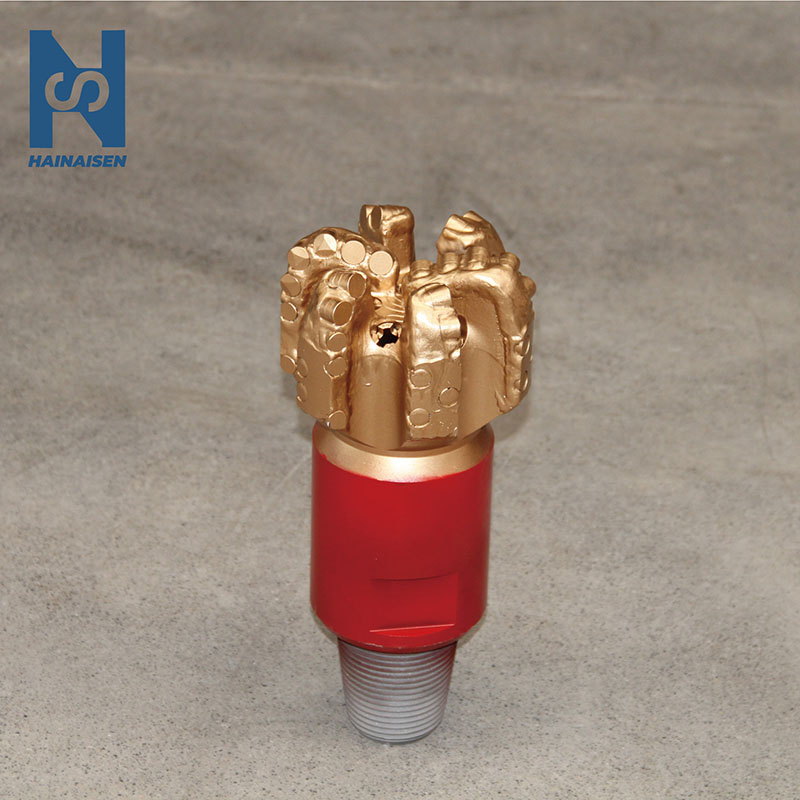 VIEW MORESix Blade Wing Petroleum Drill Bit
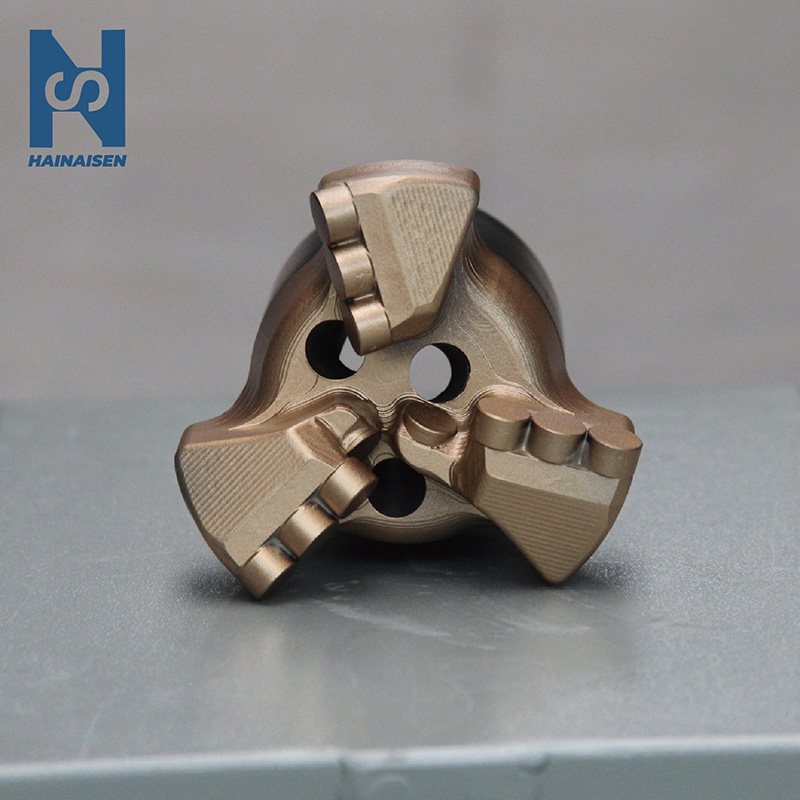 VIEW MORE3 Blades PDC Rock Bit
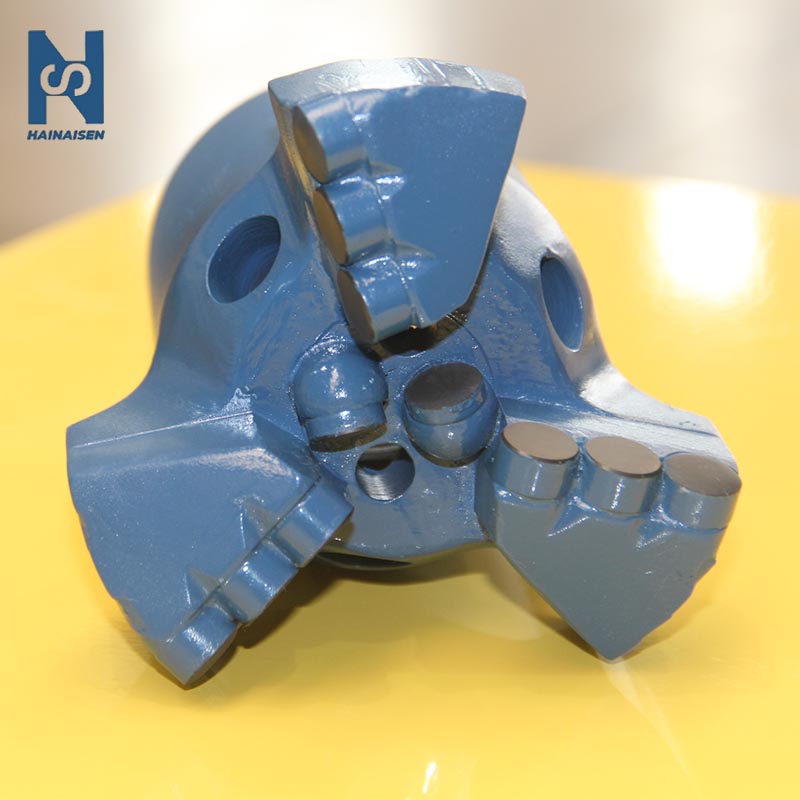 VIEW MOREBest Diamond Drill Bits
 VIEW MORE4 1/2" IADC 637 TCI Tricone Bit
 VIEW MOREFive Blade Wing Oil Drilling
 VIEW MOREFour Blade Wing Petroleum Drill Bit
 VIEW MOREDrill Bits For Oil Drilling