




How to Select 5 Blades PDC Oil Bit for Oil Drilling Projects
When I need to choose a 5-blade PDC oil bit for an oil drilling job, I immediately think about five things: the type of formation, the estimated drilling depth, the bit's stability, its hydraulic performance, and the total cost per foot dug. There's more to it than just price. The rig's specs, the rock, and the digging goal all have to be right. A 5-blade PDC oil bit can give you a good mix of rate of penetration, wear resistance, and direction control in most soft to medium-hard rocks, such as shale, limestone, sandstone, and gypsum. Because of this mix, a lot of engineers and buying managers think it's a good choice for drilling oil wells efficiently.
Understanding 5 Blades PDC Oil Bits in Oil Drilling
A 5-blade PDC oil bit is a type of fixed-cutter drill bit that cuts rock by shearing it instead of crushing it like a roller cone bit does. When the rock is right, this cutting action often speeds up drilling and cuts down on time spent not digging.
How does the design work?
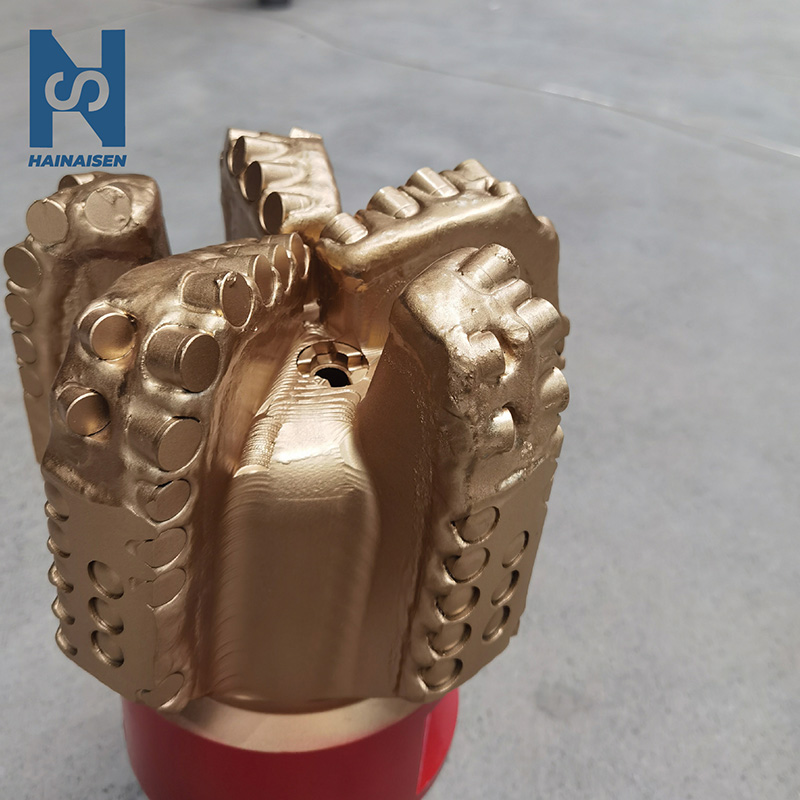
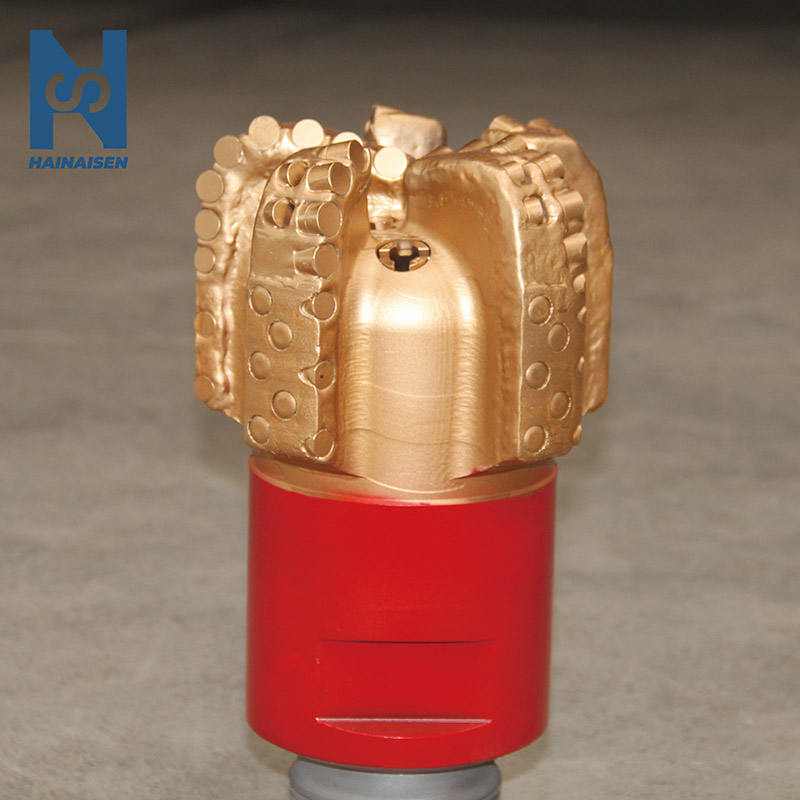
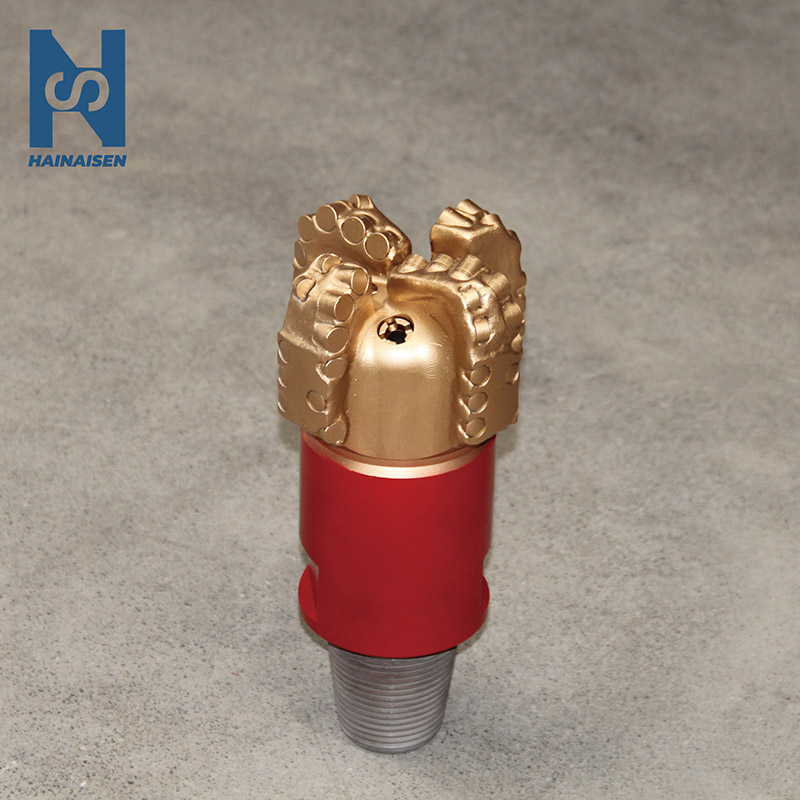
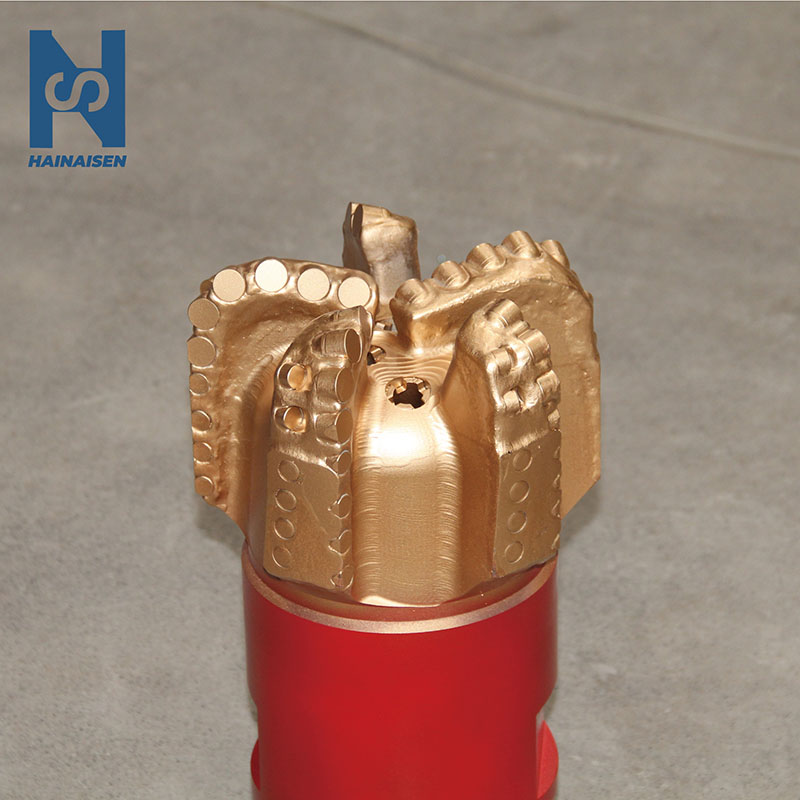
The five blades give me a good balance between cutting quickly and boring steadily. This design makes it possible for the bit to carry enough cuts to remove rock strongly while still leaving room for fluid flow and pieces to be pushed out. How well the bit runs is determined by the cutter density, the blade shape, the junk hole area, and the distance between the blades.
Common design benefits include:
- A balanced cutting structure that can handle high ROP in soft to medium-hard rock. Most of the time, the 5-blade PDC oil bit shape is more stable than designs with fewer blades, while still being more violent than some bits with more blades. Controlling vibrations, making sure the holes are good, and making sure the drill goes deep enough all affect the total cost of drilling in shale and sandstone.
- A practical hydraulic path for cleaning the face of the bit. When the drilling fluid gets rid of the cuttings quickly, the cutters stay cool and keep cutting instead of breaking up the waste. That's one reason why it's so important to get the opening placement and blade spacing just right in the real field.
Typical applications and operating range
Based on the information you gave us about the product, this bit can be used for oil and gas research, horizontal and directional drilling, underwater projects, geothermal wells, coal bed methane extraction, and some hard rock mining tasks. These working conditions are suggested:
- Speed: 60 to 250 R/min
- Drilling pressure: 30 to 180 KN
- Flow rate: 45 to 80 LPS
- Applicable strata: Formations with middle hardness and low compression strength can be used.
Service and repair are also very important. After every run, you should always check the cutter wear, tip state, shoulder damage, and bit balling. If you catch small problems early, you can avoid big losses later.
Key Performance Considerations When Selecting a 5-Blade PDC Oil Bit
People who are looking for this information on Google usually only want a quick answer to one question: Which bit will drill the best holes in my shape for the money? How I weigh my choices is based on what I was looking for.
5 blades vs other bit designs
I usually find that a 5-blade PDC oil bit works well when I want a good mix of penetration rate, sturdiness, and security in the direction I'm drilling. It might drill more smoothly and spread out wear better than PDC Bits with fewer blades. It might cut more violently in easier patterns than designs with more blades.
Because they keep cutting through rock, PDC bits often allow for faster drilling in the right materials than tricone bits. Tricone bits are still useful in places where conditions change quickly or are broken or have a lot of impacts, but rolling cones are better at handling these situations.
Performance factors that matter on-site
I pay close attention to these things when I buy:
- Cutter quality and arrangement: Newer PDC cutters are better at cutting and prevent wear. Layouts with spiral or mixed cutters can help with steadiness and getting rid of cuttings.
- Blade geometry: The length, shape, and position of the blades affect how active they are, how much bit whirl resistance they have, and how they respond to direction.
- Hydraulics: In hydraulics, a good flow design helps clean the face, keep the cutters cool, and cut down on the need to regrind.
- Body material: Both the steel body and the tungsten carbide matrix strengthening help the tool last longer in rough conditions.
Before I say the tool is to blame when a bit starts to vibrate or not work right, I check the weight on the bit, the rotating speed, the flow rate, and the change in the formation. Most of the time, changing the parameters fixes the issue.
Market Overview: Trusted Brands, Suppliers, and Purchase Options
In business-to-business drilling, choosing the right provider can have a big impact on more than just unit price. Before I place large orders, I always check to see if the company can produce what I need, offer good professional help, keep the quality high, and deliver on time.
What to look for in a supplier?
I need a supplier that can show they are good at making things, have good tech help, and have a clear quality process. Buyers in bulk also need reliable service after the sale, clear guarantee terms, and quick expert support if things change in the field.
This is what makes Shaanxi Hainaisen Petroleum Technology Co., Ltd. stand out. Established in 2013 in Xi'an, HNS is a company that designs, makes, and sells diamond drill bits, PDC drill bits, 5-blade PDC oil bits, and other drilling tools. They also offer complete technical solutions. Its goods are used for mining coal, getting oil and gas, measuring for geology and hydrology, and making technical tools. The business has a 3,500 m² building with up-to-date workshops and high-tech tools like 5-axis machining centres, CNC machine tools, and welding production lines. HNS also has a team of researchers and designers who work on unique bits to meet the needs of different structures and formations.
Purchase concerns for B2B buyers
Oil service businesses that are medium to large often need qualification documents, stable quality, and results that can be repeated over a long review cycle. Buyers of coal mining normally find a mix between price and quality. Smaller teams that drill water wells often care a lot about price and usefulness. A good provider should be able to help all three types of buyers by giving clear specs, trying samples, and making changes as needed.
Maximising Return on Investment: Maintenance, Troubleshooting, and Future Trends
Getting the right bit, like the 5-Blade PDC Oil Bit, is only one part of getting the job done. Longer bit life, less downtime, and more footage per run are what give you real ROI.
Practical maintenance and troubleshooting
I suggest a simple process that should be done after every run: look for damage to the cutter, broken blades, or erosion; check the grading to make sure it isn't too rough; and compare the real drilling parameters to the range that I suggest. If the bit's wear isn't even, I check for vibration, bad hole cleaning, or working conditions that aren't right.
For better wear resistance, our bits are made of high-quality materials, such as a body made of high-quality steel, modern PDC cuts, and a tungsten carbide matrix. That mix of materials makes it last longer without lowering its cutting ability.
Trends shaping 2024 and beyond
The market is moving toward stronger tool technology, better hydraulic modelling, better anti-vibration structures, and designs that are more tailored to specific uses, including 5-blade PDC oil bits. Also, buyers are giving more attention to things like sustainability, how efficiently things are made, and the total cost over their whole time. To me, future-proof buying means picking a seller that can adapt to your needs today and come up with new ideas tomorrow.
Conclusion
How to choose the best 5-blade PDC oil bit depends on the type of rock, the drilling goals, the bit design, the strength of the seller, and the bit's term value. I would pick a bit that works reliably, removes cuts well, doesn't wear down easily, and lets me make changes as needed. People who buy in the oil and gas, coal mining, geothermal, and directional drilling industries can get better ROP, less shaking, and lower cost per foot with a well-designed 5-blade PDC oil bit choice. The best thing to buy is something that fits both the environment and the business goal.
FAQ
1. How do I know if a 5-blade PDC bit is right for my formation?
It works well with medium-hard rocks with low compression strength, like shale, limestone, sandstone, and gypsum. Ask for a unique 5-blade PDC oil bit cutter and blade design if your shape is very rough or has a lot of impact.
2. What is the key advantage of a 5-blade design?
The biggest benefit is that it is balanced. In addition to being good at cutting, it is also good at drilling and cleaning with hydraulics.
3. What operating parameters should I follow?
The speed should be between 60 and 250 R/min, the cutting pressure should be between 30 and 180 KN, and the flow rate should be between 45 and 80 LPS. The actual choices should match the BHA design and the way the structure responds.
4. Can I order a customised bit for directional or offshore drilling?
Yes. Based on the features of the rock and the drilling settings, our technical team can change the cutter geometry, blade profile, and hydraulic structure.
Partner with HNS for Superior 5 Blades PDC Oil Bit Solutions
Need a dependable 5-blade PDC Oil Bit maker, dealer, or business partner to talk about projects for sale? B2B buyers can get help from HNS with expert service, custom design, and stable output. Email us at hainaisen@hnsdrillbit.com to talk about your formation, drilling conditions, and number needs. I'd be glad to help you find the right bit to do better in the game.
References
1. Baker Hughes, Drill Bits Catalogue
2. SLB, Drilling Bits and Tools Technical Resources
3. Halliburton, Drill Bits and Services Overview
4. International Association of Drilling Contractors, Drilling Manual
5. SPE, Drilling Engineering Papers on PDC Bit Design and Performance
6. API, Recommended Practices for Drill Stem Design and Operating Limits
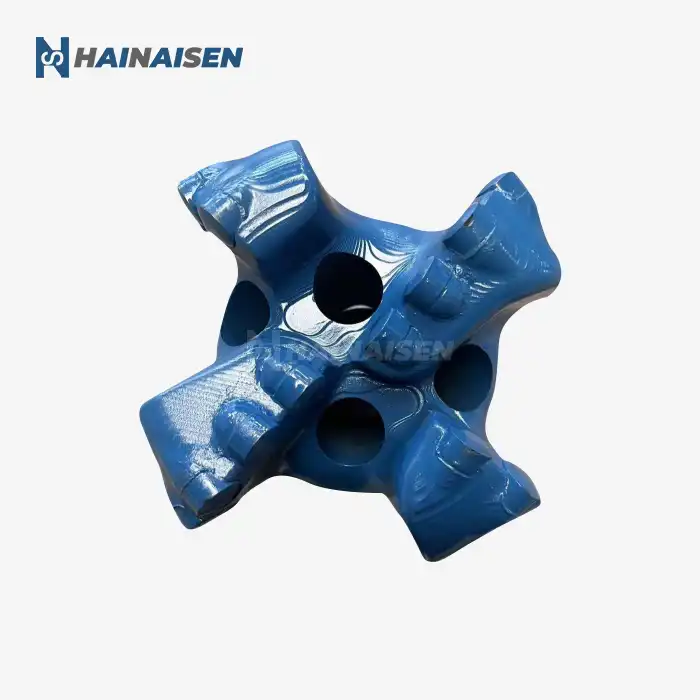 VIEW MORESteel Body PDC Bit 4 Blades
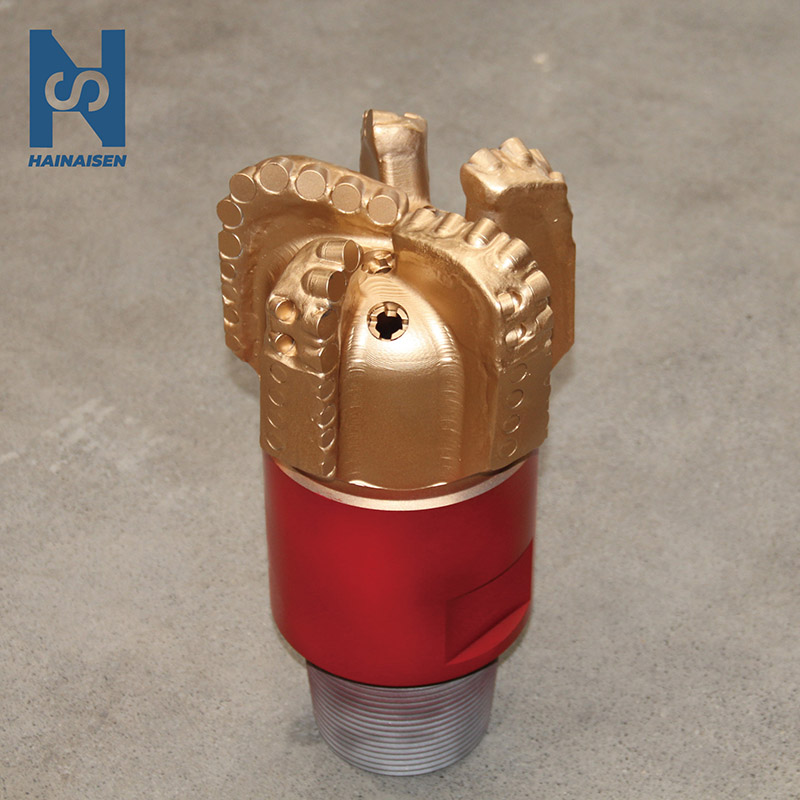 VIEW MOREFive Blades Oil Well Drill Head
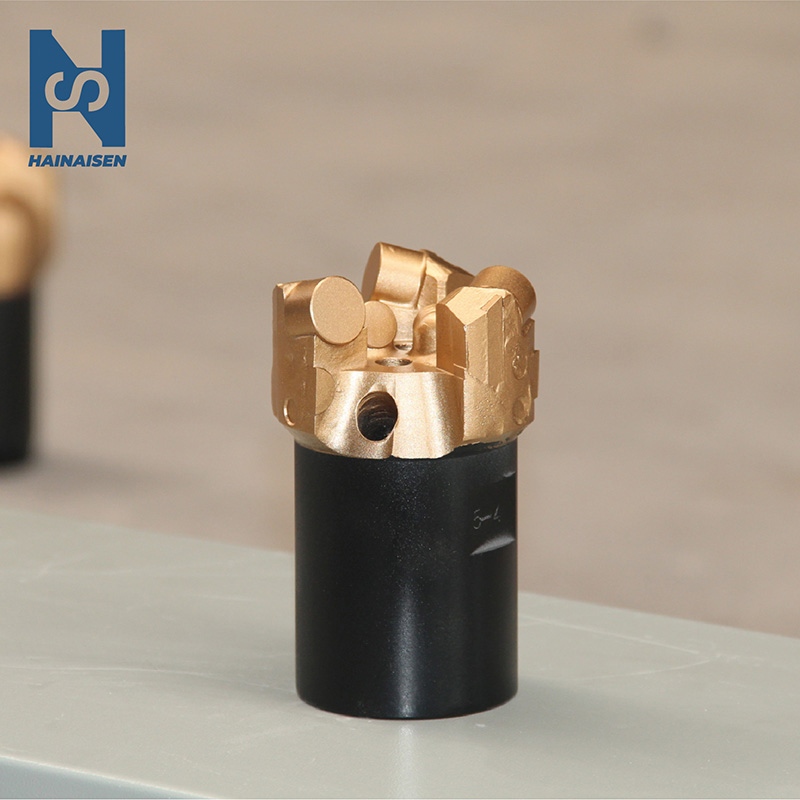 VIEW MORECoal Mining PDC Drill Bits
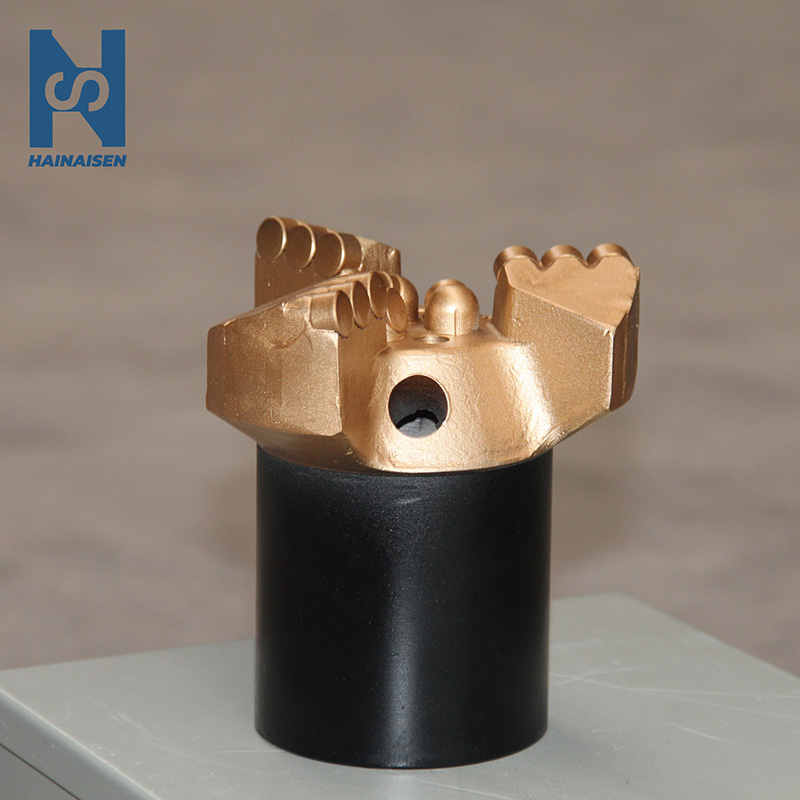 VIEW MORE113mm 3 Blades Steel Body PDC Bit
 VIEW MOREFive Blade Wing Oil Drilling
 VIEW MOREFive Blades PDC Drill Bits
 VIEW MOREHigh Quality PDC Drill Bits
 VIEW MORE5 Blades Steel Body High Performance PDC Rock Drill Bits