







How can the concave-faced design mitigate the fracture at the drill bit joint under high impact loads by balancing the forces?
A concave-faced bit keeps the drill bit joint from breaking by spreading impact loads more evenly across the bit face and connection area. This keeps force from building up at a few high-stress spots. The curved face of a 153 mm PDC concave bit helps direct rock-contact forces toward a more even load path. This lowers stress concentration, vibration, and wear damage at the joint from repeated hits. I believe this is most important in tough drilling conditions where shock, rotational changes, and uneven formation reactions can quickly shorten the life of the bit. A well-thought-out concave shape can make drills more reliable, last longer, and penetrate more deeply.
Understanding the Problem of Fracture at Drill Bit Joints Under High Impact Loads
Breaking a drill bit joint is a big problem in the field because it lowers productivity, risks, and the overall cost of digging. The bit does more than just cut rock in oil and gas, mining, water well, and geothermal work. It also takes in frequent shock loads, side loads, changes in power, and vibrations. The joint area turns into a weak spot when these forces are not balanced.
Why does the joint fail under impact?
The joint connects the cutting device to the parts of the drill string that are attached to it. Because of this, it can be hit by:
- Stress concentration – Focusing on stress
- Impact loading - Effects of loading
- Bending and torsional fatigue – Wear and tear from bending and twisting
- Poor force distribution from the bit face - Not enough force coming from the bit face
- Cyclic damage over long drilling intervals – Damage that builds up over long periods of drilling
A standard shape with a flat face can make contact with the formation uneven. If the bit hits hard stringers or broken patterns, the loads in the area can go up very quickly. Microcracks can start in that repeated mismatch, and those cracks may get bigger and become noticeable fractures.
What do buyers in industrial drilling care about?
When people buy from businesses, they don't just ask about price, as far as I can tell. A lot of the time, purchasing managers and technical experts care about things like wait time, service life, consistency, and the chance of making trips that weren't planned. A broken bit joint can lead to the following:
- Lost rig time - Rig time lost
- Higher replacement frequency - More frequent replacements
- More maintenance events - More events for repair
- Lower drilling efficiency - Less effective drilling
- Safety concerns in high-value wells or mining operations – Concerns about safety in mines or wells with a lot of value
That's why changes to designs that lower contact stress are useful for business, not just for mechanics.
The Concave-Faced Design Principle in 153mm PDC Bits
A concave face is based on a simple idea: shape the bit face so it controls power instead of just taking it, using a 153mm PDC concave bit. The shape changes how the bit strikes the rock and how the force of the contact moves through the body and into the joint.
How does force balancing work?
It is easier for the cutters and bit body to handle contact loads when the shape is curved. The form allows a more stable load-sharing pattern instead of letting energy build up near single cutting points. This can help with:
- Lower peak stress at the joint – Bring down the joint's peak stress
- Better axial load distribution - Better distribution of axial load
- Reduced lateral instability – Less lateral instability
- Improved resistance to impact-related fatigue – Better response to tiredness caused by impacts
- More controlled cutter engagement - Better control over how the knife engages
This is exactly what engineers are looking for: stress distribution in drill bits, bit joint breakage prevention, impact-resistant PDC bit design, and drilling tool load balance.
Why does the 153mm PDC Concave Bit stand out?
The shape and material performance of the 153mm PDC Concave Bit are both good. Our bits have high-quality polycrystalline diamond compact blades that are attached to a body made of high-strength steel. In tough drilling situations, that mix helps both cutting speed and structural strength.
The fact that the design isn't just about sturdiness is something I really like about it. It also helps people get things done:
- Superior cutting efficiency - Better rock contact and stable cutter action lead to higher cutting efficiency and faster penetration rates. This helps operators get better footage without losing control in hard formations.
- Enhanced durability - Longer runs with high impact loads are possible thanks to materials that don't wear down easily. This is especially important in places where shock and abrasion damage regular bit structures.
- Optimised hydraulics – Improved. Optimised hydraulics help get rid of cuttings more efficiently, which keeps the cutting structure cleaner and lowers the risk of regrinding, heat buildup, and unpredictable drilling behaviour that can put stress on the bit body and joint.
- Customisable design – The design can be changed to fit the needs of a certain formation. This is important for people who want to drill in shale, coal seams, hard rock, aquifers, or mixed formations that need a more specific cutter plan and face shape.
- Backed by rigorous quality control and testing – With strict quality control and testing, buying teams can be more sure of the consistency, structural soundness, and field readiness of bigger purchase amounts.
Comparative Analysis: 153mm PDC Concave Bit vs Traditional Bit Designs
The main difference between a concave-faced bit, a concave bit, and a flat-faced or some other common diamond bit shape is how the bit handles force over time. When used in the right conditions, flat forms can drill well, but they are often less forgiving when formations become uneven or the impact strength goes up.
Performance under high-impact loads
A concave-faced shape can make something more mechanically resilient because it helps the cutting action be more centred and balanced. When there is a lot of contact, this can mean that fewer harmful shock spikes hit the joint.
In real-world business-to-business words, this usually means the following:
- More stable drilling in hard and interbedded formations
- Lower maintenance frequency
- Reduced risk of premature joint fracture
- Better lifecycle cost control
- More predictable bit replacement planning
Why does lifecycle cost matter more than unit cost?
Total cost of ownership is something that many buyers, especially medium and large oil service businesses, think about. Even if it costs more, a 153mm PDC Concave Bit that lasts longer, drills faster, and trips less often may still be the better buy. Companies that mine coal may care more about price, but they also act quickly when sample performance shows worth. Even though water well drilling teams are often very price-conscious, they still benefit when a bit keeps digging simply and cuts down on breaks.
That's where the 153mm PDC concave shape can help make the business case stronger: it offers better sturdiness and reliable drilling efficiency.
Practical Applications and Maintenance of the 153mm PDC Concave Bit
The design can be used in a number of different areas, which is helpful for wholesalers and builders who have to deal with a variety of project needs.
Where does this bit perform well?
These things use our 153mm PDC Concave Bits:
- Oil & Gas Exploration – Oil and gas exploration for drilling deep wells in hard rocks, drilling horizontally and directionally, and drilling abroad, where the economics of the project depend a lot on how stable and long-lasting the bits are.
- Mining Industry – Coal bed methane extraction, mineral research, and hard rock drilling are all common uses for bits in the mining industry. These jobs put a lot of stress on the bit structure because of impact loading, abrasive wear, and changing formation reactions..
- Water Well Drilling – Water Well Drilling is used for big-diameterDrilling – Water water wells, geothermal drilling projects, and aquifer research. Reliable penetration and low running costs are often the most important factors.
- Geotechnical Engineering – Geotechnical-diameter engineering is used for jobs like foundation digging, soil sampling, and core recovery that need to be controlled while the ground conditions change.
Maintenance practices that protect the bit life
Even a great design needs to be handled the right way. Regular checks help find problems like wear, damaged cutters, hydraulic blockages, and broken connections before they become costly failures. After hard drilling intervals, you should look for runout, body wear, and any other signs of tiredness. Keeping things clean, following the right steps for makeup, and staying within the working limits can also help keep structures strong.

Procurement Guide for the 153mm PDC Concave Bit
Bit choice isn't just a technical choice for B2B buyers, including the concave bit. You also have to think about the supply line and how to handle risks. That's why the company that made the goods is important.
What to look for in a supplier?
I think you should focus on these buying priorities:
- Manufacturing capability and design support – An Engineering – Geotechnical seller with a lot of technical knowledge can change the shape of the bit to fit the formation and drilling method instead of selling a tool that works for all of them.
- Quality control and testing discipline – The field of quality control and testing includes design modelling,, structure checks, balance testing, runout control, and field performance review. All of these help keep things the same from one order to the next.
- Customisation and communication speed – Customisation and fast communication are especially important for service providers and wholesalers who need to make quick changes because of local geology, customer preferences, or working limitations.
- Lead times, warranty support, and after-sales responsiveness – These are things like lead times, warranty support, and responsiveness after the sale that help lower the risk of failure and build trust for long-term buying.
Why do many buyers choose HNS?
In 2013, Shaanxi Hainaisen Petroleum Technology Co., Ltd. was set up in Xi'an. We do research and development, make, and sell different kinds of diamond drill bits, 153 mmHNS. PDC concave bits,153 mm and cutting tools. We also offer complete technical solutions. Our goods are used to get oil and gas, mine coal, do geological and water surveys, and build machines for engineers.
Our building is 3,500 m²² and has modern production units with high-tech tools like 5-axis machining centres, CNC machine tools, and welding production lines. We also have an R&D team and a department that designs special bits to meet the needs of different structure drill bit users. For buyers, that means better professional cooperation, stable product quality, and a relationship with a provider that will last.
Conclusion
A concave-faced drill bit balances contact forces better than a flat-faced design, which lowers the risk of breaking at the joint. This shape helps spread out stress, make the 153 mm centres,m PDC concave bit more stable, and lower the damage caused by repeated shock loads. It's useful for drilling companies, engineers, and buying teams because the bits last longer, there are fewer problems, and the value is better throughout the whole working cycle. The design is a good choice for tough drilling jobs when it is made with strong materials, hydraulics that work well, and reliable construction.
FAQ
1. How does a concave bit face reduce stress at the drill bit joint?
It changes the way the bit touches the formation, which helps the loads be spread out more evenly across the body and face. That lowers localised concave bit localised force spikes that can cause the joint to crack and wear out.
2. Is a 153mm PDC concave bit suitable for hard rock drilling?
Yes. It is used a lot in oil and gas, mining, geothermal, and water well drilling in hard rocks, especially when it's important to be resistant to pressure and cut well.
3. Can the bit be customised for different formations?
Yes. We help our customers change the plan of the cutters, the hydraulics, and other design elements based on the rock type and their operational goals. This makes the 153mm PDC Concave Bit work better and cost less.
4. What quality controls are important when sourcing PDC bits?
CAD modelling, precision manufacturing, balance and runout testing, structural stability checks, and ongoing field performance analysis are some of the most important controls. Making sure regularity and dependability are easier with these steps.
Partner with HNS for Superior 153mm PDC Concave Bit Solutions
Want to find a 153mm PDC Concave Bit Manufacturer or supplier you can trust? HNS helps business-to-business buyers with unique design, strict quality control, and quick expert support. If you want to buy a 153mm PDC Concave Bit, email us at hainaisen@hnsdrillbit.com to talk about formations, numbers, wait times, and your project needs.
References
1. M. E. Warren, “Polycrystalline Diamond Compact Drag Bit Design Considerations,” Society of Petroleum Engineers
2. E. M. Detournay and R. Defourny, “A Phenomenological Model for the Drilling Action of Drag Bits,” International Journal of Rock Mechanics and Mining Sciences & Geomechanics Abstracts
3. Society of Petroleum Engineers, Drilling Engineering technical papers collection
4. B. J. Livesay, Drilling Data Handbook
5. John A. Hudson and John P. Harrison, Engineering Rock Mechanics: An Introduction to the Principles
6. E. T. Brown, Rock Characterization, Testing and Monitoring: ISRM Suggested Methods
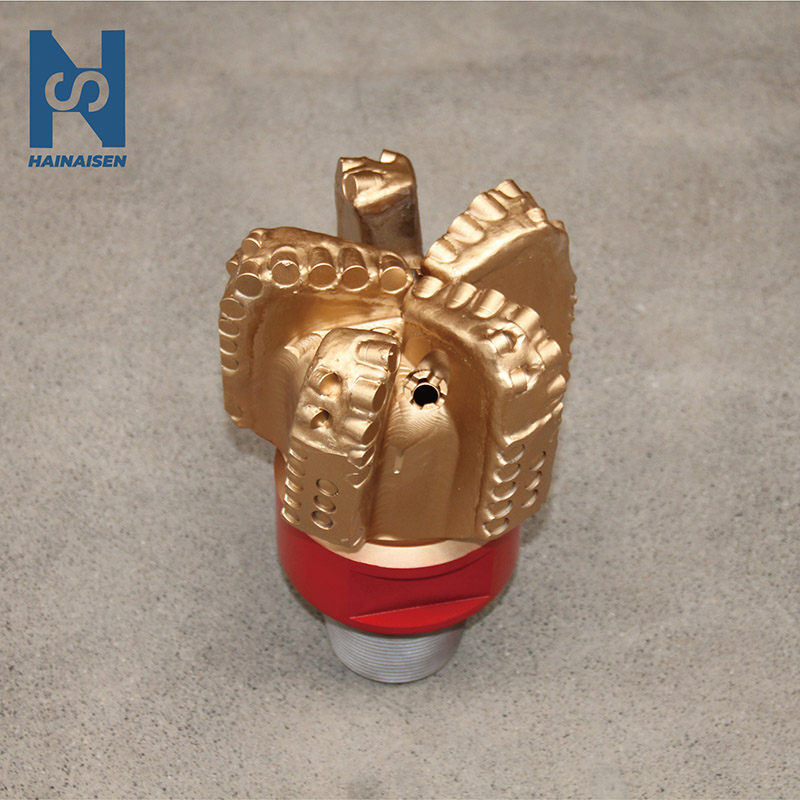 VIEW MOREPDC Rock Drill Bit
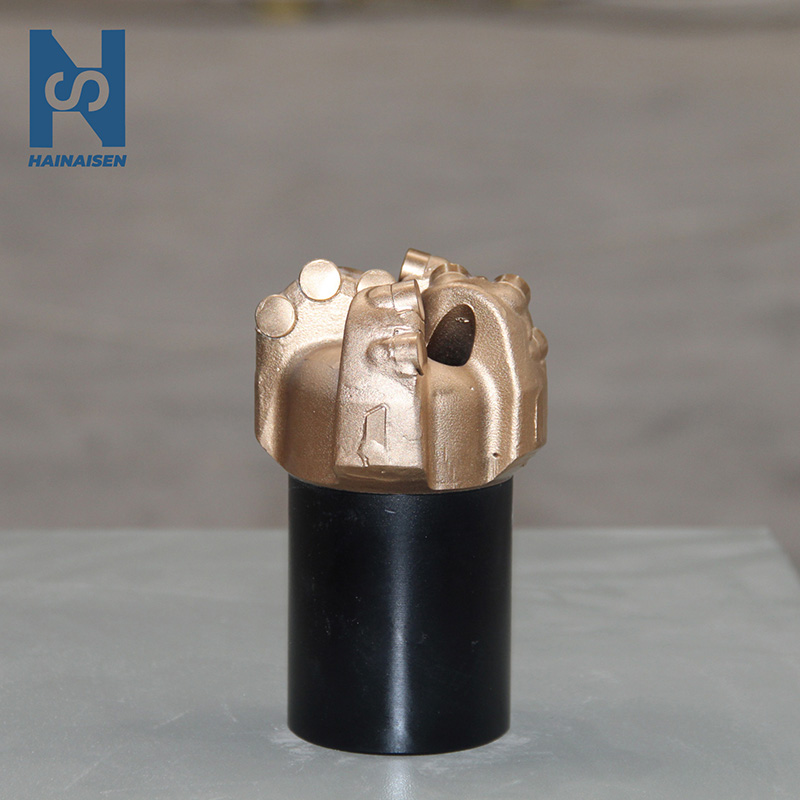 VIEW MORE113mm Four Wing Arc Angle Drill Bit
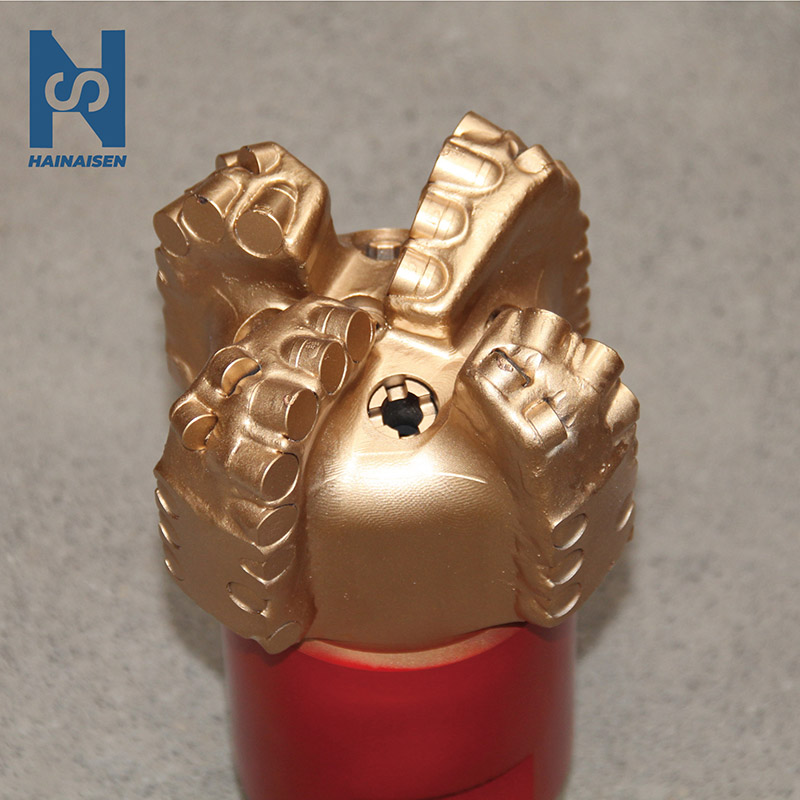 VIEW MOREFour Blade Wing High Performance Petroleum Drill Bit
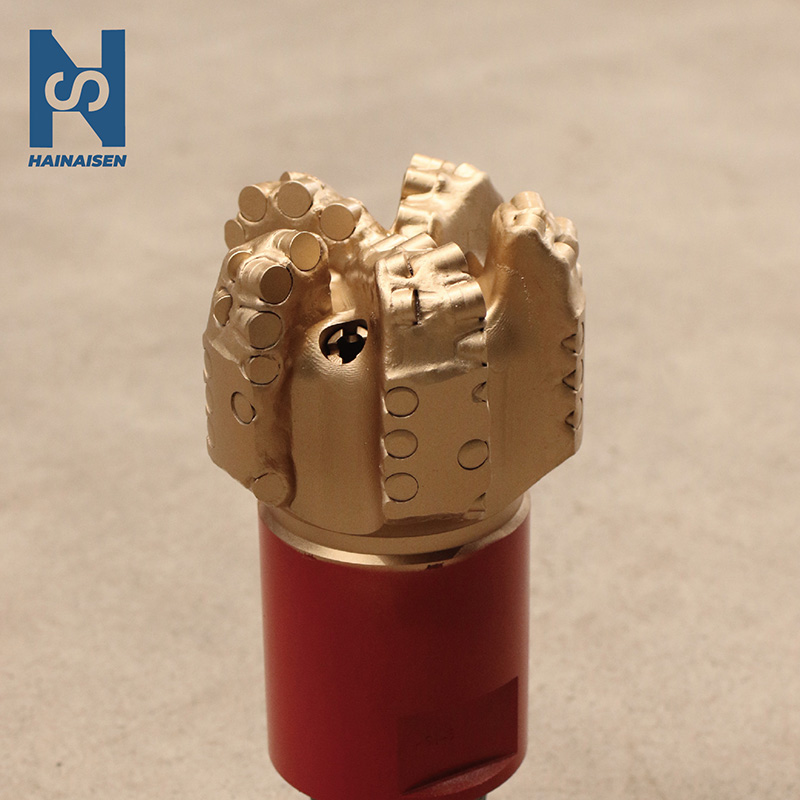 VIEW MOREPDC Petroleum Drill Bit
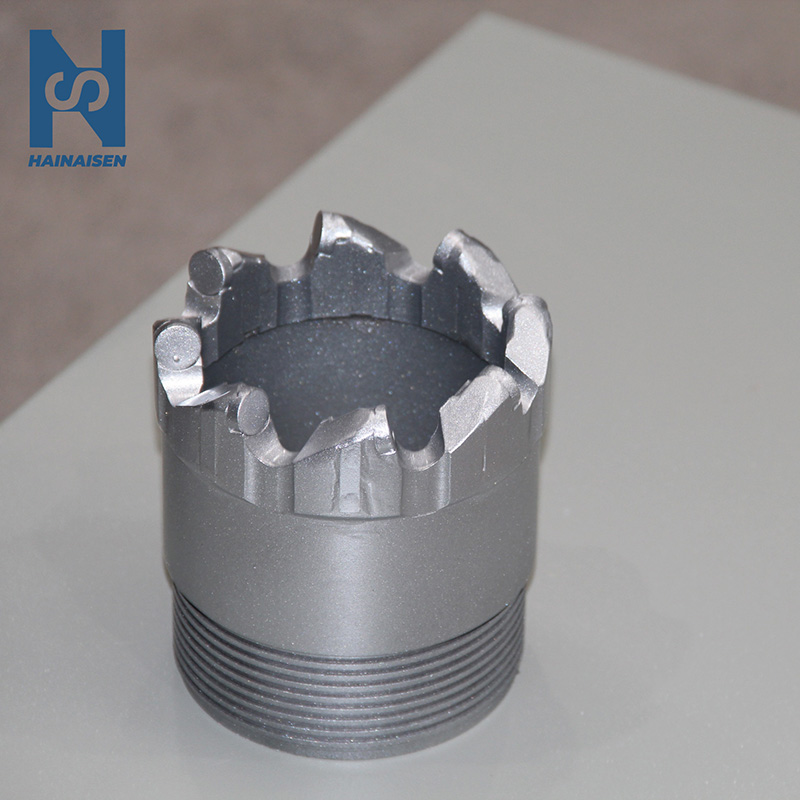 VIEW MOREPDC Core Drill Bit Used For Drilling
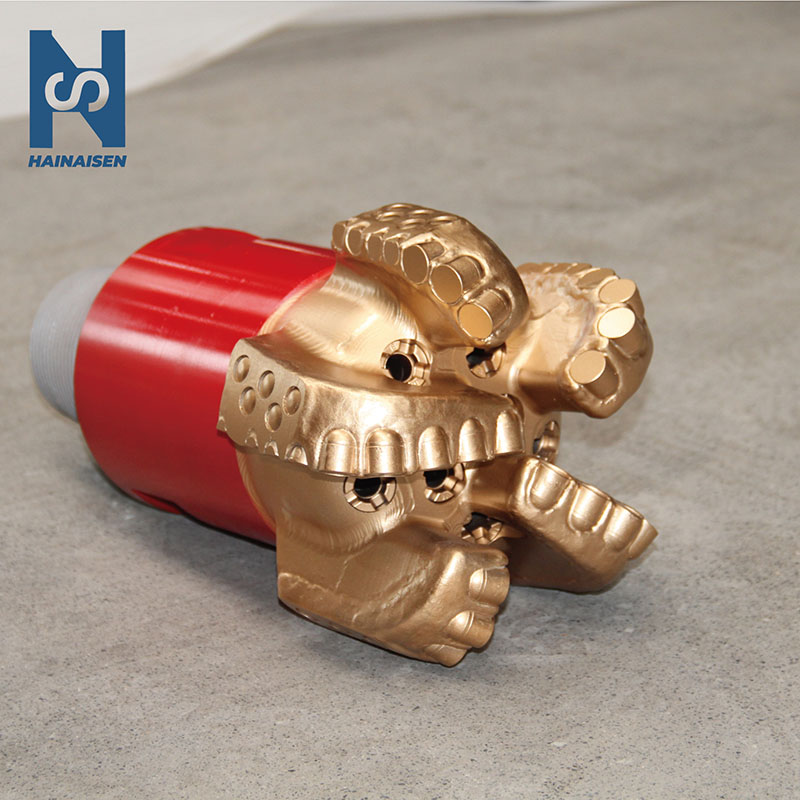 VIEW MOREDiamond Drill Bits For Oil Rigs
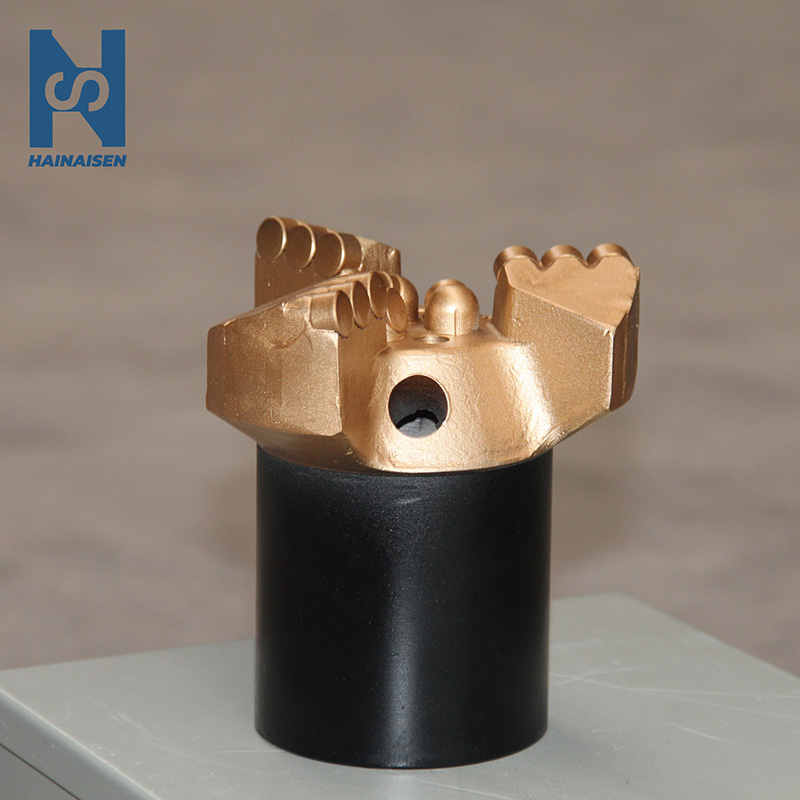 VIEW MORE113mm 3 Blades Steel Body PDC Bit
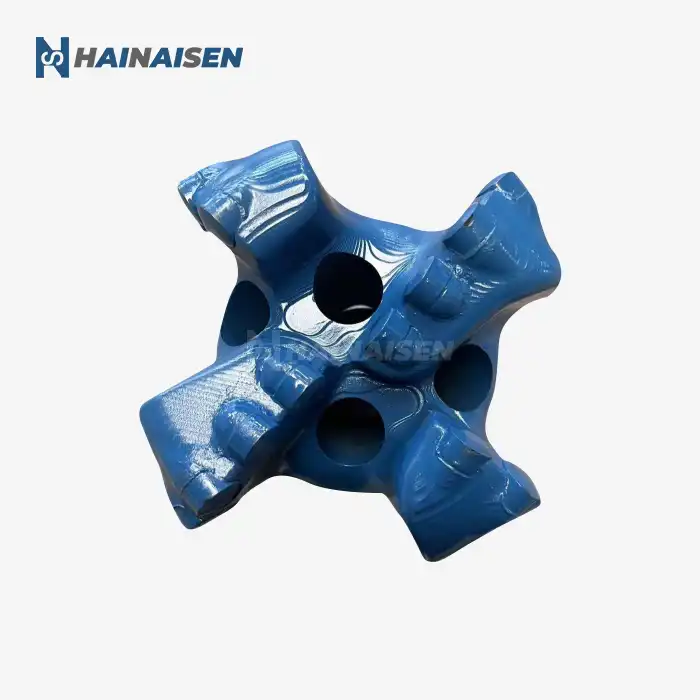 VIEW MOREFour Blade PDC Drill Bit
