




Why Tool 6 Wings Drill Bit PDC Works in Abrasive Formations?
Choosing the right drill bit is very important when cutting through rough rock layers like sandstone, shale, and gypsum. Failing to do so can cost a lot of money and time. The Tool 6 Wings Drill Bit PDC has become a game-changing answer in the field of industrial drilling. It was designed to work in harsh settings. In comparison to regular drill bits, this speciality polycrystalline diamond compact drill bit has a unique six-wing structure that makes it more stable, better at cutting, and much more resistant to wear. Whether you're in charge of drilling for oil and gas, coal, or water wells, you need to know why this tool works so well in rough rock types so you can make the best decisions about what to buy and how well your operations run.
Understanding the 6-Wing Drill Bit PDC Design and Functionality
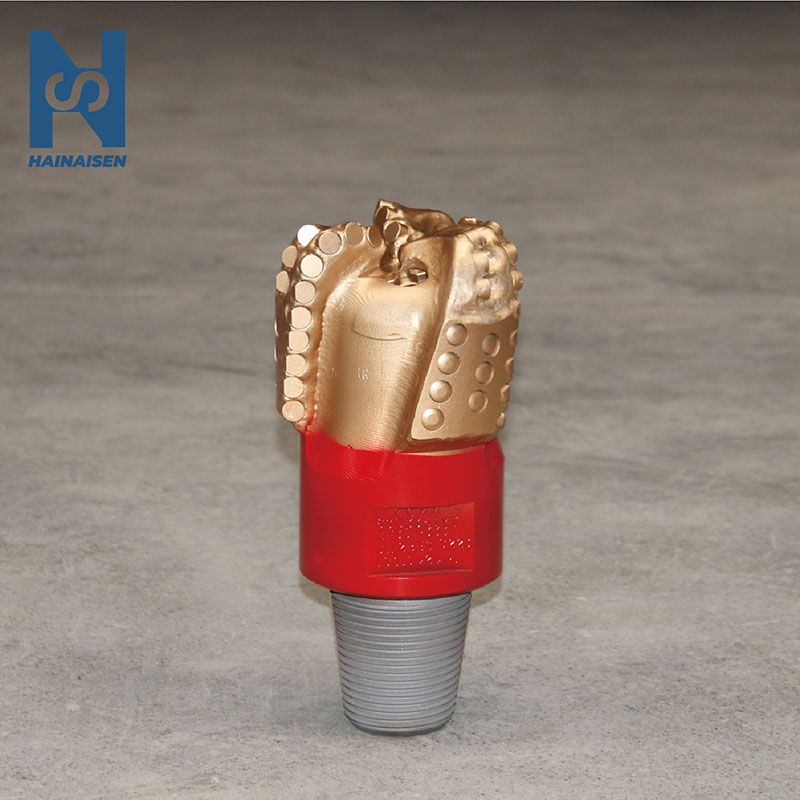
The Tool 6 Wings Drill Bit PDC is a big step forward in drilling technology. It was made using ideas that come from real-life problems that people face in rough rock situations. This tool has a carefully designed six-blade configuration that fundamentally changes how cutting forces interact with rock forms. This is different from standard roller cone bits or PDC designs.
Structural Innovation: The Six-Wing Configuration
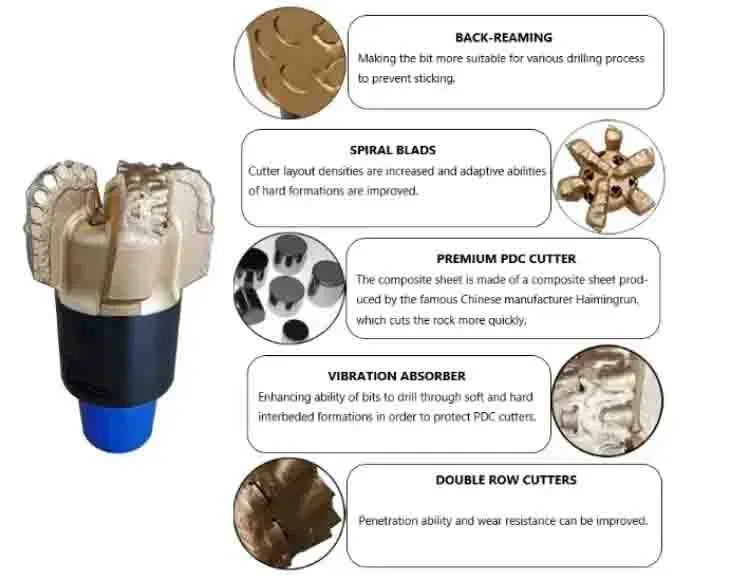
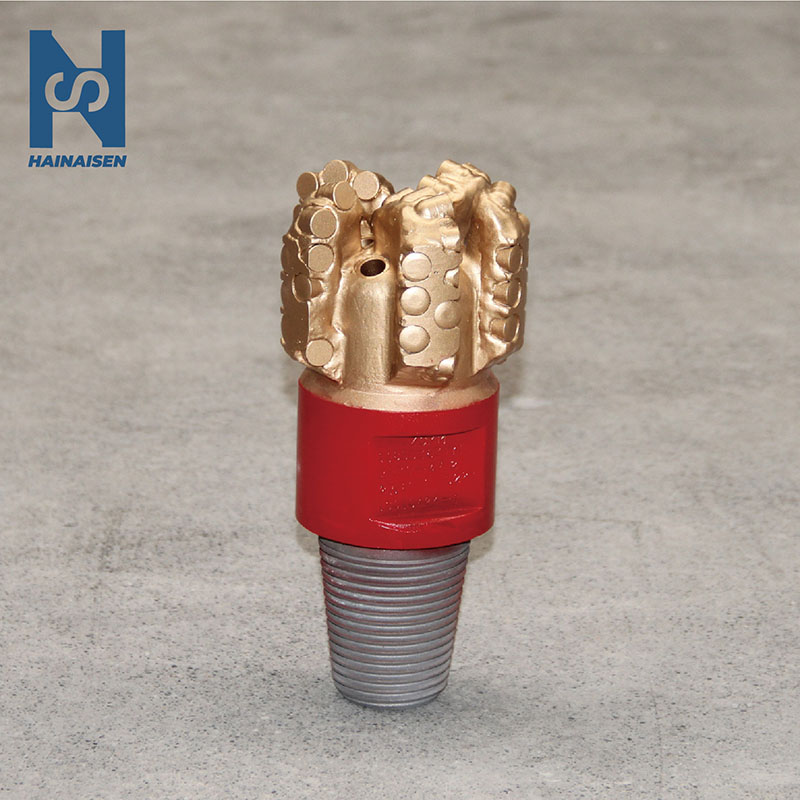
The six-wing (or six-blade) shape of this drill bit, one of the most reliable abrasive formation drill bits, is what makes it unique. It makes a balanced cutting base that spreads mechanical stress evenly across the bit face. Each wing is a structural part that holds several PDC cuts that are placed in a way that makes rock cutting as efficient as possible. This design has clear benefits over four-wing or tri-cone options. With more blades, more cutting edges can engage the rock at the same time, which speeds up penetration rates and makes drilling processes easier. The balanced shape also lowers horizontal vibration, which is a typical issue that makes wear happen faster and shortens the life of bits in abrasive layers.
Advanced PDC Cutter Placement and Materials
There are polycrystalline diamond compact cuts inside this tool that make it work. Instead of breaking things like regular roller cones do, these fake diamond inserts make a motion that is constantly scraping. Our Tool 6 Wings Drill Bit PDC uses high-quality PDC tools that are made using high-pressure, high-temperature processes that join very hard diamond particles to a tungsten carbide base. The end result is a cutting element that is very hard and doesn't change much when it gets hot.
The placement of the cutters is based on an optimised design that makes sure each blade stays in contact with the rock while still leaving enough room for drilling fluid to flow. The bit body is made of high-quality steel that changes to a tungsten carbide-composite material on the outside. This gives the structure the strength it needs to cut aggressively in tough circumstances. This mix of materials makes it very long-lasting and resistant to wear, which are important qualities to have when working in places where rough bits are constantly hitting open surfaces.
Hydraulic Efficiency and Debris Management
Cutting removal that works well is often ignored, but it's a key part of performance in abrasive forms. The six-wing version has larger junk holes between the blades that make it easier for debris to be sucked out of the borehole. When drilling fluid runs through these pathways, it moves rock chips that would otherwise build up around cutters and make them less effective at cutting. The setting of the opening is designed to send fast-moving fluid streams across the bit face, cooling it and cleaning it at the same time. This hydraulic improvement stops bit balling, which happens when cuttings pack around the bit, and keeps the drilling rate steady throughout the process.
Why the 6-Wing Drill Bit PDC Excels in Abrasive Formations?
Formations that are abrasive pose special problems that quickly wear out standard digging tools. Sandstone and other types of rocks contain quartz particles that work like a grinding compound. Shale layers, on the other hand, can have different levels of hardness that cause uneven wear patterns. To understand why the Tool 6 Wings Drill Bit PDC has become the best choice for tough jobs, you need to know how it solves these specific problems.
Superior Wear Resistance Through Advanced Materials
Formations with silica, quartz, and other hard rocks are very rough, which makes them a very bad place for drill bits to work. As durable abrasive formation drill bits, our six-wing PDC design solves this pain point perfectly. In these situations, traditional steel-tooth roller cones wear out quickly, so they have to be replaced more often, which drives up costs and lowers output. The PDC cuts we used in our six-wing design are very hard, almost as hard as a real diamond. This makes them very resistant to wear from rough surfaces. The fake diamond layer keeps its cutting edge for a lot longer than metal layers, which makes the bit last a lot longer. Field data from coal mines shows that our Tool 6 Wings Drill Bit PDC can last 200 to 300 times longer than regular bits. This means that expensive bit trips happen less often, allowing for more drilling time.
Enhanced Stability Reduces Vibration and Stick-Slip
Vibration from uneven rock contact is one of the worst things that can happen during rough drilling. When the formation hardness changes or the bit wears down unevenly, it can go through damaging movements that speed up the failure of a part. The balanced geometry of the six-wing layout immediately solves this issue. Because the cutting forces are spread out fairly among six blades, the tool keeps turning even when individual cutters hit hard stringers or softer areas in the formation. This stability lowers rotational vibration and stick-slip behaviour, in which the bit sticks and then quickly releases, both of which are bad for the bit and the whole drill string.
Because it is more stable, operators can keep the drilling settings more intense without losing control. Our Tool 6 Wings Drill Bit PDC works well with speeds between 60 and 250 rpm and drilling pressures between 20 and 110 kN. This gives it a lot of operating freedom that lets it adapt to changing formation conditions.
Comparative Performance Analysis
Procurement managers need clear comparisons of performance when they look at cutting tools. The six-wing design of PDC Bits penetrates medium-hardness rocks about 15 to 20 per cent faster than four-wing designs. This is because the cutters are denser and the weight is distributed better. The Tool 6 Wings Drill Bit PDC doesn't have bearing failures like roller-cone bits do. This is a typical issue in rough settings where fine particles get into sealed bearing systems. Even though natural diamond bits work very well, they are much more expensive and don't work as well in medium-hardness jobs, where PDC technology works better.
When you add up the total drilling costs per metre, the cost-effectiveness becomes very clear. An initial investment in a good Tool 6 Wings Drill Bit PDC may be higher than other options, but the longer operating life, shorter tripping time, and faster penetration rates make the cost per metre dug lower. Teams that drill water wells in sandstone rocks say that moving from tricone to PDC technology cuts costs by 30 to 40 per cent while keeping or even improving the quality of the holes.
Operational Best Practices and Maintenance for the 6-Wing Drill Bit PDC
Paying attention to working factors and proactive maintenance practices will help your Tool 6 Wings Drill Bit PDC work better and last longer. These practices help ensure the best return on investment by drawing on years of experience in a wide range of fields and uses.
Optimising Drilling Parameters for Maximum Efficiency
To do PDC drilling successfully in rough rocks, operators of premium abrasive formation drill bits need to carefully control the parameters. Rotational speed should be chosen based on the hardness of the rock and the diameter of the bit. The range of 60 to 250 RPM that we suggest is a good place to start, and it can be changed based on how the drilling is going in real time. Weight on bit (WOB) has a direct effect on cutting rate, but it needs to be balanced against too much cutter loading, which can wear it out too quickly. The suggested drilling pressure range is 20–110 KN. This range lets workers change how aggressive they are while keeping an eye on torque and rate of penetration to find the best settings.
Managing flow rates is especially important in rough settings. Our standards call for 30 to 40 litres per second to make sure that the cuttings are removed and the machine cools down properly. Cuttings can go around again if there isn't enough flow, which creates a secondary grinding action that speeds up wear. On the other hand, too much flow can damage bit components and waste energy. The properties of the drilling fluid are also important. Keeping the right viscosity and using good filter systems keeps gritty particles from hurting hydraulic parts and lessens the damage they do to the bit itself.
Maintenance Protocols and Wear Pattern Recognition
Regular inspections help find problems as they start to form before they become so bad that they can't be fixed. Operators should carefully look over each bit after each run for damage to the cutter, erosion lines on the bit body, and junk slot wear. Being able to recognise common wear patterns gives you useful information about how you're digging. All blades wearing the same amount of material show that the parameters were chosen correctly and that the bit and shape are compatible. Localised wear on certain cutters could mean that the cutting isn't going in the right direction or that the creation isn't uniform, which means that the parameters need to be changed.
Cleaning methods make bits last longer between runs. As soon as the bits are taken out of the hole, they should be cleaned with the right chemicals to get rid of formation waste and drilling fluid deposits, including on the Tool 6 Wings Drill Bit PDC. Letting these things harden can hide damage during checks and make it harder to store them correctly. When bits are not in use, they should be kept in places that keep cuts from rusting or breaking mechanically.
Real-World Performance Data
A medium-sized oil service business that works in shale basins wrote about their experience switching to Tool 6 Wings Drill Bit PDC technology. They saw bit life go from 420 metres to 1,180 metres per bit on average across 15 wells, and drilling rates go from 12 metres per hour to 18 metres per hour. The total result cut the number of digging days needed for each well by 22%. This saved the company a lot of money and let them finish more wells within their budget. These results show that the investment in good PDC drilling equipment pays off in a real way.
Procurement Considerations for 6-Wing Drill Bits (PDC) in Global B2B Markets
To make smart choices about buying, you need to know about both the technical needs and the way the market works. When buying things for industrial drilling, you have to think about a lot of things, like the quality of the products, how reliable the suppliers are, and the total cost of ownership.
Application-Specific Selection Criteria
Not every Tool 6 Wings Drill Bit PDC works the same way in different types of rock. First, procurement teams should fully describe the layers they'll be working with, including the type of rock, its compressive strength, abrasiveness, and any known problems that might come up during digging. Our Tool 6 Wings Drill Bit PDC is designed to work with medium-hard, low-compressive-strength rock types like shale, limestone, sandstone, and gypsum. This makes it perfect for mining, oil and gas research, coal bed methane drilling, and building water wells.
Choosing the right bit size depends on the needs of the wellbore. In oil and gas uses, the widths of bits are usually between 6 and 17.5 inches. For water well and geothermal projects, the sizes may need to be different. When you have to deal with unusual natural conditions, customisation choices become important. At HAINAISEN, our experienced engineering team works closely with clients to create custom solutions. They do this by changing bit shapes, cutter sizes, and blade configurations to get the best results for each cutting goal. This feature of being able to be customised is a big plus over ready-made options that might not fully meet your business needs.
Evaluating Manufacturers and Supply Chain Reliability
There are a lot of different makers of PDC drill bits on the global market, and their quality standards and skills are very different. Large and medium-sized oil service businesses usually have strict requirements for suppliers, such as ISO Certifications, written quality control methods, and records of past work in the field. Shaanxi Hainaisen Petroleum Technology Co., Ltd. was founded in 2013 in Xi'an. It has built a strong name by following strict manufacturing standards and coming up with new ideas all the time. Our building is 3,500 square metres and has modern production rooms with advanced processing tools like 5-axis machining centres, CNC machine tools, and specialised welding production lines that make sure the products are made precisely.
Throughout the whole process of making our products, we use quality control methods. Before it is shipped, each bit is carefully tested and inspected to make sure it meets standards for performance and dependability. This dedication to quality has earned the trust of top companies around the world in our field. It also lets us serve a wide range of customers, from large oil service companies looking for long-term partnerships to water well drilling teams looking for cost-effective solutions that don't sacrifice important performance characteristics.
Pricing, Order Flexibility, and Logistics
Different types of customers have very different cost concerns. Instead of just looking at the purchase price, big oil service companies look at the total cost of ownership, which includes bit life, adoption rates, and operating efficiency. Companies that mine coal have to find a mix between price and quality. Teams that drill water wells, on the other hand, often focus on competitive pricing because their project margins are smaller. Knowing about these various value propositions assists in creating buying strategies that are in line with the needs of the business.
When planning drilling missions, order flexibility is important. Suppliers should be able to handle both small orders to start with, for testing and proof and large orders for big projects. Selection of a seller is also affected by lead times, shipping processes, and customer service after the sale, as well as the Tool 6 Wings Drill Bit PDC. When you buy something internationally, you have to think about things like customs processes, shipping costs, and payment terms. You need skilled suppliers who have a history of exporting to make international purchases.
Conclusion
The Tool 6 Wings Drill Bit PDC is a tried-and-true way to drill through tough rock formations. It combines modern PDC technology with a specially designed six-wing shape to provide better steadiness, cutting efficiency, and wear resistance. Knowing how it was designed, how it works, and how to keep it in good shape helps buying teams make smart choices that lower drilling costs and improve project results. Whether you're in charge of large-scale oil and gas operations or building water wells, picking the right drill bit technology has a direct effect on how well your operations run and how much money you make in tough natural settings.
FAQ
1. What is the expected lifespan of a 6-wing drill bit PDC in abrasive formations?
How long a bit lasts depends on how rough the shape is, how it is used, and how well it is maintained. When drilling in sandstone and shale, a good Tool 6 Wings Drill Bit PDC can drill up to 1,500 metres before it needs to be replaced. This is a lot longer than roller cone bits, which may only last 300 to 500 metres in the same conditions. With the right parameter tuning and care, these spans can be made even longer.
2. How does cost-efficiency compare between 6 Wings PDC bits and tricone bits?
Tool 6, Wings Drill Bit PDC, usually costs more up front than tricone options, but because they last longer and penetrate deeper, they cost less per metre bored. When tripping time is cut down, drilling speeds are sped up, and bits are replaced less often, total drilling costs often drop by 25 to 40 per cent. The cost advantage is stronger in deeper wells, where trip time makes up a bigger part of the total cost of digging.
3. Can the Tool 6 Wings Drill Bit PDC be customised for specific drilling conditions?
Customisation is one of the best things about working with makers who have a lot of experience. Bit shapes, cutter sizes, blade configurations, and hydraulic designs can all be changed to get the best results in different types of rock, wellbore needs, and drilling goals. This adaptability makes sure that the right tool is matched to the right rock, which increases drilling efficiency in a wide range of situations.
Partner with HNS for Superior Tool 6-Wing Drill Bit PDC Solutions
Are you ready to improve your drilling with the modern Tool 6 Wings Drill Bit PDC technology? HNS is an expert at designing high-performance drilling systems that are unique to your geological problems and operating needs. Our technical team has a lot of experience working in the field with oil and gas, mining, and water wells. They are backed up by cutting-edge manufacturing tools and strict quality control.
Get in touch with us right away to talk about your project needs and find out how our Tool 6 Wings Drill Bit PDC solutions can help you cut down on drilling costs while also increasing penetration rates and making your operations more reliable. To get full technical advice, email our team at hainaisen@hnsdrillbit.com or go to our website. HNS has the knowledge, quality, and support that B2B clients all over the world trust, whether they need a single tool for testing or a lot of them for big drilling projects.
References
1. Smith, J. and Anderson, M. "Polycrystalline Diamond Compact Technology in Modern Drilling Applications." Journal of Petroleum Technology, 2022.
2. International Association of Drilling Contractors. "Best Practices for PDC Bit Selection and Operation in Abrasive Formations." Technical Report Series, 2021.
3. Chen, L. "Advanced Drill Bit Design: Engineering Principles and Field Performance." Drilling Engineering Handbook, 2023.
4. National Association of Oil and Gas Drilling Contractors. "Comparative Analysis of PDC and Roller Cone Bit Performance in Various Geological Formations." Industry White Paper, 2022.
5. Rodriguez, P. and Williams, T. "Hydraulic Optimization in PDC Drill Bit Design for Enhanced Cuttings Removal." SPE Drilling & Completion Journal, 2021.
6. Thompson, R. "Total Cost of Ownership Analysis for Drilling Tools in Oil and Gas Operations." Energy Economics Review, 2023.
logo 2_1777360600432.jpg) VIEW MORECoal Mine Drilling Drill Bit Directional Three Blade PDC Drill Bit
VIEW MORECoal Mine Drilling Drill Bit Directional Three Blade PDC Drill Bit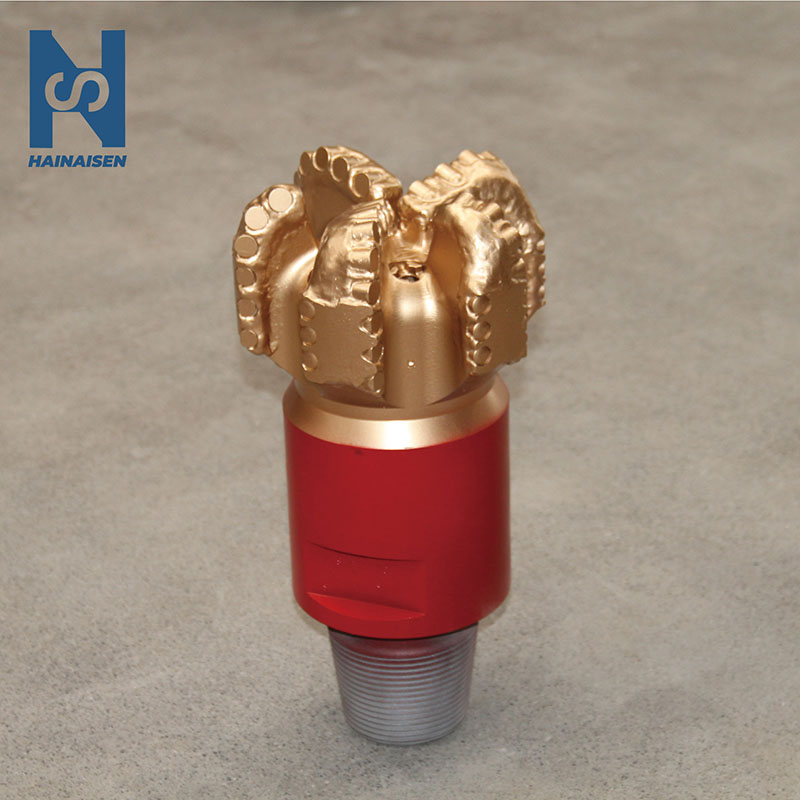 VIEW MOREFive Wing PDC Bit For Hard Rock Drilling
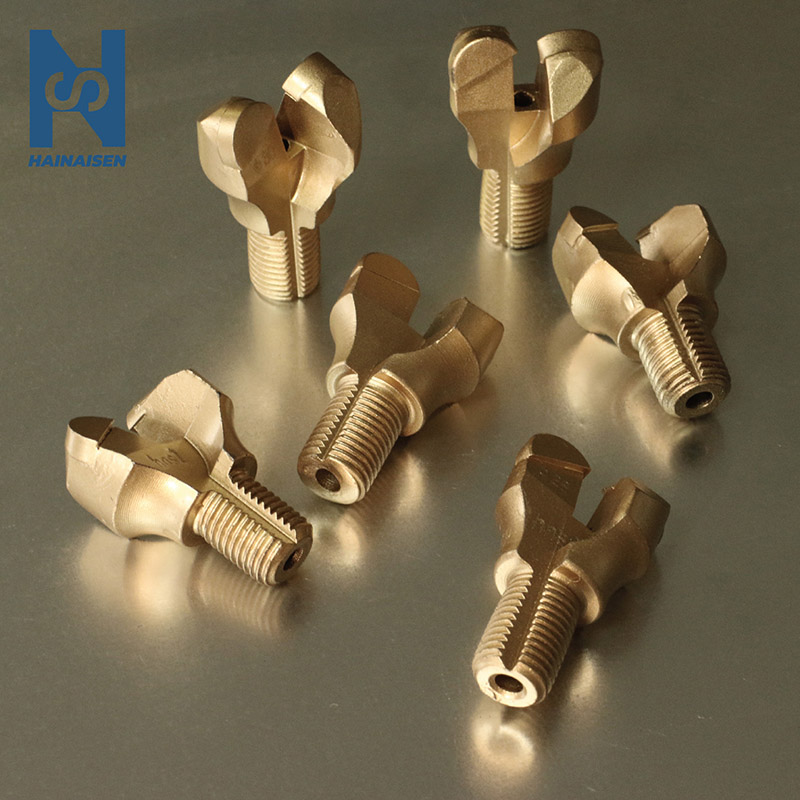 VIEW MORECoal Mining Tools PDC Anchor Drill Bit 28mm
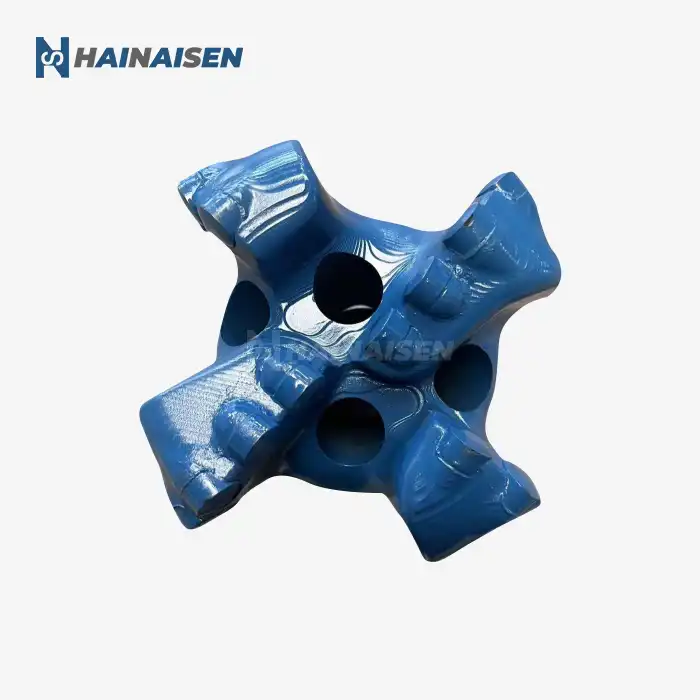 VIEW MOREFour Blade PDC Drill Bit
 VIEW MOREThree Blade PDC Tricone Drill Bit
 VIEW MORE113mm Three Wing Arc Angle Drill Bit
 VIEW MOREForging Deep Rock Well Drilling Bits
 VIEW MOREHigh Performance 5 Cutter PDC Bit