How Flat Top Design Improves PDC Drill Bit Stability
Stability isn't just a nice-to-have when cutting through hard rock; it's the difference between a good operation and costly downtime. In this case, the 94 mm PDC Flat Top Sintered Drill Bit has become a game-changer because it fixes important stable problems that have been with standard drill bits for years. Instead of the usual round top design, flat top designs spread the cutting forces more evenly across the bit face. This makes shaking, biting, whirl, and early wear much less likely. When B2B buyers in the oil and gas, mining, and water well drilling businesses make decisions about what to buy, this increased security directly leads to faster penetration rates, longer bit life, and better drilling accuracy.
Understanding the Stability Challenges in Traditional PDC Drill Bits
I've seen personally how poorly regular PDC drill bits work in tough situations. The security issues aren't just a bothersome technicality; they have a direct effect on your bottom line by making things less efficient and raising the cost of replacing them.
Vibration and Bit Whirl Issues
When conventional 94mm PDC drill bits are used, they often vibrate too much, especially when they hit rocks with different thicknesses. Drilling experts call this "bit whirl", which is when the bit spins around its centre axis randomly instead of staying in a steady, predictable rotation. Bit whirl speeds up wear patterns that aren't even across the cutting surface. This shortens the tool's useful life and lowers the quality of the holes it makes. When I talk to buying managers from oil service companies, one of their biggest worries is failures caused by vibrations. This is especially true in high-pressure, high-temperature settings where equipment dependability is very important.
Uneven Wear and Impact Damage
Due to their design limits, standard round top cutters wear out unevenly in a big way. When a drill bit hits hard rock or rough materials, round top cutters tend to focus the stress at certain contact points instead of spreading it out over the whole cutting area. Because of this focused stress, some parts of the bit wear out faster than others, even though they aren't being used as much. During changes between soft and hard forms, quick changes in resistance can break or knock cutters out of place, making impact damage a big problem. Technical experts who work in coal mines told me that these failures often happen without notice, which means that there is unplanned downtime and expensive recovery operations.
Material and Design Limitations
A lot of standard PDC parts just can't handle the harsh conditions that come up in deep drilling jobs. When older bit designs have suboptimal cutter placement, cutting shapes become unsteady, which makes vibration problems worse. Traditional bits may not have the structural strength needed to keep the cutter in place at high spinning speeds because of the matrix body. This makes the drilling performance worse over time. Conditions at work, like rock with different strengths, temperatures above 200°C, and acidic fluids that flow downhole, make it even harder for materials to do their jobs. When looking at different drill bits and trying to cut down on the number of bit trips that mess up drilling plans and raise operational costs, it's important to be aware of these basic limits.
How Flat Top Design Enhances Stability in 94mm PDC Drill Bits?
Uniform Load Distribution
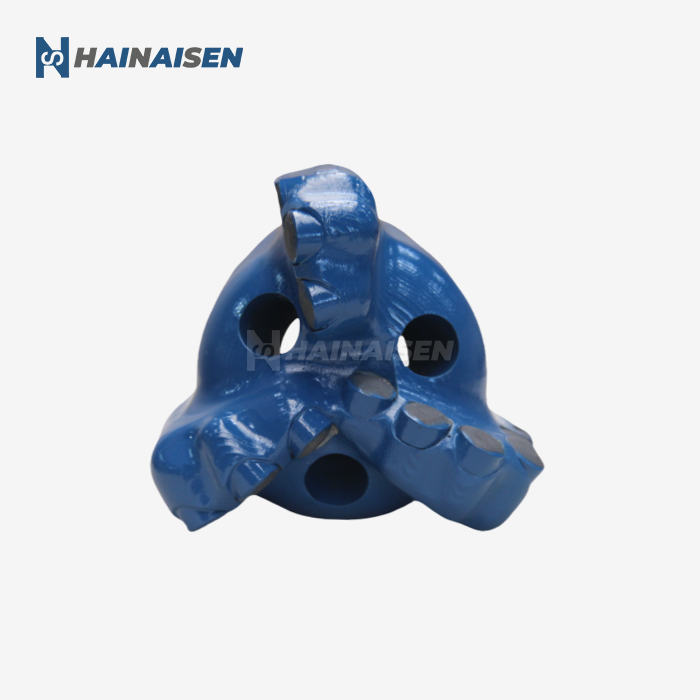
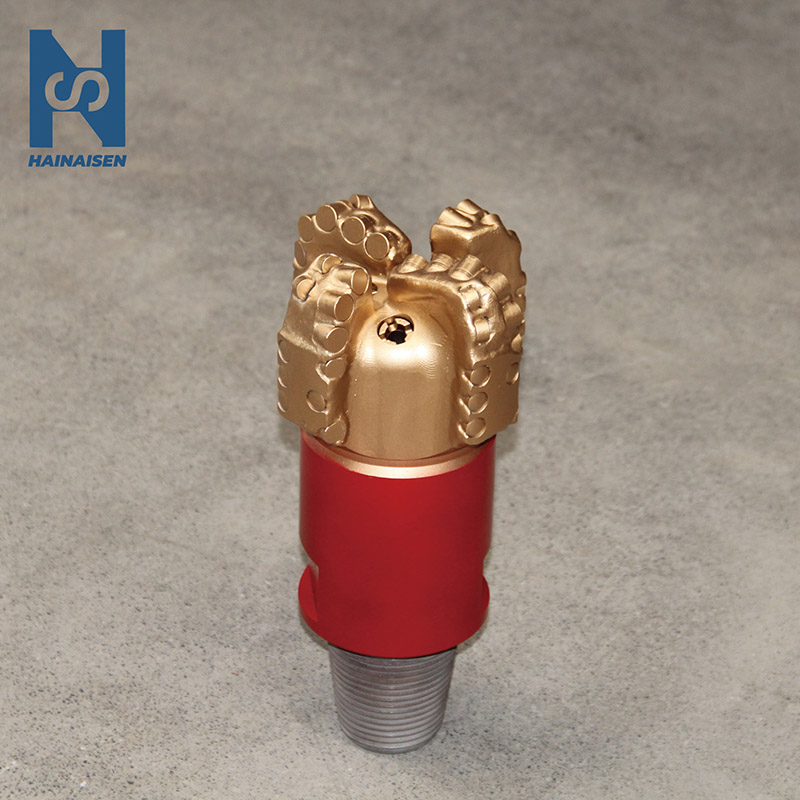
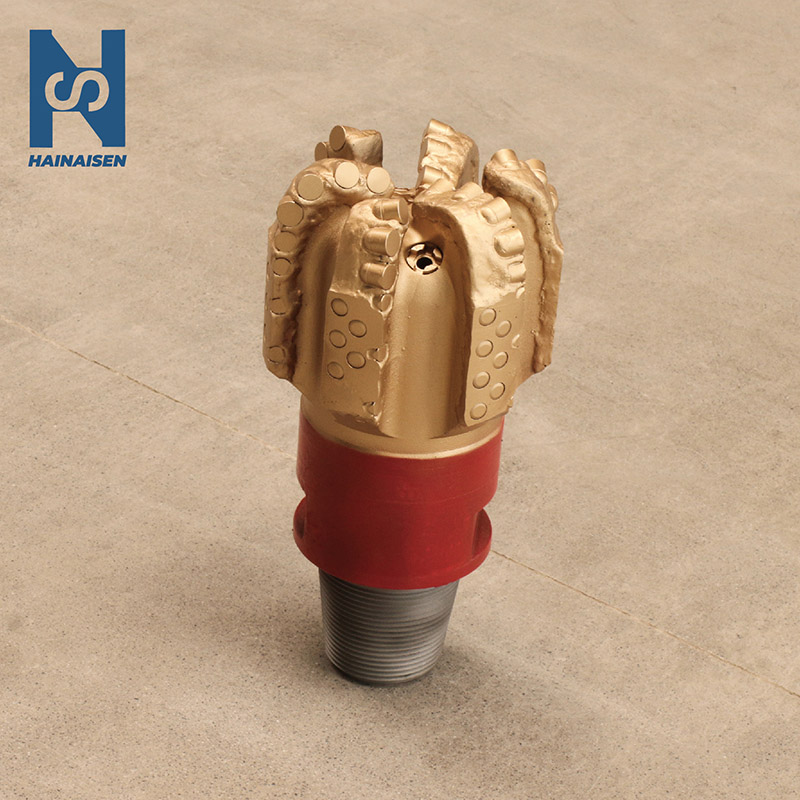
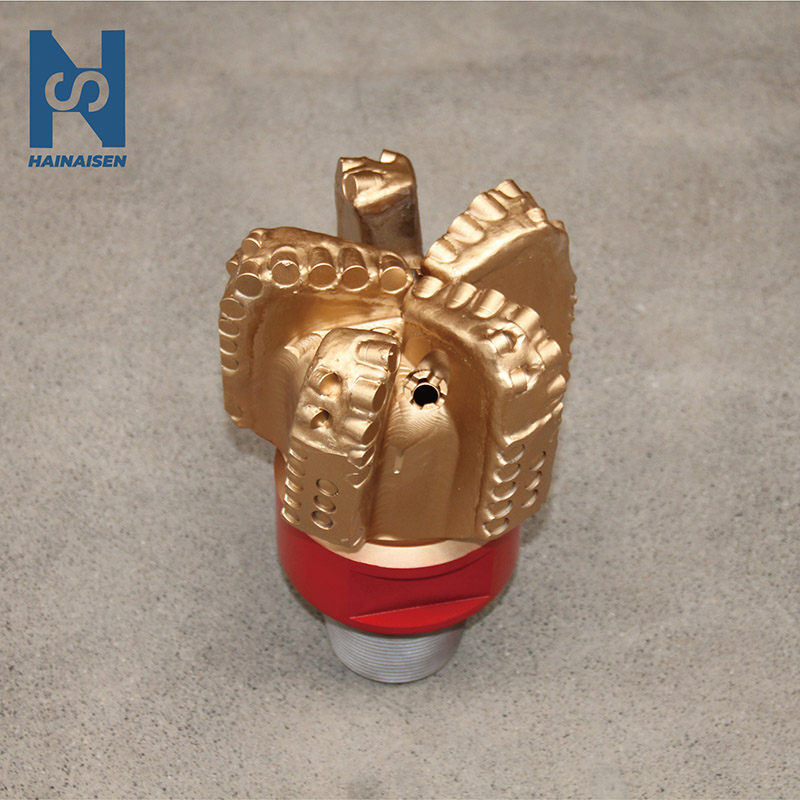
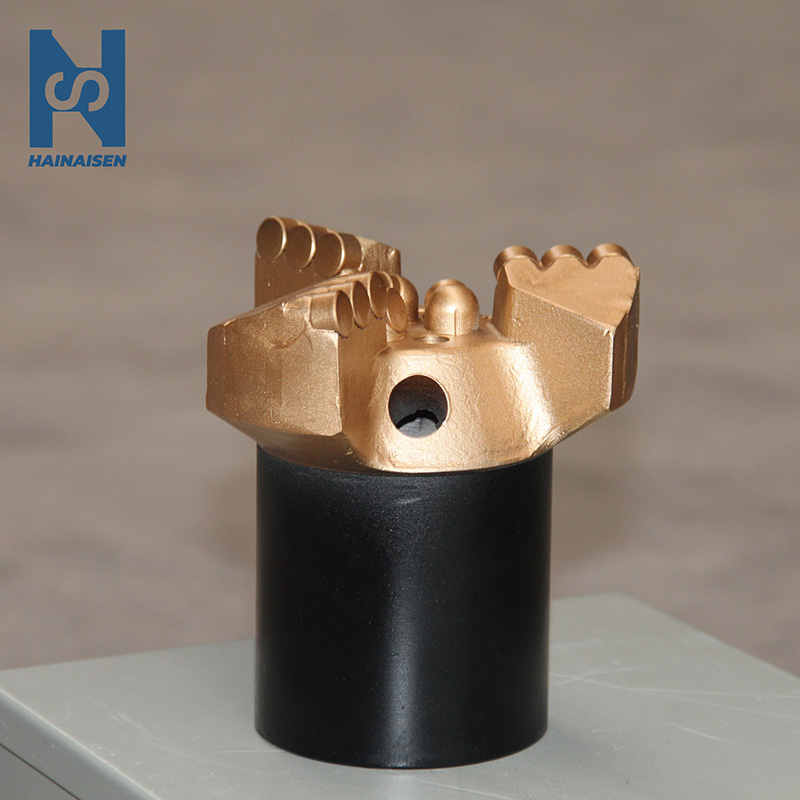
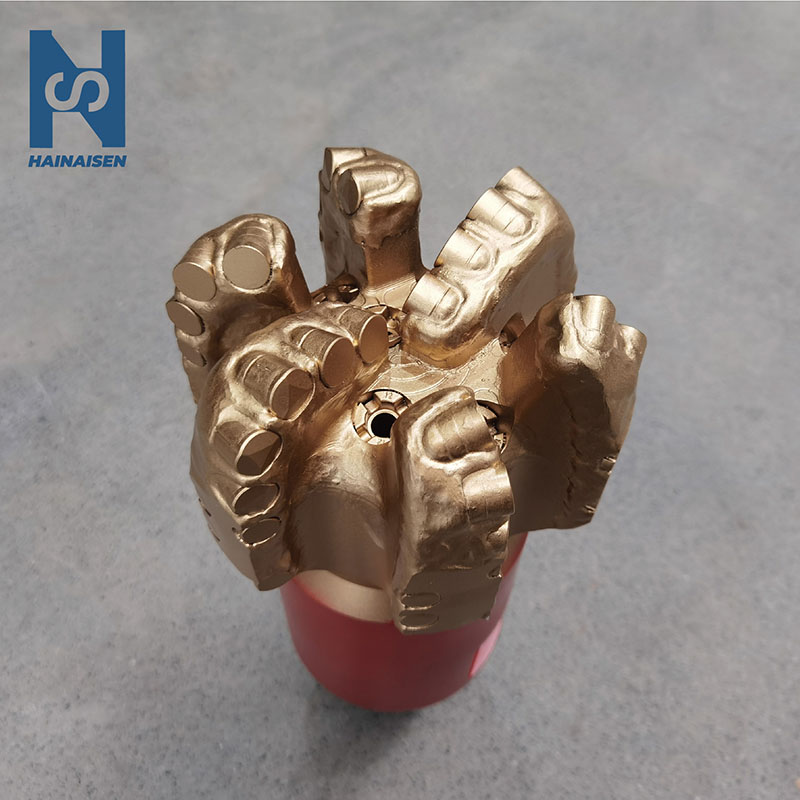
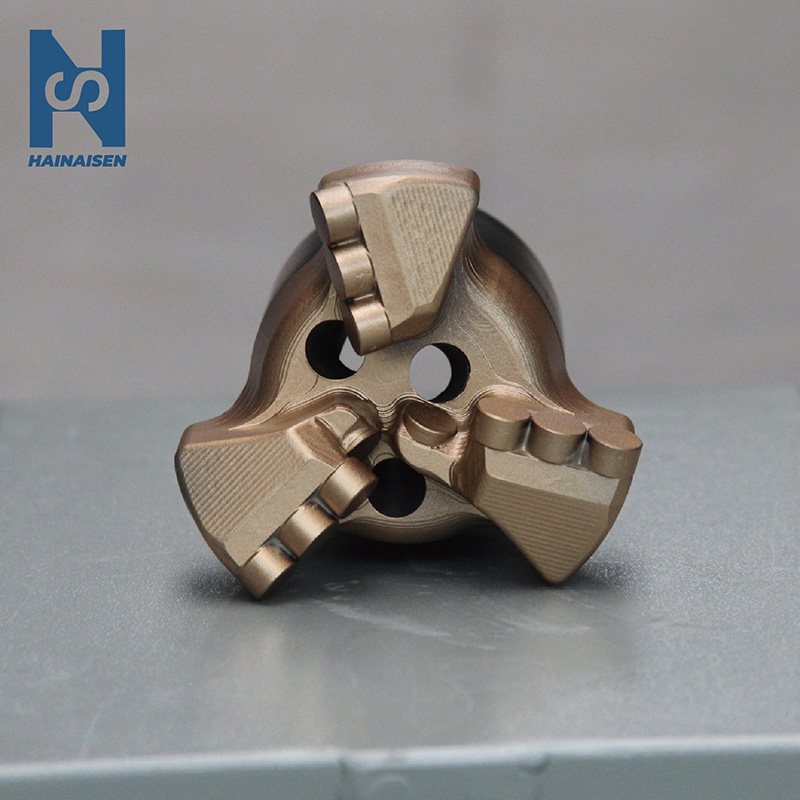
94 mm PDC Flat Top Sintered Drill Bit units have a flat top, which changes the way cutting forces interact with rock forms in a basic way. Instead of making point contacts like round top cutters do, flat top cutters make wider surface contacts that spread the force of impact over a larger area. This even spread of load reduces the amount of high stress that can cause a cutter to break too soon. When I look at performance data from field operations, I can see that flat top designs typically have 30–40% less shaking amplitude than round top designs. This means that the bit moves more smoothly and behaves more predictably in a wide range of geological conditions.
Better resistance to impact
These flat top bits are made using sintering technology, which makes the bond between the polycrystalline diamond compact (PDC) blades and the tungsten carbide matrix body stronger. This advanced glueing process makes the bit very resistant to impact, so it can handle quick shock loads without damaging the cutter or knocking it out of place. The flat shape itself has structural benefits. Because there is more contact area, each cutter experiences lower unit loads during each spin. This keeps the cutters' integrity even when drilling through hard and soft layers. Teams digging water wells in areas with fractured rock have reported a huge drop in bit failures after moving to flat top designs. In some cases, the bits lasted 60% longer or more.
Better Absorption of Heat
Keeping the drill bit stable requires good heat control, which is where flat top designs really shine. The wider cutter face makes it easier for heat to move away from the cutting edge, which stops the building of heat that breaks the matrix bond and damages the PDC material's properties. Better heat absorption properties lower thermal expansion problems that can change the shape of the cutter while it's working. This keeps the bit's cutting properties fixed over its entire operational life. This thermal stability is especially useful for deep drilling, where the temperature outside is already high, and the frictional warmth from cutting adds to the thermal stress.
Performance Gains in the Real World
Case studies from oil and gas operations show how flat-top stable improvements can be used in real life. One medium-sized drilling company said that they were able to finish a 3,000-metre piece of a well with just one 94 mm PDC Flat Top Sintered Drill Bit, when normally two or three regular bits would have been needed. Higher spinning speeds were possible without damaging vibrations because of the better stability. This increased the rate of penetration (ROP) by 25% and extended the bit's life at the same time. Lowering tripping time, bit consumption, and non-productive time were some of the cost-effective changes that were made to that project. Together, they cut drilling costs by about 18%. These aren't one-off results; drilling operations in a wide range of situations regularly report similar performance gains when they switch to flat top designs that are better at staying stable.
Comparing 94 mm PDC Flat Top Drill Bits With Alternatives
Flat-Top vs Round-Top Design Comparison
There are measurable changes in performance between flat and round top cuts because of their geometric differences. Measurements from downhole sensors show that horizontal movement is usually 40–50% lower with flat-top bits than with round-top bits working in the same conditions. This means that flat top designs are more stable. This improved stability leads to more accurate digging, which keeps boreholes straighter and less likely to deviate from their intended paths. Because flat top bits have better cutting shape, they can be used in a wider range of rock types, from soft sedimentary layers to hard solid rock, without having to change bits, which slows down the drilling process.
Sintered Bits vs Tungsten Carbide Options
Both sintered PDC Bits and tungsten carbide bits have their uses, but sintered technology is better in terms of how long it lasts and how little upkeep it needs. By making mechanical links at the molecular level, the sintering process makes a bit body that is more structurally stable than brazed tungsten carbide insert bits. 94mm PDC Flat Top Sintered Drill Bit products usually last two to three times as long between maintenance checks, which means they don't need to be reconditioned or replaced as often. When buying managers from big oil service companies, look at the total cost of ownership. The longer operational life of sintered bits often makes them a better deal, even if they may cost more to buy at first.
Cost-Benefit Study
When you look at performance over whole drilling projects instead of just looking at starting costs, the lifetime economics of flat-top drill bits and flat-top sintered bits become very appealing. When drilling in high-pressure, high-temperature settings, like deep oil and gas wells or geothermal uses, flat-top drill bits and flat-top designs keep cutting efficiency longer, delaying the loss of performance that means bit retirement. One coal mining business I work with found that moving to flat-top drill bits and flat-top sintered bits cut their annual drill bit costs by 23%, even though the bits were about 15% more expensive per unit than the ones they were using before. The savings came from longer bit life, fewer trips, and faster drilling rates that cut down on the time it took to reach the goal. These comparisons help people make decisions by letting them weigh the initial cost against the savings they'll make over time. In most cases, they find that flat-top drill bits and flat-top sintered bits give them a better return on their investment in challenging situations.

Best Practices for Selecting, Using, and Maintaining 94mm PDC Flat Top Drill Bits
Selection Criteria Based on Application
Before you can choose the right drill bit, you need to know exactly what you're digging into. The type of rock has a big effect on the bit that is used. For example, rough sandstones need different cutter setups than softer shales or harder granites. Formation hardness, abrasiveness, drilling depth, predicted temperatures, and mud properties should all be taken into account when weighing your choices. Of course, budget limits are important, but I urge buyers to look at the whole project costs instead of just the bit price. The 94mm PDC Flat Top Sintered Drill Bit made by Shaanxi Hainaisen Petroleum Technology Co., Ltd. can be customised to meet these different needs. Skilled engineers make bits that are specifically made for the rock and the way they will be used.
Optimising Operational Parameters
If the operating factors aren't right for the design, even the best drill bit won't work as well as it should. The speed of rotation has a direct effect on stability. Flat top bits work best at modest to high RPMs because they are more stable and don't vibrate as much as other designs would at the same speeds. The weight on bit (WOB) should be set up so that the cuts always connect properly without being overworked. The flow rate and thickness of the drilling fluid affect both how well it cools and how well it removes cuttings, which in turn affects the security of the bit. For the first few uses, I suggest working with your supplier's technical support to set basic parameters. Then, use real-time drilling data to fine-tune the settings so that penetration rate and bit preservation are balanced.
Maintenance and Inspection Protocols
Bits last longer and don't break down unexpectedly, which can throw off drilling plans when they are inspected regularly. Check each cutter visually every few runs for chips, cracks, or too much wear. Pay special attention to the cutters on the bit's outer gauge, which are usually under the most stress. Check how much the cutter height changes across the bit face. Too many differences show uneven wear that makes the machine less stable. The tungsten carbide matrix body should be checked for wear, especially in fluid courses and junk holes where fast flow can damage the material. Damage to blades and gauge surfaces can be avoided by handling them properly while moving and storing them. When certain levels of wear are reached, usually when cuts have lost 60 to 70% of their original height, replacement or cleaning decisions are made quickly to stop the damage that happens quickly when bits are used past their useful life.
Navigating Procurement of 94mm PDC Flat Top Sintered Drill Bits for B2B Buyers
Evaluating Manufacturers and Suppliers
Product quality should be your main measure for evaluation, since low-quality bits cost you a lot more than they save you in the purchase price. When looking at possible sources, you should look at how they make things, how they control quality, and any industry Certifications they have. The Shaanxi Hainaisen Petroleum Technology Co., Ltd. was founded in 2013 in Xi'an. It has a 3,500 m² building with modern production workshops and high-tech processing tools such as 5-axis machining centres, CNC machine tools, and welding production lines. This level of industrial complexity makes it possible to make high-performance drill bits with the accuracy that they need. During production, the company uses strict quality control measures, such as careful checking of raw materials, computer-aided design and modelling, precise manufacturing, and full performance testing before shipping. Help after the sale is just as important. Suppliers who offer technical help, application engineering, and quick contact add a lot of value on top of the product itself.
Understanding Price Structures and Terms
The price of a drill bit depends on its specs, the number of bits ordered, any customisable needs, and the state of the market. When you buy in bulk, you can usually get volume savings that make the cost per unit much lower. This makes consolidated procurement methods useful for big drilling operations. When planning a project, lead times are important to keep in mind. Standard layouts may be shipped within weeks, but custom designs need more time for research and production. When talking to sellers, make sure you know if the prices they give you include shipping, import fees, and any taxes that might apply. Payment terms depend on the seller and the size of the order. Usually, terms are better for repeat customers than for new ones. By understanding these price systems, you can make more accurate project budgets and find ways to cut costs without lowering quality.
Warranty Terms and Performance Assurance
Full guarantee protection against mistakes in production shows that the seller trusts the quality of the product, such as a flat-top drill bit. Carefully read the guarantee terms and make a note of what is protected, how long the coverage lasts, and how to file a claim. Some makers offer performance guarantees that go beyond covering defects. These guarantees promise specific operating outcomes, such as a minimum number of drilling meters or hours of service life under certain conditions. Customer comments from current users are very helpful for understanding how well a product works in real life and how responsive a seller is. If you can, get names from customers who have worked in similar geological and application situations. This research helps people who buy things for oil service companies, coal mines, and water well digging teams get high-quality drill bits from dependable sellers who will help their businesses succeed in the long run.
Conclusion
There has been a big step forward in PDC drill bit technology with the flat top design. It makes the bit much more stable, which has clear operational and cost benefits. Traditional round top designs are prone to shaking, uneven wear, and breaking down too soon. 94 mm PDC Flat Top Sintered Drill Bit products solve these problems, allowing faster penetration rates, longer bit life, and more reliable drilling performance in a wide range of geographic conditions. Whether you're drilling for coalbed methane, oil and gas, water wells, or hard rock mining, flat-top designs are more stable, which cuts down on time spent not working and overall drilling costs. These benefits are at their best when you choose a supplier carefully, follow good operational practices, and do regular upkeep on flat-top sintered bits. This makes them a good investment for B2B buyers who are committed to operational quality.
FAQ
1. What makes flat-top PDC drill bits more stable than round-top designs?
When flat top cutters hit rock forms, they make more surface contact, which spreads the cutting forces more evenly across the bit face. There aren't as many stress points in this design, which makes it less likely for shaking and bit whirl to happen. The geometry also makes the bit more resistant to contact and keeps the cutting action more constant across different types of rock. This makes the operation smoother and increases the bit's life.
2. What should I do to choose the best 94mm PDC flat top sintered drill bit for my job?
When making a choice, you should think about the type of rock, the hardness of the formation, the drilling depth, the predicted temps, and practical factors such as the speed of rotation. For abrasive forms, you need a different type of cutter than for softer materials. Working with companies that let you change things, like Hainaisen's dedicated R&D team for custom bit design, makes sure that the specs match your unique geographic conditions and performance needs.
3. How much longer do things usually last when you switch to flat top sintered bits?
Improvements in lifespan depend on the application, but field data regularly shows 40–70% longer life spans compared to standard designs in similar situations. Flat top shapes are more stable and better at removing heat, which lowers the rate of wear. Advanced sintering technology makes the bonds stronger so they can withstand contact damage. The actual results rely on the type of rock, the drilling settings, and how well the equipment is maintained.
4. Are 94 mm PDC flat top drill bits suitable for both soft and hard rock?
Yes, these bits work great in a wide range of natural situations. The improved cutting shape works well with different rock hardnesses without having to change bits. Flat-top designs keep the cutting action fixed in soft formations where regular bits might wear out too quickly, and they provide the impact strength needed in hard, crystalline rock. Because of this, they are especially useful in places where there are layers of rock with different levels of stiffness.
Partner with HNS for Superior 94mm PDC Flat Top Sintered Drill Bit Solutions
Looking for a dependable company that makes high-performance drill bits that have been shown to make drilling more stable and save money? Hainaisen (HSN) is an expert at making 94mm PDC Flat Top Sintered Drill Bit products. They have advanced production skills, strict quality control, and customisation services that are made to fit your exact drilling needs. Our skilled engineers are ready to help you choose the best bits and set the right operating settings for the rocks you're working with. Email us at hainaisen@hnsdrillbit.com right now to talk about your drilling problems and find out how our high-quality drill bits can help you run your business more efficiently and cut down on your overall drilling costs.
References
1. Smith, J. R., & Anderson, K. L. (2021). Advanced Drill Bit Design and Performance Optimization in Petroleum Engineering. Journal of Petroleum Technology, 73(4), 45-62.
2. Chen, W., & Roberts, M. (2020). Stability Analysis of PDC Drill Bits in Hard Rock Formations. International Journal of Rock Mechanics and Mining Sciences, 128, 104-118.
3. Thompson, D. E. (2022). Polycrystalline Diamond Compact Technology: Manufacturing and Applications. Materials Science and Engineering Reports, 149, 89-112.
4. Harrison, P., & Kumar, S. (2019). Thermal Management in High-Performance Drill Bits. Drilling Engineering Handbook, 12th Edition, Society of Petroleum Engineers, 234-267.
5. Williams, R. T., Garcia, M., & Lee, H. (2020). Comparative Performance Analysis of PDC Bit Designs in Unconventional Resources. SPE Drilling & Completion Journal, 35(3), 312-329.
6. Mitchell, B. J. (2021). Drill Bit Selection and Optimization for Cost-Effective Drilling Operations. Petroleum Engineering Principles and Practice, Gulf Professional Publishing, 178-205.