




5 Blades PDC Oil Bit Application in Complex Geological Conditions
One thing I look for most in drilling tools for difficult rocks is that they work reliably when they're under a lot of stress. A 5-blade PDC oil bit is often used in difficult geological situations because it is better than many other designs at quickly cutting through rock, boring smoothly, and keeping the bit stable. This bit design can speed up the rate of penetration, lower vibration, and cut down on expensive trips in shale, limestone, sandstone, gypsum, and other medium-hard, low-compressive-strength rocks. You can read this guide to learn how the 5-blade PDC oil bit design works, where it works best, and what B2B buyers should look at before they buy.
Understanding 5 Blades PDC Oil Bits and Their Working Mechanism
Buyers want to know what the bit is, where it works best, and whether it's a better deal than tricone or other PDC choices. This is how people usually search for it. The most obvious answer is that a 5-blade PDC oil bit uses fixed blades and synthetic diamond cutters to constantly shear rock. This makes it more stable and effective at cutting than bits with fewer blades.
What makes a 5-blade design different?
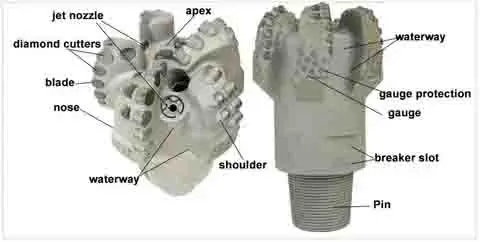
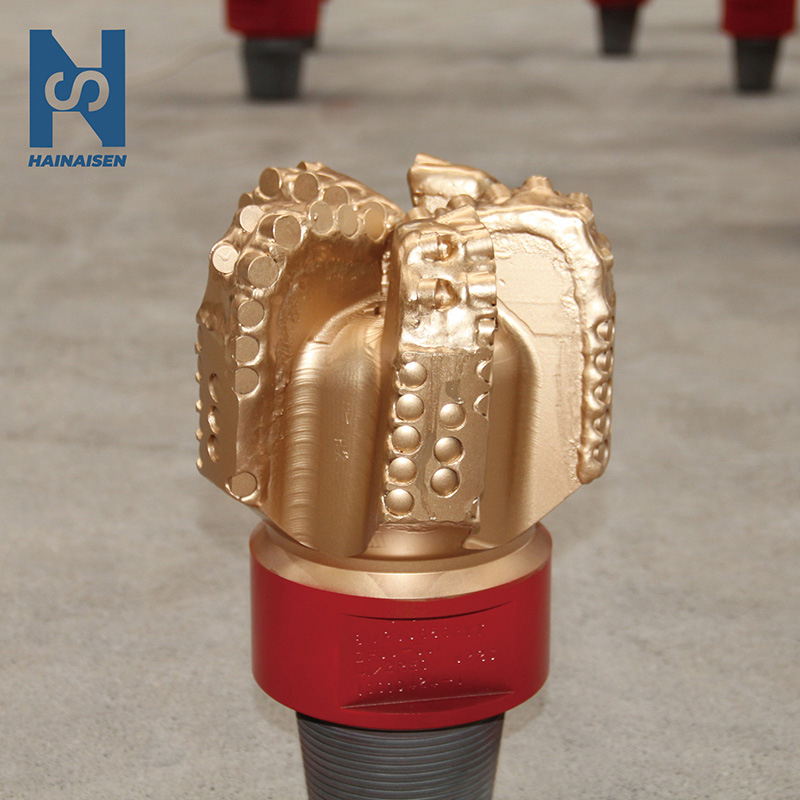
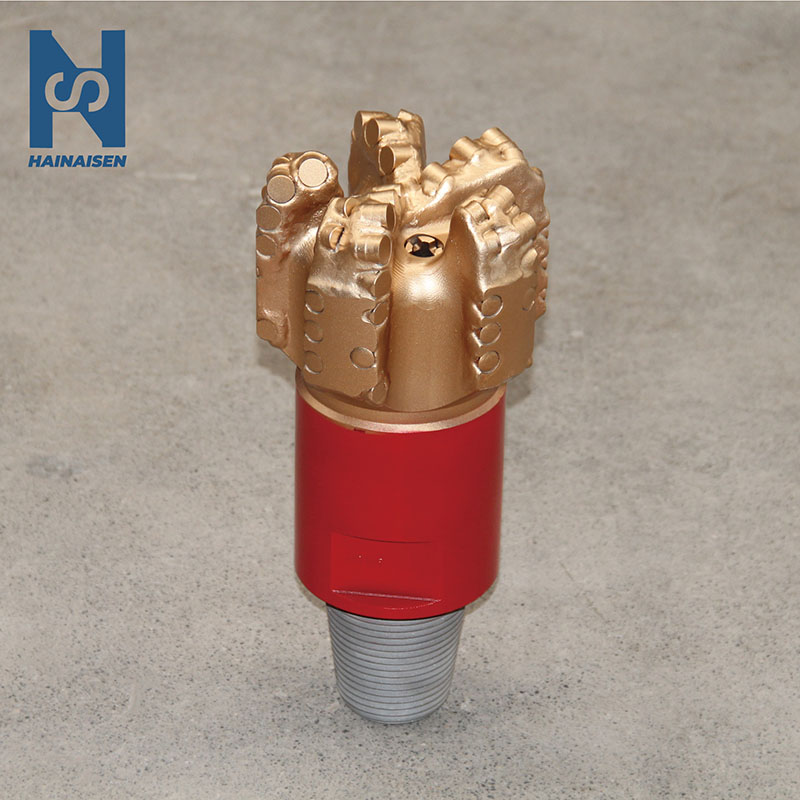
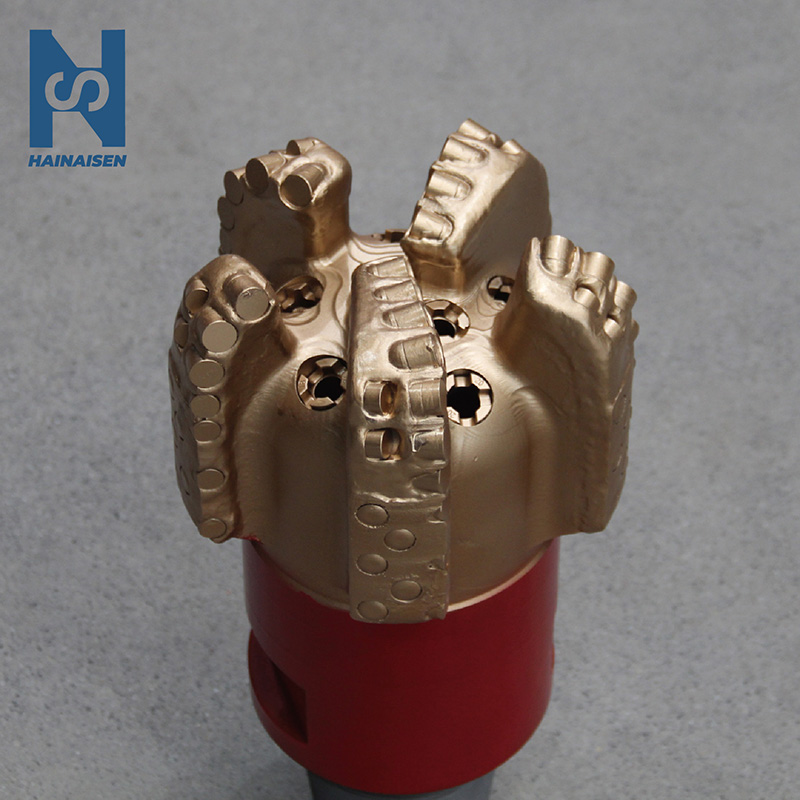
Polycrystalline diamond compact cutters are placed on rigid blades in a 5-blade PDC oil bit. It cuts rock by cutting it instead of breaking it, which is different from roller cone bits. The five-blade design is a good compromise between low-blade designs that are more bold and high-blade designs that are more stable.
Often, a 5-blade PDC oil bit has these advantages over 3- or 4-blade bits:
- longer life span,
- better control of direction,
- more even wear on the cutter,
- greater stability in forms that are interbedded.
Compared to bits with 6 or 7 blades, it may offer the following:
- less torque in a lot of middle shapes,
- faster entry at times that are less rough,
- a good mix between the number of cutters and the size of the junk spot.
How does the cutting structure support complex drilling?
Blade shape is important. The aggression, force distribution, and bit life are all affected by the blade direction, rake angle, cutter size, and cutter density. When 5-blade PDC oil bits are well-designed, they often use spiral or combination cutter plans to help remove cuttings while keeping the drilling path solid.
Premium-quality materials are used in our product, such as a long-lasting steel body, improved PDC tools for better cutting results, and a tungsten carbide matrix for better resistance to wear. This mixture makes rock cutting work well and protects the bit from wear and damage in tough downhole conditions.
Advantages of 5-Blade PDC Oil Bits in Complex Geological Conditions
In the SERP, the highlighted piece of the best-performing content usually talks about one big benefit: the 5-blade PDC oil bit configuration improves drilling efficiency by balancing cutting speed with stability in variable formations. In the field, that's what a lot of engineers and buying teams see.
Higher ROP and efficient rock removal
In shale, limestone, sandstone, and gypsum, a well-built 5-blade PDC oil bit can provide a higher ROP because the cutters stay in contact with the rock, and the hydraulics help clear the cuts quickly. Our bit is made with hydraulics that work better to remove cuttings more efficiently. This helps keep the bottom of the hole cleaner and the digging more consistent.
Some operating factors are the following:
- speed: 60 to 250 R/min,
- 30 to 180 KN of cutting pressure,
- 45 to 80 LPS is the flow rate.
Because of these specs, the bit can be used on medium-hard, low-compressive-strength layers where it's important to have steady cutting action.
Better wear resistance and longer service life
In complex geology, layers that move, rough lines, and unstable surfaces are common. If the cutting wears unevenly in those places, the cost of replacing bits goes up very quickly. The load is spread out more evenly across the bit face by a strong 5-blade PDC oil bit frame. That cuts down on damage in one area and makes the service last longer.
So, a lot of B2B buyers pay attention to more than just the unit price. They also look at the amount of material bored per bit and the trip decrease. Better wear resistance can have a bigger effect on the cost of a drilling campaign than a small difference in price.
Improved stability and lower vibration
Every procurement manager knows that drilling shaking leads to issues like broken cuts, bad hole quality, slower drilling, and downtime. By spreading cutting forces out more widely, a 5-blade PDC oil bit plan can make the machine more stable and less likely to cause damage through vibration. That gives teams more control over drilling in both vertical and horizontal positions, where steadiness has a direct effect on the quality of the wellbore and the dependability of the tools.
Comparison and Decision-Making: Selecting the Best Bit for Your Operation
Most choices about procurement are not based on a single success metric. Total value, group fit, seller support, and long-term dependability are some of the things that buyers look at.
A 5-blade PDC bit vs a tricone and other bit types
A useful example can help you see where this bit fits in best. I always connect performance data to the real formation and drilling goal before I look at my choices. If the lithology, track, and hydraulics are different in two basins, a bit that works well in one basin might not be the best choice in the other. That's why people who search for "best drill bit for shale", "5-blade PDC oil bit for sandstone", or "fixed cutter bit for directional drilling" are really trying to find the right design for the job.
- Against tricone bits, because it cuts rock all the time, a 5-blade PDC oil bit can often go deeper and make fewer trips than a tricone bit in the right layers. This can cut down on the time and money needed to drill, especially in areas like oil and gas research, geothermal wells, and coal-bed methane extraction, where interval length and efficiency are important.
- Against lower-blade PDC bits, the 5-blade PDC oil bit is generally more stable and lasts longer than lower-blade bits. This makes it a good choice for mixed rocks and directional drilling. It might give up a little force in very soft rock, but it usually makes up for it by running more smoothly, making holes better, and lowering the amount of money lost due to vibrations.
Cost-benefit analysis for bulk procurement
The whole cost of ownership is the right question for medium and big oil service businesses. This includes the cost to buy, the 5-blade PDC oil bit life, the penetration rate, the risk of downtime, the dependability of shipping, and the expert help.
Even if the 5-blade PDC oil bit costs more at first, the cost per metre can go down if it holds faster and lasts longer. For coal mine or water well teams that care a lot about price, testing a sample can show if the extra length and drilling speed are worth it. The engineers and buying teams should work together on this instead of just looking at price.
Procurement and Supply Considerations for 5-Blade PDC Oil Bits
What B2B buyers should check before ordering?
Product creation is important, but supplier skill is even more so. I suggest you check the product's ability to be Manufactured, its quality control, its ability to be customised, its promise of delivery, and its help after the sale.
Shaanxi Hainaisen Petroleum Technology Co., Ltd. was established in Xi'an in 2013. We specialise in the research and development, production, and sales of various diamond drill bits, 5-blade PDC oil bits, and cutting tools. We also offer complete technical solutions. Our building is 3,500 m² and has modern production units and high-tech processing tools like 5-axis machining centres, CNC machine tools, and welding production lines. We also have an R&D team and a department that designs unique bits to meet the needs of different structures and formations.
Why customisation and supply support matter?
Not every drilling programme is the same. Our team works closely with clients to make sure that the design of the 5-blade PDC oil bit is perfect for the rock and the cutting conditions. That includes the plan of the cutter, the shape of the blade, the structure of the hydraulics, and the intended use for the following:
- oil and gas exploration and production,
- horizontal and directional drilling,
- offshore drilling operations,
- geothermal well drilling,
- coal bed methane extraction,
- hard rock mining applications.
A bulk purchasing deal can also help keep supplies going, make sure that all jobs are done the same way, and lower unit costs over time. Before choosing a seller, buyers should also look at how long it takes to ship, what the guarantee covers, and how easy it is to get technical help in the field.
Best Practices for Optimising 5-Blade PDC Oil Bit Performance in Complex Geological Conditions
Match the bit to the formation before drilling
Before the bit gets to the rig is the best place to start to improve performance. I think you should look over the lithology, compressive strength, abrasiveness, drill profile, and directional plan again. Our 5-blade PDC oil bit design is made to cut through medium-hard, low-compressive-strength forms efficiently while staying stable.
Use balanced drilling parameters and monitor performance
Running the bit in the right window keeps the cuts safe and the ROP steady. The best range for operation for a 5-blade PDC oil bit is between 60 and 250 R/min, 30 and 180 KN of drilling pressure, and 45 and 80 LPS of flow rate. These numbers should be changed based on how the formation reacts in real life, how the bottom-hole system acts, and how the fluids flow.
Monitoring in real time should pay attention to:
- changes in torque,
- trends in vibrations,
- shape of cuts,
- force at the standpipe,
- consistency in ROP.
Address common field issues early
Mismatches between the formation, the hydraulics, and the working factors are often the cause of bit balling, excessive wear, and unsteady drilling. Usually, the problem can be fixed by better flow cleaning, adjusting parameters, and making a custom cutter design. The 5-blade PDC oil bit design of ours is very stable and doesn't vibrate much, but field tuning is still a big part of getting the best result.
Conclusion
When the rock is complicated, and you need a bit with a good mix of speed, stability, resistance to wear, and control over the cutting, a 5-blade PDC oil bit is a good choice. I think there is the most value in medium-hard, low-compressive-strength rocks, where good shearing and hydraulics can cut down on trips and boost footage. For business-to-business buyers, the best choice is to match bit design to formation, look at the total cost of ownership, and pick a provider that can help with customisation, delivery, and expert service throughout the project.
FAQ
1. Why is a 5-blade configuration often more efficient in complex formations?
Assertiveness and steadiness are both balanced. You get enough cutter coverage to get rid of rocks quickly, while still keeping the junk slot area and hydraulic cleaning power. This mix makes ROP better and lowers vibration in mixed or changeable forms when using a 5-blade PDC oil bit.
2. Can a 5-blade PDC oil bit be customised?
Yes. Some of the things that can be changed are the cutter size, cutter density, blade shape, hydraulic structure, and body design. This is helpful when drilling plans include directional parts, rock that is mixed in with other rock, or working windows that are specific to the project.
3. How do I calculate the total cost of ownership?
Don't just look at unit price. Add the number of meters drilled, the rate of penetration, the number of trips, the effect on maintenance, the risk of downtime, the cost of shipping, and the expert support. It's not always the case that a cheaper 5-blade PDC Oil Bit is the best way to drill.oil bit
Partner with HNS for Superior 5 Blades PDC Oil Bit Solutions
Need a trustworthy 5-blade PDC Oil Bit manufacturer or supplier for your next digging job? For B2B buyers around the world, HNS offers custom solutions, bulk discounts, expert help, and reliable service. If you want to buy a 5-blade PDC Oil Bit, email us at hainaisen@hnsdrillbit.com to get a price, talk about formation needs, or look at a unique design.
References
1. SPE Drilling Engineering
2. IADC Drilling Manual, International Association of Drilling Contractors
3. Bourgoyne, Millheim, Chenevert, Young. Applied Drilling Engineering
4. Society of Petroleum Engineers technical papers on PDC bit performance and drilling optimization
5. ASM Handbook, Volume 18: Friction, Lubrication, and Wear Technology
6. API Specification 7-1, Rotary Drill Stem Elements
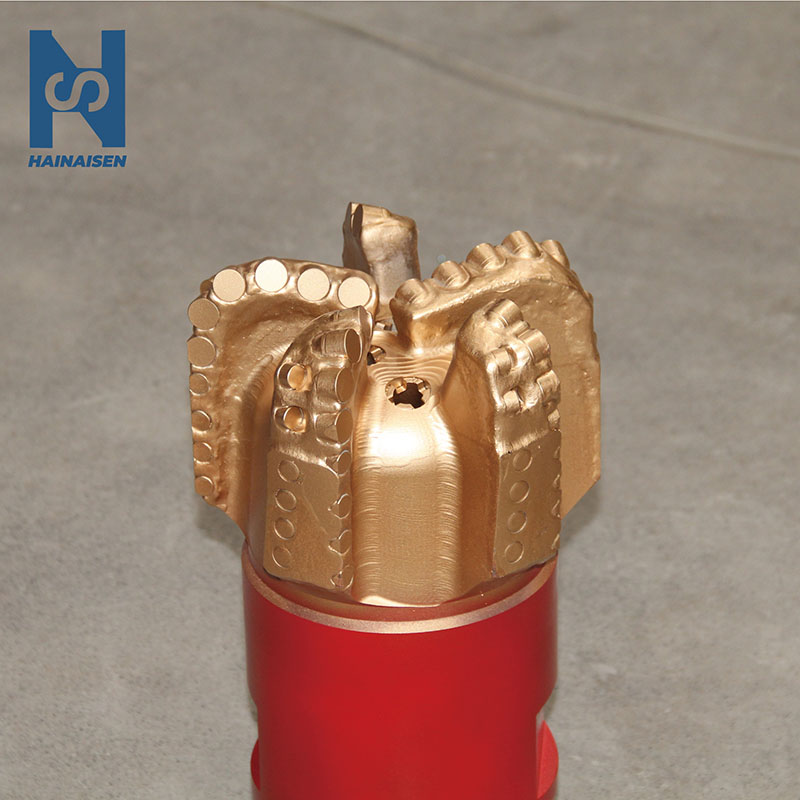 VIEW MORE5 Blades Steel Body High Performance PDC Rock Drill Bits
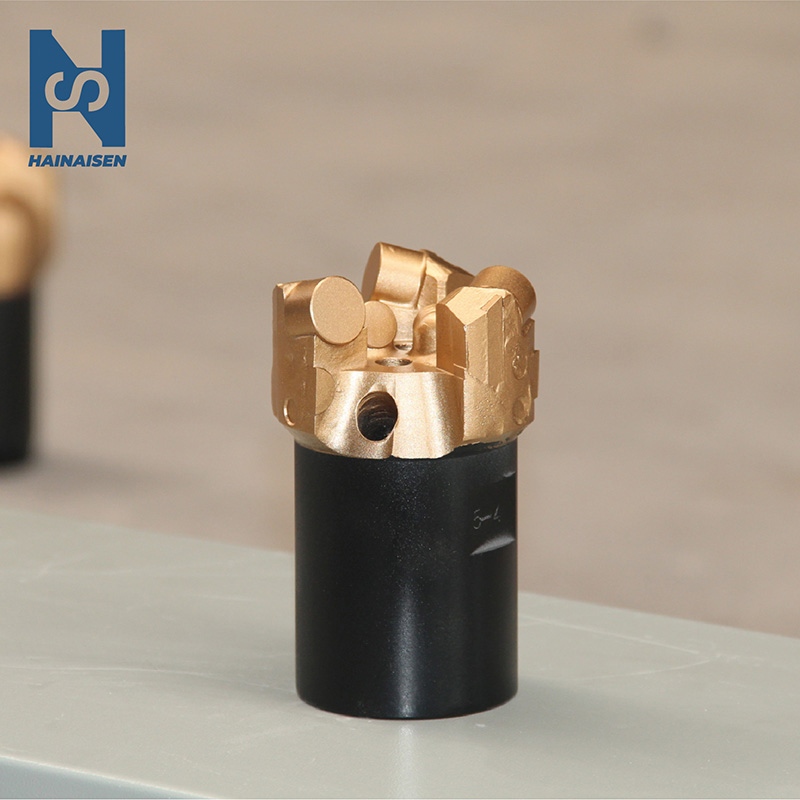 VIEW MORECoal Mining PDC Drill Bits
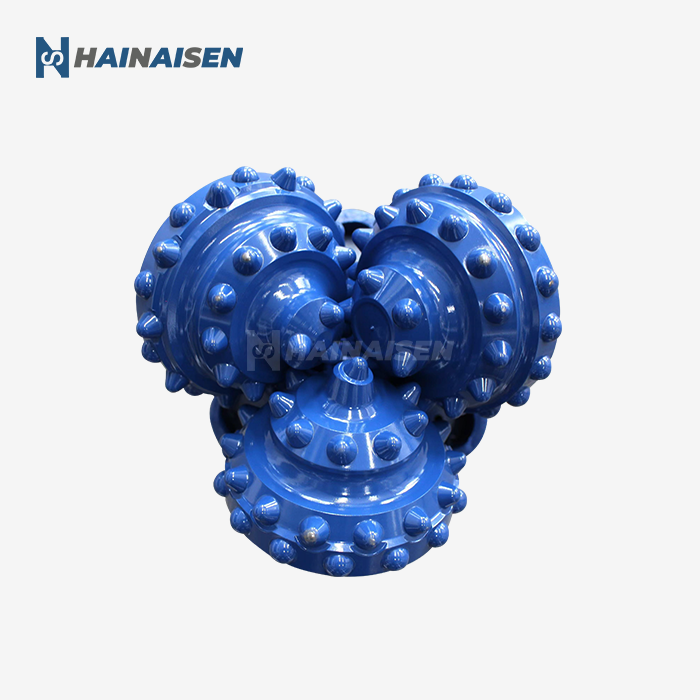 VIEW MORERock Roller Drill Bit
logo 1_1768204983068.jpg) VIEW MOREPDC Core Drill Bit With 8 Blades For Hole Drilling Used In Mining
VIEW MOREPDC Core Drill Bit With 8 Blades For Hole Drilling Used In Mining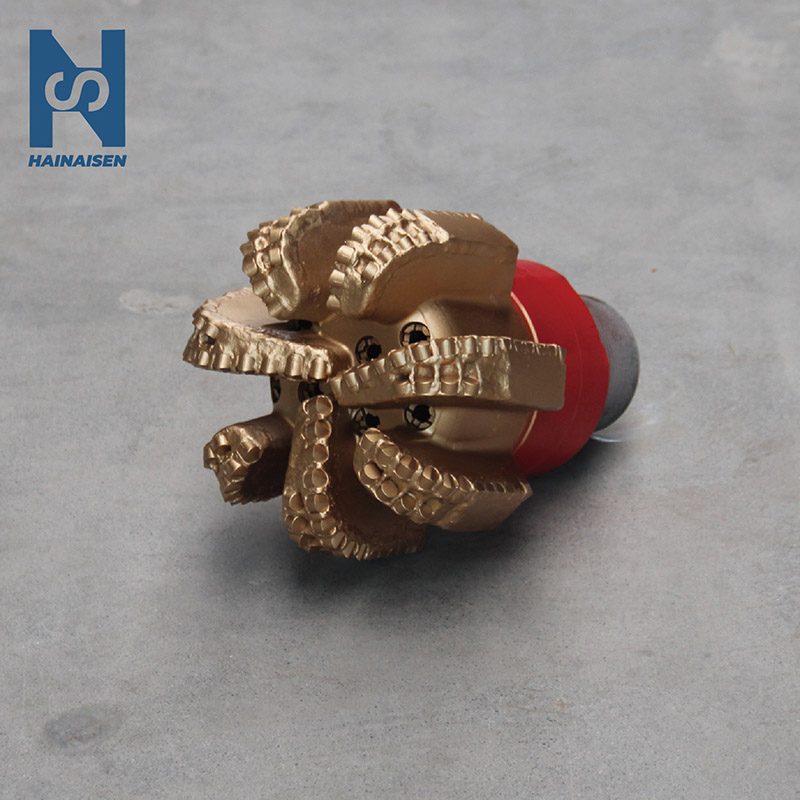 VIEW MORESeven Blade Wing Oil Drilling Drill Bit
 VIEW MORE5 Blades PDC Oil Bit
 VIEW MORE5 Blade Matrix Body PDC Drill Bits
 VIEW MOREOil Diamond Drill Bit