







How to select the right diamond oil drill bit for drilling needs
To choose the best diamond oil drill bit, I look at more than just the price. I look at the formation, the boring method, the bit design, and the total cost per foot. The right bit should be chosen based on the hardness, abrasiveness, well shape, hydraulic conditions, and working factors of the rig. In many mining and drilling projects, using the right diamond bit speeds up the rate of entry, cuts down on trips, and shortens the time that the machine is not working. When I need to drill through medium-hard to hard rocks, especially when longevity and stable performance are important, a PDC-based diamond bit is usually the best option. It has a long life, cuts well, and ensures the wellbore quality is reliable.
Understanding Diamond Oil Drill Bits: Key Features and Benefits
People who search for this topic are mostly looking for business and knowledge. Buyers want an answer quickly, then proof, and finally trust in the seller. Now you know what the bit is, where it works, and how its design affects field performance. This is the first part of the most useful buying guide.
How does a diamond oil drill bit work?
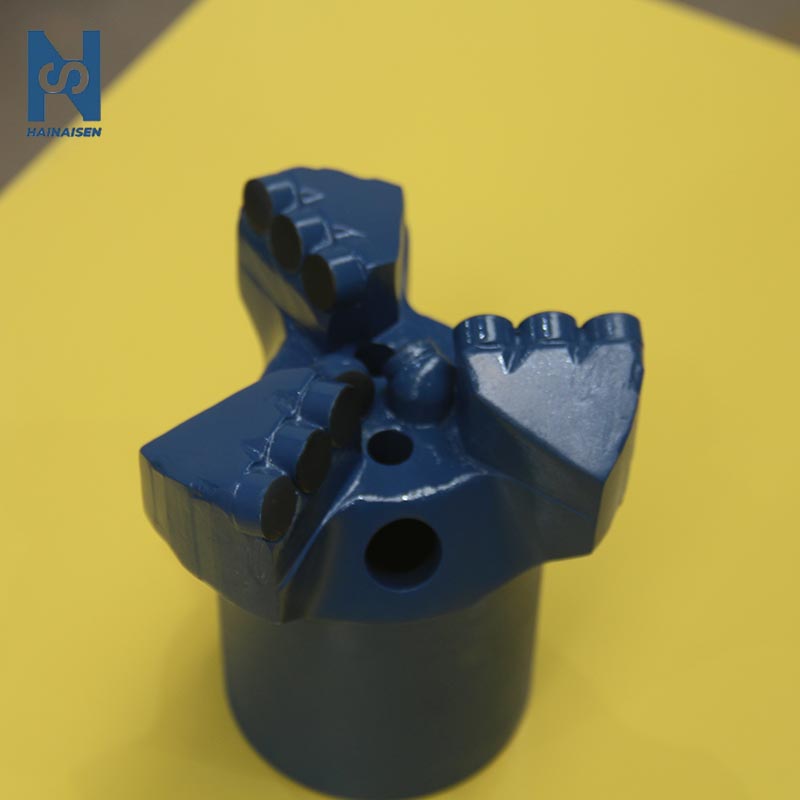
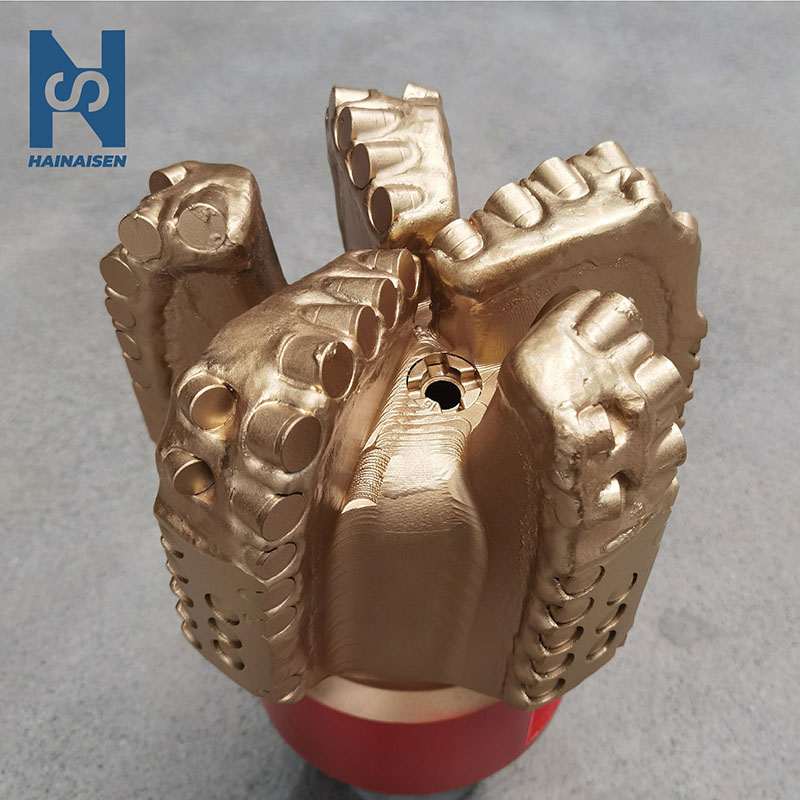
A diamond oil drill bit uses very hard diamond-enhanced parts on the cutting frame to cut through rock. The PDC bit is the most popular type used in oil and gas drilling. It has polycrystalline diamond compact cutters that shear the rock instead of crushing it like a roller cone bit does. When digging in the right rocks, this shearing action can make the hole go deeper and easier.
Performance is changed by the cutting structure, blade shape, hydraulic layout, and gauge safety. Wider flow pathways, an anti-whirl design, and better nozzles all help clean up the cuttings, lower the number of bit balls, and make the bottom of the hole cooler.
Key features buyers should check
When I assess a bit, I pay attention to the technical details that have a direct effect on the results of the drilling:
- Bit size and API connection must be able to handle the drilling assembly and planned hole section. A mismatch causes rig-side delays and efficiency loss that can be avoided. Before making a bulk order or asking for customisation, buyers should compare the BHA and expected formation response to the number of blades, the layout of the cutters, the design of the gauge, and the hydraulic setup.
- Diamond quality and matrix or body design are important because they affect how long a cutter lasts and how well it handles heat. The bit body and blade protection decide how well the tool holds the gauge and fights erosion over longer distances and rougher areas. Advanced PDC technology helps with wear resistance in tough wells.
Diamond bits generally have better ROP and longer runs in the right settings than tungsten carbide or roller cone bits. They are used for many things, like looking for oil and gas, drilling geothermal wells, getting coal bed methane, hard rock mining, digging water wells, taking samples of rocks, and horizontal directional drilling.
Core Selection Criteria for Choosing Diamond Oil Drill Bits
Match the bit to the formation
The type of rock is the most important measure. If the formation is soft and sticky, it may need better hydraulic cleaning and anti-balling features. Diamond oil drill bits often work really well on medium-hard rocks. Hard and rough areas need strong cutter protection, a gauge design that lasts, and a stable blade shape.
I also check the temperature and depth of the well. There is a bigger chance of wear and higher thermal loads in deep wells. In these situations, you need a bit that can handle the heat better and has been shown to be stable in the cutter.
Review the bit design and performance metrics.
Design should be linked to measured results before a buyer makes a choice. What I pay attention to:
- Rate of penetration, durability, and dull condition trends are important to look at to see if the bit is really saving you money. A cheap bit that runs out quickly can add to the overall cost of drilling by requiring more trips, slower footage, and less stable direction control. Teams that buy things should compare facts from the field, not just claims from catalogues.
- Bit geometry, blade count, and diamond concentration are important because they affect how stable and strong the tool is. Depending on the shape and drilling goals, a design with 3 to 8 blades may be chosen. Better cleaning, less shaking, and a longer useful run can be achieved with deeper blades, stronger gauge protection, anti-rotation features, and hydraulic balance.
Some common problems with drilling are early wear, mud packing, and not cleaning the hole well enough. These problems are often caused by choosing the wrong bits, not just making mistakes while working. I always ask suppliers for suggestions based on formations and run records from similar jobs.
Market Overview and Supplier Comparison for Diamond Oil Drill Bits
In this field, Baker Hughes, Halliburton, NOV, Schlumberger, and Weatherford are some of the biggest names in the world. There are also smaller makers and sellers of specialised diamond oil drill bits. Most of the time, buyers compare them based on technology, field support, wait time, customisation, and service after the sale.
What B2B buyers should compare?
Authorised sellers may offer strong technical support and the ability to track products, while wholesale providers may offer better prices and more purchasing options. Customer service is often just as important as the base price for OEMs and dealers.
I compare suppliers using these filters:
- Field testing, warranty clarity, and technical support depth because drilling risk is expensive. More trust is shown in a provider who can talk about cutter choice, hydraulics, projected ROP range, and best practices for upkeep than in one who only shares a basic datasheet or price sheet.
- Customisation, production capability, and delivery reliability because many medium and big drilling businesses need bits that are built around the specifics of the formation. Fast sampling, stable manufacturing quality, and reliable export planning are very important for projects that have to meet tight deadlines for mobilisation and purchase.
It makes sense to talk about Shaanxi Hainaisen Petroleum Technology Co., Ltd. HNS was founded in 2013 in Xi'an. Its main business is researching, developing, making, and selling different kinds of diamond drill bits, PDC drill bits, and drilling tools. It also offers complete technical solutions. It has modern workshops and high-tech tools like 5-axis machining centres, CNC machine tools, and welding production lines in its 3,500 m² building. A separate R&D team at HNS works on making special bits to meet the needs of different structure drilling projects.

How to Evaluate and Purchase Diamond Oil Drill Bits for Your Project?
Build a practical buying checklist
Before I buy something, I make sure it fits the needs of the project by looking at the formation data, hole size, interval length, mud system, direction needs, temperature, and goal ROP. After that, I look at how reliable the source is, how consistent the products are, and how well they can deliver.
This is also where it's easy to see how valuable our line of products is. Why should you pick our diamond oil drill bit? It has advanced polycrystalline diamond compact technology that makes it last longer, a cutting structure that is better at speeding up penetration rates, better heat protection for wells that are heated up, and designs that can be changed to fit the needs of each formation. It has also been tested in the field a lot and has a good track record.
Focus on total value, not unit price
The cheaper item isn't always the best choice. The bit I want will help me finish the interval with fewer trips, more stable boring, and a better wellbore. You can use our Diamond Oil Drill Bits to look for and produce oil and gas; drill for geothermal energy; get coalbed methane; mine hard rocks; drill for water wells; take geological core samples; and drill horizontally.
These bits work especially well in medium-hard rocks, where they need to be able to penetrate well and last a long time. Their form makes it easier for weight to be transferred and lowers vibrations, which makes drills go more smoothly and makes the whole process more efficient. I also check the shipping method, lead time, warranty terms, and help after delivery with the seller during our talks.
Maintenance Tips and Best Practices to Maximise Diamond Oil Drill Bit Lifespan
Protect performance before and after drilling
A diamond oil drill bit's life isn't just based on how well it was made. It's important to be careful with handling, storing, and running. Before the bit goes to the rig floor, I check the cutters, blades, gauge areas, nozzles, and connection threads. I look at the bits' wear patterns after a run to see if it fits the shape and specs.
When the bit is stored, it should stay clean, dry, and safe from damage from impacts. Transport packaging should keep cutters from breaking and threads from getting damaged. When there is a clear standard for repair vs. replacement, people don't use old bits that could slow down digging or increase the risk of something going wrong downhole.
Train crews and use supplier support
Routine repair works best when drilling teams know how bits work. Longer service life is helped by learning about hydraulics, WOB, RPM, torque reaction, and dull grades. Good suppliers help with this by giving tips on how to use the product, including the Diamond Oil Drill Bit, analysing it after the run, and making custom suggestions for the next part.
Conclusion
Selecting the right diamond oil drill bit comes down to matching the rock conditions, drilling goals, and provider capabilities. Before I buy something, I think about the type of rock, the depth of the well, the hydraulic design, how long the cutting will last, and the total cost per foot. For oil, mining, geothermal, and water well projects, a well-designed bit can help with longer bit life, better ROP, and smoother drilling. When a seller offers proven performance, customisation, and reliable support, the purchase is more than just an order for a product; it's an edge in the field.
FAQ
1. How is a diamond oil drill bit different from a roller cone bit?
A diamond oil drill bit, especially a PDC bit, shears through rock to cut it. The spinning cones on a roller cone bit crush and grind the shale. Diamond bits have a higher ROP, last longer, and make the wellbore quality better in many medium-hard rocks.
2. Are diamond oil drill bits good for hard rock drilling?
Yes, they are often used in layers that are hard and rough. However, the exact design of the cutter and the structure of the blades must match the properties of the rock. When choosing bits, you should always look at the formation data and the working settings.
3. Can I use these bits with existing drilling equipment?
Most of the time, yes, as long as the bit size, API connection, hydraulic setup, and BHA support are all checked before the order is placed. I always suggest that you check with the seller about the rig's specs and how it will be used.
4. What should purchasing managers ask a supplier before buying?
Ask about the product's history of use in similar formations, its predicted ROP range, its customisation options, its wait time, its guarantee terms, its quality control process, and its expert help after the sale. These factors lower the risk of buying things and help plan the job better.
Partner with HNS for Superior Diamond Oil Drill Bit Solutions
Need a reliable company that can make and supply Diamond Oil Drill Bits with the ability to make unique designs? HNS is ready to help you with your drilling job by providing tried-and-true PDC solutions, cost-effective bulk choices, and on-time delivery. Contact our team at hainaisen@hnsdrillbit.com to request technical advice, pricing, or a Diamond Oil Drill Bit for sale that fits your exact formation and operating needs.
References
1. Baker Hughes, Drill Bits Product Portfolio
2. Halliburton, Drill Bits and Services Technical Overview
3. SLB, Drill Bits and Drilling Optimization Resources
4. NOV, Fixed Cutter and Roller Cone Drill Bit Technologies
5. API Recommended Practice 7G, Drill Stem Design and Operating Limits
6. SPE, Drilling Engineering and Bit Performance Publications
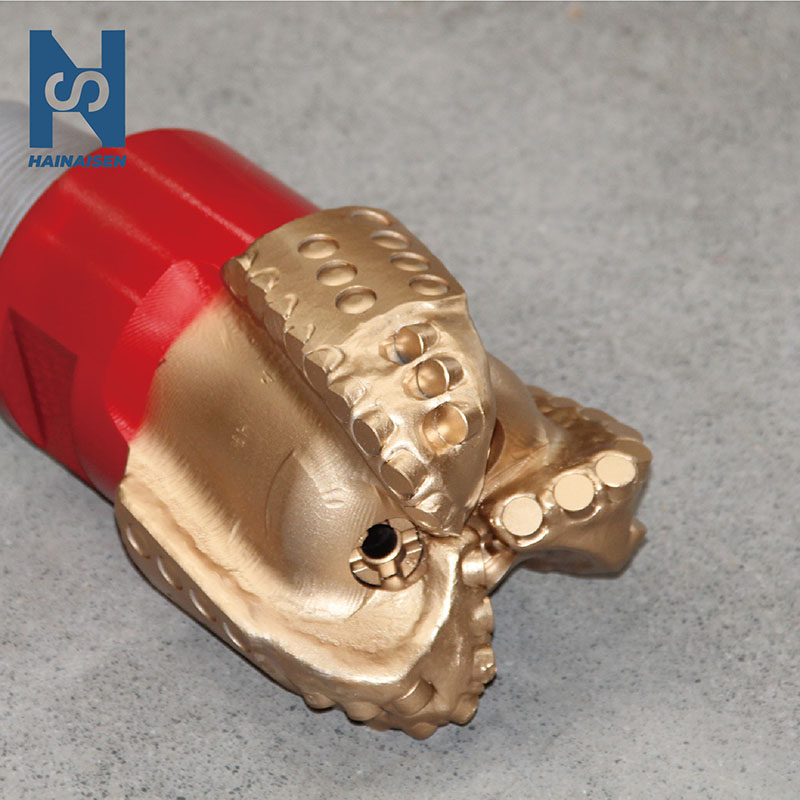 VIEW MOREThree Blade Oil Drill Bit
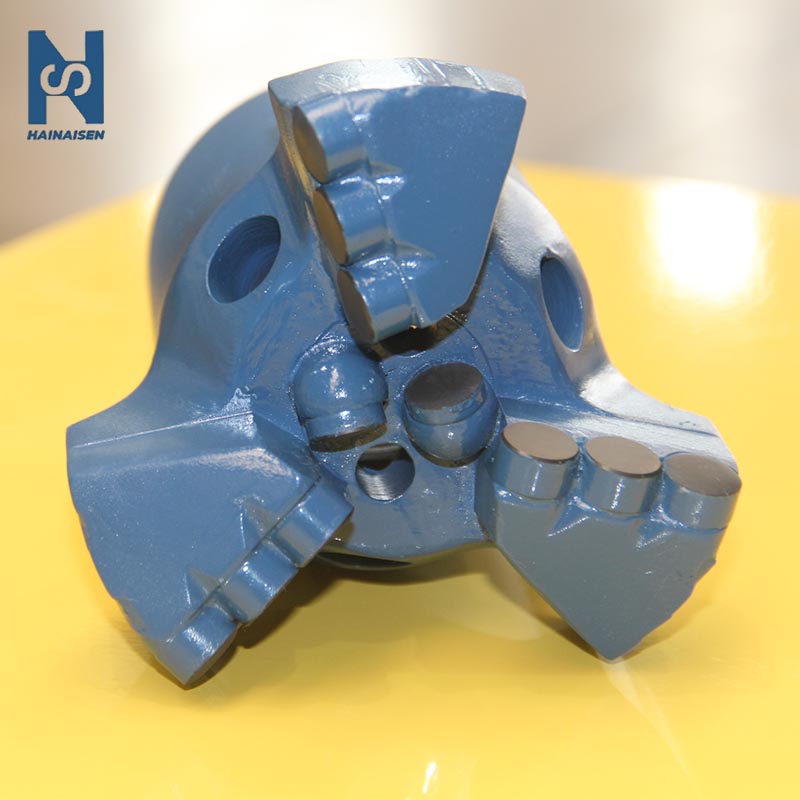 VIEW MOREBest Diamond Drill Bits
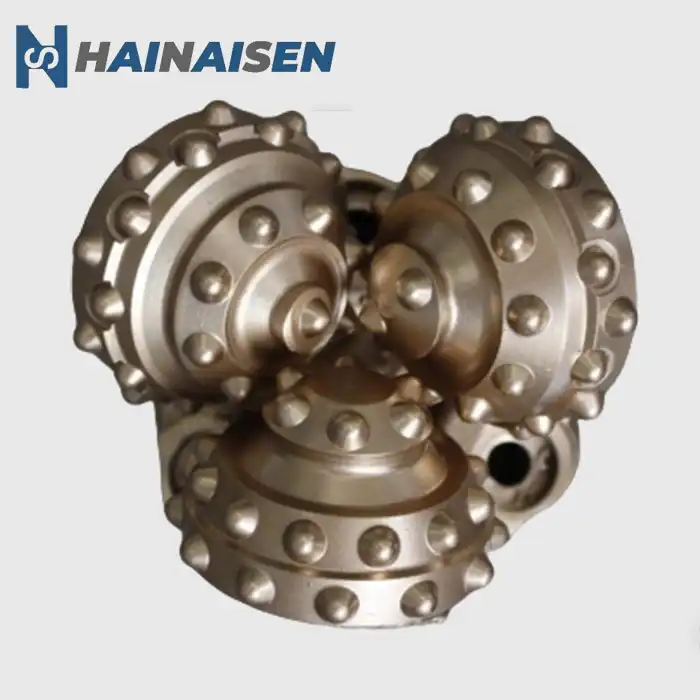 VIEW MORE4 1/2" IADC 537 Tricone Rock Bit
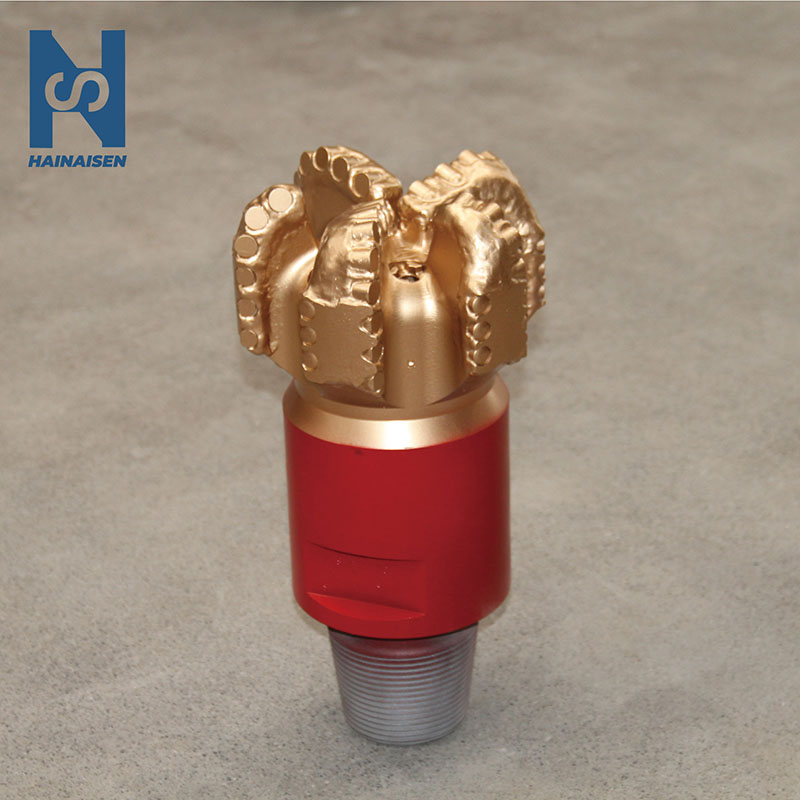 VIEW MOREFive Wing PDC Bit For Hard Rock Drilling
 VIEW MOREPolycrystalline Diamond Compact Drill Bits
 VIEW MOREPDC Diamond Bit
logo 1_1768274683075.jpg) VIEW MORECoal Mine Drilling Opening And Closing Drill Bit
VIEW MORECoal Mine Drilling Opening And Closing Drill Bit VIEW MORECoal Mining Tools PDC Anchor Drill Bit 28mm
