




How PDC Flat Top Sintered Drill Bits Reduce Drilling Costs
I look at the bit first if I want to cut down on drilling costs without lowering quality. Total drilling costs go down with a 94 mm PDC Flat Top Sintered Drill Bit because it lasts longer, drills faster, and cuts down on unexpected downtime. That's important because bit trips, slow entry, and wear that happens too soon often cost more than the bit itself. The right bit speeds up the rate of penetration, keeps the tool safe in mixed rocks, and lowers the number of times it needs to be replaced in many oil and gas, coal, mining, and water well projects. That's why flat top sintered PDC designs have become a smart way for engineers and buying teams to keep costs down.
Understanding the Cost Drivers in Drilling Operations
Google's SERPs make it clear that buyers want a quick answer to the question of how drill bits save money, followed by scientific proof, comparisons, and advice on which suppliers to choose. That means a good answer needs to include things like back-end cost, wear resistance, entry rate, downtime, and return on investment (ROI).
Where do drilling budgets usually leak?
From what I've seen, the price of the drill bit rarely determines how much it costs. Most of the time, bit wear, idle time, inconsistent drilling speed, and the need for upkeep are the major things that drive up costs. If a cheap bit breaks early, gets dull quickly, or needs more trips, it can cost a lot.
A buying manager is more interested in unit price, while a technical engineer is more interested in things like video, format match, and bit life. They are both right. When a bit matches how much it costs to buy with how well it works in the field, real savings happen.
Why does bit selection matter so much?
Picking between sintered and non-sintered choices has effects on more than just how long they last. In terms of heat protection, cutter retention, and steadiness under load, it changes. Weak bonding and bad structure can cause faster damage in rough or changeable formations, which raises the cost per foot.
The featured snippet logic for this question is simple: PDC flat-top sintered drill bits lower drilling costs by making bits last longer, improving penetration rates, and cutting down on downtime caused by failure, wear, and replacements.
Technical Advantages of 94mm PDC Flat Top Sintered Drill Bits
Why does the flat-top sintered design perform better?
A flat top shape helps keep the rock in place and moves the load around efficiently. When advanced sintering technology is added to the bit, it makes the structure stronger and the temperature stability better. This is helpful when digging at high temperatures and pressures and when the rock layers change from soft to hard.
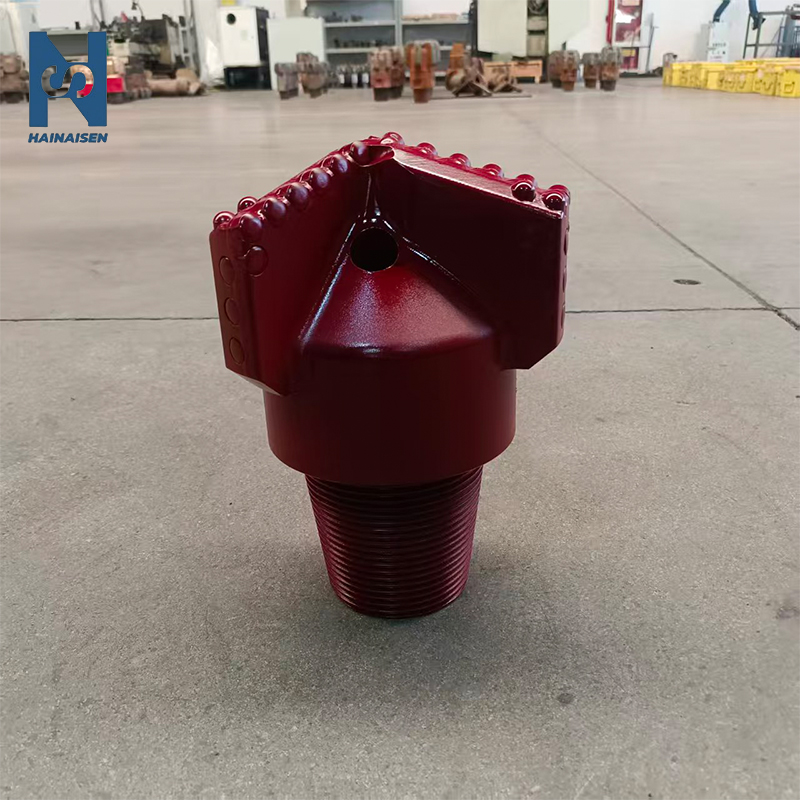
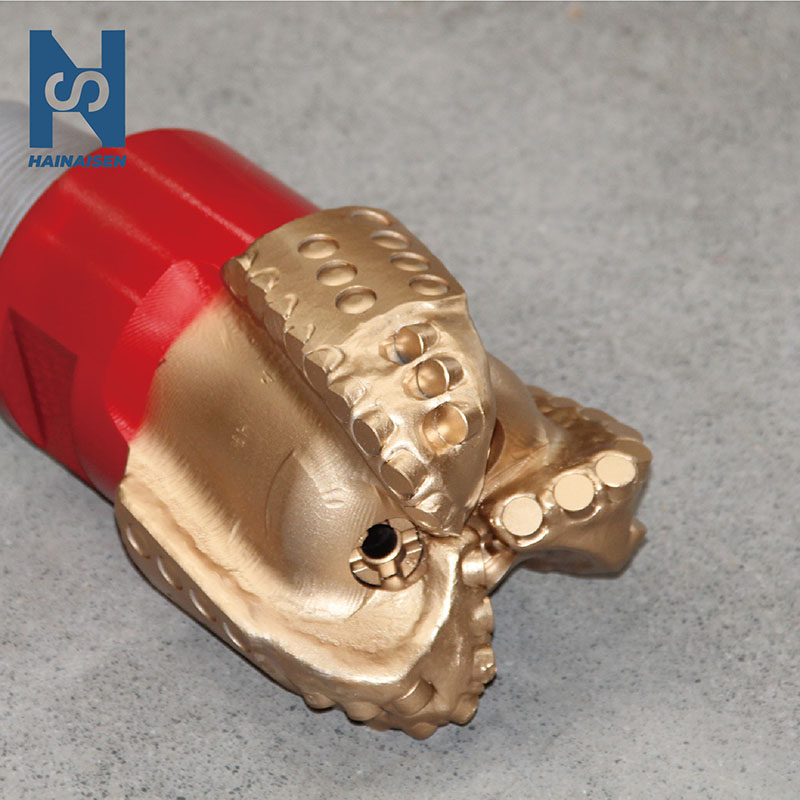
The 94mm PDC Flat Top Sintered Drill Bit we sell is made with premium polycrystalline diamond compact cutters, a tungsten carbide matrix body, advanced binding materials, and special finishes that don't wear off easily. The setting of the knife is perfected to make cutting go more smoothly and avoid uneven wear. This means that entry will happen faster and there will be fewer breaks.
How do these features reduce total drilling cost?
There are several ways to see the value:
- Longer service life with fewer bit changes: Extreme durability and wear resistance help increase working time, which lowers the number of replacements needed and saves time on the rig. Because pulling and replacing a bit takes more time, work, and tools, every trip that isn't made saves the budget. These secret costs can add up very quickly in deeper wells or projects that are far away.
- Higher drilling efficiency across formations: Better cutting efficiency allows for faster penetration rates in a wide range of drilling situations, such as oil and gas research, coal bed methane drilling, geothermal wells, shale gas extraction, water well drilling, and hard rock mining. It is often the cost per metre or foot that buyers care about the most. A bit that keeps cutting can increase the amount of footage per run and lower the cost.
At HAINAISEN, these performance goals are supported by quality control, which checks the raw materials, uses computer-aided design and modelling, makes sure the products are made precisely, and tests their performance thoroughly before they are shipped.
Comparing 94mm PDC Flat Top Sintered Drill Bits to Alternative Solutions
Flat-top sintered vs dome-top, diamond, and welded PDC bits
In some situations, dome-shaped PDC Bits can work well, but flat-topped designs usually work better for stable contact and fast cutting in forms where controlled violence is important. Even though diamond bits are very hard, they need to be carefully chosen based on their application fit, shape type, and cost. Some types of welded PDC may be cheaper up front, but the bonding and heat behaviour of sintered designs can make them more valuable over time in tough situations.
People who look for things like "best PDC drill bit for hard formations", "best PDC drill bit cost savings", and "durability of sintered drill bits" often end up comparing total lifetime cost instead of catalogue price.
What B2B buyers should look for in a supplier?
This is not the end of my claims. What I would ask about is OEM options, professional help, customisation, and service after the sale. In 2013, Shaanxi Hainaisen Petroleum Technology Co., Ltd. was set up in Xi'an. We do research and development, make, and sell different kinds of diamond drill bits, PDC drill bits, and cutting tools. We also offer complete technical solutions.
Our building is 3,500 m² and has modern workshops with high-tech tools like 5-axis machining centres, CNC machine tools, and welding production lines. Also, we have a research and development team whose only job is to make special bits for all kinds of structure drilling jobs. That is important for medium and big oil service companies that need strong qualifications and a reliable supply chain over the long run.

Procurement Best Practices for 94mm PDC Flat Top Sintered Drill Bits
How would I evaluate suppliers?
I would look over the consistency of the product; the ability to track down materials; test methods; shipping options; and guarantee terms, including for the flat-top drill bit. I would also find out if the provider can help me make changes to the well profiles, formation characteristics, and working settings. This is very important in job sites like oil service, coal mines, geological research, and horizontal directional drilling, where a standard bit might not work on all runs. Authorised supply routes and reliable help after the sale lower operating risk. If you need to finish a job quickly, wait time and technical reaction time may be more important than price.
Buying strategies that improve ROI
Prices can go down when you buy in bulk, but only if the idea has already been test-validated. Starting with a limited test batch to record entry, wear pattern, and run life is a smart move. Once the results are clear, the order should be increased. That works well for buyers who have strict review schedules and for coal mining clients who need to move quickly after testing a sample. Maintenance helps ROI as well. Correct handling, storage, and study of wear after a run all help to increase service life and make future bit selection better.
Practical Steps to Implement 94mm PDC Flat Top Sintered Drill Bits for Cost Reduction
Match the bit to the job before full rollout
First, I look at the rock, the drilling factors, and the stress conditions I expect to see. We have bits that can be used for drilling for coal bed methane, hard rock mining, water wells, horizontal directional drilling, shale gas extraction, deep-sea projects, and oil and gas research and production. They work in a wide range of natural situations and are made to be reliable in places with a lot of pressure and heat. Our engineering team can change the design to fit the shape and outline it well if the project needs it. That could make things work better and cost less.
Track results and refine the programme.
Crew training, test wells or sections, and keeping track of success should all be part of a controlled execution. I would keep an eye on the going rate, the dullness, the amount of ground dug, the number of trips, and the cost per foot. Also, I would keep the line of communication open with the provider so that we can change the plan or structure of the cutters if the formation behaves differently. This process makes buying a flat-top drill bit into a programme that can be used to cut costs, which is exactly what B2B buyers want.
Conclusion
A good bit cuts down on a lot more than just the cost of the tool itself. It cuts down on downtime, speeds up drilling, and helps make processes more reliable. The 94 mm PDC Flat Top Sintered Drill Bit gives you that value by being highly resistant to wear, stable at high temperatures, cutting well, and supporting unique designs. When it comes to buying managers and technical engineers, the real win is a lower total cost per foot and less trouble in the field. Because of this, flat top sintered PDC technology should be given a lot of thought in drilling projects that need to balance performance and cost.
FAQ
1. How long does a 94 mm PDC Flat Top Sintered Drill Bit usually last?
How long a bit lasts relies on how hard the rock is, the drilling factors, and how the bit is used. Most of the time, a fused design is chosen because it lasts longer and is less likely to wear down than many other choices. Field trials and boring grades in real life are the best ways to figure out how long something is likely to last.
2. Can this bit take both hard and mixed rocks?
Yes. It works well in both soft and hard materials thanks to its flat top shape, high-quality PDC cuts, tungsten carbide matrix body, and thermally stable sintered structure. Most of the time, it works well in coal, oil and gas, mining, geothermal, shale gas, and water wells, where changes in the rock can make the bit less stable.
3. Is customisation available for different drilling projects?
Yes, HAINAISEN can make changes based on the features of the formation, the well profile, and the operational factors. This helps buyers get better, more stable, and more cost-effective footage instead of using a single bit that works for all.
Partner with HNS for Superior 94mm PDC Flat Top Sintered Drill Bit Solutions
Need a 94mm PDC Flat Top Sintered Drill Bit Manufacturer or supplier you can trust? HNS helps B2B buyers around the world with unique designs, tight quality control, and quick expert support. You can email us at hainaisen@hnsdrillbit.com to get more information about a 94mm PDC Flat Top Sintered Drill Bit for sale, talk about your drilling needs, or get a price.
References
1. SPE Drilling Engineering, Society of Petroleum Engineers
2. Bourgoyne, Millheim, Chenevert, Young Jr., Applied Drilling Engineering
3. Rabia, Well Engineering & Construction
4. Aadnøy, Cooper, Miska, Mitchell, Payne, Advanced Drilling and Well Technology
5. ASTM International standards related to wear testing and material evaluation
6. API Recommended Practices and standards for drilling equipment and well construction
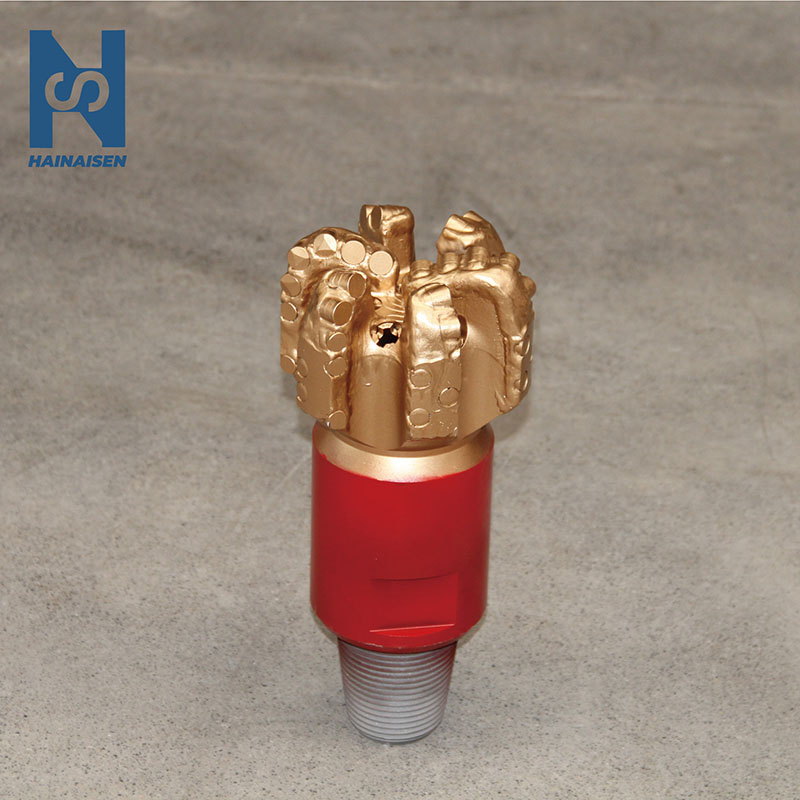 VIEW MORESix Blade Wing Petroleum Drill Bit
logo 4_1777360540990.jpg) VIEW MOREDrilling Tool Coal Mining Bit
VIEW MOREDrilling Tool Coal Mining Bit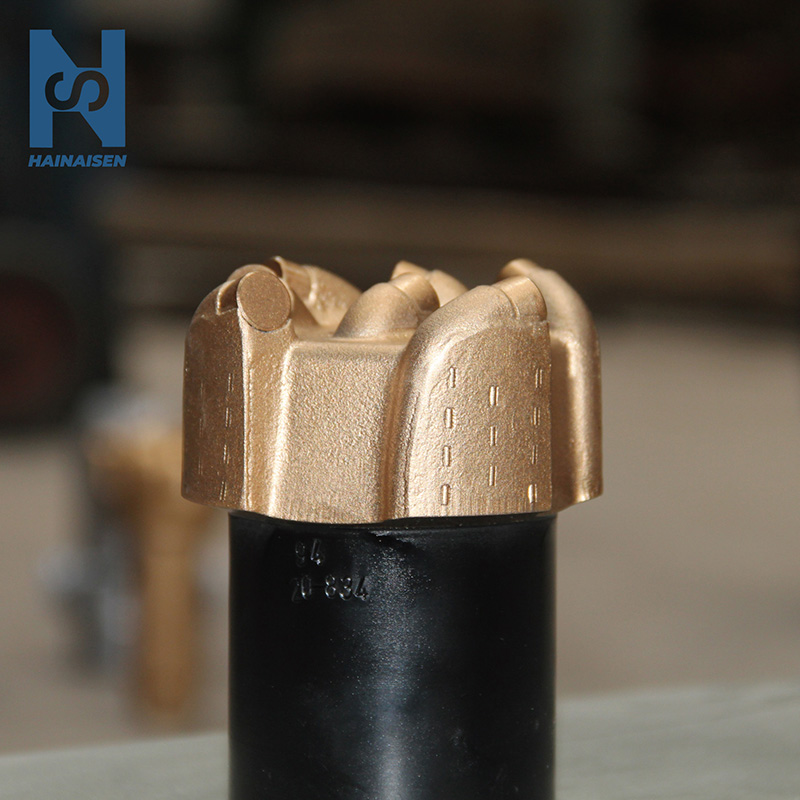 VIEW MOREPDC Flat Top Sintered Drill Bit
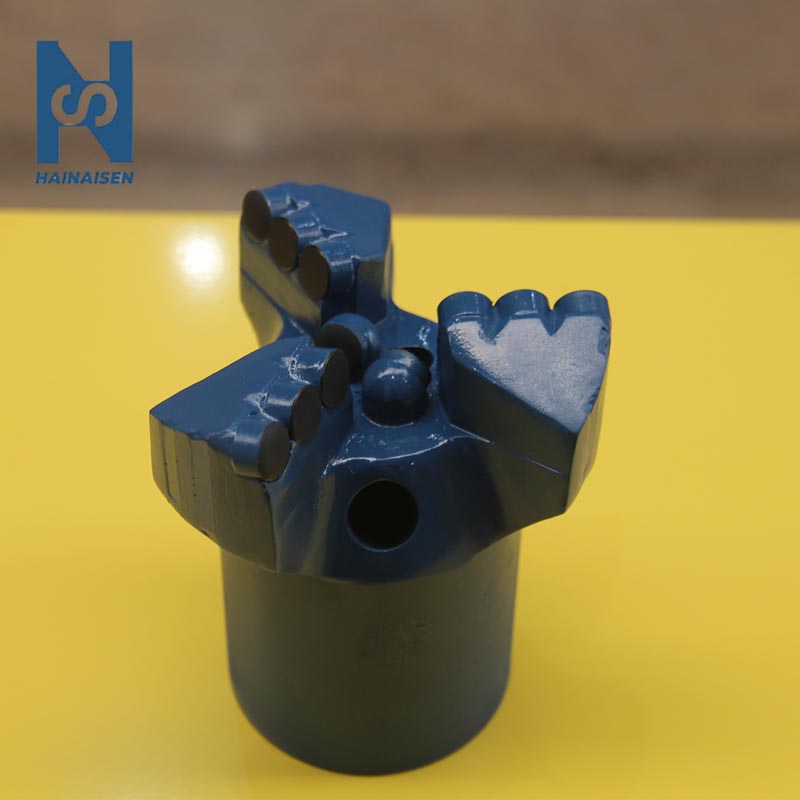 VIEW MORE3 Blades Steel Body PDC Bit
logo 1_1777361785830.jpg) VIEW MORE94mm PDC Flat Top Sintered Drill Bit
VIEW MORE94mm PDC Flat Top Sintered Drill Bit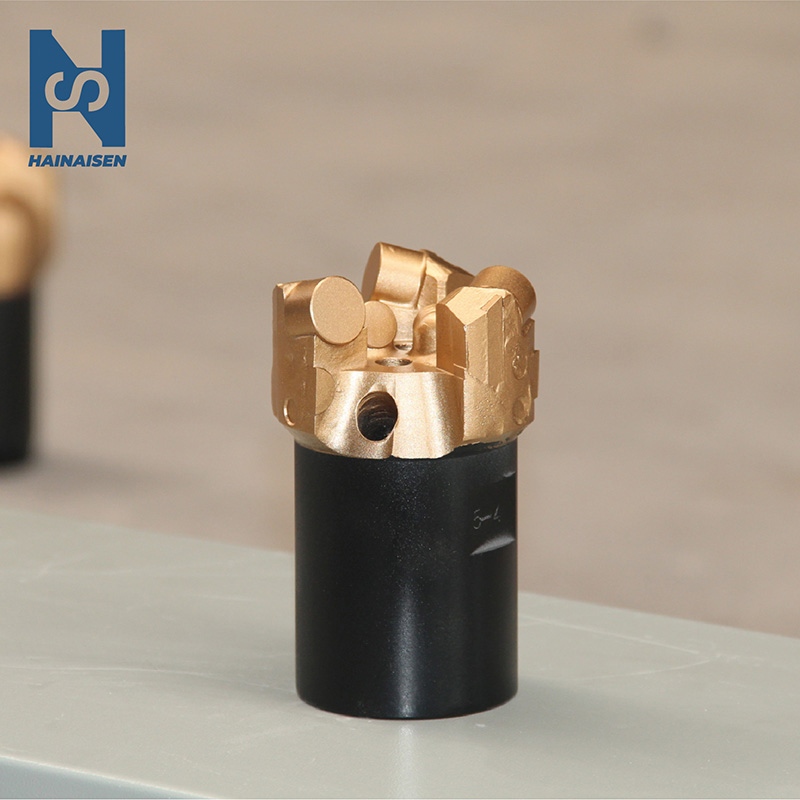 VIEW MORECoal Mining PDC Drill Bits
 VIEW MOREPDC Bit For Well Drilling
 VIEW MOREThree Blade Oil Drill Bit