




How can concave drill bits ensure bottom cooling when drilling depths exceeding 50 meters?
When digging deeper than 50 metres, keeping the drilling fluid moving quickly and straight across the hottest cutting zones is the most important thing for keeping the bottom cool. A 153 mm PDC concave bit can help with this because it has a concave face shape, improved junk slots, and targeted hydraulic channels that move fluid to the bottom of the bit, remove cuttings, and keep the area around the cutters from getting too hot. This design is important to me because heat is what quietly kills the effectiveness of digging at depth. The cuts will last longer, and the hole will stay deeper if the bit stays cool. This will make the whole drilling programme more reliable and cost-effective.
Introduction
When you drill deep, the temperature gets very high. At the bottom of the hole, heat can build up quickly after 50 metres because of cutting rock, friction, and bad fluid flow. That heat can hurt the cuts, slow the rate of entry, and make the machine trip more often. In a lot of B2B drilling jobs, that means lost time, more bit use, and costs that could have been avoided.
Because of this, oil and gas drilling companies, mining teams, geological research workers, and people who run water wells are all interested in the 153mm PDC Concave Bit. Its shape isn't just for cutting through rock. It's about controlling how the fluid acts at the bit face so that the hole at the bottom stays cooler and cleaner.
Understanding the Cooling Challenges in Deep Drilling
Why heat rise fast beyond 50 metres?
It takes more force and longer tracks for the bit face to work at deeper depths. When the cutters shear the formation, they produce heat. If flow lines are blocked or cuts start to pack at the bottom, the fluid loses some of its ability to cool. Heat can rise unevenly around the bit face if the bottom-hole assembly isn't well matched to the shape.
This is important because PDC cutters work best when the bit cuts smoothly instead of rubbing. If the shavings aren't taken off quickly, the bit can start grinding up old stuff again, which makes more friction and heat.
What does poor bottom cooling do to drilling performance?
Weak cooling usually shows up in a few pricey ways in real life:
- Overheated cutters are more likely to break because they are under more temperature stress. This is especially true during long digging gaps when fluid cleaning isn't always done. That can lower ROP, make torque fluctuations worse, and shorten the life of the bit before the cuts are completely worn out.
- It might be harder to clean the bottom of the hole, especially if the rock is sticky or broken, where cuts tend to gather near the crown and shoulder. When that happens, vibrations often get worse, drilling is less stable, and there is a greater chance of bit damage or sudden trips.
When people in charge of buying things and technical engineers compare deep drilling bit designs like the 153mm PDC concave bit, they want to avoid these problems.
Design Features of 153mm PDC Concave Bits That Enhance Bottom Cooling
Concave profile and fluid path control
The best thing about it is the curved face. Compared to designs that are flat or not as mechanically focused, it helps direct the drilling fluid inward and across the bottom of the bit with better speed distribution. In this case, there will be fewer areas where fluid doesn't move near the cuts, and hot spots will be exposed to more fresh fluid.
This leads to better cleaning of the bottom hole, better heat transfer, and a lower chance of burning in one area. In real life, I see the curved shape as both a cutting and a hydraulic tool.
Materials, cutters, and thermal stability
Superior polycrystalline diamond compact blades are built into the bodies of our bits, which are made of high-strength steel. This mix enables strong cutting effectiveness and longevity in tough formations. Many people like steel-body PDC Bits because they are tough and can be designed in a variety of ways, which is useful when hydraulic systems need to be adjusted to fit specific drilling conditions.
Our 153 mm PDC Concave Bit at HNS is made for:
- superior cutting efficiency for faster penetration rates, with a setup that supports stable shearing and steady fluid access to the bit face in deep intervals where bottom cooling directly affects total drilling performance and trip economics
- enhanced durability with wear-resistant materials, optimised hydraulics for improved cuttings removal, customisable design for formation-specific needs, and strict quality control and testing that help buyers reduce risk before large-volume procurement
How 153 mm PDC Concave Bits Operate to Maintain Bottom Cooling Over 50+ Metre Depths?
Hydraulics, pressure, and cuttings evacuation
By mixing nozzle force, flow channel form, and face geometry, the concave bit keeps the coolant flowing. High-pressure drilling fluid comes out of tubes and moves across the concave bit face. It cools the cutters and moves the waste into the annulus. If the hydraulic system is correct, the fluid will reach the hot spots instead of going around them.
In offshore drilling operations, coal bed methane extraction, mineral exploration, geothermal drilling projects, groundwater research, and foundation drilling, it is very important to have hydraulics that work as well as they can.
Operating parameters that support cooling
The best bit design only works well when the drilling conditions are just right. RPM, bit weight, pump output, and the qualities of the mud all affect how well the bottom cools. A curved PDC bit works best when the system lets enough flow through to clean the face all the time without putting too much stress on the cuts.
This is where tailoring adds value from the buyer's point of view. For each arrangement, the cutter plan, blade profile, and flow path size need to be different. Because of this, our team works closely with clients to make sure that goods are fit for the geological layers and operational goals.
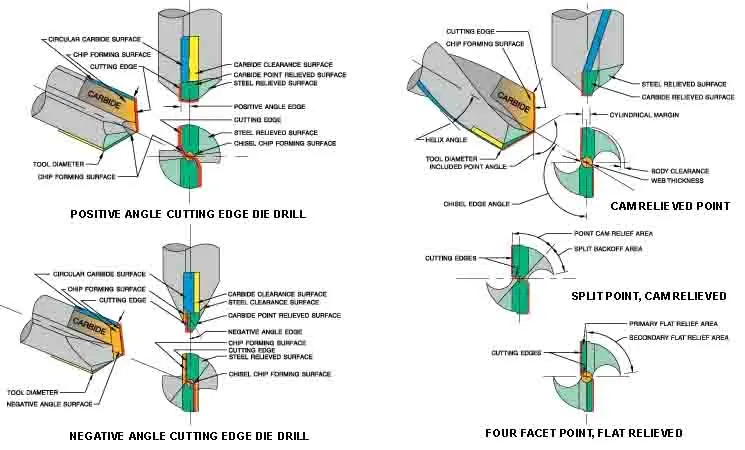
Comparing 153mm PDC Concave Bits with Other Bit Types Regarding Bottom Cooling
Concave vs. flat, convex, and tricone bits
When I look at how different bit types cool, concave PDC designs usually stand out. This is because the shape of the face helps move fluid to where it's needed most. Some curved shapes can make it harder for fluid to cover the centre, and flat bits might not be able to control bottom-face flow as well. While tricone bits can work well in many rocks, they cool and clean differently than PDC bits because they crush and cut instead of shear.
For long gaps where keeping the cool and clean cutting is important, a well-made concave PDC bit can
- more targeted delivery of fluid to the cutting structure, which helps cut down on dead zones and improves bit face cleaning in long runs where consistent temperature is important for cutter life and steady entry
- lower wear-related cost over time due to wear and tear because better cooling protects the cutter, more stable cutting, and fewer drops in performance that can lead to unexpected trips or decisions to replace bits.
When the 153mm size makes sense
A 153mm bit, which is about 6 Inches, can be used for many things in groundwork, mining, oil and gas, and water wells. It is usually chosen when workers need to find a good mix between the depth of the hole, the speed of cutting, and hydraulic efficiency. This width works well for many medium- to deep-depth projects because it allows for good nozzle and junk slot design while still letting you control the cutting.
Selecting, Maintaining, and Procuring 153mm PDC Concave Bits for Optimal Cooling Performance
What smart buyers should evaluate?
Technical experts and purchasing managers generally look at more than just price. I would look at the concave bit, the grade of the cutter, the quality of the steel body, the hydraulic structure, the runout control, the balance, the predicted formation range, and the ability of the provider to make changes. These things have a bigger effect on the cost per meter than the unit price.
Shaanxi Hainaisen Petroleum Technology Co., Ltd. was established in Xi'an in 2013. We specialise in the research and development, production, and sales of various diamond drill bits, PDC drill bits, and drilling tools, while also providing integrated technical solutions. Our products are used in oil and gas extraction, coal mining, geological and hydrological surveying, and engineering machinery. Our 3,500 m² facility includes modern workshops and advanced equipment such as 5-axis machining centres, CNC machine tools, and welding production lines. We also have a dedicated R&D team focused on custom bit design for different structural requirements.
Maintenance that protects cooling performance
The cooling system stays working with regular upkeep. I suggest checking the state of the nozzle, cleaning the flow pathways, and looking at the wear patterns on the cutter after each drilling run. If a passage is blocked or wears unevenly, fluid flow at the bit face changes, and cooling goes down along with it.
This dependability is supported by our quality control process, which includes advanced computer-aided design and modelling; precise production; testing for balance, runout, and structural integrity; as well as analysing field performance and making improvements all the time. Large oil service companies with strict qualification standards and long approval processes care about that level of control. It also helps buyers of coal and water wells who need reliable performance at the right price.
Conclusion
A 153mm PDC concave bit makes sure that the bottom stays cool below 50 metres by increasing fluid flow right where heat is being produced the most. Its curved face, improved hydraulics, and effective cuttings removal help keep cutters cooler, lower wear, and keep drilling performance stable. In terms of B2B users, that means longer bit life, more stable ROP, and lower cost per metre. When the bit is properly kept and matched to the rock, it can be used to make deep drilling more efficient.
FAQ
1. What makes the 153mm PDC concave bit better at cooling compared to a flat bit?
The curved shape helps move the drilling fluid faster and cover more area across the bit face. That makes it easier for the cutters to get rid of heat and cuts down on places where cuttings and heat can build up.
2. How often should maintenance be performed to ensure efficient bottom cooling?
This is a good rule of thumb: after every drilling run or every 20 to 30 metres dug, based on how rough the formation is, the quality of the mud, and the way the drill bit wears. Checks for cooling ducts, nozzles, and cutter state are the most important ones.
3. Can 153mm PDC concave bits be customised for specific drilling conditions?
You can change the bit structure, hydraulic channel design, blade shape, and cutter materials to fit the hardness of the formation, the cutting method, the depth goals, and the cooling needs.
Partner with HNS for Superior 153mm PDC Concave Bit Solutions
Need a reliable 153mm PDC Concave Bit Manufacturer or supplier? Custom-engineered bit options from HNS help drilling teams get better cooling, longer life, and lower costs. Email us at hainaisen@hnsdrillbit.com to talk about buying a 153mm PDC Concave Bit for sale, get technical help, or get a price for buying in bulk and making changes that fit your project needs.
References
1. Azar, J. J., & Samuel, G. R. Drilling Engineering. PennWell Corporation, discussing thermal management and fluid circulation techniques for deep-hole drilling.
2. Bourgoyne, A. T., Millheim, K. K., Chenevert, M. E., & Young, F. S. Applied Drilling Engineering. Society of Petroleum Engineers, covering drill bit cooling mechanisms and drilling fluid circulation in deep drilling operations.
3. Lyons, W. C., & Plisga, G. J. Standard Handbook of Petroleum and Natural Gas Engineering. Gulf Professional Publishing, explaining heat dissipation and fluid flow design for deep drilling tools.
4. Rabia, H. Well Engineering and Construction. Entrac Consulting, providing detailed discussion on drill bit hydraulics and bottom-hole cooling in deep wells.
5. Mitchell, R. F., & Miska, S. Z. Fundamentals of Drilling Engineering. Society of Petroleum Engineers, addressing drilling hydraulics, thermal effects, and bit performance in deep formations.
6. Aadnøy, B. S., & Looyeh, R. Petroleum Rock Mechanics: Drilling Operations and Well Design. Gulf Professional Publishing, including analysis of drilling heat generation and cooling strategies at large depths.
 VIEW MORE34 And A Half Whole Coal Mine Mining Anchor Drill Bits
 VIEW MORETool 6 Wings Drill Bit PDC
 VIEW MOREPDC Petroleum Drill Bit
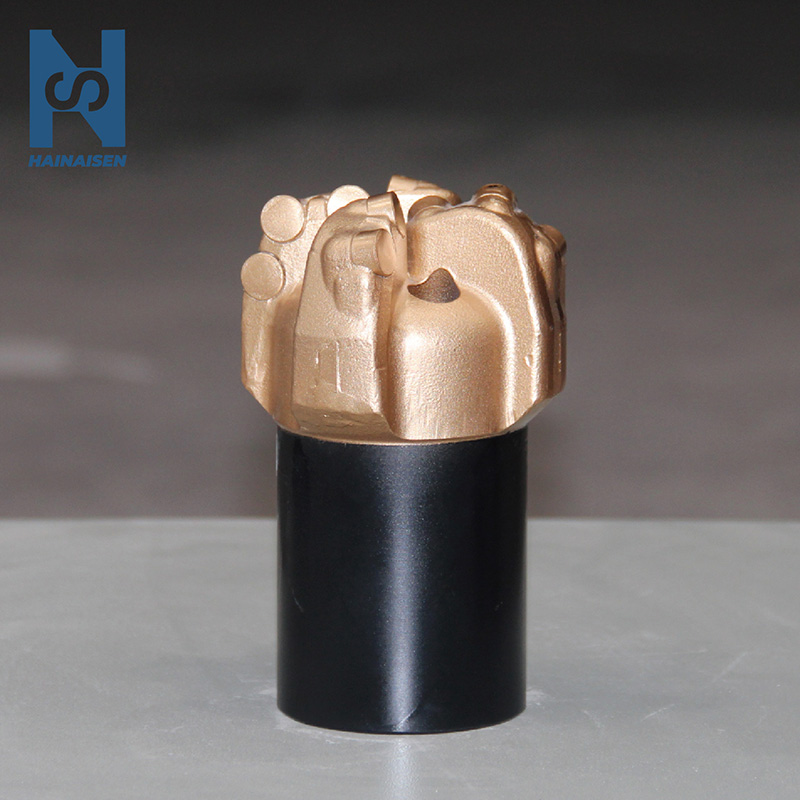 VIEW MOREFour Blade PDC Rock Drill Bit
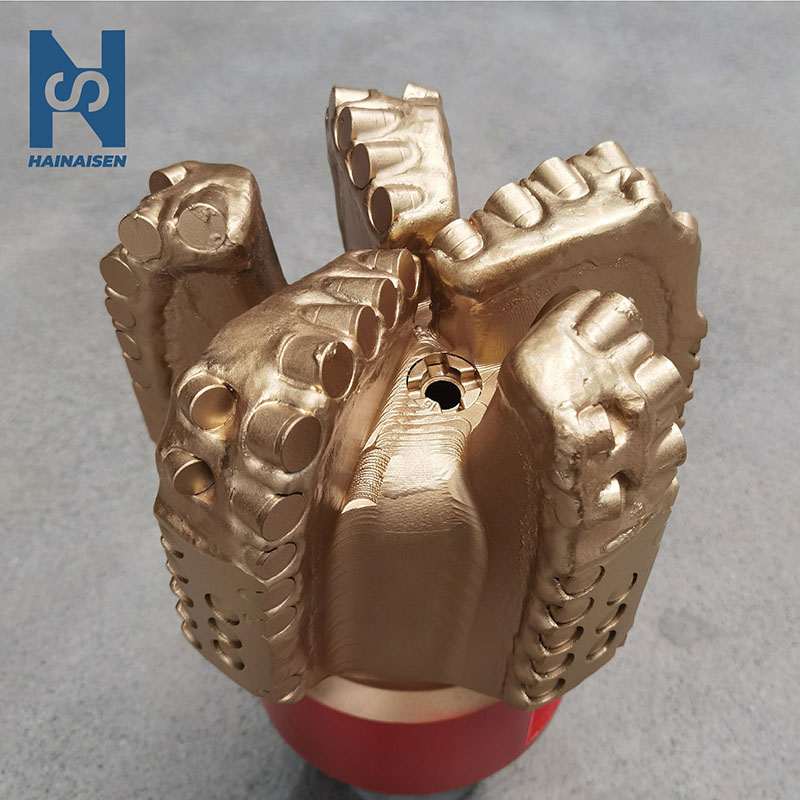 VIEW MOREPDC Diamond Bit
logo 1_1768274683075.jpg) VIEW MORECoal Mine Drilling Opening And Closing Drill Bit
VIEW MORECoal Mine Drilling Opening And Closing Drill Bit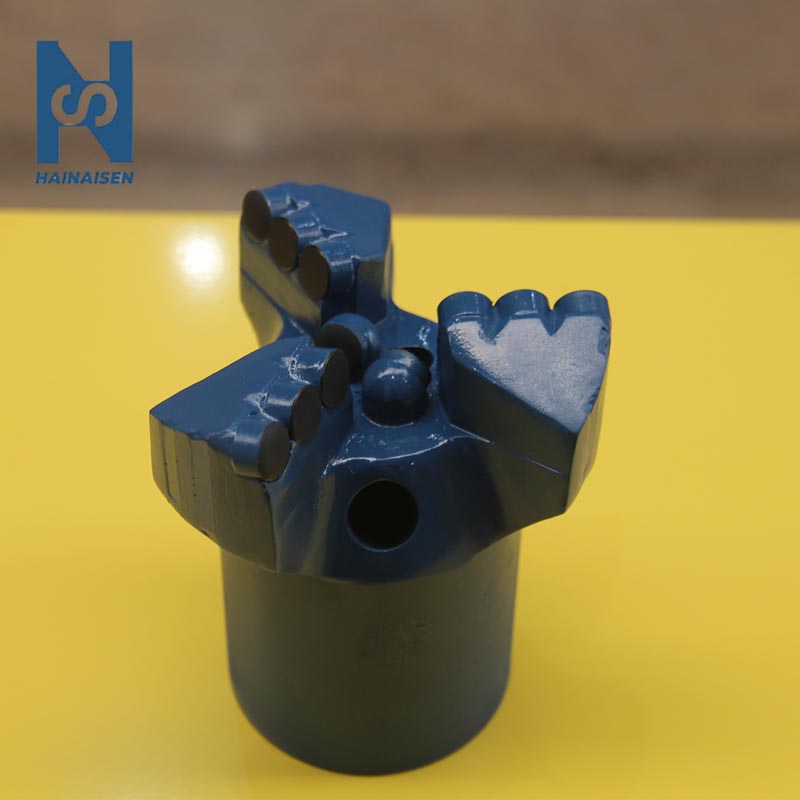 VIEW MORE3 Blades Steel Body PDC Bit
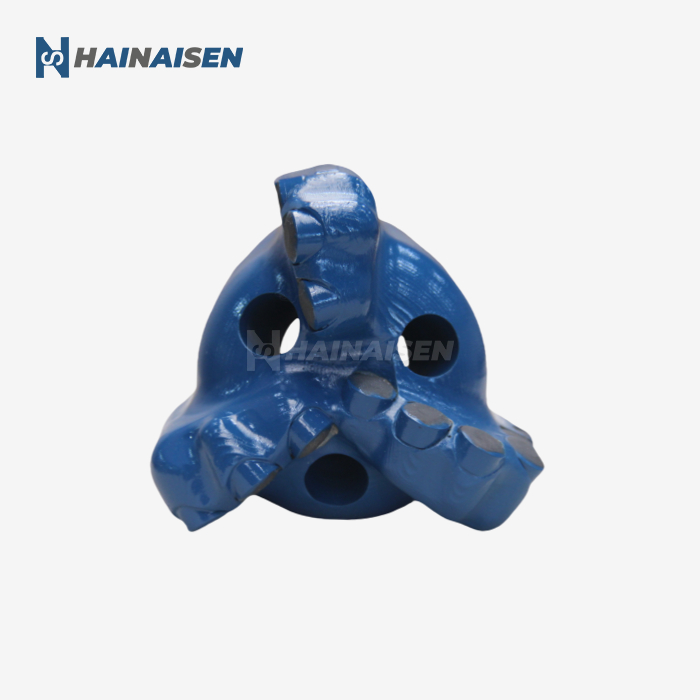 VIEW MORE3 Blade PDC Arc Angle Drill Bit