




Technical specifications for high-performance hard alloy roller drill bits
It's important to know the technical details of high-performance hard alloy roller drill bits when you're looking for drilling tools for tough industrial jobs. These specialised drilling tools have tungsten carbide cores and precision-engineered spinning cones that work well in a wide range of rock types, from soft clay to rough granite. As someone who works in business-to-business buying, I know that details like bit width, alloy hardness, bearing design, and cutting structure have a direct effect on how well drilling works, how much it costs, and how long a project takes. Matching the right bit specs to the geology and practical needs of a project is what makes the difference between successful and expensive failures. This is true whether you're drilling deep oil wells, looking for minerals, or building water infrastructure.
Understanding Hard Alloy Roller Drill Bits: Technical Foundations
Hard alloy roller drill bits are a big step forward in drilling technology. They combine advanced material science with mechanical engineering to work in difficult conditions below the ground. At their heart, these bits are made up of spinning cones that are attached to a fixed body. The cutting edges are made of tungsten carbide, which is one of the hardest materials you can buy.
Core Design Principles and Functionality
The main way a hard alloy roller drill bit works is because of its spinning cones, which spin separately as the bit turns. This two-motion system breaks rock efficiently by breaking and chipping at the same time. When the weight-on-bit (WOB) is put on the tungsten carbide pieces, which are shaped like buttons or chisel-edged teeth, they press into the formation and break up the rock structure through compression and impact forces. It is very important that the weight-on-bit specifications are correct during operation so that the cutting teeth go deep enough to cause volume crushing instead of just surface wear.
Milled tooth bits have cutting elements that are machined straight from steel cones. Hard alloy roller drill bits, on the other hand, have individual carbide pieces that are pressed into holes that have already been drilled in the cones. This design makes the bit very resistant to wear, so it can keep cutting well even after longer drilling breaks. Depending on the type of rock, these inserts have different shapes. For example, hemispherical buttons work best in very hard, rough rock because they spread out the impact forces, while chisel-shaped inserts go deeper into softer rock more quickly.
Types and Industry-Specific Applications
Different types of hard alloy roller drill bits are used for different tasks in industry. Tungsten Carbide Insert (TCI) bits are the most common type of bit used in situations where the bit needs to be able to work with different types of forms. They're pretty good at working with soft clays, medium-hard rock, and very hard granite. Diamond-enhanced versions have fake diamond coatings or polycrystalline diamond compact (PDC) cuts for specific uses in quartzite or thick basalt rocks that are very rough.
Our 140 mm Roller Bits have three blades and three nozzles. They are made of a modern hard alloy roller drill bit design that works well for digging for oil and gas, coal seams, geothermal energy, and building water wells. These bits can be used on rocks with hardness levels 1 through 12. This gives procurement managers a single option for a wide range of drilling projects. The 3-1/2 REG.PIN connection can be changed to work with normal drill strings in North American operations, and the 16 kg net weight strikes a good mix between durability and ease of handling during rig operations.
Critical Technical Specifications That Define Performance
When making a purchase choice, you need to look at specifics that can be measured and are directly linked to drilling ability, bit life, and the total cost of ownership, such as the Hard Alloy Roller Drill Bit. Let me show you the most important technical factors that split good bits from great ones.
Material Composition and Hardness Metrics
High-performance bits are built around tungsten carbide tips, which usually have hardness grades between 85 and 92 HRA (Rockwell A scale). This level of hardness gives the required wear resistance for long drilling intervals while still keeping enough toughness to handle repeated hits. The choice of carbide grade strikes a balance between toughness and impact resistance. More cobalt makes the material tougher at the cost of being harder, and this trade-off is important for matching bits to specific forms.
During operation, the bit body made of high-strength steel has to be able to handle axial loads, rotational stresses, and changes in temperature. Premium makers use steel that has tensile powers above 120,000 PSI, which keeps the structure strong even when cutting is done aggressively. Cuttings and fluids can't get into the internal bearings because of the new covering materials. This directly extends the life of the bearings and stops bits from breaking too soon.
Dimensional Accuracy and Structural Design Elements
The accuracy of the bit's width affects the quality of the wellbore and how well it works with other drilling or filling operations that come after. Manufacturing standards of within ±0.5mm make sure that the hole width stays the same. This keeps expensive reaming jobs from having to be done and trouble installing the casing. Our 140mm specs meet these strict tolerances thanks to CNC machining methods that keep the accuracy of the geometry across all production runs.
How well the bit covers the bottom-hole surface depends on how the rollers are laid out. Three-cone designs are the standard for general drilling because they offer a great mix between cutting area and structural strength. The angle at which the cones are placed, called the offset angle, affects how they cut. A larger offset angle makes hacking more aggressive in soft rock, while a small offset angle makes better wear in hard rock.
Bearing Systems and Seal Technology
Bearing design is likely the most important factor in determining dependability. When it comes to less demanding uses, journal bearings are simple and strong, while sealed roller bearings keep fluids out and cut out. These days, more and more hard alloy roller drill bits have sealed precision roller bearings with metal-face seals, pressure-compensated grease tanks, and elastomeric O-ring seals. These features make the bearings last 200 to 300 per cent longer than open bearing designs.
Our roller bits have three nozzles that work together to improve hydraulic performance. These nozzles direct drilling fluid to cool the inserts, remove the pieces from the structure, and clean the bottom hole. Calculations for nozzle sizes based on available pump pressure and flow rate make sure that enough hydraulic horsepower hits the bit face. For best cleaning results, you should aim for 2.5 to 5 hydraulic horsepower per square inch of bit area.
Performance Benchmarks and Quality Standards
The main ways to measure effectiveness are the drilling speed and the entry rate. In medium-hard limestone formations, good hard alloy roller drill bits can usually drill 15 to 30 metres per hour at speeds between 60 and 120 RPM, but real performance depends a lot on the characteristics of the formation, the weight of the bit, and the hydraulic factors. The rate of entry goes up in a straight line with spinning speed up to certain limits set by the formation. After those limits are reached, increasing the speed actually makes the process less effective because the cutting element wears out too quickly.
Quality control that follows API (American Petroleum Institute) standards, ISO 9001 manufacturing Certifications, and testing methods specific to the industry gives buying managers an objective way to confirm the quality of bits. Our 3,500 m² facility at Shaanxi Hainaisen Petroleum Technology Co., Ltd. uses precise cutting with 5-axis machining centres, thorough performance testing before shipment, and strict material testing to make sure that every bit meets the written specs.

Choosing the Right Hard Alloy Roller Drill Bit: Decision Support for B2B Buyers
To choose the best drilling options, you have to weigh technical requirements against budgetary limits, application needs, and provider dependability, including roller cone bits. Let me give you some useful advice that will make this difficult decision-making process easier.
Matching Bit Specifications to Formation Characteristics
The main criteria for choosing are formation hardness. Formations that are soft to medium (Level 1-6), like clay, shale, and soft sandstone, work well with bits that have longer, wider-spaced cutting edges that go deep with each turn. Formations that are hard to very hard (Level 7–12), like granite, quartzite, and abrasive limestone, need carbide plugs that are shorter and more tightly packed so they chip the rock instead of gouging it.
The roughness of the rock affects the shape of the insert and the choice of carbide grade. Quartz or similar rocks in highly coarse formations speed up insert wear by grinding against them all the time. Wear rates are kept to a minimum in these situations by choosing bits with hemispherical button centres and higher-hardness carbide types. On the other hand, rocks that aren't as rough allow for more aggressive chisel-shaped plugs that increase penetration rates without wearing down too quickly.
Cost-Efficiency Analysis and Total Ownership Calculations
Long-term dependability is usually more important to procurement managers at medium and large oil service companies than the initial purchase price. This is because they know that the costs of premature bit failure are much higher than the price difference between acceptable and premium bits. Even before rig time costs for bit trips are taken into account, a high-quality hard alloy roller drill bit that drills 500 metres for $150 per metre is a better deal than a cheap one that only drills 300 metres for $100 per metre.
In coal mining, it's common to have to choose between quality and price. In response to this need, we offer roller bits with performance specs that have been proven to work at reasonable prices. This is especially helpful when you order at least 10 pieces or buy in bulk and take advantage of volume savings. The shipping time of 5 to 7 business days keeps stocking costs low and makes sure that projects start on time.
Water well-digging teams that are working with smaller budgets should use bits that are designed for specific tasks instead of ones that are too general. A 140 mm hard alloy roller drill bit designed for drilling in level 4–8 rocks, which is common in aquifers, gives the exact performance needed without the higher costs that come with being able to work in harsh conditions.
Supplier Evaluation and Procurement Risk Mitigation
Technical details don't mean much if you can't trust your provider. To evaluate Manufacturers, you need to look at more than just the stated specs. The warranty terms show how confident the maker is in the product. For example, full coverage for premature insert loss, bearing failure, or body cracking shows that the company is committed to the quality of the product. After-sales support, such as expert advice, help with troubleshooting, and the availability of new parts, sets transactional sellers apart from those who really care about their customers' success.
Because OEMs can customise bits, they can be made to fit specific drilling needs. Shaanxi Hainaisen Petroleum Technology Co., Ltd. has been in business since 2013 and has specialised research and development teams and custom bit design departments that change the types of connections, cut structures, or improve hydraulic properties for different uses. When normal configurations don't perfectly meet practical needs, this ability to change things is very helpful.
Inspection of a manufacturing site gives you a clear view of how quality control works. CNC machine tools, automated welding production lines, and roller cone bits are examples of modern production equipment that can meet the exacting standards for accuracy and regularity. Requesting building tours or audit reports from a third party gives procurement managers concrete proof that a company can make what it says it can make, beyond what it says on the marketing materials.
Conclusion
The technical details for high-performance hard alloy roller drill bits include the type of material used, the accuracy of the measurements, the design of the cutting structure, the bearing systems, and the hydraulic properties that affect how well the bit drills and how long it lasts. For successful buying, these requirements must be matched to the traits of the unit, the operational parameters, and the budget limits. Suppliers must also be chosen based on their ability to provide quality production, customisation, and dependable support. If you understand and use these technical specs, you can make smart decisions that lower drilling costs, increase penetration rates, and keep operations running smoothly, whether you're digging deep oil wells, looking for minerals, or building water infrastructure.
FAQ
1. What advantages do hard alloy roller bits offer compared to diamond or steel bits?
When it comes to drilling in different types of rock, hard alloy roller drill bits are more useful than specialised ones. diamond bits work best in very hard, uniform rock forms, but not so well in fractured or interbedded rock. Basic steel tooth bits, on the other hand, wear out quickly in rough circumstances. Hard alloy roller drill bits with tungsten carbide inserts work well in soft clay through hard granite formations. This makes them perfect for exploring drilling, where the features of the rock formation can change quickly. Their changeable insert design also lets them be fixed up, which makes their total service life longer than that of fixed-cutter options.
2. How do I assess whether a specific bit suits my mining application?
Your main evaluation tool is the formation hardness rating. Match bits rated for Levels 1-6 to soft formations like coal seams and sedimentary deposits. Bits rated for Levels 7–12 are better for searching for minerals in hard rock. Think about how rough the material is. Quartz-bearing rocks need harder carbide grades with button-style openings. Check the bit's width against the planned hole size to make sure it will work with the links on your drill string. Read the manufacturer's application directions and ask for technical advice to make sure your choice will work in the geological conditions you'll be facing.
3. What maintenance practices most effectively extend bit durability?
Cleaning the bit right away after drilling keeps the pieces from hardening on it, which lets you get a good idea of how worn it is and keeps the tip working. Systematic eye review at the end of each trip finds problems like loose inserts or worn bearings before they become too big to fix. Working within the weight-on-bit and rotational speed limits set by the maker stops unnecessary wear and failure before its time. Keeping the viscosity and solids content of drilling fluids at the right levels saves bearings and makes hydraulic cleaning work better. By keeping track of performance metrics by formation type, you can use data to find the best pulling places that get the most footage while avoiding cases where bits get stuck.
Partner with HNS for Superior Hard Alloy Roller Drill Bit Solutions
Ready to improve your drilling with high-quality roller bits that are built to last and work well in tough situations? Our company, Shaanxi Hainaisen Petroleum Technology Co., Ltd., has been making high-quality Hard Alloy Roller Drill Bits for over ten years. These bits are used for oil and gas research, mining, geothermal development, and building water wells all over the world. We offer high-quality goods and full expert support, whether you need standard 140mm three-cone configurations or custom solutions made to fit your specific drilling needs. Get in touch with us right away at hainaisen@hnsdrillbit.com to talk about your unique needs, get full technical specifications, or get competitive quotes. Feel the difference when you work on your drilling projects with precision production and committed customer service.
References
1. American Petroleum Institute. Specification for Rotary Drill Stem Elements. API Specification 7, 44th Edition, 2019.
2. Bourgoyne, A.T., Millheim, K.K., Chenevert, M.E., and Young, F.S. Applied Drilling Engineering. Society of Petroleum Engineers Textbook Series, Vol. 2, Richardson, Texas, 1991.
3. Langford, J.W. and Leon, J.R. Performance Analysis of Roller Cone Bits. Journal of Petroleum Technology, March 1983, pp. 413-420.
4. Maurer, W.C. Novel Drilling Techniques. Petroleum Publishing Company, Tulsa, Oklahoma, 1968.
5. Society of Petroleum Engineers. Drilling Engineering: A Complete Well Planning Approach. SPE International, Richardson, Texas, 2nd Edition, 2020.
6. Wilson, J.K. Bits and Downhole Tools: Handbook of Drilling Operations. Gulf Professional Publishing, Houston, Texas, 2018.
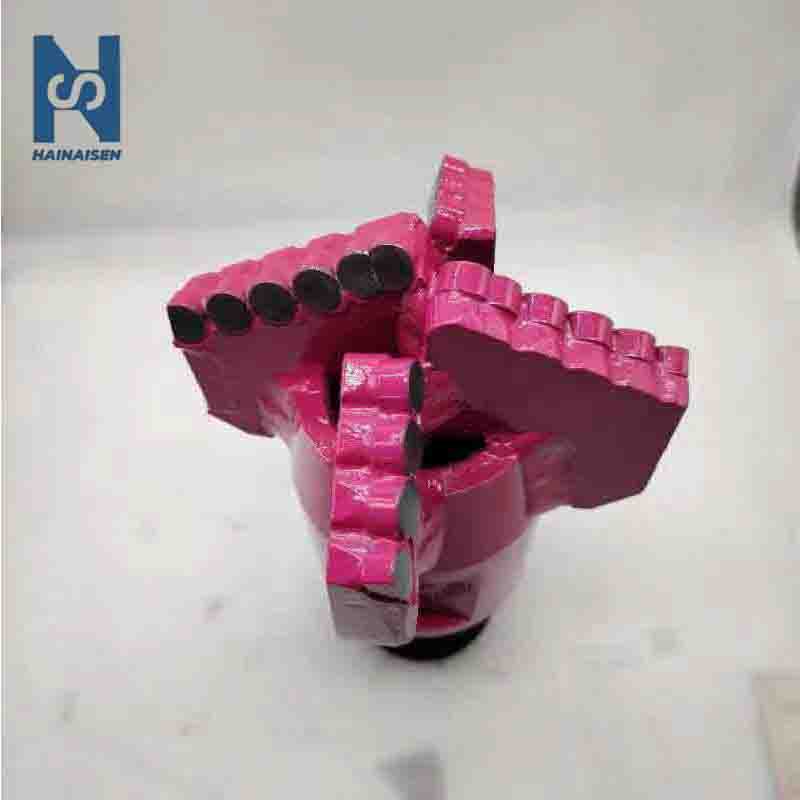 VIEW MOREAlloy Scraper Drill Bit For Water Well
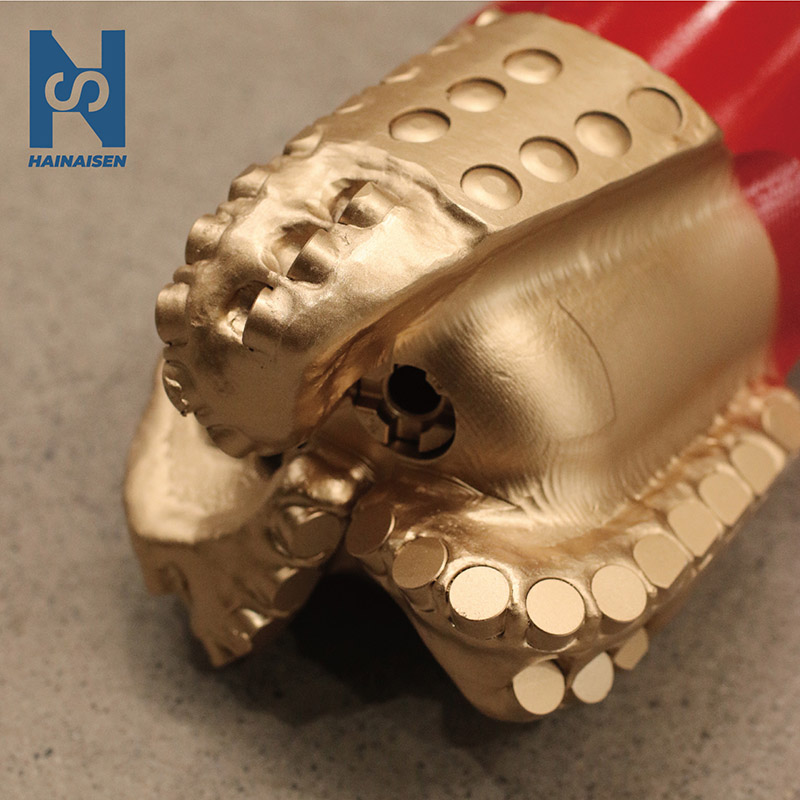 VIEW MOREThree Blades Rock Drill Bit
 VIEW MOREPDC Mining Bit
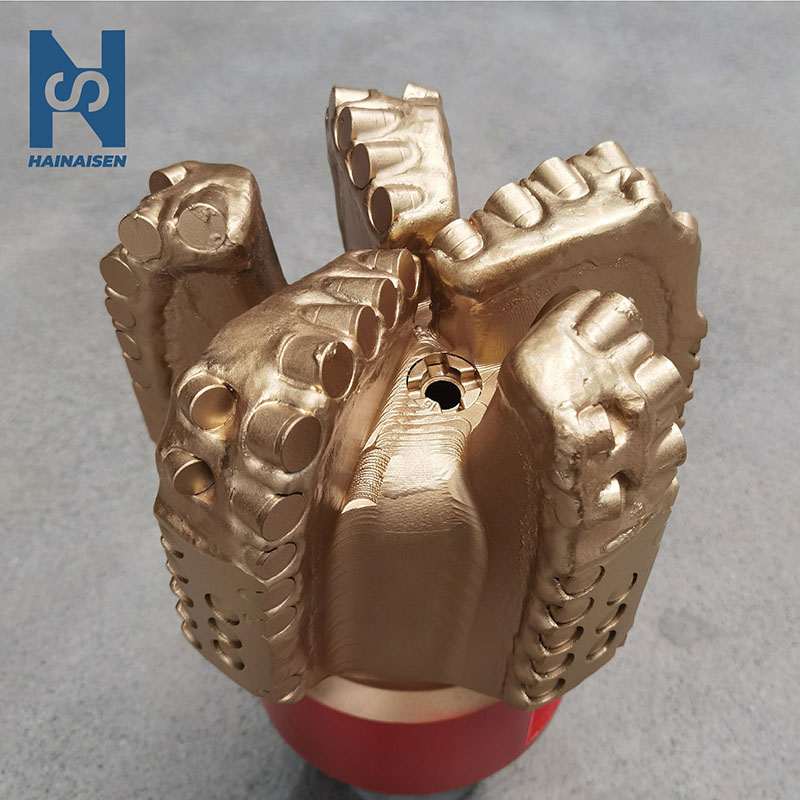 VIEW MOREPDC Diamond Bit
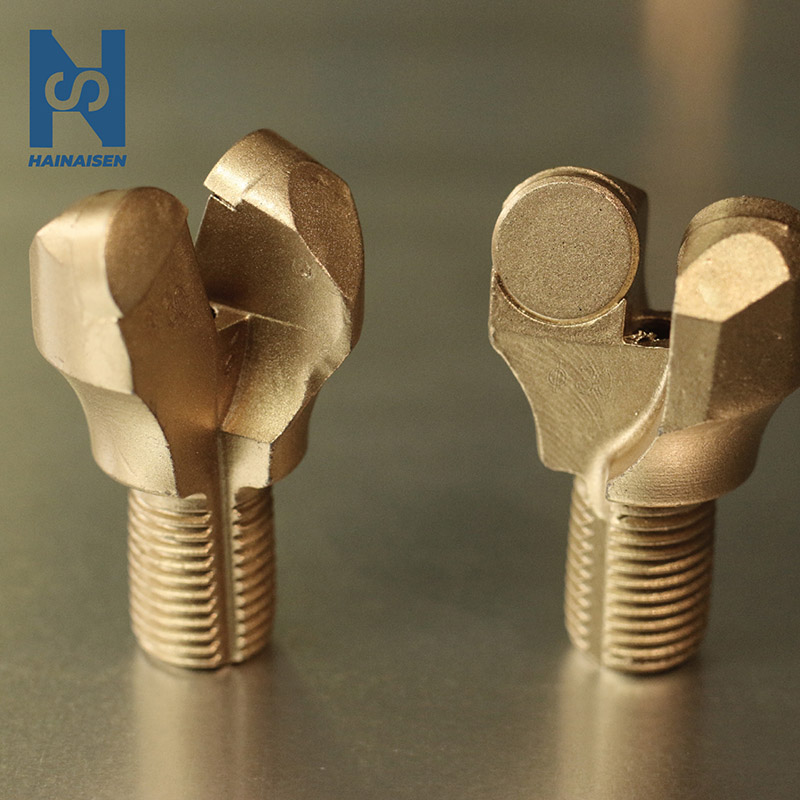 VIEW MORE30mm Half Blade Anchor Bit For Mine Coal Fields
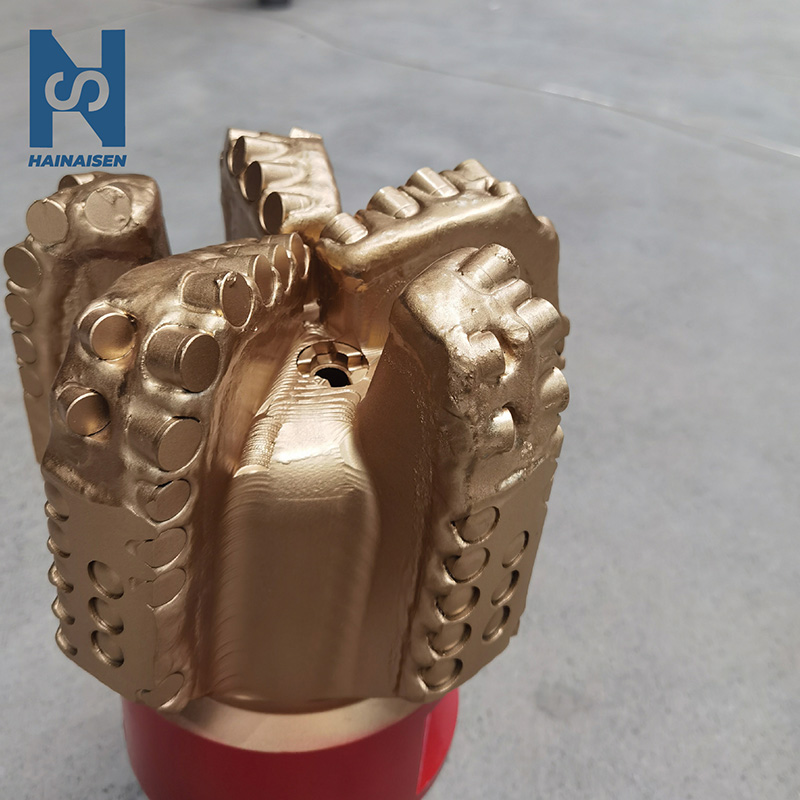 VIEW MOREFive Blade Wing Oil Drilling
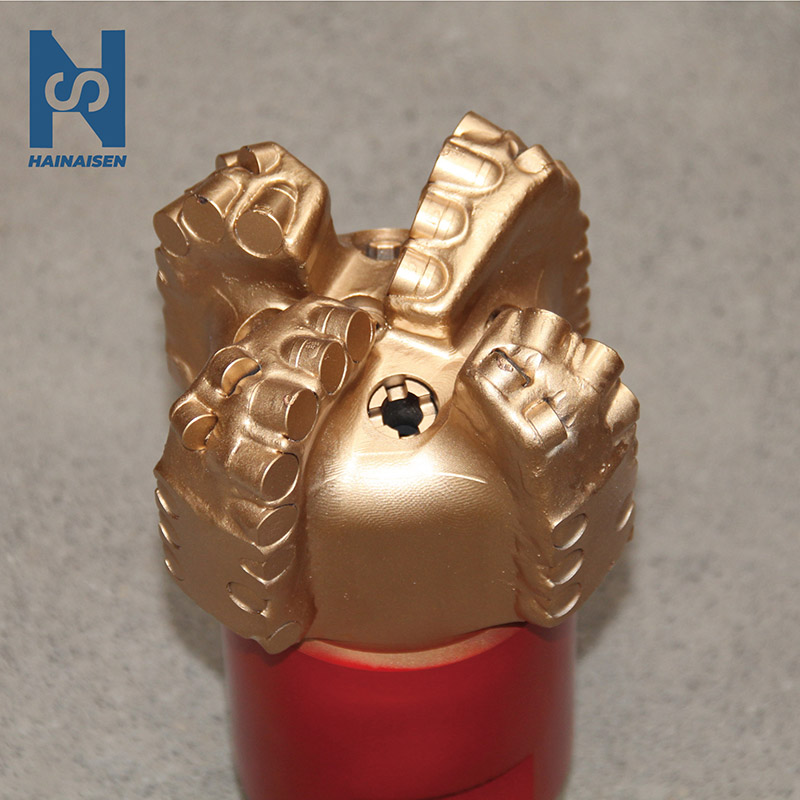 VIEW MOREFour Blade Wing High Performance Petroleum Drill Bit
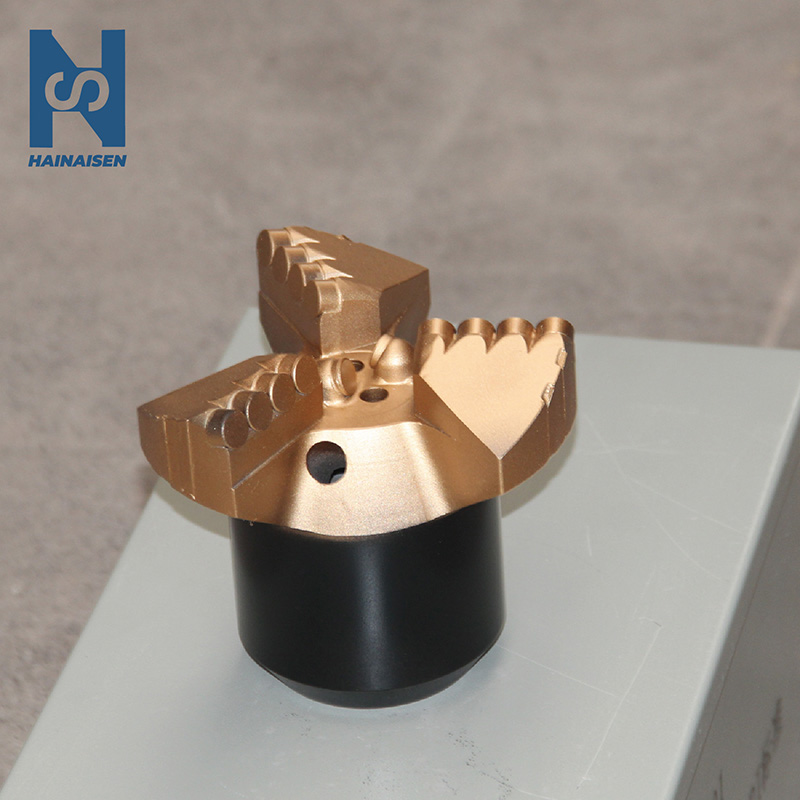 VIEW MORE153mm PDC Concave Bit